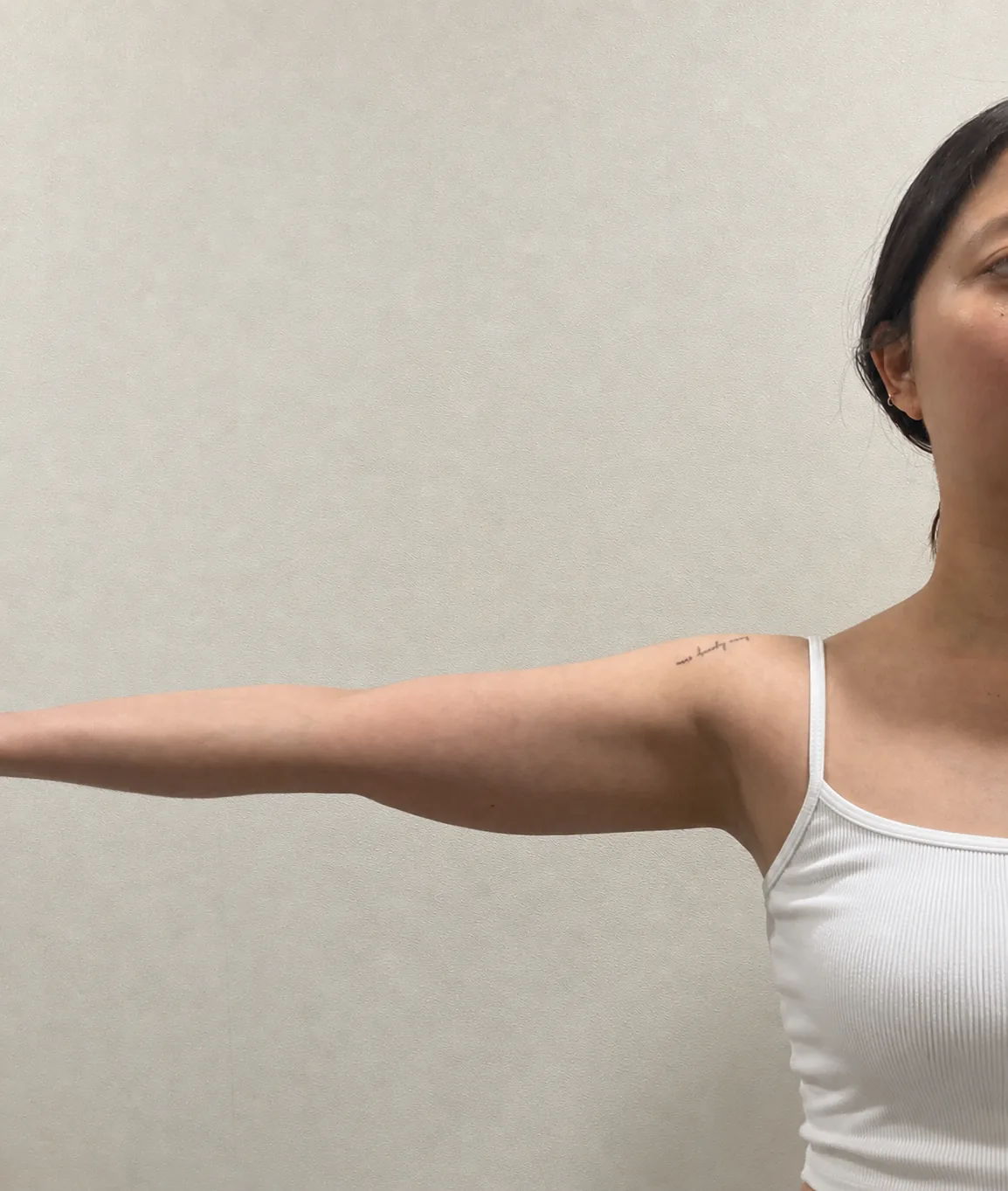
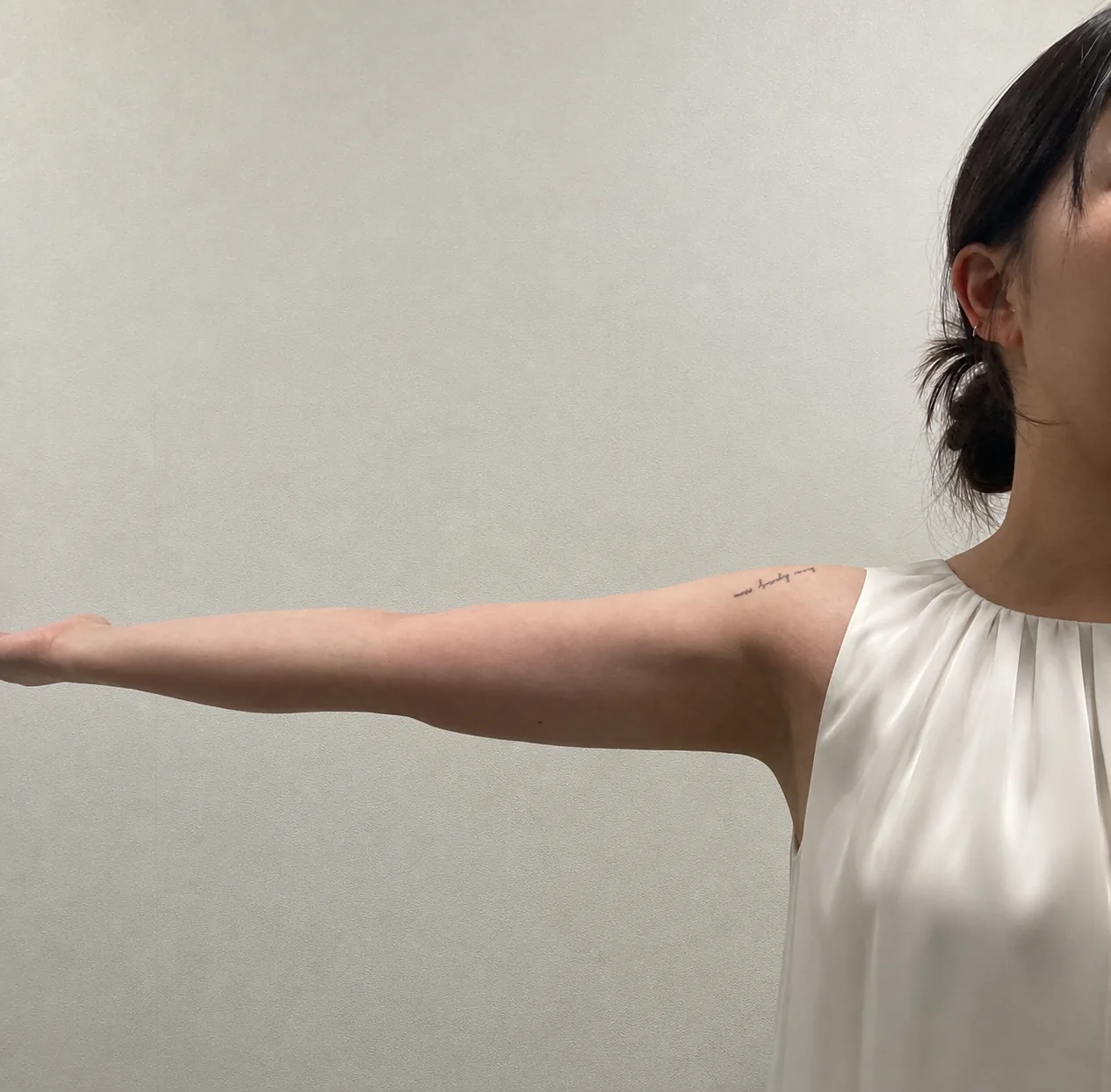
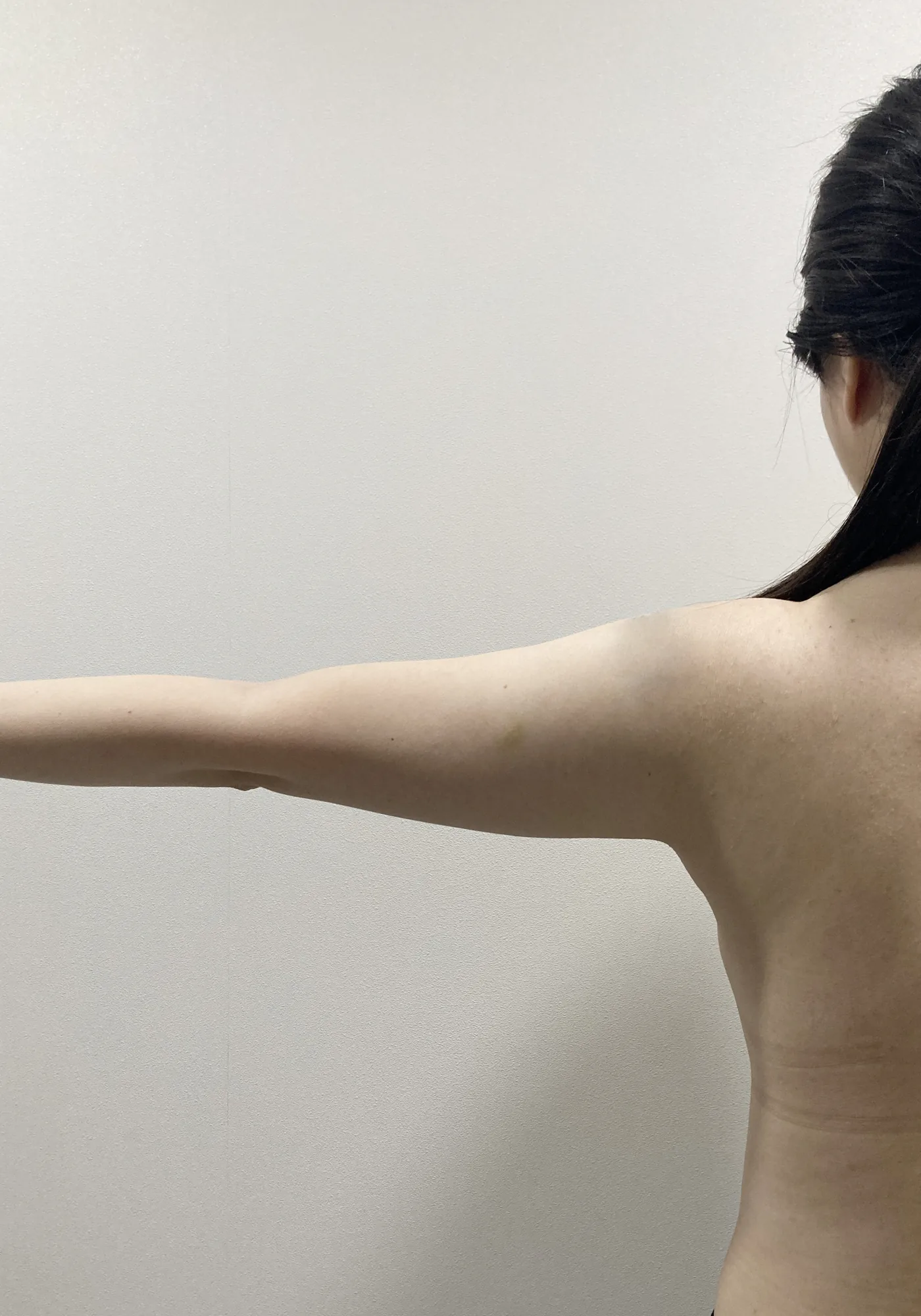
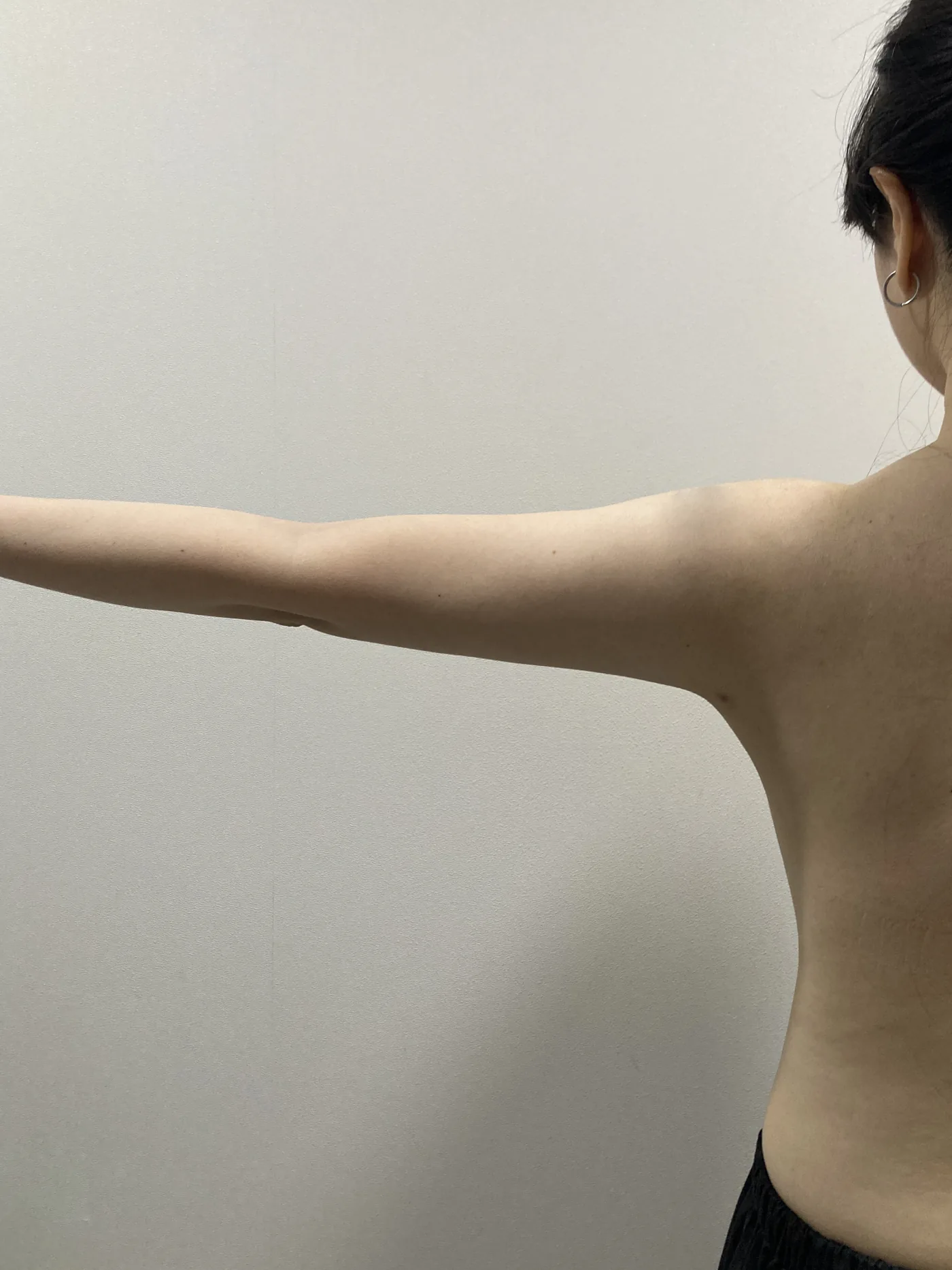
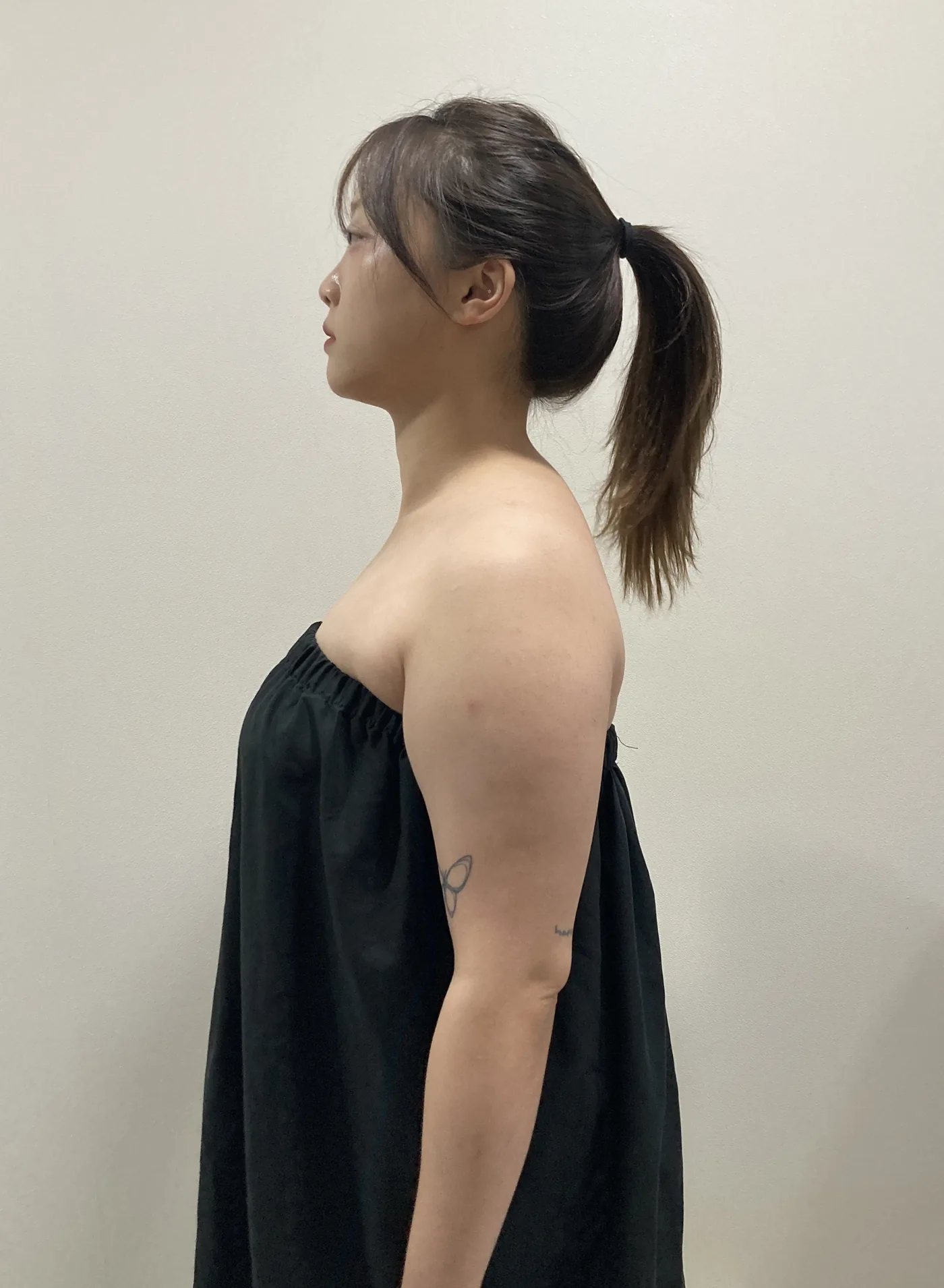
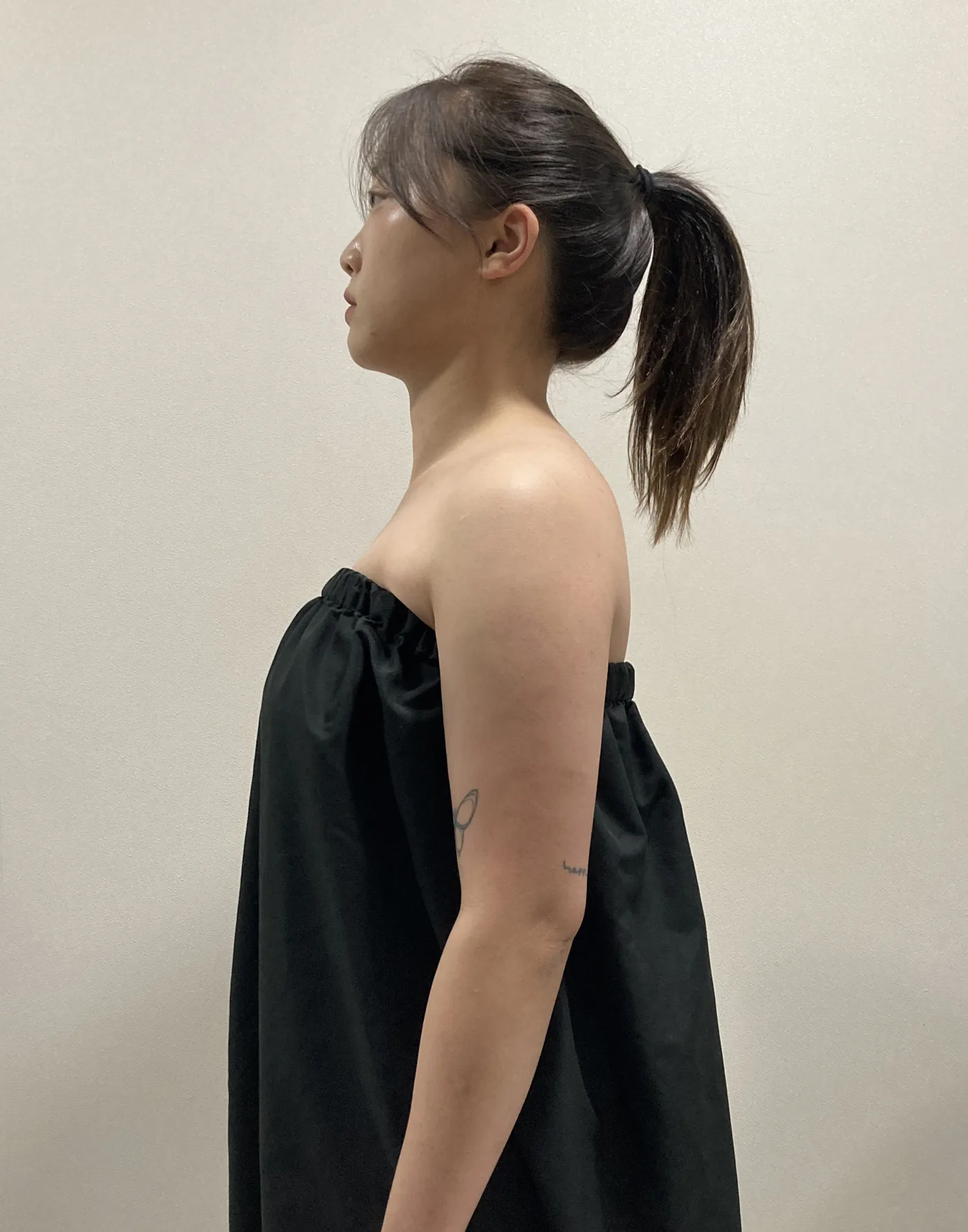
This is a minimally invasive procedure with real complications, and your director lists them before consent is signed. Bruising, swelling and tenderness over the treated zone are expected. Patches of altered sensation are common and fade slowly. Less frequently, patients see contour irregularity, a seroma, firm nodules under the skin, loosened skin, infection at the micro-entry point, prolonged discomfort, or visible asymmetry between two sides that were treated together.
Anaesthesia carries its own considerations. Working awake under local infiltration means the amount of tissue treatable in one session has a limit, and that limit is one of the reasons a director will trim an ambitious plan. Reactions to anaesthetic agents are uncommon and are screened for by history, so tell the clinic every medication and supplement you take, any bleeding tendency, any previous reaction on a dental or surgical chair, and every earlier procedure on the same zone.
Afterwards, wear the compression exactly as instructed, keep the entry point clean and dry, and contact the clinic the same day if pain, redness, discharge or swelling increases once the first few days have passed. A resident director is on site through opening hours, so a doctor who knows your case can look at the area in person the same day.