★★★★★
Recommendations are made based on actual circumstances. The attitude is very good. Highly recommended.
This guide compares categories, never named products and never named clinics. Dr. Hong Seung-hyuk, Dr. Maeng Woo-jae and Dr. Hong Young-ho, the three medical directors here, are board-certified Family Medicine specialists working in aesthetic dermatology, and the routes below are the ones they weigh against each other in the consultation room every working day.
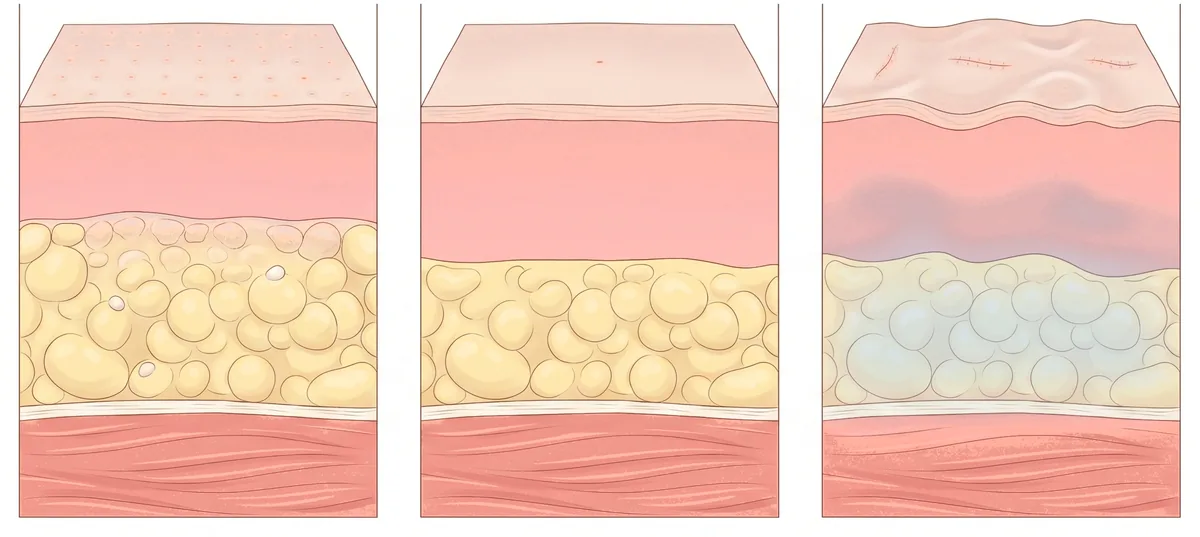
They are three separate physical events, and the sensible choice follows the size of the pocket and how fast you need the volume gone. A deoxycholic-acid-type dissolving injection disrupts the membranes of fat cells so the body clears the debris through its own drainage over the weeks that follow; it is planned as a course, commonly five or more weekly appointments, and it suits small soft pockets. Awake cannula extraction, performed here as G-fat, draws the cells out through a single micro-entry point per treated area while you stay awake under local anaesthesia, so the volume drops during the appointment itself. Surgical liposuction opens several incisions and runs under sedation or general anaesthesia, which is what allows very large volumes across several zones in one operation. Nothing on this page ranks the three. A director measures the layer, then says which one your body fits.
Reading a comparison table is preparation. The assignment itself happens in a room, with hands on the tissue, and it takes four steps.
Arrive with the shape that bothers you and the deadline you are working to, and leave the technique open. Patients who walk in having already chosen a route from a search result frequently describe a pocket that route was never designed for, and unpicking that in the room costs everyone time.
The pinch test separates the fat that sits above the muscle from the fat that sits beneath it, and only the layer above is reachable by any of these three routes. Skin quality is graded at the same time, because loose skin over an emptied area behaves differently from firm skin.
How much has to come out, how many days you can give to recovery, and how deep an anaesthetic you are willing to accept are decided together. Those three constraints usually eliminate two of the routes on their own, so the assignment tends to be settled quickly once the numbers are on the table.
The agreed route, the areas counted, and the named risks are written down and signed as informed consent, and nothing proceeds until that page exists. If the route your anatomy fits is one this clinic does not perform, the note says so and you take it elsewhere with no deposit taken.
A bile-acid-type solution is injected in a grid across a small pocket. It disrupts the membranes of the fat cells it contacts, and the body then clears the released material through its own metabolic and urinary drainage. Because that clearance is biological, the change arrives late and arrives gradually, and because each appointment treats only what the injected volume can reach, a course is normally five or more visits spaced about a week apart. The category was built for small, soft, well-defined pockets, and stretching it across a whole abdomen produces a long calendar and a modest result.
A blunt cannula is passed into the fat layer through one micro-entry point per treated area, and a suction device removes the cells themselves. The clinic performs this as G-fat fat dissolving injection treatment, now in its third-generation G-Lifting form, where a proprietary patented cannula first scrapes the skin–fat interface to prompt tightening and the machine extraction follows. You are awake and talking with the team throughout under local anaesthesia. What comes out has left the body during the appointment, so the volume change is present the moment you stand up, masked for a few days by swelling.
The operating version of the same suction principle, carried out through several incisions that require closure, under sedation or general anaesthesia, in a theatre setting. What that framing changes is reach — several large zones in one operation — rather than what happens inside a single treated area, where awake extraction already works without a volume cap. It also buys stitches, an anaesthetic record, and a recovery measured in weeks. Our page on liposuction in Korea sets out how the awake approach here relates to the surgical one.
The single biggest practical difference between the three is time, and it splits two ways: chair time and calendar time. A dissolving-injection course is short in the chair and long on the calendar. Each appointment is a matter of minutes, you walk out with nothing visibly changed, and the accumulated effect is judged only after the course has run its five or more weekly visits. For someone living in Seoul that is an easy rhythm. For someone flying in for ten days it is close to unworkable, and saying so early saves a wasted trip.
Awake extraction inverts the arithmetic. One appointment per area, an hour or two in the chair, and the calendar obligation is a review and the aftercare programme afterwards. Most areas are finished in a single visit, with a second arranged only where you and the director agree more is wanted once the swelling has gone. Surgical liposuction is a single operation too, but the calendar cost sits in the recovery: compression, restricted movement, and a swelling curve that is still resolving well after the stitches come out.
Individual results may vary, and none of these three routes produces its final contour on the day it is performed. Skin retraction is a slow process in every one of them.
Assignment is mostly a question of volume against tolerance. A small pocket in someone with good skin and no deadline can sensibly go the injection route. A defined area holding a real amount of fat in someone who wants it dealt with in one visit and back at a desk the same afternoon is the awake extraction case. A patient wanting several large zones emptied at once, or carrying a volume that a local anaesthetic cannot cover safely, belongs in an operating theatre, and the honourable answer in that room is a referral.
Some requests are declined outright, and it is fairer to publish them than to let someone book a flight first. A director will decline to treat generalised weight as a body-contouring case; none of these routes is a weight-loss method, and a patient whose goal is a number on a scale is asked to address that first. A director will decline to empty an area under skin that has already lost its recoil, because removing the filler under loose skin makes the drape worse and no cannula pass fixes that. Pregnancy and breastfeeding stop the conversation. An uncontrolled systemic condition, an active infection at the site, and undisclosed anticoagulant medication all stop it as well. A body mass index of 30 or above is assessed case by case and carries an additional fee confirmed in the room.
The last refusal is the one patients find hardest. If you ask how many centimetres will come off, or how many kilograms a session is worth, the director will not attach a figure to it. Fat volume varies by person and by area, the measurement afterwards is not the measurement you imagined, and a consultation that opens with a demand for fixed numbers usually closes without a plan.
A completed dissolving-injection course softens the profile of a small pocket. It is a change you notice in a mirror and in a well-fitting garment, and it is not a change that redraws a silhouette. Judged against what the category was designed for, that is the correct outcome, and disappointment with it is almost always a sign that the pocket was too large for the route from the start.
Awake extraction gives back the volume it removed, and the cells taken out are no longer in that area. Weight regained afterwards distributes elsewhere, since there is less tissue left in the treated zone to take it up. What extraction does not give back on its own is skin tone, and that gap is precisely what the G-Lifting cannula pass and the clinic’s body-care devices are aimed at. Surgical liposuction can work several large zones in one operation and asks for the longest recovery in exchange; inside a single treated area, awake extraction removes fat on the same principle without a volume cap.
Photographs on our treatment pages are shared with patient consent and represent those individuals only. Written accounts from international patients are collected on the patient reviews page, and reading a few of them alongside this comparison is usually more informative than either on its own.
Anaesthesia depth is the axis patients research least and feel most. Dissolving injections are usually given with topical numbing or nothing at all, and the discomfort is a stinging that fades within the appointment. Every procedure performed at this clinic, including awake extraction, is done under local anaesthesia with the patient awake, able to talk with the team and to say when something is uncomfortable. Sedation is available as an option at an additional cost for people who would prefer it, and the agent used is discussed in the room and never named in published material, which is a rule of Korean medical advertising.
Surgical liposuction runs under sedation or general anaesthesia by definition, which brings an anaesthetist, a monitoring record, a fasting window, and someone to take you home. Those are ordinary requirements of surgery. They are also the exact reason a patient who could be treated awake usually prefers to be, and the reason a patient who genuinely needs the surgical volume should accept them without negotiating them away.
Printing a single number against each of three categories would compare things that are not comparable: a course of appointments, a per-area procedure, and an operation with an anaesthetic team attached. The units are different, so the arithmetic would mislead you.
What the clinic does publish is the full rate sheet for what it performs, identical for every patient, on the price list page. Awake extraction is quoted per palm-sized area, both sides counting as two areas, with no cap on how much comes out of an area. Sedation, if you choose it, and treatment at a body mass index of 30 or above carry an additional fee confirmed in the room.
Dissolving injections carry marked swelling in the days after each appointment, pain and burning during administration, bruising, firm lumps and areas of induration that take weeks to soften, numbness over the injected field, and injury to a nerve running through the treated zone. Uneven distribution across the grid can leave a dip. Where the material is placed outside the intended fat layer, damage to surrounding tissue is possible.
Awake cannula extraction carries bruising and swelling as a rule, tenderness for days, temporary changes in sensation over the treated area, firm nodules and fibrous adhesions as the tissue reorganises, contour irregularity or waviness, asymmetry between paired areas, fluid collection under the skin, pigment change or a small mark at the entry point, and infection. Skin laxity after a large volume is removed is a real and named limitation, and it is the reason the tightening pass exists and the reason the aftercare programme is part of the plan.
Surgical liposuction adds everything that belongs to an operation: anaesthetic risk, bleeding, scarring at each closed incision, seroma, deeper contour irregularity, prolonged swelling, and a longer window in which an infection can declare itself. No route on this page is risk-free, and any source telling you one of them is has told you something you can check against this paragraph.
Recovery after a dissolving-injection appointment is measured in the swelling that follows it. The treated pocket can look larger for several days, and patients who did not expect that read it as a failure when it is the mechanism working. There is no compression garment and no activity restriction; there is simply a face or a pocket that is not photograph-ready for a while, repeated at every visit in the course.
Awake extraction sends most people home on their own on the day, back to light desk work the same afternoon, wearing compression over the treated area. Bruising peaks in the first days and fades over a fortnight, and the tenderness on a large zone such as a thigh can run a week or two. Exercise waits. For anyone flying, the directors ask for a few days in Seoul after the appointment so the area can be checked, and our liposuction recovery guide for Korea lays out that timeline day by day.
Surgical recovery is a different order of commitment: stitches, restricted movement, weeks in compression, and a swelling curve that outlasts your trip if the trip was short. Anyone comparing routes on cost alone should price the recovery days into the comparison, because that is where the real difference between the three usually lands.
Category-level information for framing your consultation. No product, device or clinic is named or ranked in this table.
| Question you are really asking | Dissolving injection | Awake cannula extraction | Surgical liposuction |
|---|---|---|---|
| What happens to the fat cell | Membrane disrupted, contents cleared by the body | The cell itself is drawn out of the body | The cell itself is drawn out of the body |
| Openings in the skin | A grid of needle punctures per appointment | One micro-entry point per treated area | Several incisions that need closing |
| How deep the anaesthesia goes | Topical numbing or none | Local, awake and talking; sedation optional at extra cost | Sedation or general anaesthesia with monitoring |
| Appointments to complete it | Commonly five or more, about weekly | Usually one per area, occasionally a second | A single operation |
| When the volume actually moves | Weeks later, as clearance proceeds | During the appointment | During the operation |
| How much one appointment covers | Small, soft, well-defined pockets | No cap within a treated area; areas counted individually | No cap within a treated area; several large zones in one operation |
| What it does about loose skin | Nothing directly | A tightening cannula pass and a body-care programme | Surgical excision if planned as part of the operation |
| Working days you give up | None, repeated many times | Same-day desk work, compression, exercise paused | Weeks, with restricted movement |
| Typical reason it is declined | Pocket too large for the category | Skin recoil already lost, or volume beyond local anaesthesia | Patient fit for a lighter route and unwilling to be sedated |
This grid compares categories of treatment, never specific products or providers. Which row applies to you depends on your anatomy, your health and your calendar, and a medical director settles that at your free consultation.
The references below are listed so a reader can go to the sources without taking a summary on trust, and each sentence here states only what the paper is about. The first is REFINE-1, a multicentre, randomised, double-blind, placebo-controlled phase 3 trial with ATX-101, an injectable drug for submental fat reduction (Jones, 2016). The second is a review of the mechanisms and effects of noninvasive body contouring devices on cellulite and subcutaneous fat (Alizadeh, 2016). The third is a current metaanalysis of extracorporeal shock wave therapy for the treatment of cellulite (Knobloch, 2015).
None of these papers studies G Clinic, none of them reports an outcome obtained at this address, and none of them supports a prediction about what any route would do for an individual reader. They establish that the categories described on this page have been examined in the peer-reviewed literature. Your own result is discussed by a director with your body in front of them, and individual results may vary.
Since 2018 G Clinic has made G-fat injection its own signature procedure in Gangnam, Seoul, clinic-reported past 20,000 cases. No fat is dissolved: you stay awake on local anaesthesia, one micro-entry per area admits a fine cannula, device suction lifts the fat, and volume leaves the same day, priced by palm-sized area. Third-generation G-Lifting stimulates skin tightening with a special cannula beforehand; Ultra G-fat adds ultrasound to the extraction. Read the full story on the G-fat Injection page.
No, the two do different things to the fat cell. A dissolving injection damages cell membranes and leaves your body to clear the contents over weeks, so the cells are broken down where they lie. Liposuction, whether surgical or performed awake through a cannula, pulls the cells out of the body during the procedure itself, which is how G-fat fat dissolving injection treatment works at this clinic. That single mechanical difference drives every other difference on this page.
Surgical liposuction covers the most ground, because sedation or general anaesthesia allows several large zones to be worked in one operation — at the cost of incisions and a recovery measured in weeks — as our page on liposuction in Korea explains. Inside any single treated area, awake cannula extraction works on the same suction principle with no cap on the amount taken; its practical limit is how much surface a local anaesthetic can comfortably cover in one sitting. Dissolving injections remove the least per appointment by a wide margin, and that is the reason they run as a course.
A dissolving-injection course is not, because five or more weekly appointments will not fit in that window and a partial course tells you very little. Awake extraction fits comfortably: one appointment per area, a review a few days later, and a flight home after the director has checked the site. Surgical liposuction can be done in ten days but leaves you flying with fresh swelling and restricted movement.
No. It is performed under local anaesthesia with you awake, listening to music and able to speak with the team throughout, which is one of the things that separates it from a surgical route. Sedation is available as an option at an additional cost if you would prefer it. The agent used is discussed with your director in the consultation room and is never named in published material.
Cells removed from an area have left the body, while the cells that remain there can still enlarge with weight gain. What can change is everything else: if your overall weight rises afterwards, the remaining fat cells across your body enlarge, and a treated area with fewer cells left in it simply takes up less of that gain than its neighbours. No route on this page substitutes for diet, sleep and activity, and no director here will tell you otherwise.
The submental area is small and well defined, which is the pocket the dissolving-injection category was designed around, and it is also the area with the most published trial evidence. It can equally be treated by extraction in a single visit. The deciding factors are usually how much tissue is present, how the skin under the jaw behaves, and whether you can commit to a course of weekly appointments.
Combinations happen, but sequenced rather than stacked. A large zone can be handled by extraction while a small stubborn residual pocket is finished by injection months later, once the first area has fully settled. What a director will not do is treat the same area by two mechanisms at once, because the swelling from each masks the result of the other and nobody can then tell what worked.
Each appointment only affects the cells the injected solution physically contacts, and the volume that can safely be placed in one sitting is limited. Clearance of the released material is then a biological process running over weeks. Stacking appointments closer together does not accelerate that clearance; it only stacks the swelling. The interval is roughly weekly for that reason, and skipping visits leaves the course incomplete.
Injections cost you no working days but leave a swollen pocket after every appointment. Awake extraction costs you the afternoon, compression over the area, a fortnight of fading bruising and a pause on exercise. Surgery costs weeks. Our liposuction recovery guide for Korea sets out the awake-extraction timeline day by day, including when you can fly.
They are not, and that is why this guide prints no figures. An injection course is priced per appointment or per vial, extraction here is quoted per palm-sized area with both sides counted as two areas, and an operation is priced with theatre and anaesthetic time inside it. Published rates for everything this clinic performs sit on the price list page, identical for every patient.
Skin retracts over months, and how well it does so depends on your age, your starting elasticity and how much volume left the area. This is the honest weak point of every fat-removal category. Here it is addressed by the third-generation tightening cannula pass ahead of extraction and by a body-care device programme afterwards, and a director who thinks your skin will not cooperate will say so at consultation.
One of three medical directors: Dr. Hong Seung-hyuk, Dr. Maeng Woo-jae or Dr. Hong Young-ho. All three are board-certified Family Medicine specialists, all three are on site, and the clinic reports more than 20,000 awake extraction cases since 2018 at this Gangnam address. Consultations run in English without a third-party interpreter in the room.
Send photographs and a short description of the area through the consultation form on this site and our team replies through your preferred messenger. The consultation is free and carries no obligation, and if the route your anatomy needs is one this clinic does not perform, you will be told that plainly. Accounts from previous international patients are on the patient reviews page.
Verified reviews from our Google Business Profile.
Recommendations are made based on actual circumstances. The attitude is very good. Highly recommended.
I cannot recommend G-clinic highly enough. From the moment I walked in, my experience was nothing short of exceptional. The clinic itself is modern, clean, and welcoming. The front desk staff were incredibly warm and efficient. Checking in was a breeze, and they were very helpful with my new patient paperwork. The waiting time was minimal…
Process was perfect! I got some liposuction done, the doctor and staff were very nice and very professional. 100% would recommend anyone to get there procedures done here! They took out A LOT of fat! The doctor speaks perfect English as well!
Dr. Hong has perfect English and is very kind. I was glad my friend recommended me to come here via allaboutmei, it really has lived up to my expectations. The method and equipment used is very modern and top range, I was expecting to be in a lot of pain but I feel great! Thank you again Dr. Hong and all the other people that work at Gcli…
Book a free consultation in Gangnam, Seoul and one of the three medical directors will measure the layer, name the risks that apply to you, and put the route in writing. If that route is not one performed here, you will be told so in the room.
Book ConsultationEvery consultation and procedure at G Clinic is conducted on site by one of three medical directors — never handed to a substitute practitioner. All three are Family Medicine specialists who have cared for international patients for years.
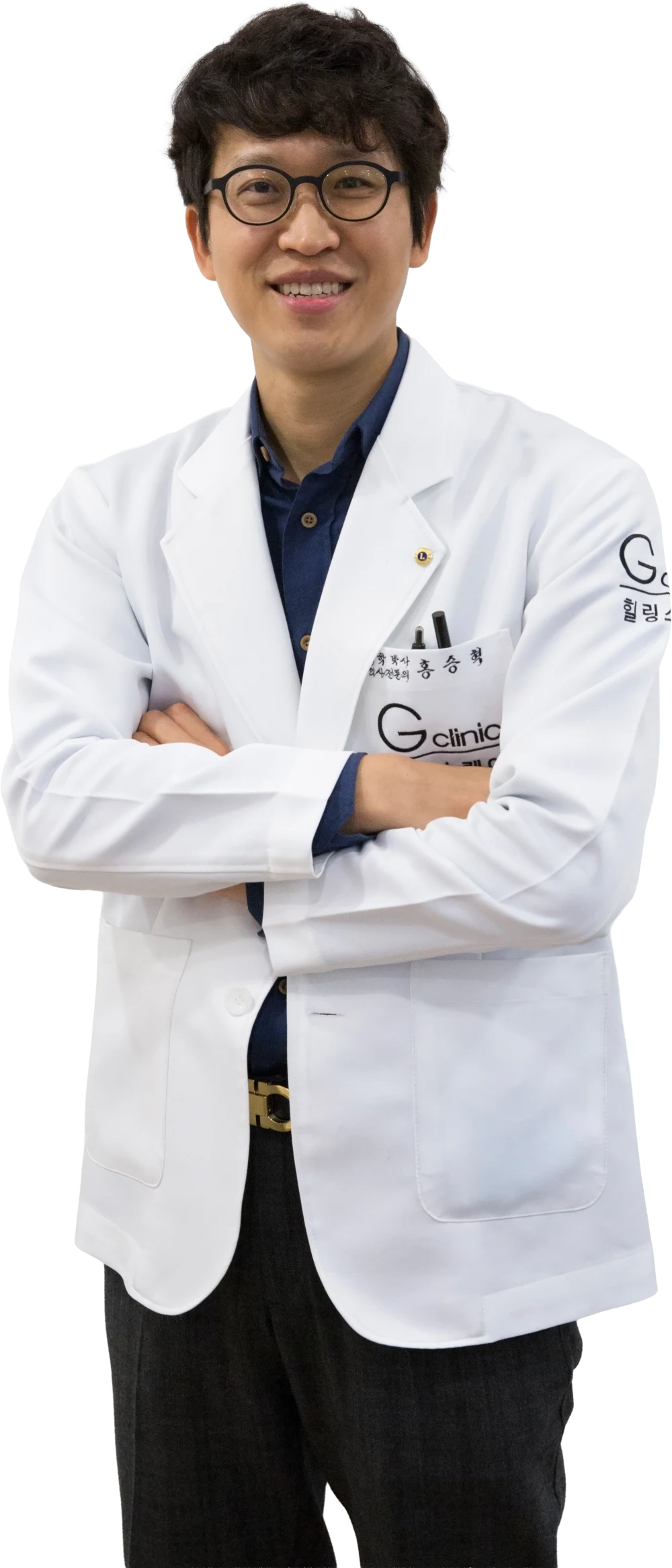
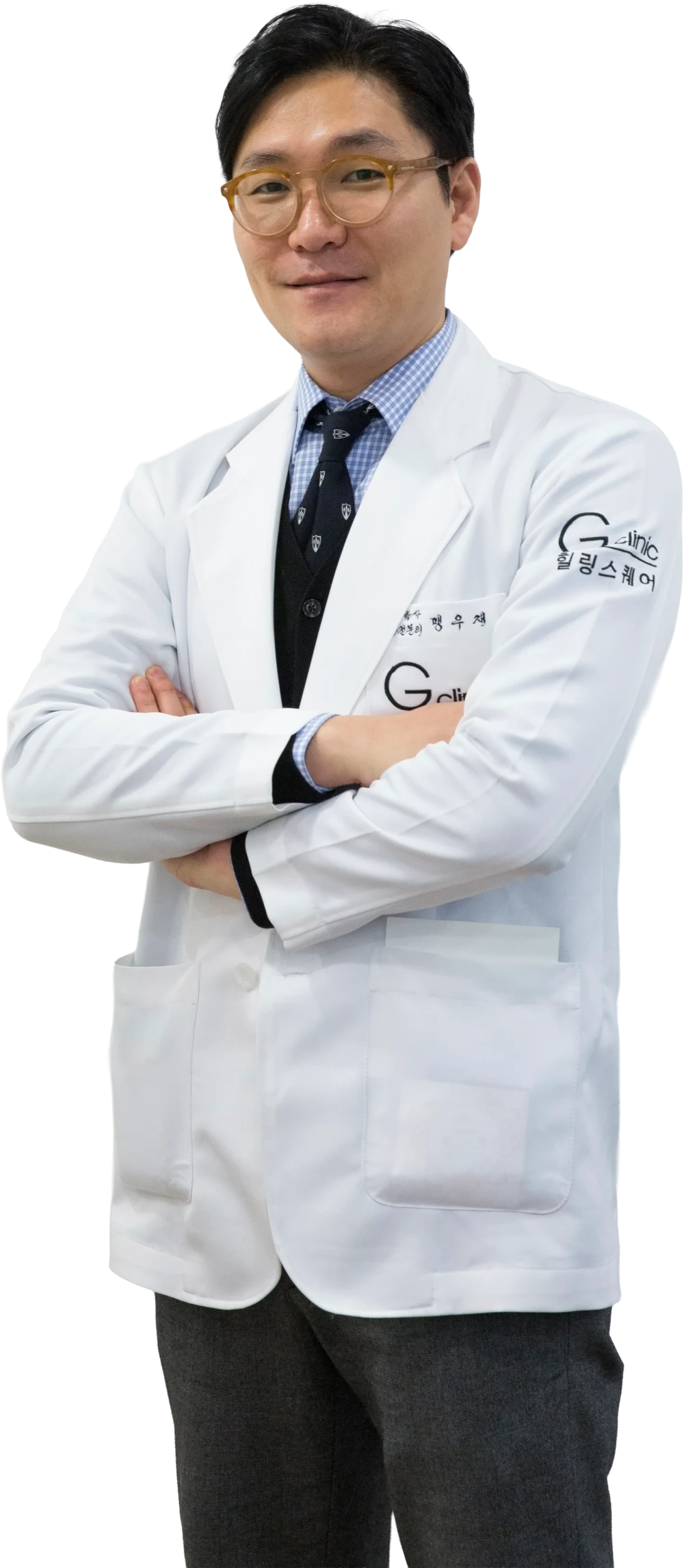
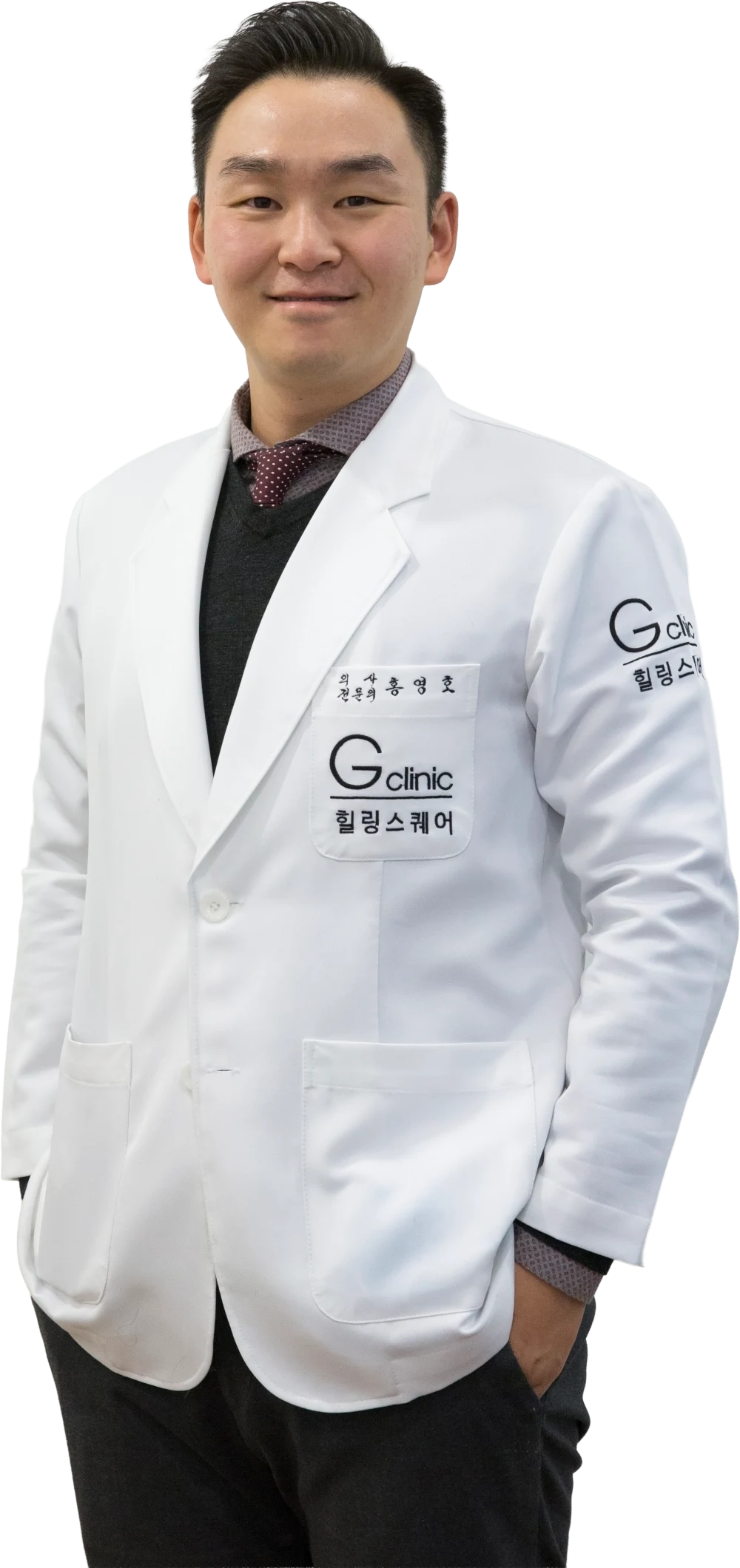
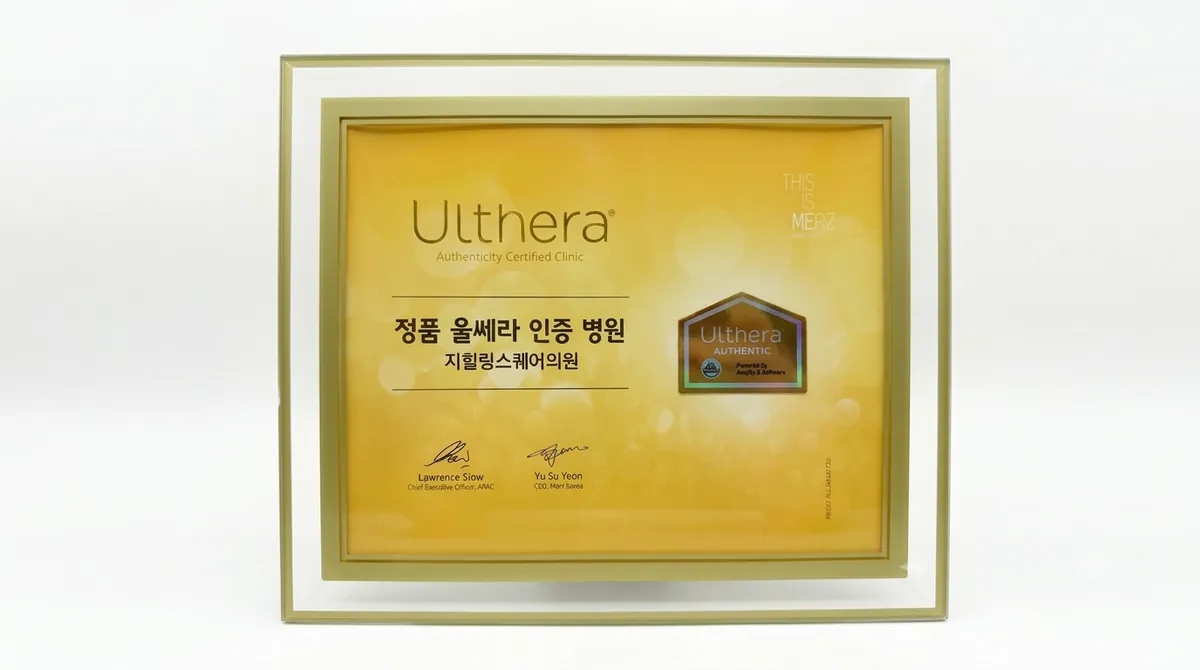
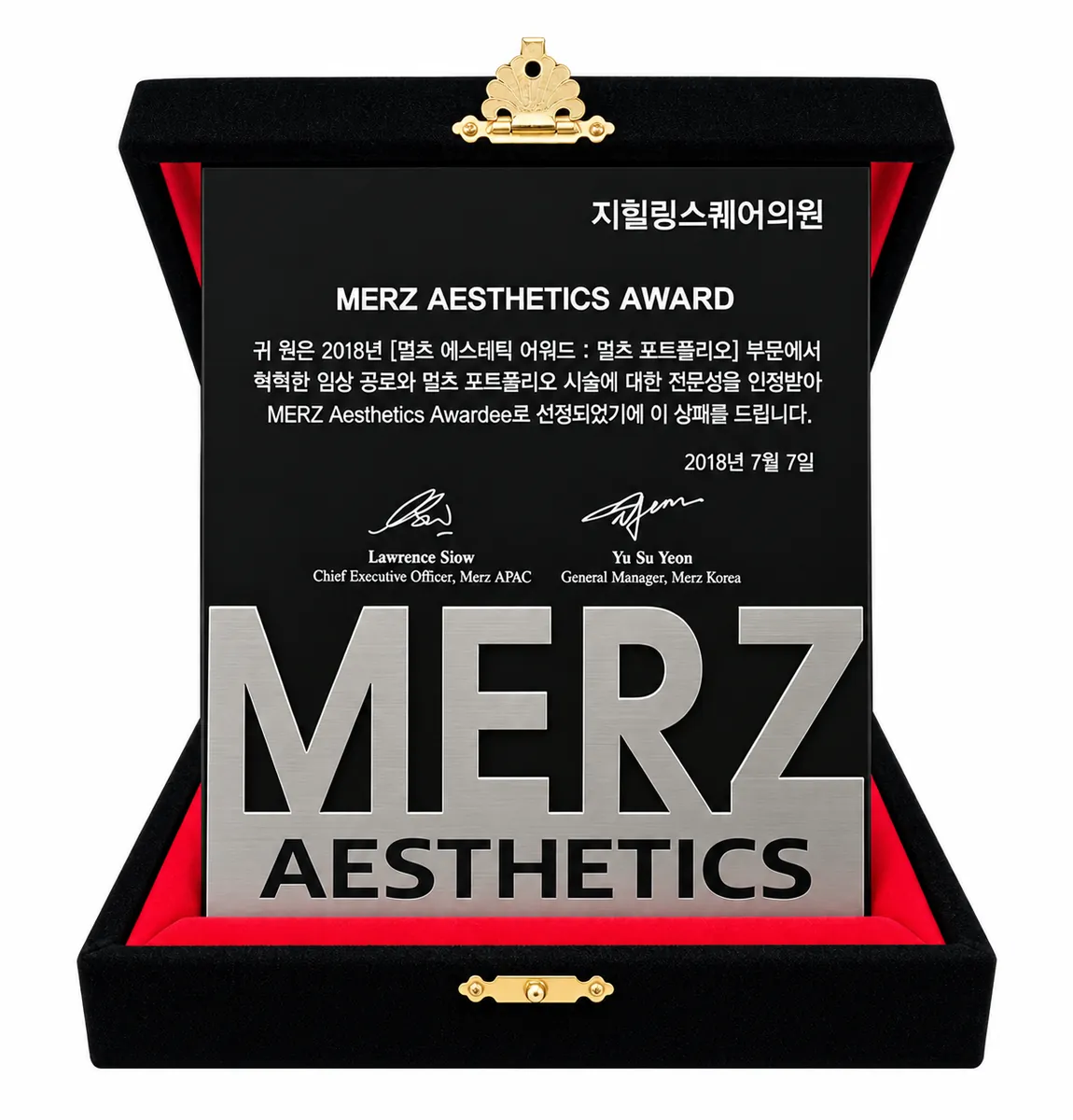
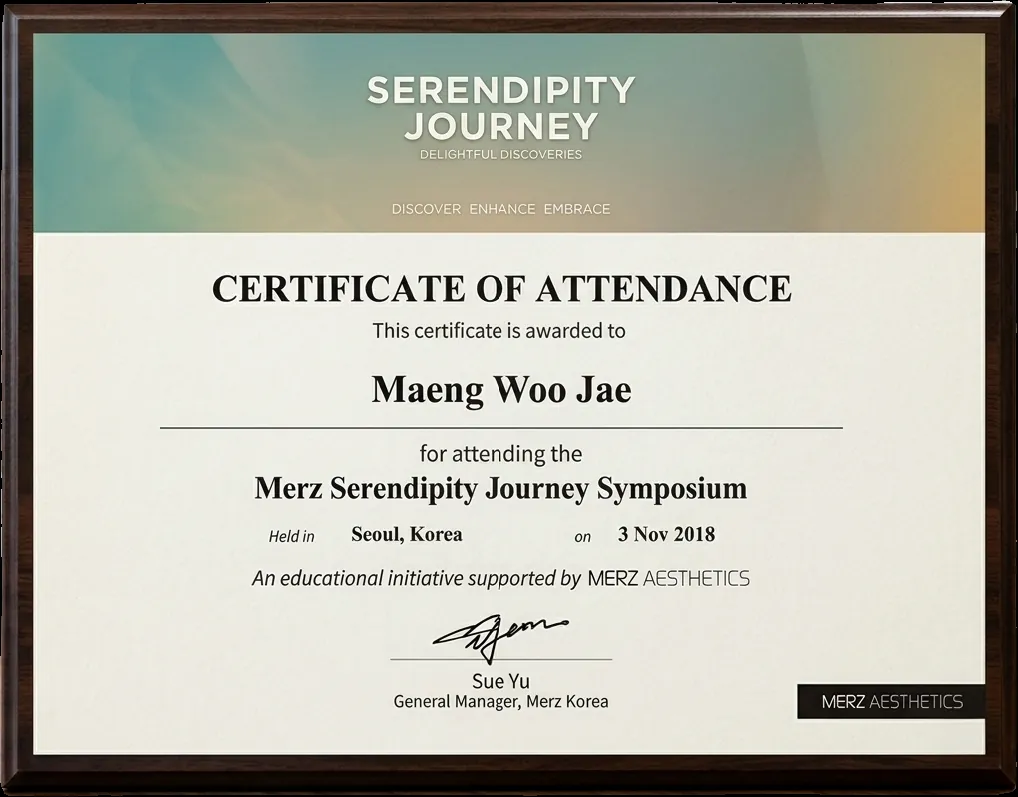
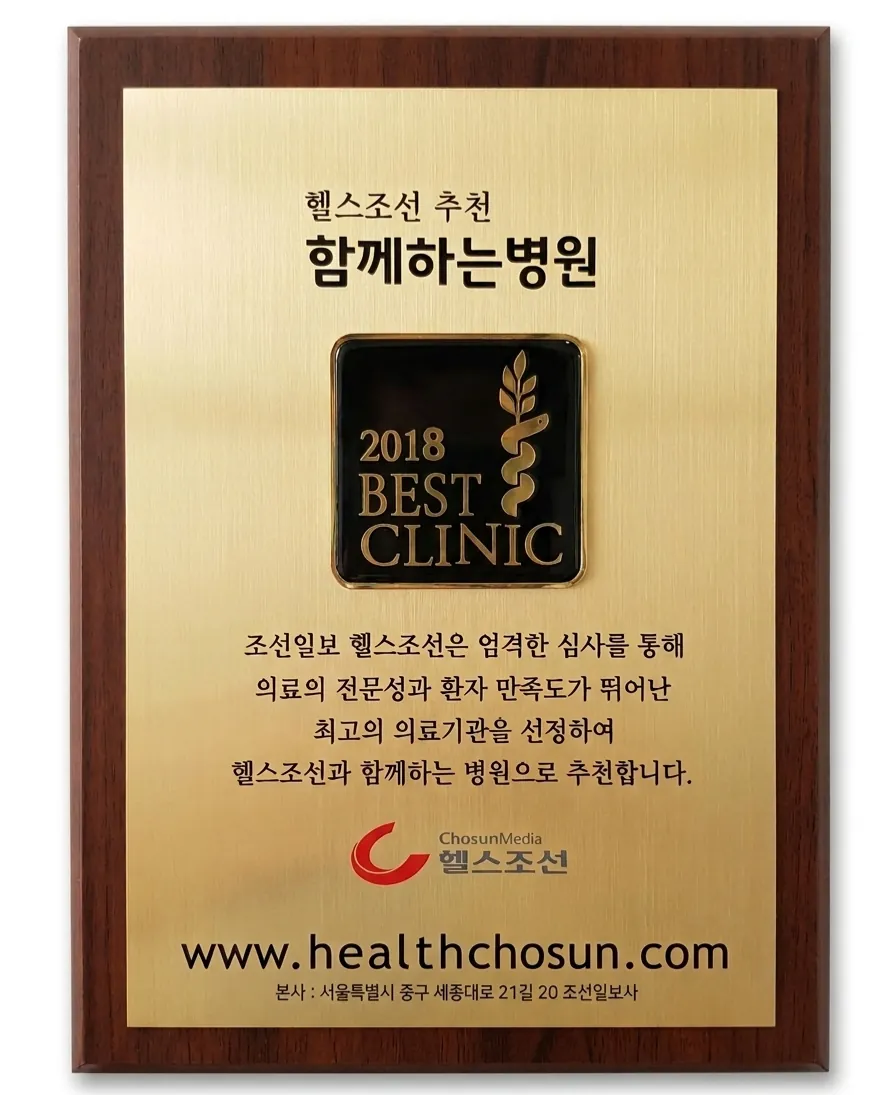
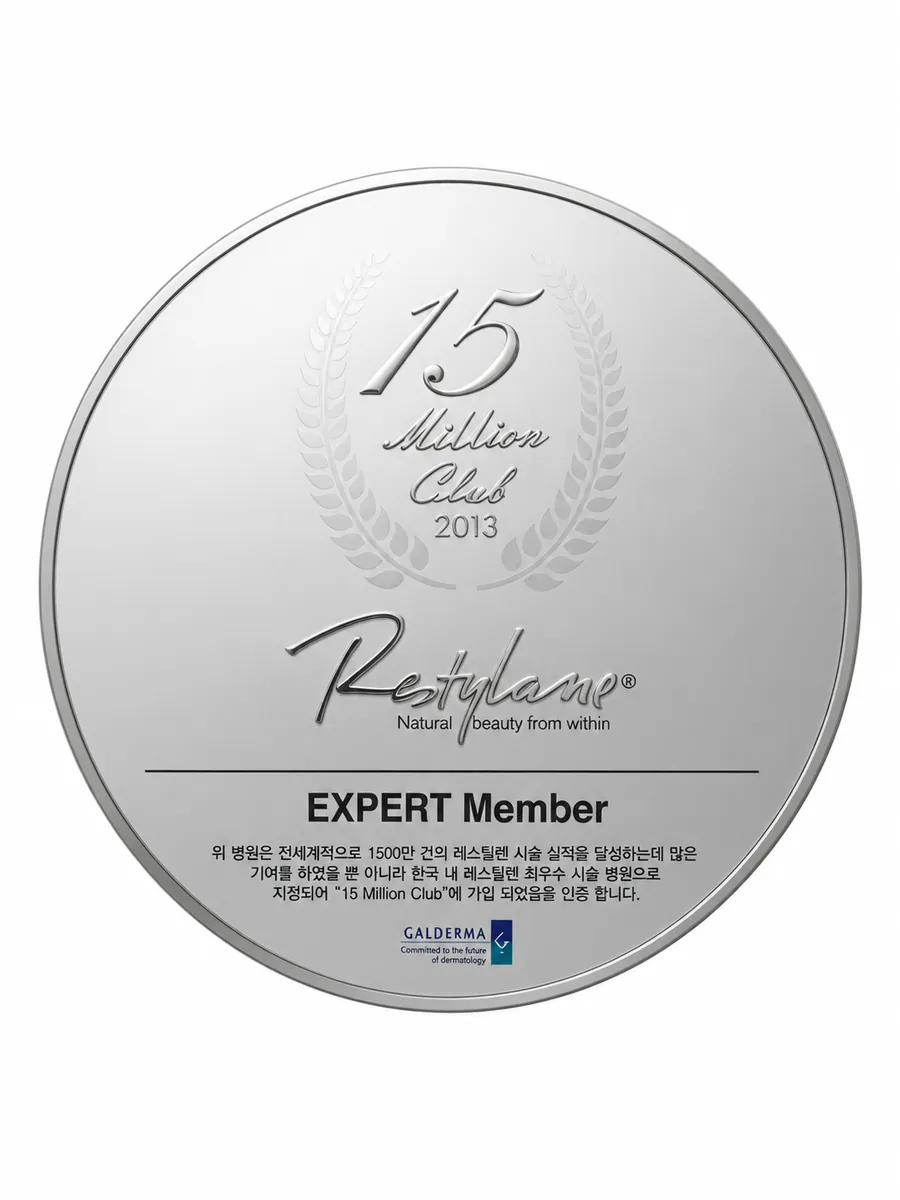
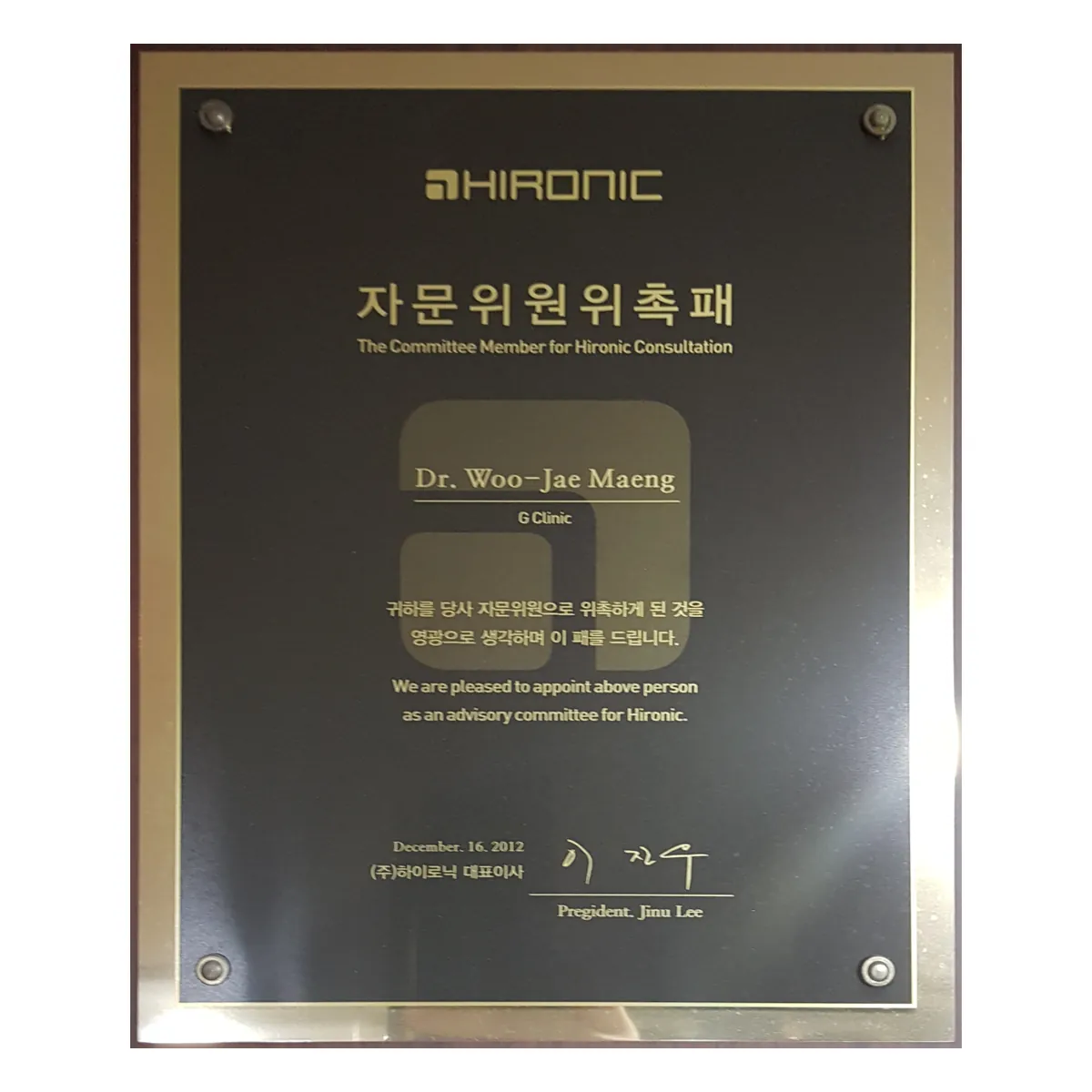
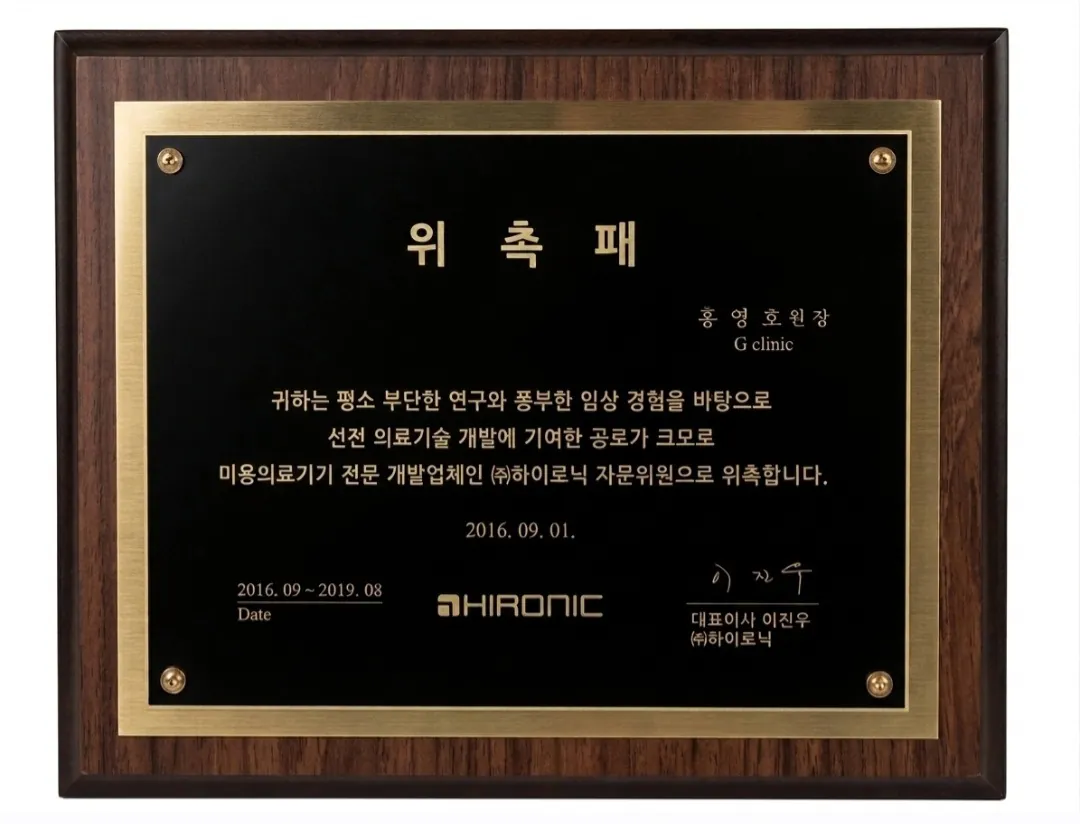
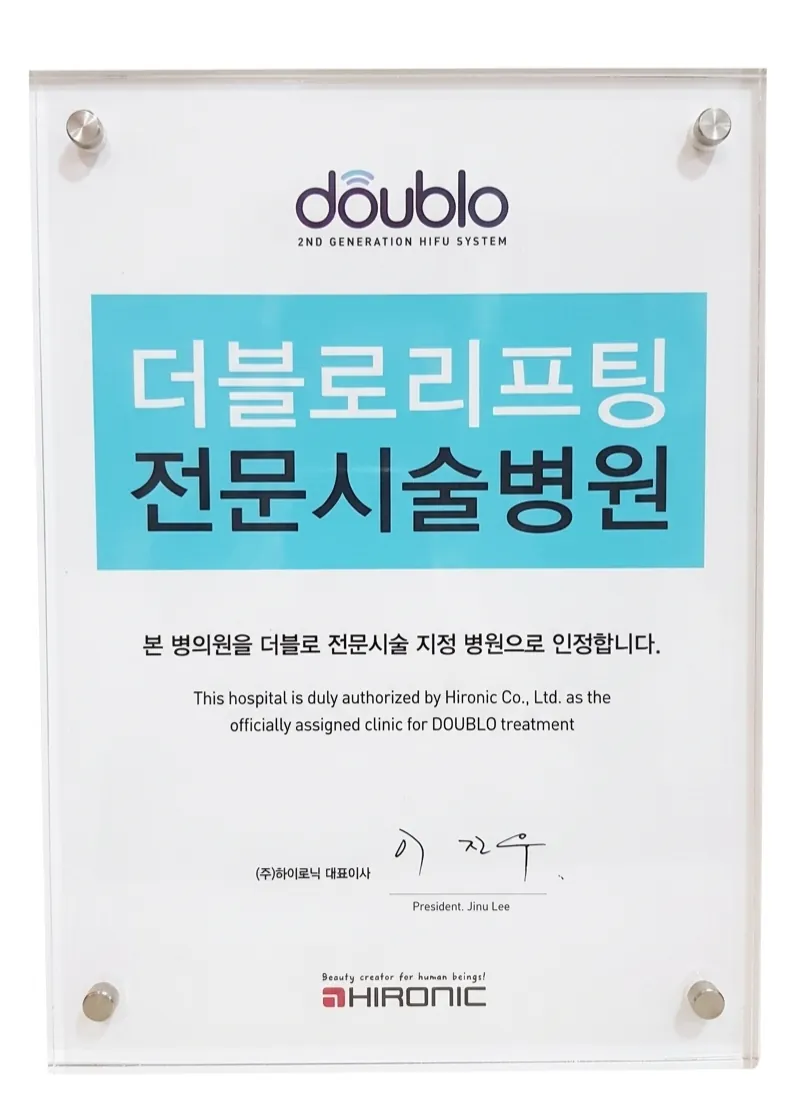
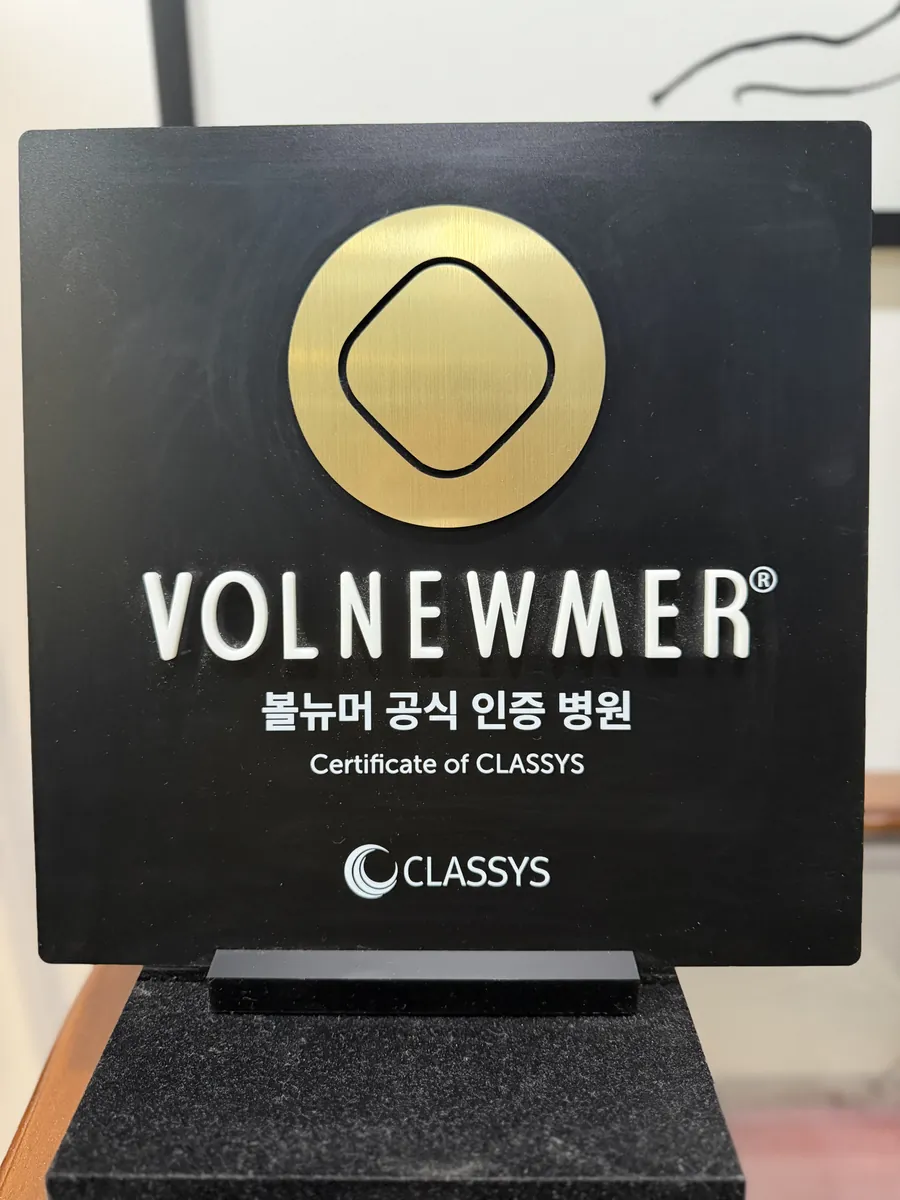
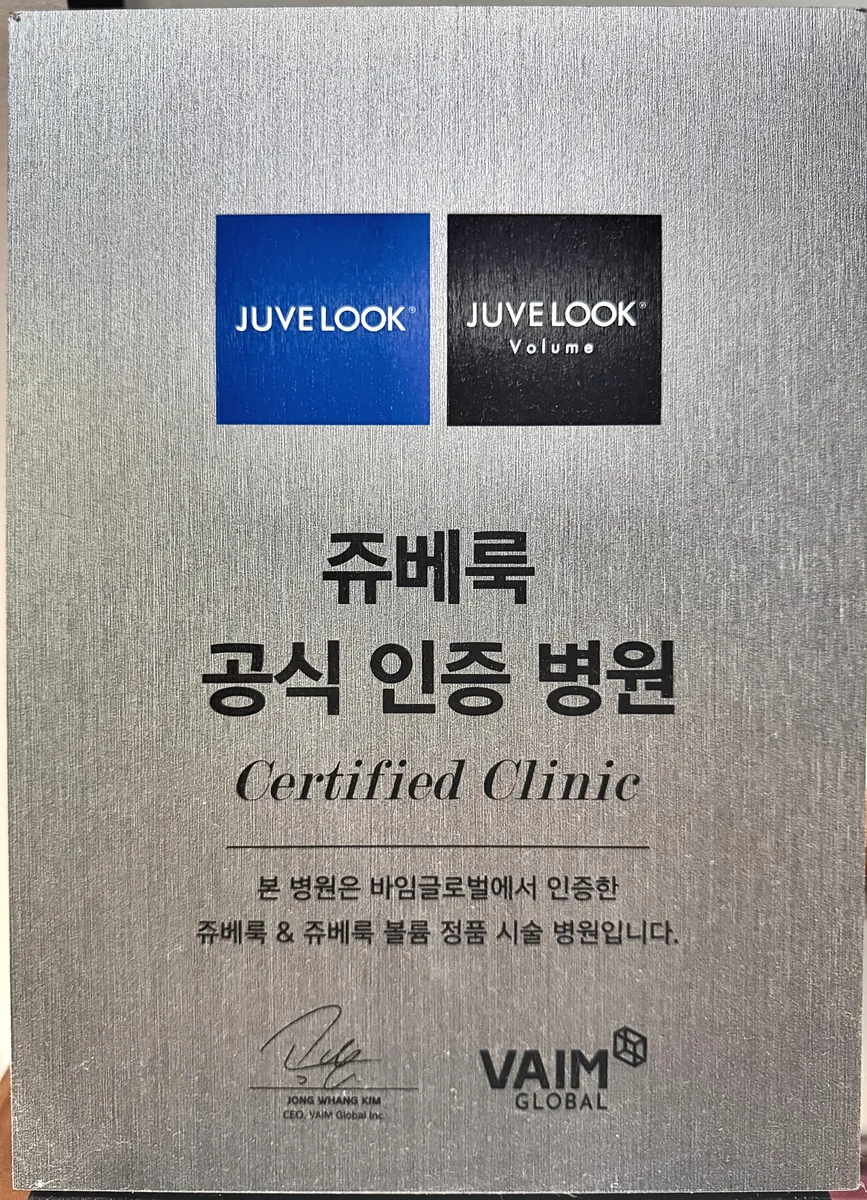
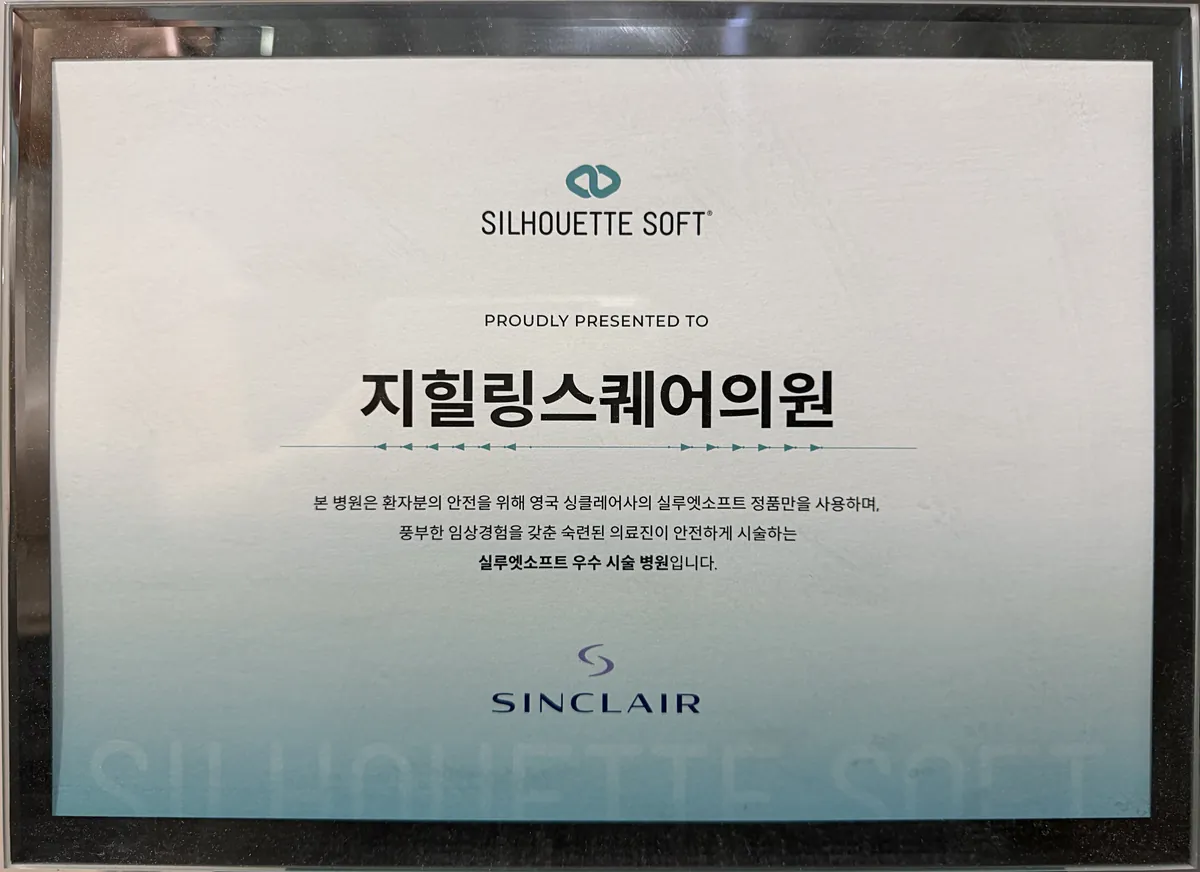
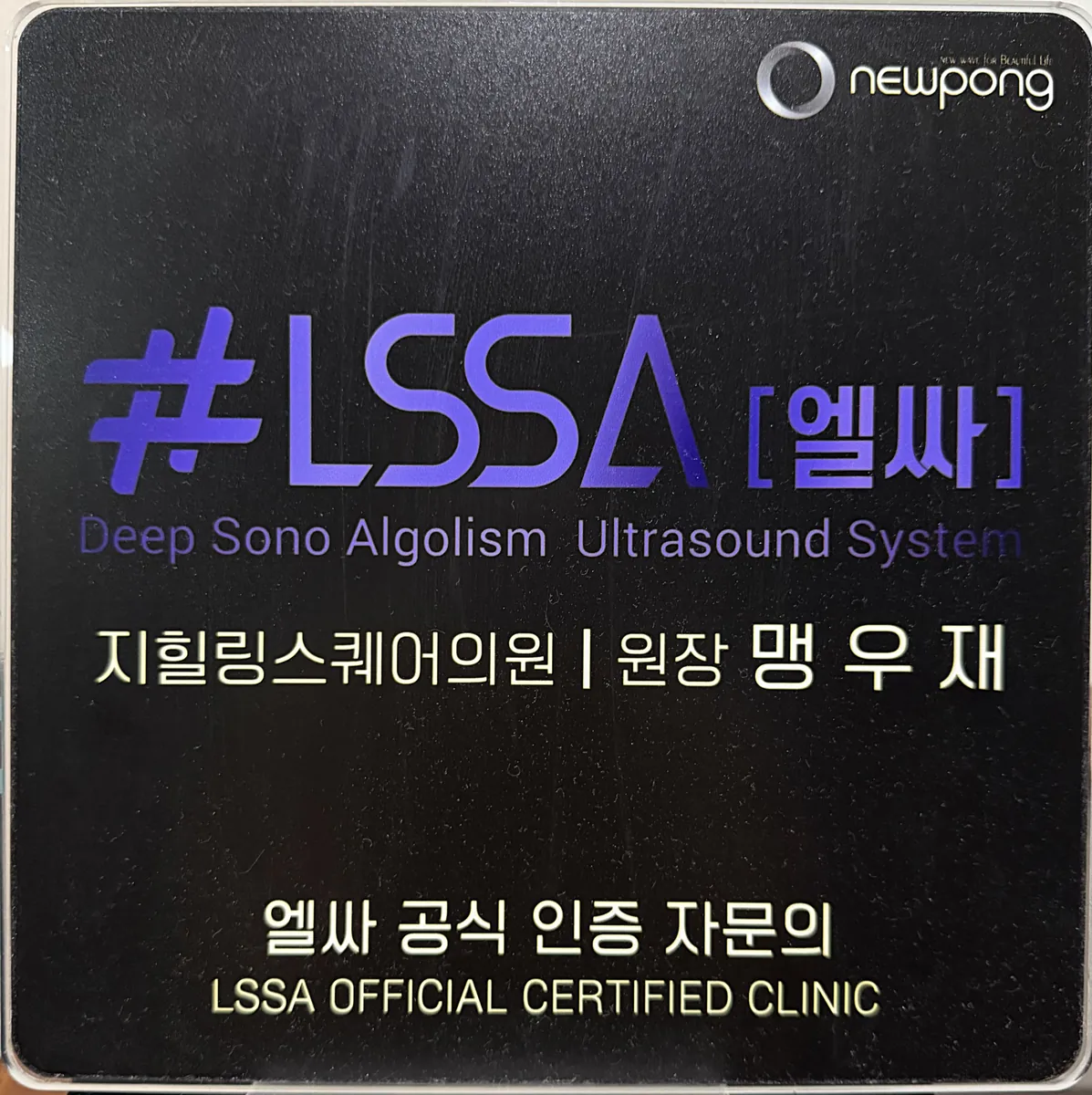
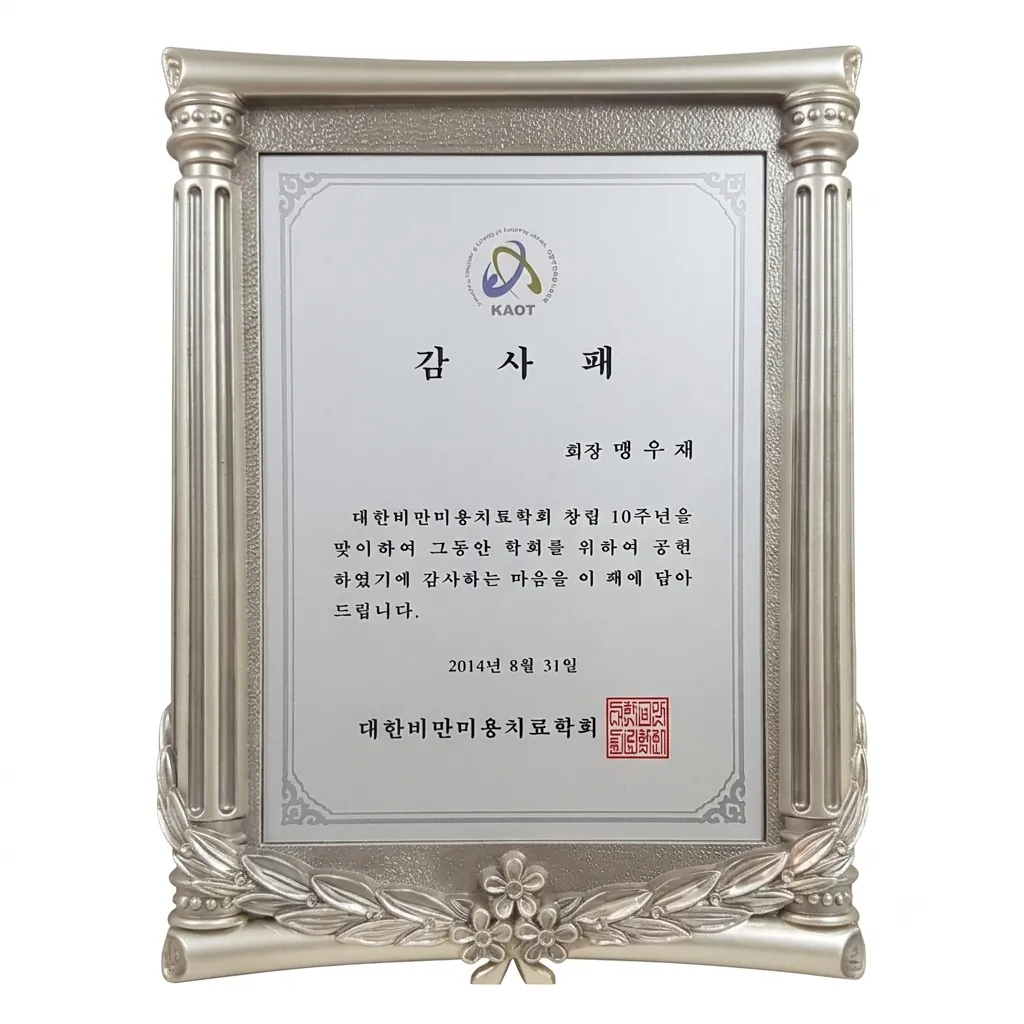
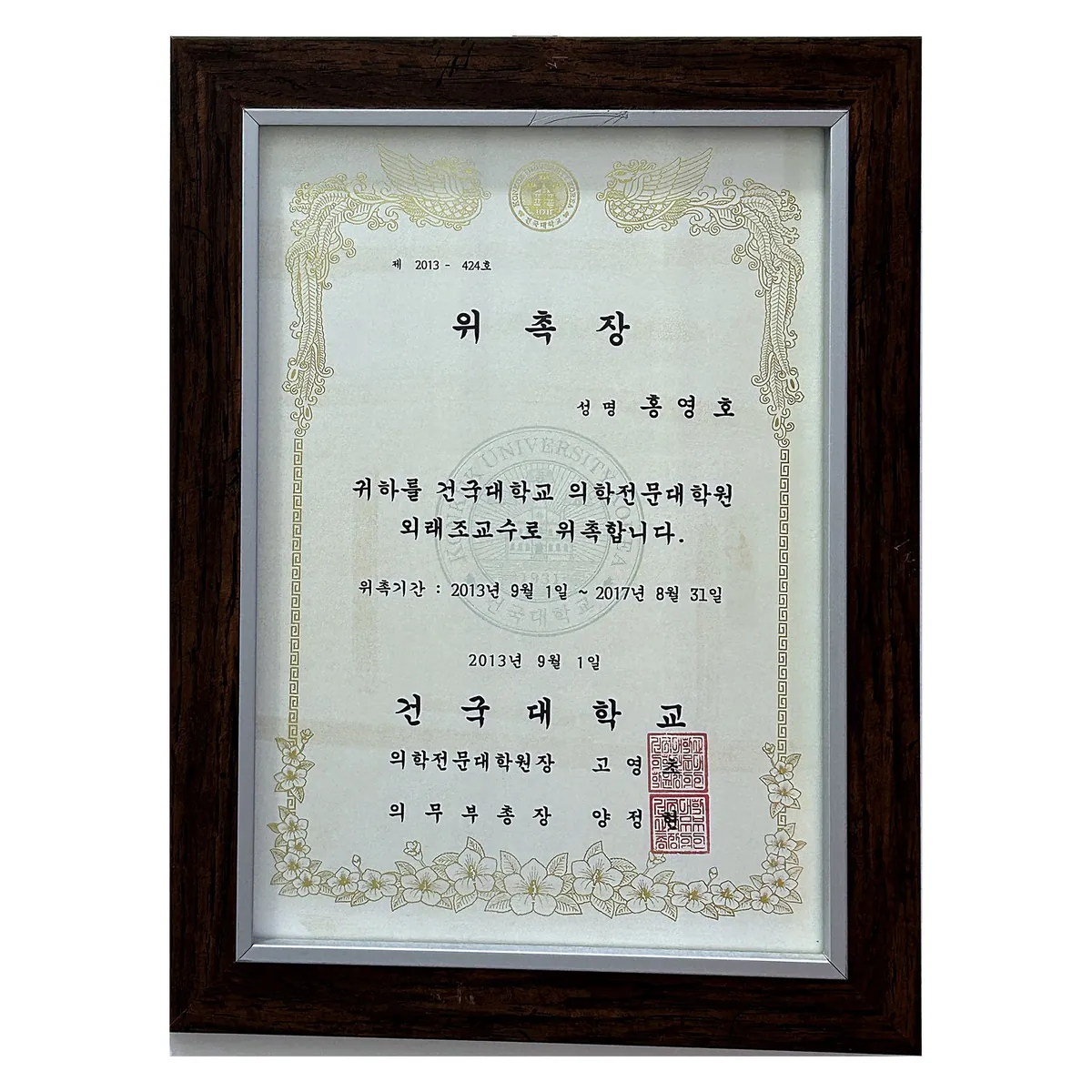
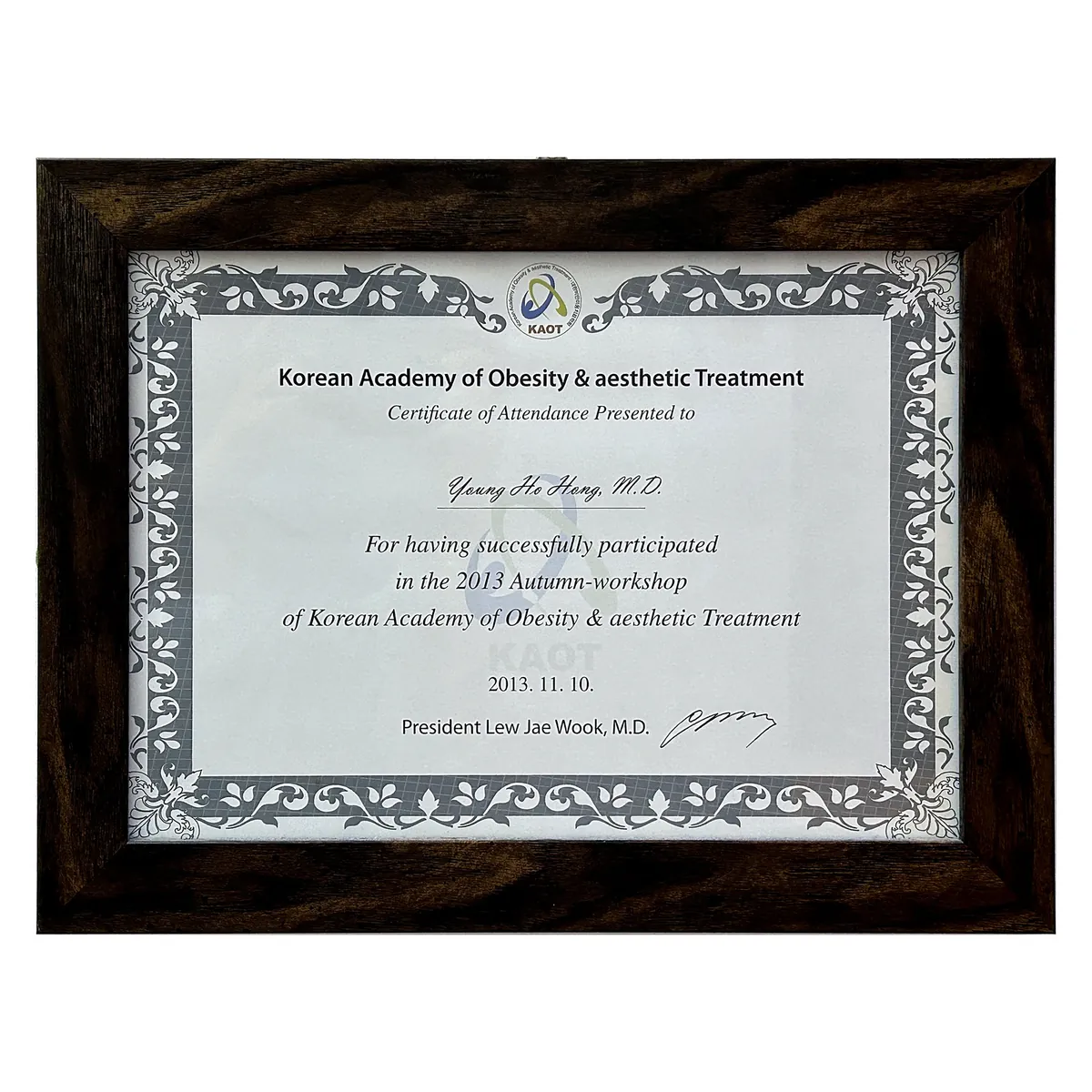
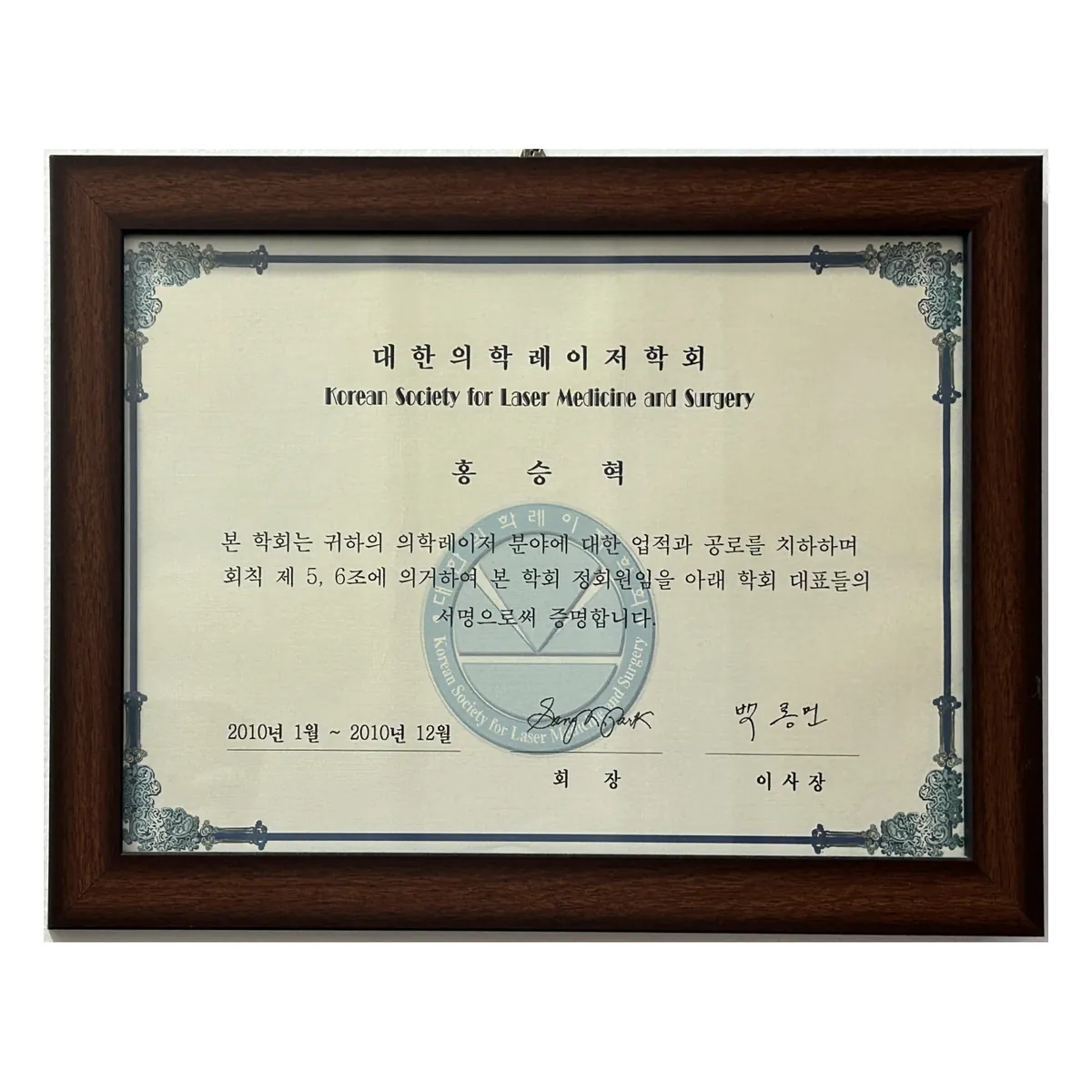
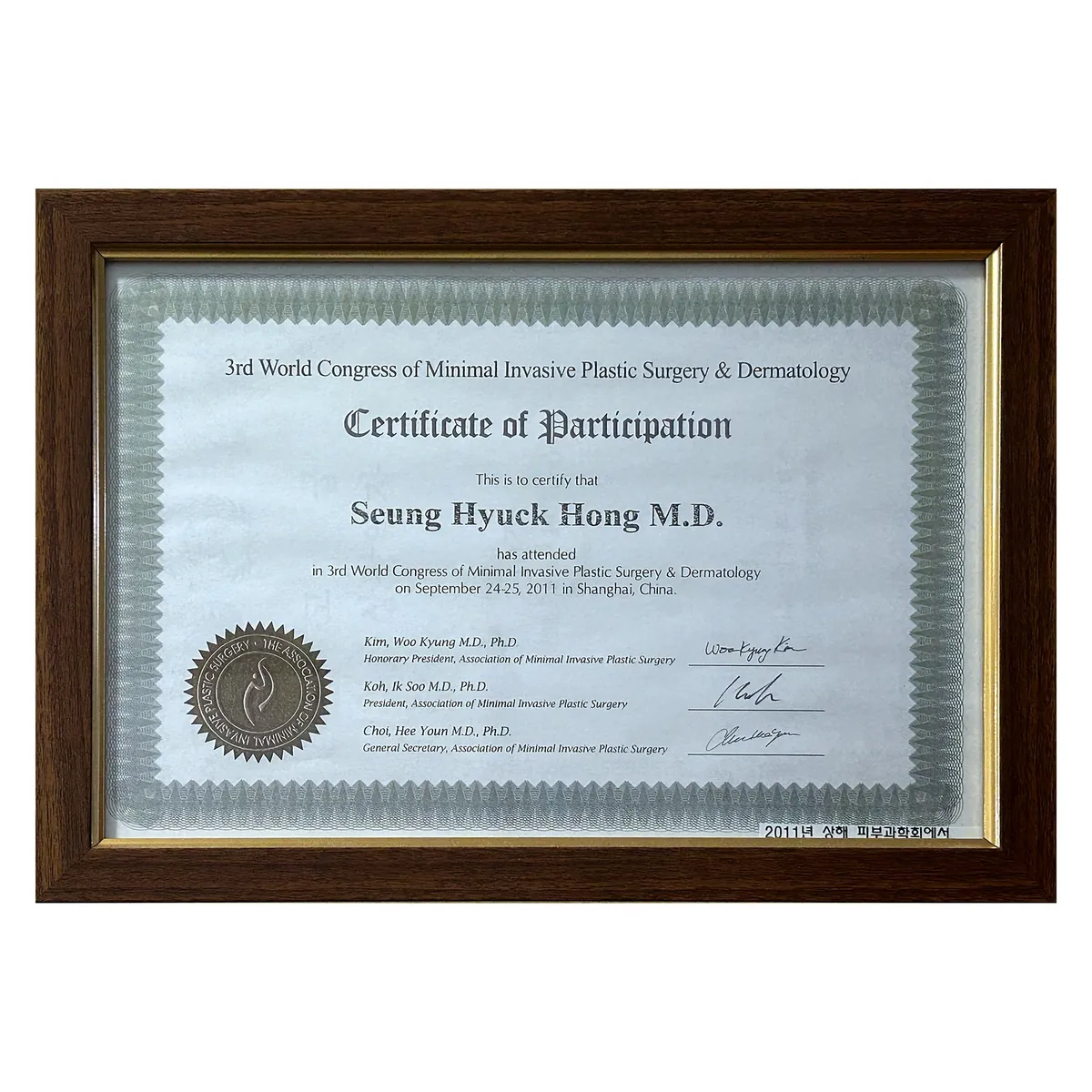
The G Clinic name dates to a 2012 device-maker advisory appointment. Each recognition below is stated as issued by its organisation.
Share your details and our team will reply through your preferred messenger. Consultation is free and pricing is quoted at your free consultation.
Thank you — our English coordinator will reach out as soon as possible.