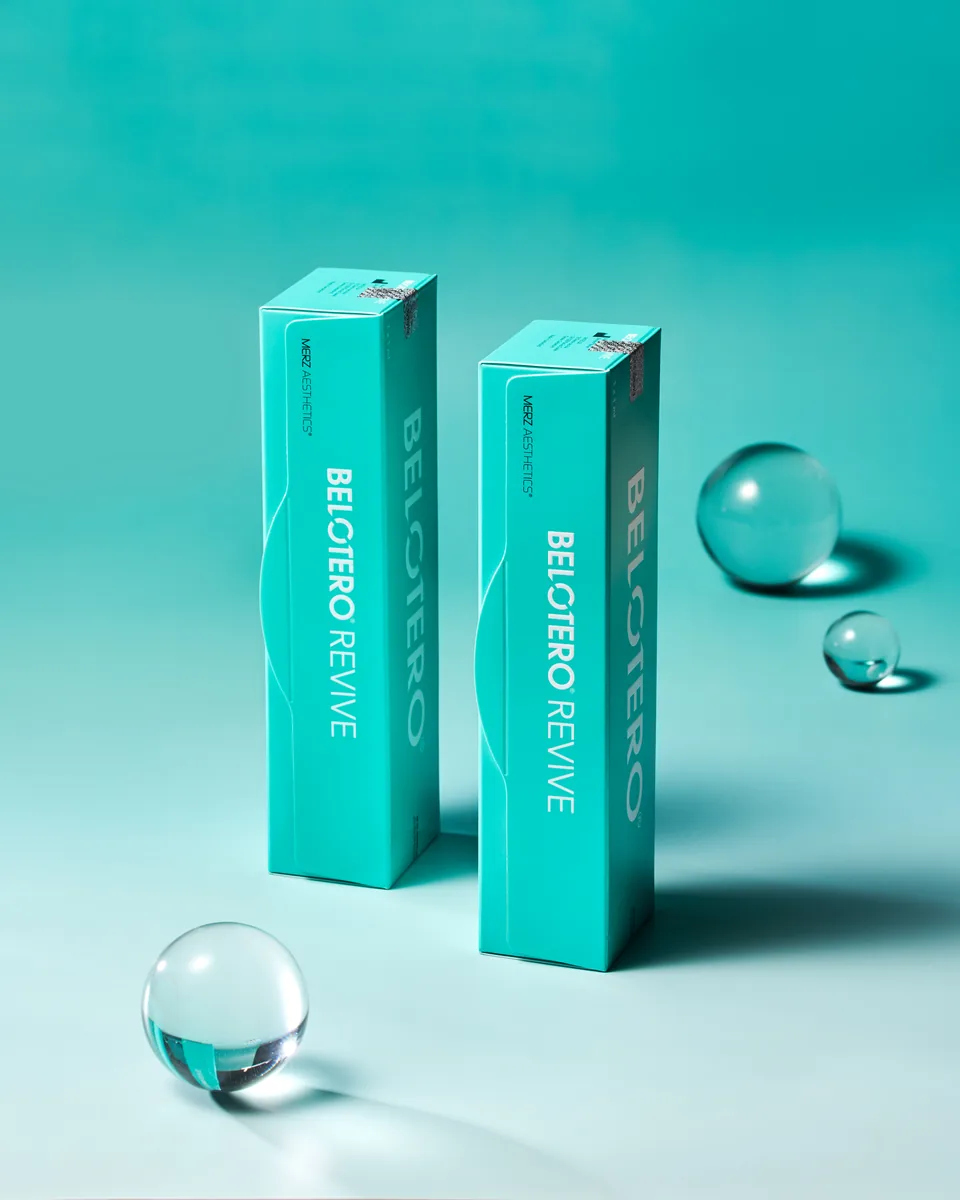
This is a medical injection and it carries genuine risk. Bruising is the commonest event and the one that most often disrupts a plan, since a mark on the cheek can take the better part of a week to fade. Swelling, tenderness, pinkness and small raised areas at the deposit points belong to the first day or two. Itching across the treated zone is reported and usually settles with the rest of it.
Less frequently, a palpable lump or nodule forms where material was placed and can be felt for longer than anyone would like. Infection at an entry point is uncommon, is treatable, and is the reason the skin is cleansed properly beforehand and the reason you are told to keep your hands off it. Pigment change following inflammation can occur, particularly in skin that pigments readily and particularly where strong sun reaches the area while it is settling. Hypersensitivity to an injected hyaluronic acid preparation is possible in anyone, and considerably more likely in a patient who has reacted to one before and did not mention it. Injecting into or compressing a vessel is a recognised complication of injectables in general, and that recognition is what puts the plane, the needle and the placement pattern in the hands of the director and never in a request made across the desk.
Most of these events resolve by themselves, though resolving eventually and being trivial are separate matters, and a bruise on the cheek the week of an event is a real cost to you. Leave the zone alone, use cold compresses as instructed, keep saunas and hard training out of the window your director specifies, and keep sun off the treated skin. Contact the clinic if a lump persists, if redness or pain climbs after the second day, or if anything spreads outward from an injection point. A director is on site through every hour the clinic is open, and reaching one does not require a new appointment.