★★★★★
Recommendations are made based on actual circumstances. The attitude is very good. Highly recommended.
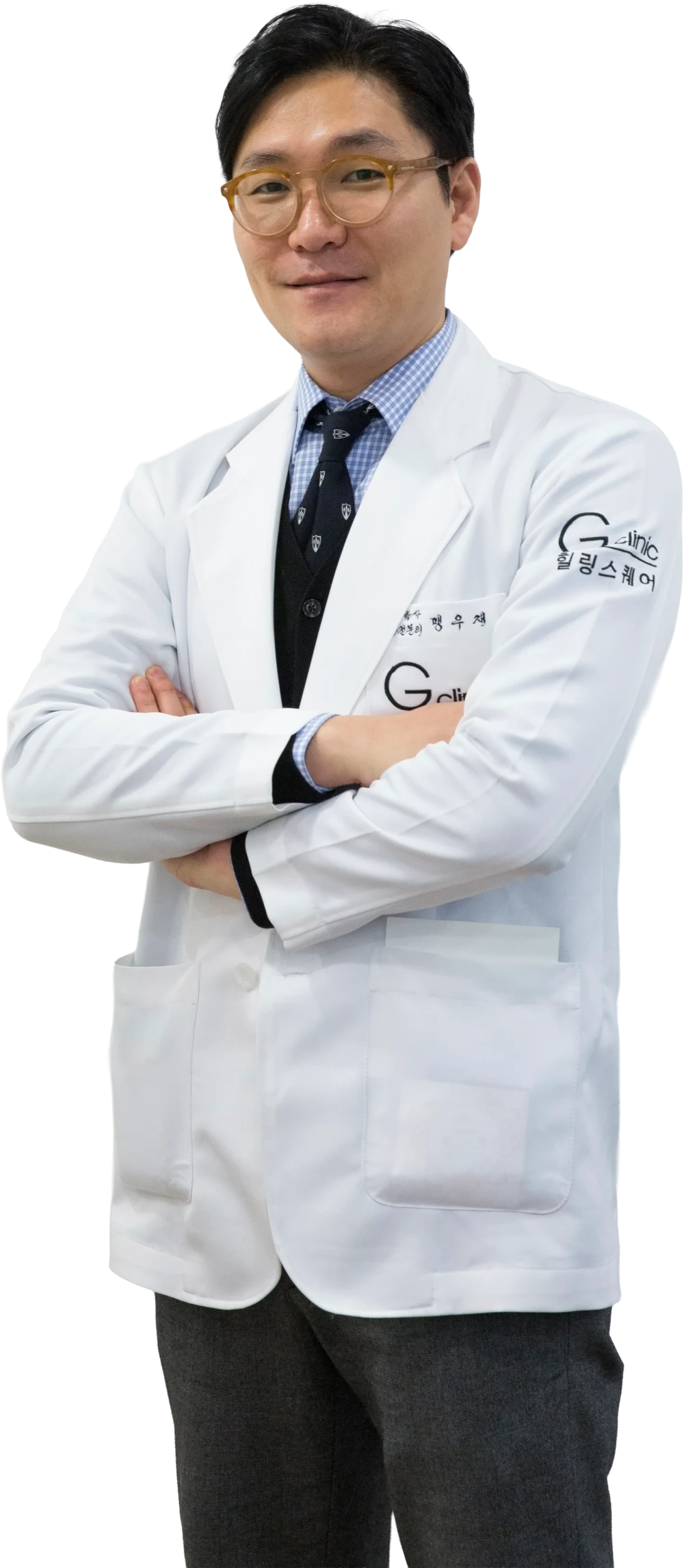
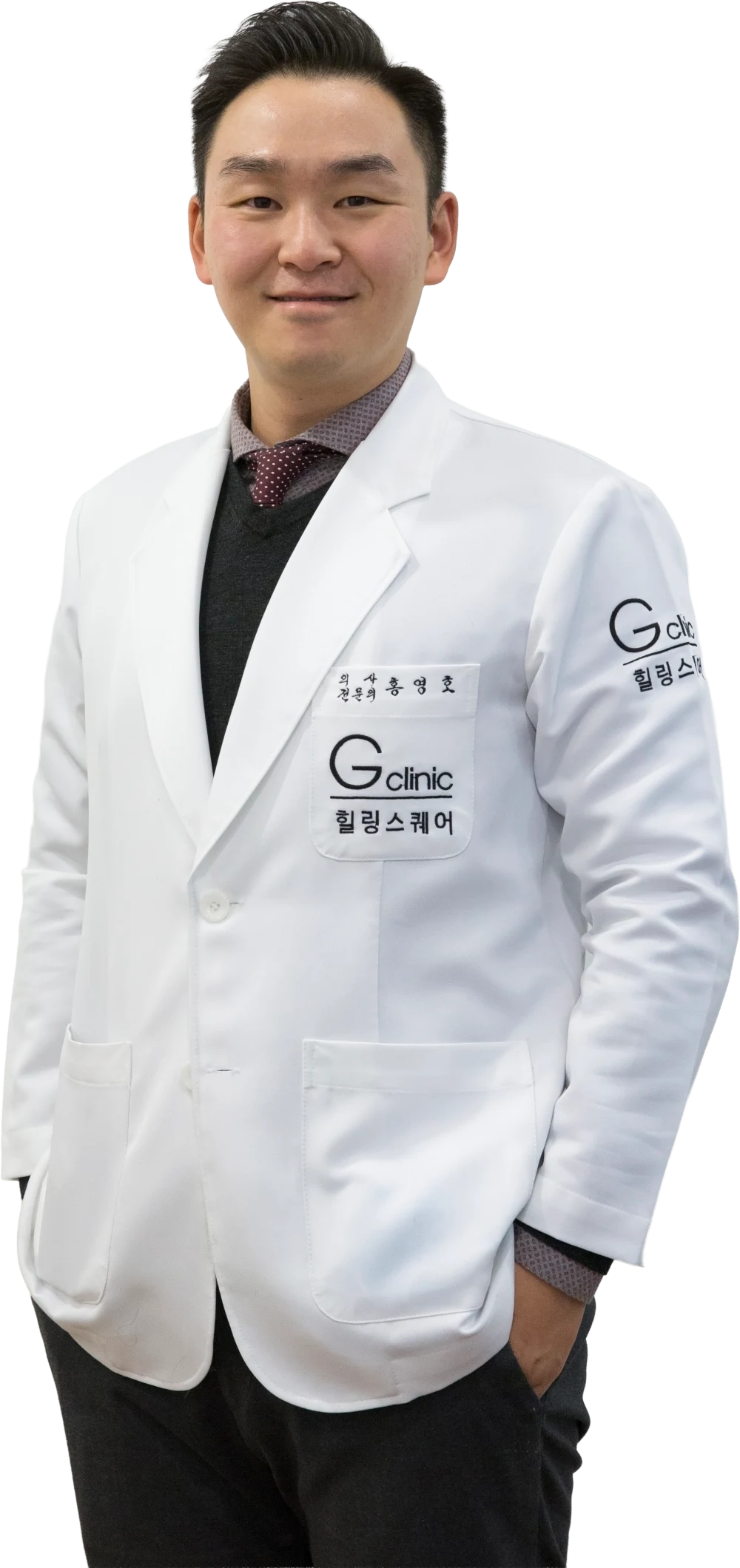
Three medical directors hold the consultation rooms at this address: Dr. Hong Seung-hyuk, Dr. Maeng Woo-jae and Dr. Hong Young-ho, all board-certified Family Medicine specialists, and each of them answers these same eight or nine questions several times a week from visitors who arrived with a phone full of forum screenshots.
Safety depends on the procedure and the doctor performing it, and the label on a country tells you nothing useful about either. What this clinic performs is awake cannula extraction, sold here as the G-fat injection despite the name: a blunt cannula enters through one micro-entry point per treated area, a suction device draws the fat cells out, and the volume has left your body before you stand up. You stay awake under local anaesthesia and can talk with the team the whole time. Sedation is available at an additional fee for anyone who wants it. Pricing follows palm-sized areas with both sides counted as two, and no cap is placed on how much comes out of one area. A director examines you, names the risks aloud, and writes the plan down. Individual results may vary, and the figure a forum post quotes has nothing to do with your anatomy.
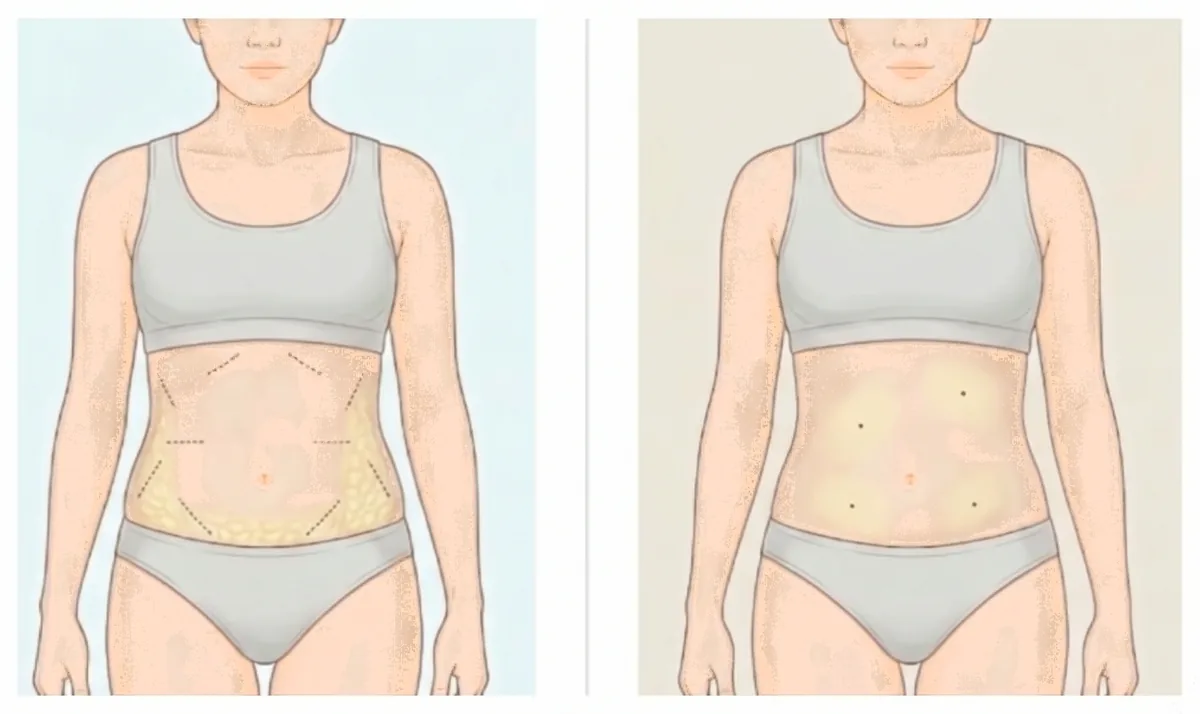
The route below is the one taken by most visitors who write to this clinic. Four stages, and none of them commits you to anything until you sign.
Photographs of the area standing, the window of days you can give to Seoul, and whatever it is you could not settle by reading. Vague enquiries get vague replies; a picture of the back of an arm and the sentence “I land on the 14th and fly on the 22nd” gets a usable answer.
The reply tells you which areas your photographs suggest, how those areas are likely to be counted, and whether your dates work at all. Nobody is quoted a final figure from a photograph, because a photograph does not show the depth of the layer or the recoil of the skin above it.
You come to Dosan-daero, a director pinches and grades the layer, and the area count is agreed in front of you against the published rate card. The risk list is read out, the refusal criteria are applied, and consent is signed on paper before anything else happens.
Most areas are finished in one visit. You are numbed, treated awake, fitted with compression and sent home the same day. A review is scheduled a few days later so the site can be looked at by the doctor who treated it, and your departure date is built into that plan.
Most of the confusion in these discussions comes from one word covering three unrelated events. Sorting them out first makes every later question shorter to answer.
Several incisions that need closing, sedation or general anaesthesia, an anaesthetist and a monitoring record, and a recovery counted in weeks. It is the version that carries the highest volume ceiling and the heaviest aftermath, and it is the version most travel stories are describing when they mention drains, stitches and someone collecting you afterwards. This clinic does not perform it, and a visitor whose anatomy calls for it is told so and sent to a surgical unit.
One micro-entry point per treated area admits a fine blunt cannula, a dedicated suction device removes the fat cells themselves, and you remain awake and conversational under local anaesthesia throughout. The current default is the third-generation form, G-Lifting, in which a clinic-patented cannula first passes along the skin–fat interface to prompt tightening, and the machine extraction follows that pass. Our G-fat fat dissolving injection page sets out the whole protocol.
A bile-acid-type solution injected in a grid disrupts fat-cell membranes and leaves your own drainage to clear the debris over the following weeks. It runs as a course of five or more weekly appointments, it suits small soft pockets, and it is a separate category that gets filed under the same search term by people writing quickly. The distinction matters for anyone planning a trip, since a weekly course and a single appointment ask completely different things of a calendar.
This is the question that stops more people than price does, and it is a reasonable fear. A body-contouring plan is built out of adjectives — where it bulges when you sit, which top you stopped wearing, what you mean by “the outer bit” — and adjectives are exactly what gets lost when a third party paraphrases them.
G Clinic has been receiving international visitors since 2006, and consultations here run directly in English with the director who will hold the cannula. There is no agency representative sitting in the middle of the conversation, and no coordinator deciding which of your sentences is worth translating. When a director grades your skin recoil and tells you the drape will disappoint you, that sentence reaches you unedited.
Two practical consequences follow. The first is that you can argue. If the proposed area count looks larger than what you came in asking for, you can say so, hear the reasoning, and decline part of the plan on the spot. The second is that the risk conversation is real. Named complications are hard to convey through a relay, and a consent signature obtained through a relay is worth less than one obtained in a shared language.
Clinic hours are Monday to Friday 11:00 to 19:00 and Saturday 10:30 to 14:00, with Sundays and public holidays closed. Visitors flying in for a short window are asked to check those hours against their itinerary before booking flights, since a Sunday arrival costs a day.
Publishing the refusals is more useful than publishing the acceptances, because a refused visitor who already booked a flight has lost real money. The cases that suit awake extraction are straightforward to describe: a defined pocket of fat above the muscle, skin that still recoils when you release it, and a person who wants that volume dealt with in one appointment.
The declines are equally specific. A director will decline to treat general body weight as a contouring problem, since none of this is a weight-loss method and a visitor whose goal is a number on a scale is asked to work on that first. A director will decline to empty an area under skin that has already lost its elasticity, because taking the filling out from under slack skin worsens the drape and no cannula pass repairs that. Pregnancy and breastfeeding end the discussion. Active infection at the site, an uncontrolled systemic condition, and undisclosed blood-thinning medication end it as well. Treatment at a body mass index of 30 or above is weighed individually by the examining director and attracts an additional fee, confirmed to your face before consent.
One more refusal surprises people. If you ask a director to promise a dress size or a centimetre figure in advance, you will be refused the promise. Fat volume varies by person and by area, swelling hides the outcome for weeks, and a consultation that opens with a demand for a fixed number generally closes without a plan. What you are given instead is an area count, a risk list and a review date.
The rebound question dominates these discussions, usually in the form of somebody insisting the fat “comes back somewhere else”. The mechanics are less dramatic than that phrasing suggests. Cells drawn out through the cannula have physically left your body and are no longer in the treated zone. That part is settled.
What remains open is everything you do afterwards. The fat cells still present across the rest of you retain their capacity to enlarge, and they will enlarge if your intake rises. A zone that has had much of its population removed simply has fewer cells left to take up that gain, so it participates less in the new distribution than its neighbours do. People read that redistribution as fat “moving”, when what they are seeing is one area declining to join in.
So the accurate framing is that extraction changes the shape of a weight gain, and does nothing to prevent one. Nobody here will tell you the result is maintenance-free. What extraction does not give back on its own is skin tone, which is the reason the G-Lifting pass exists and the reason a device-based body-care programme sits in the aftercare plan. Our liposuction in Korea page covers how that aftercare is scheduled, and how much fat can be removed deals with the volume question separately.
Cost threads collapse for a structural reason: people quote totals without quoting units. One person paid for a single palm-sized area, another paid for a whole abdomen counted as several, a third was quoted for an operation with theatre and anaesthetic time inside the figure. Those three numbers cannot be averaged into anything meaningful, and comparing them is how visitors arrive expecting a figure nobody offered.
| Treatment | Option | Price (KRW) |
|---|---|---|
| Ultherapy Prime | 100 shots | ₩390,000 |
| Ultherapy Prime | 200 shots | ₩750,000 |
| Ultherapy Prime | 300 shots | ₩1,100,000 |
| Ultherapy Prime | 400 shots | ₩1,450,000 |
| Ultherapy Prime | 500 shots | ₩1,800,000 |
| Ultherapy Prime | 600 shots | ₩2,140,000 |
| Volnewmer | 300 shots | ₩500,000 |
| Shurink HIFU | 300 shots | ₩300,000 |
| Ultline face HIFU | 100 shots | ₩300,000 |
| Thread Lift | 1 thread | ₩120,000 |
| Rejuran Healer | Skin 2cc | ₩300,000 |
| Rejuran Healer | Skin 4cc | ₩550,000 |
| Rejuran Eye | 1cc | ₩250,000 |
| Juvelook | Skin 1cc | ₩100,000 |
| Juvelook | Skin 1 vial | ₩500,000 |
| Juvelook | Eye 1 vial | ₩350,000 |
| Belotero Revive | 1cc | ₩450,000 |
| Belotero Revive | 2cc | ₩800,000 |
| Botox | Wrinkle areas | ₩150,000 |
| Botox | 1 area (forehead, frown lines, crow's feet, chin or nose bridge) | ₩60,000 |
| Botox | Temples (temporalis) | ₩100,000 |
| Botox | Mouth corners | ₩60,000 |
| Botox | Salivary glands (parotid or submandibular) | ₩70,000 |
| Botox | Jaw (masseter) | ₩90,000 |
| Skin Botox (Dermotoxin) | Full face | ₩300,000 |
| HA Filler (Belotero) | Volume 1cc | ₩450,000 |
| HA Filler (Belotero) | Skin | ₩450,000 |
| G-Face contouring injection | 18cc | ₩200,000 |
| G-Face contouring injection | 27cc | ₩300,000 |
| G-fat extraction with G-Lifting | per area (1 area ≈ one palm-sized zone; both sides = 2 areas) | ₩300,000 |
| Ultra G-fat (ultrasound + extraction) | per area (1 area ≈ one palm-sized zone; both sides = 2 areas) | ₩350,000 |
| Cryolipolysis (Micool) | 1 pad | ₩100,000 |
| RF body treatment | per area | ₩300,000 |
| Cellulite X-wave | per area | ₩300,000 |
| Ultline body HIFU | body, 100 shots | ₩550,000 |
| Ultline + HLLD injection | Ultline body 100 shots + HLLD | ₩650,000 |
| HLLD injection | 1 area | ₩250,000 |
Priced per area, not by volume: one area is roughly the size of your palm, treating both sides counts as two areas, and there is no cap on the amount removed from an area. Sedation (optional) and BMI 30+ carry an additional fee confirmed at consultation.
All prices in KRW, excluding VAT (10% VAT is added at payment). Final cost depends on the treatment plan confirmed at consultation. Published rates as of 2026-11-03.
What this clinic publishes is the rate card for what it performs, identical for every patient regardless of where they flew in from. The unit is the palm-sized area, both sides of a paired zone count as two areas, and no ceiling is set on the amount removed from one area. Optional sedation and treatment at a body mass index of 30 or above carry an additional fee confirmed at your consultation. The liposuction cost in Korea page walks through how a quote is assembled line by line.
Scarring is the second most-asked question in these threads and the easiest to answer concretely. Each treated area is entered once, through a single micro-entry point chosen for concealment wherever the anatomy allows. That opening is small, it closes on its own, and what commonly remains is a faint mark that fades over months. Faint is the word used here; invisible is not, and anyone promising you invisible has promised something they cannot control, since pigment response varies by skin type and by person.
The full risk list is read aloud before you sign. Bruising and swelling belong to the ordinary course of it. Tenderness runs for days. Sensation over the treated area can change temporarily. Firm nodules and fibrous adhesions form as the tissue reorganises and take weeks to soften. Contour irregularity or waviness is possible, as is asymmetry between paired areas such as two arms or two thighs. Fluid can collect under the skin. Pigment change or a persistent small mark at the entry point occurs in some people. Infection is possible after any procedure that breaks the skin, and skin laxity after a large volume leaves an area is a real and named limitation.
Two disclosures matter more than patients expect. Tell your director about every blood-thinning medication and supplement you take, and tell them about previous work on the same area, because scar tissue underneath changes how a cannula travels. Withholding either makes the risk list longer without making the result better.
Because you are awake throughout, there is no anaesthetic to sleep off and no ward stay attached. Most people walk out of the building on their own, wearing compression over the treated area, and manage light desk work the same afternoon. That is the part travel discussions tend to get right.
What they get wrong is the middle. Swelling builds for two or three days after the appointment, which is precisely when an anxious visitor photographs the area and concludes the procedure failed. It did not; drainage simply lags behind extraction. Bruising peaks early and fades across a fortnight, and tenderness over a large zone such as a thigh can run a week or two. Exercise waits until your director releases you.
On flights, the request made here is a few days in Seoul after the appointment so the site can be checked by the doctor who performed it before you sit still for many hours. Long-haul immobility and fresh swelling are a poor combination, compression should be worn on board, and standing up periodically during the flight is part of the instruction sheet. A visitor with eight or nine days in the country fits one area comfortably; a visitor with three days is asked to rebook, because the review is the part that would get dropped.
Smaller, more targeted work carries a shorter tail, which is covered on our mini liposuction in Korea page. Where no extraction is involved at all, the non-surgical liposuction page explains what device-based work can and cannot do to a body outline.
Each row takes a statement that circulates in online discussions and sets it against something you can verify before you book. No provider is named, compared or ranked anywhere in this table.
| What circulates online | What is actually checkable | How it works at this address |
|---|---|---|
| “Korea is cheap for this” | A published rate card, and the unit it is priced in | Quoted per palm-sized area, both sides counted as two, no volume cap within an area |
| “Everyone there has done thousands of cases” | Whether a figure is presented as clinic-reported or independently audited | Clinic-reported 20,000+ awake extraction courses since 2018 |
| “You will be handed to an assistant” | Who performs the procedure, asked directly at consultation | One of three medical directors performs the case personally |
| “You need to be put under” | The anaesthesia depth written on your consent form | Local anaesthesia, awake and talking; sedation optional at an additional fee |
| “Nobody speaks English” | Whether the consultation itself runs in your language | English consultation with the treating director, international patients since 2006 |
| “It is basically a lunchtime thing” | The review appointment and the flight clearance in the plan | Same-day discharge, compression, and a scheduled review a few days later |
| “There is a limit on how much they take” | Whether pricing is by volume or by area | Priced by area, with no cap on the amount removed from that area |
| “The fat just relocates” | Whether cells were removed or disrupted in place | Extracted cells are removed from the treated zone; remaining cells elsewhere can still enlarge |
Nothing in this grid predicts your own outcome. Which row applies to you is settled by a medical director with your body in front of them at a free consultation, and individual results may vary.
Anyone weighing answers found in discussion threads deserves sources they can open themselves, so three papers are listed below and each sentence here states only what its title states. The first examines tumescent liposuction and the efficacy of a lower lidocaine dose of 400 mg per litre (Böni, 2010). The second reports on the safety of liposuction using exclusively tumescent local anaesthesia across 3,240 consecutive cases (HABBEMA, 2009). The third describes liposuction of the neck and jowls by a five-incision method combining machine-assisted and syringe aspiration (Langdon, 2000).
None of these papers studies G Clinic, none of them reports a result obtained at this address, and none of them forecasts what any procedure would do for an individual reader. They establish that awake, locally anaesthetised fat removal is a technique examined in the published literature. Your own case is discussed by a director in the room, and individual results may vary.
The G-fat injection is this clinic's own signature body procedure in Gangnam, Seoul, with a clinic-reported total above 20,000 cases since 2018. The name misleads, because nothing is dissolved: it is an awake extraction, carried out under local anaesthesia through one micro-entry per area, with a suction device drawing the fat cells out so the volume is gone that day. Areas are priced individually, third-generation G-Lifting adds a patented tightening cannula pass first, and Ultra G-fat brings ultrasound into the extraction. The G-fat Injection page carries the full account.
Safety belongs to the procedure, the examination and the person performing it, and a country name settles none of those. What you can check before flying is concrete: who performs the case, what depth of anaesthesia your consent form specifies, whether the risk list is read to you aloud, and whether a review appointment exists before your departure. Here every case is performed by one of three medical directors under local anaesthesia with you awake, and nothing proceeds until signed consent exists on paper.
Yes. Consultations run directly between you and the director who will perform your procedure, and this clinic has been seeing international visitors since 2006. That matters most during two conversations: describing the shape that bothers you, which is full of adjectives that get flattened in translation, and hearing the named complications before consent. You can also push back on a proposed area count in the room and decline part of a plan without a third party rewording you.
Because the unit has to be established before a total means anything. Quoting here is per palm-sized area, both sides of a paired zone counting as two, and only a physical examination establishes how many areas your body contains and whether your skin recoil supports treating them. A published rate card exists and is identical for every patient; what cannot be responsibly issued from a photograph is the count that rate card gets multiplied by. Optional sedation and a body mass index of 30 or above carry an additional fee.
Eight or nine days is a comfortable window for a single area, and it is what most visitors are advised to plan for. That covers the consultation, the treatment day itself, the days when swelling is building and misleading, and a review with the treating director before departure. Three days is not enough, because the review would have to be skipped. Clinic hours are Monday to Friday 11:00 to 19:00 and Saturday 10:30 to 14:00, with Sundays closed, so weekend arrivals cost planning time.
Your director sets the date, and the request made here is a few days on the ground after treatment so the site can be examined before you sit still for many hours. Compression should be worn during the flight, and you are asked to stand and move periodically rather than staying in the seat for the whole leg. Fresh swelling plus long immobility is the combination worth avoiding, and that is the reasoning behind the wait.
Each treated area is entered once through a micro-entry point, positioned somewhere concealed whenever the anatomy allows it. The opening closes without stitches and usually settles into a faint mark that continues fading over months. Nobody here will describe that mark as invisible, since pigment response differs between skin types and between individuals, and a persistent small mark or a pigment change at the entry point sits on the named risk list you hear before signing.
The cells taken out have left your body and are no longer in that zone. Fat cells elsewhere keep their capacity to enlarge, so a weight gain still shows, but the treated zone has fewer cells left to participate and therefore takes up less of it than surrounding areas. People describe this as fat relocating; what is really happening is one region opting out of the new distribution. None of this removes the need for ordinary diet, sleep and activity.
Most areas are completed in one appointment, which is a consequence of the mechanism: the cells are physically removed during the session, so nothing is left behind to break down over subsequent weeks. A second session is arranged only where you and your director agree, once swelling has drained, that more should come out. Treating the same area twice in quick succession is avoided, because the swelling from the first pass hides what the second pass would be aiming at.
Frequently, yes, and the practical ceiling is how much surface local anaesthesia can cover comfortably in one sitting while you remain awake. Your director decides that at the examination, and a plan spanning many zones is sometimes split across two visits for that reason alone. Area-specific pages set out how each region is counted: see stomach liposuction in Korea, arm liposuction costs and thigh liposuction costs.
You are told the reason, given it in writing, and no deposit is taken for a procedure that will not go ahead. Refusals here follow published criteria: general body weight treated as a contouring request, skin that has already lost its recoil, pregnancy or breastfeeding, active infection at the site, uncontrolled systemic illness, or undisclosed blood-thinning medication. This is exactly why the photographs and dates are reviewed by a director in advance, so most mismatches surface before a ticket is bought.
No. Every procedure at this clinic runs under local anaesthesia with you awake, able to speak with the team and to say immediately when something feels uncomfortable. Sedation is offered as an option at an additional fee for anyone who would prefer it, and the agent involved is discussed with your director in the consultation room and never named in published material, which is a requirement of Korean medical advertising rules.
Photographs of the area taken standing, your travel window, your medical history including every medication and supplement, and a note of any previous work on the same region, since scar tissue changes how a cannula travels. A director reviews that and replies in English with a realistic assessment before you commit to dates. Background reading on the categories sits on the G-fat fat dissolving injection and belly fat removal pages.
Verified reviews from our Google Business Profile.
Recommendations are made based on actual circumstances. The attitude is very good. Highly recommended.
I cannot recommend G-clinic highly enough. From the moment I walked in, my experience was nothing short of exceptional. The clinic itself is modern, clean, and welcoming. The front desk staff were incredibly warm and efficient. Checking in was a breeze, and they were very helpful with my new patient paperwork. The waiting time was minimal…
Process was perfect! I got some liposuction done, the doctor and staff were very nice and very professional. 100% would recommend anyone to get there procedures done here! They took out A LOT of fat! The doctor speaks perfect English as well!
Dr. Hong has perfect English and is very kind. I was glad my friend recommended me to come here via allaboutmei, it really has lived up to my expectations. The method and equipment used is very modern and top range, I was expecting to be in a lot of pain but I feel great! Thank you again Dr. Hong and all the other people that work at Gcli…
Book a free consultation in Gangnam, Seoul and one of the three medical directors will grade the layer, count the areas against the published rate card, name the risks that apply to your case, and put the plan in writing. If your anatomy calls for a route this clinic does not perform, you will be told that in the room. Visitors weighing the face as well as the body can read the face lifting page while they decide.
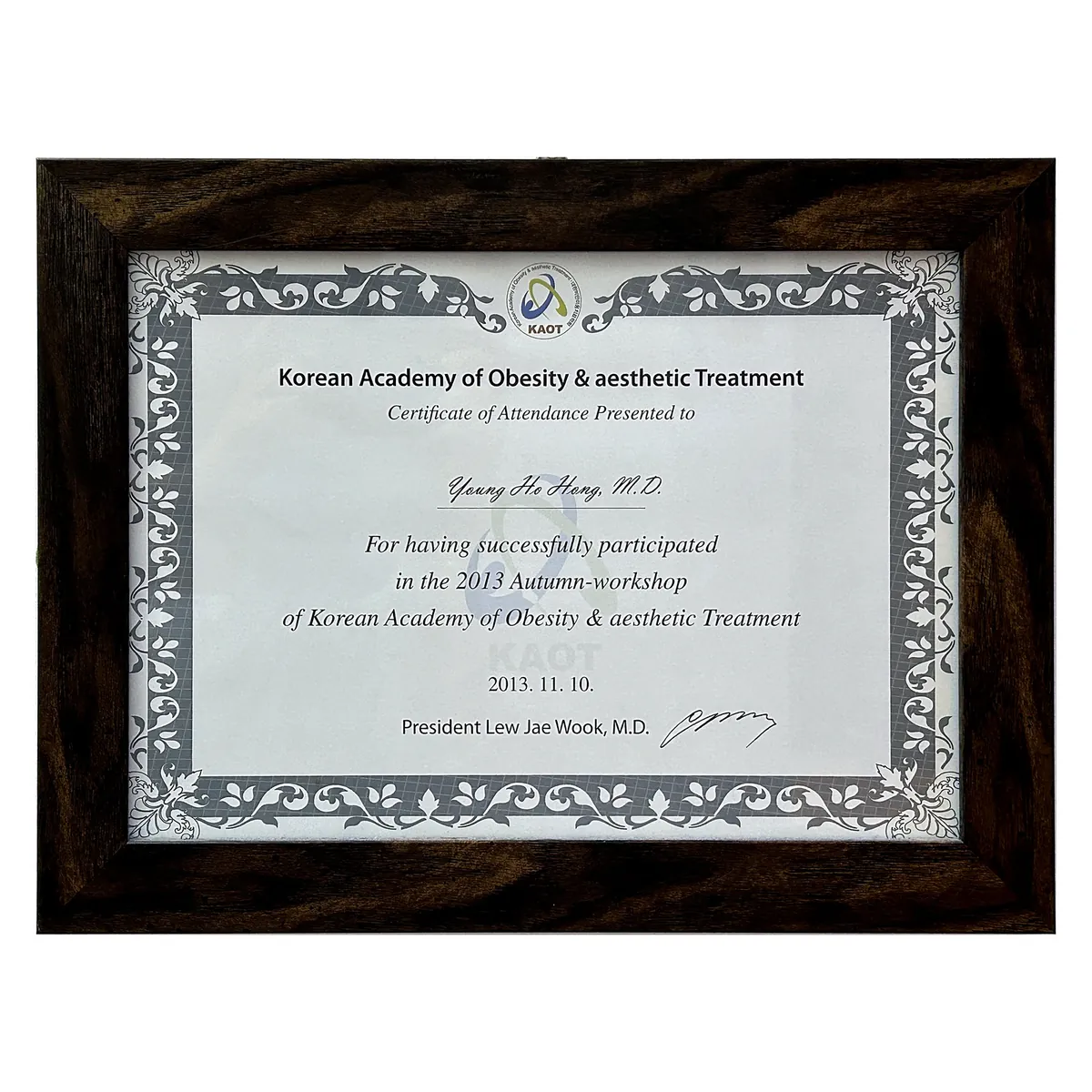
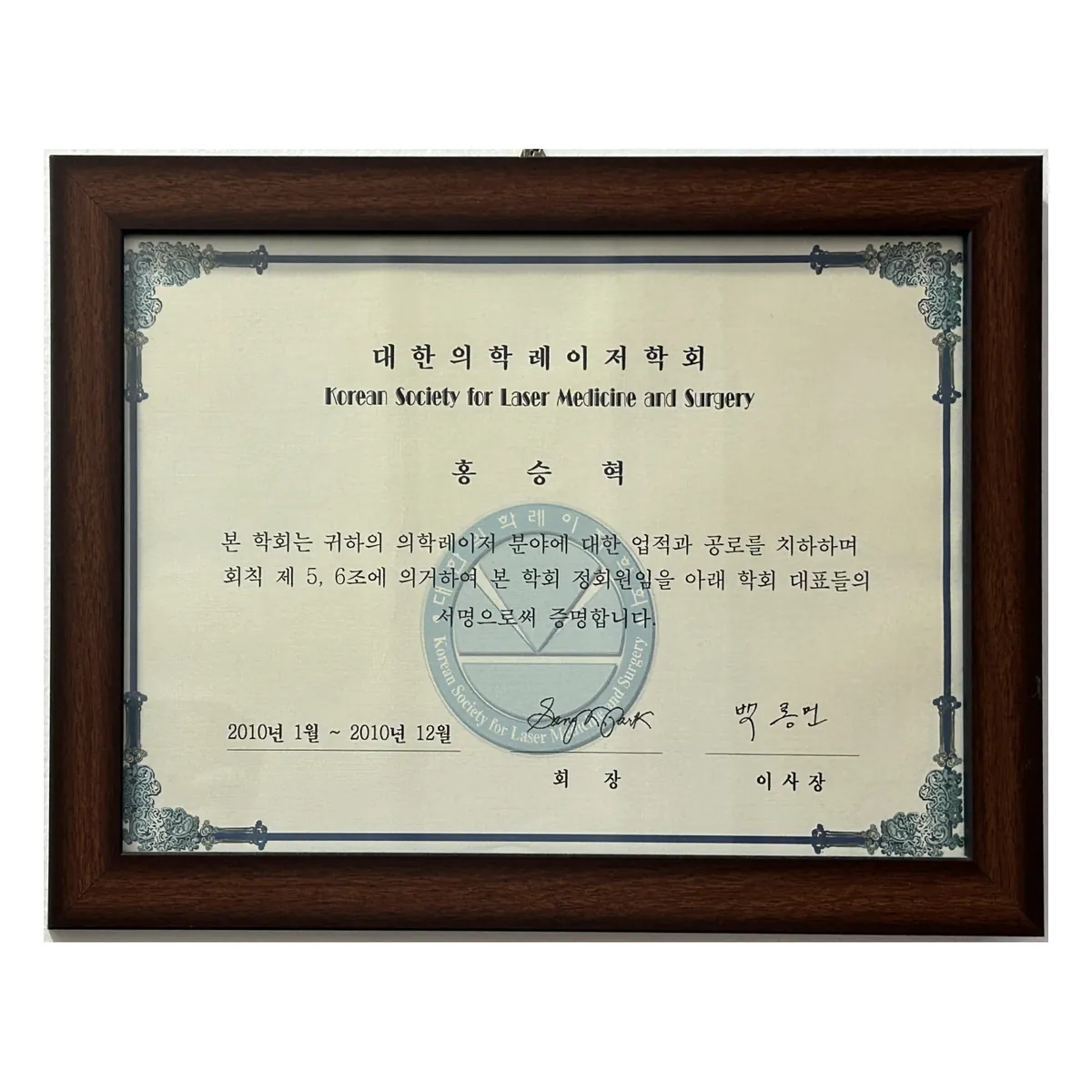
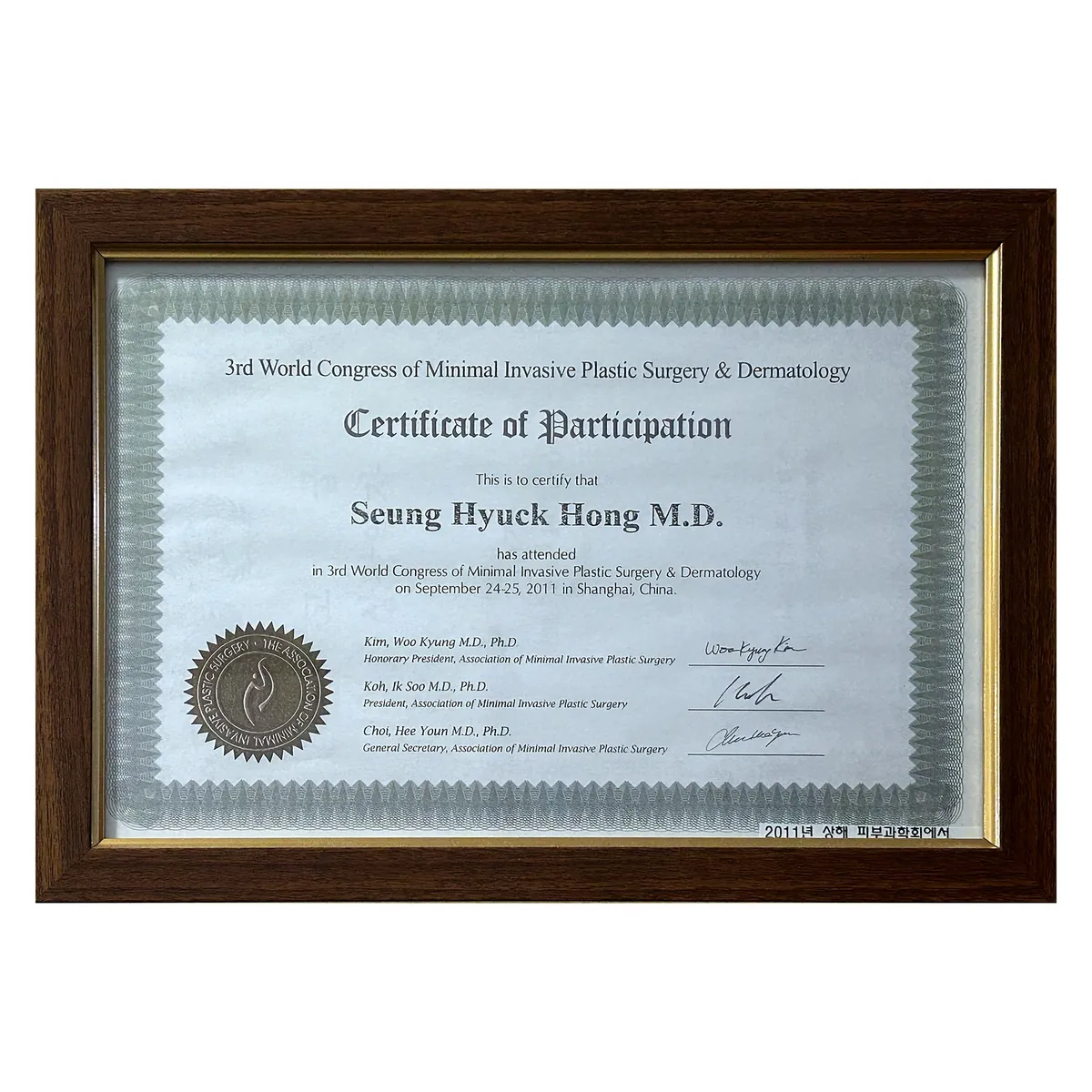
Book ConsultationEvery consultation and procedure at G Clinic is conducted on site by one of three medical directors — never handed to a substitute practitioner. All three are Family Medicine specialists who have cared for international patients for years.
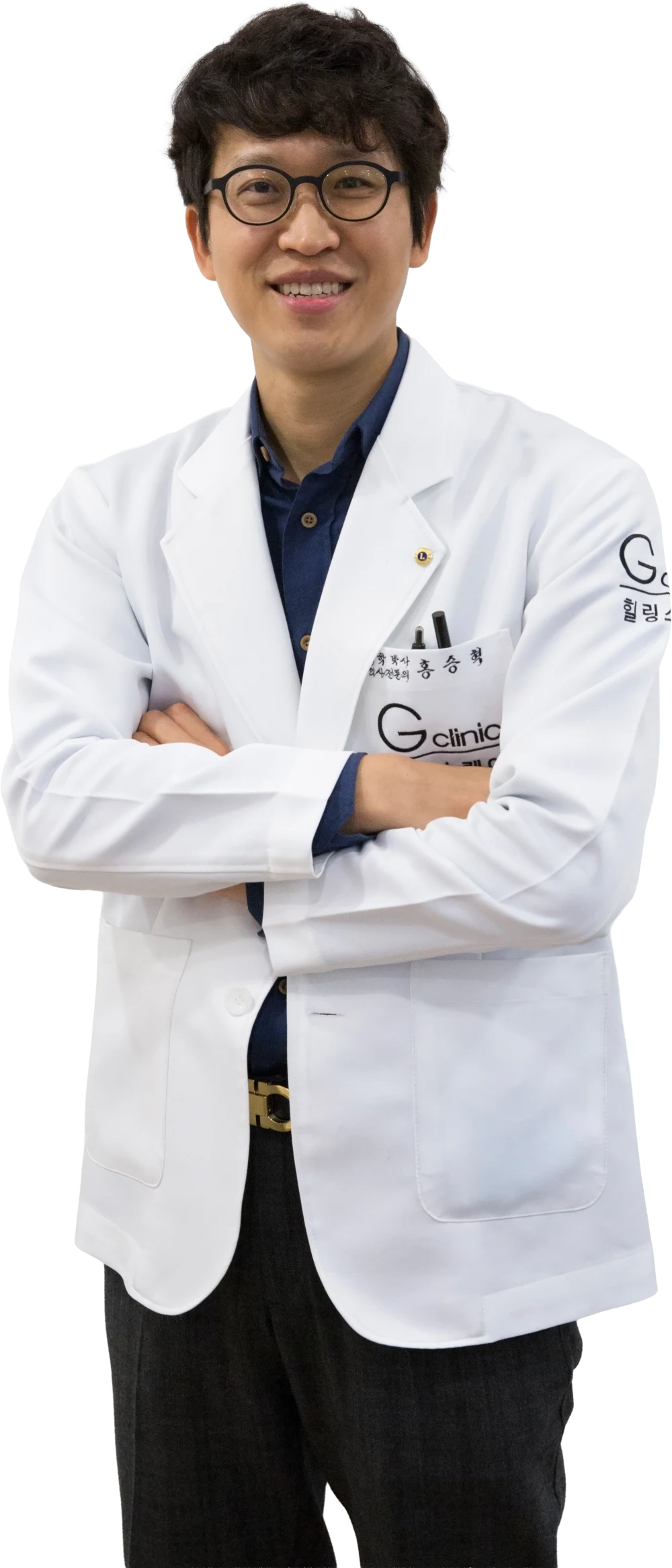
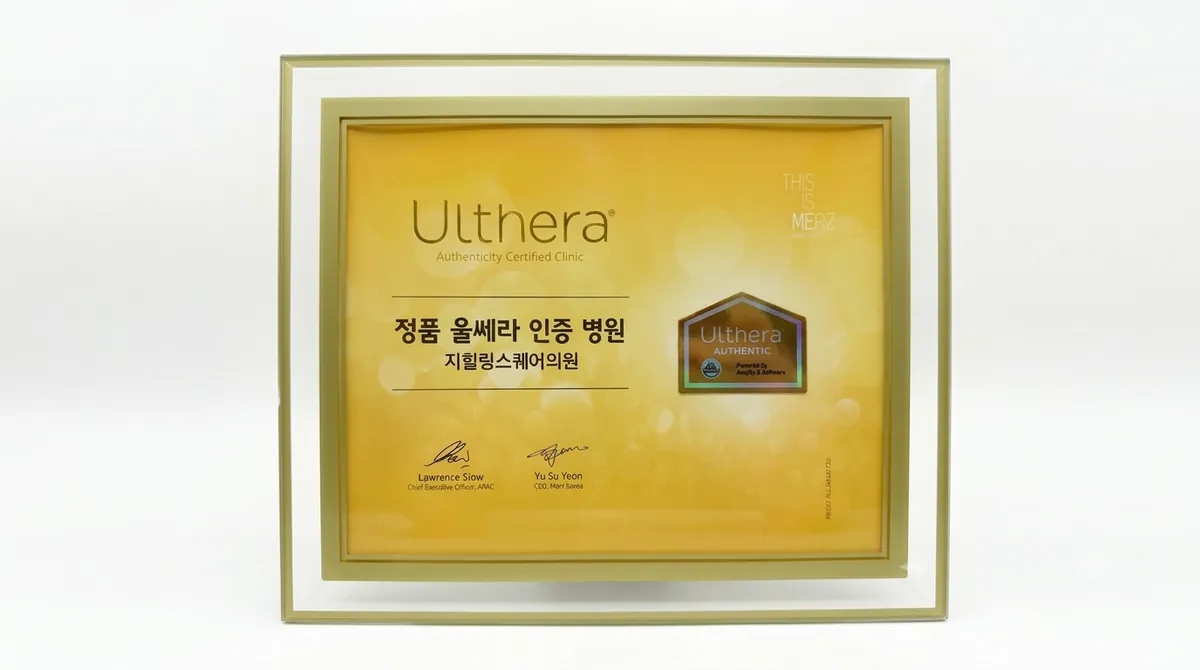
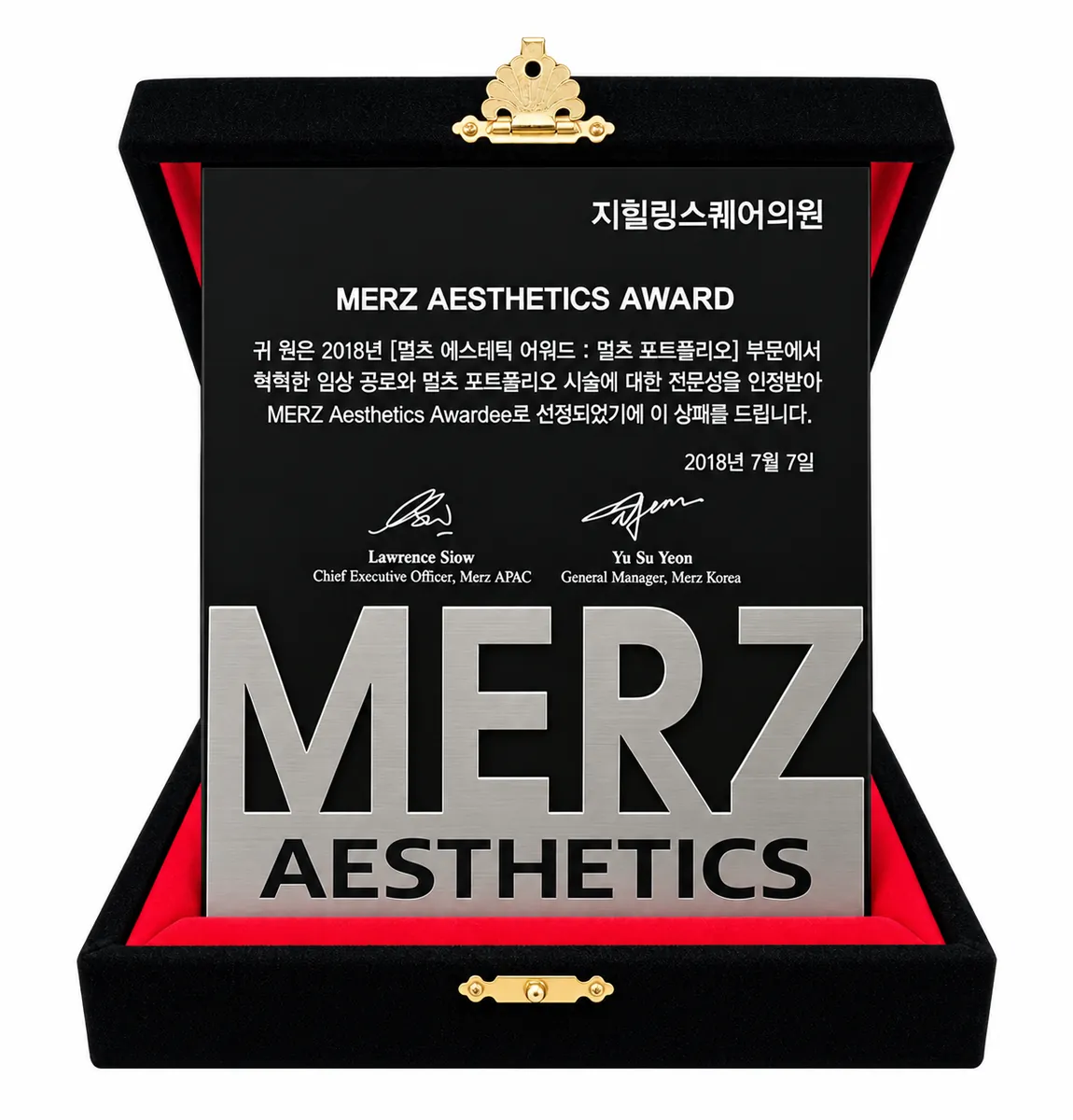
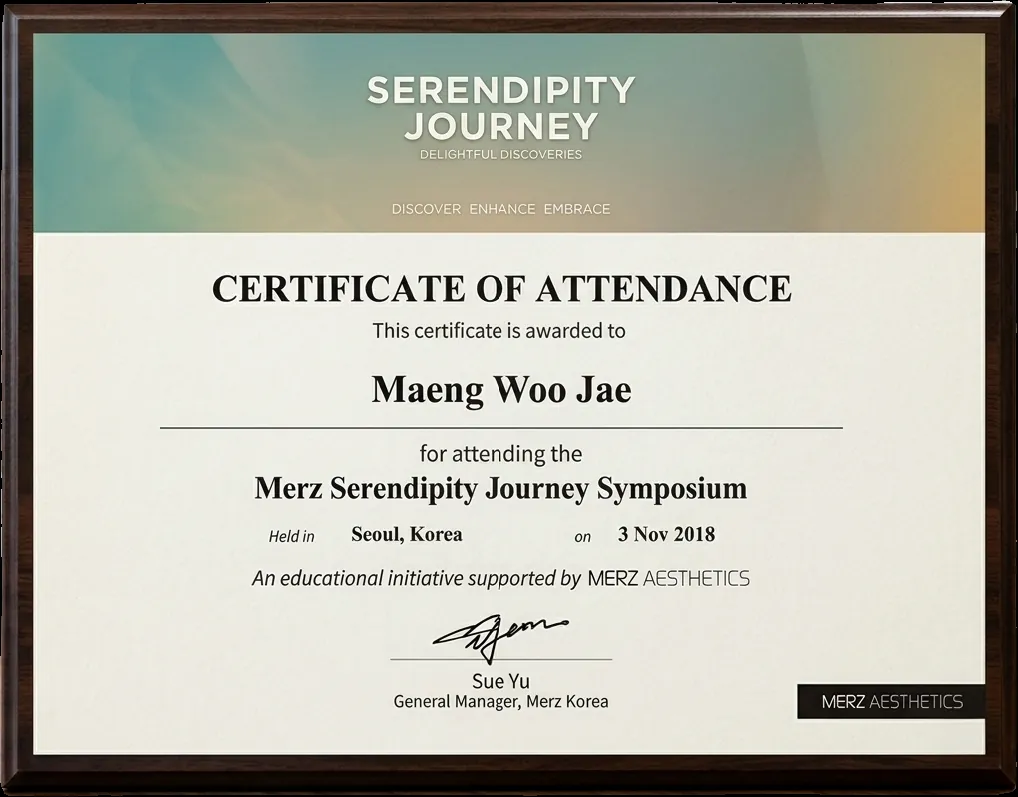
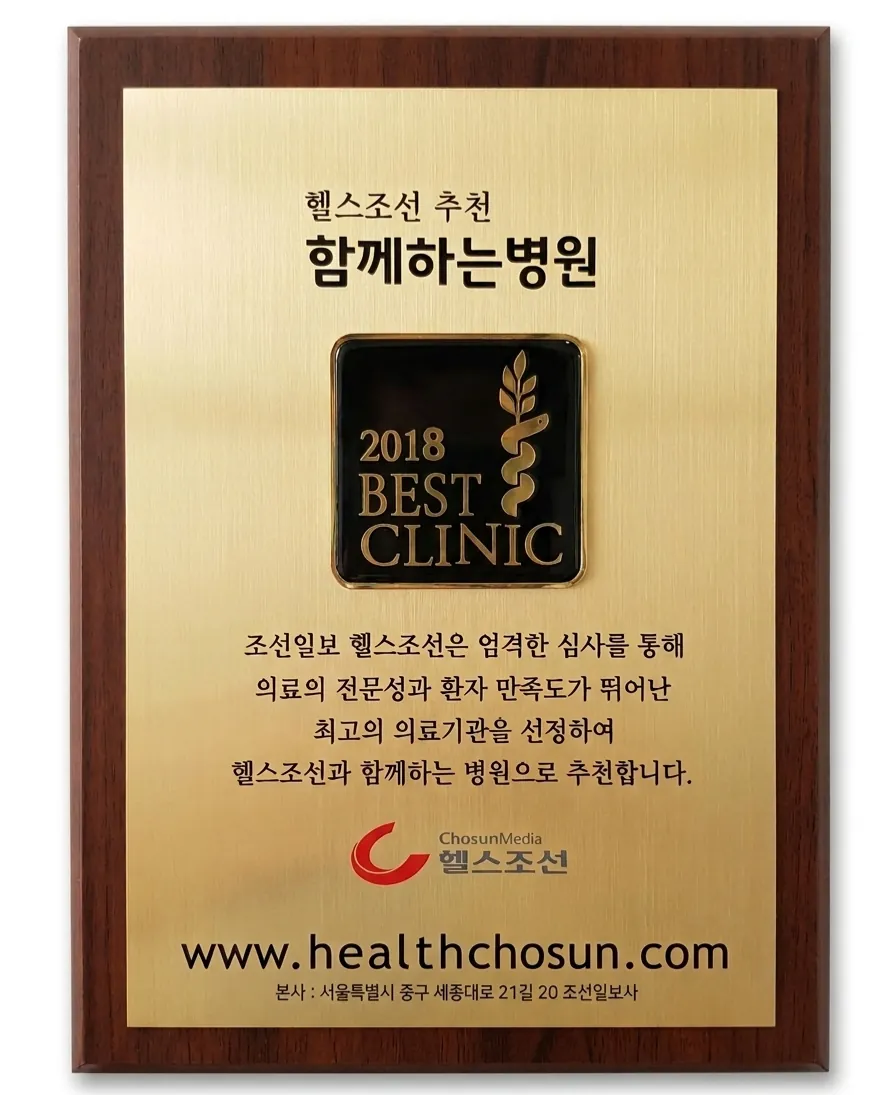
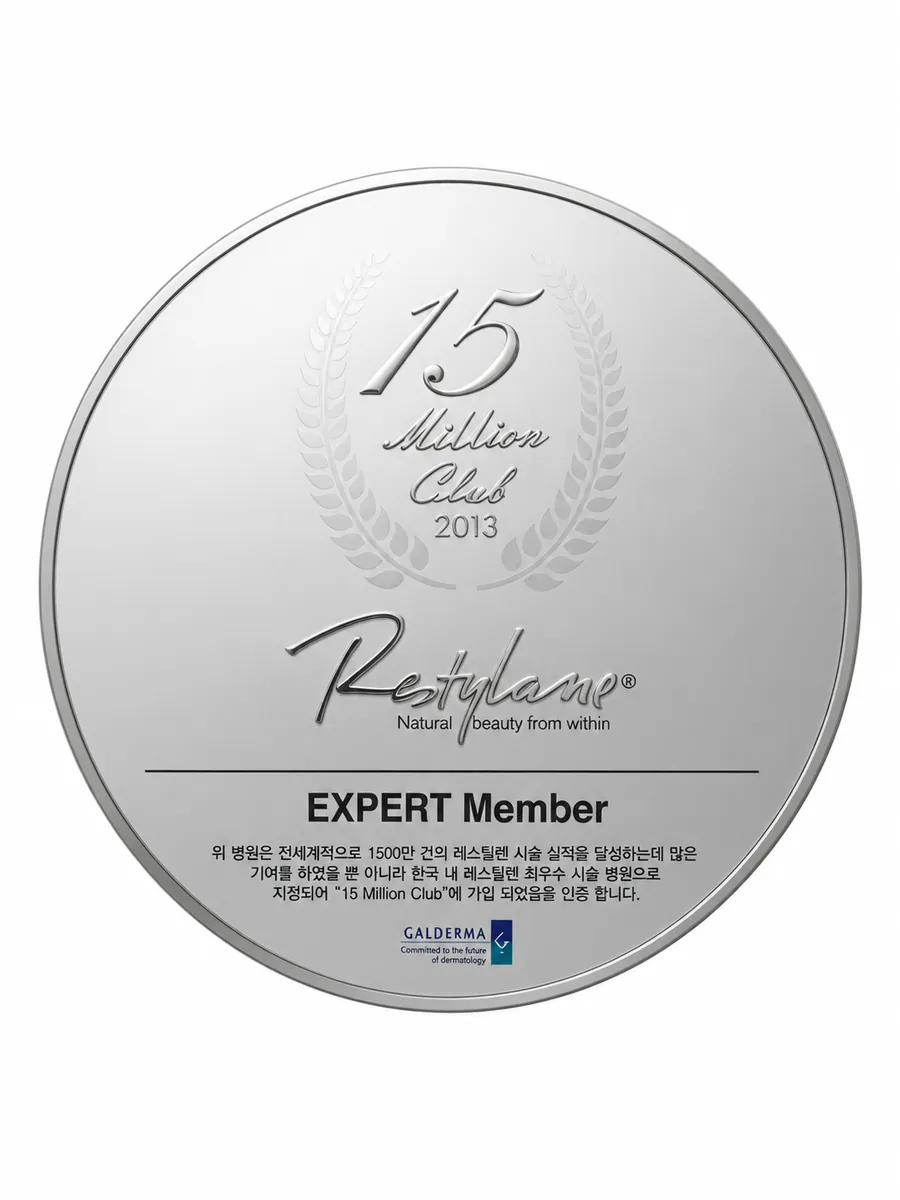
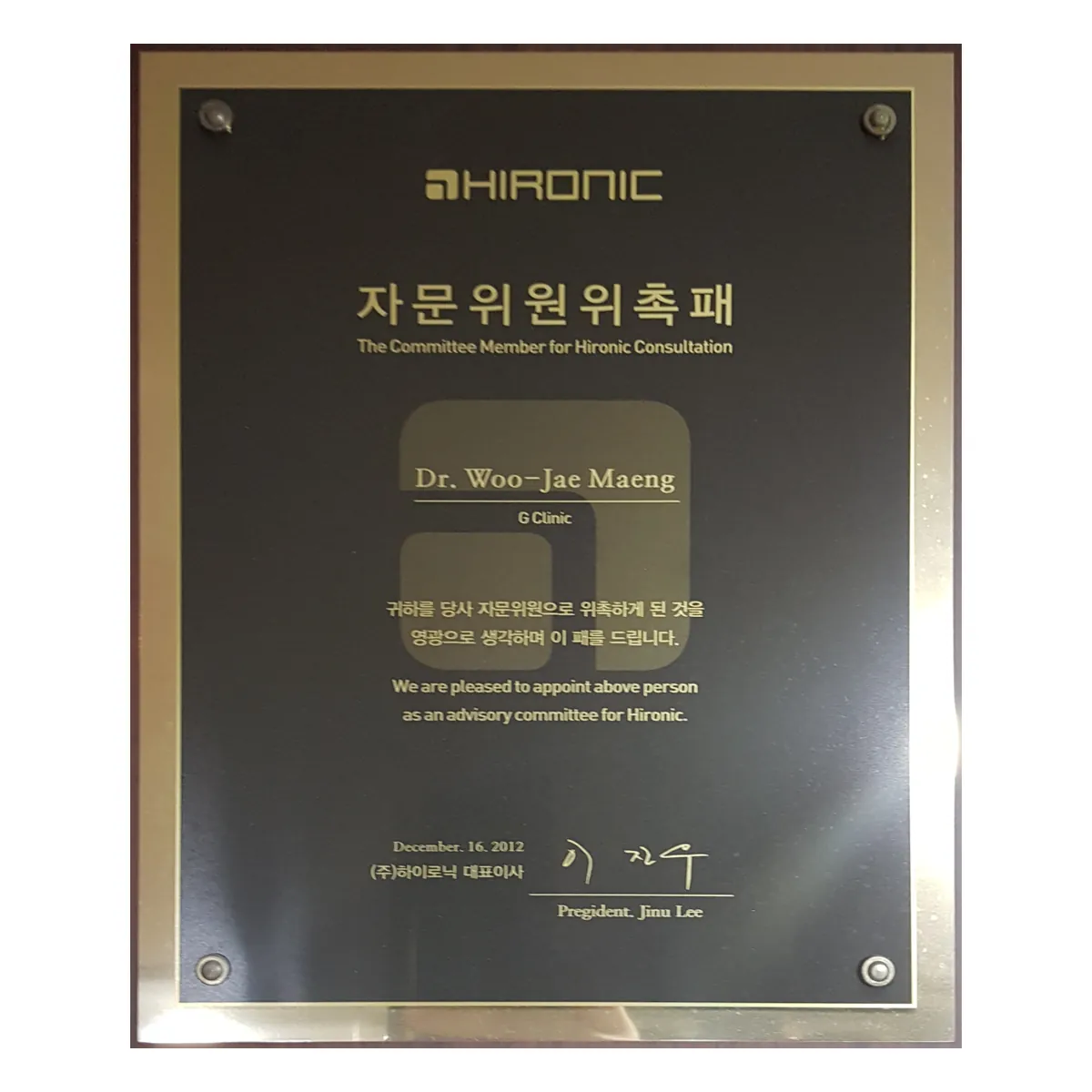
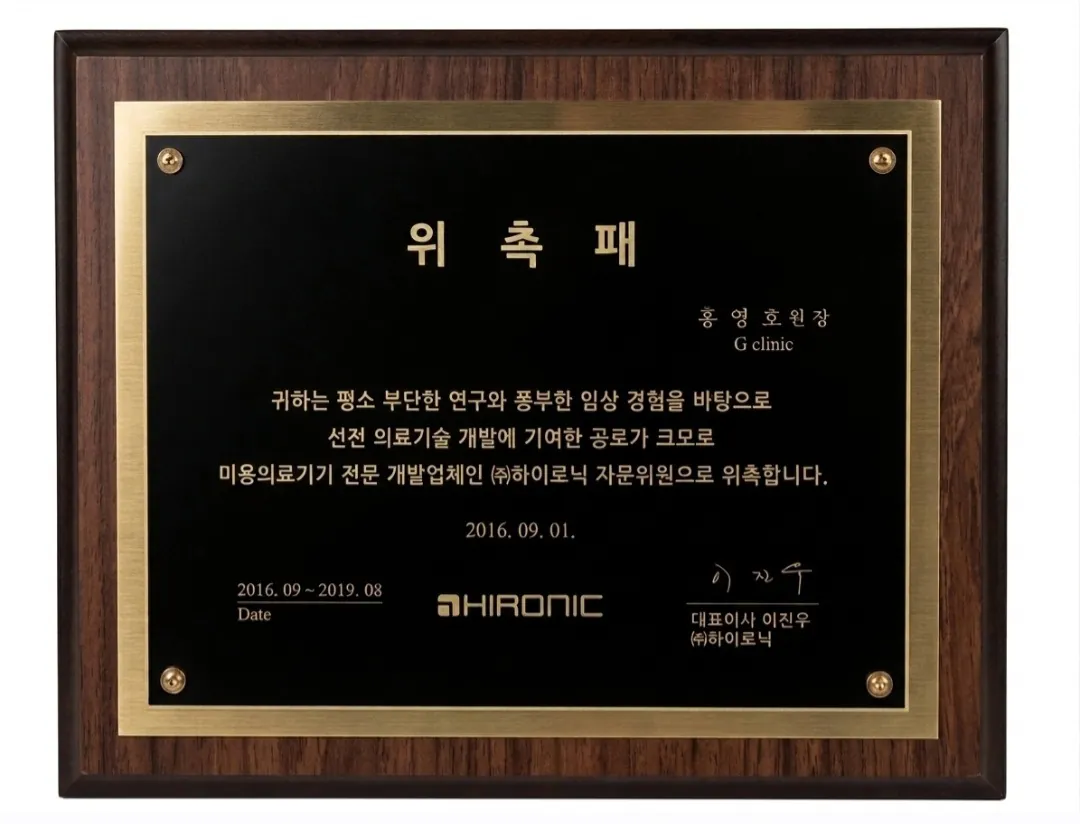
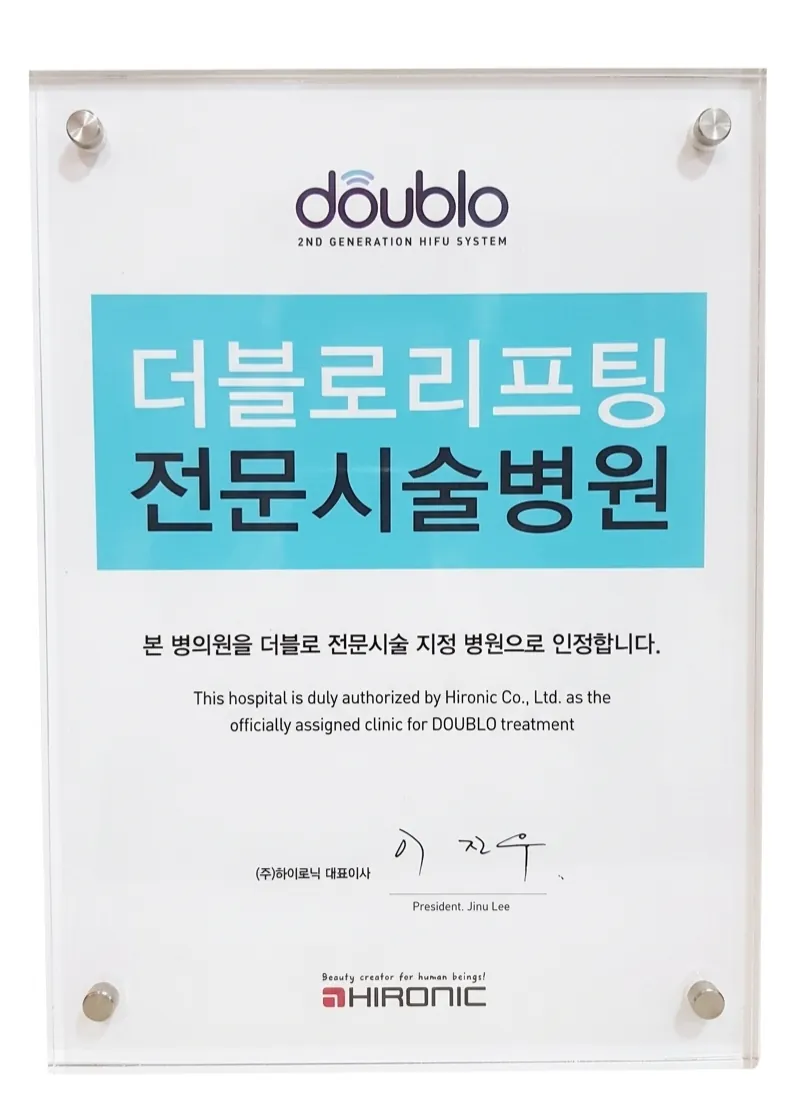
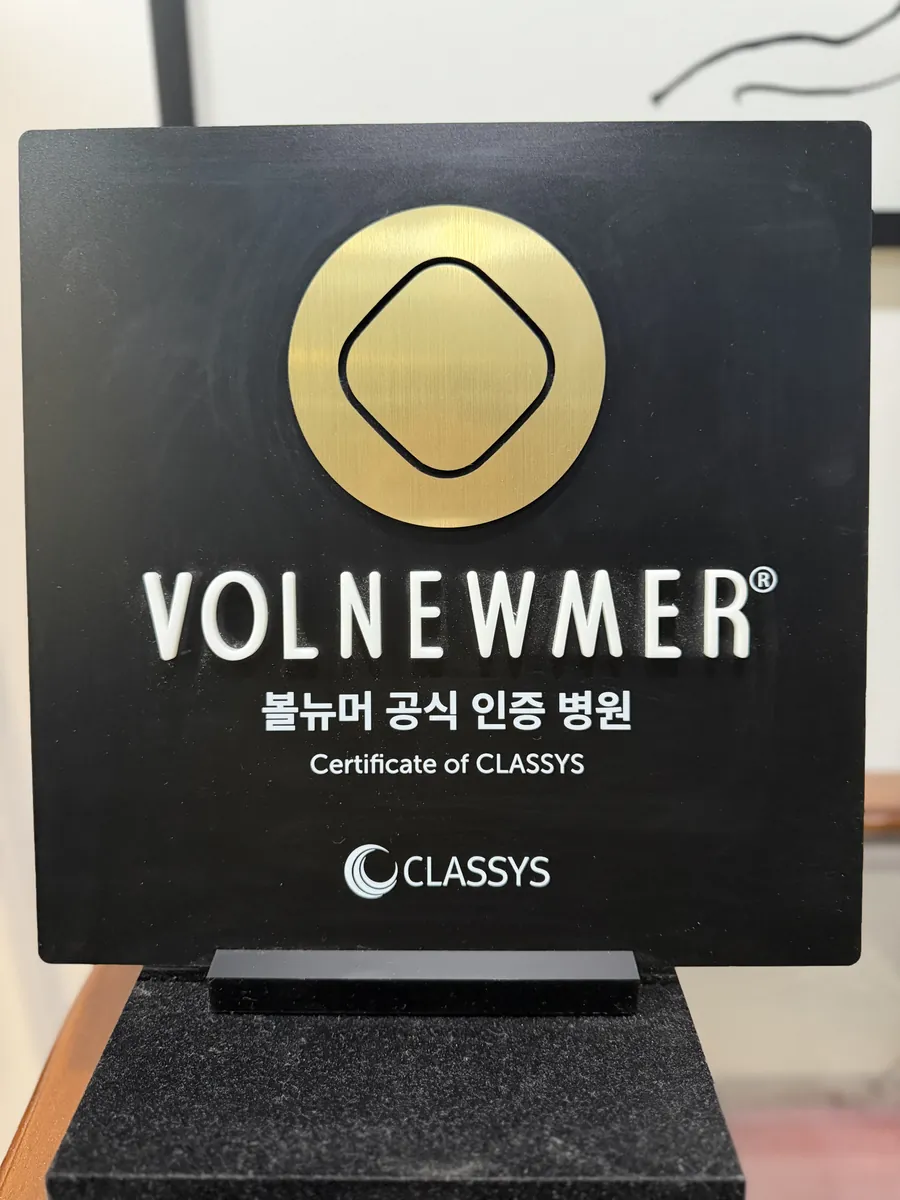
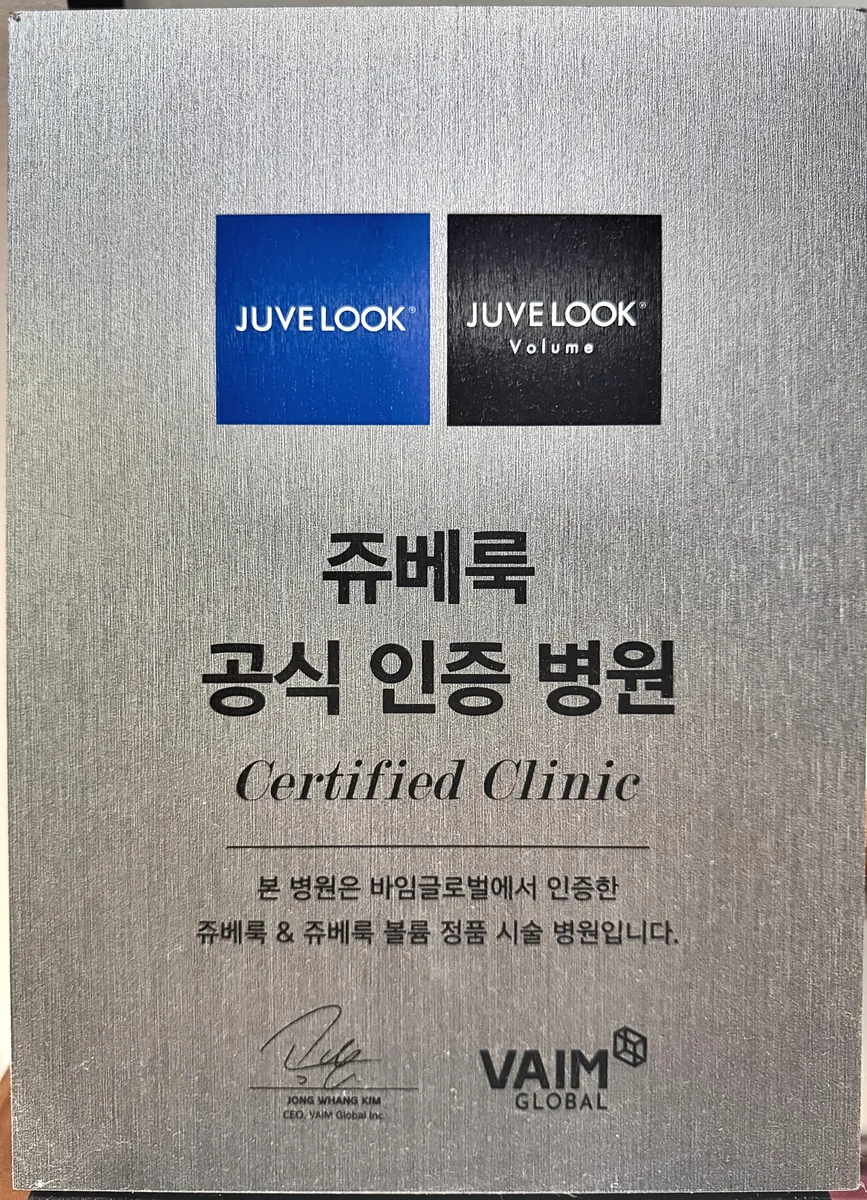
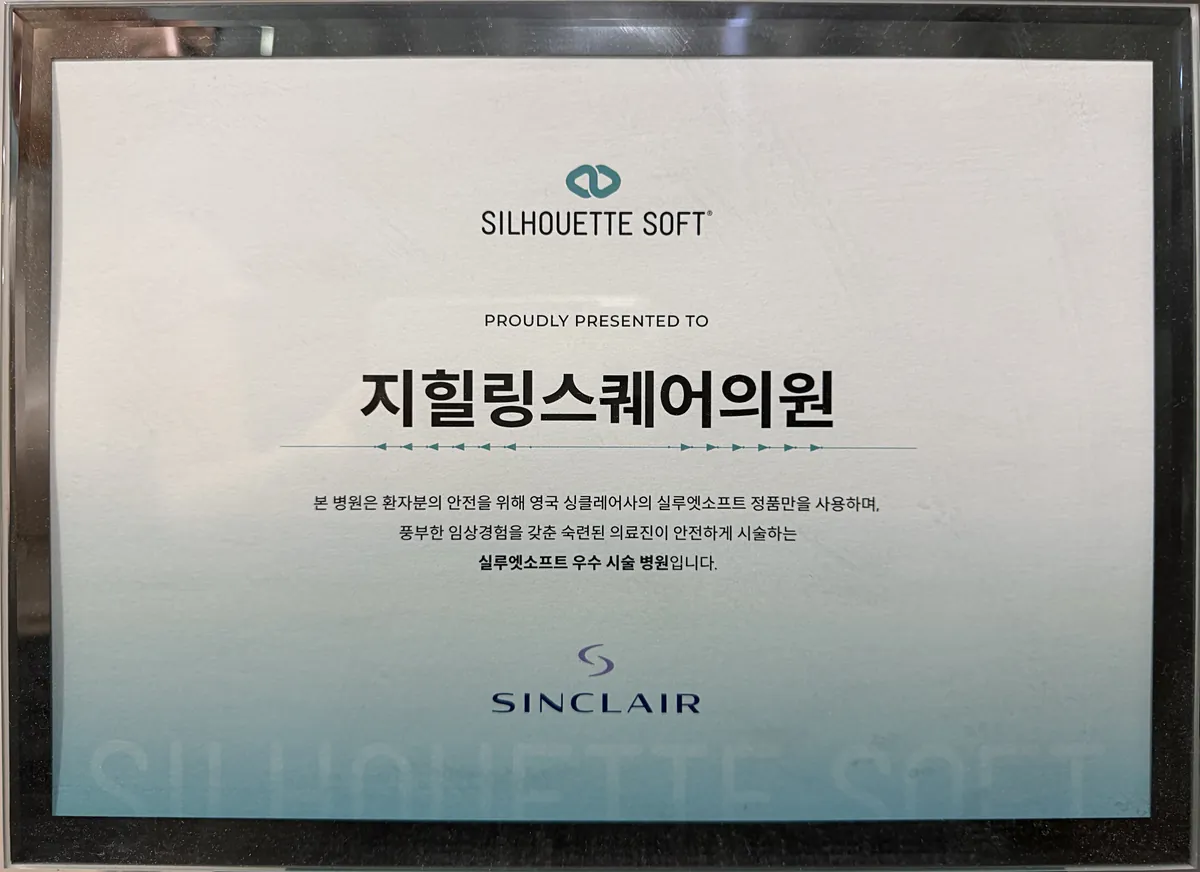
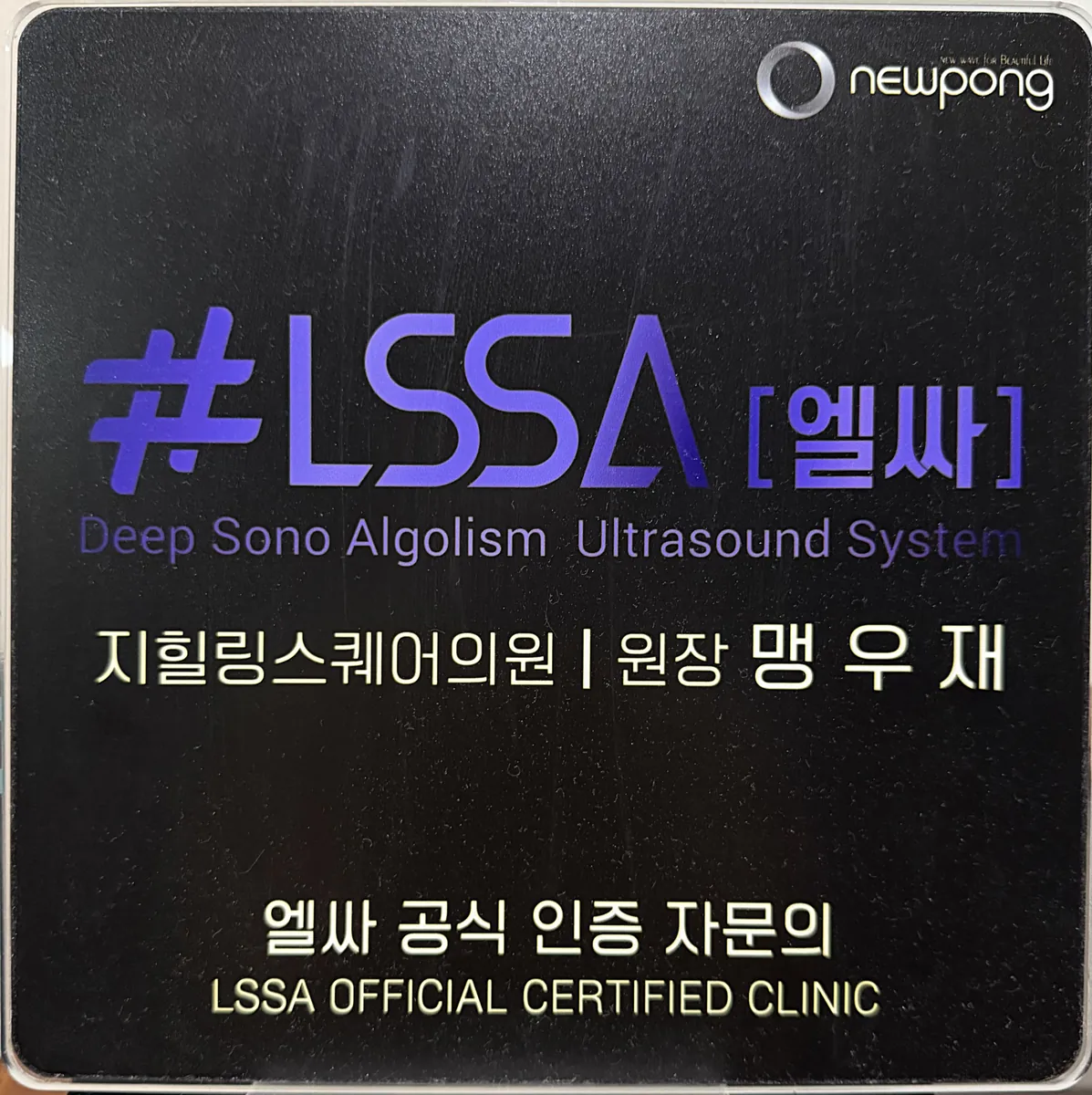
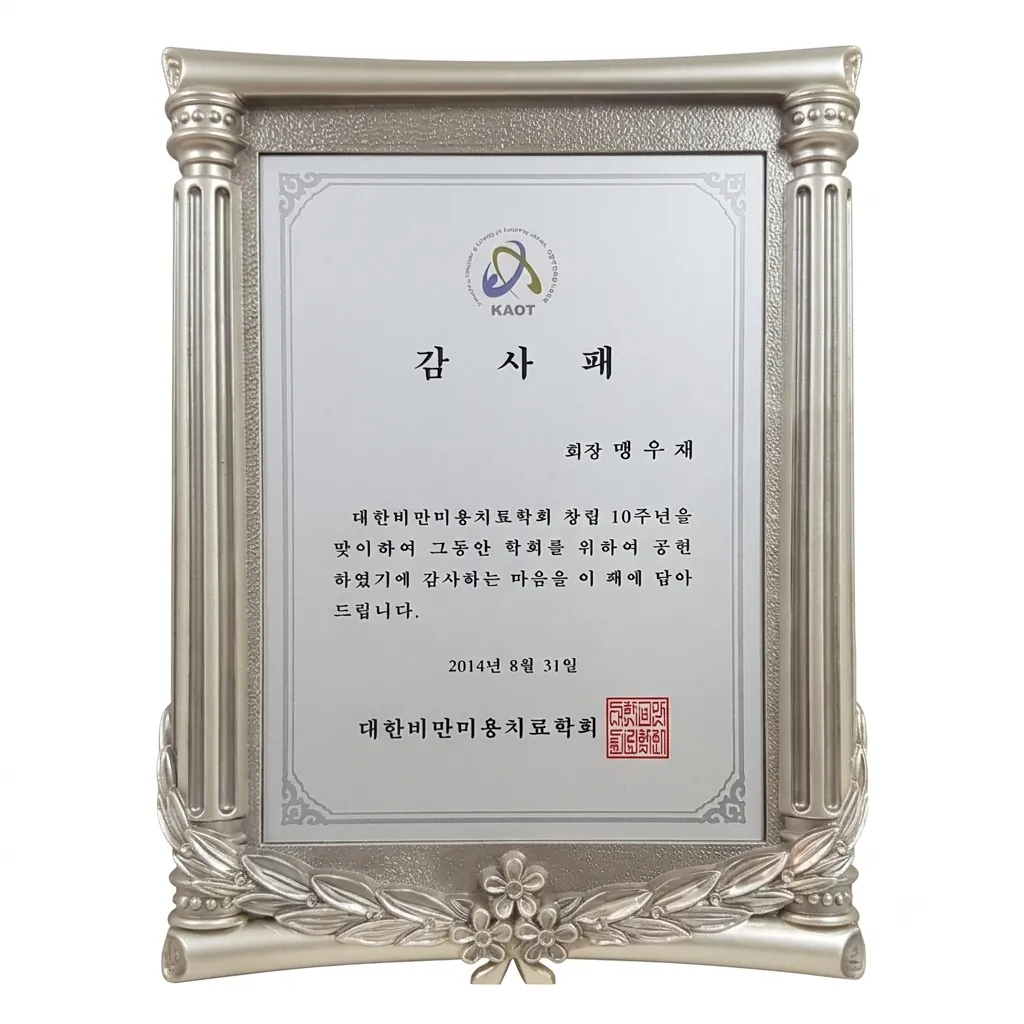
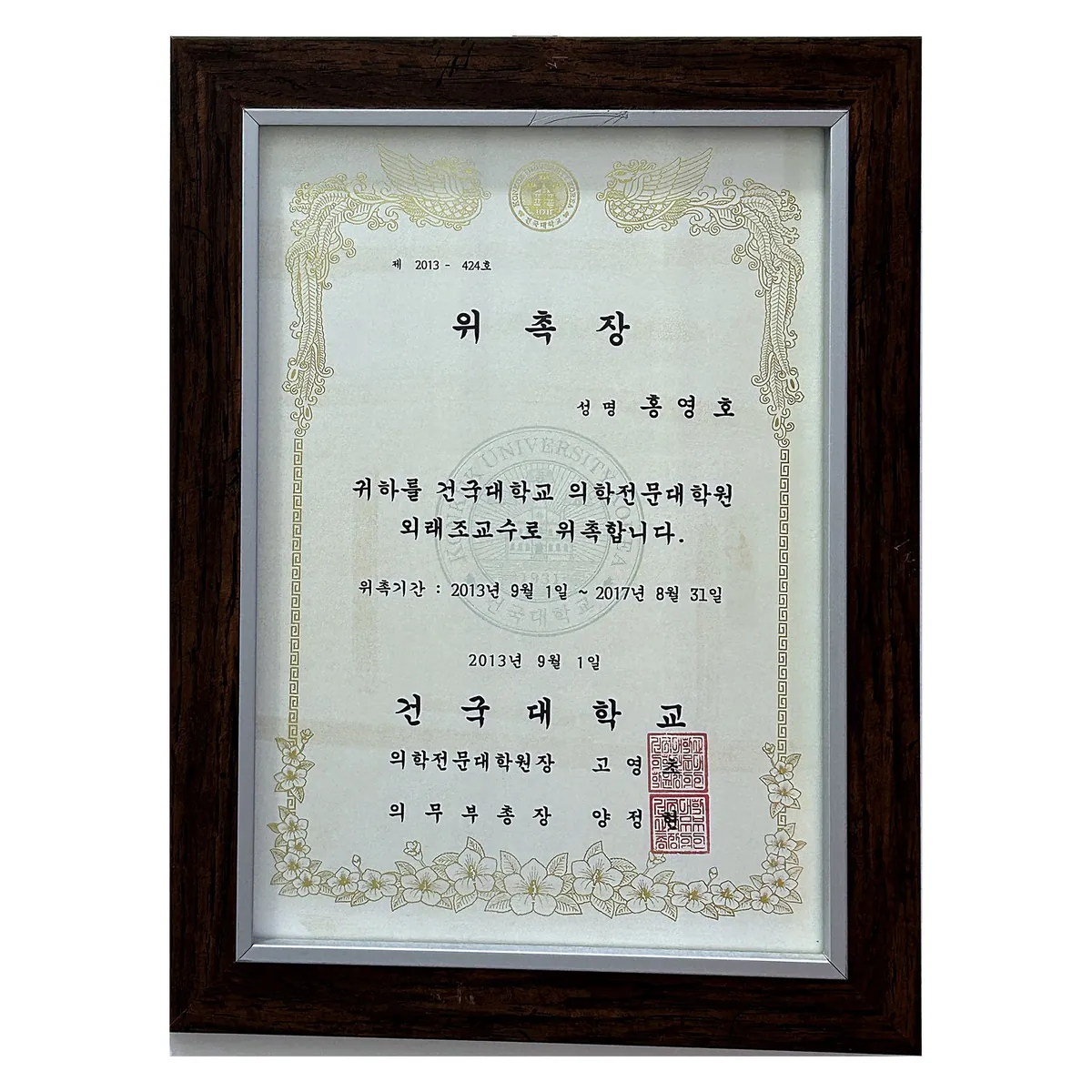
The G Clinic name dates to a 2012 device-maker advisory appointment. Each recognition below is stated as issued by its organisation.
Share your details and our team will reply through your preferred messenger. Consultation is free and pricing is quoted at your free consultation.
Thank you — our English coordinator will reach out as soon as possible.