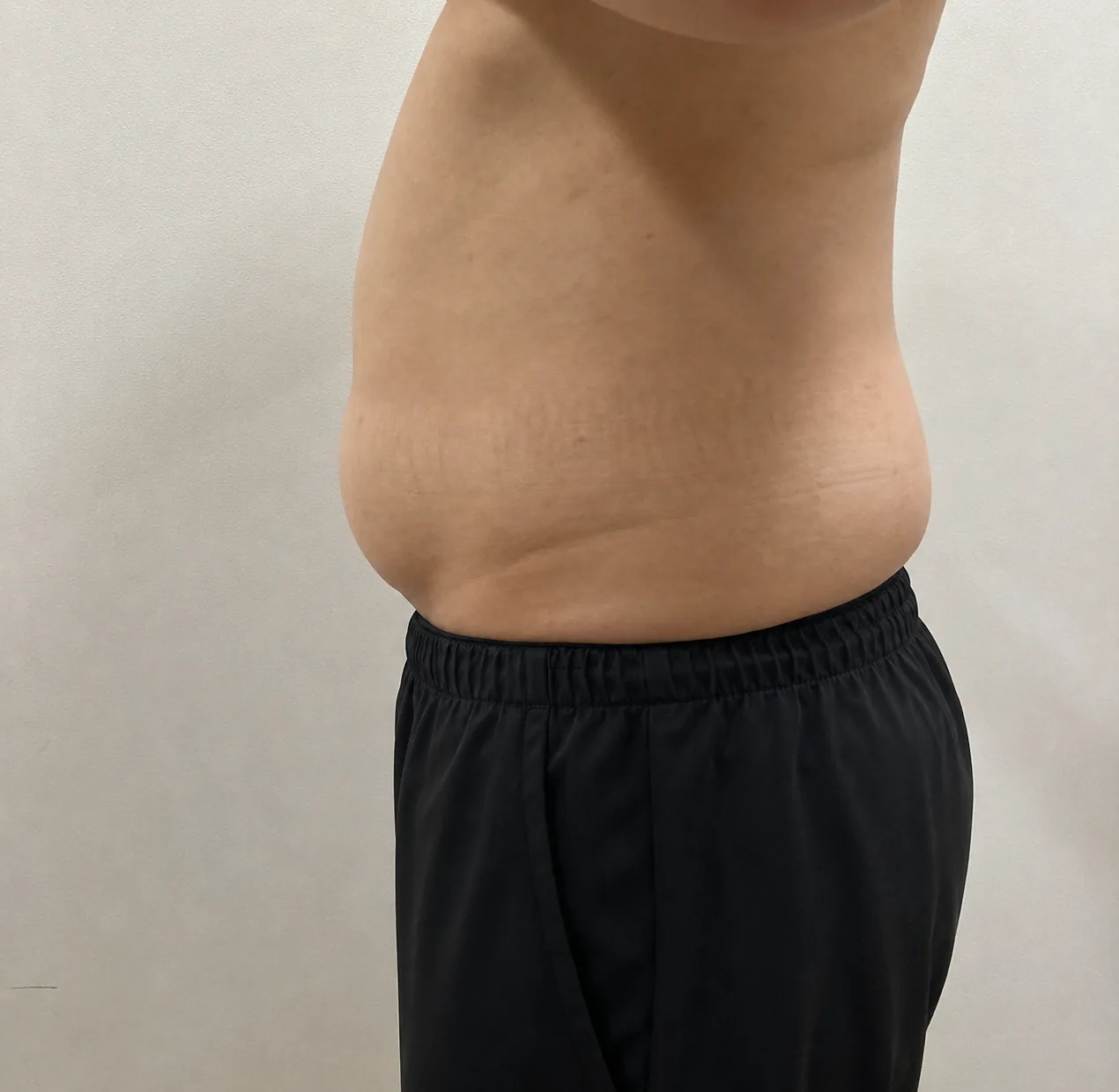
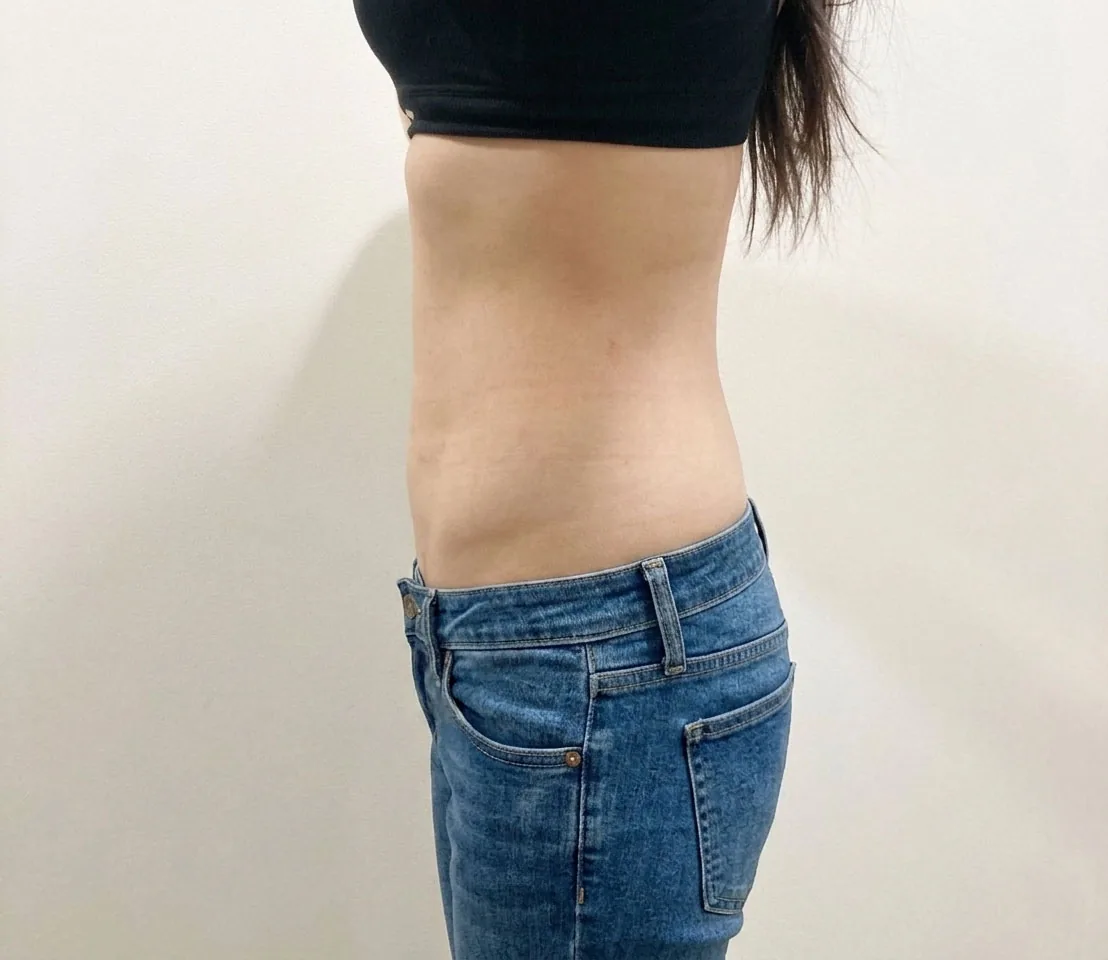
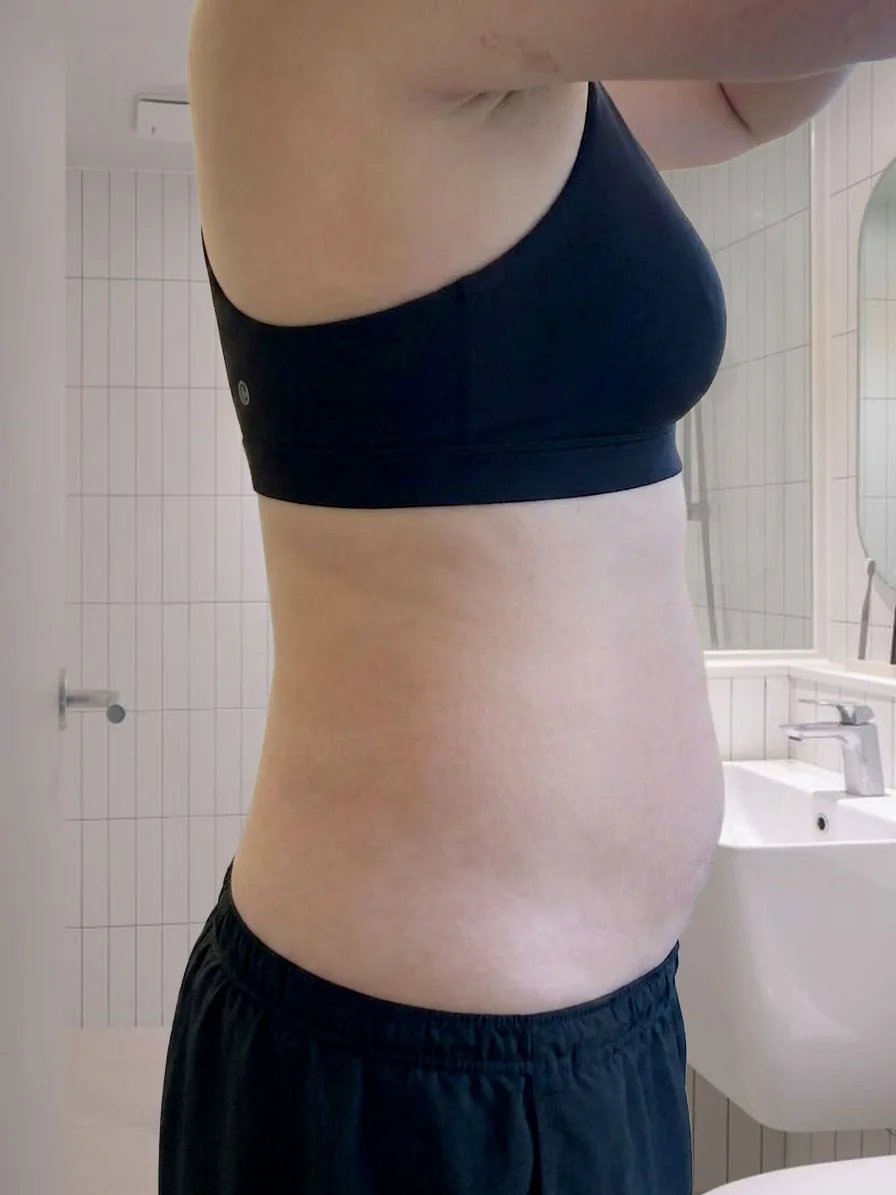
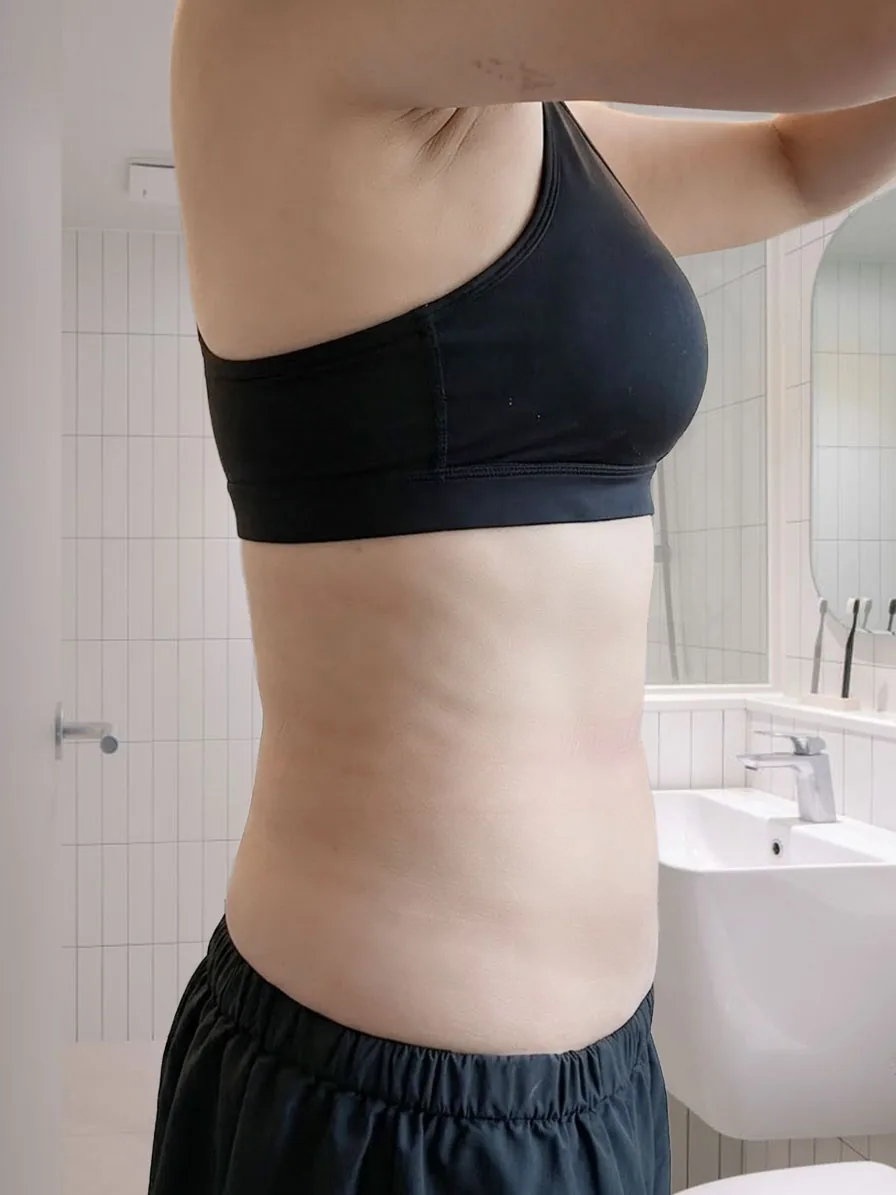
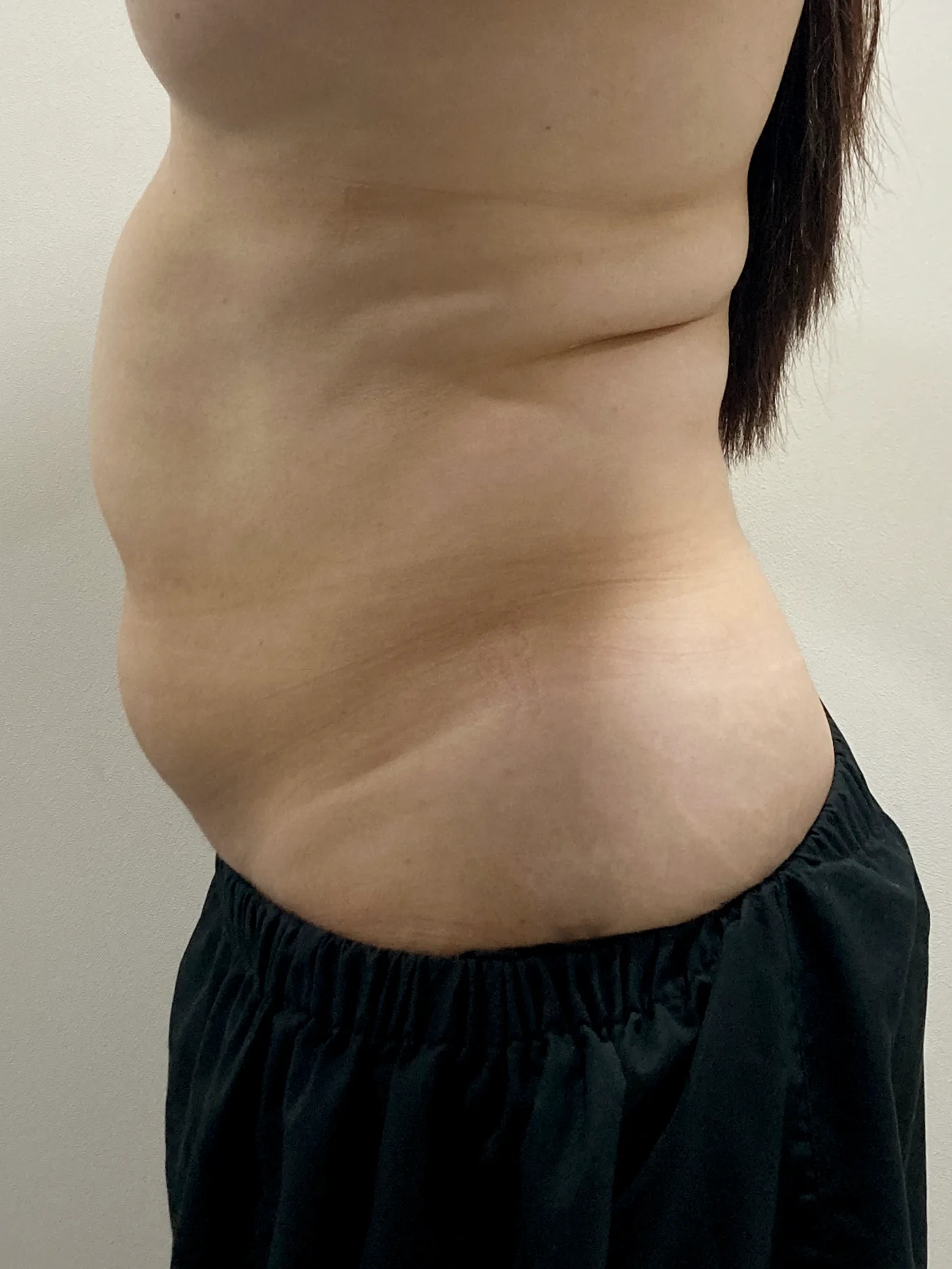
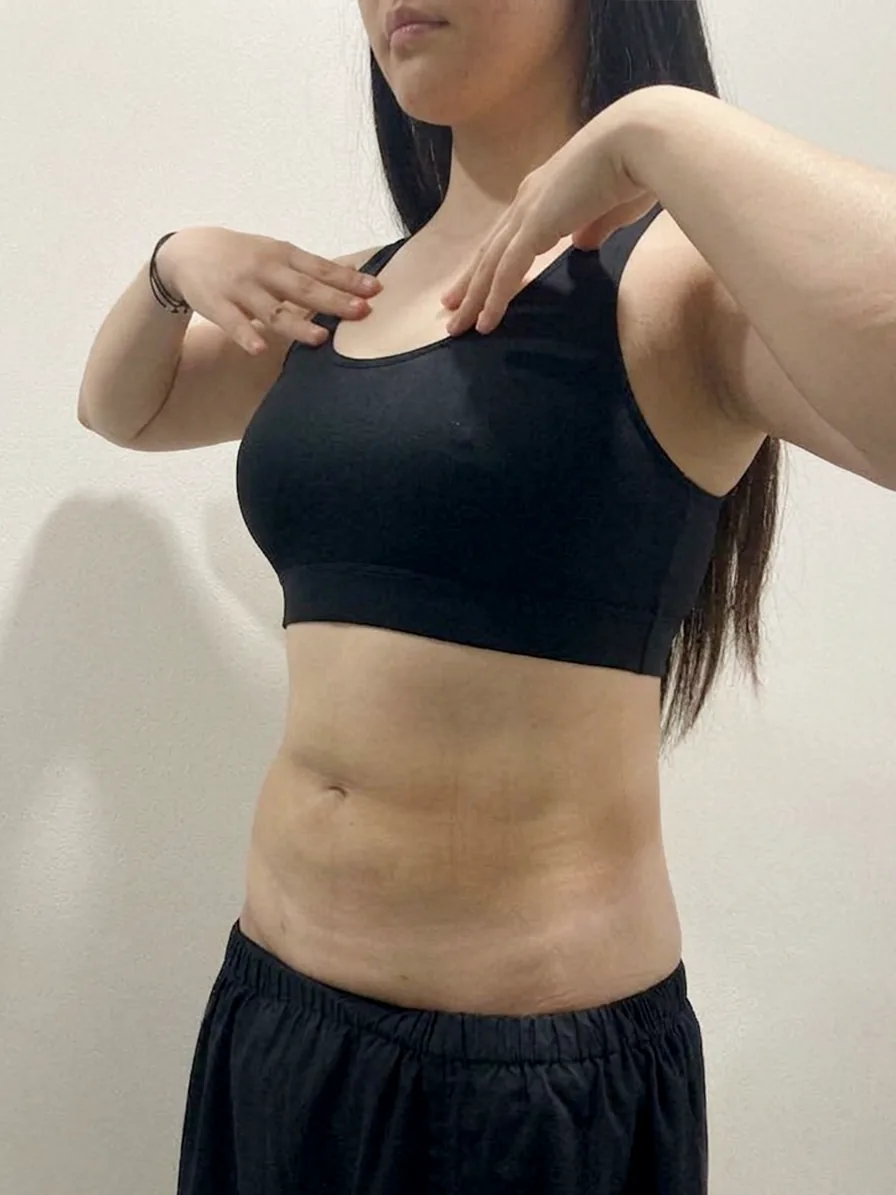
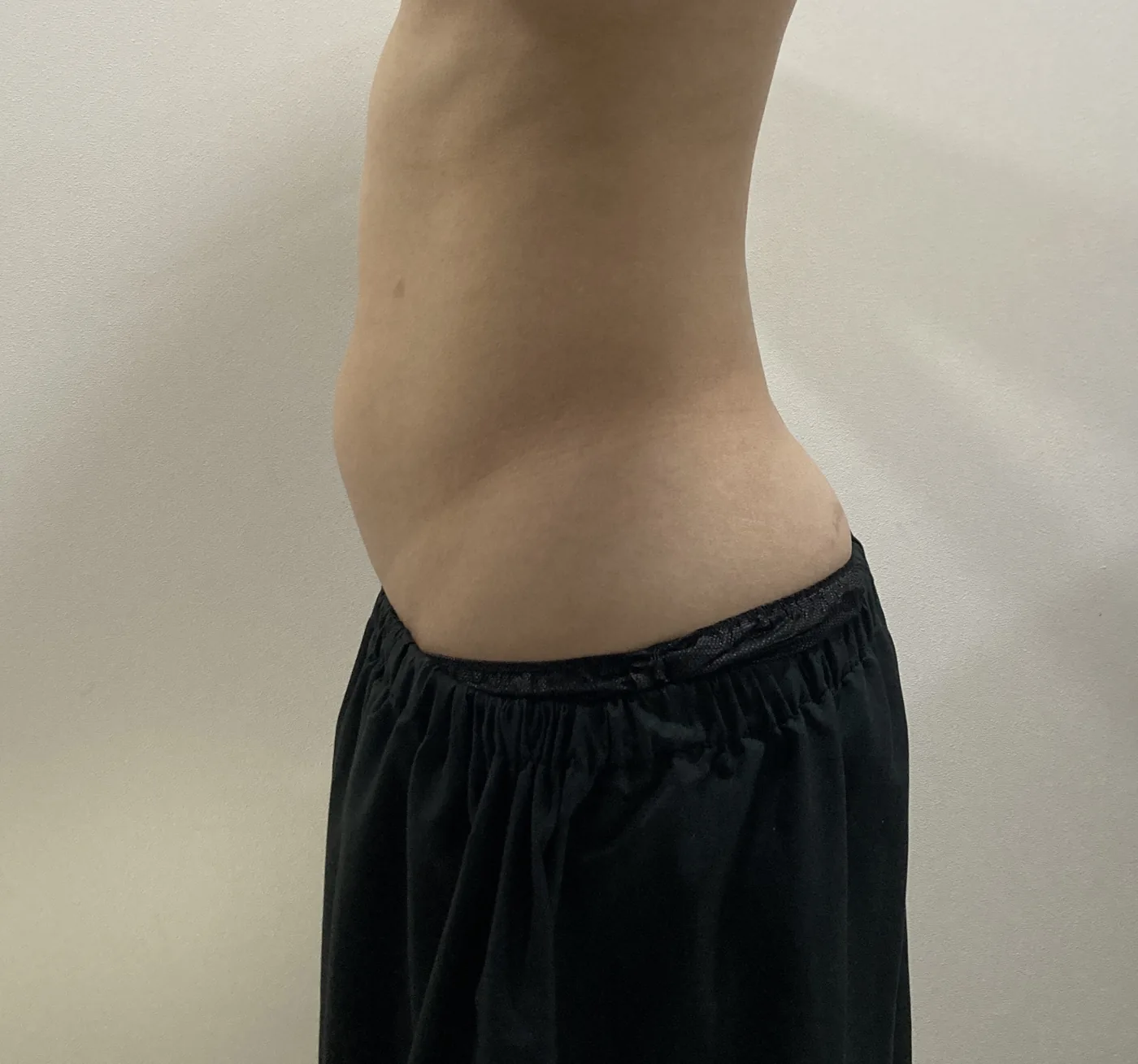
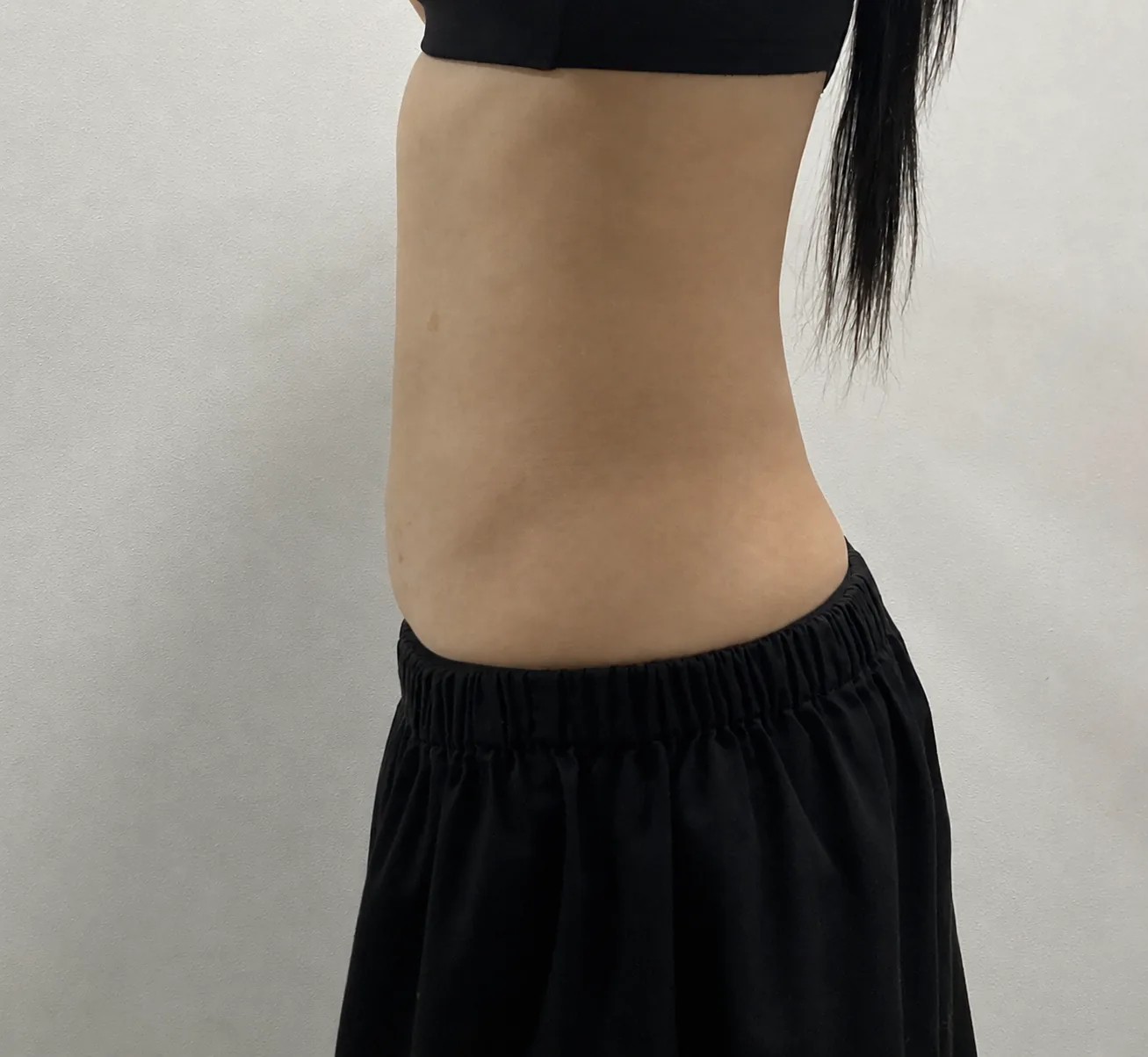
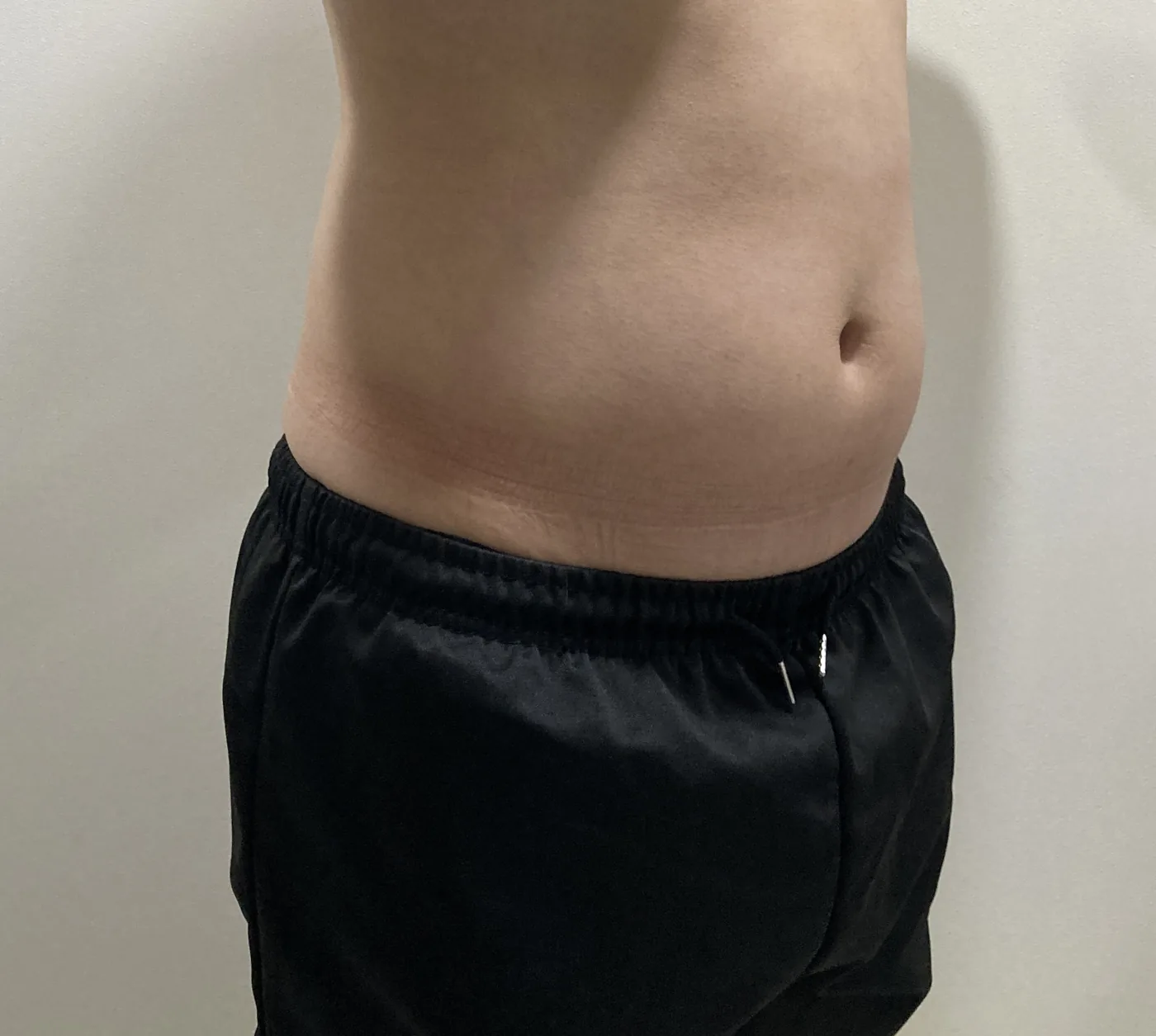
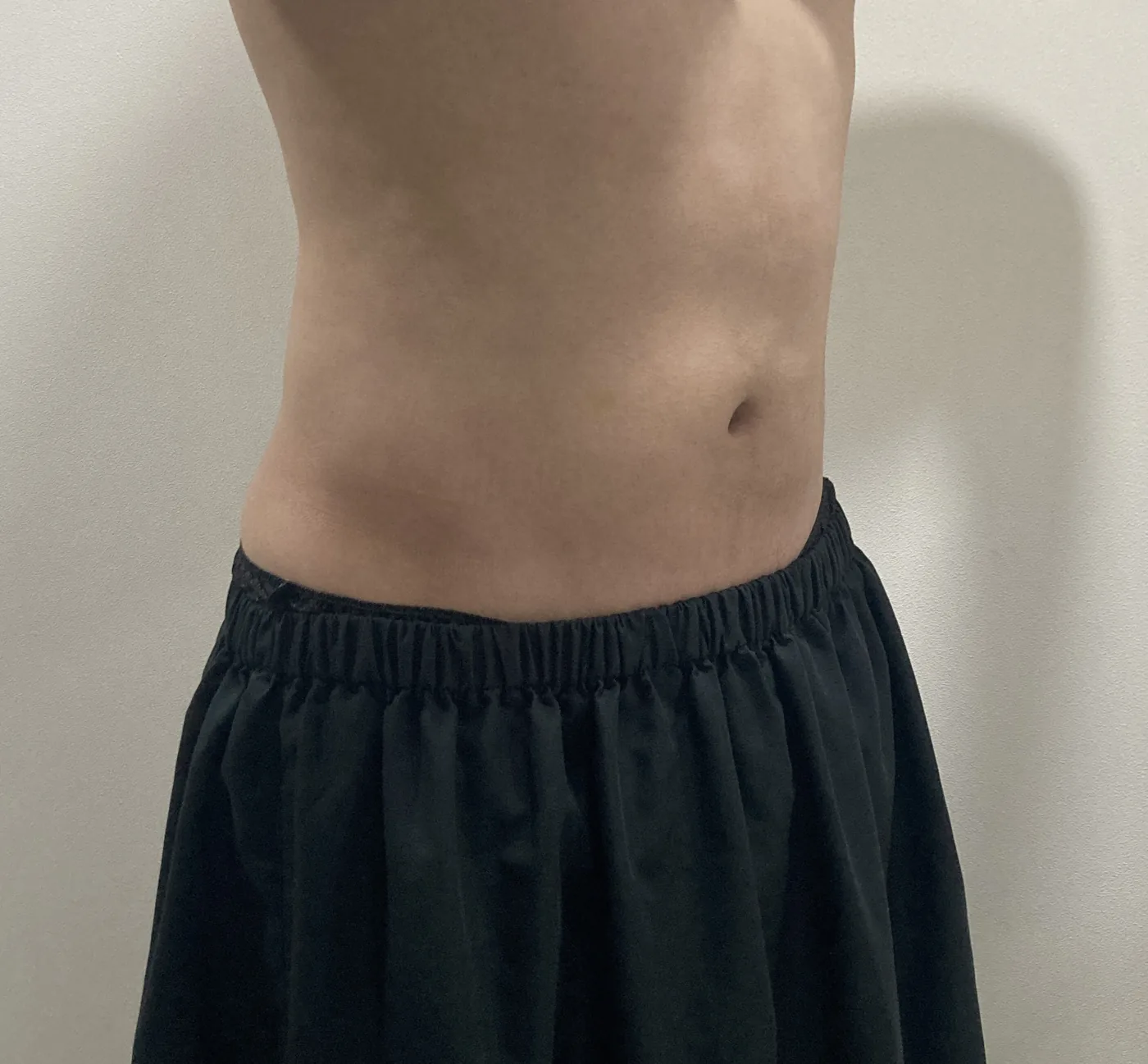
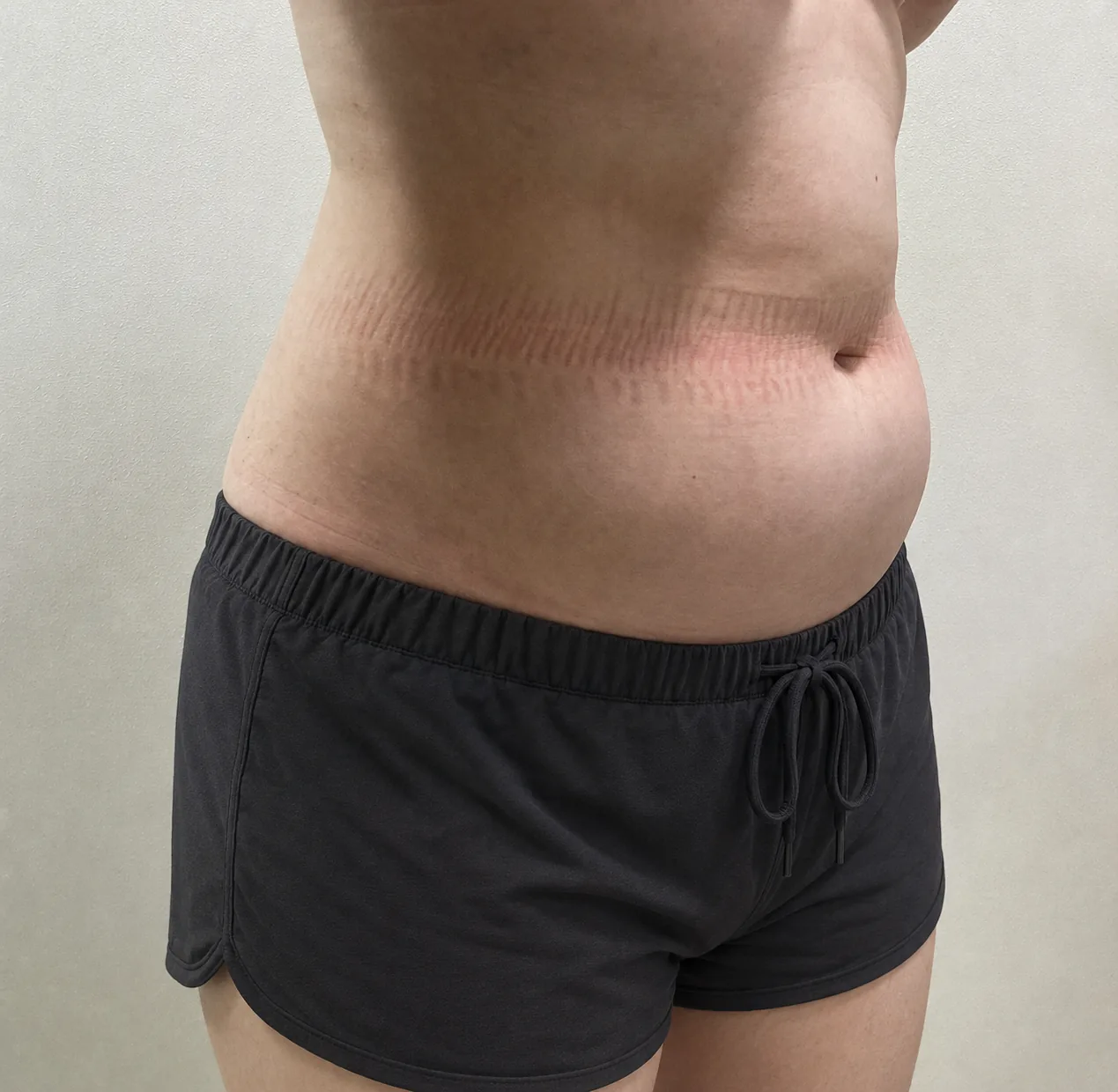
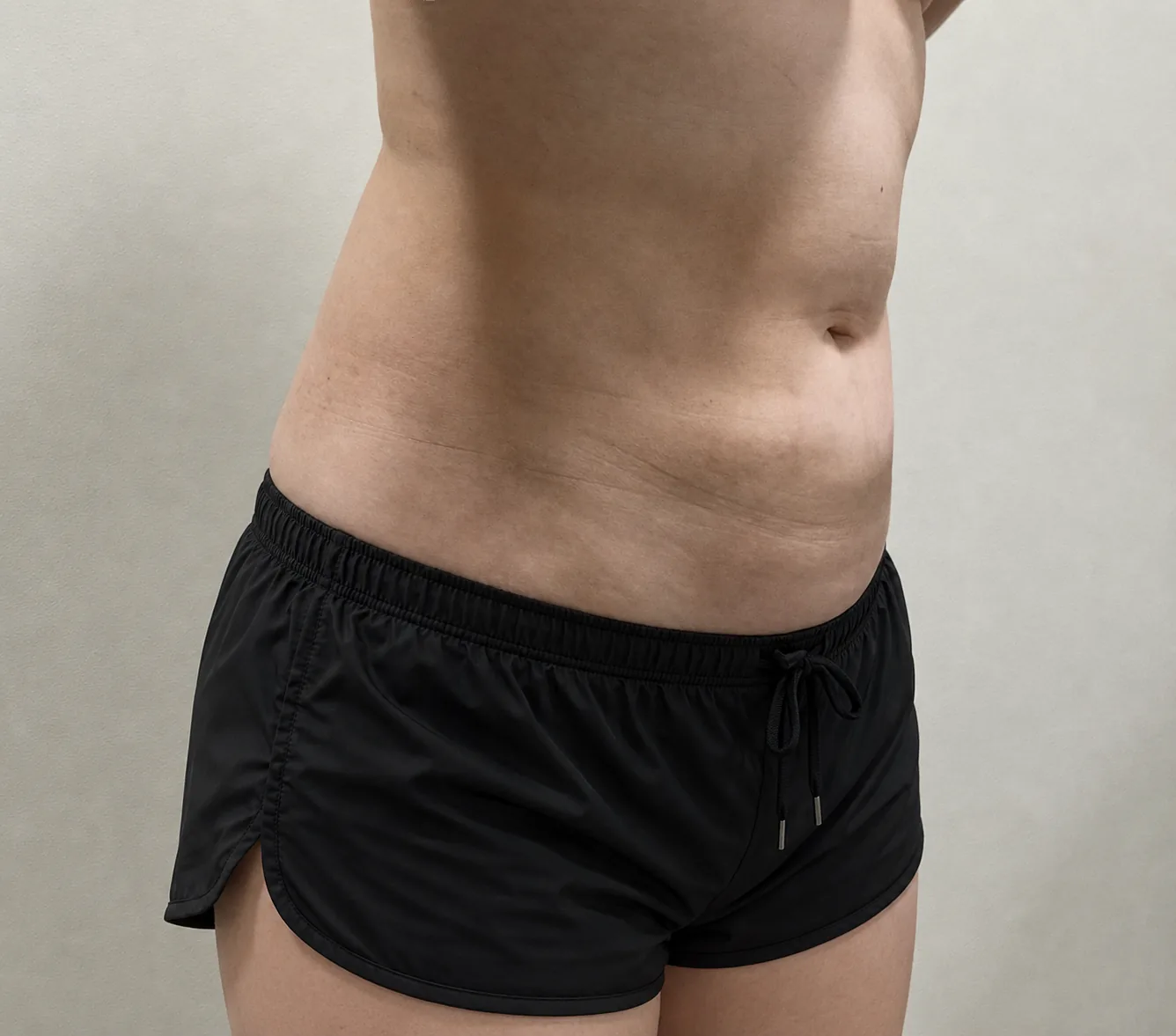
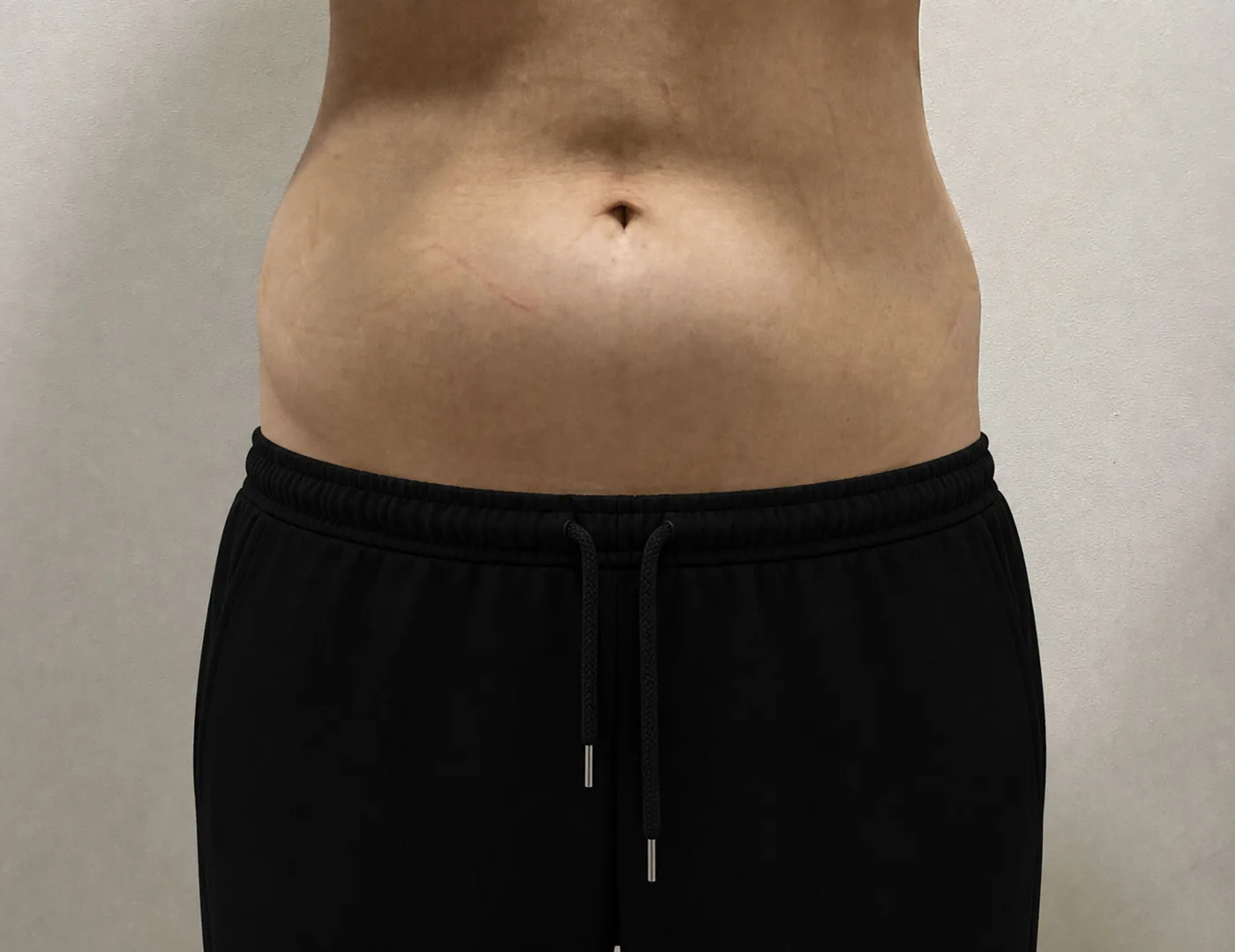
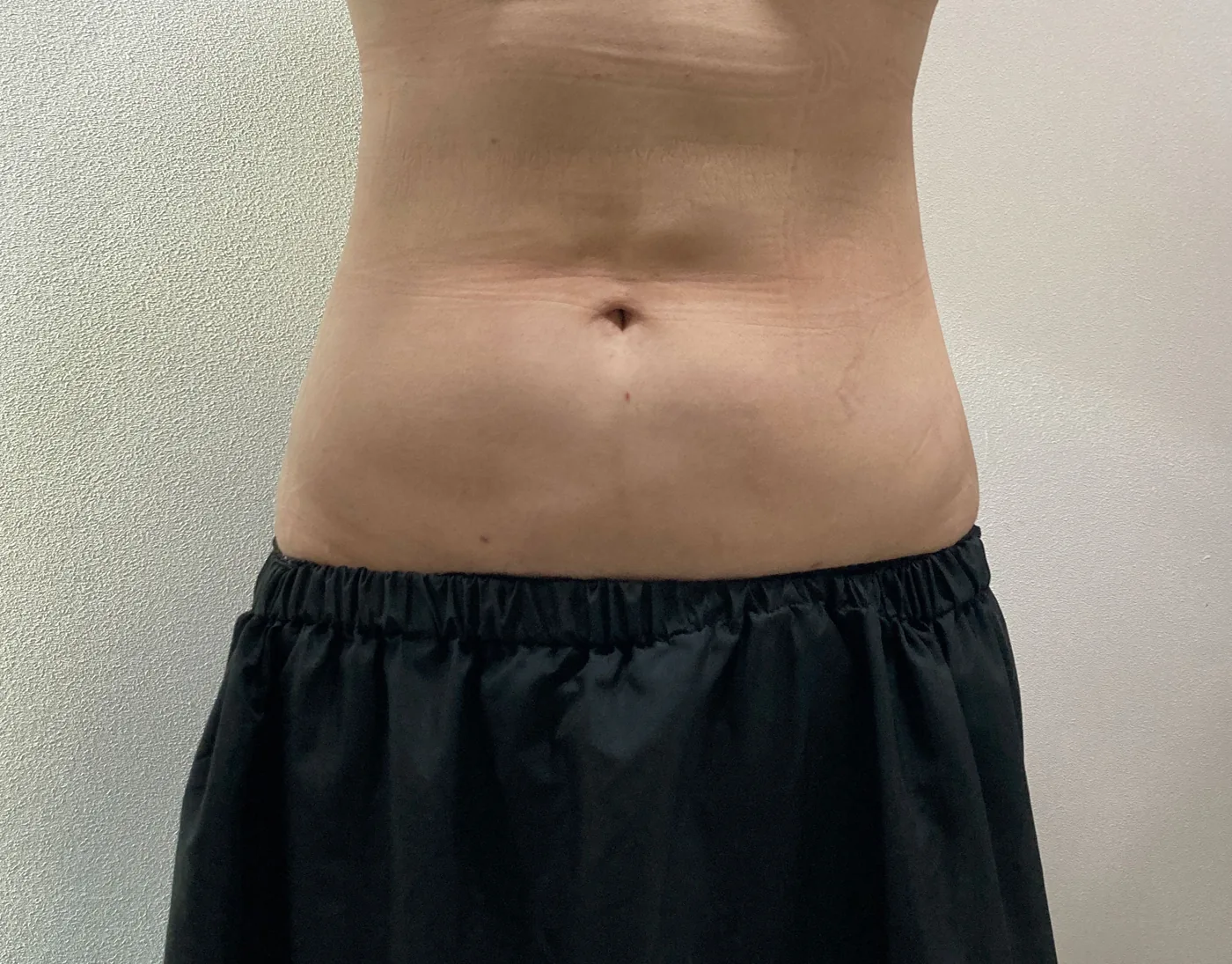
This is a minimally invasive procedure carrying real risks, and your director goes through them before you agree to anything. Bruising, swelling and tenderness across the treated zones are expected in the first days, along with patches of numbness that take weeks to fade. Less frequently, patients develop surface irregularity, a seroma, firm nodules under the skin, skin laxity, infection at the micro-entry point, or visible asymmetry between two sides that were treated together.
Scale changes the weighting of that list. A bigger treated surface shows unevenness more readily than a small one; two sides of the body have to be judged against each other while you are upright; and fluid management matters more when more tissue has been disturbed. Those considerations are part of why an awake local-anaesthetic session has a sensible working range, and why a director shortens an ambitious list before the day arrives.
Tell the clinic your full medical history, every medication and supplement you take, any previous surgery on the areas concerned, and any past reaction to anaesthetic. Afterwards, wear the compression as instructed, keep the entry points clean and dry, and contact the clinic promptly if pain, redness, discharge or swelling increases after the first few days. A resident medical director is on site during opening hours.