★★★★★
Recommendations are made based on actual circumstances. The attitude is very good. Highly recommended.
Both arms are planned as one set by whichever of the three medical directors at G Clinic sees you: Dr. Hong Seung-hyuk, Dr. Maeng Woo-jae and Dr. Hong Young-ho. The outer surface and the inner surface of each upper arm are marked as their own palm-sized areas, and the fat agreed at consultation leaves the room with you on the day, under local anaesthesia, with you awake.
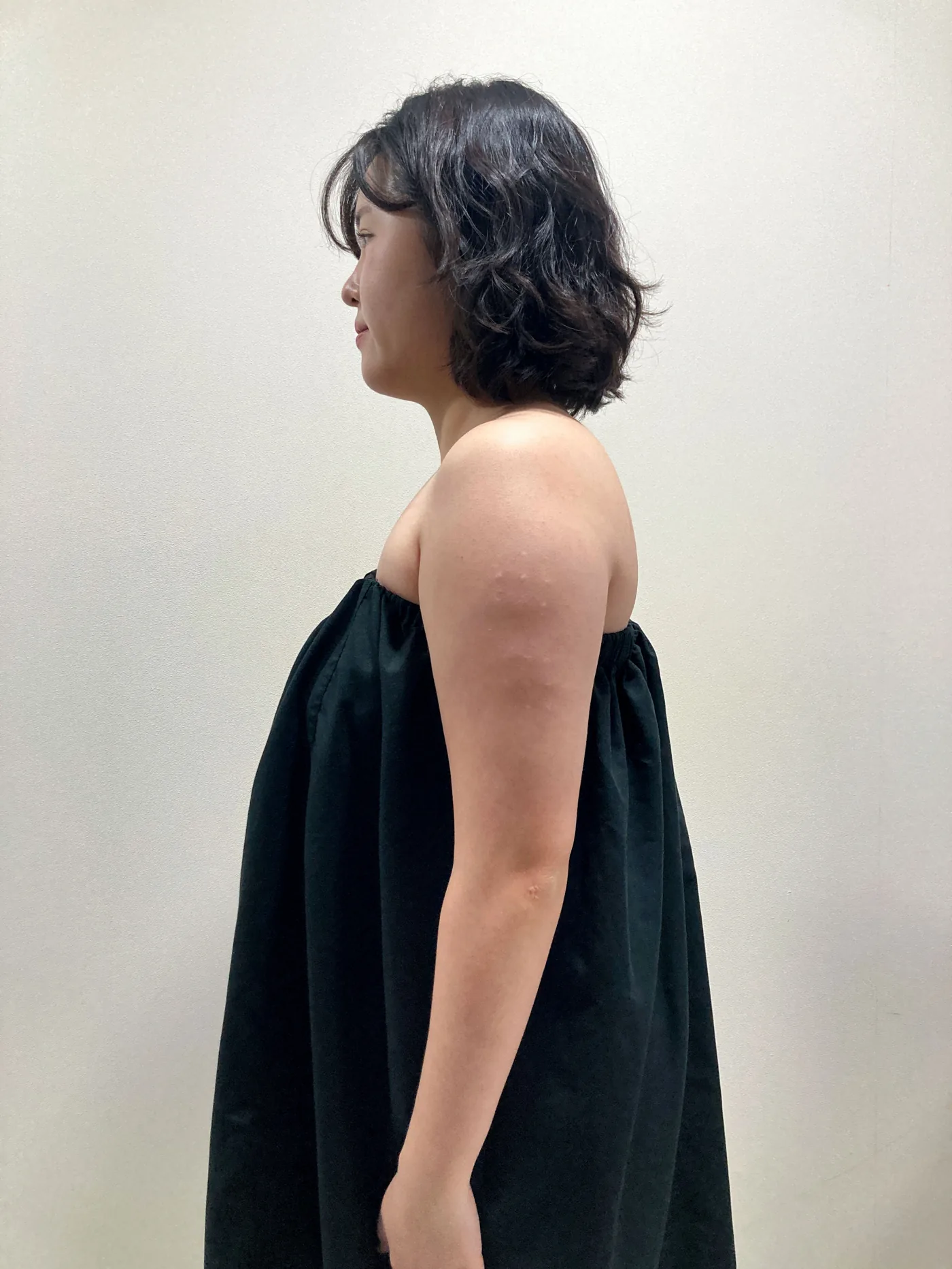 Before
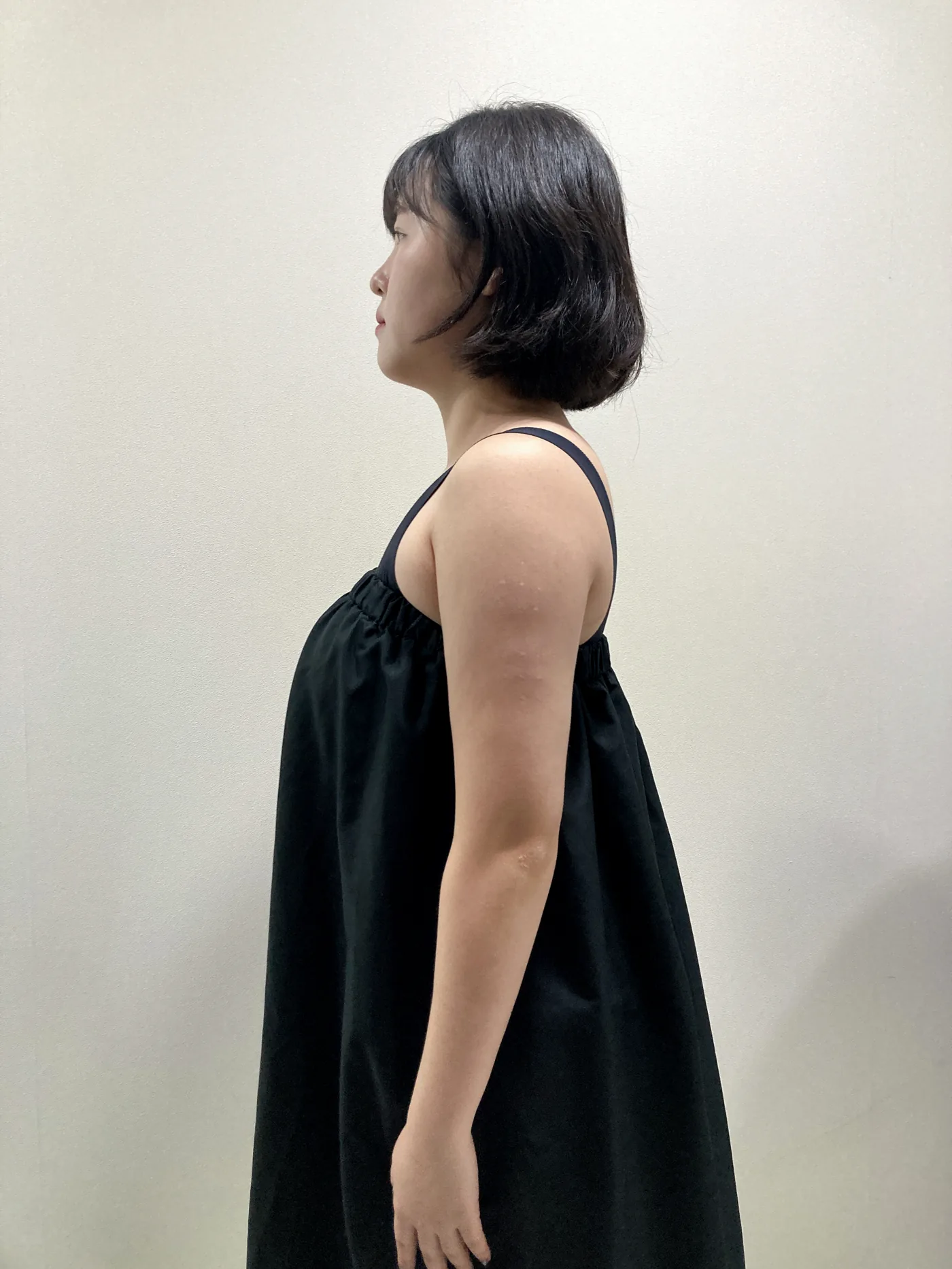 After
People searching for a slim arm injection in Seoul usually want the whole limb handled, left and right, in a single trip. G Clinic answers that with G-fat, which is an extraction procedure: a fine cannula goes in through one micro-entry point per area, a dedicated suction device draws the fat cells out, and the volume has already gone by the time you put your sleeve back on. An arm is planned as palm-sized areas, typically the outer surface and the inner surface of the upper arm, and because you have two arms a symmetrical plan counts those areas on each side. There is no ceiling on how much comes out of any one area. You stay awake under local anaesthesia, a medical director performs the work, and most arm plans are finished in one visit.
Six G Clinic arm courses. Each pair is shot with the arm held out from the body so the hanging edge of the upper arm is visible in the same position twice. Arms differ, so treat these as illustrations of what extraction does to a limb silhouette.
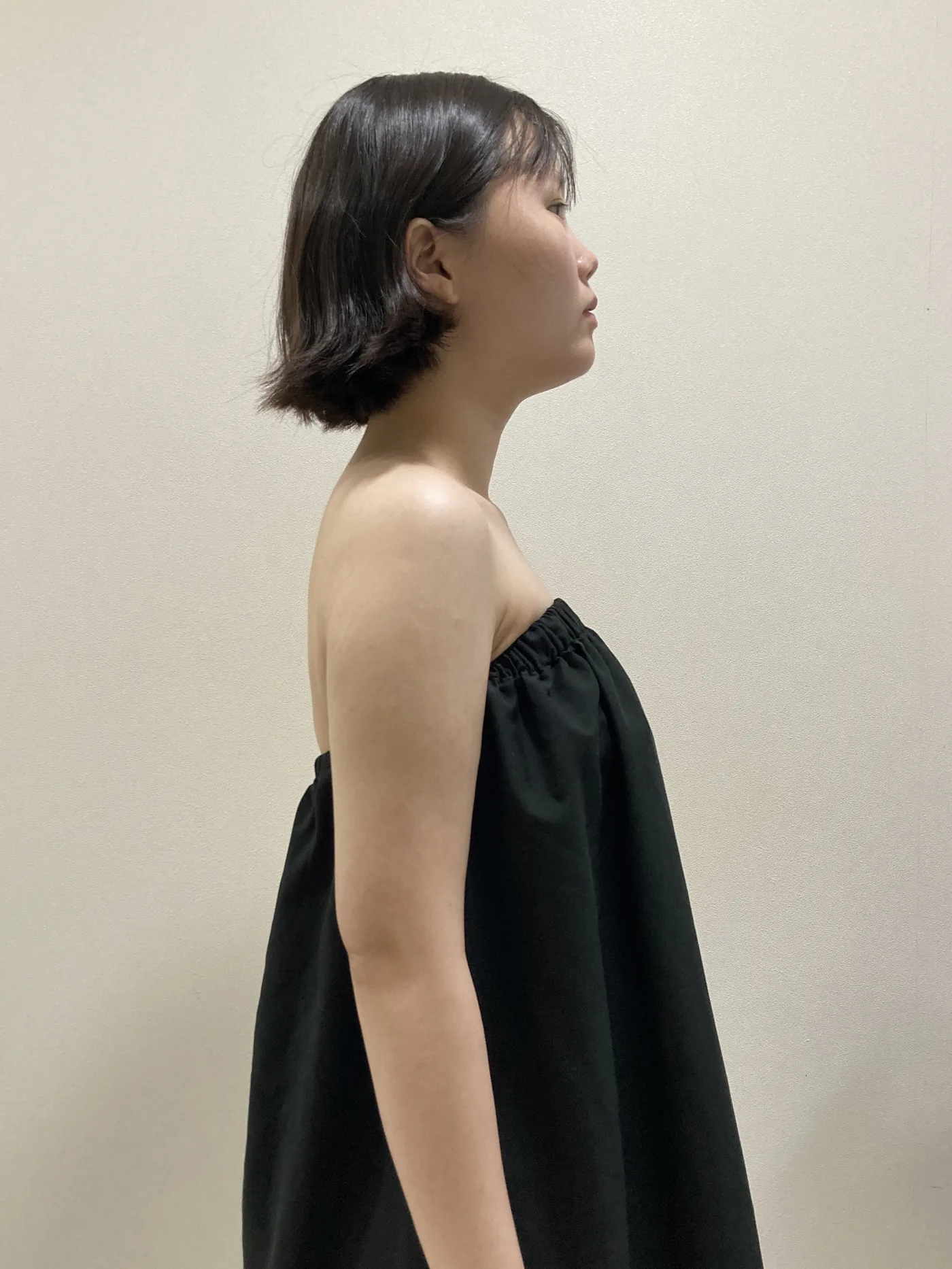
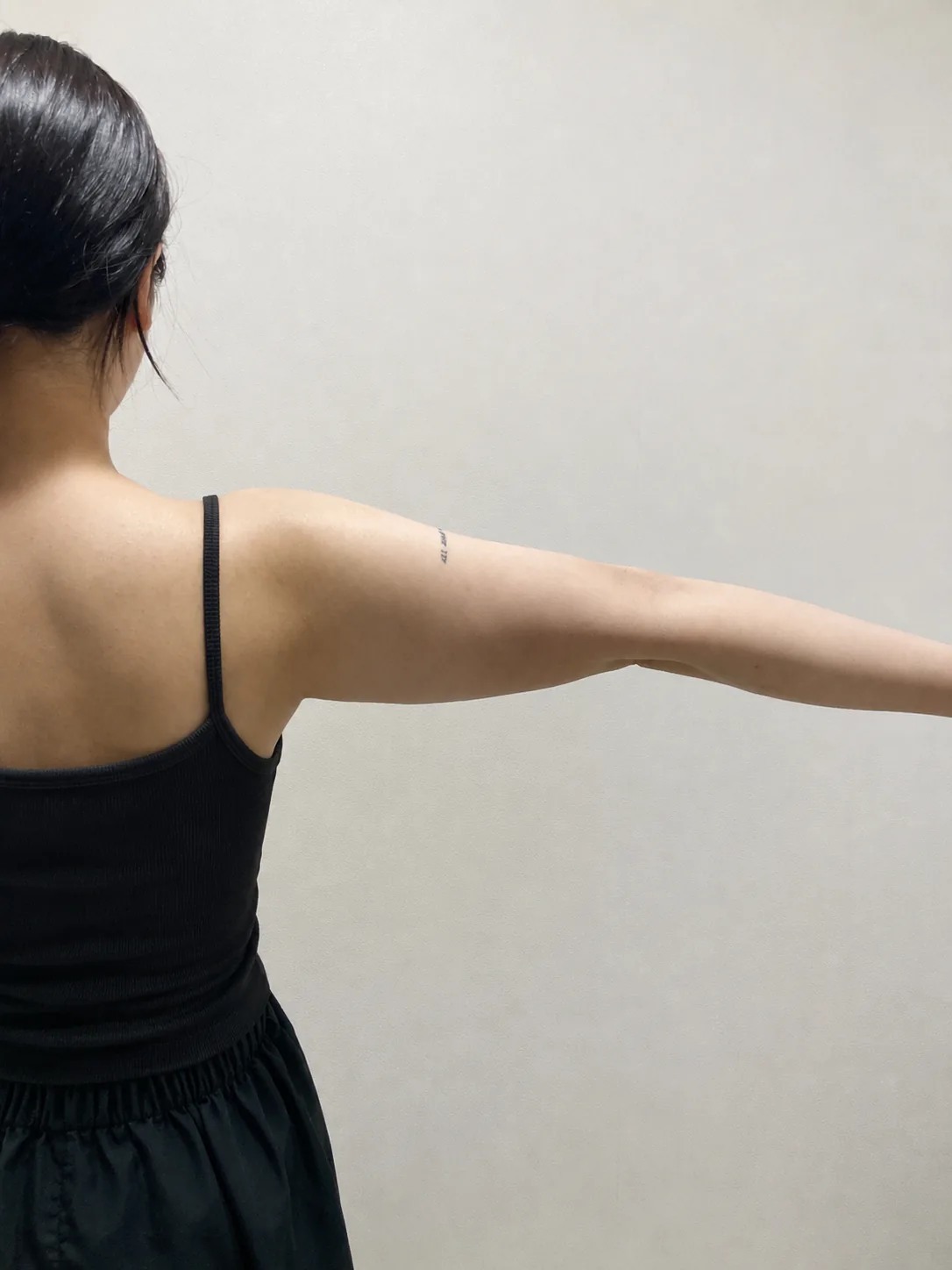
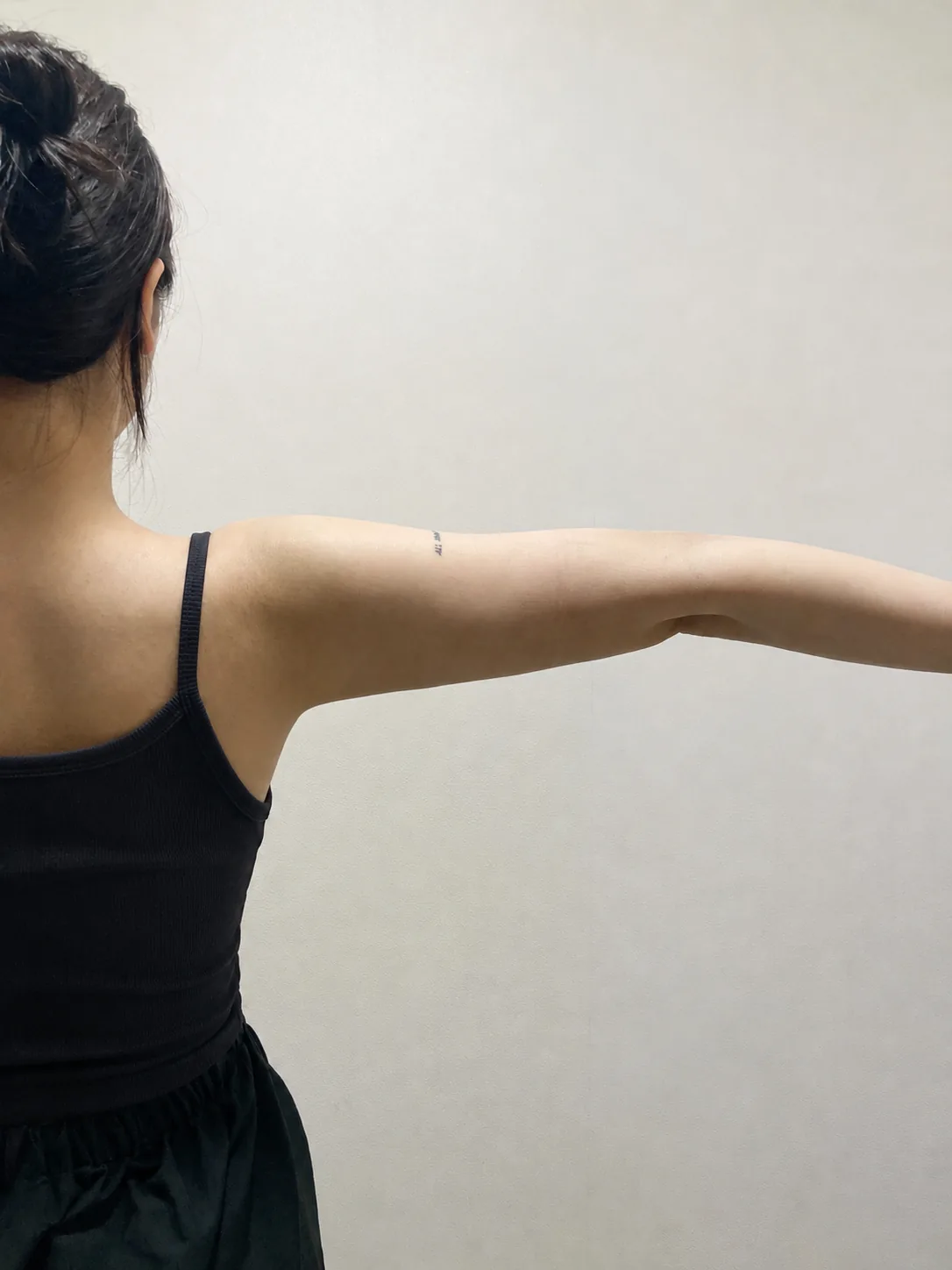
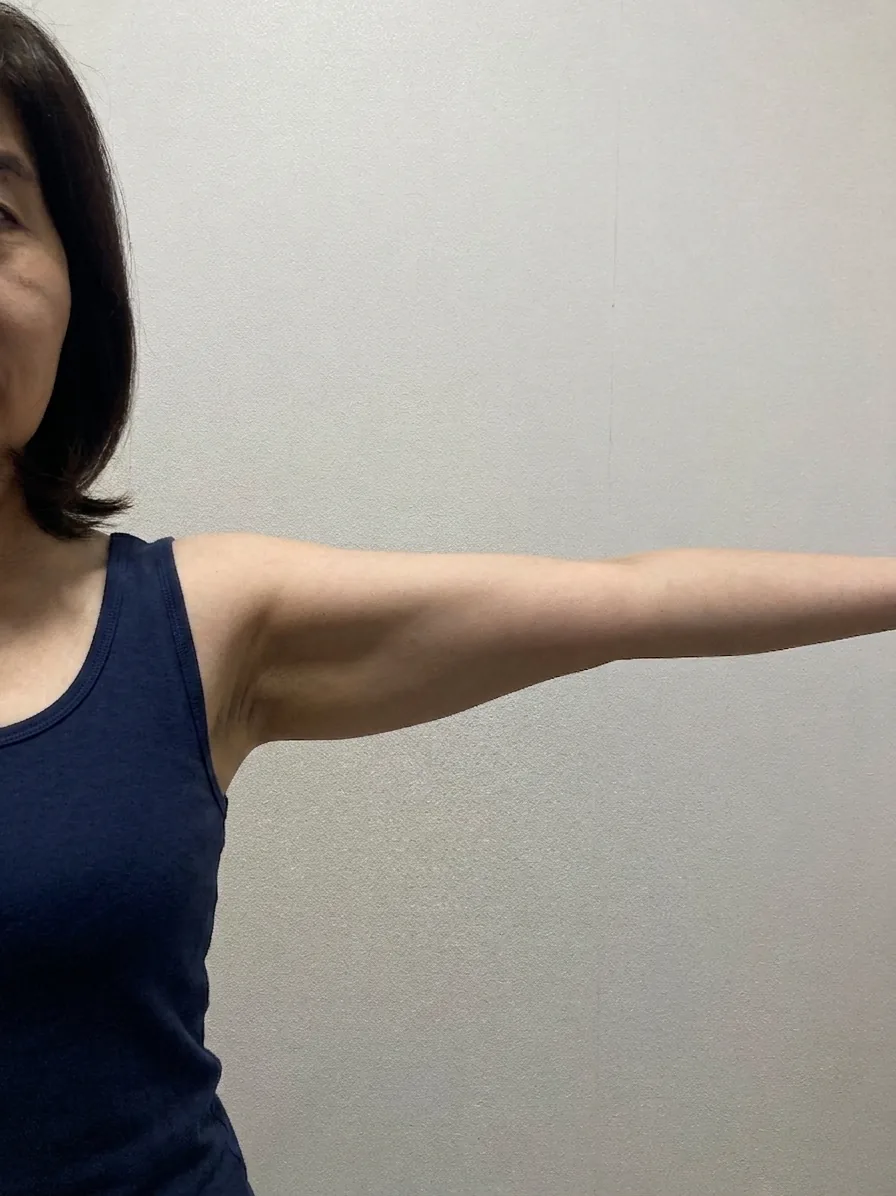
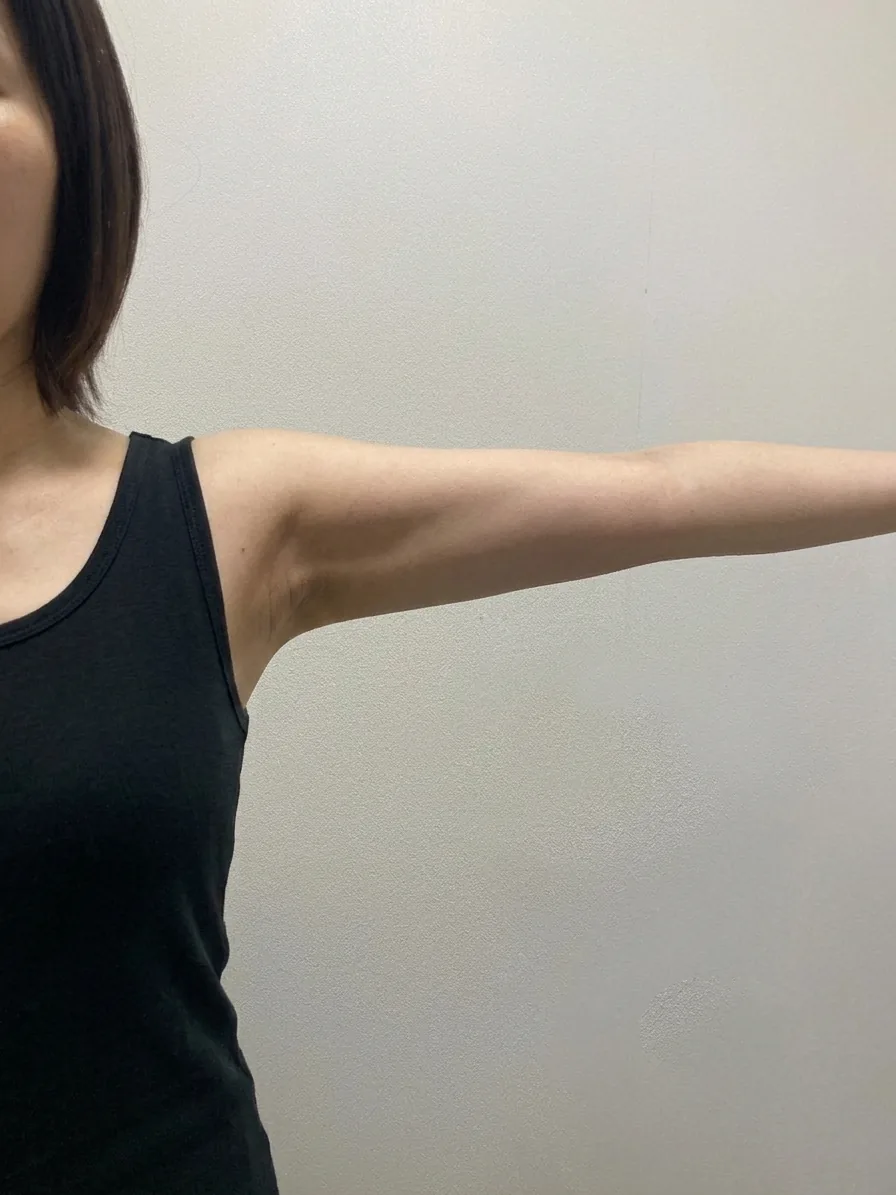
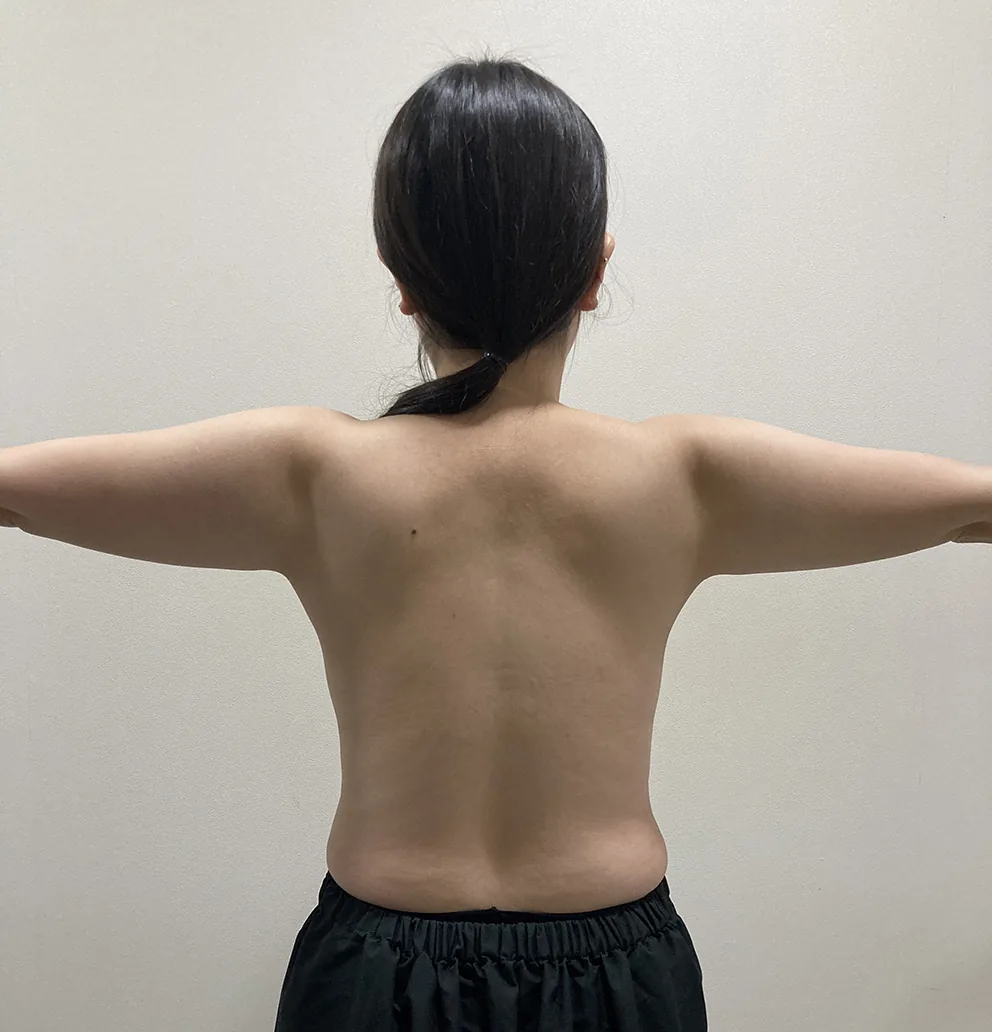
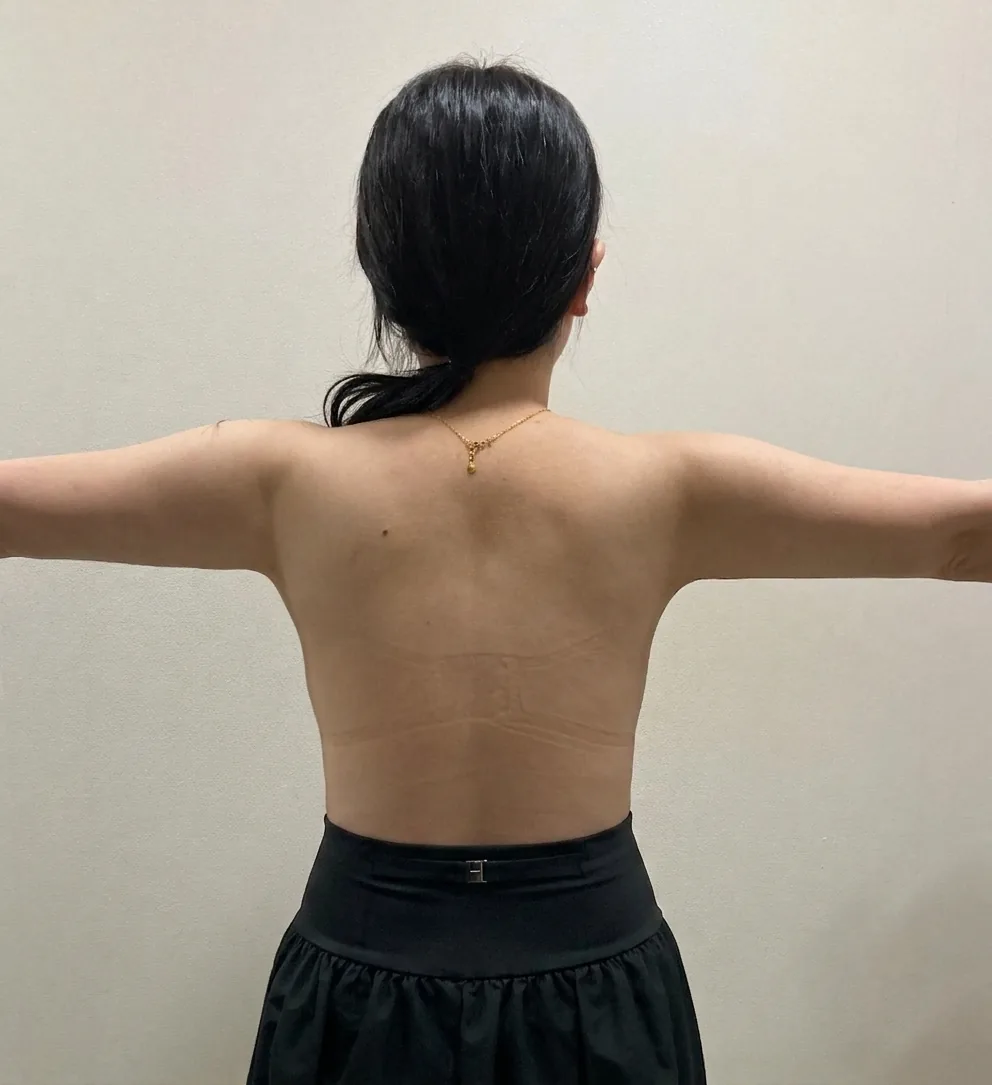
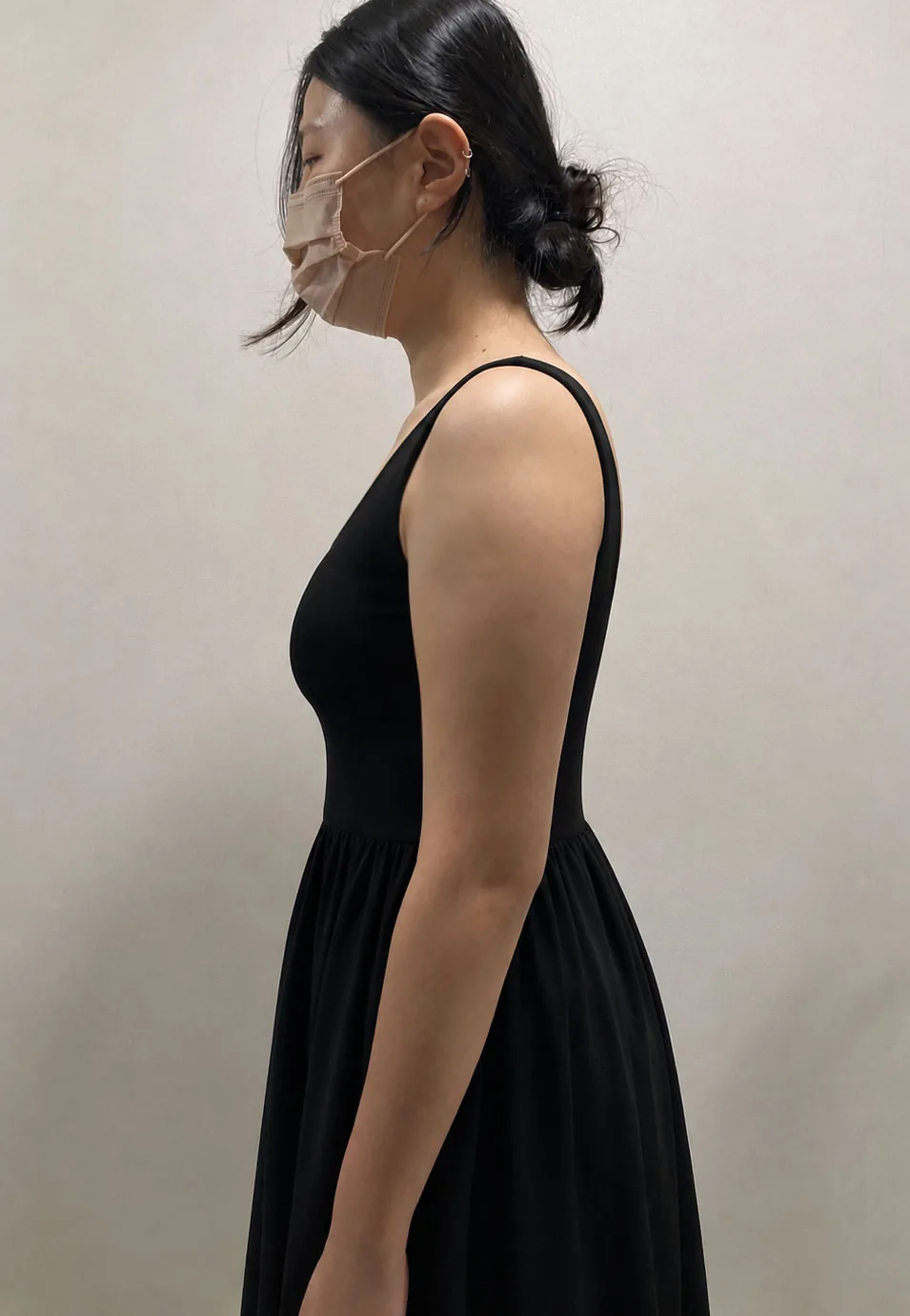
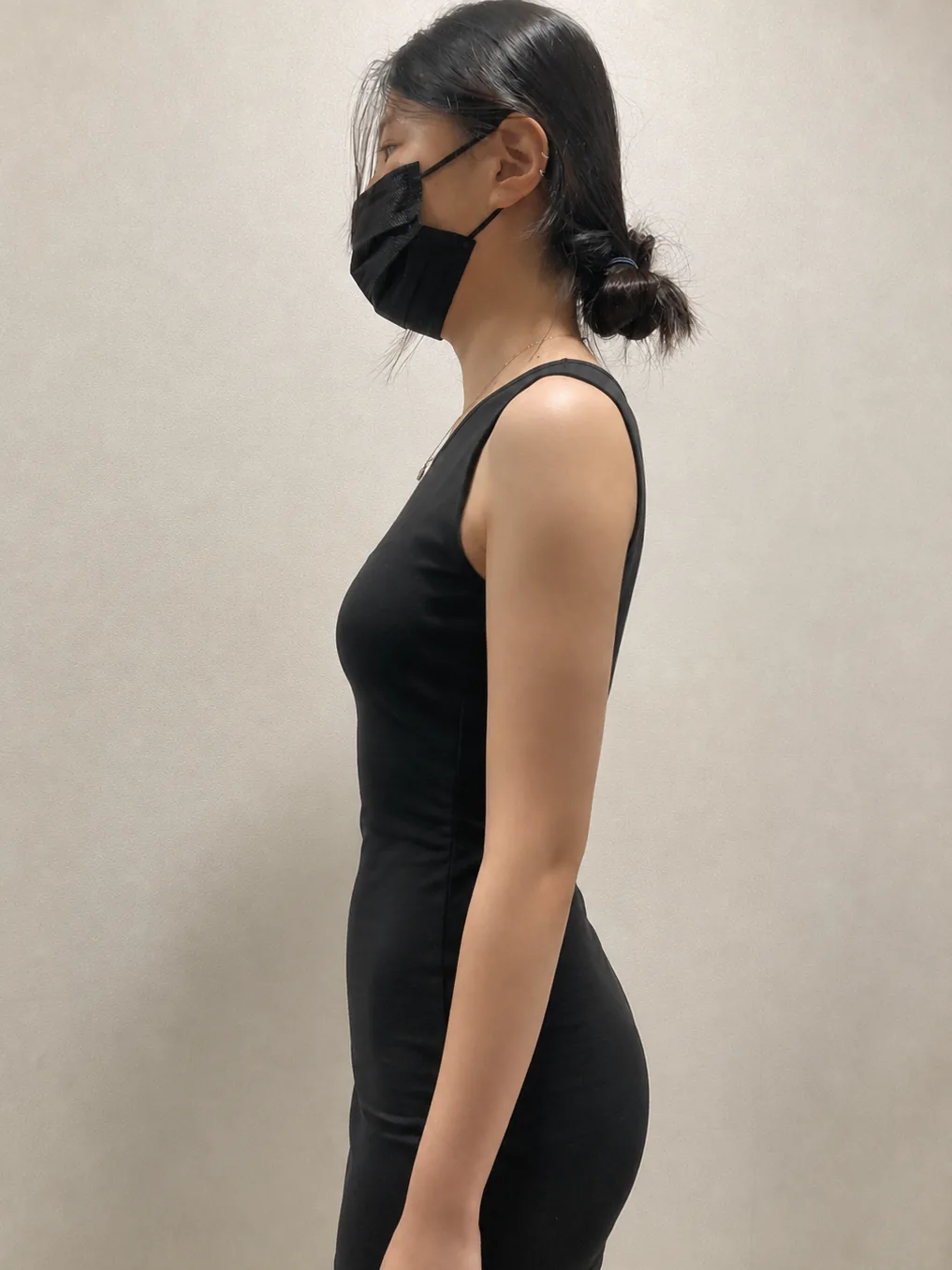
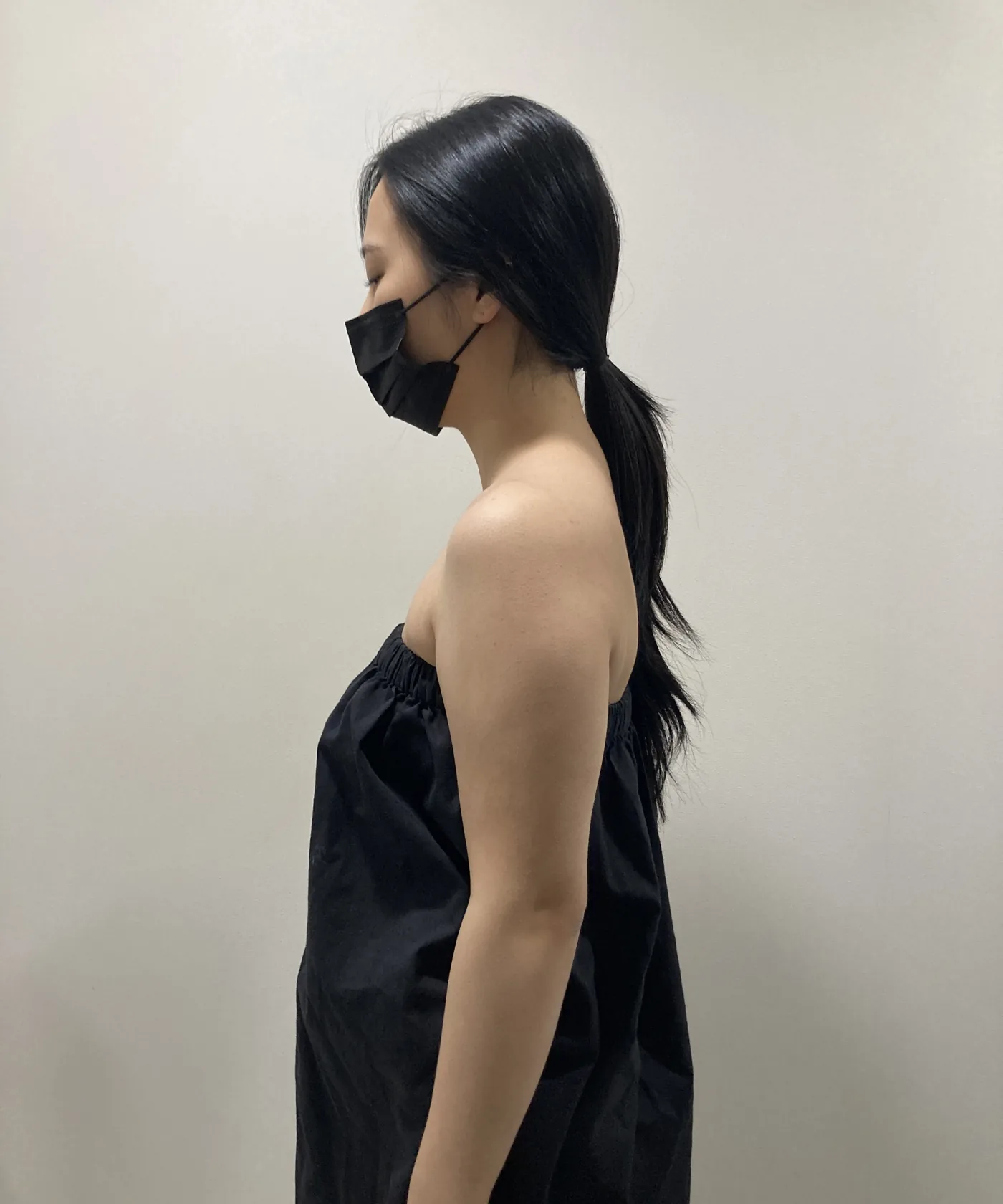
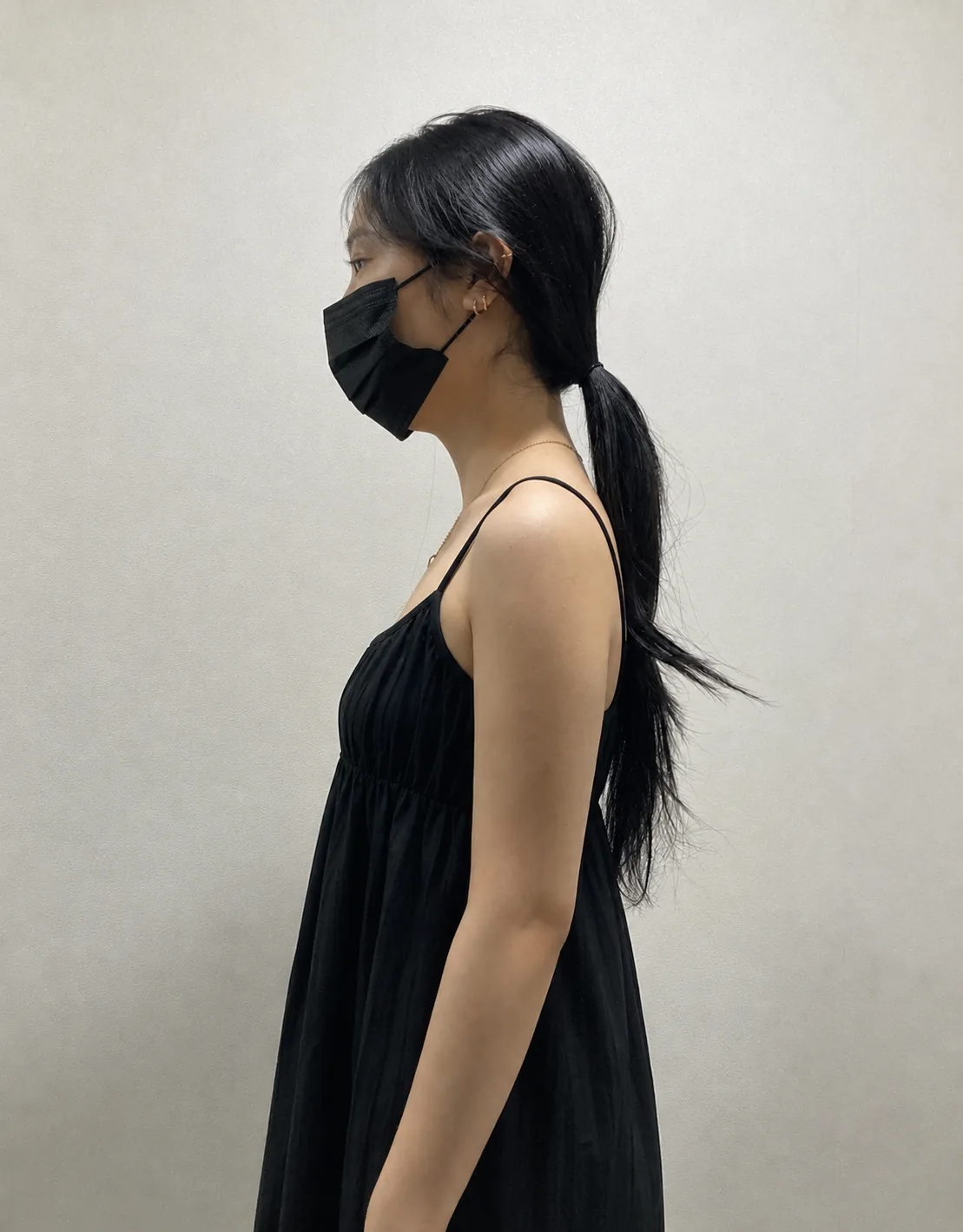
Each photograph here shows a G Clinic patient who agreed to have their case published. Individual results may vary, and these pairs are offered as information about the procedure and promise no specific outcome for any other arm.
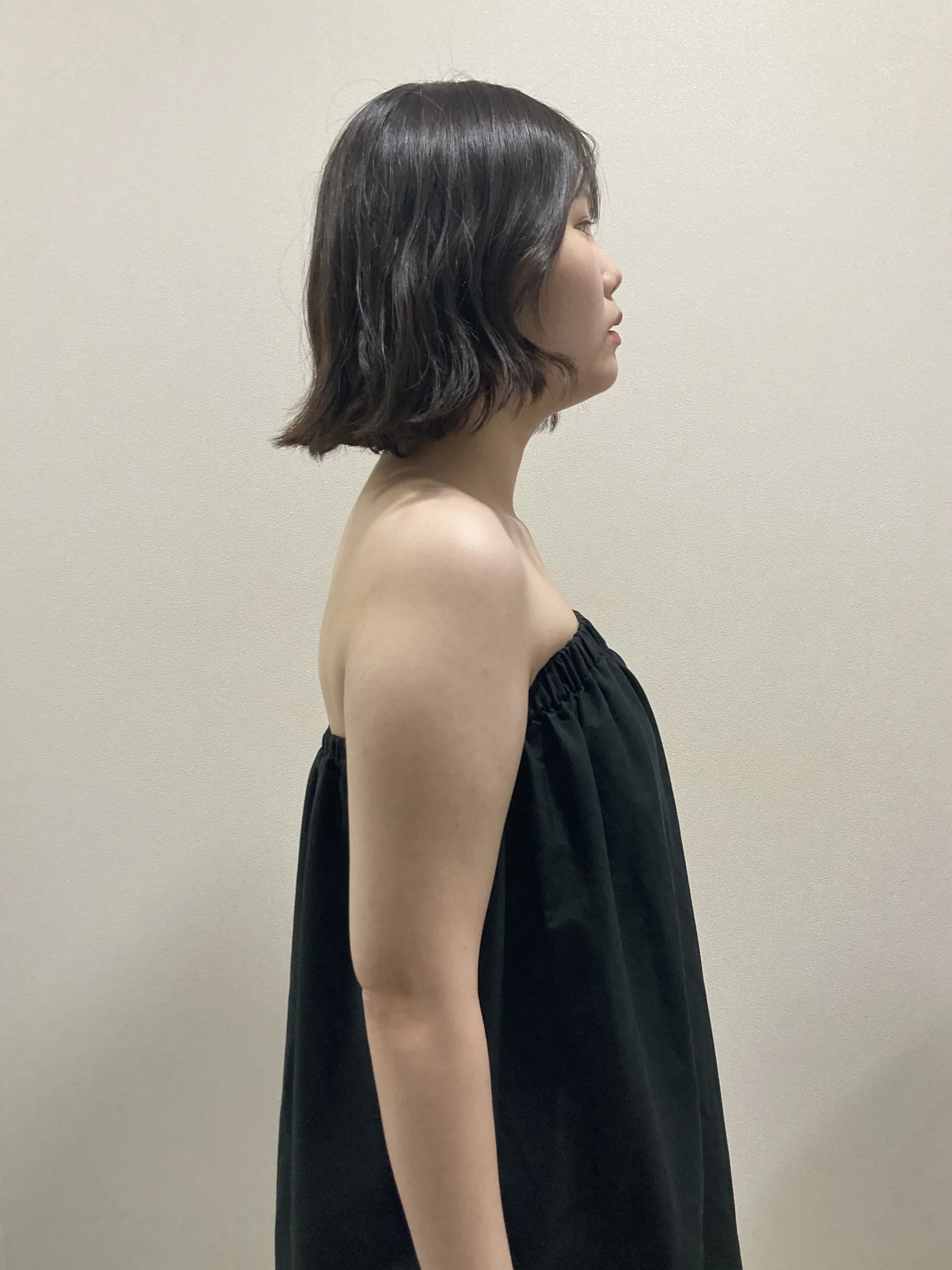
A single representative limb case for small screens. The remaining five arm pairs sit in the desktop gallery further up this page.
Published with the consent of the patient photographed. Individual results may vary, and this pairing is information about the procedure and promises no specific outcome.
One of the three medical directors marks you, numbs you, works on both limbs and checks the match before you leave.
You raise each arm to shoulder height and the director outlines what will be treated. The outer surface, the part that shows when your hands are on your hips, is marked separately from the inner surface that hangs when you wave. Left and right are drawn one after the other and compared while you are standing, since arms are rarely built identically. Your goals and health history are gone through in the same appointment, at no charge, and no decision is asked of you that day.
Anaesthetic is infiltrated through the marked zones of one arm at a time. You remain awake and in conversation, which on a limb is genuinely useful: the director can ask you to bend the elbow or turn the forearm to check how the tissue moves. Sedation is offered as an option at an additional cost for anyone who would prefer to doze through the appointment.
A patented special cannula travels the skin and fat layer first, scraping it to encourage the tissue to tighten. On an arm this comes before anything is removed, because the skin here is thin and the limb is judged by how smoothly it re-adheres. Device suction then draws the cells out through the same micro-entry point serving that area, at a constant pressure the director controls.
Both arms are viewed together with you upright before the compression sleeves go on, and the director adjusts if one side reads fuller. You are told how many hours a day to keep the sleeves on. Aftercare sessions on the clinic body-care devices, among them Noble Shape, MPR and Punch Wave, are available later if the surface wants help settling.
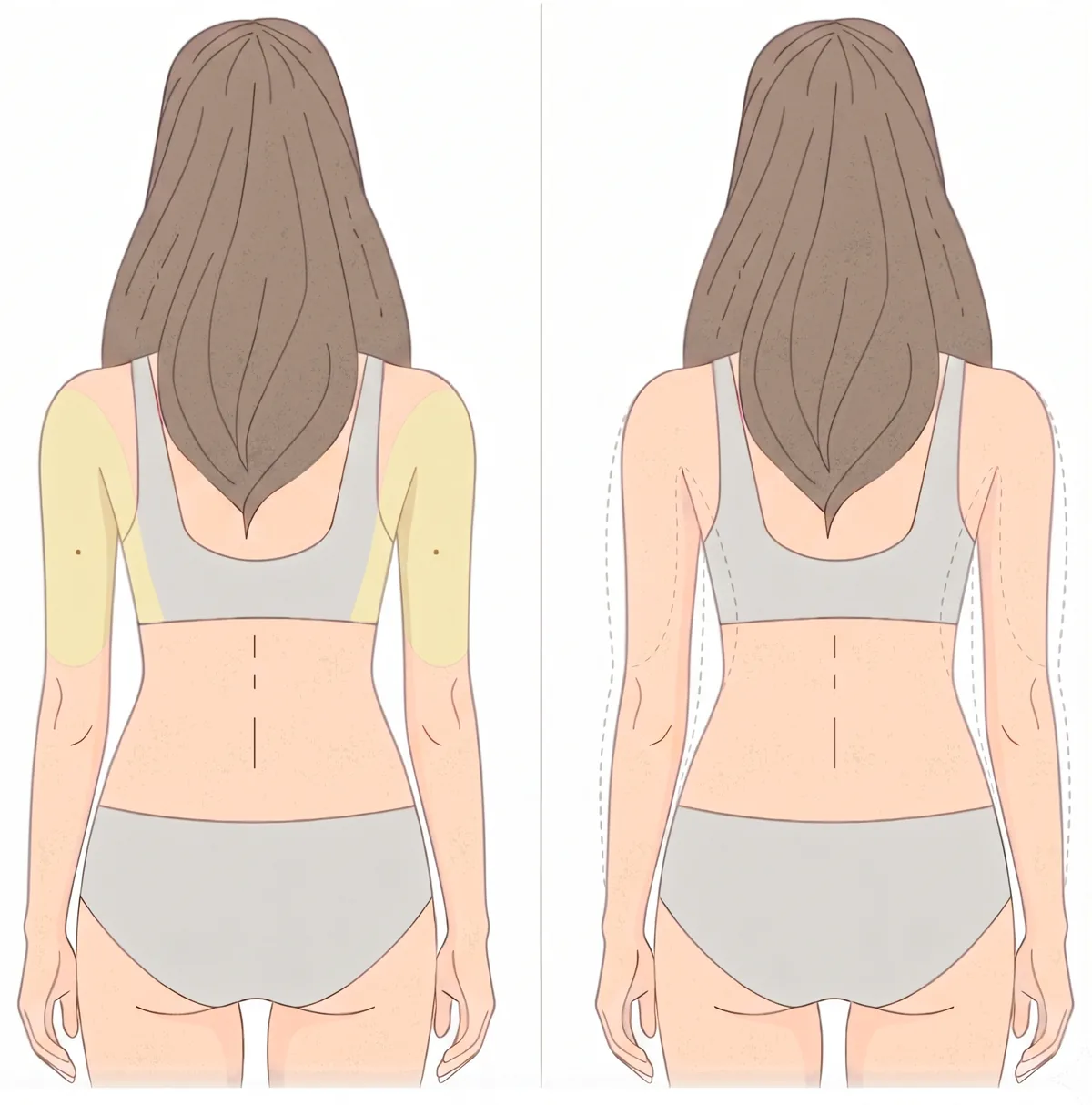
An upper arm has two faces that behave differently. The outer face carries a firmer, more compact pad that sits over the triceps and reads as bulk in a fitted sleeve. The inner face is softer, thinner-skinned, and it is the surface that moves when the arm is raised. Treating one and leaving the other tends to produce a limb that looks corrected from one viewpoint and untouched from another, so the directors usually plan the two surfaces as a set.
Each of those surfaces counts as one palm-sized area. Because a symmetrical result needs the same work on the left and the right, a full whole-arm plan is commonly four areas in total, and that is simply how the arrangement is counted. Inside any single area the amount removed is uncapped, so a heavier arm and a slighter one are handled on the same terms.
Where the fullness continues past the arm itself, into the bra line, the pad at the armpit or the scapular area behind it, those are separate zones with their own considerations, and the upper arm page deals with them. The generational background, from syringe suction through to the current G-Lifting default, sits on the G-fat Fat Dissolving Injection hub. This page keeps to the limb.
Symmetry is the question that dominates arm consultations. Almost everybody has a dominant side with more muscle under the fat and a non-dominant side that hangs a little more, and the difference is invisible until one arm has been emptied. The directors therefore assess the pair as a pair: the same surfaces are marked on both limbs, the volumes taken are compared during the session, and you are stood upright at the end for a look in the mirror with both arms down and then both arms out.
Sequencing is straightforward because the fat leaves during the appointment. All four arm areas are routinely completed in the same sitting, so a whole-arm plan seldom needs a second trip to Seoul. Patients who want the limb assessed alongside the trunk often add the midsection, which the stomach page covers, and the director will say which order makes practical sense for your recovery.
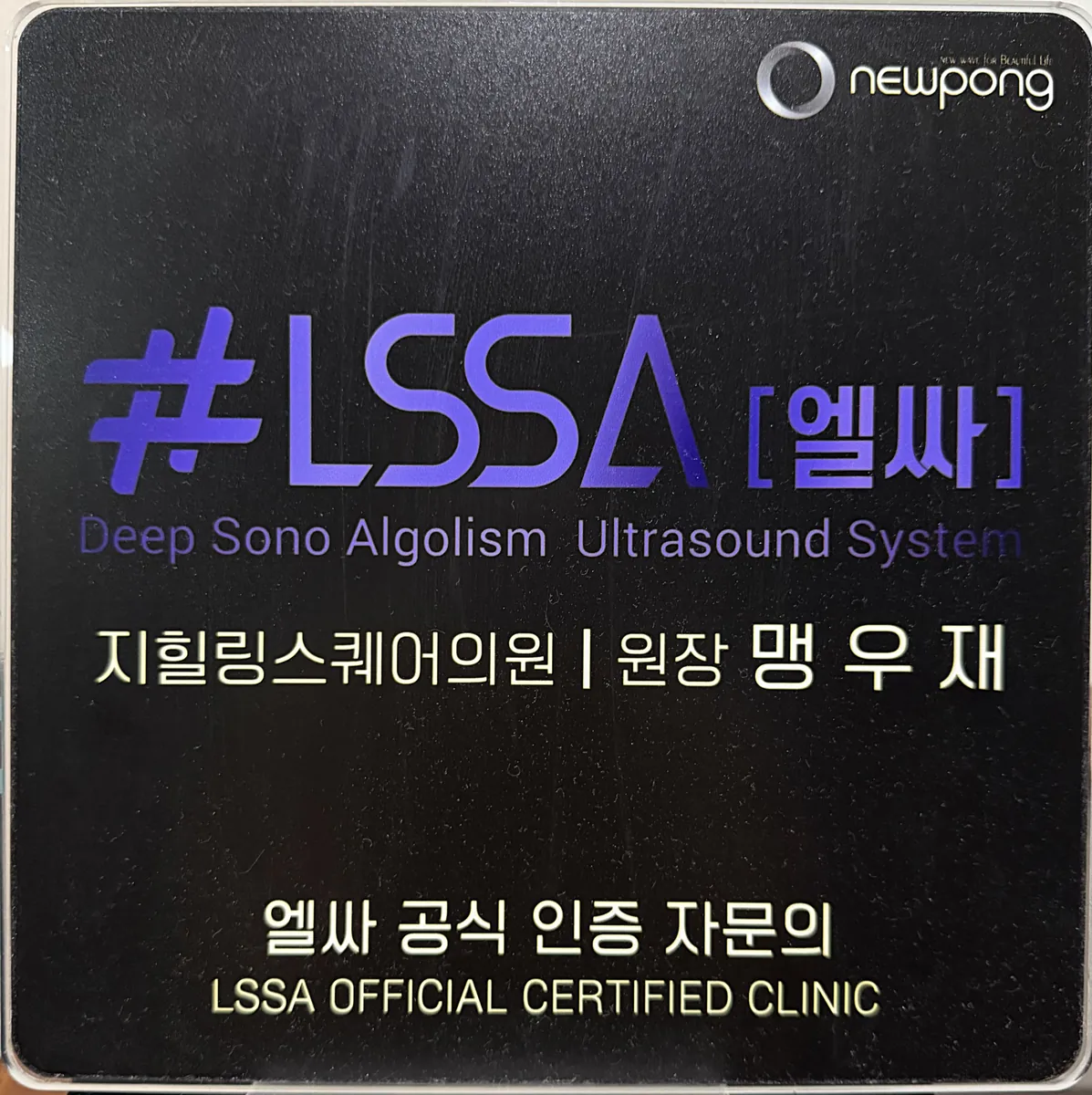
Firmness changes the recommendation. An arm whose fat feels dense and fibrous, often in someone who has trained hard or been treated before, may be proposed for Ultra G-fat, where an LSSA ultrasound device performs the first pass and the G-fat cannula then refines the line. Dr. Maeng Woo-jae holds LSSA certified-clinic status for that device. Which route suits your arms is a conversation with a director, and it happens face to face at the free consultation.
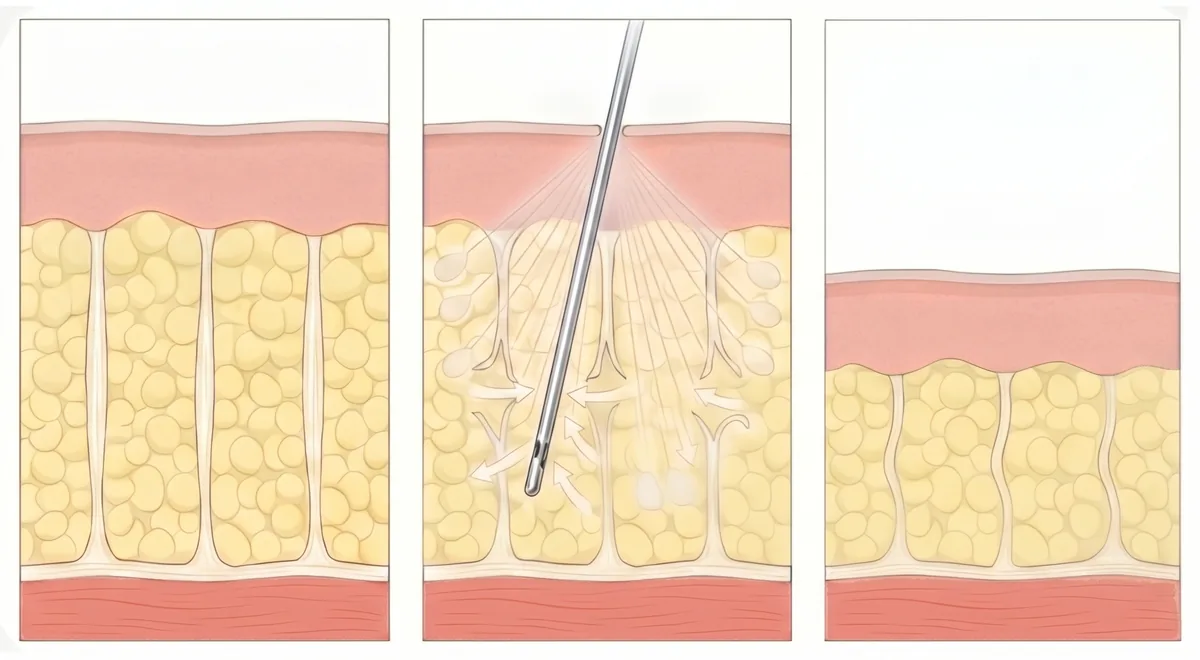
Whole-arm G-fat suits people at a reasonably stable weight who can take hold of a distinct layer of fat on the upper arm and whose skin springs back when it is released. It shapes one region of the body and is no substitute for losing weight. Arms that are mostly muscle, or that measure large because of swelling, are a different problem, and extraction will not solve either.
Some people are declined. Pregnancy and breastfeeding put the procedure aside until later. Uncontrolled medical conditions, and certain medications, mean waiting until they are managed and cleared. A patient whose BMI is thirty or above is reviewed case by case, with a surcharge applied where the directors do proceed. Very loose arm skin is the most common reason for a straight no on this particular limb: when the tissue has lost its recoil, taking the underlying volume out leaves an emptier envelope that hangs more than it did, and a director will tell you that plainly at the consultation.
In that situation the suggestion is usually different equipment or a different plan altogether, whether that is G-Tight, the ultrasound-based option for skin with poor elasticity and for previously treated tissue, or a course of body care aimed at firmness. The same reasoning about skin quality governs recommendations elsewhere on the body, as the inner thigh page explains. You are welcome to come and be told the answer is no.
The volume shift happens during the appointment, because the cells are carried out of the room. What you look at in the days afterwards is that reduction combined with swelling, and on a limb wrapped in a compression sleeve the arm can feel firm and slightly thickened at first. The line you actually keep emerges as the swelling drains and the skin settles back against the muscle beneath it over the following weeks.
Arm skin is thinner than abdominal skin and it is watched closely for that reason. How well it re-adheres depends on your own elasticity and on how much was removed, which is exactly the problem the G-Lifting pass was introduced to address. Directors spend as long on your skin at consultation as on the fat itself, and they will tell you plainly if the limb is likely to need the aftercare programme to look its smoothest.
Cells taken out of an arm are no longer in it. Cells left elsewhere in the body can still enlarge if your weight rises, so a steady weight is what preserves the shape. Some patients pair the visit with skin-quality work such as skin boosters while they are in Seoul. Outcomes differ between individuals, and so every case pair on this page carries a consent note and a variability note.
Arms are charged by area, on rates that apply to everyone who walks through the door. One palm-sized surface is one area, treating the matching surface on the other limb makes two, and a full outer-plus-inner plan across both arms is counted the same way. Within an area the amount extracted is uncapped, so a fuller arm carries the same figure per area as a slighter one. The number of areas your plan needs is settled at the free consultation.
| Treatment | Option | Price (KRW) |
|---|---|---|
| G-fat extraction with G-Lifting | per area (1 area ≈ one palm-sized zone; both sides = 2 areas) | ₩300,000 |
| Ultra G-fat (ultrasound + extraction) | per area (1 area ≈ one palm-sized zone; both sides = 2 areas) | ₩350,000 |
Priced per area, not by volume: one area is roughly the size of your palm, treating both sides counts as two areas, and there is no cap on the amount removed from an area. Sedation (optional) and BMI 30+ carry an additional fee confirmed at consultation.
All prices in KRW, excluding VAT (10% VAT is added at payment). Final cost depends on the treatment plan confirmed at consultation. Published rates as of 2026-11-03.
This is a minimally invasive procedure with real risks, and your director goes through them with you before you consent. Bruising, swelling and tenderness along both limbs are ordinary in the first days. Numbness is the arm-specific one worth naming: patches along the inner upper arm, sometimes reaching towards the elbow, can feel dulled or tingly for weeks while the small sensory nerves recover. Less commonly, patients experience surface irregularity, firm nodules under the skin, a seroma, skin laxity, infection at a micro-entry point, or a visible mismatch between the two arms.
Limbs have their own quirks. An arm is seen from every angle and in motion, so unevenness is harder to hide than it would be on the trunk. A sleeve that is worn loosely, or slipped off early because it is warm, lets fluid gather at the elbow end. Tell the clinic your complete medical history, all medications and supplements, any bleeding tendency, any previous work on the arms or the armpit, and any past reaction to anaesthetic.
Afterwards, wear the sleeves as instructed, keep the entry points clean and dry, and get in touch quickly if pain, redness, discharge or swelling grows after the first few days. One of the three medical directors is on site through opening hours, so a doctor can always look at the arm in person.
Most arm patients walk out unaided and are back at a keyboard the same day or the next. Typing and light desk work are comfortable early on. Raising the arms overhead feels stiff for the first several days, so getting a jumper on and off is the small daily nuisance people mention most, and short-sleeved or loose-sleeved clothing makes that first week easier.
Heavy lifting is the restriction that matters here. Weight training, carrying suitcases, pushing yourself up from a chair with your arms and anything that loads the upper arm are held back until your director clears them at follow-up, along with saunas and long-haul flights. Compression sleeves are worn for the hours you are told, swelling and bruising peak within the first two or three days, and firmer patches can stay sensitive for a week or two while the body-care programme helps the surface even out.
If you have flown in for this, keep several days in Seoul afterwards so a director can inspect both arms before you travel, and plan to wear the sleeves on the plane with your luggage handled by someone else. Coordinators arrange the appointment around the dates you send. Anyone treating a lower-body zone on the same trip will find a different pattern of restrictions on the thigh page.
Three ways of approaching an upper arm, laid out so your consultation begins from a sharper question.
| On the upper arm | Fat dissolving injection | G-fat extraction | Ultra G-fat |
|---|---|---|---|
| Mechanism | A solution reduces the size of fat cells so the body excretes them | Cells are drawn out through a cannula by device suction | LSSA ultrasound loosens and removes first, then the cannula refines |
| Skin openings | Repeated needle punctures over both limbs | One micro-entry point per treated area | One micro-entry point per treated area |
| Anaesthesia | Topical or none | Local, awake; sedation optional | Local, awake; sedation optional |
| Visits | A weekly course, generally five or more | Usually one, covering the agreed areas | Usually one, covering the agreed areas |
| When the sleeve feels looser | Gradually, as cells are cleared | On the day, refining as swelling drains | On the day, refining as swelling drains |
| Well suited to | Small soft pockets | A clear pad of arm fat removed at once | Dense or fibrous arm fat, or a previously treated limb |
The table is general information about the three approaches. Which one fits your arms depends on your anatomy, your skin and your health, and a medical director works through it with you at the free consultation.
Suction fat removal in an awake patient under local anaesthesia has a long publication record. A recent series described submental liposuction performed under local anesthesia in about 695 patients (Aldihani, 2025). An earlier technique paper set out a five-incision method for the neck and jowls that combined machine-assisted aspiration with syringe aspiration (Langdon, 2000), the two suction approaches that later generations of extraction devices grew out of. Skin behaviour after fat removal has also been examined directly, in a study of skin retraction after liposuction in patients over the age of 40 (Bank, 1999). These papers describe a method category. They are no kind of statement about G Clinic outcomes, they concern other body regions, and they say nothing about how your arms will look. That belongs in the consultation room.
G-fat injection is G Clinic's own signature procedure in Gangnam, Seoul, clinic-reported 20,000+ cases since 2018. Nothing dissolves despite the name: you stay awake under local anaesthesia while a fine cannula and device suction draw fat out through one micro-entry per area, volume gone that day, each palm-sized area priced separately. Third-generation G-Lifting adds a special cannula that stimulates skin tightening first; Ultra G-fat combines ultrasound with extraction. Read the full story on the G-fat Injection page.
The two work by different routes. An injectable lipolysis treatment deposits a solution that shrinks arm fat cells so the body clears them across a weekly course. G-fat pulls the cells out mechanically with a cannula and a suction device in a single sitting under local anaesthesia, so the limb measures smaller the same day. Both approaches are described in more detail on the G-fat Fat Dissolving Injection hub.
Almost always, and for a practical reason. Arms are looked at as a pair by everyone who sees you, so emptying one and leaving the other creates a mismatch that is more noticeable than the original fullness was. The directors mark the same surfaces on each side, compare what comes out as they go, and check both limbs with you standing before the compression sleeves are fitted.
Commonly four. The outer surface of an upper arm is one palm-sized area and the inner surface is another, and since a matched result needs both limbs treated, those two areas are counted on each side. Anything beyond the arm itself, such as the bra line or the armpit pad, is counted separately. There is no cap on the amount removed within any of those areas.
Arm skin is thin, so this is the limit the directors examine most carefully before agreeing to treat you. The G-Lifting cannula pass runs through the skin and fat layer ahead of extraction specifically to encourage that layer to tighten, and compression sleeves plus the body-care programme support the weeks that follow. Where recoil is already poor, you will be told extraction is the wrong choice for your arms.
Most patients can. Desk work, typing and light daily tasks are manageable straight away, while reaching overhead feels stiff for the first several days and dressing takes a little planning. Heavy lifting, weight training, carrying luggage, saunas and long flights all wait until a director clears them at your follow-up appointment.
No. Each limb is numbed with local anaesthetic and you stay awake and able to talk throughout. On an arm that is genuinely helpful, because the director may ask you to bend the elbow or rotate the forearm to see how the tissue sits. Sedation is available as an option at an additional cost if you would rather doze, and the director will discuss whether it suits you.
Because the small sensory nerves that supply that surface are disturbed while the cannula passes through the fat layer. Patches of dulled or tingly sensation along the inner arm, sometimes reaching towards the elbow, are among the expected effects and they typically fade over weeks as those nerves recover. Mention any area that stays numb longer at your follow-up so a director can examine it.
Say so at consultation, because it is common and it changes the plan. Most people have a dominant side carrying more muscle and a non-dominant side that hangs slightly more, and the director will design around that difference instead of removing identical amounts. Both arms are compared while you stand, arms down and then arms out, before the session is considered finished.
Possibly, though a director may propose Ultra G-fat for that texture. It uses an LSSA ultrasound device for the first pass, loosening and removing the dense tissue, after which the G-fat cannula refines the line. Firm upper-arm fat and previously treated limbs are the situations it was brought in for, and the clinic holds LSSA certified-clinic status through Dr. Maeng Woo-jae.
The cells removed from a treated arm have left it. Cells remaining elsewhere in your body can still enlarge if your weight goes up, so holding a steady weight is what protects the arm line you leave with. Nobody at the clinic will tell you the shape is beyond the reach of future weight gain, and a director will say as much at consultation.
Anyone pregnant or breastfeeding is asked to wait, as is anyone with an uncontrolled medical condition until it is managed and cleared. A BMI of thirty or above is assessed case by case and carries a surcharge where treatment proceeds. Very loose arm skin is the most frequent reason for declining outright, since emptying a limb whose skin has lost its recoil tends to leave it looking worse.
Frequently, yes. All four arm areas are usually completed in one session, which leaves room to add a trunk zone such as the one covered on the stomach page, or a lower-body zone from the thigh page. Some patients add facial treatment such as face lifting during the same stay. Your director confirms what is sensible to combine.
Send your details and travel dates through the consultation form and the coordinators reply in English on whichever messenger you prefer. The consultation costs nothing, and you can ask about area counts, sleeve wear, or how many days to stay in Seoul before you commit to anything. Patients weighing up neighbouring zones often read the upper arm page alongside this one.
Verified reviews from our Google Business Profile.
Recommendations are made based on actual circumstances. The attitude is very good. Highly recommended.
I cannot recommend G-clinic highly enough. From the moment I walked in, my experience was nothing short of exceptional. The clinic itself is modern, clean, and welcoming. The front desk staff were incredibly warm and efficient. Checking in was a breeze, and they were very helpful with my new patient paperwork. The waiting time was minimal…
Process was perfect! I got some liposuction done, the doctor and staff were very nice and very professional. 100% would recommend anyone to get there procedures done here! They took out A LOT of fat! The doctor speaks perfect English as well!
Dr. Hong has perfect English and is very kind. I was glad my friend recommended me to come here via allaboutmei, it really has lived up to my expectations. The method and equipment used is very modern and top range, I was expecting to be in a lot of pain but I feel great! Thank you again Dr. Hong and all the other people that work at Gcli…
Book a free consultation and one of the three medical directors will examine your arms in person in Gangnam, Seoul, mark the surfaces worth treating, and tell you where extraction would do nothing for you. Published rates apply per area, and the plan is confirmed face to face.
Book ConsultationEvery consultation and procedure at G Clinic is conducted on site by one of three medical directors — never handed to a substitute practitioner. All three are Family Medicine specialists who have cared for international patients for years.
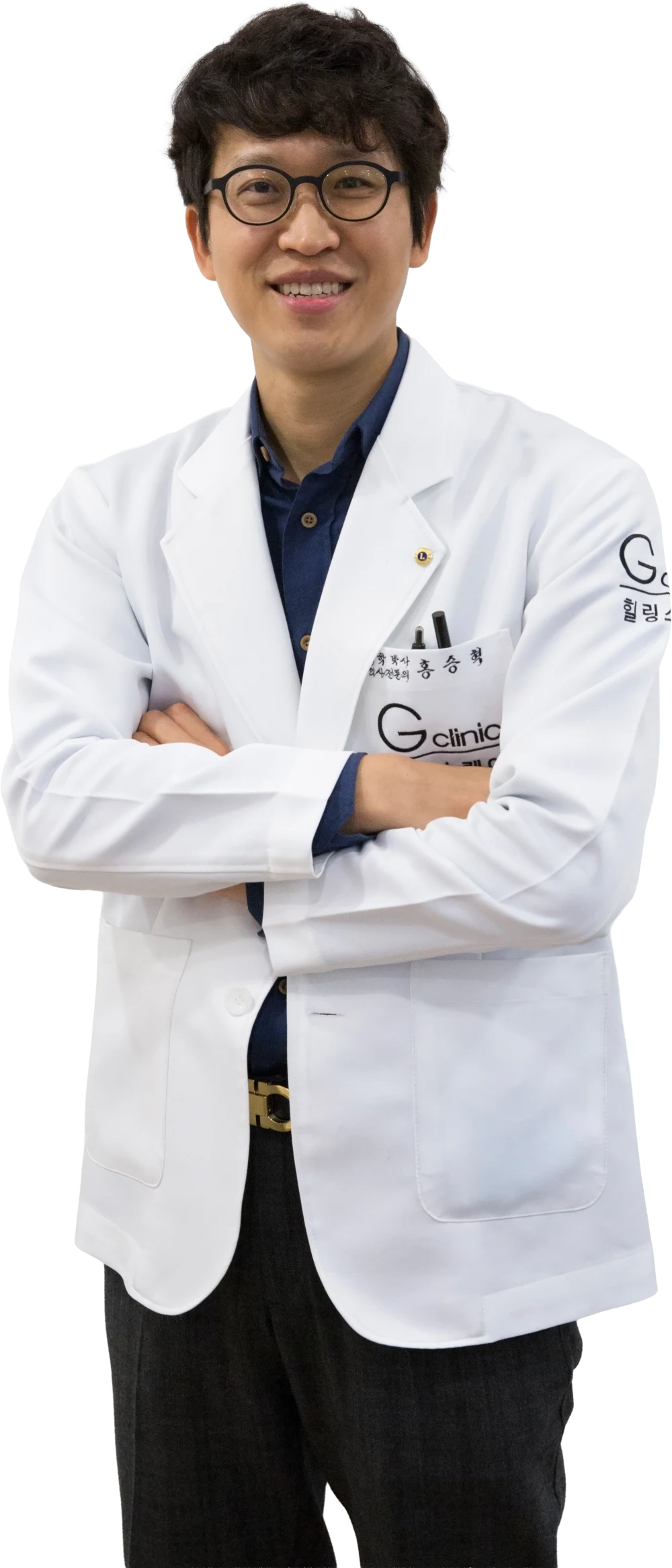
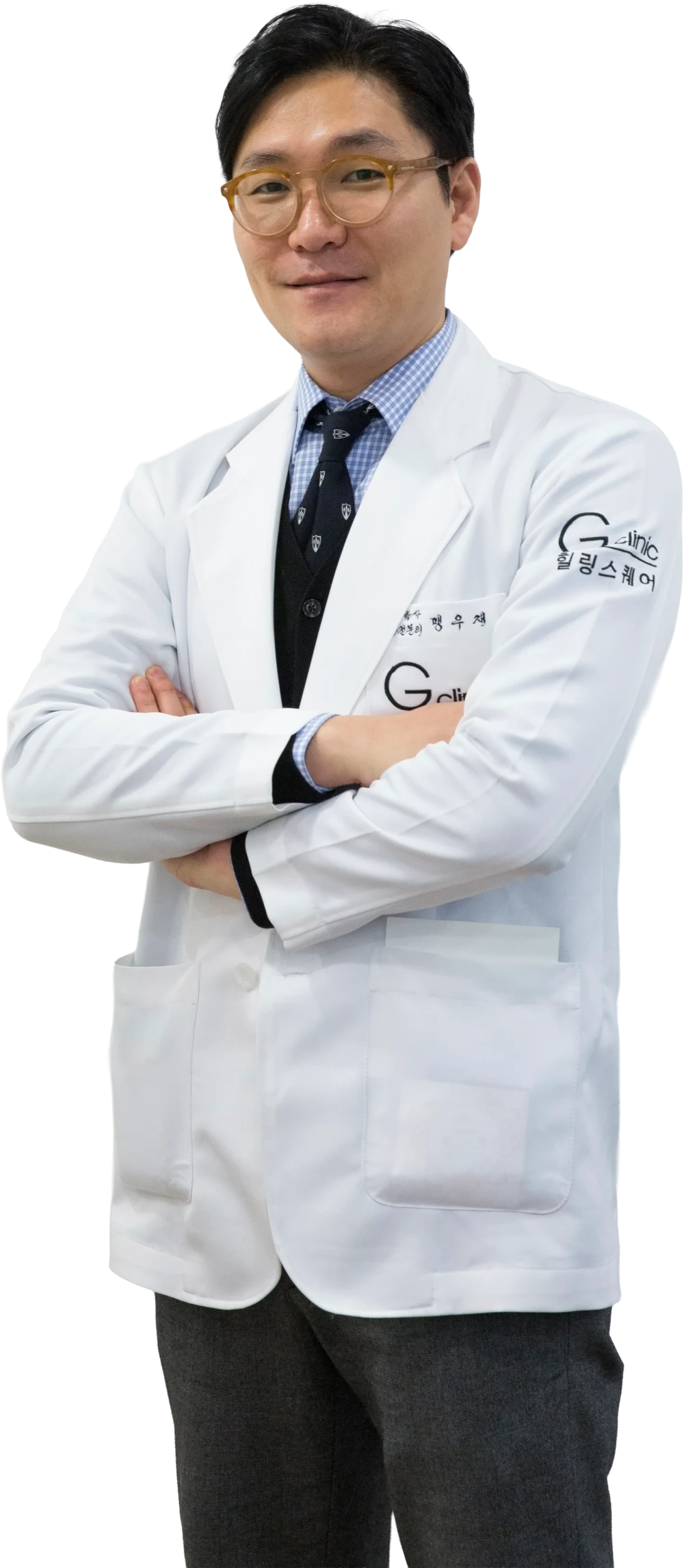
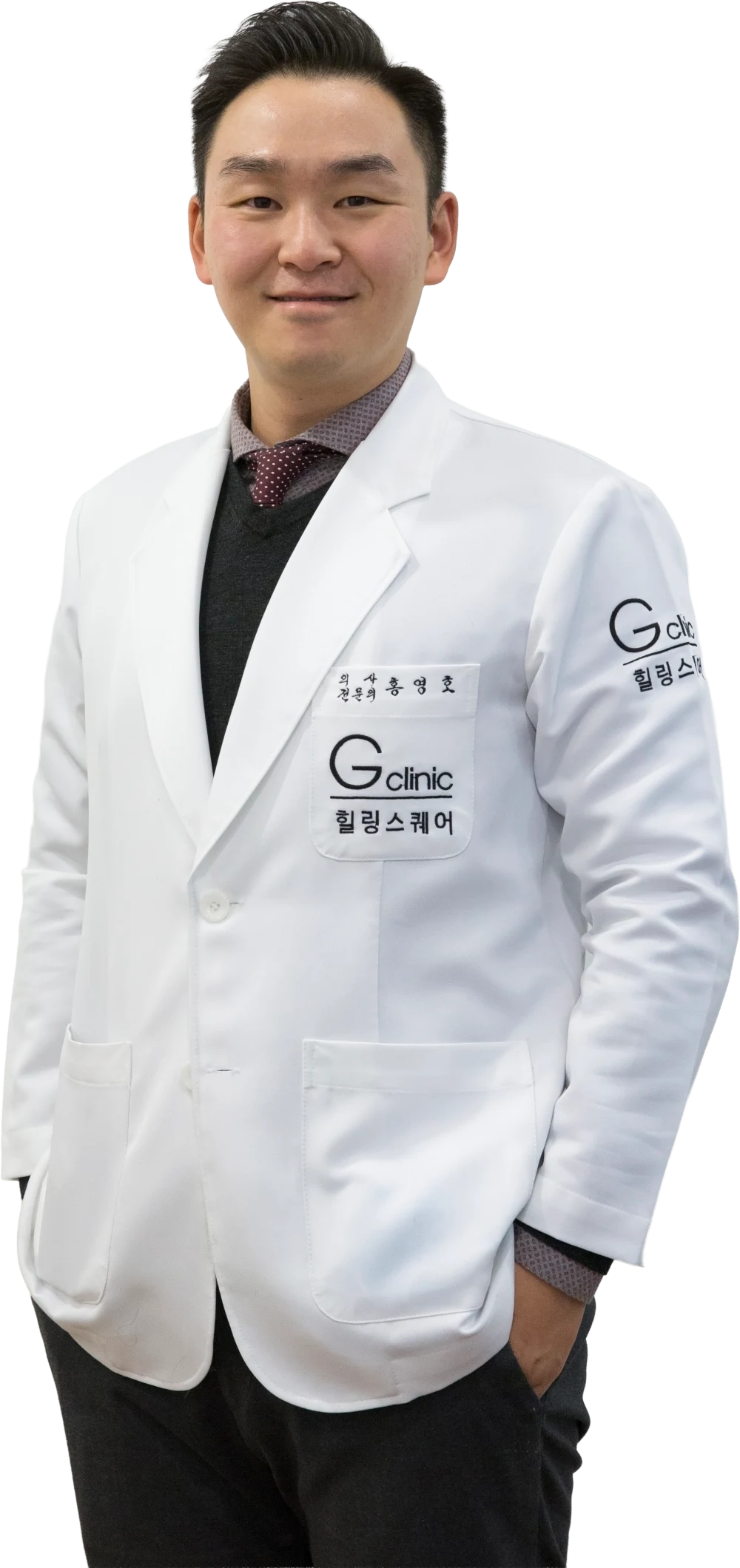
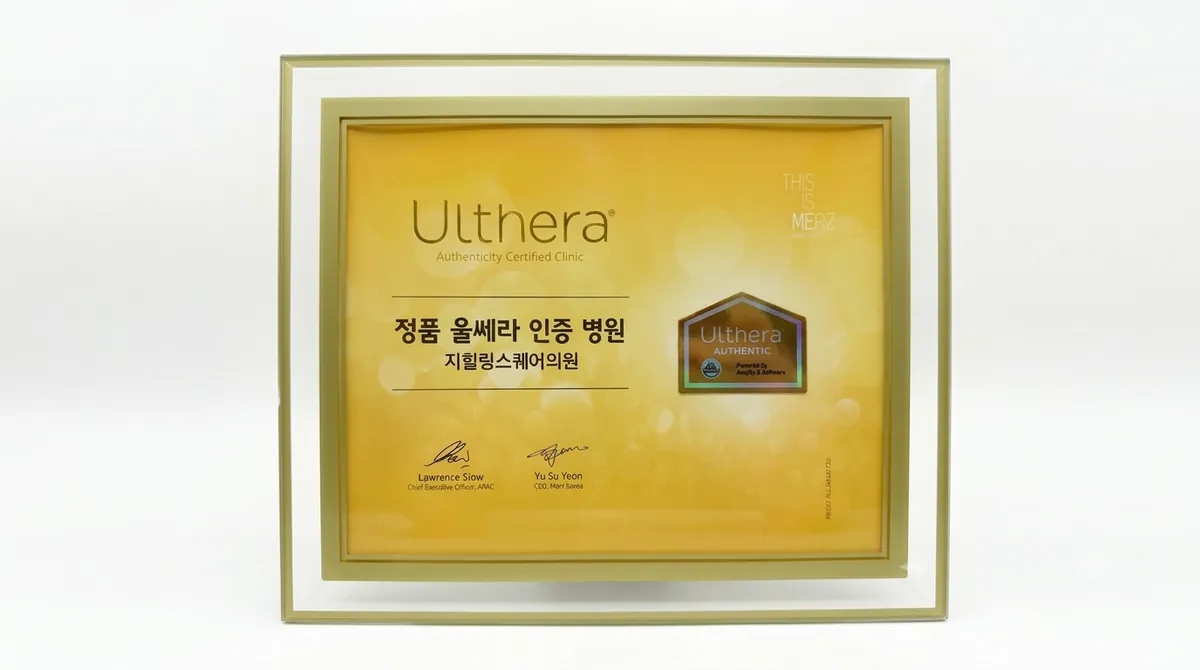
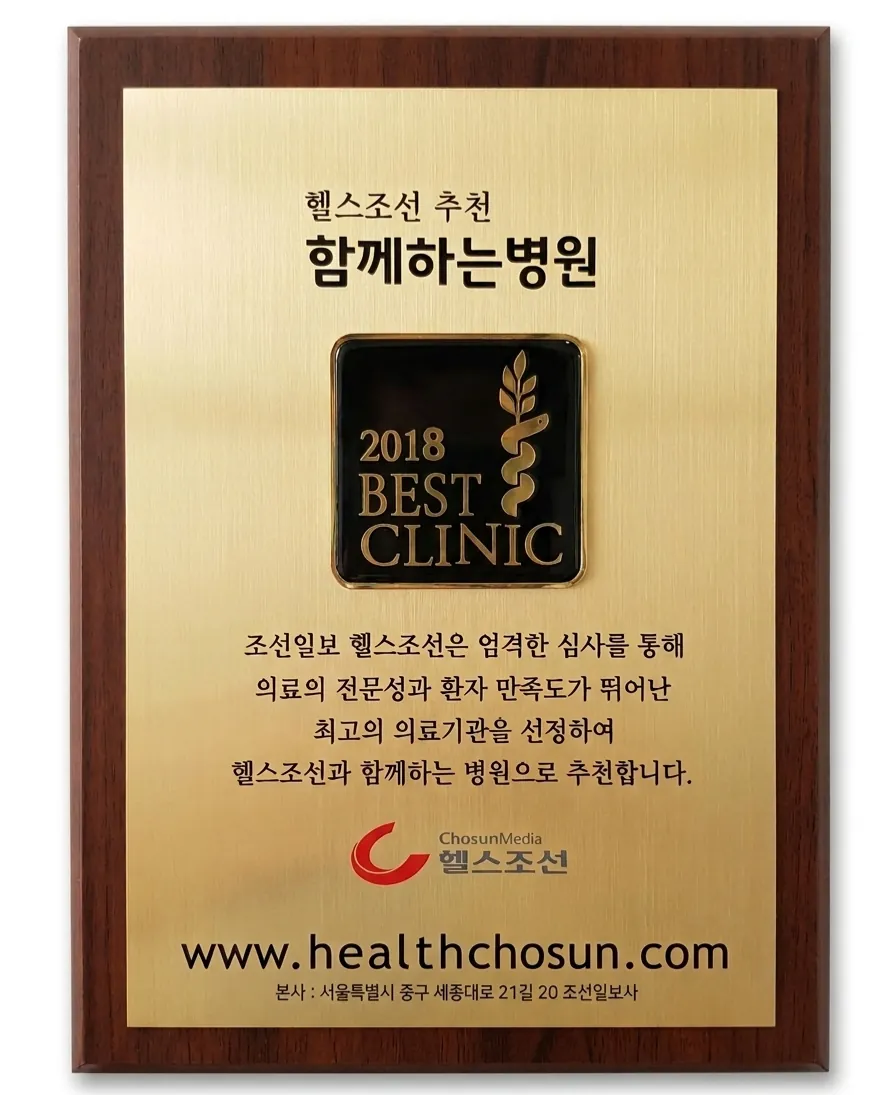
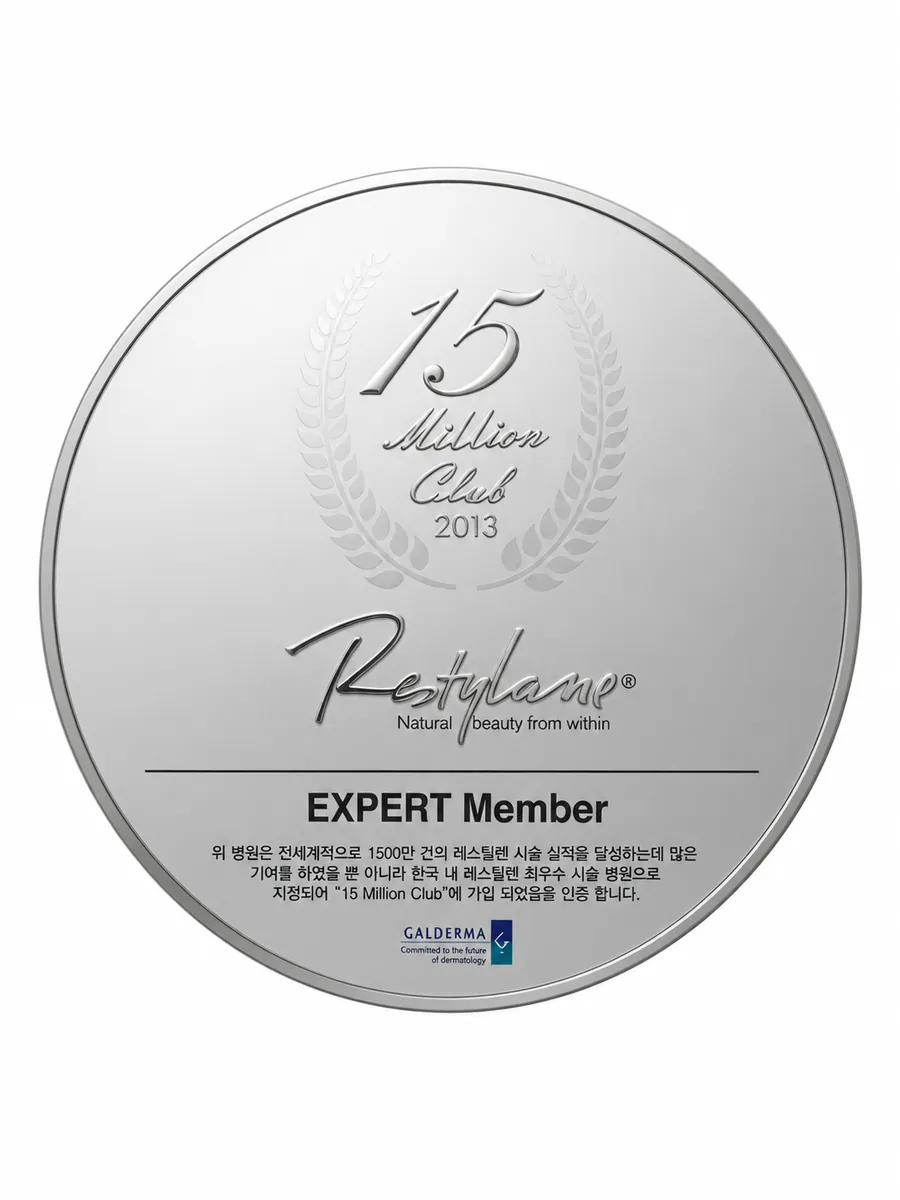
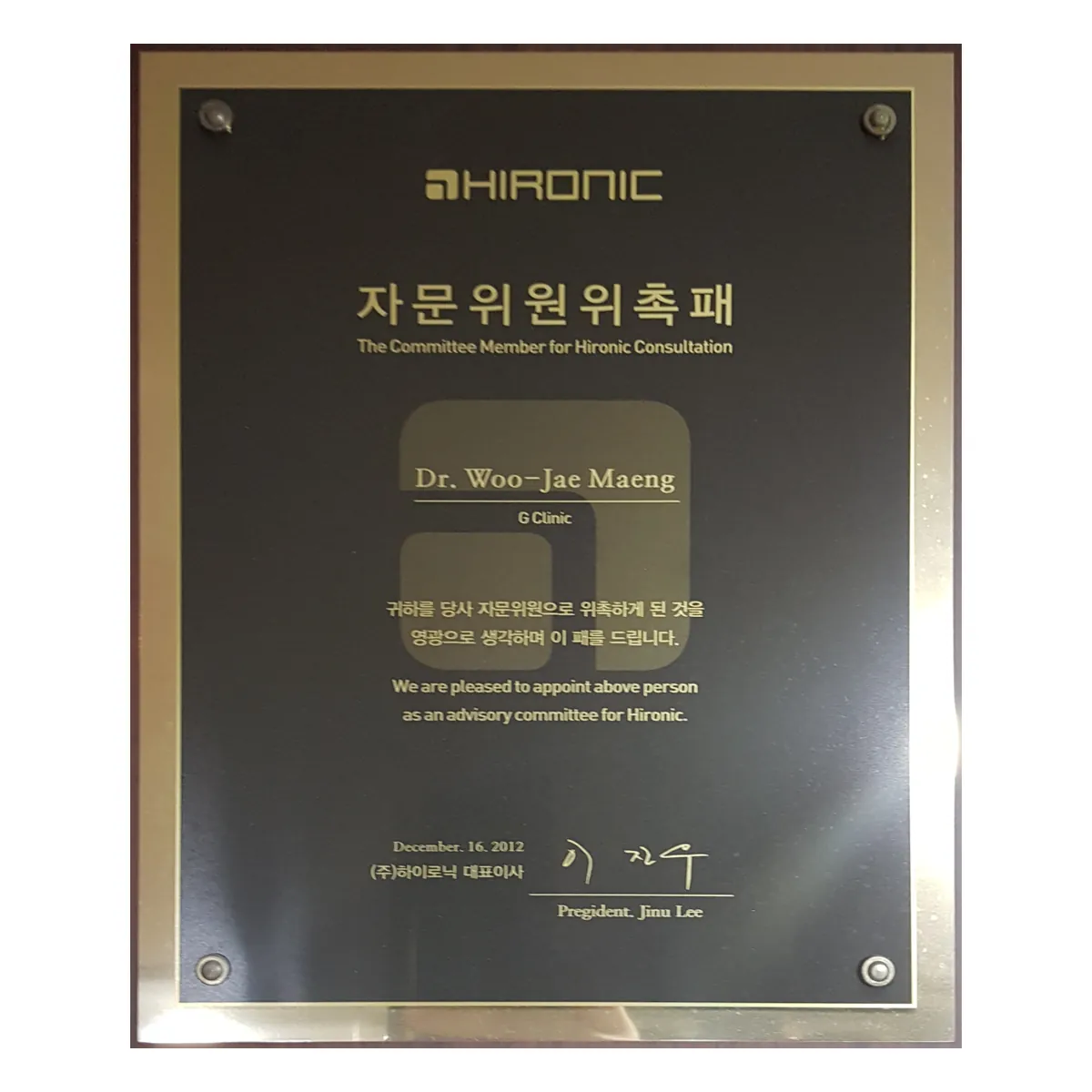
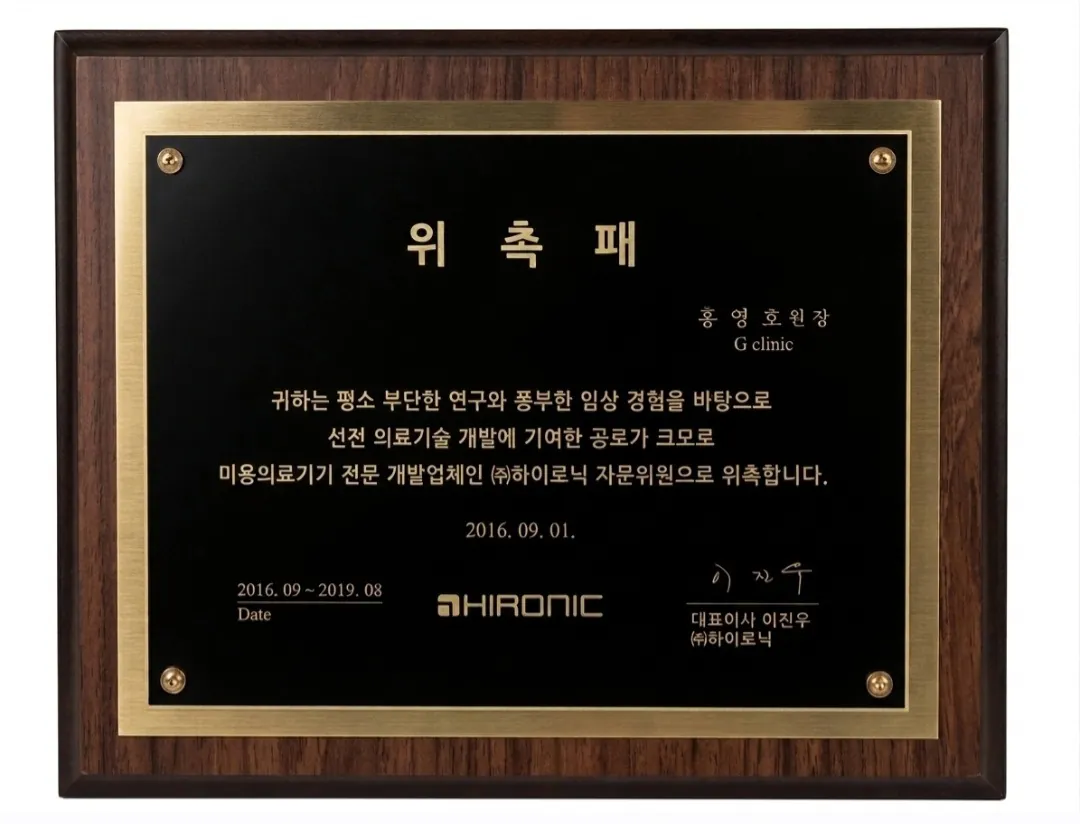
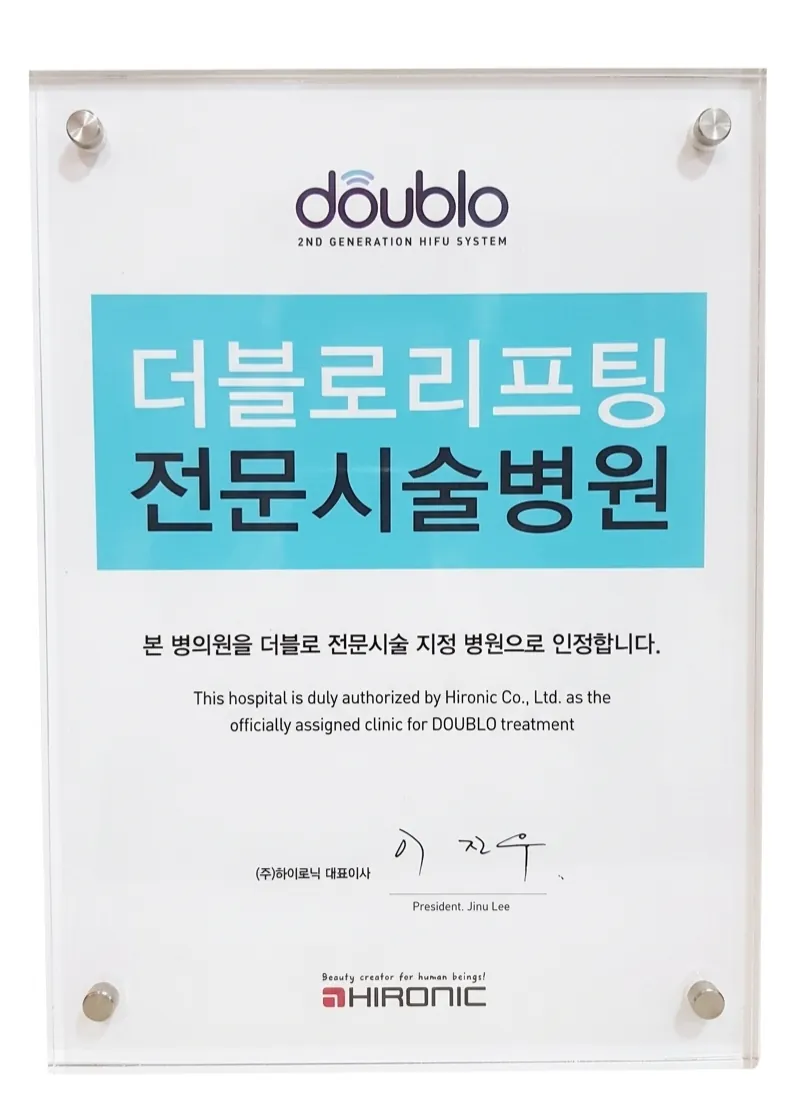
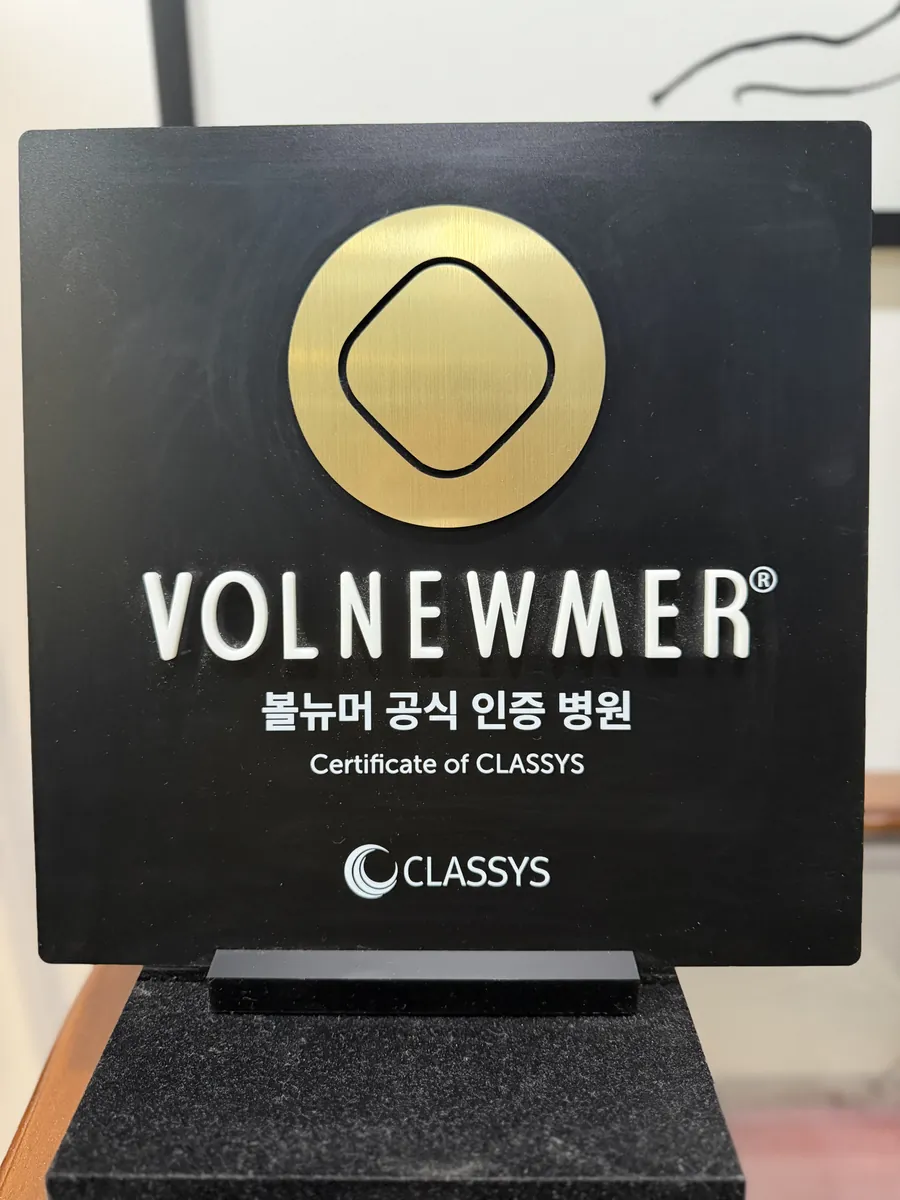
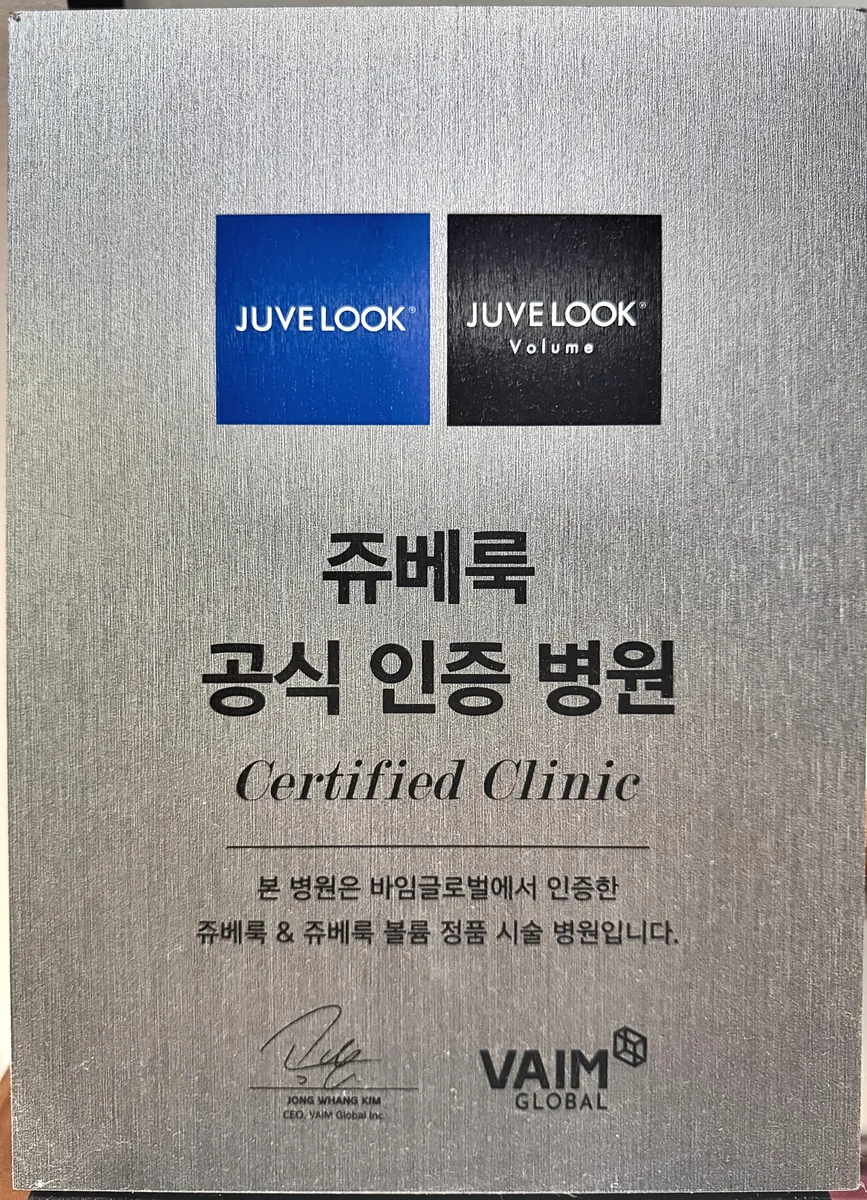
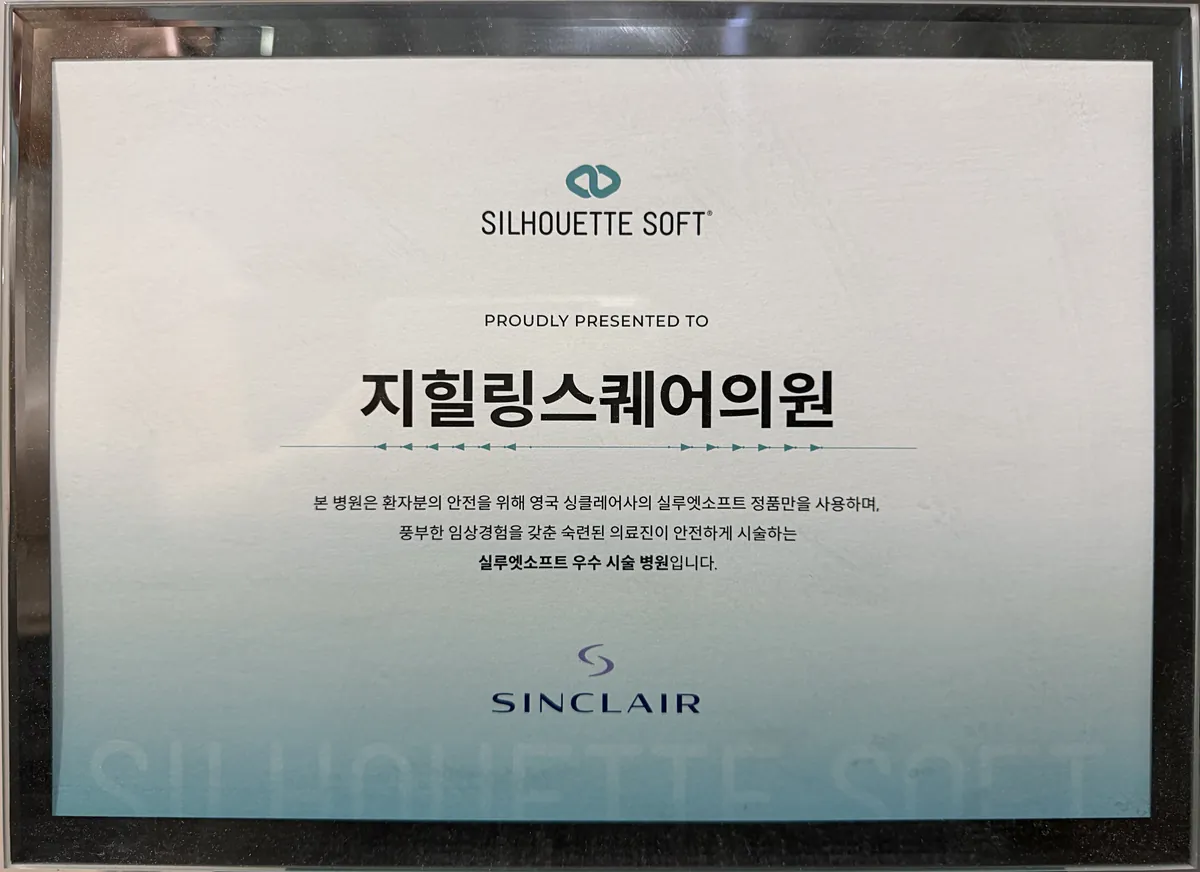
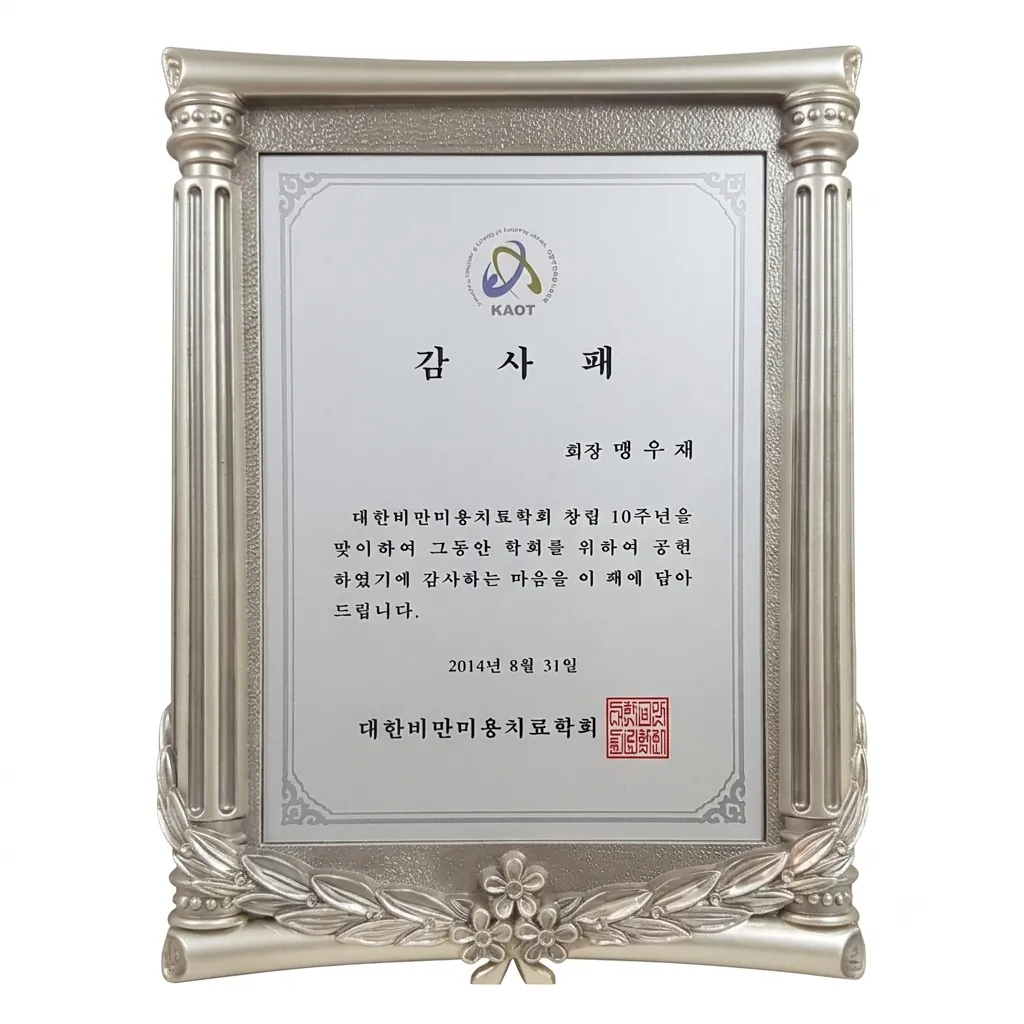
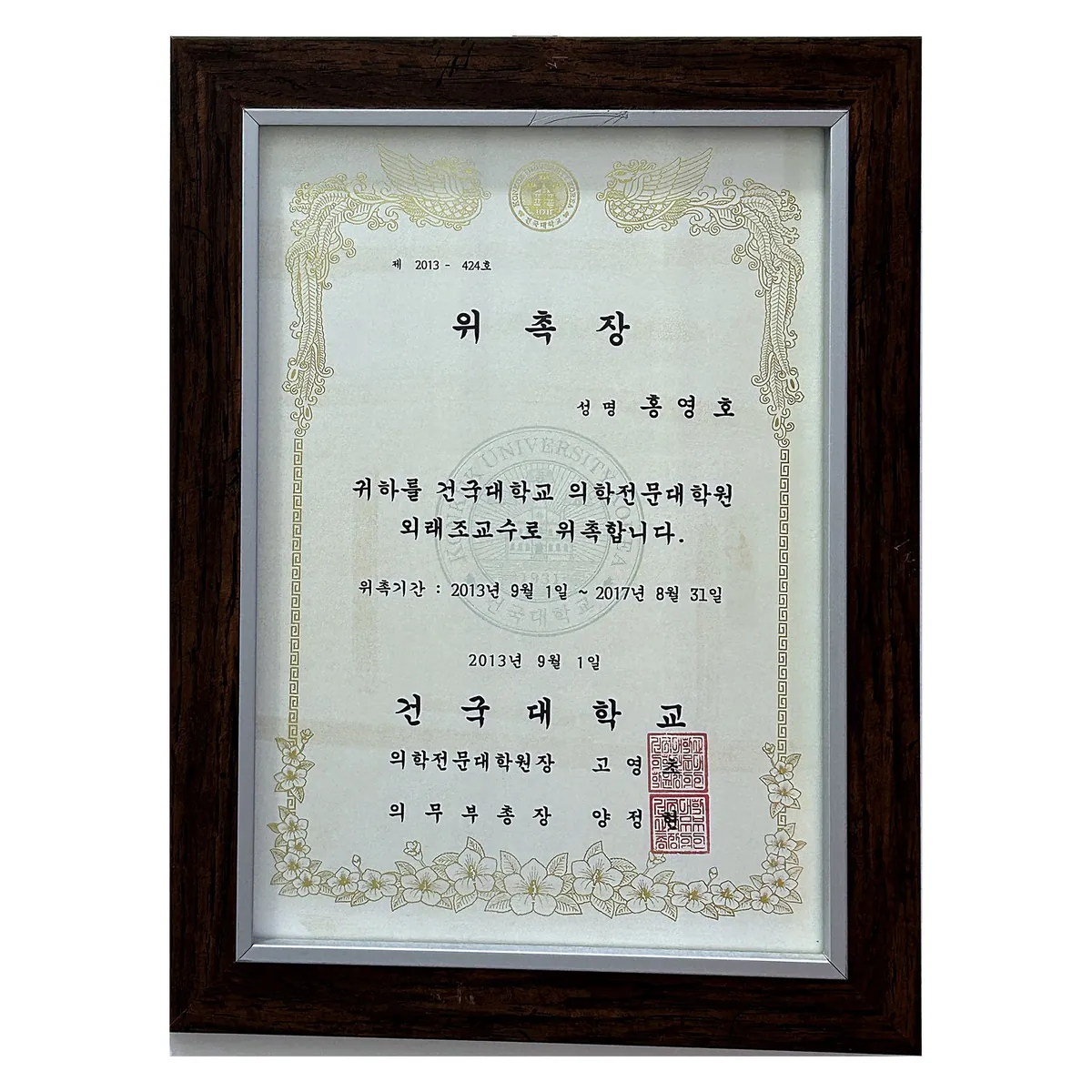
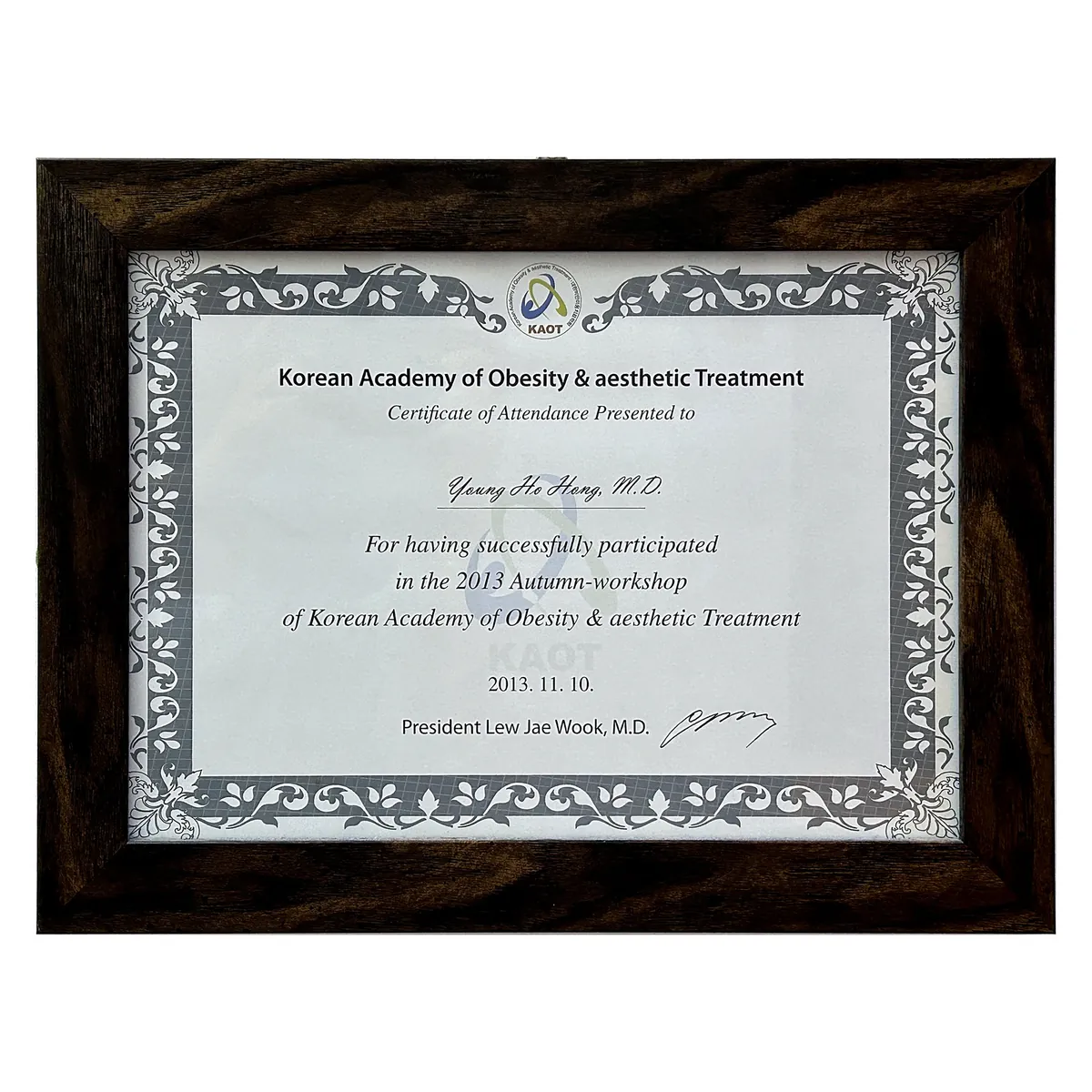
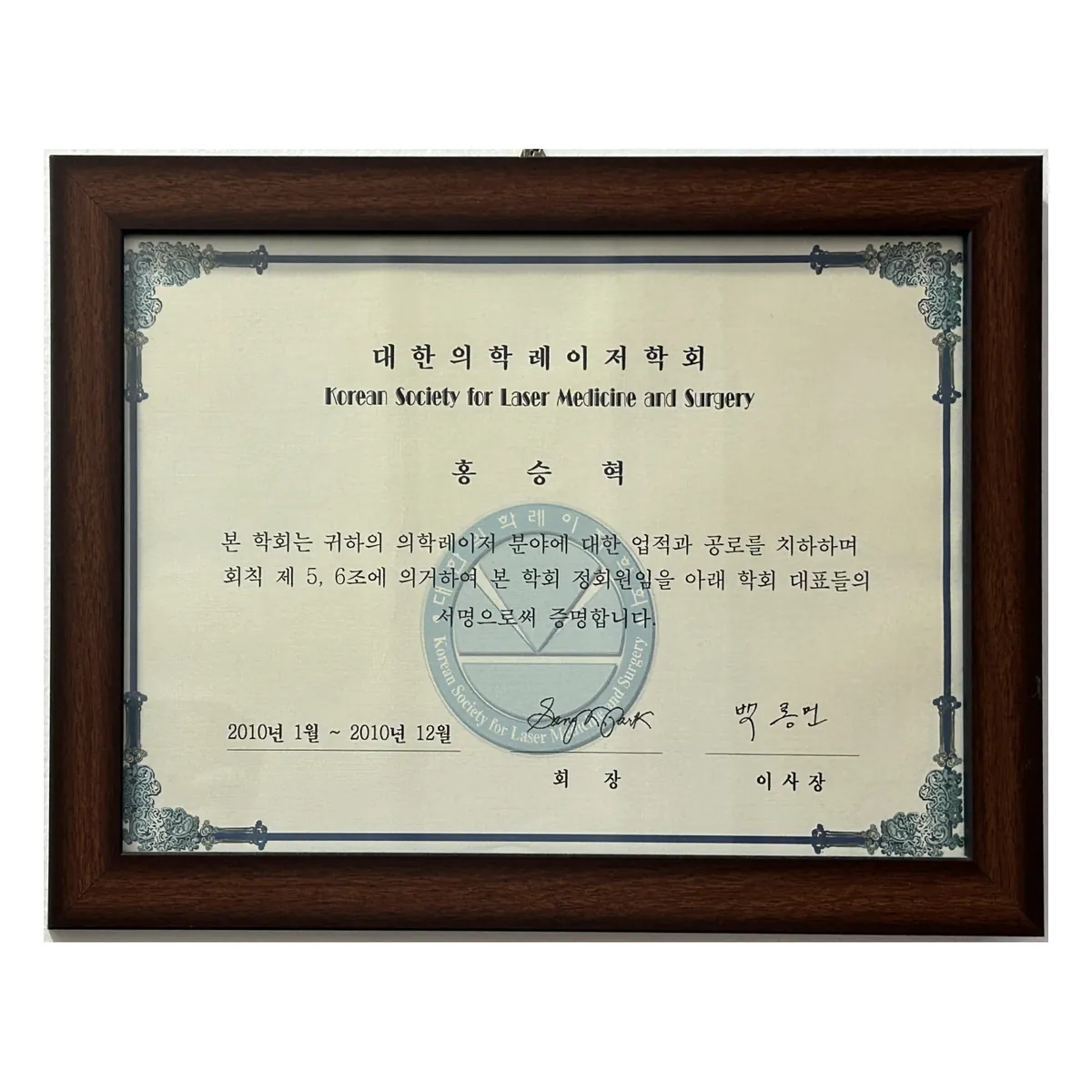
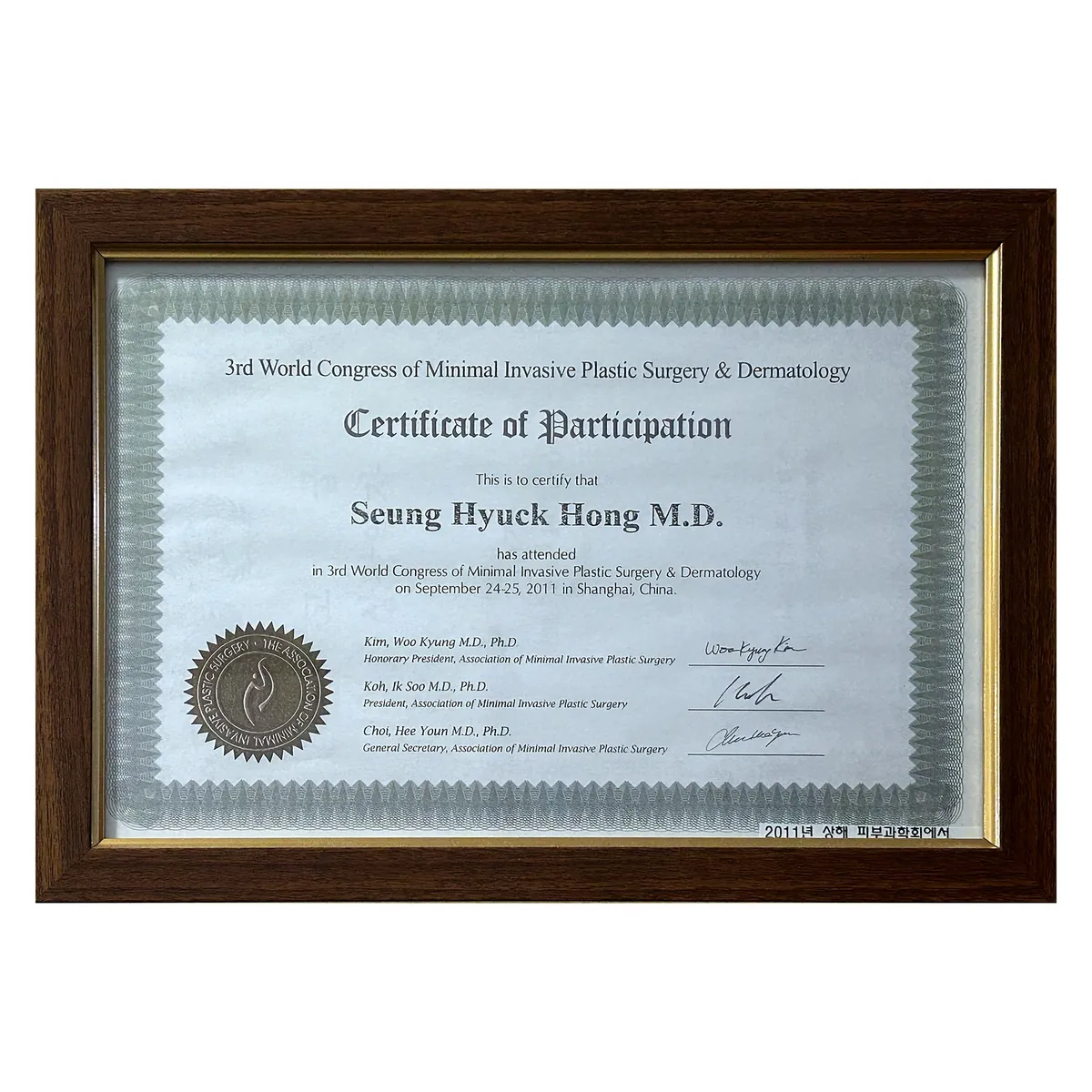
The G Clinic name dates to a 2012 device-maker advisory appointment. Each recognition below is stated as issued by its organisation.


Share your details and our team will reply through your preferred messenger. Consultation is free and pricing is quoted at your free consultation.
Thank you — our English coordinator will reach out as soon as possible.