★★★★★
Recommendations are made based on actual circumstances. The attitude is very good. Highly recommended.
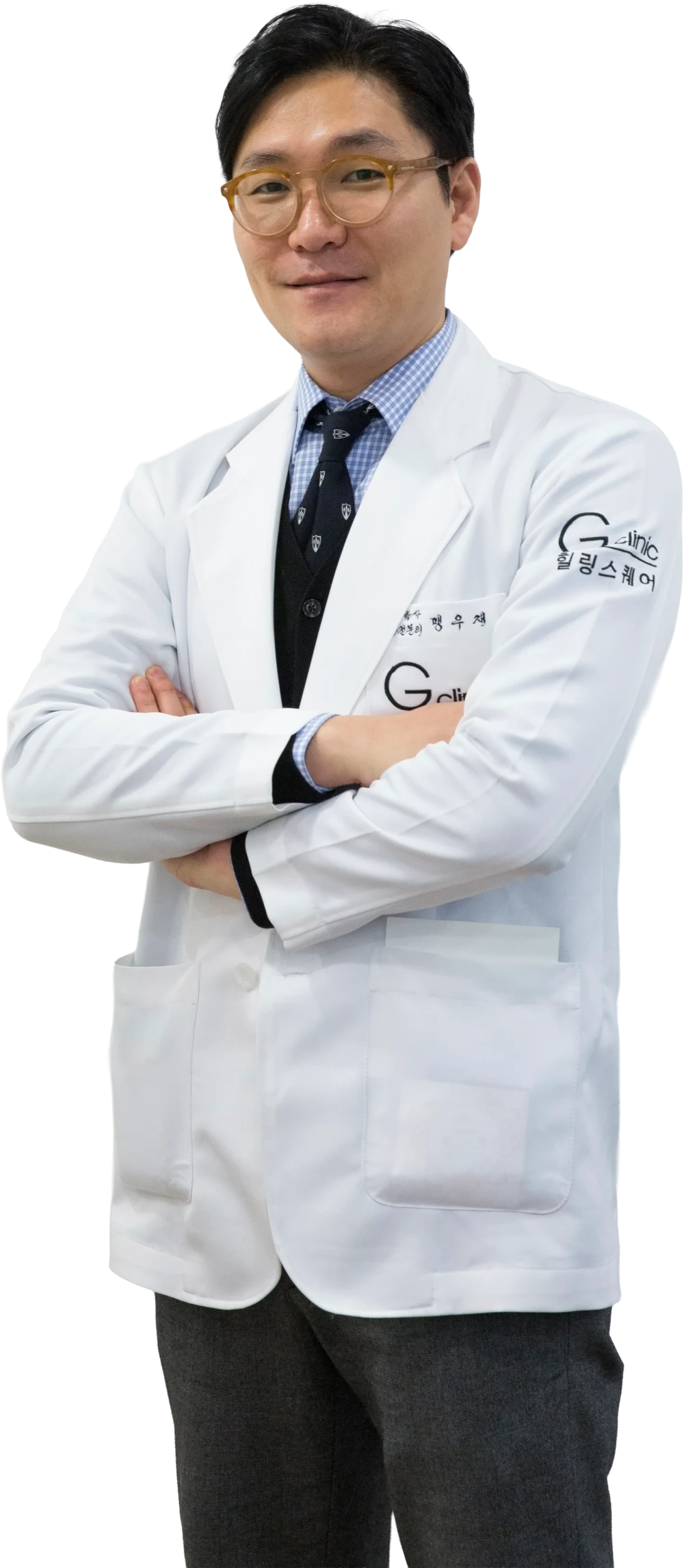
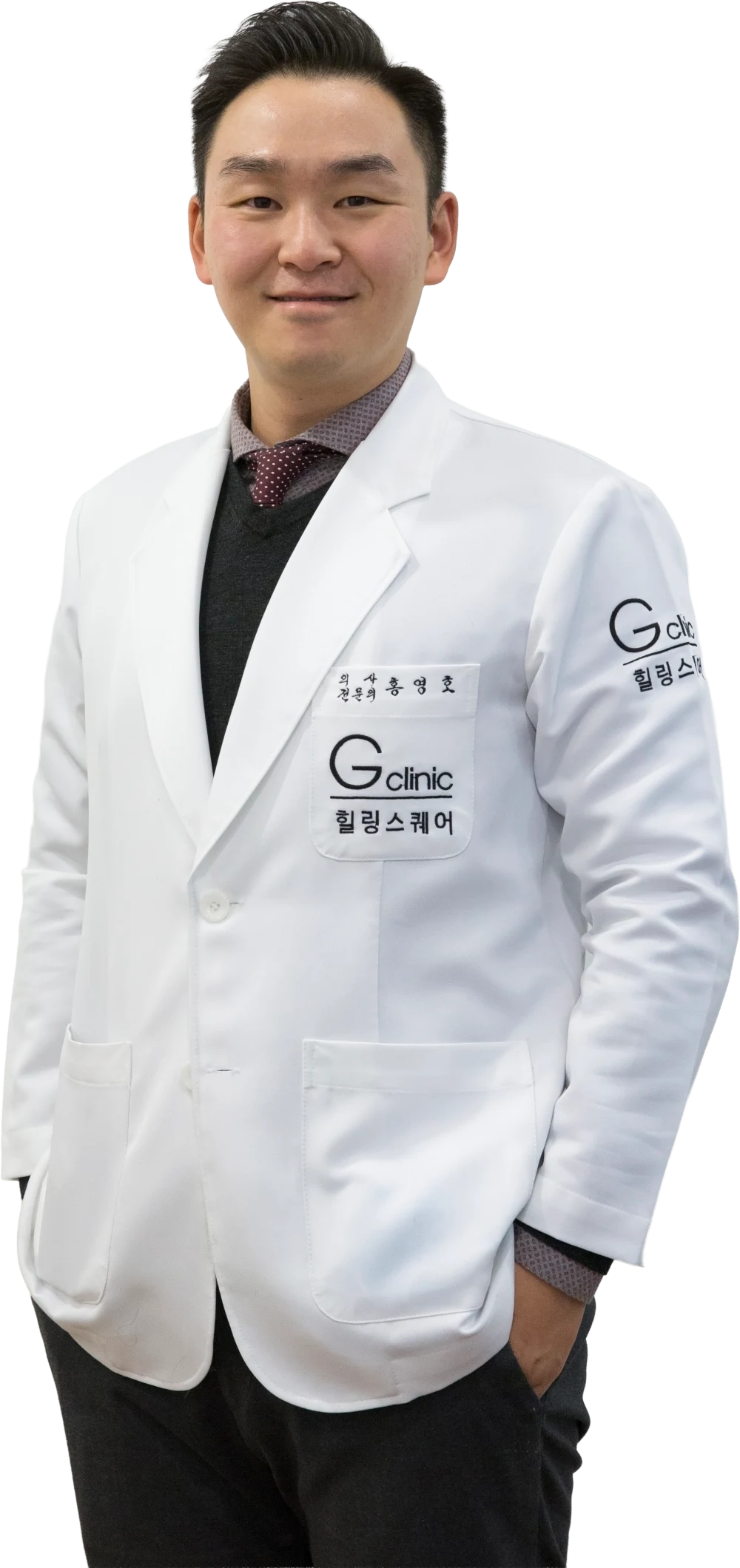
The clench test, the marking and the needle all belong to the same person here: Dr. Hong Seung-hyuk, Dr. Maeng Woo-jae and Dr. Hong Young-ho are board-certified Family Medicine specialists practising aesthetic dermatology on site, and one of them handles your jaw from examination through review. Masseter treatment is quoted as its own service at a published rate, takes minutes in the chair, and needs no sedation.
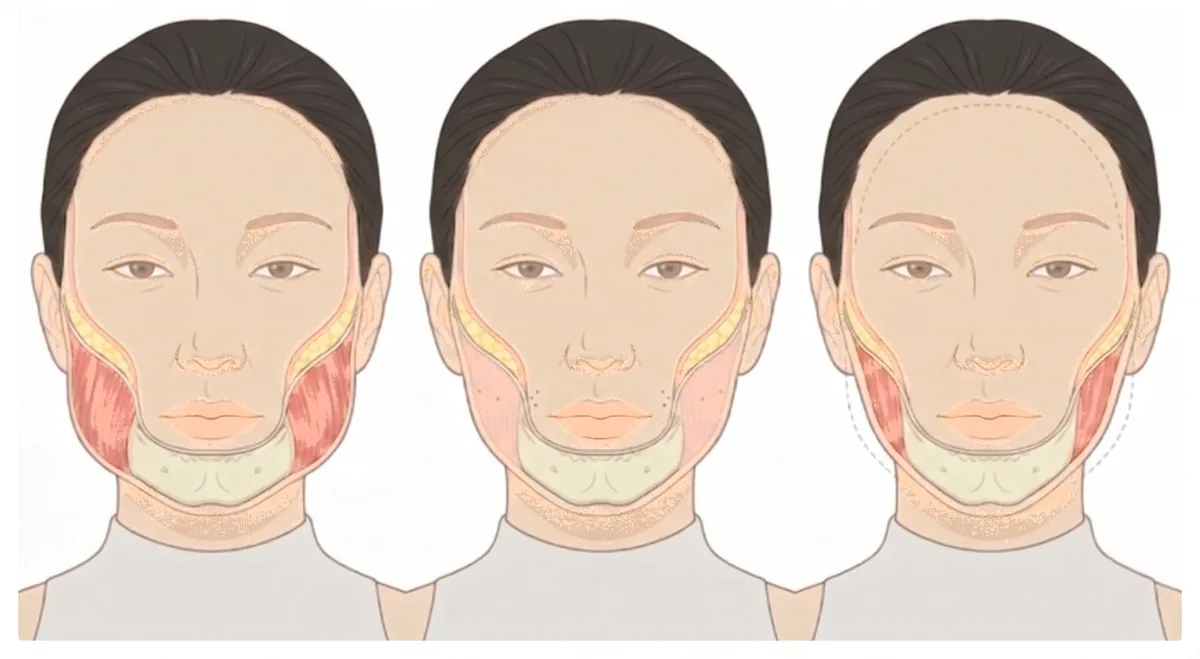
It narrows the lower face when the width is muscular in origin. The masseter is the chewing muscle you can feel stand out at the back angle of the jaw as you bite down, and habitual clenching, night grinding or a diet of tough, chewy food can leave it thickened on one or both sides. Botulinum toxin placed into that muscle lowers how forcefully it contracts; the muscle is worked less hard, its bulk tapers, and the outline of the lower third of your face follows it inward. The jawbone underneath is untouched, so width that comes from the mandible itself stays exactly as it was, and a director at G Clinic says so during the examination and does not book you in regardless. Jaw treatment is quoted as its own service at a published rate, and the plan is agreed face to face at a free consultation in Gangnam, Seoul.
Four stages, from the moment a director puts two fingers on your jaw angle to the moment you are told what you may chew tonight.
A director places fingertips over both jaw angles and asks you to clench, release and clench again. A hypertrophied chewing muscle rises firmly under the fingers and drops away when you relax; bone does neither. Your grinding and clenching habits, any jaw pain or clicking, your medication list and any injectable work done elsewhere are all recorded in the same sitting, and the consultation itself costs nothing.
Points are marked while you sit upright and clenching, because the bulge shows its true extent only under contraction. The director works within the thick posterior part of the muscle and stays well clear of its front border, since the muscles that lift the corner of your mouth sit close by. Left and right are marked separately, as most people carry a stronger chewing side and a plan that ignores that produces a lopsided result.
A fine needle reaches deep into the muscle belly at each marked point, spreading the dose across the bulk so it never pools in one spot. You stay awake and can speak throughout, and most patients report a brief deep ache at each entry that fades within seconds. Local anaesthesia is the clinic default and sedation is unnecessary for this; the whole sequence is over in a few minutes and no dressing goes on afterwards.
You are asked to stay upright for the rest of the day, to keep massage and pressure off the jaw angles, and to skip saunas and hard training for a short period. Because the change unfolds slowly here, the review matters more than it does for expression lines: a director looks at your lower face once the muscle has begun to settle and decides whether either side needs topping up.
Every muscle in your body responds to load. The masseter carries an unusually heavy one: it works at every meal, and in people who clench through a stressful afternoon or grind their teeth all night it never really stops. Muscle answers that demand the way any muscle does, by thickening. When it thickens on both sides of a face, the width sits precisely where the lower third of the face is widest, and the whole outline reads as square in photographs taken from the front.
Botulinum toxin type A dampens the signal arriving at the muscle fibre, so contraction is weaker. The chewing muscle then does less work at every meal and through every clenching episode, and reduced demand leads to reduced bulk over the following weeks. That is the entire mechanism: no volume is added, no tissue is cut away, and the tapering you eventually see in the mirror is the muscle occupying less space than it did.
It also explains the treatment's boundaries. Nothing here reshapes the mandible, thins a fat pad, or tightens skin. The wider family of toxin services at this clinic, including expression lines and the intradermal technique, is set out on the botox in Gangnam hub, and this page stays on the jaw.
Three different structures produce a similar silhouette, and the examination exists to tell them apart. Muscular width moves: it appears and hardens under your fingers as you bite and softens as you let go. Skeletal width does not move at all, because a flared mandibular angle is bone and it holds the same shape whatever your teeth are doing. Fatty fullness feels soft and often gathers lower and further forward, under the jaw and around the chin, and it tends to sit alongside a fuller neck.
Patients frequently carry two of the three at once. A director will say when a masseter is genuinely bulky but a soft pad under the chin is doing half the work, in which case toxin alone leaves you disappointed. Fat under the jaw belongs to a different route entirely, and our page on G-fat fat extraction covers how the clinic approaches localised fat, while liposuction in Korea sets out where surgical removal fits.
A third pattern turns up regularly: the jaw is not especially wide, but the chin is short, so the face reads as compact and square. Adding projection at the chin lengthens the face and changes the proportion without touching the chewing muscle at all, which is a volume question and is described on the dermal filler page. Directors often plan the two together, treating the muscle at the sides and the projection at the front in one sitting.
The patient this treatment fits is an adult in reasonable health with a chewing muscle that can be felt to bulge on clenching, usually with a history of grinding, jaw tension or years of chewing gum. Wanting a softer lower-face outline in photographs is a perfectly reasonable goal, and so is wanting the jaw fatigue that comes with heavy clenching to ease.
Several groups are declined on the spot, and told the reason. Anyone pregnant or breastfeeding waits. A diagnosed neuromuscular disease such as myasthenia gravis, or any related disorder of the junction between nerve and muscle, is a firm exclusion. An active infection over a proposed injection point postpones the appointment, as does a current course of aminoglycoside antibiotics, which can amplify the effect on muscle. Where a temporomandibular joint disorder is suspected or already diagnosed, the joint is assessed first and, depending on what that assessment shows, a director may refer you to a dental or maxillofacial specialist before any toxin is discussed.
Then there is the refusal patients find harder to hear. When the jaw angle is bony and the muscle over it is thin, this treatment changes nothing at all, and the director says so at the examination rather than selling you a course that cannot work. Someone whose face is already narrow at the cheek is warned that weakening the masseter can pull the mid-face hollow. A patient with lax skin over the jaw is told that reducing muscle volume beneath it may make sagging more obvious. Nobody is asked to book on the day, and you are free to walk out having been told the answer is no. For anyone whose real concern turns out to be skin texture and not jaw width, the intradermal option is covered on the skin botox page.
Nothing is visible when you leave the building, and that is the expected course. The muscle first has to stop working at its old intensity, and only then does bulk begin to fall away. Most people notice the change in the order you would predict: chewing feels less powerful first, the jaw feels less tight in the mornings, and the outline in a front-facing photograph softens some way after that. Patients who fly home a few days later and inspect the mirror are looking too early.
What eventually appears is a taper rather than a transformation. The corner of the jaw sits closer in, the line running from ear to chin reads smoother, and a face that photographed as a rectangle photographs as something closer to an oval. People who clench hard often report the secondary change first, saying the morning ache and the sense of a locked jaw have eased.
The effect is temporary in every case. Nerve endings recover, chewing strength returns, and a muscle that goes back to its old workload rebuilds its old bulk, so this is planned as a repeating appointment and never as a single fix. How long you personally hold the result depends on how hard you use the muscle, how much was treated and your own physiology, and a director gives you an individual expectation at the review. Results vary between patients, and any case photographs a director shows you in the consultation room are shared with the consent of the patient in them.
The jaw treatment sits on its own line of the price list, separate from expression-line work and from the intradermal technique, and the published rate applies to everyone who walks through the door. Both jaw angles are treated as one service. What the plan needs is decided only after a director has felt the muscle clench, so the figure that matters to you is confirmed at the free consultation.
| Treatment | Option | Price (KRW) |
|---|---|---|
| Botox | Jaw (masseter) | ₩90,000 |
All prices in KRW, excluding VAT (10% VAT is added at payment). Final cost depends on the treatment plan confirmed at consultation. Published rates as of 2026-11-03.
This is a medical procedure with genuine risks, and your director goes through them before you consent to anything. Small bruises at the puncture points are the commonest event, along with pinpoint redness, a little swelling and, for some patients, a headache in the first day or two. A deep ache in the jaw for a day is not unusual, since the needle travels into muscle.
The complications specific to this area are worth stating by name. Chewing weakness is the leading one: with the masseter dialled down, steak, hard bread, dried squid and anything else requiring sustained force can feel like hard work for a period, and a few patients notice they tire while eating a long meal. Smile asymmetry is the second, and it happens when the toxin spreads forward into the muscles that lift the corner of the mouth, producing a crooked smile or a lip that behaves differently on one side. Uneven results between the left and right jaw are possible where one side was already stronger. Some patients see a hollow appear at the cheek as the muscle reduces, which flatters a full face and does not flatter a thin one. Paradoxical bulging, where a small part of the muscle stands out on clenching while the rest relaxes, is described in the literature and shows up occasionally. Very rarely the muscle barely responds.
Most of these settle as the effect wears off, and a temporary problem is still a real one while it lasts, since a lopsided smile can sit with you for weeks. Stay upright for several hours, keep massage and heat off the jaw angles for the period your director specifies, and contact the clinic if your smile changes shape, if a bruise keeps growing, or if pain or redness increases after the first day. A medical director is on site throughout opening hours. Patients who are considering toxin for sweating should read the separate cautions on the underarm sweat botox page, since the areas differ.
There is no recovery period in the usual sense. You walk out with two or three pinpoint marks that fade within the day, and almost everyone goes straight back to work, a meeting or an afternoon of shopping in Gangnam. Light make-up over the marks is generally fine once a director confirms it, so the appointment costs you nothing from your itinerary.
Food is the one adjustment worth planning. For the first days after the effect starts to build, soft meals make life easier, and the tough or chewy dishes people look forward to on a trip to Seoul are more comfortable postponed. Anyone taking blood thinners or fish oil, and anyone who drank the night before, bruises more readily at the jaw angle, so tell the clinic in advance if you have photographs coming up.
Timing for international patients is really about the review. The jaw is the slowest area in this family of treatments to declare itself, so a single short trip rarely covers both the injection and a settled result. Our coordinators either arrange the review for a later visit or keep it in your itinerary if you are staying longer. Patients treating the shoulder line on the same journey usually combine it with this appointment, since neither costs any downtime; the trapezius botox page explains how that works.
Three approaches aimed at a similar complaint, set side by side so your consultation starts from the right question.
| For a wide lower face | Masseter botox | Fat-focused treatment | Jaw contouring surgery |
|---|---|---|---|
| What it addresses | An overworked chewing muscle | Soft fullness under the jaw and chin | The bone at the mandibular angle |
| How it is delivered | Injection into the muscle belly | Extraction or device-based reduction of fat | An operation on the jawbone |
| Anaesthesia | Local, awake, no sedation needed | Local, awake; sedation optional at extra cost | General anaesthesia |
| When the change reads | Gradually, as muscle bulk tapers | Volume drops during the session, refines as swelling drains | Once prolonged swelling resolves |
| Repeat visits | Planned as a recurring appointment | Usually one visit per area | A single operation |
| Time away from plans | None beyond pinpoint marks | Same day for desk work | Weeks |
| Poorly suited to | Width arising from bone | Width arising from muscle | Anyone unwilling to have surgery |
This table is general information. Which route suits your face depends on your anatomy, your chewing habits and your health, and a medical director works through it with you at the free consultation.
Botulinum toxin type A has been studied in the peer-reviewed literature for decades, and three papers give a sense of the questions that literature asks. One presents glabellar contraction patterns as a tool to optimise botulinum toxin treatment, an approach built on the idea that how an individual contracts should guide where the injections are placed (de Almeida, 2012). A comparative trial examined the noninferiority of incobotulinumtoxinA, free from complexing proteins, against another botulinum toxin type A in the treatment of glabellar frown lines (Sattler, 2010). A third asks whether the complexing proteins carried in botulinum toxin type A drugs are a help or a hindrance (Frevert, 2010). These papers concern the upper face and the properties of the preparations themselves. None of them reports on outcomes at G Clinic, and none of them predicts what your own jaw will do, which is a conversation for the consultation room.
The jaw carries its own published rate, listed separately from expression-line areas and from the intradermal technique, and both sides are covered by that single service. Because the published rate applies to every patient equally, there is no negotiation and no separate figure for visitors from abroad. A director confirms the quotation at the end of the free consultation, and you can request it in advance through the consultation form.
Put your fingers on the back angle of your jaw and bite down hard. If a firm mass rises under the fingertips and disappears when you relax, that is chewing muscle and it is treatable. If the width feels identical whether you clench or not, the shape is skeletal and toxin will not alter it. A director performs the same test with far more experience at the examination and tells you what the answer means.
Not on the day, and not in the first week. The muscle must first stop working at its former intensity, and only afterwards does its bulk begin to reduce, so the outline of your lower face shifts gradually over the weeks that follow. Chewing feels less forceful long before anything is visible in a photograph, and patients who check the mirror two days later are looking far too early.
Chewing power drops, and that is the intended effect of the treatment and not a complication. Ordinary meals are manageable, but tough steak, crusty bread, dried squid and similar foods can feel like real work for a period, and some patients notice their jaw tiring during a long dinner. If your trip revolves around eating your way through Seoul, tell your director and time the appointment accordingly.
It is an uncommon but genuine risk, and it happens when the product spreads forward into the muscles that raise the corner of the mouth. The result is a smile that pulls unevenly or a lip that behaves differently on one side. Staying deep within the back part of the chewing muscle and away from its front border is precisely why the marking stage matters. If it occurs, it resolves as the effect wears off.
Many patients report that morning jaw ache and the sense of a tight, locked jaw ease once the chewing muscle contracts less forcefully, and for some that relief matters more than the change in outline. Your director will discuss what is reasonable to expect in your case, and where a joint problem is suspected, that is assessed on its own terms first before anything is injected.
It has to be assessed before anything else happens. Clicking, locking, or pain in front of the ear points towards a temporomandibular joint disorder, and that is a diagnosis in its own right. Depending on what the assessment shows, a director may refer you to a dental or maxillofacial specialist first, and a cosmetic plan waits until the joint question has been properly answered.
One of the three medical directors does it personally: Dr. Hong Seung-hyuk, Dr. Maeng Woo-jae or Dr. Hong Young-ho, all board-certified Family Medicine specialists working in aesthetic dermatology and all on site during opening hours. You stay fully awake with local anaesthesia and can talk throughout. Sedation is unnecessary for this treatment, though it is available across other G Clinic procedures at an additional cost.
Product names are not published on this website, in line with Korean advertising rules covering prescription medicines. Your director can discuss the preparation with you in the consultation room, where that conversation belongs. Everything used is a botulinum toxin type A preparation approved for use in Korea, stored and handled by the medical staff under clinic protocol.
Anyone pregnant or breastfeeding, for the time being. Anyone with a diagnosed neuromuscular disease such as myasthenia gravis or a related disorder of the nerve-to-muscle junction. Anyone with an active infection over the injection site. A current course of aminoglycoside antibiotics postpones the appointment, because that group can amplify the effect on muscle. Anyone whose jaw width comes from bone is declined because the treatment cannot deliver what they came for.
Both are possible, and both depend on what your face started with. A full face usually gains definition, while a thin one can end up looking gaunt at the cheek as muscle volume drops. Where the skin over the jaw is already lax, reducing the bulk beneath it may make the sagging more obvious. Your director examines skin quality and facial fullness at the consultation and says which applies to you.
The effect is temporary, so it is planned as a recurring appointment. If you stop, nerve function recovers, chewing strength returns, and a muscle put back to its old workload rebuilds towards its previous bulk, so your jawline drifts back to where it started. Nothing worsens beyond that baseline. How long each round holds varies with your chewing habits and physiology, and your director gives you a personal estimate at the review.
Usually, yes, since none of it demands recovery time. Directors regularly plan the chewing muscle alongside expression-line areas from the botox range, alongside the shoulder line on the trapezius botox page, or alongside texture work described under skin botox. Your director sequences whatever is sensible for your face at a single examination and tells you what to leave for another visit.
Verified reviews from our Google Business Profile.
Recommendations are made based on actual circumstances. The attitude is very good. Highly recommended.
I cannot recommend G-clinic highly enough. From the moment I walked in, my experience was nothing short of exceptional. The clinic itself is modern, clean, and welcoming. The front desk staff were incredibly warm and efficient. Checking in was a breeze, and they were very helpful with my new patient paperwork. The waiting time was minimal…
Process was perfect! I got some liposuction done, the doctor and staff were very nice and very professional. 100% would recommend anyone to get there procedures done here! They took out A LOT of fat! The doctor speaks perfect English as well!
Dr. Hong has perfect English and is very kind. I was glad my friend recommended me to come here via allaboutmei, it really has lived up to my expectations. The method and equipment used is very modern and top range, I was expecting to be in a lot of pain but I feel great! Thank you again Dr. Hong and all the other people that work at Gcli…
Book a free consultation and one of the three medical directors will feel your jaw angles while you clench, in person in Gangnam, Seoul, and tell you whether masseter treatment can do anything for your lower face or whether it would be the wrong tool. The rate is published above, and the plan is agreed face to face.
Book ConsultationEvery consultation and procedure at G Clinic is conducted on site by one of three medical directors — never handed to a substitute practitioner. All three are Family Medicine specialists who have cared for international patients for years.
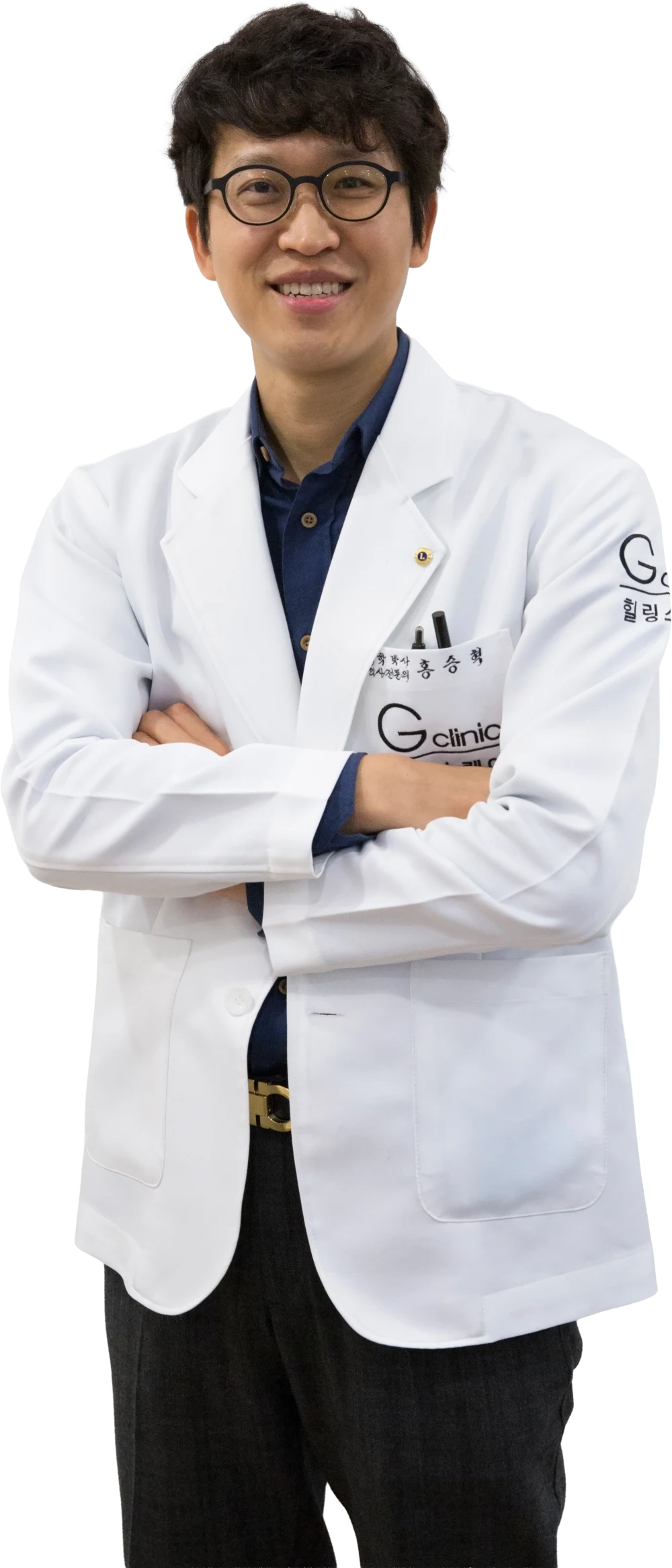
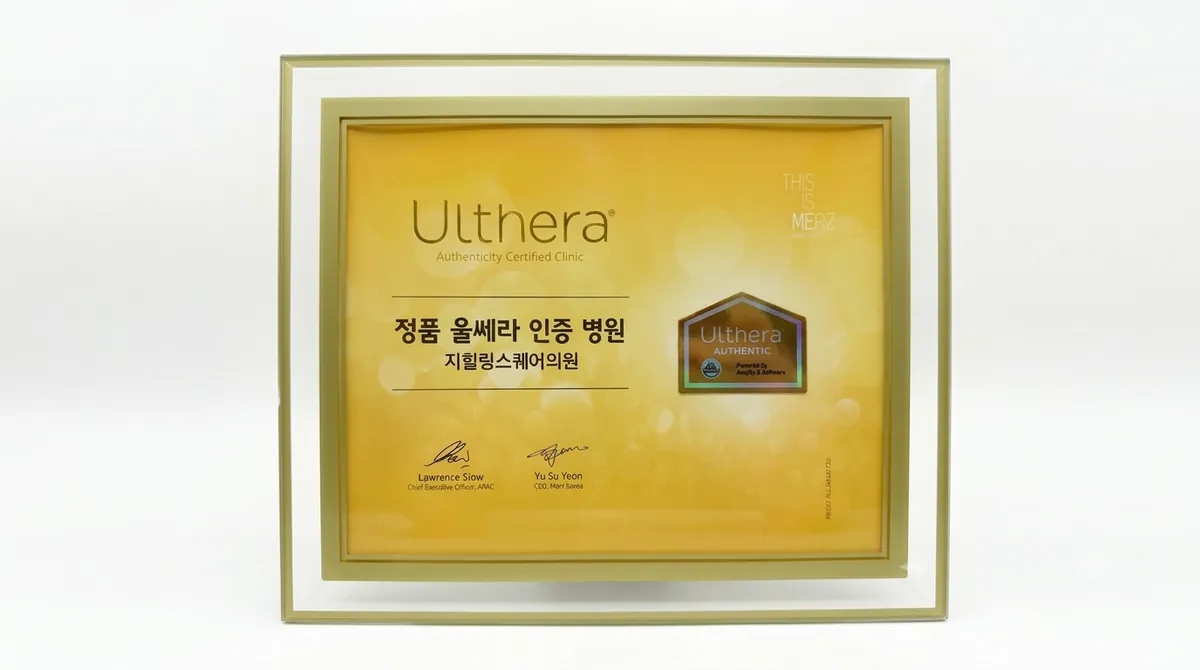
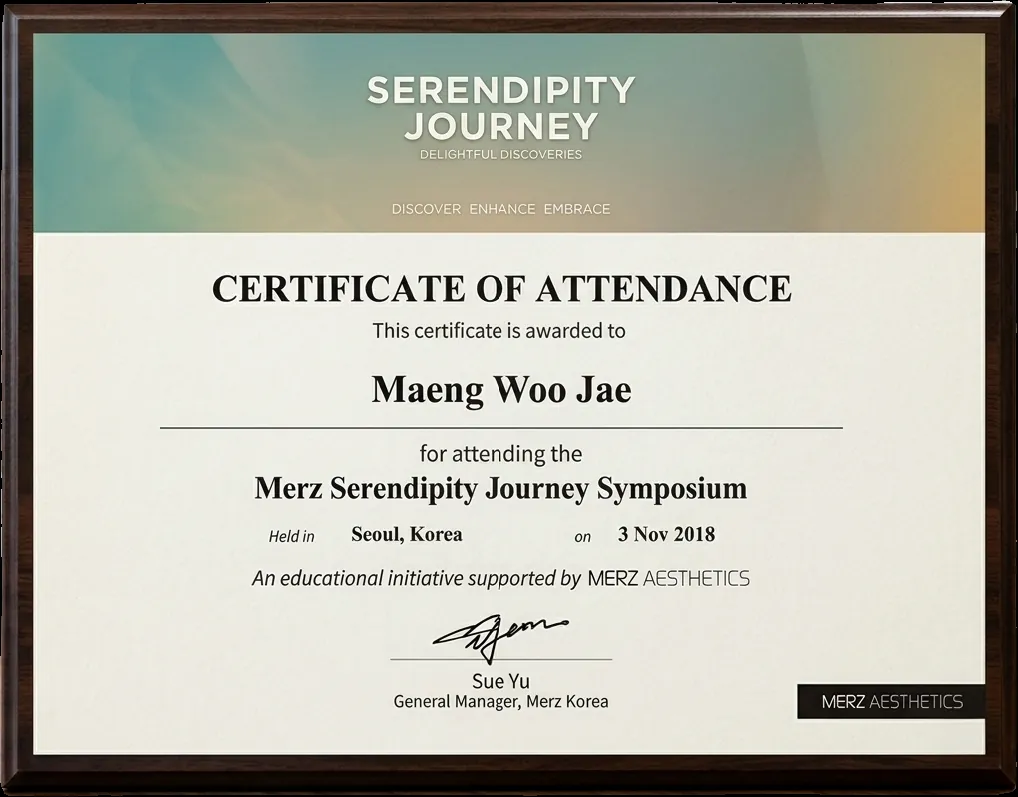
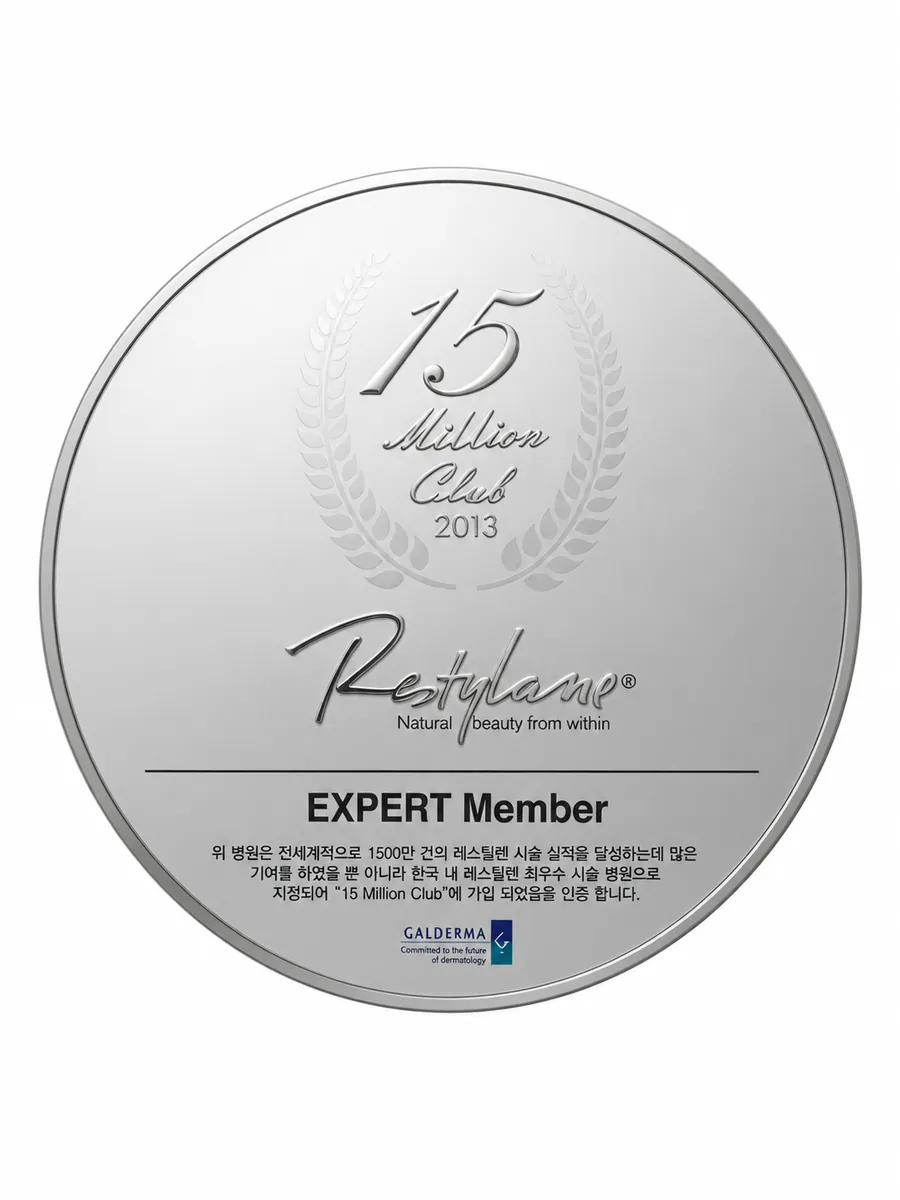
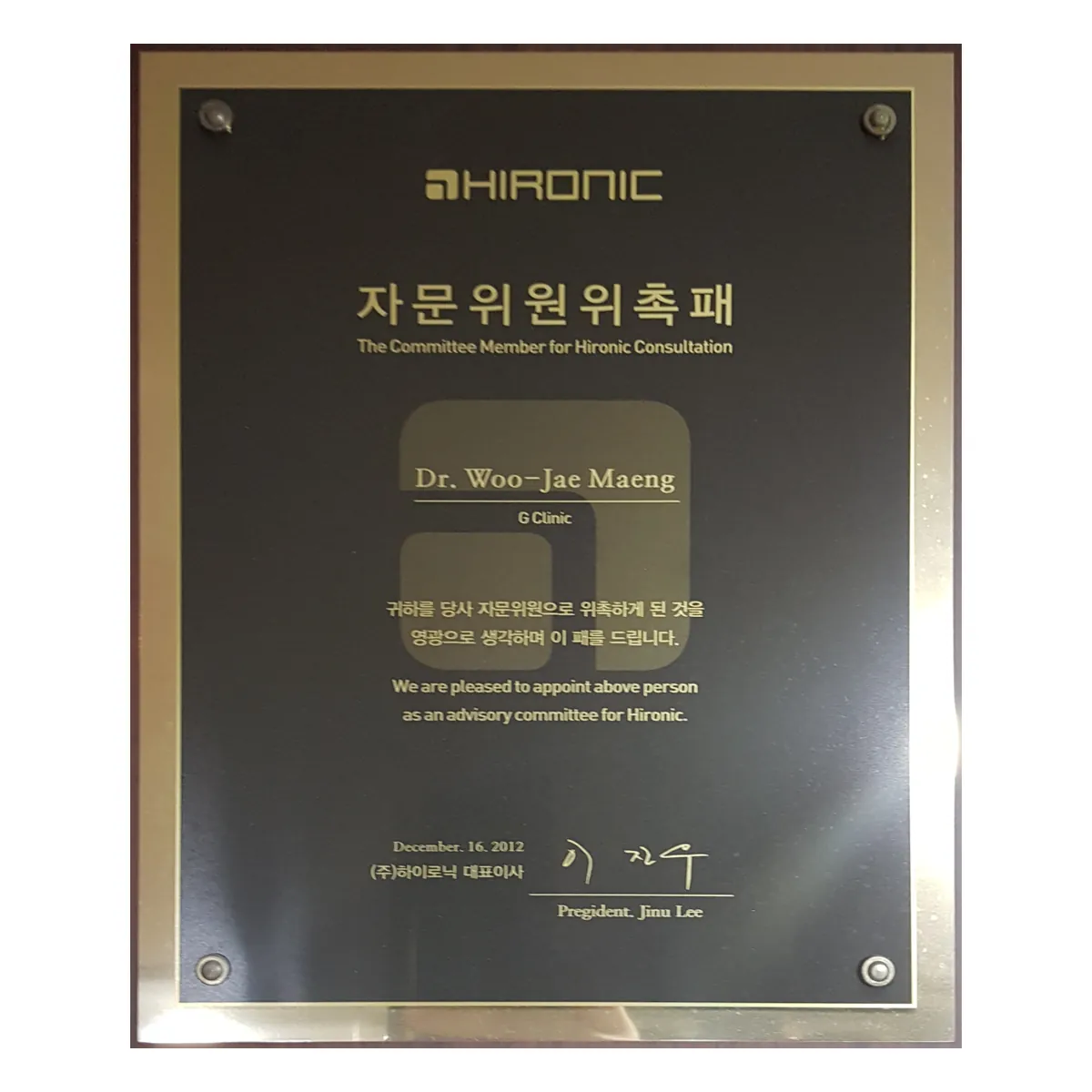
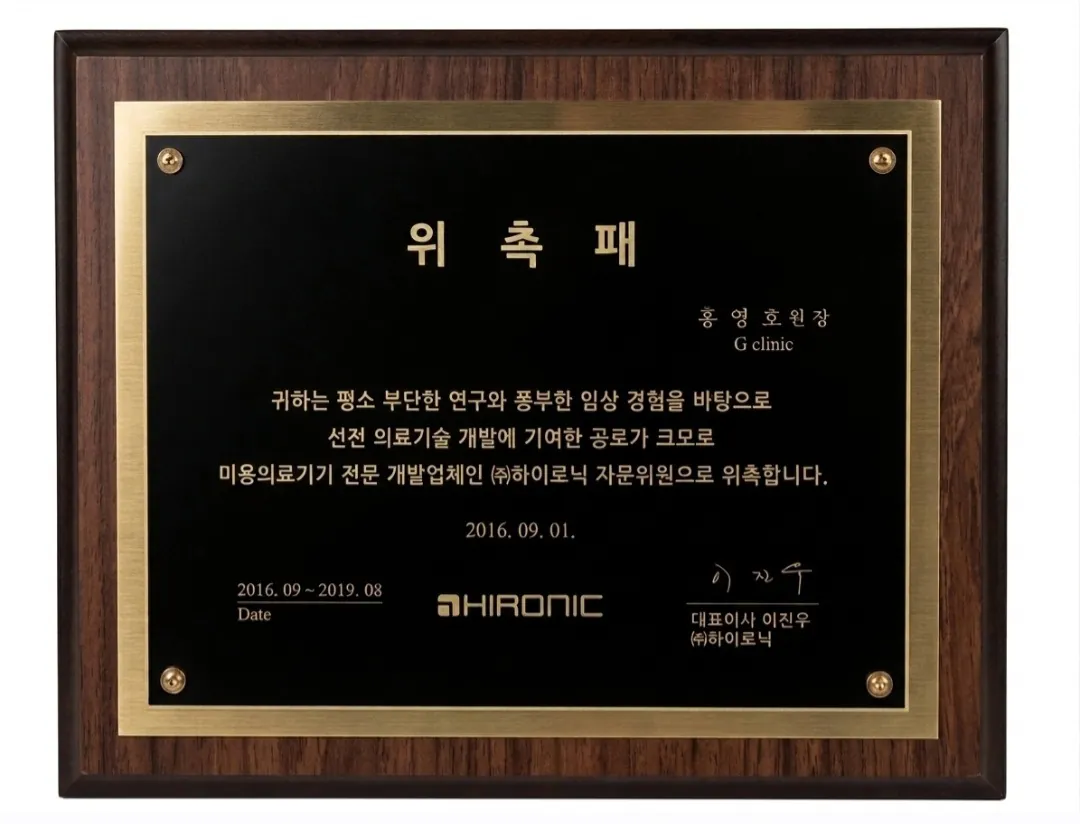
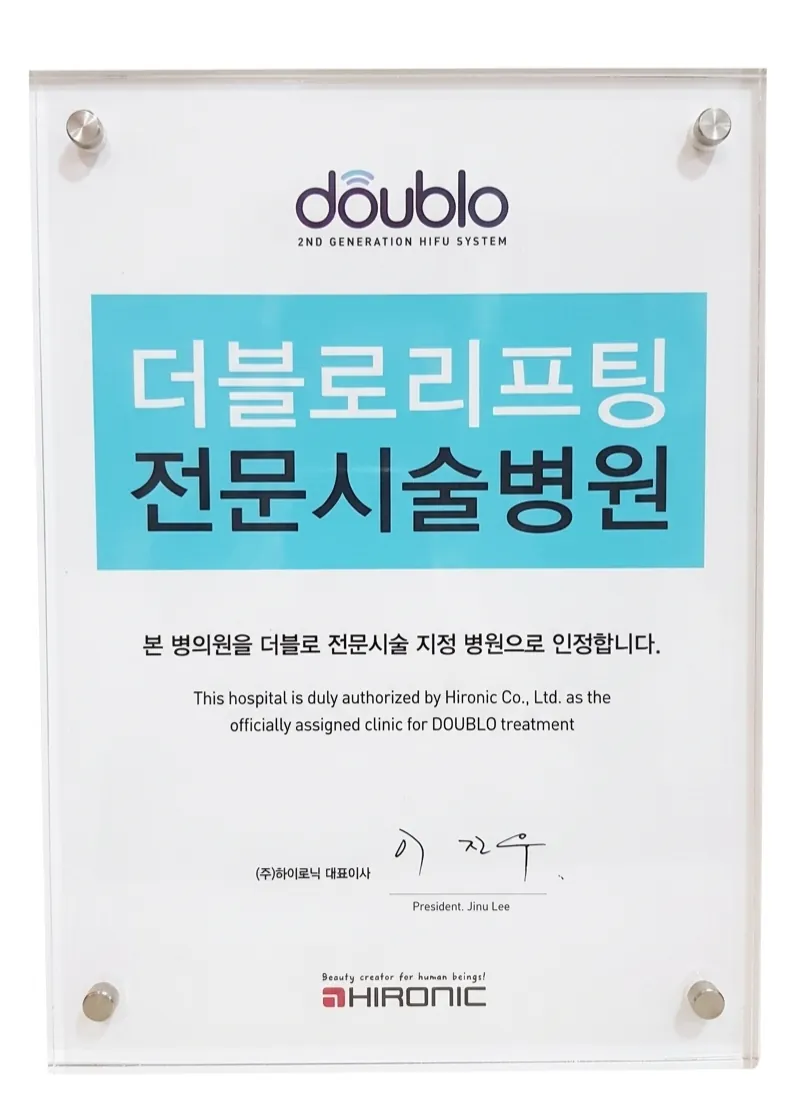
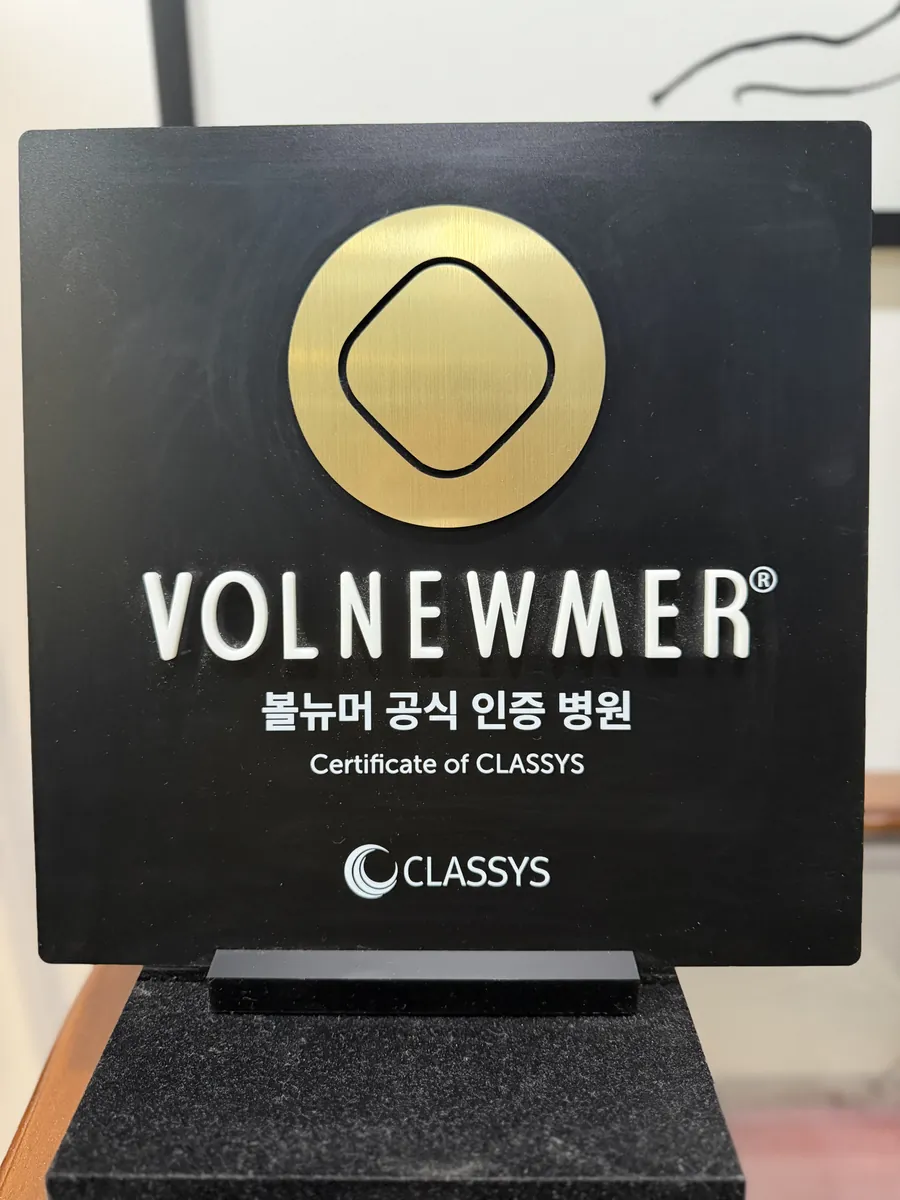
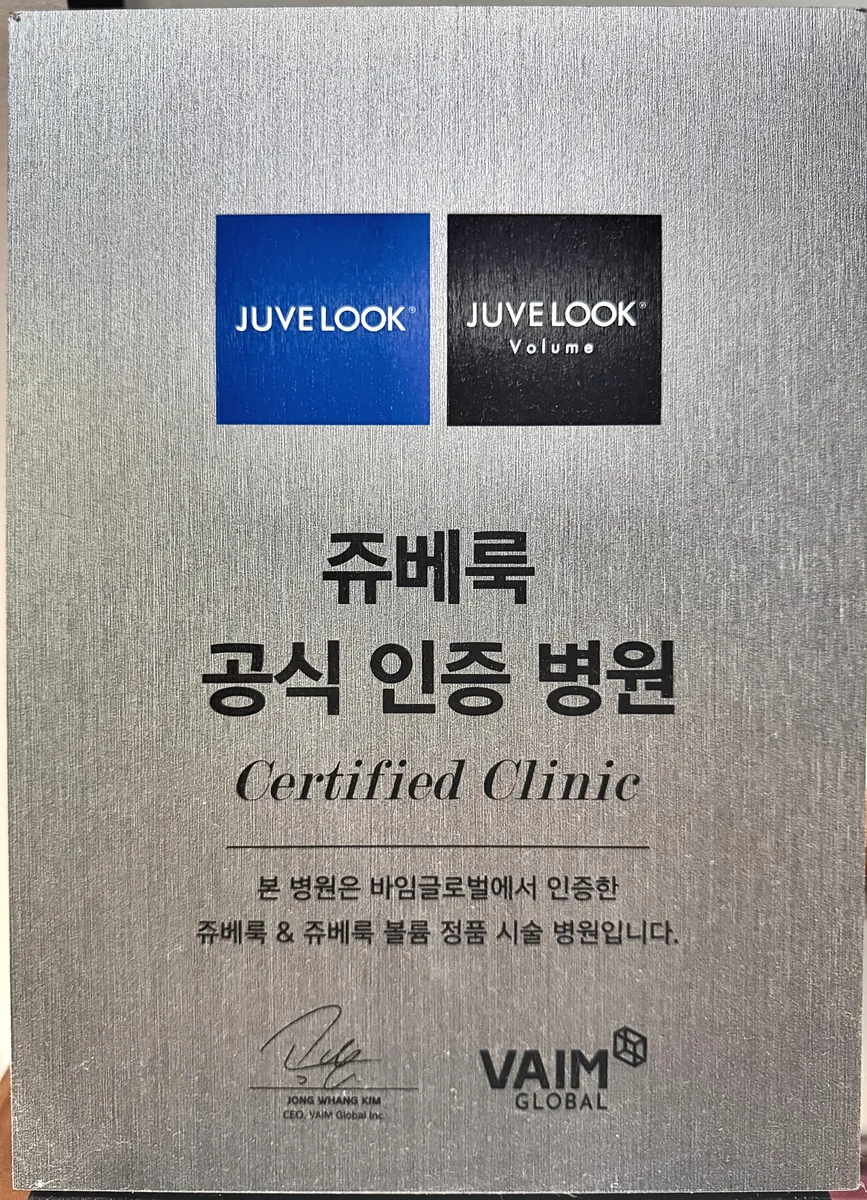
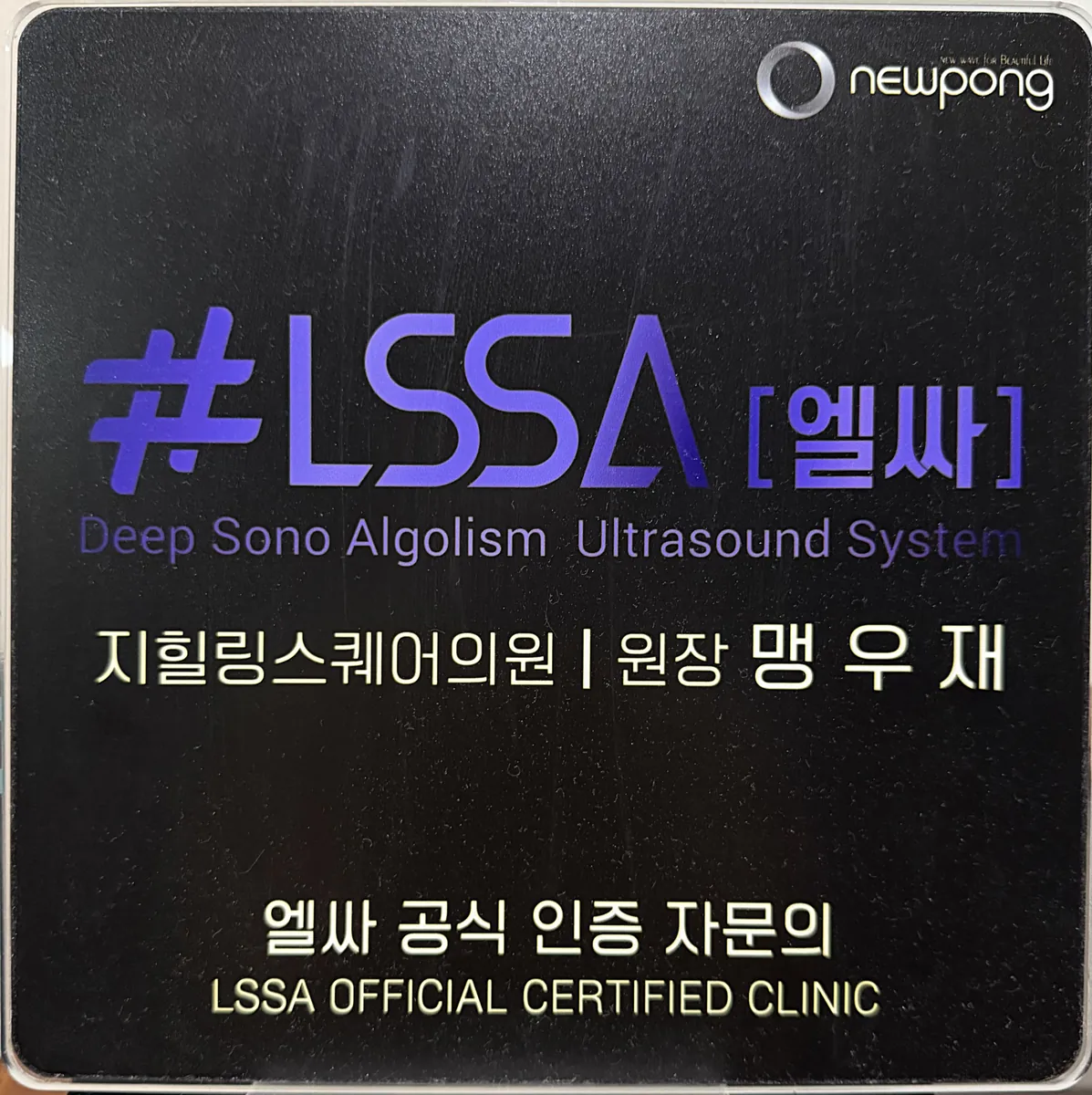
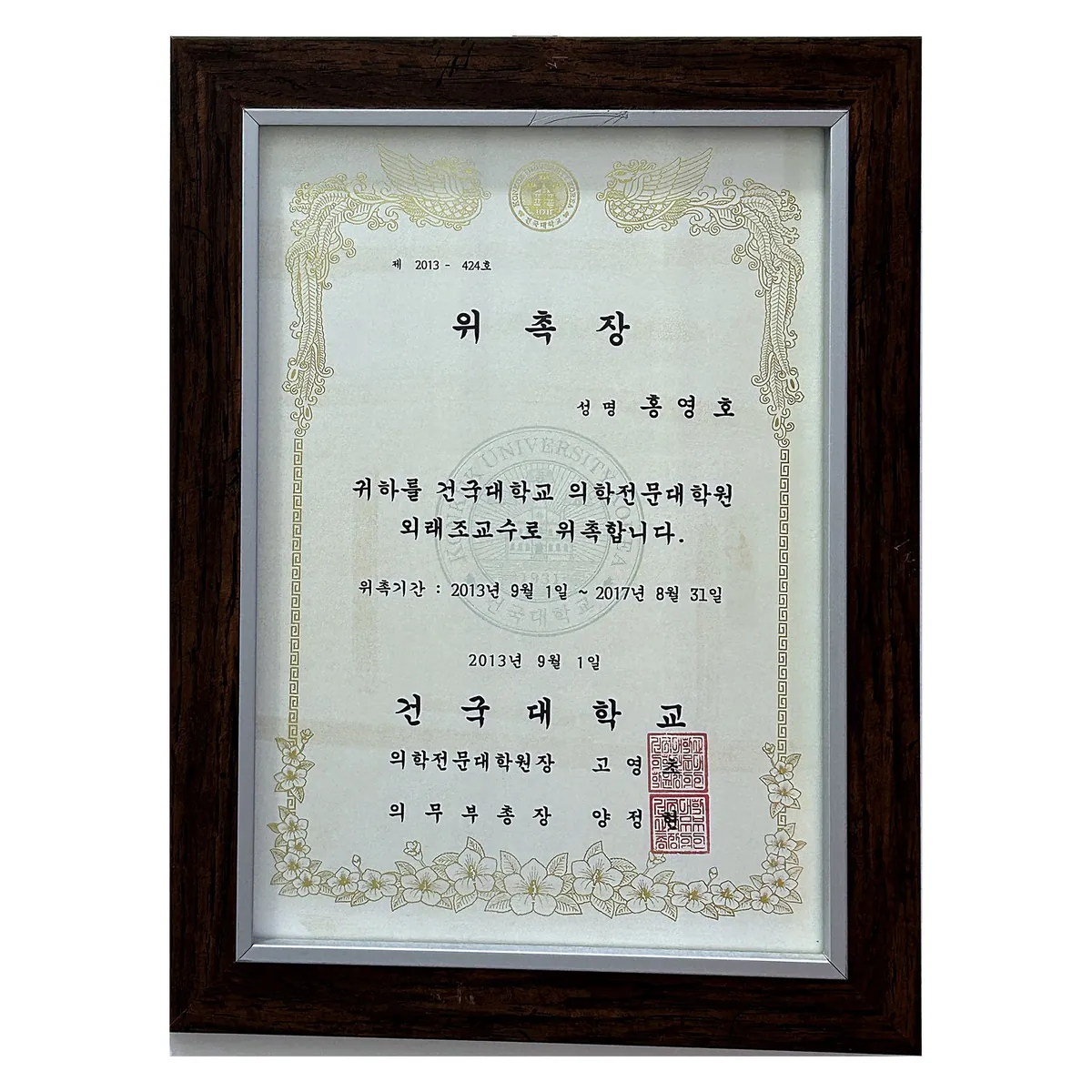
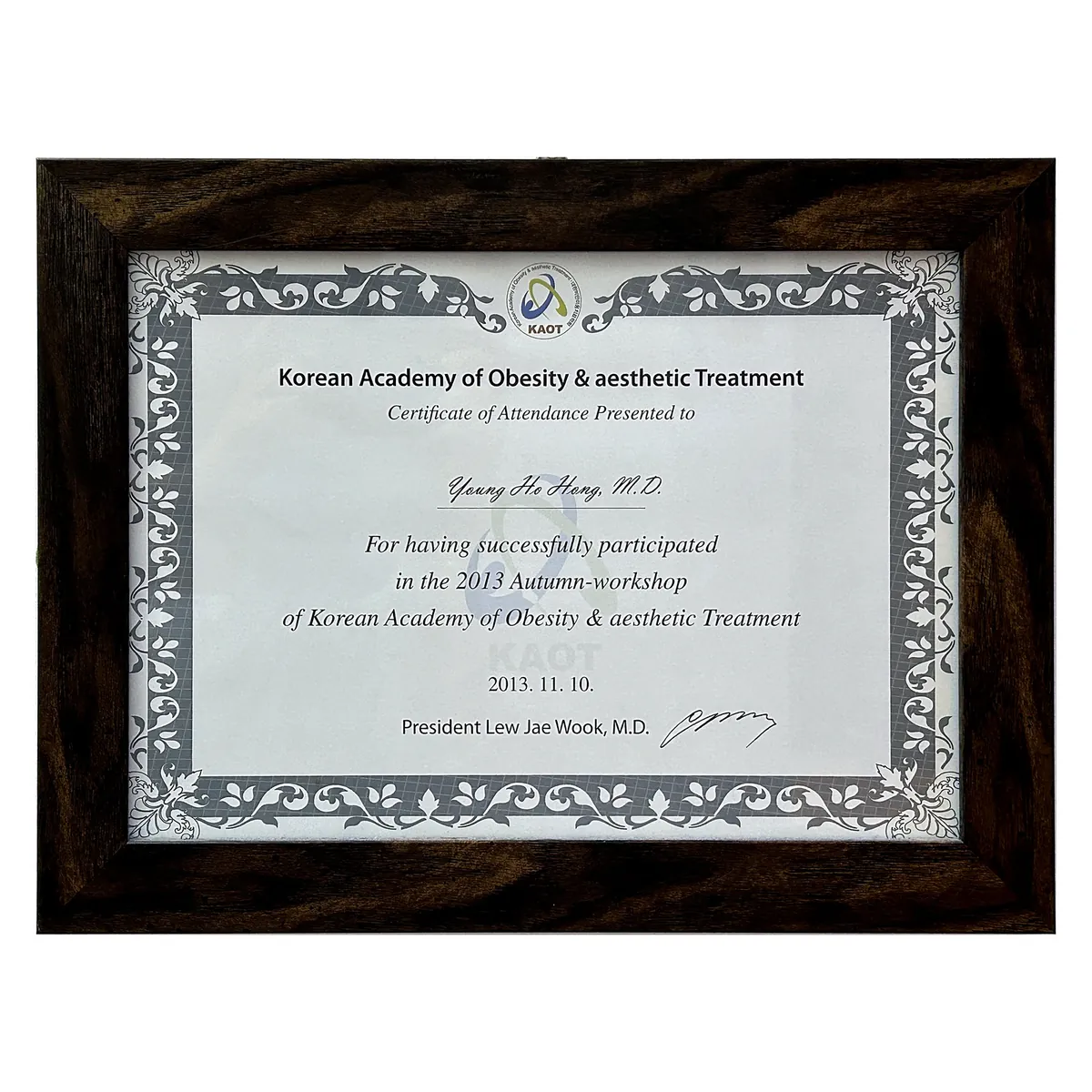
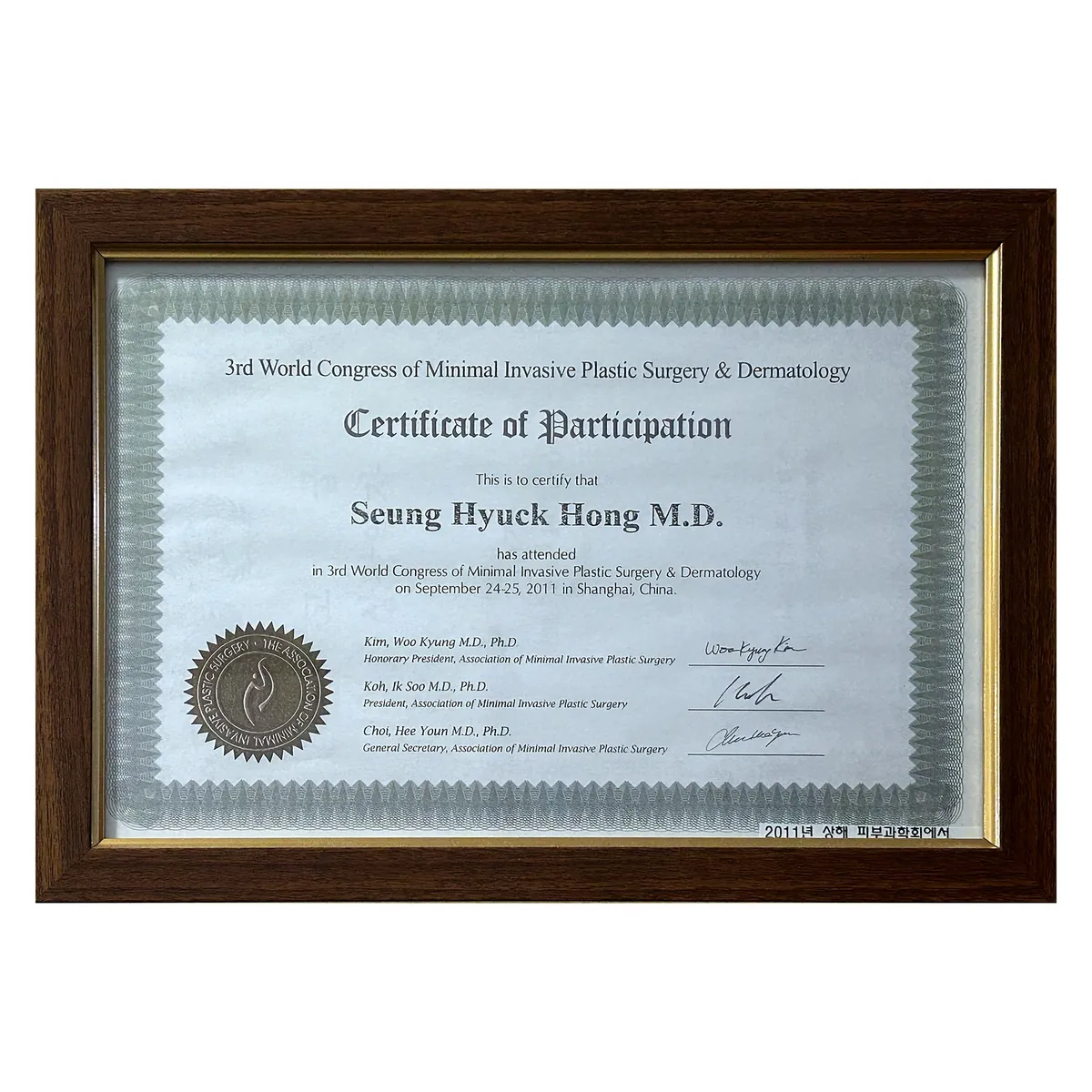
The G Clinic name dates to a 2012 device-maker advisory appointment. Each recognition below is stated as issued by its organisation.





Share your details and our team will reply through your preferred messenger. Consultation is free and pricing is quoted at your free consultation.
Thank you — our English coordinator will reach out as soon as possible.