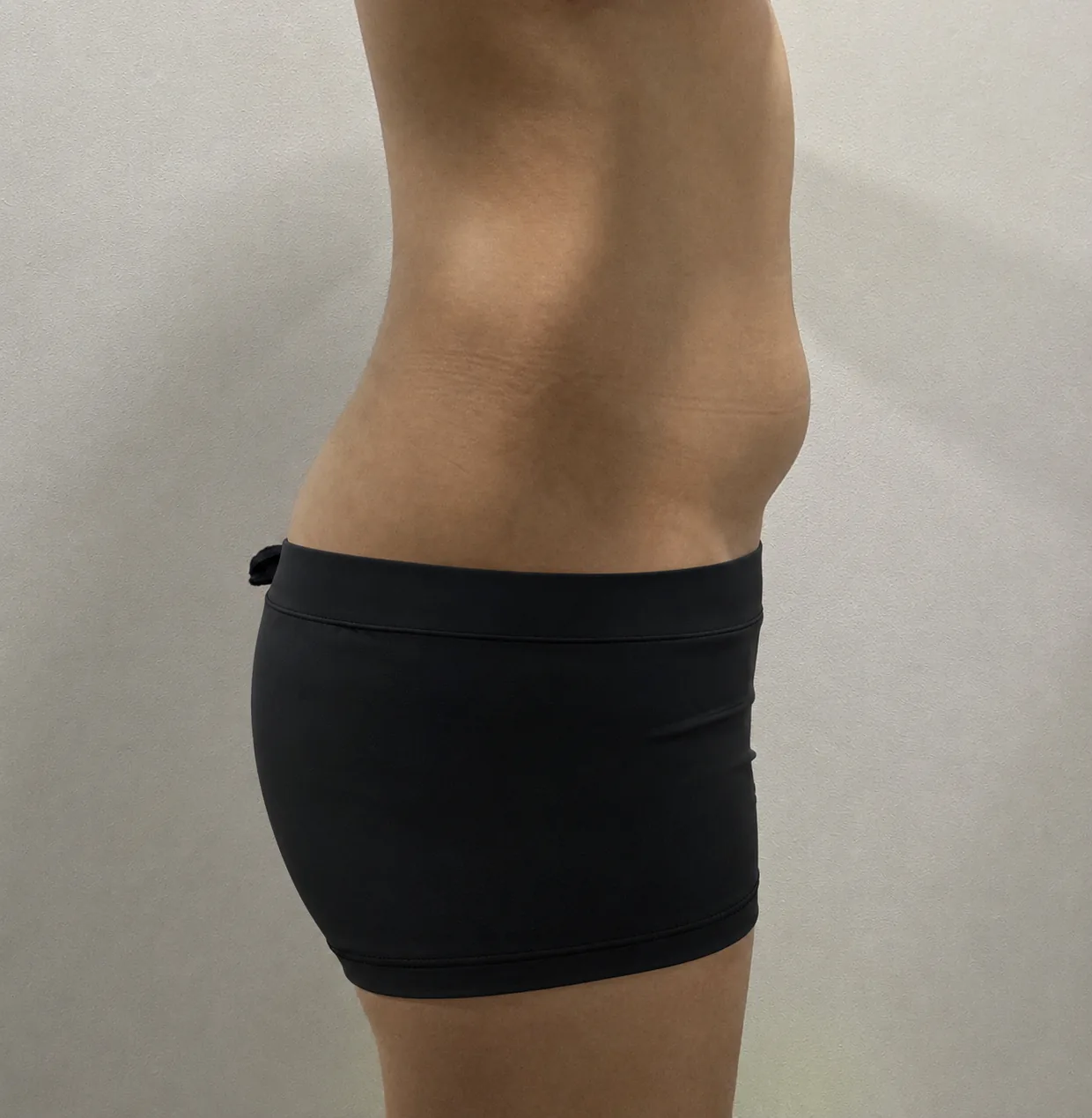
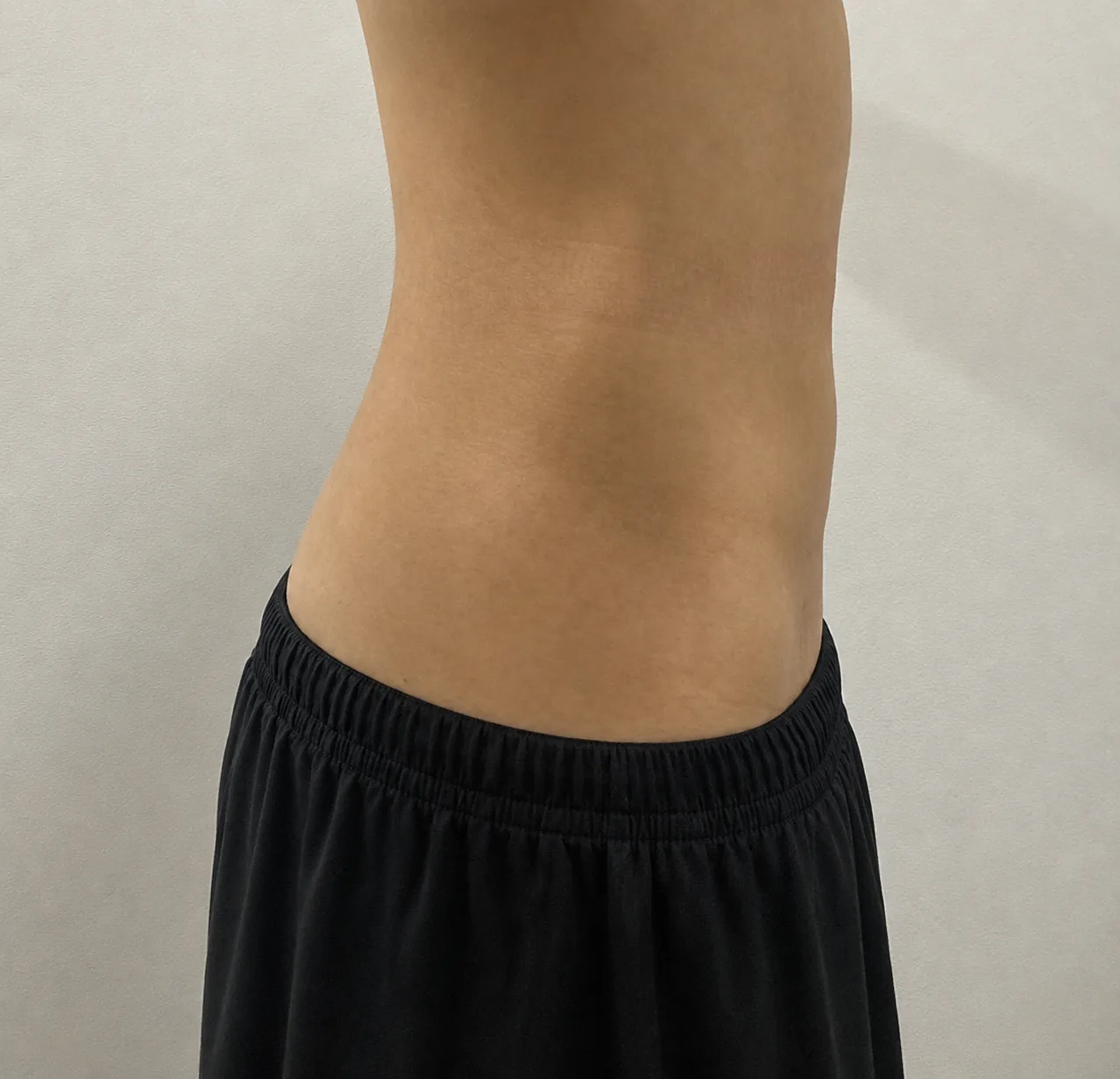
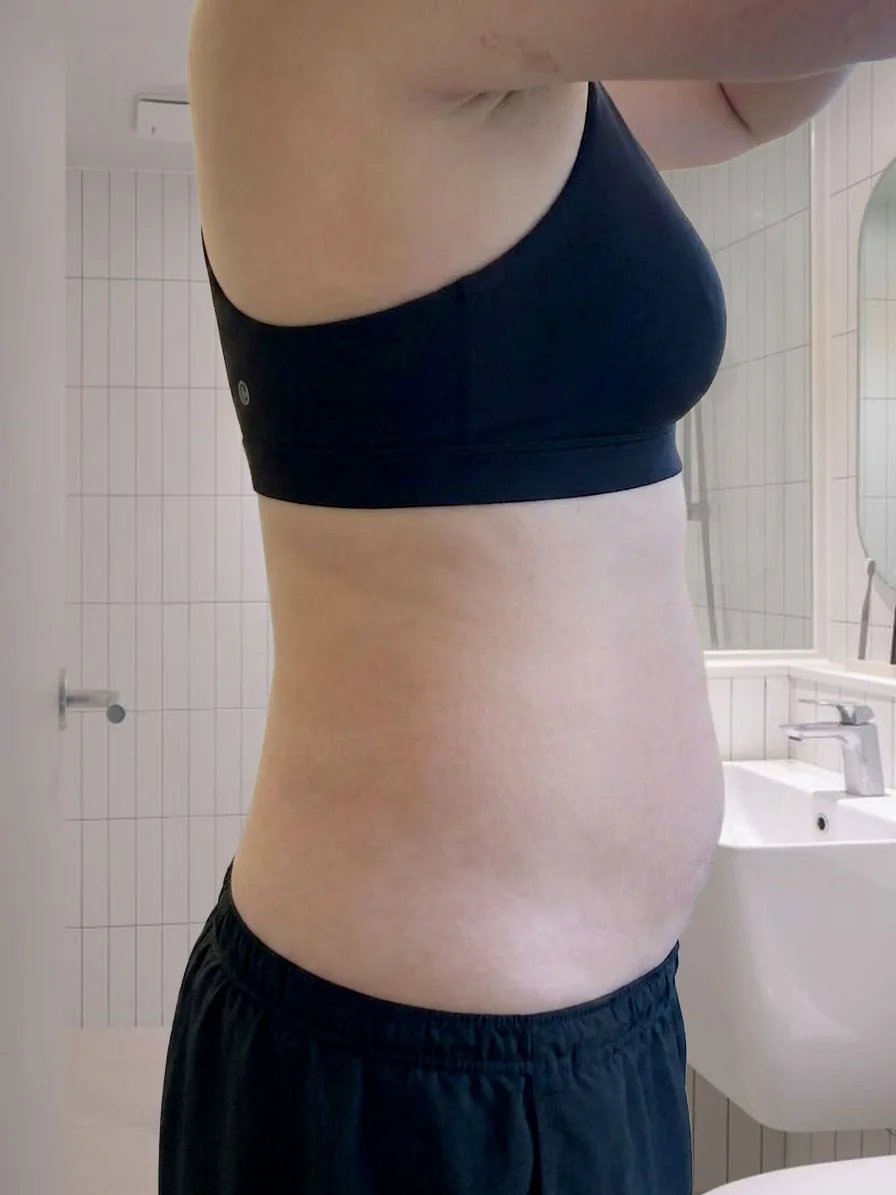
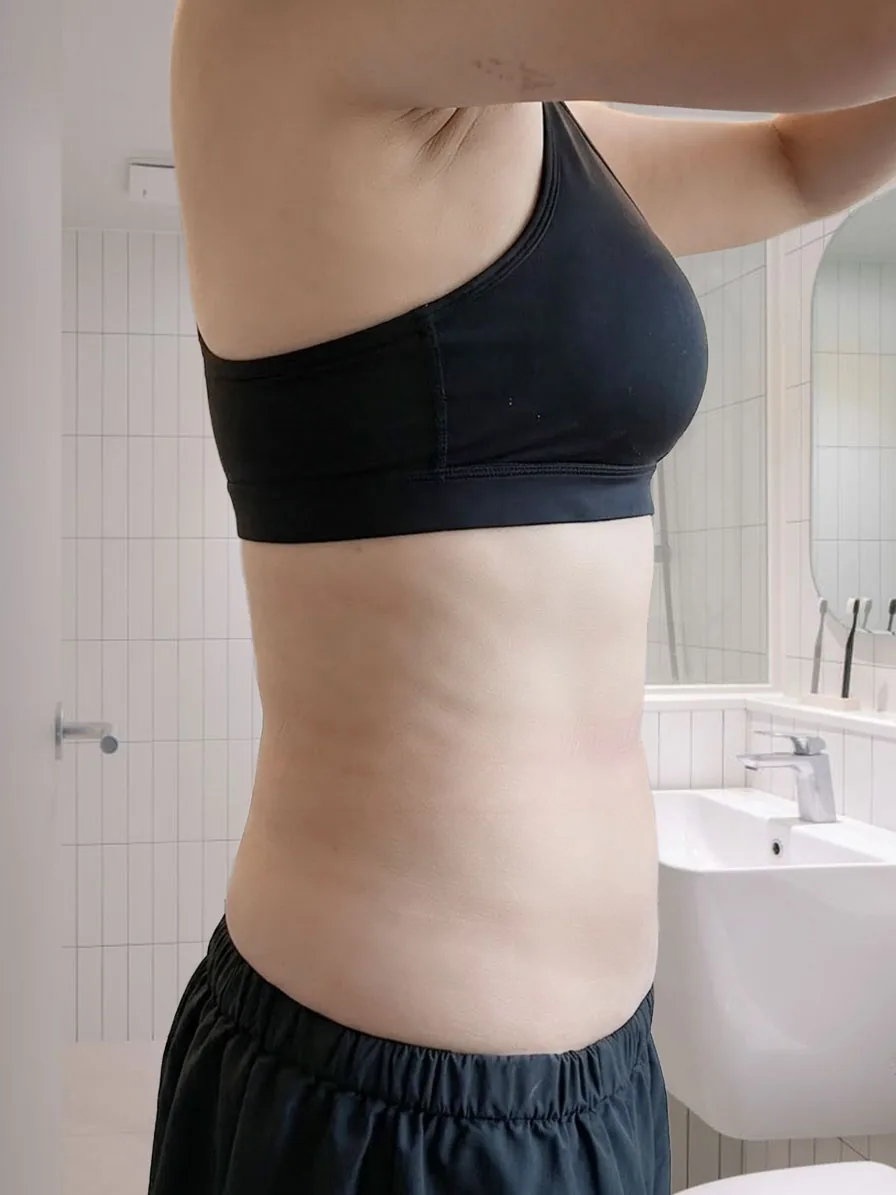
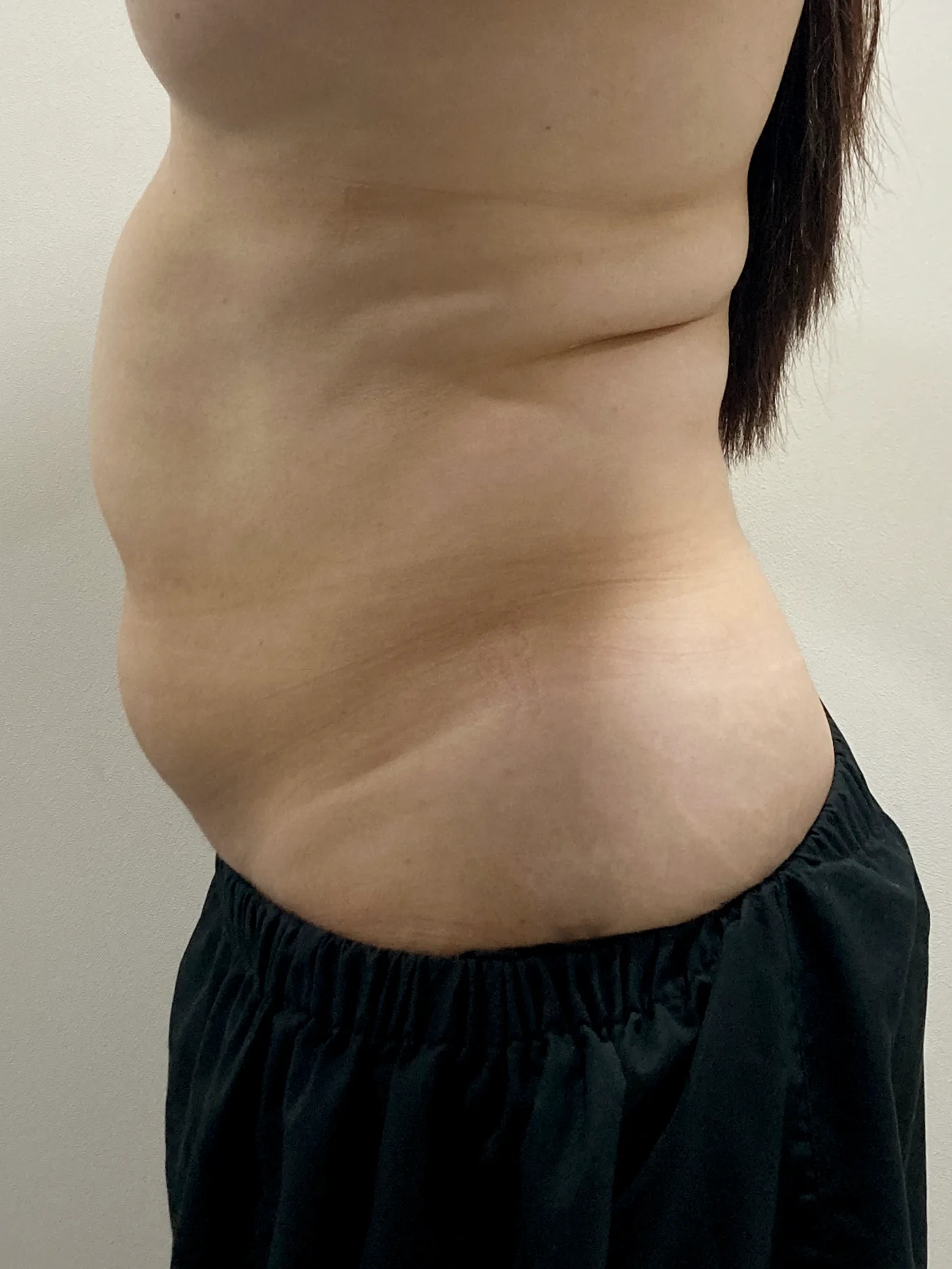
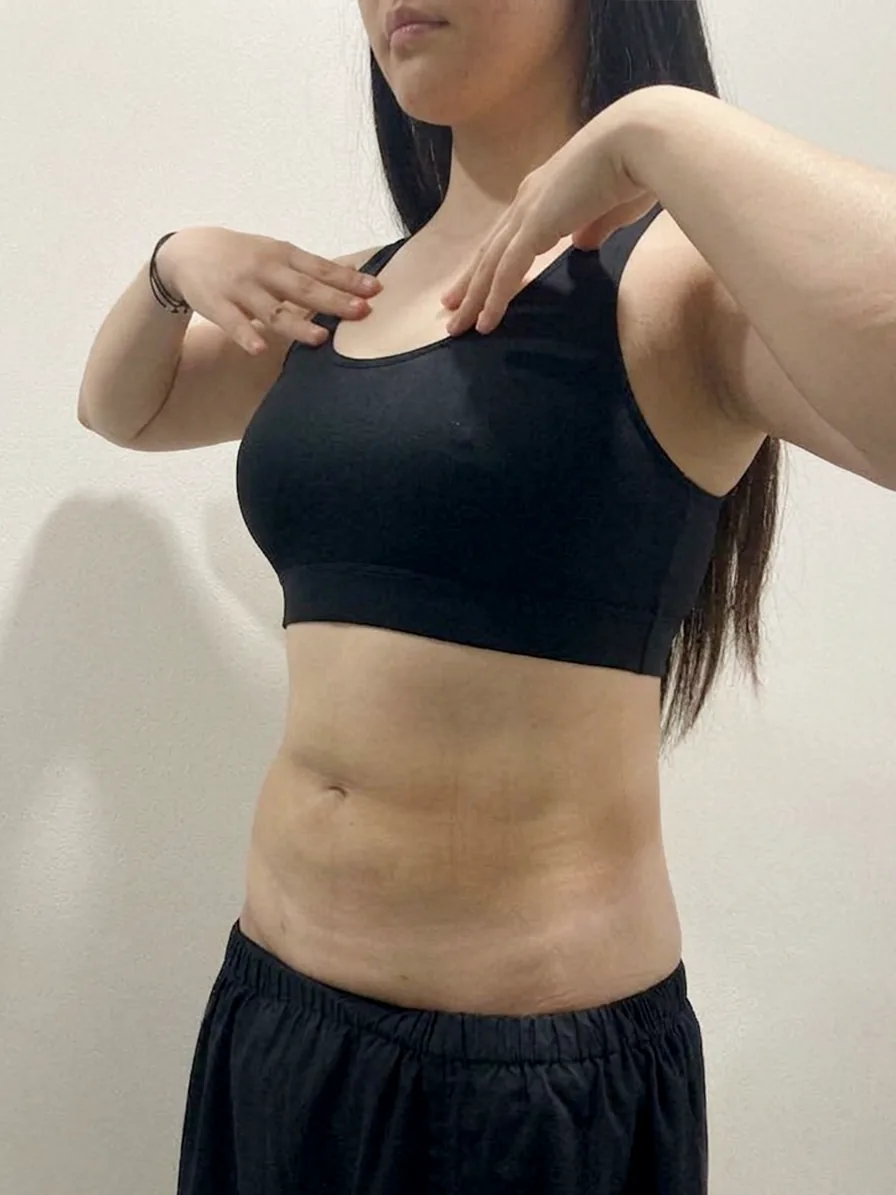
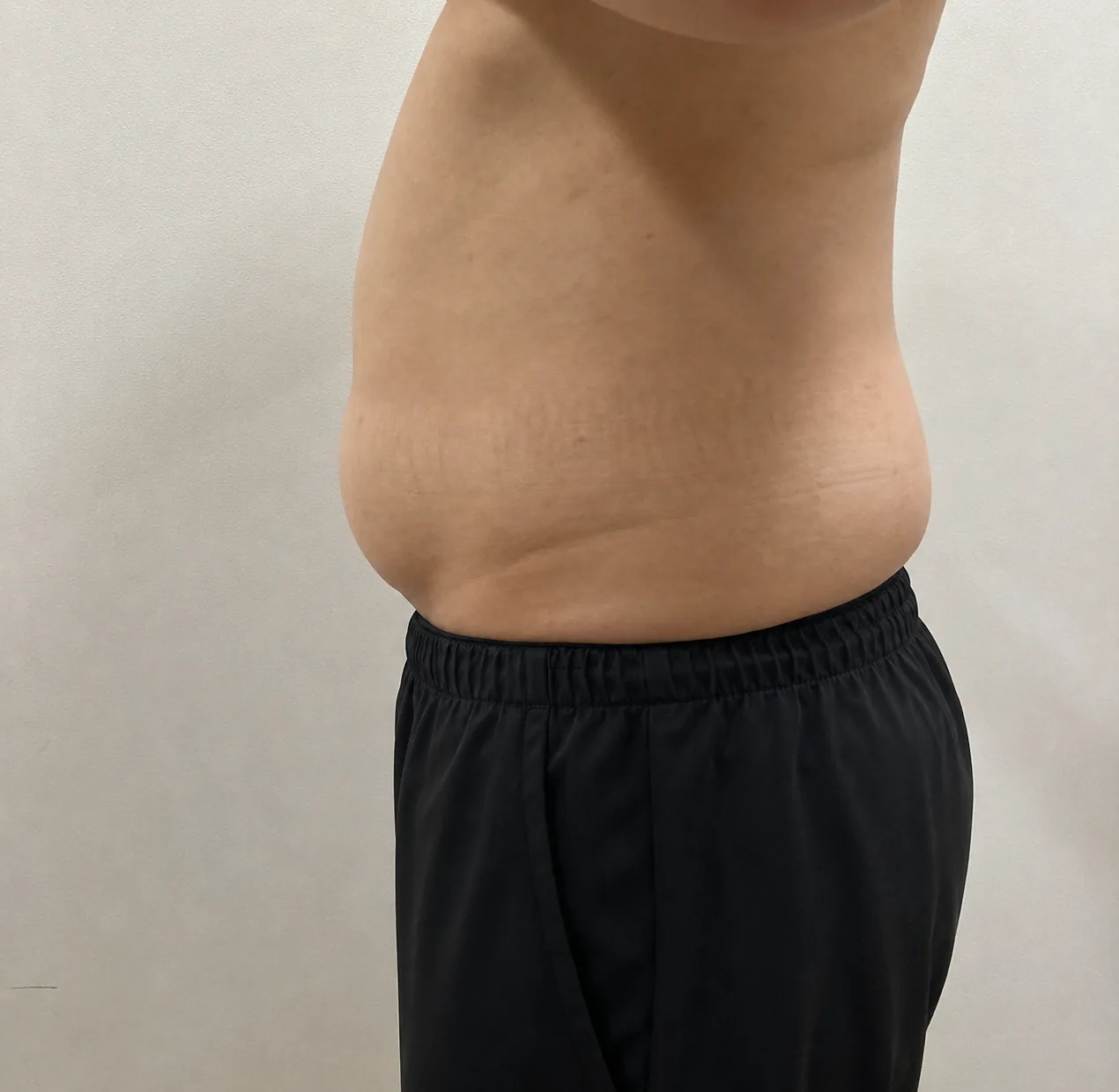
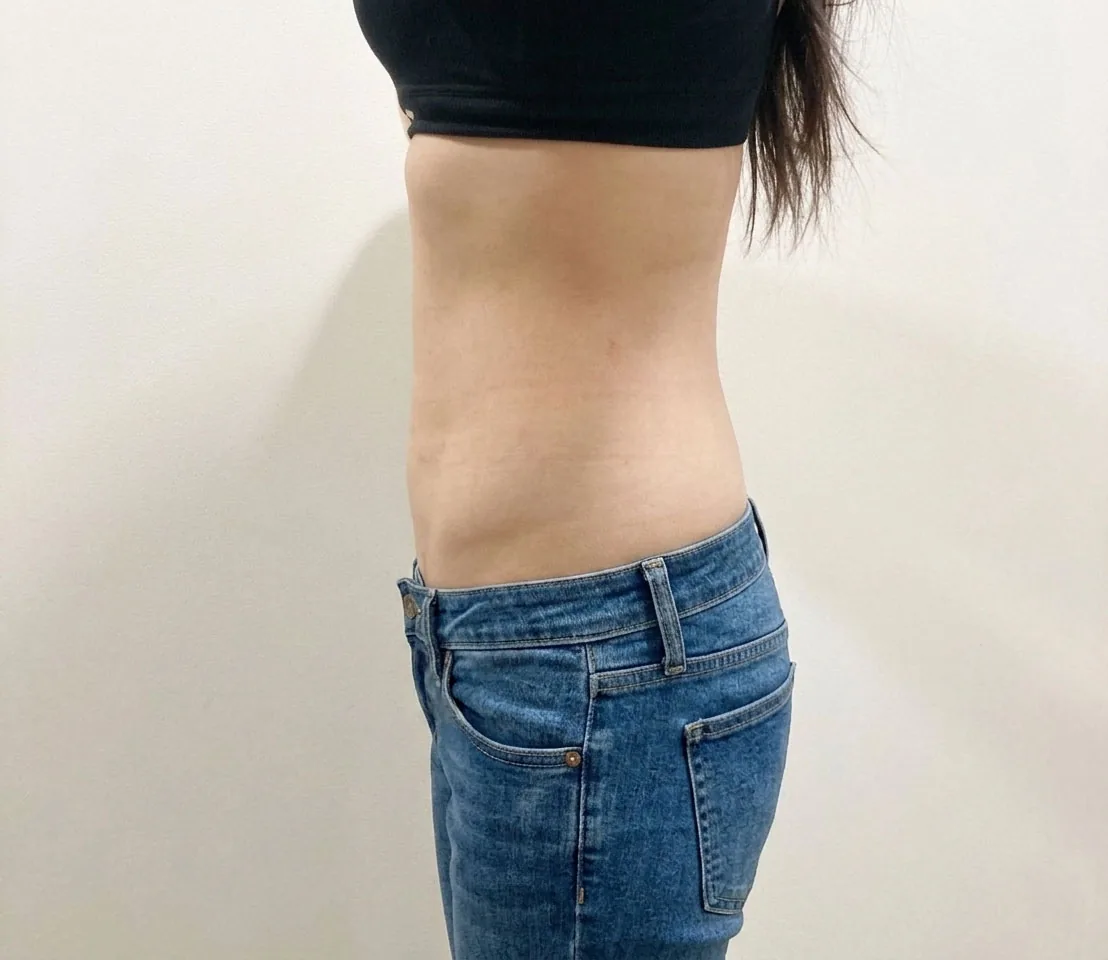
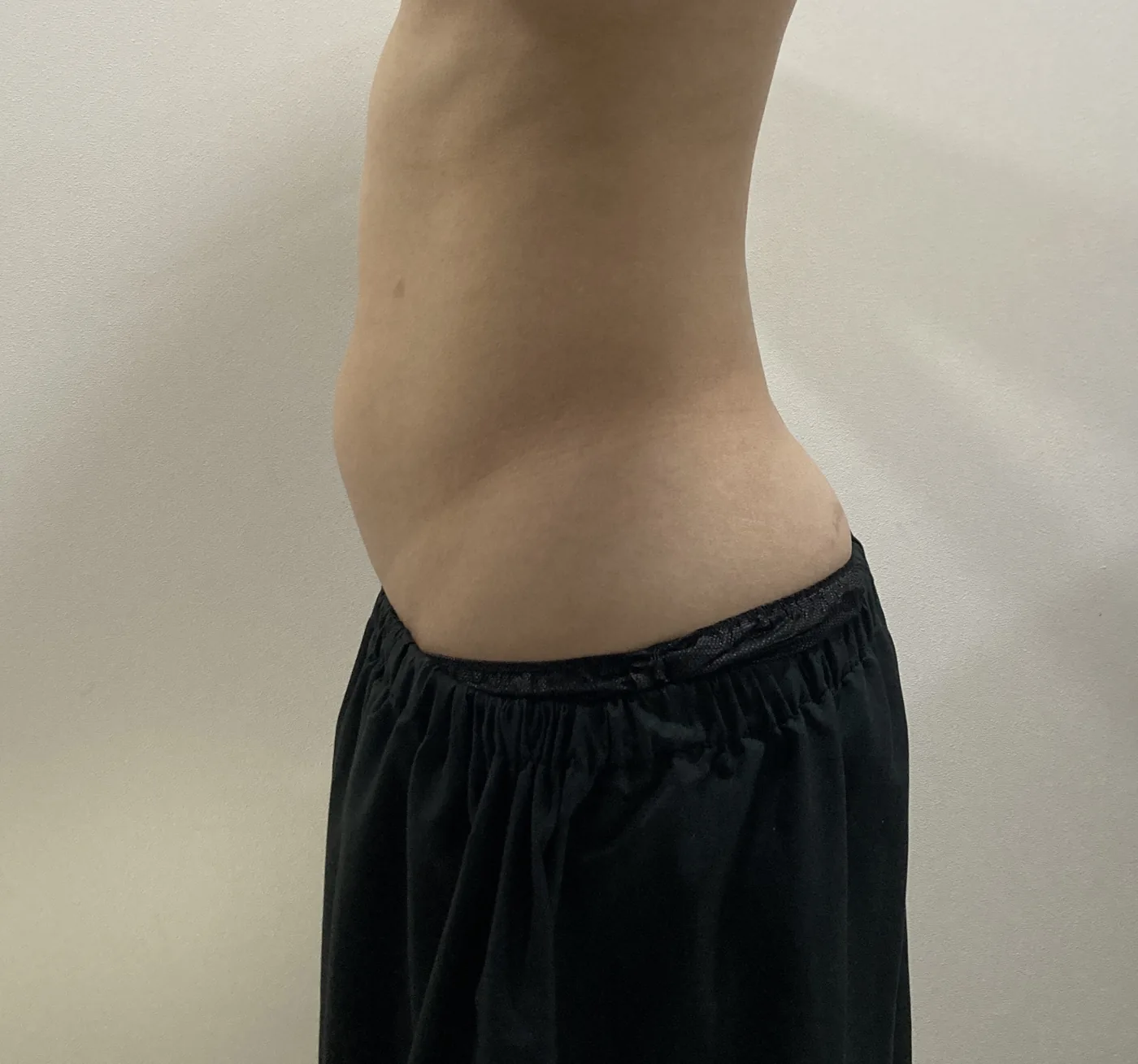
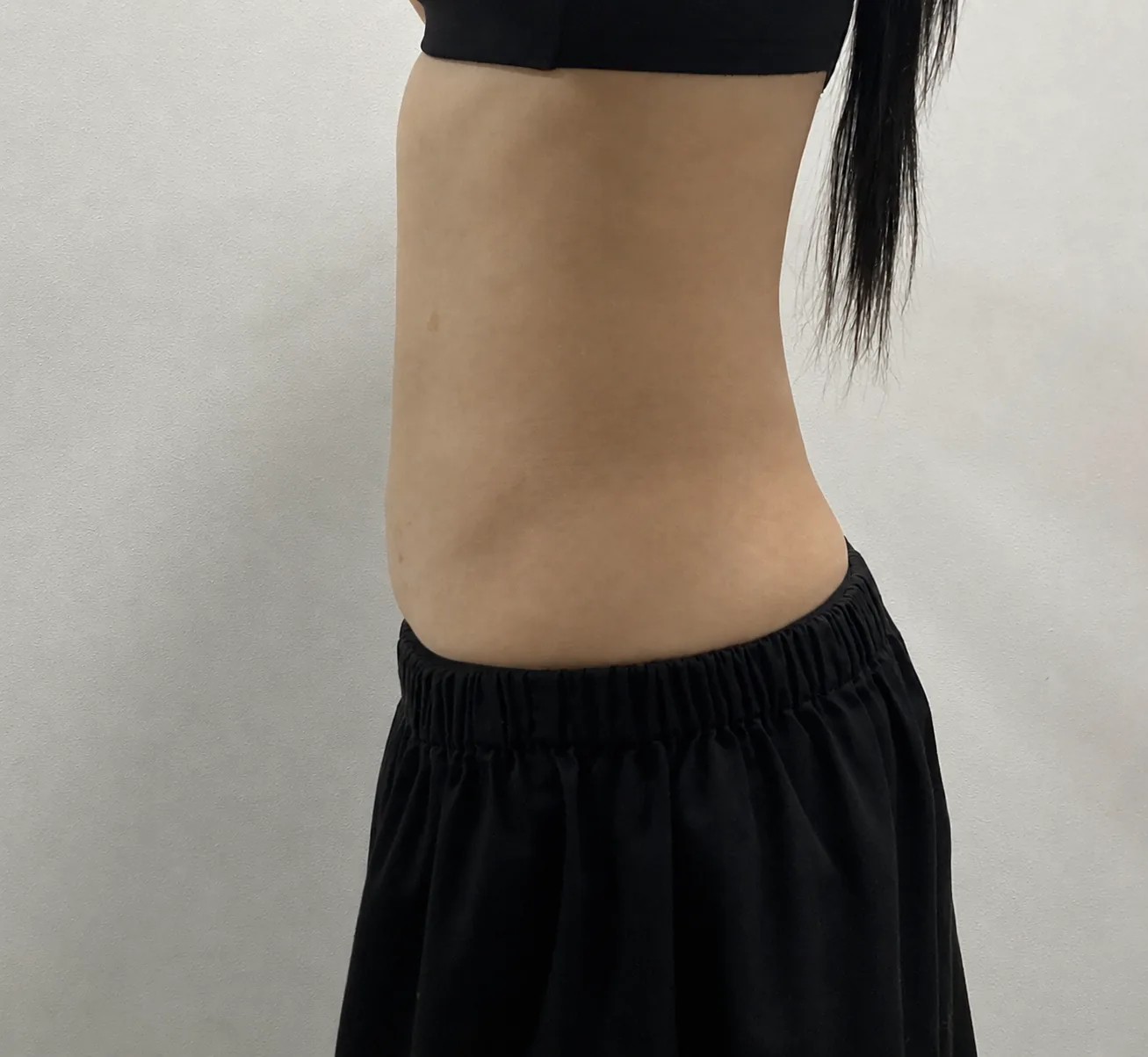
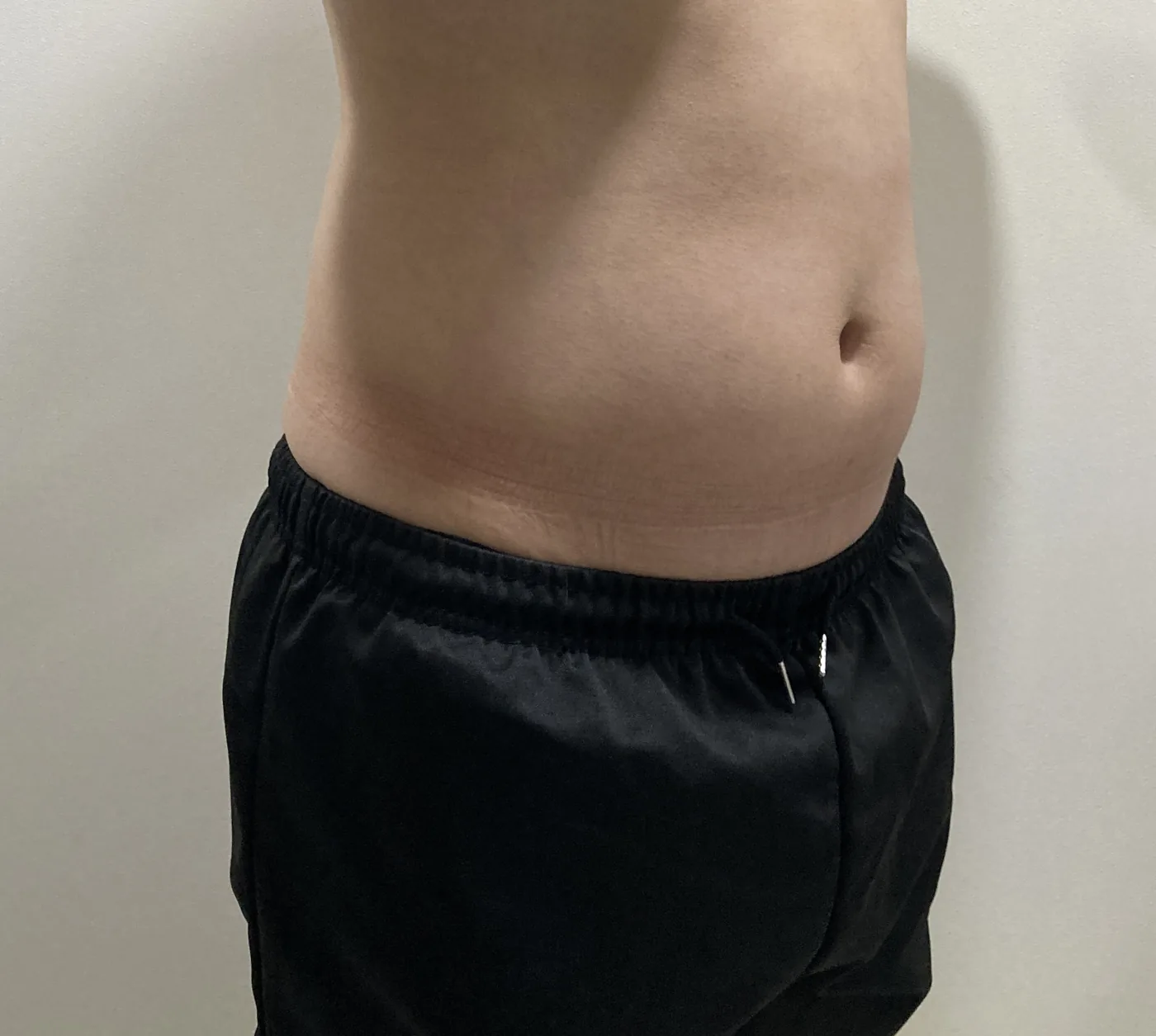
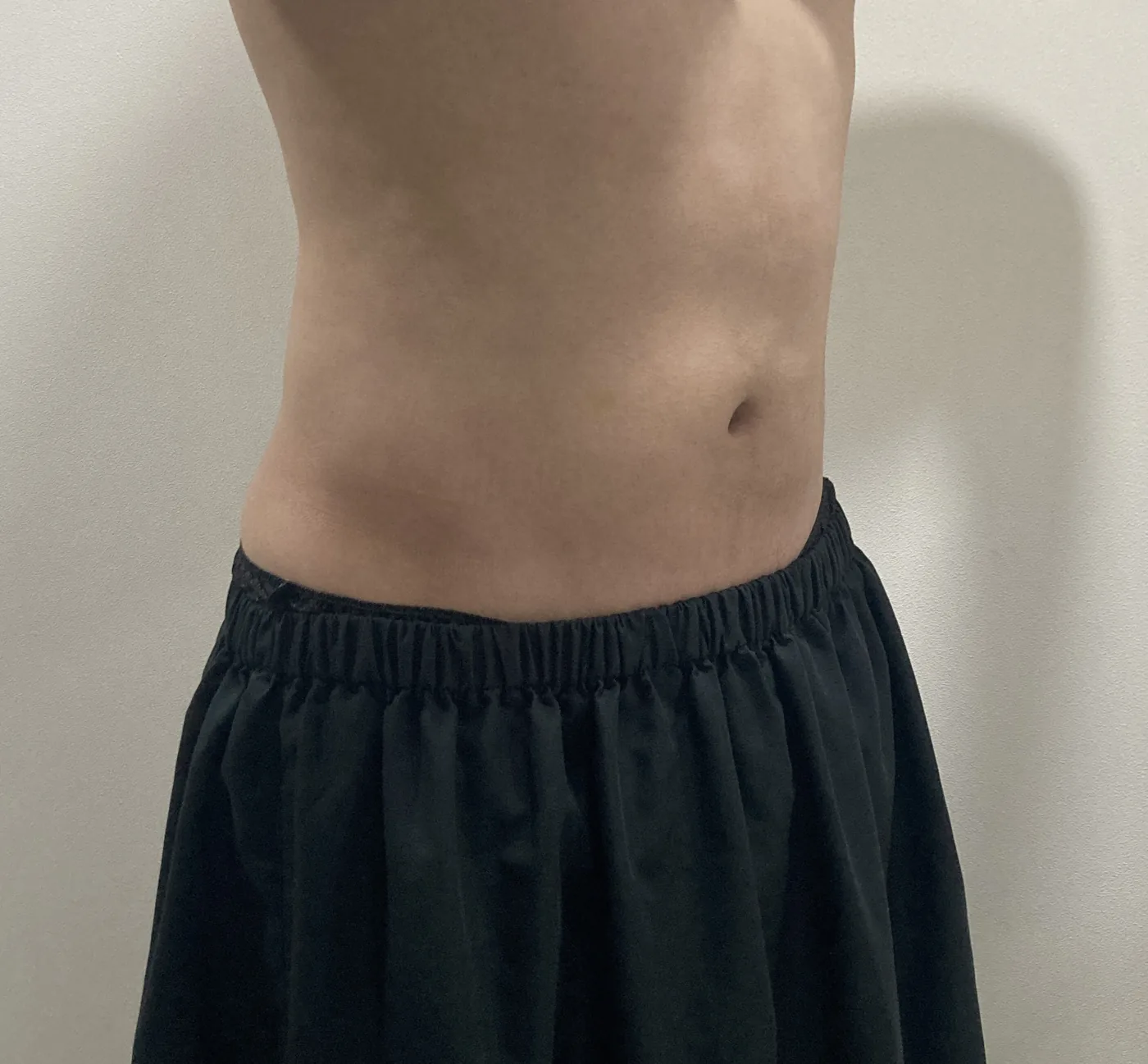
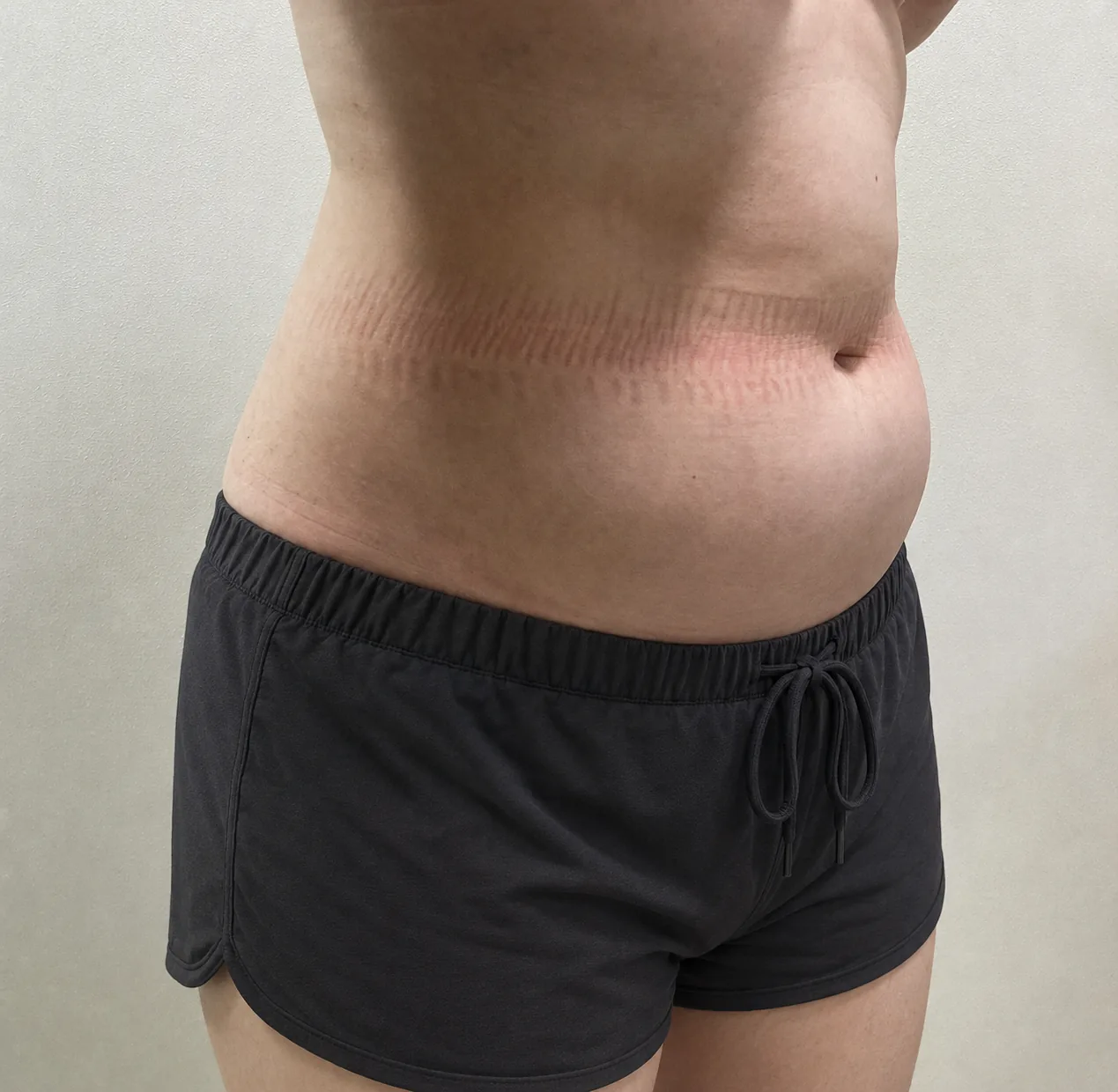
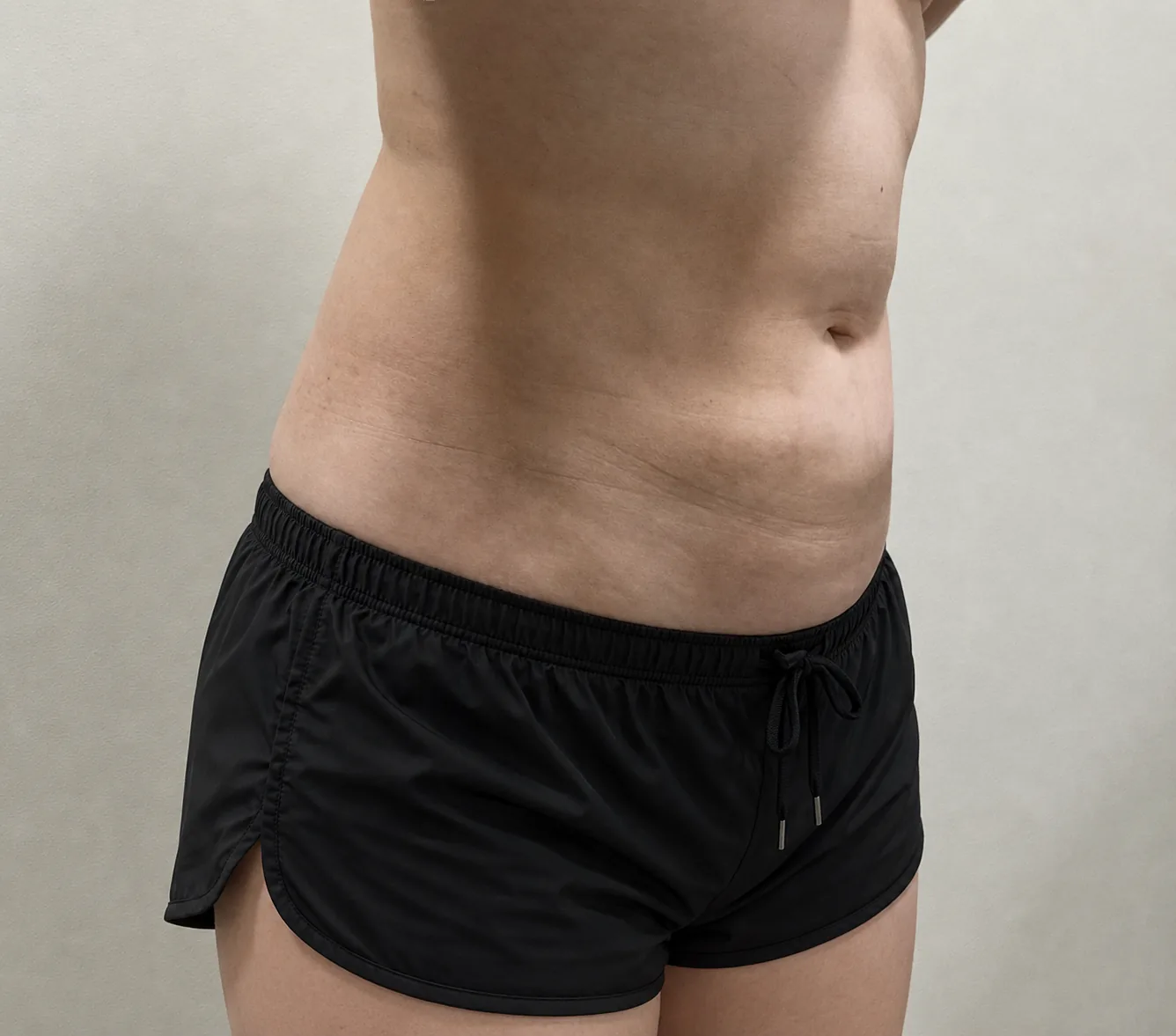
This is a minimally invasive medical procedure with real risks, and your director lists them out loud before consent is signed. Bruising, swelling and tenderness across the treated waist are expected for the first days, together with patches of numbness that fade slowly. Less frequently, patients develop surface irregularity, a seroma, firm nodules or fibrous adhesions under the skin, looser skin than they started with, infection at the entry point, or visible asymmetry between the two flanks.
A stomach has its own hazards because of its size. Unevenness is harder to hide on a broad flat surface than on a limb; the two sides of a waist have to be judged against each other with the patient standing; and a garment worn loosely lets fluid collect exactly where nobody wants it. Tell the clinic about every medication and supplement you take, any previous abdominal surgery, any bleeding tendency, and any past reaction to anaesthetic.
Afterwards the instructions are short and they matter: wear the compression as directed, keep the entry point clean and dry, and contact the clinic promptly if pain, redness, discharge or swelling increases after the first few days. A medical director is on site throughout opening hours, so someone qualified can look at your stomach in person, which beats guessing over a message.