★★★★★
Recommendations are made based on actual circumstances. The attitude is very good. Highly recommended.
Every review card on this page is pulled from the clinic’s own Google Business Profile and shown as its author wrote it. The people being written about are Dr. Hong Seung-hyuk, Dr. Maeng Woo-jae and Dr. Hong Young-ho, three medical directors who are board-certified Family Medicine specialists working in aesthetic dermatology.
Yes, and the mechanism matters more than the promise. The cards further down this page are read directly from the Google Business Profile that belongs to G Clinic in Gangnam, Seoul, through the Google Places interface, and republished here with the wording left alone. Nobody at the clinic can add a card, reorder the feed or delete a card that stings; the only way onto this page is through a Google account that a visitor controls. Author names appear as Google shows them, star counts are whatever the writer chose, and where the feed returns nothing, the strip on this page simply disappears and no invented praise fills the gap. That is also why you will find no average score and no rating badge here. This page carries individual voices; the scoreboard belongs on Google, where you can audit it yourself.
Unedited, in the writer’s own language, refreshed on a weekly cycle. An empty feed hides this strip; it is never backfilled.
Recommendations are made based on actual circumstances. The attitude is very good. Highly recommended.
I cannot recommend G-clinic highly enough. From the moment I walked in, my experience was nothing short of exceptional. The clinic itself is modern, clean, and welcoming. The front desk staff were incredibly warm and efficient. Checking in was a breeze, and they were very helpful with my new patient paperwork. The waiting time was minimal…
Process was perfect! I got some liposuction done, the doctor and staff were very nice and very professional. 100% would recommend anyone to get there procedures done here! They took out A LOT of fat! The doctor speaks perfect English as well!
Dr. Hong has perfect English and is very kind. I was glad my friend recommended me to come here via allaboutmei, it really has lived up to my expectations. The method and equipment used is very modern and top range, I was expecting to be in a lot of pain but I feel great! Thank you again Dr. Hong and all the other people that work at Gcli…
Four steps, none of which the clinic can shortcut. Knowing the route is the fastest way to judge whether feedback anywhere is worth your attention.
A person books a free consultation, meets one of the three directors, and either goes ahead or goes home. Both outcomes produce an opinion. Some of the strongest feedback the clinic receives comes from visitors who were examined, told a procedure would not help them, and left without paying for anything.
Google prompts many people automatically once their phone notices they visited a business. Others write days later. Either way the account is theirs, the star count is theirs, and the text posts publicly the moment they press send. Reception staff will hand you the map link if you ask, and that is the extent of the clinic’s involvement.
A scheduled task queries the Google Places interface for the profile attached to this address and stores what comes back, including the star count, the writer’s display name, the profile picture and the date. New cards appear on the next cycle. Nothing is retyped by hand, so nothing can drift in transcription.
The stored text is escaped and printed inside the strip above. A very long entry is cut at a character limit with an ellipsis, and every card keeps a link back to its author’s Google profile so you can open the original. That truncation is the single edit anything undergoes.
A Google review is attached to a place, and a place has one profile. The profile for this clinic is tied to the building on Dosan-daero, so a review posted about a different address, a different company or a different country cannot land in this feed. That constraint does a lot of quiet work: it is what separates a platform review from a testimonial typed into a website by whoever owns the website.
Two things follow. The first is that the clinic cannot curate. A one-star entry sits in the same queue as a five-star entry, and if the feed hands one over, the strip shows it. The second is that you can leave this page entirely and check. Open Google Maps, search the clinic name and the district, and compare what you see there with what you saw here. Any gap between the two would be a reason to distrust everything else on this site.
What a card does not carry is a treatment file. A writer may name a procedure in passing without describing what was planned, how many areas were involved or what their skin was like beforehand. If you want the procedure itself explained properly, the G-fat fat extraction page and the liposuction in Korea page do that job, and this one stays on the subject of feedback.
Feedback that arrives publicly is handled the same way as feedback that arrives by messenger: it goes to the director who saw that patient. Because all three directors are on site during opening hours, an unhappy person can usually be looked at again quickly, and a swelling pattern or a firm patch that worried someone at day four can be examined at day ten by the same doctor who treated it.
The clinic’s preference is that a problem reaches it before it reaches a review page, purely because a doctor can act on the first and can only apologise for the second. Coordinators give every international visitor a messenger route home with them for that reason, and they answer in English. Nobody is asked to take a public comment down as a condition of being seen again.
Where a criticism concerns what something cost and not how it was carried out, the answer is usually a document: the written plan produced at consultation, and the published rate card it came from. Both exist so that an argument about money can be settled on paper. The published price list is open to anyone before they board a plane.
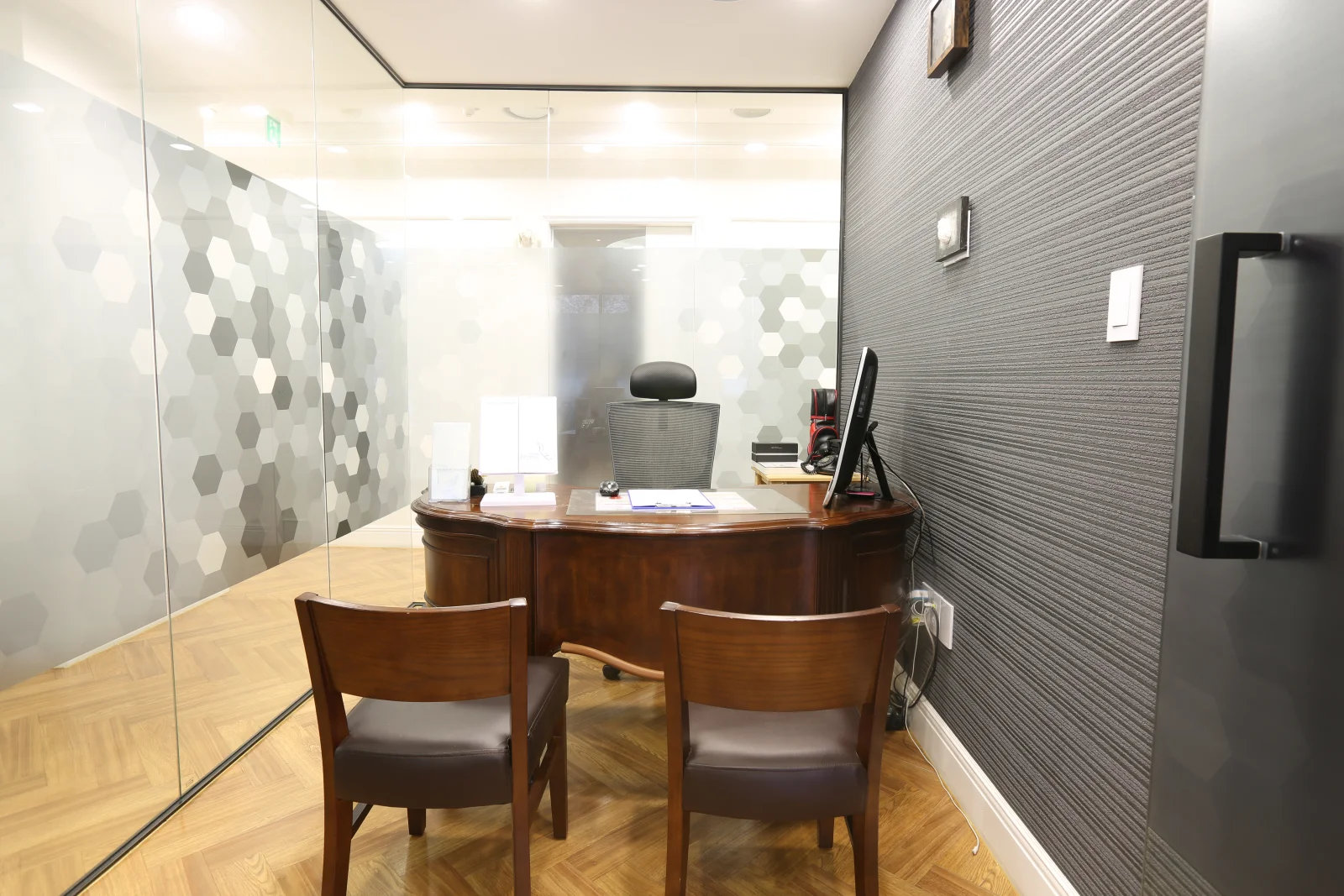
A share of consultations end without a booking because the director declines to treat. Someone arrives asking for fat extraction on an abdomen that is soft and lax with very little left to take out; removing the remainder would leave that skin looking worse, so the recommendation is skin-tightening work or nothing at all. Someone else has a firm, round midsection where the volume sits behind the abdominal wall, which contouring cannot reach. Pregnancy and breastfeeding put the conversation on hold entirely. An unexplained bulge that may be separated abdominal muscle or a hernia is sent for surgical assessment, and no cosmetic plan is discussed until that is cleared. Uncontrolled medical conditions and certain medications stop the discussion until a physician has settled them.
These are the appointments most likely to be described inaccurately afterwards, in either direction. A visitor who was refused may write that the clinic wanted to sell them something bigger; another may write warmly about being sent home with nothing to pay. Neither version tells you what was on the examination couch that morning. Read refusals as evidence that assessment happens, and bring your own case to a director before you decide what any of it means for you.
Patients weighing an injectable course against a surgical route often find the refusal conversation easier once they have read the comparison of fat dissolving injections and liposuction, because it sets out which body types each approach genuinely suits.
Read enough of the feed and the same handful of subjects surface. Language is the first. Consultations run in English with the director in the room, so the person explaining the plan is the person who will carry it out, and the explanation does not pass through a third party. Visitors who have travelled for treatment elsewhere tend to notice that difference immediately and mention it.
Money is the second. The rate card published for international visitors is the card a director quotes from in the room, so the number discussed at consultation is the number on the page you can read before flying. There is no separate visitor tariff and no figure that only appears once you are seated.
The third cluster is the ordinary business of a clinic day: how long the wait was, how the front desk handled paperwork for a first-time visitor, what the treatment floor looked like, and how the first days afterwards felt while swelling settled. None of that is medical evidence. It is simply what people notice, and it is worth reading precisely because nobody at the clinic chose it. Individual results may vary, and a single card describes one person on one day.
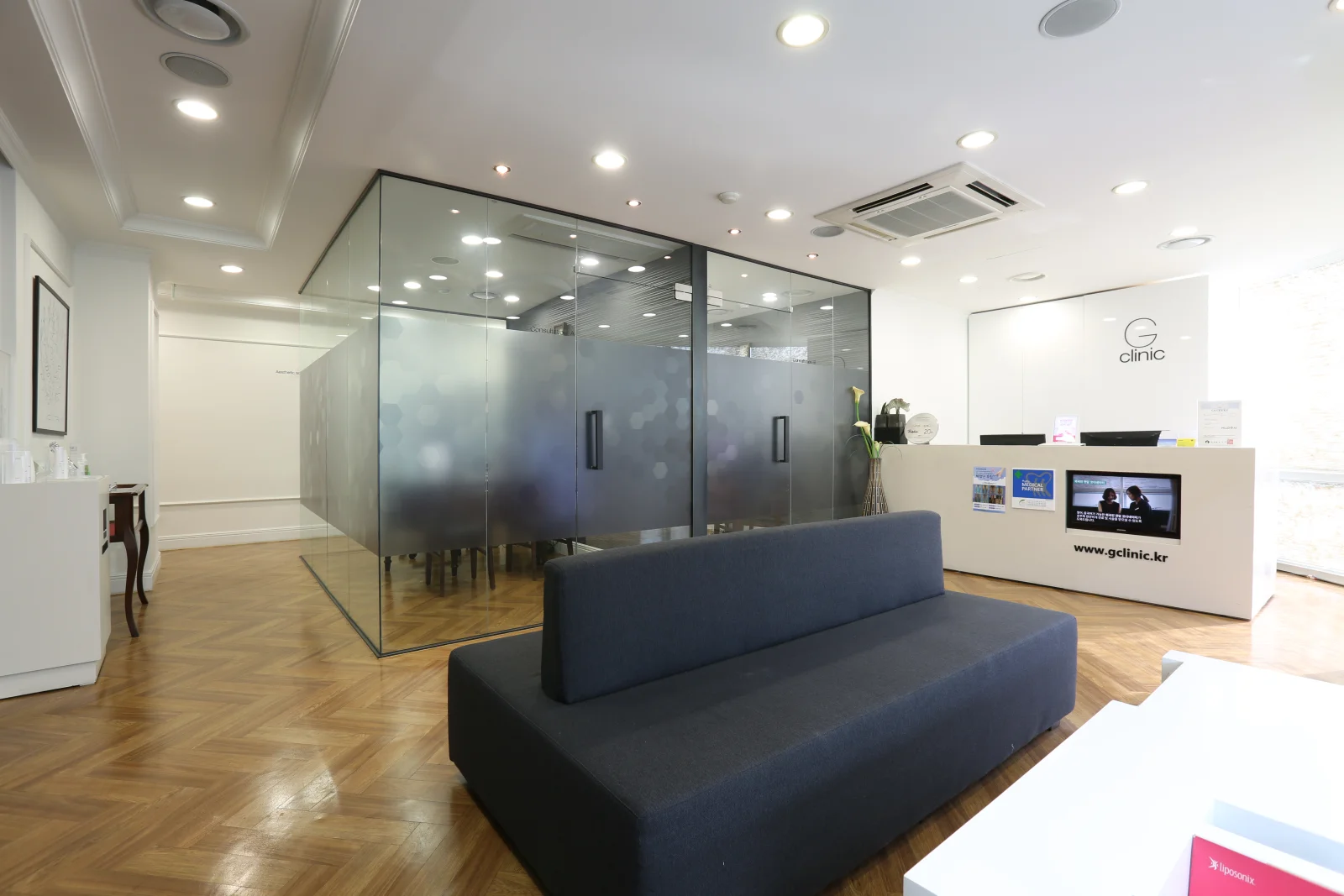
Cost turns up constantly in feedback, and it is the one subject a review cannot settle for you, because a figure only means something once it is attached to a plan. What the clinic publishes for this page is shown below; where a service is quoted individually it says so, and a director confirms your own total in writing at the free consultation before anything is booked.
No volume of positive feedback removes the risks of a procedure, and reading reviews is a poor substitute for a consent conversation. Minimally invasive body contouring at this clinic carries bruising, swelling and tenderness across the treated zone as expected effects, alongside patches of numbness that take weeks to fade. Less commonly, patients develop surface irregularity, a seroma, firm nodules under the skin, skin laxity, infection at the micro-entry point, or visible asymmetry between two sides. Injectable and energy-based treatments carry their own list, from redness and small bumps to bruising over a nerve-rich area.
Your director goes through the relevant list with you by name before you agree to anything, and that conversation is specific to your anatomy, your medication and your history. Tell the clinic everything you take, including supplements, every previous procedure in the area, and any past reaction to anaesthetic. Local anaesthesia is standard here and you stay awake and talking; sedation is available as an option at additional cost.
A review also cannot show you a timeline. Somebody delighted at week one may have had a straightforward course; somebody frustrated at day three may be describing normal swelling. If pain, redness, discharge or swelling increases after the first few days, contact the clinic straight away, because a medical director can look at the area during opening hours and a comment box cannot.
Downtime is the most quoted and least transferable thing in any review. A writer who was back at a desk the same afternoon may have had one palm-sized area treated; a writer who took a week off may have had several zones done at once, or a job that involves standing. Neither figure predicts yours, and neither writer was asked to state the difference.
The variables that actually move recovery are how many areas were treated, how much was removed, whether compression was worn as instructed, and how your own tissue behaves. Travel adds another: a long flight too soon after a session is uncomfortable and should be cleared by a director first. Anyone planning a trip around a procedure should read the liposuction recovery guide and then confirm the dates with a coordinator.
Use the cards for texture and atmosphere. Use a consultation for your timeline. The two answer different questions and only one of them has examined you.
Reviews, clinical photographs and consultation records answer different questions. Knowing which is which keeps your research grounded.
| Evidence type | Google review cards | Clinic case photographs | Your consultation record |
|---|---|---|---|
| Who writes it | The visitor, on their own account | The clinic, with the patient’s consent | The director who examined you |
| Can the clinic edit it | No | Selection yes, image content no | It is a medical record |
| Where it lives | Google, mirrored on this page | Treatment pages on this site | Your file at the clinic |
| Question it answers well | What was the visit like | What does this procedure change | What will happen to me |
| Weakness | No clinical context, self-selected writers | Cases differ from yours | Exists only after you attend |
| Verifiable elsewhere | Yes, on Google Maps | Consent held on file | Given to you in writing |
Photographs published elsewhere on this site are shared with patient consent and carry a variability note. Individual results may vary in every case.
If you have been treated here, or examined and sent away, the route is short. Search the clinic name together with Gangnam in Google Maps, open the profile that matches this address, scroll to the review field and write. You need a Google account and nothing else. Reception will show you the profile on a screen if you would rather see exactly where your words are going.
What helps a future reader is specificity: which treatment area, roughly when, what surprised you, and what you wish you had known before booking. Please leave out anything you would not want a stranger to know about your body, since the post stays public on the platform indefinitely. The clinic asks nothing in exchange, offers nothing in exchange, and cannot make a card disappear once it exists.
If something went wrong, say so, and tell the clinic directly as well. A messenger thread reaches a director; a public post reaches other readers. Doing both is entirely reasonable, and only the first one can get your concern looked at this week.
They are read from the Google Business Profile registered to this clinic’s address in Gangnam, Seoul, through the Google Places interface, and stored by a scheduled job that runs weekly. The strip above prints what that job stored: the writer’s text, their star count, their display name and their profile picture. Where the feed comes back empty, the strip vanishes from the page entirely.
No. The post belongs to the Google account that wrote it, so only that person can edit or remove it, and the platform itself can act against entries that break its own rules. The clinic has no delete button, and no filter sits between the stored feed and this page. That is the whole reason a platform feed is worth mirroring here at all.
Because a summary score is a claim about the clinic, and this page is built to carry voices rather than claims. The individual cards show whatever rating each writer chose, and the running average lives where it can be checked independently, on the clinic’s Google Maps listing. Anyone who wants the aggregate can read it there in a few seconds.
Cards are shown in the language they were written in, and the feed is grouped by language so that each version of the site surfaces entries its readers can actually read. Nothing is rewritten to sound better, and nothing is translated into a more flattering phrasing. A long entry may be trimmed at a character limit, marked with an ellipsis, with a link back to the author’s original.
No, and that matters for how you read the feed. Nothing is offered in exchange for a post, no card is solicited with a price reduction attached, and staff will not draft wording for you. If somebody asks at reception where to write, they are shown the map listing and left to it. Incentivised feedback is also against the platform’s own policy.
A scheduled task refreshes the stored payload weekly, so a card written today typically appears within a week. That cadence keeps the page current without hammering the platform interface. Because the source is queried rather than retyped, the delay is the only difference between what you see here and what you would see if you opened the profile yourself right now.
Use it for the visit, and use a director for the procedure. Feedback tells you about communication, waiting, atmosphere and how somebody felt afterwards. It cannot tell you whether your anatomy suits a treatment, how many areas your plan needs, or what your recovery will look like. Those answers come from an examination, which at this clinic costs nothing.
It happens regularly. Directors decline when the fat layer is too thin to improve a contour, when laxity would be made worse by removal, when volume sits behind the abdominal wall, during pregnancy and breastfeeding, or when a bulge needs surgical assessment first. Those visitors pay nothing, and several of them write about it afterwards. Assessment producing a refusal is the system working.
Some describe bruising, swelling, tenderness or numbness in the first days, but a comment box is never a risk disclosure. The full list for body contouring also includes surface irregularity, a seroma, firm nodules, skin laxity, infection at the entry point and asymmetry between two sides. Your director goes through the risks that apply to your case before you consent to anything.
Because the director who examines you explains the plan directly, in English, without an intermediary carrying the medical detail. For someone who has flown in, being able to ask a follow-up question and get an unfiltered answer changes the whole appointment. Coordinators also stay reachable by messenger in English after you leave, which is when most questions actually arrive.
The international rate card published on this site is the card a director quotes from during your consultation, so there is no separate visitor tariff and no figure that appears only once you are in the chair. What varies is your plan, since area counts and session counts differ from person to person. You can read every published line on the price list before you travel.
Please do. Send the detail through the consultation form with your travel dates, and a coordinator will reply on the messenger you prefer. If the point concerns a specific procedure, a director will answer it directly at your free consultation. Readers comparing routes often bring questions from the injection versus liposuction comparison to the same appointment.
Tell the clinic first, because a director can examine the area and a comment box cannot. All three directors are on site during opening hours, so a swelling pattern or a firm patch that worried you can usually be looked at within days. Write publicly as well if you want to; nobody will ask you to take a post down as a condition of being seen again.
Verified reviews from our Google Business Profile.
Recommendations are made based on actual circumstances. The attitude is very good. Highly recommended.
I cannot recommend G-clinic highly enough. From the moment I walked in, my experience was nothing short of exceptional. The clinic itself is modern, clean, and welcoming. The front desk staff were incredibly warm and efficient. Checking in was a breeze, and they were very helpful with my new patient paperwork. The waiting time was minimal…
Process was perfect! I got some liposuction done, the doctor and staff were very nice and very professional. 100% would recommend anyone to get there procedures done here! They took out A LOT of fat! The doctor speaks perfect English as well!
Dr. Hong has perfect English and is very kind. I was glad my friend recommended me to come here via allaboutmei, it really has lived up to my expectations. The method and equipment used is very modern and top range, I was expecting to be in a lot of pain but I feel great! Thank you again Dr. Hong and all the other people that work at Gcli…
Book a free consultation in Gangnam, Seoul, and one of the three medical directors will examine you in English and tell you plainly whether a procedure is worth doing. Whatever you decide afterwards, the review field on Google is open to you, and nothing you write there passes through us.
Book ConsultationEvery consultation and procedure at G Clinic is conducted on site by one of three medical directors — never handed to a substitute practitioner. All three are Family Medicine specialists who have cared for international patients for years.



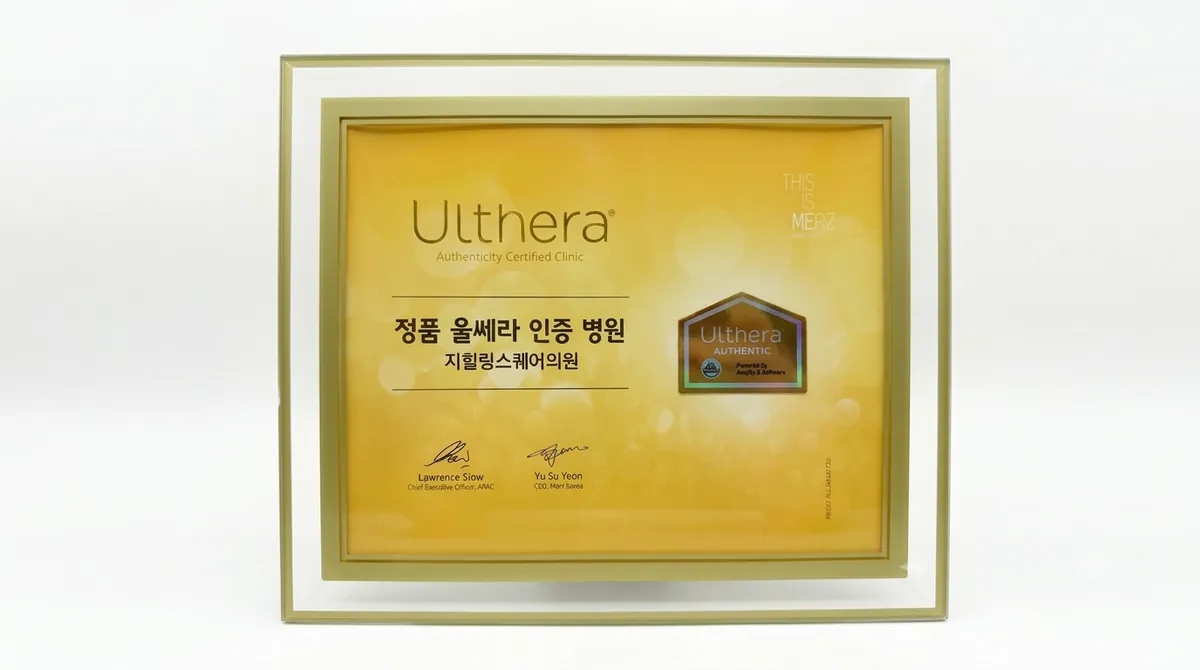
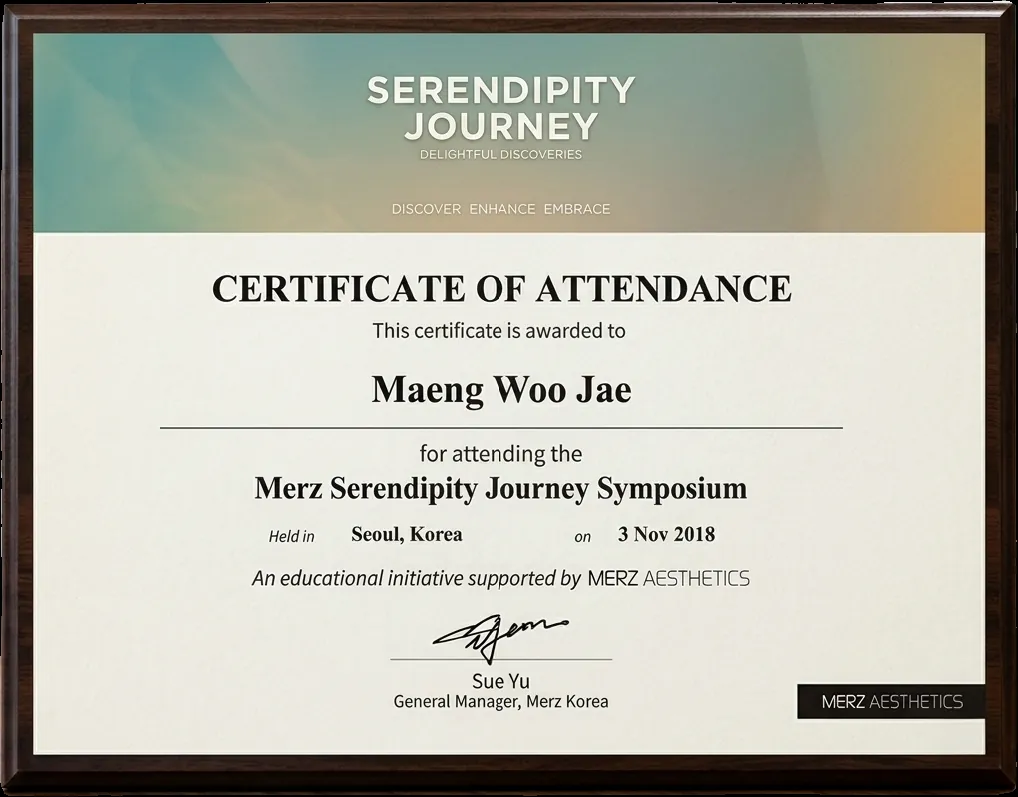
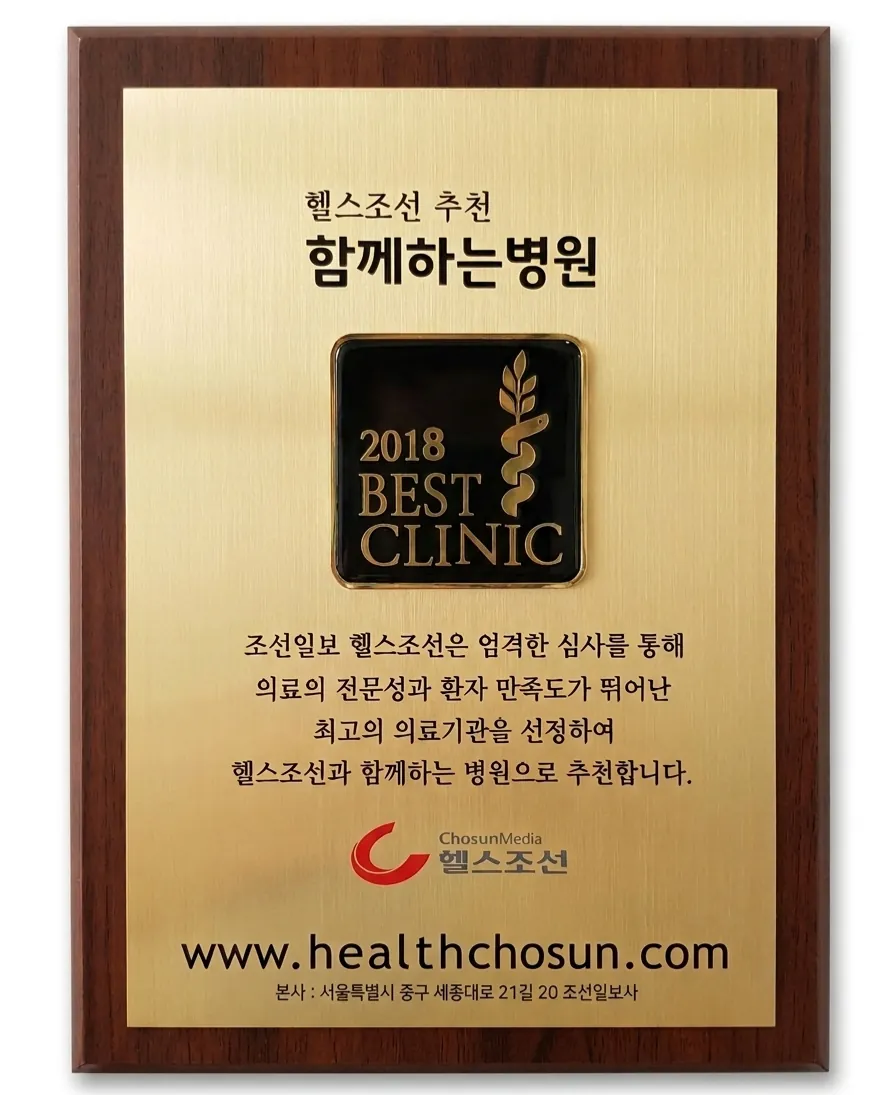
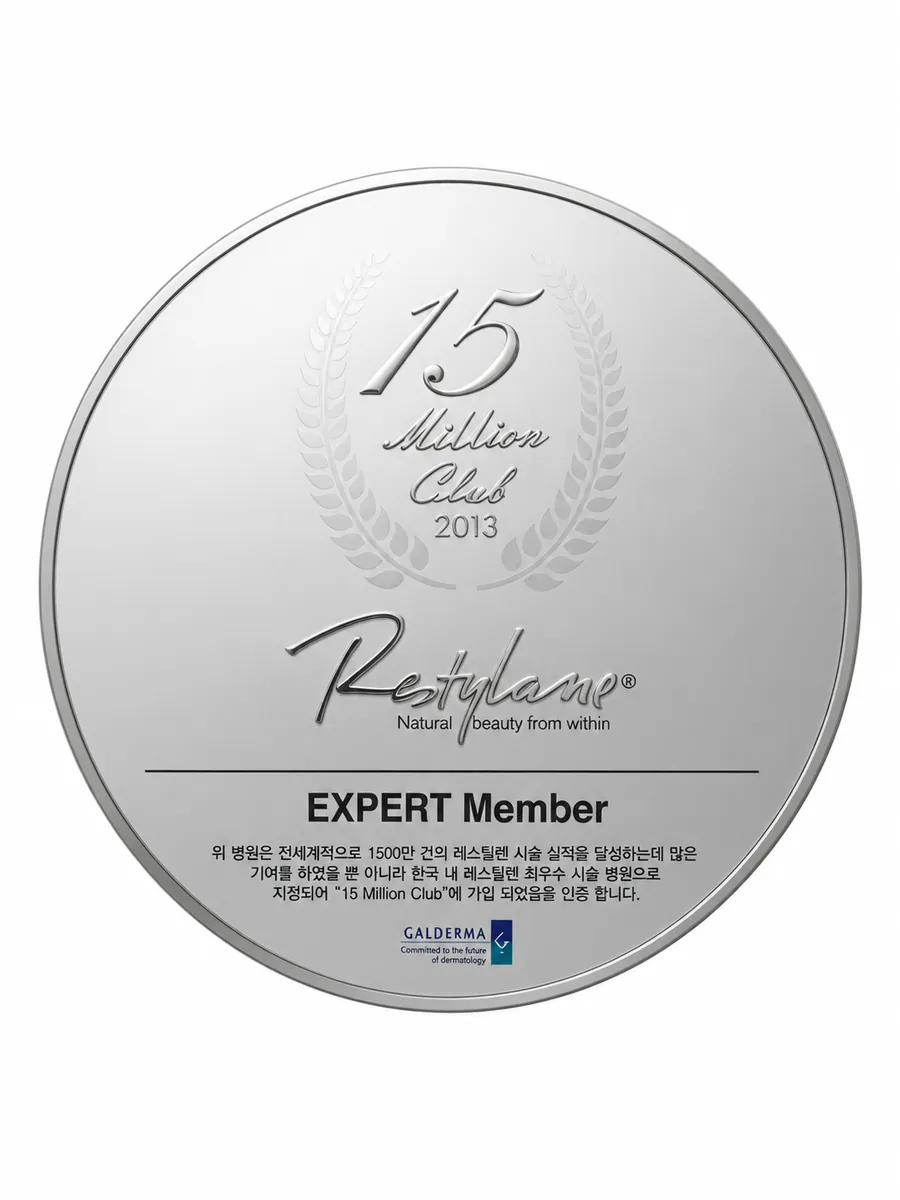
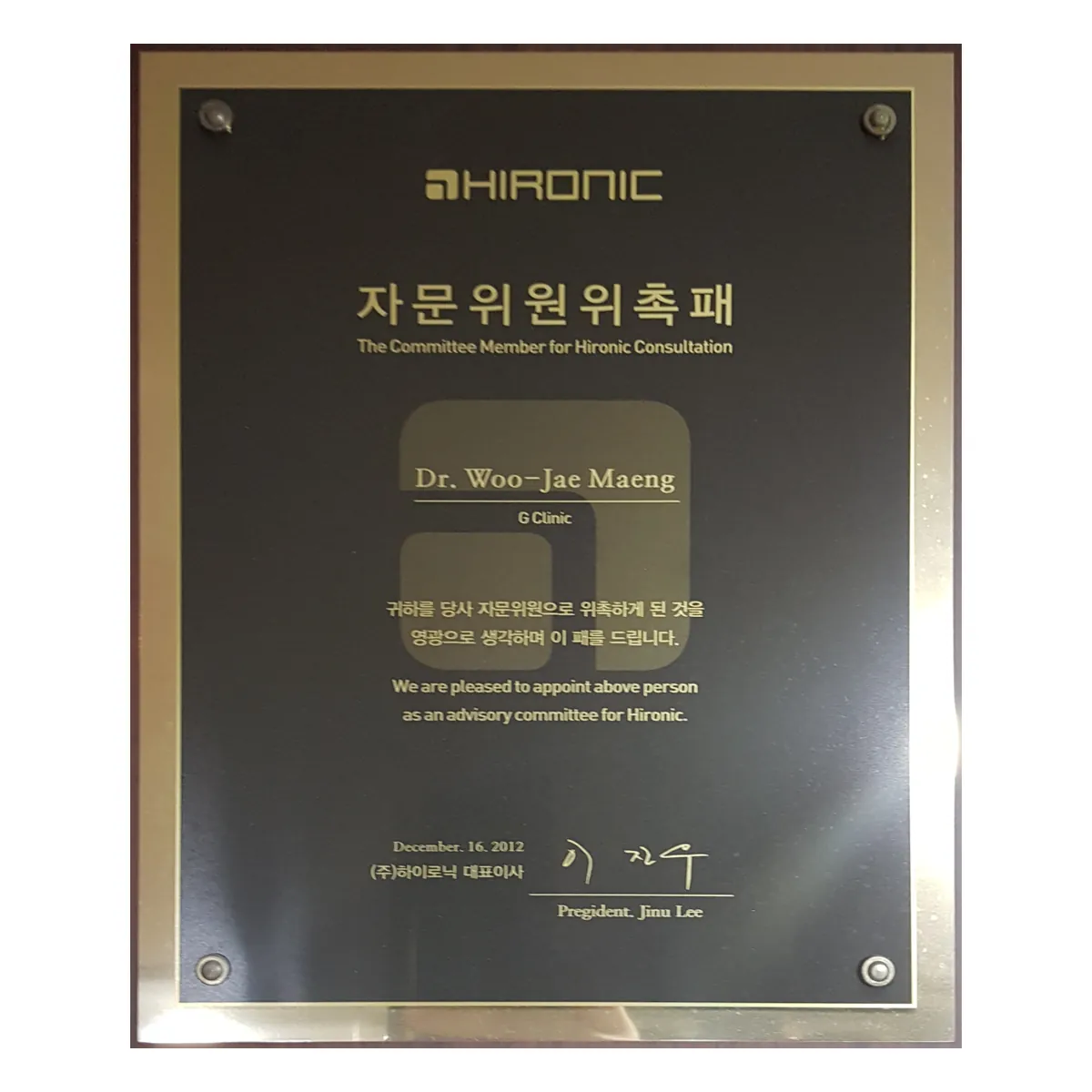
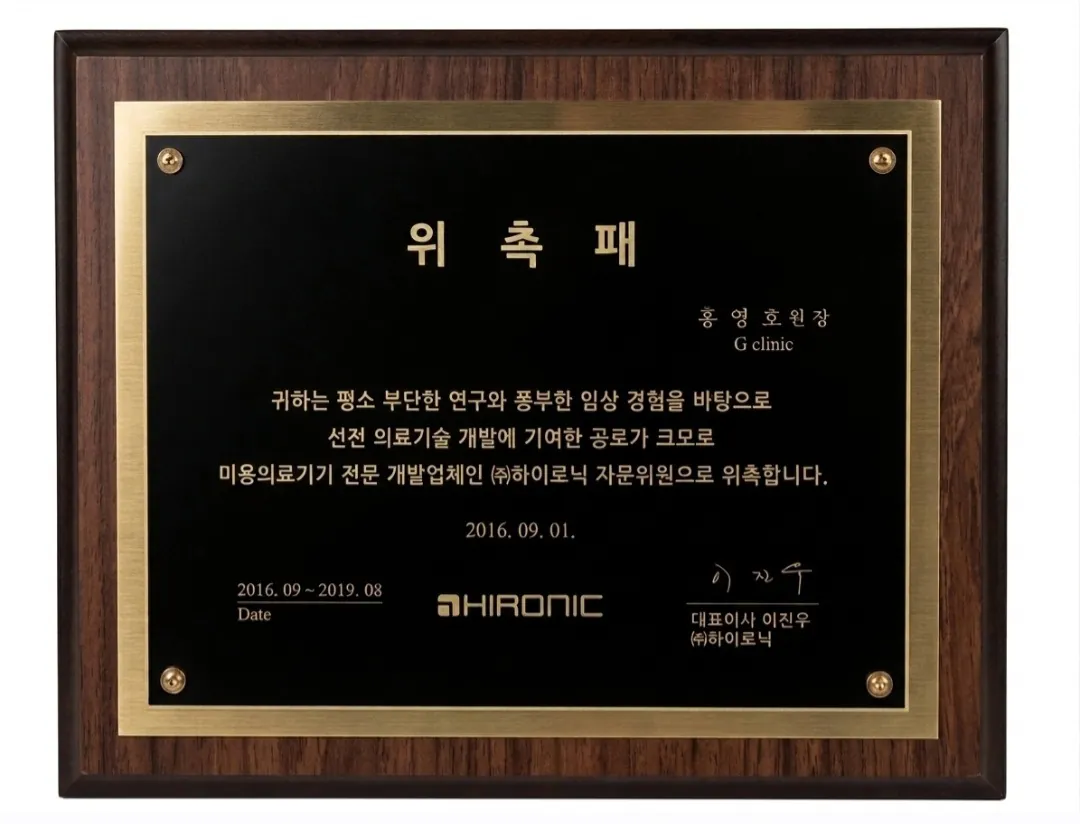
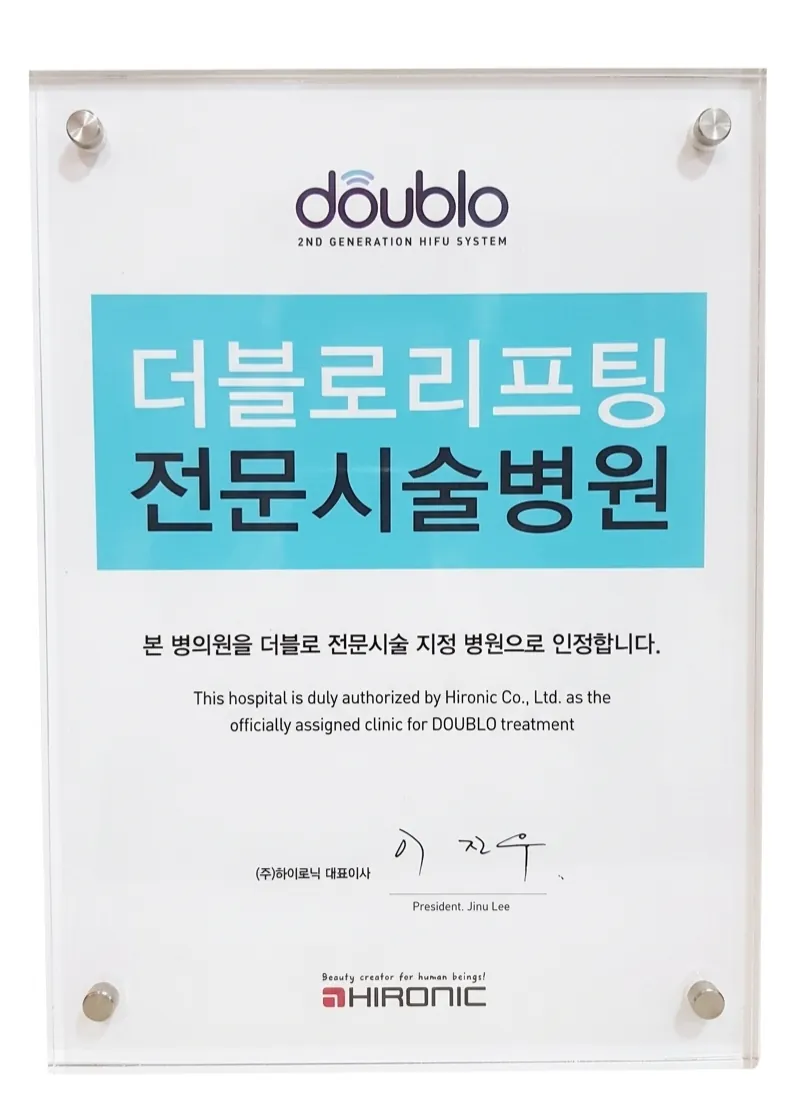
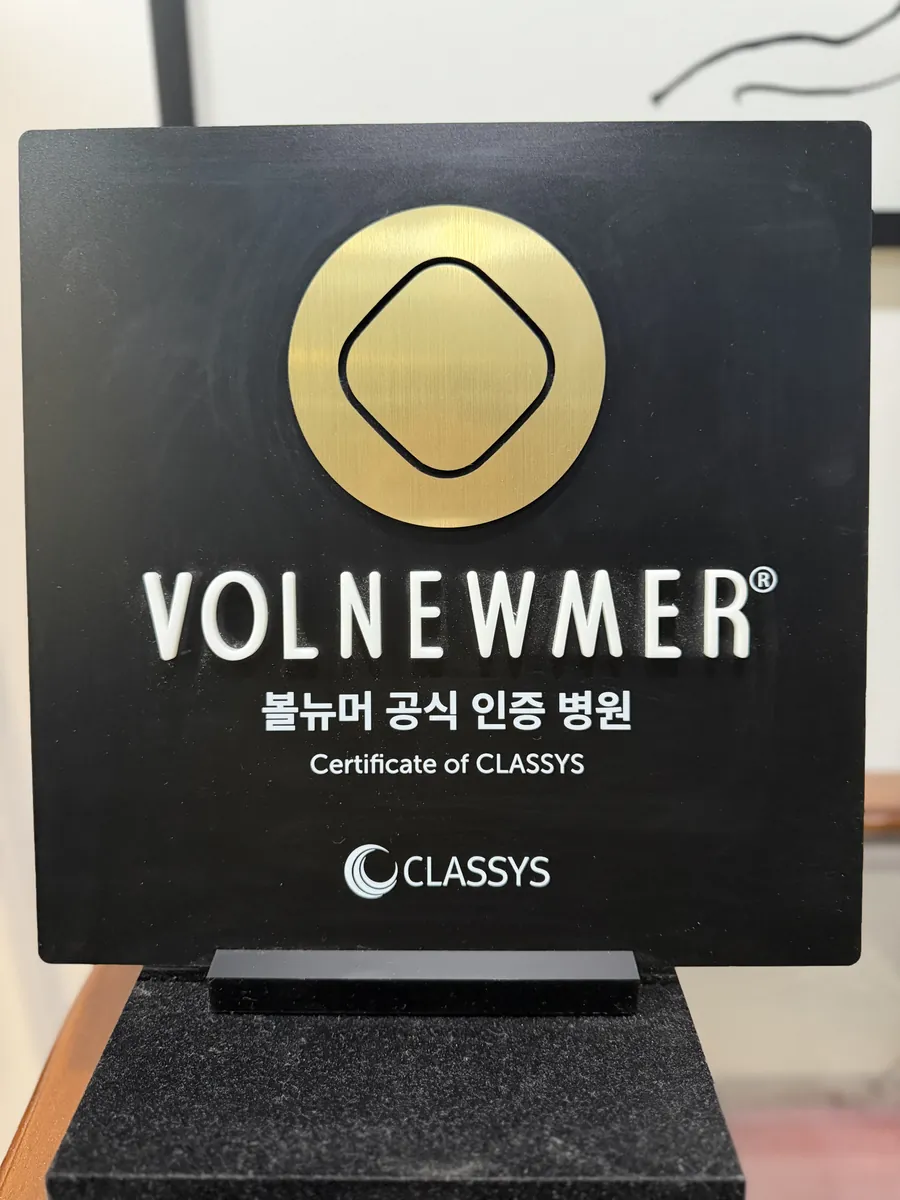
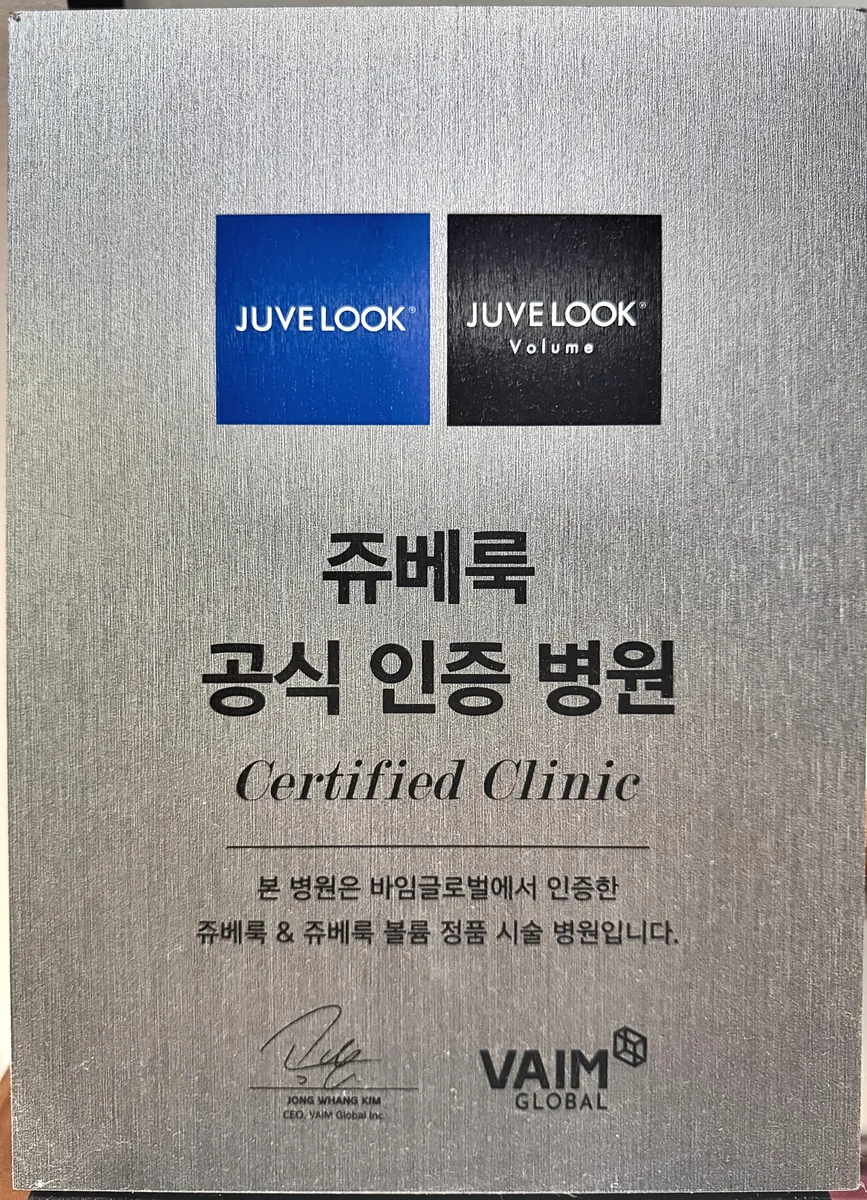
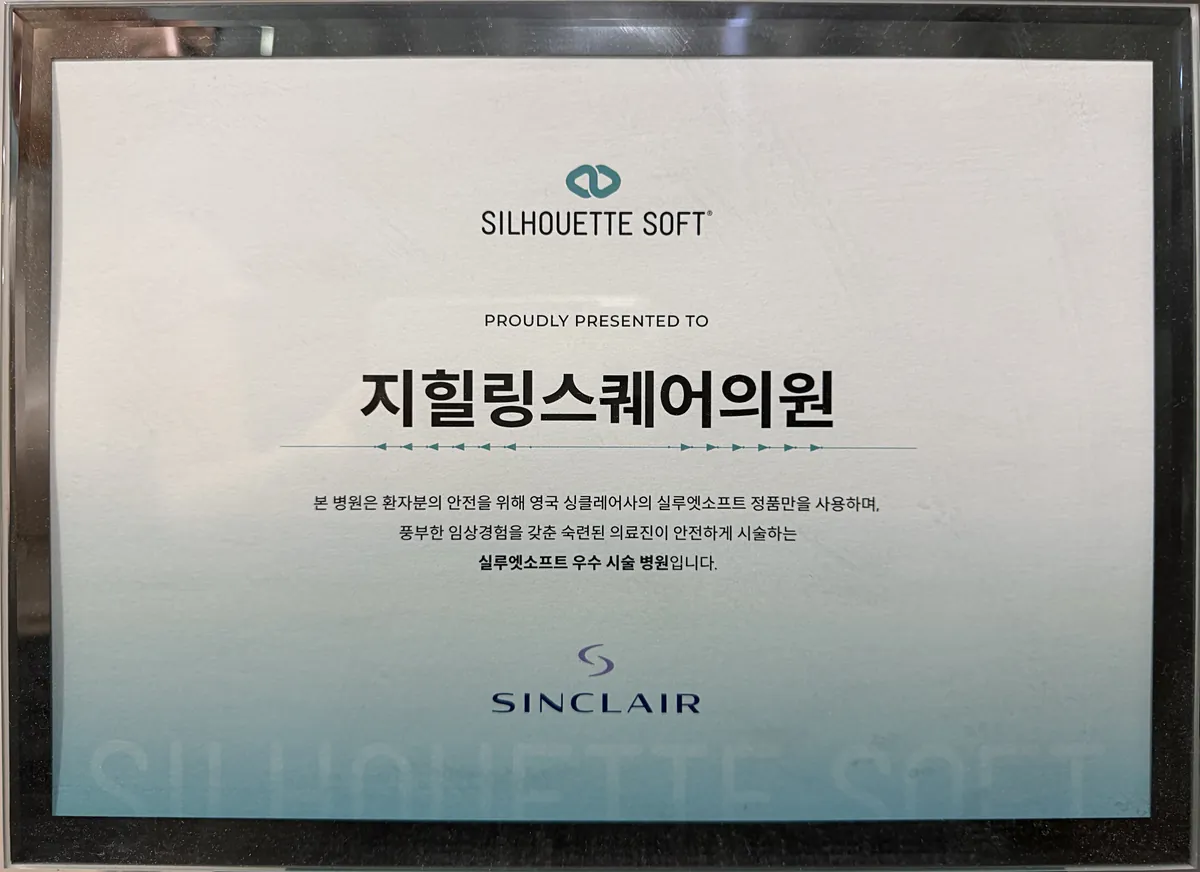
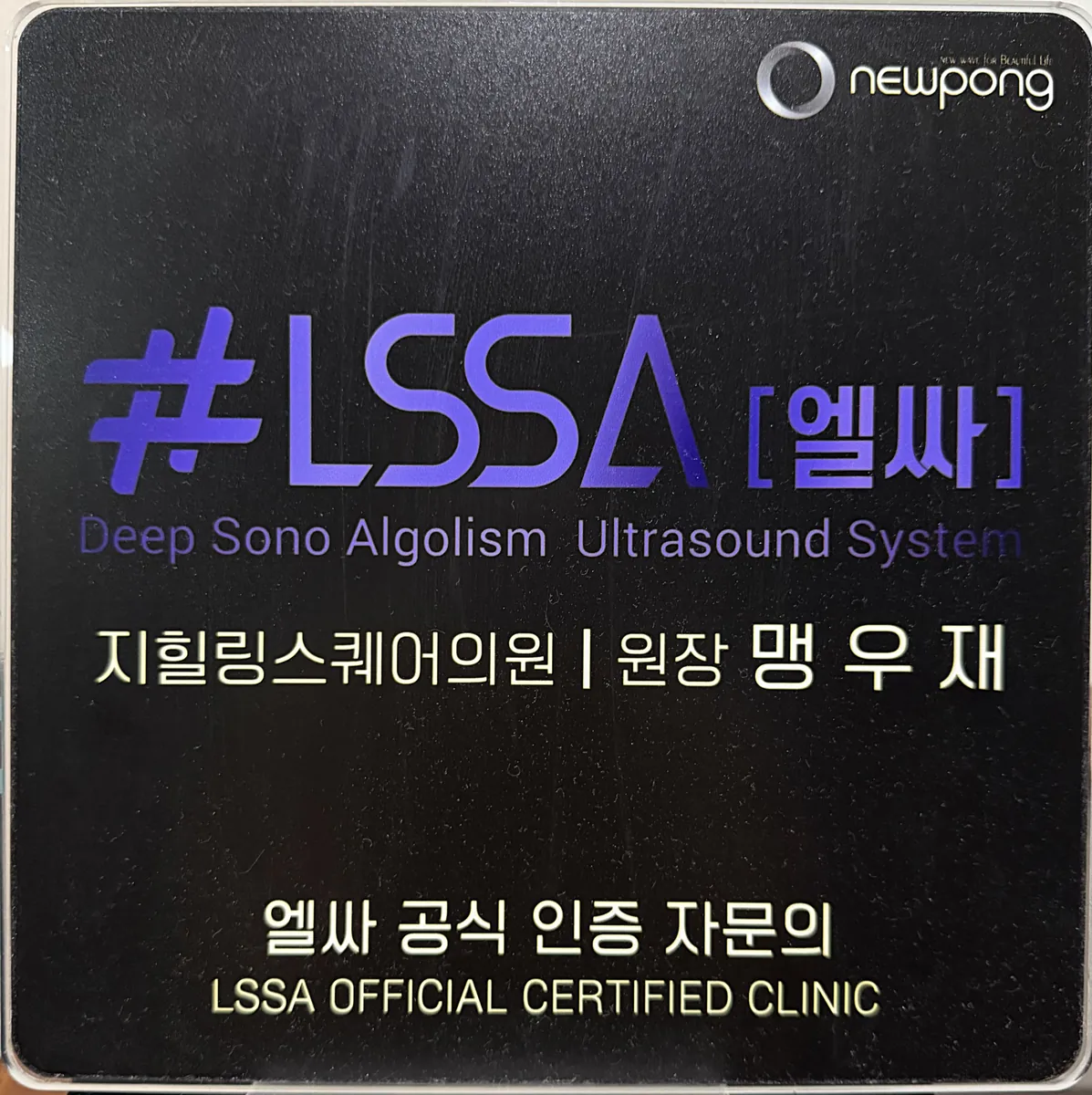
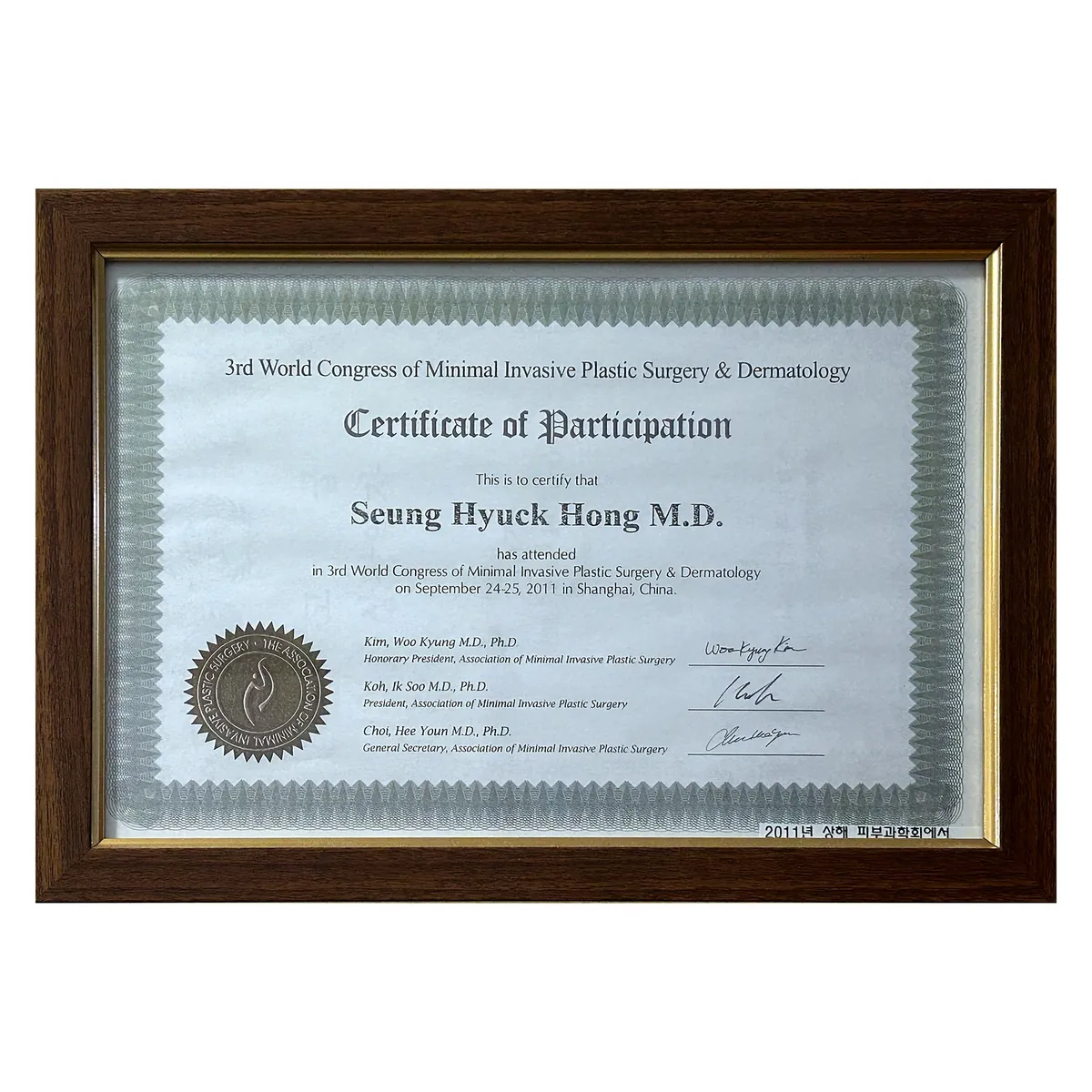
The G Clinic name dates to a 2012 device-maker advisory appointment. Each recognition below is stated as issued by its organisation.





Share your details and our team will reply through your preferred messenger. Consultation is free and pricing is quoted at your free consultation.
Thank you — our English coordinator will reach out as soon as possible.