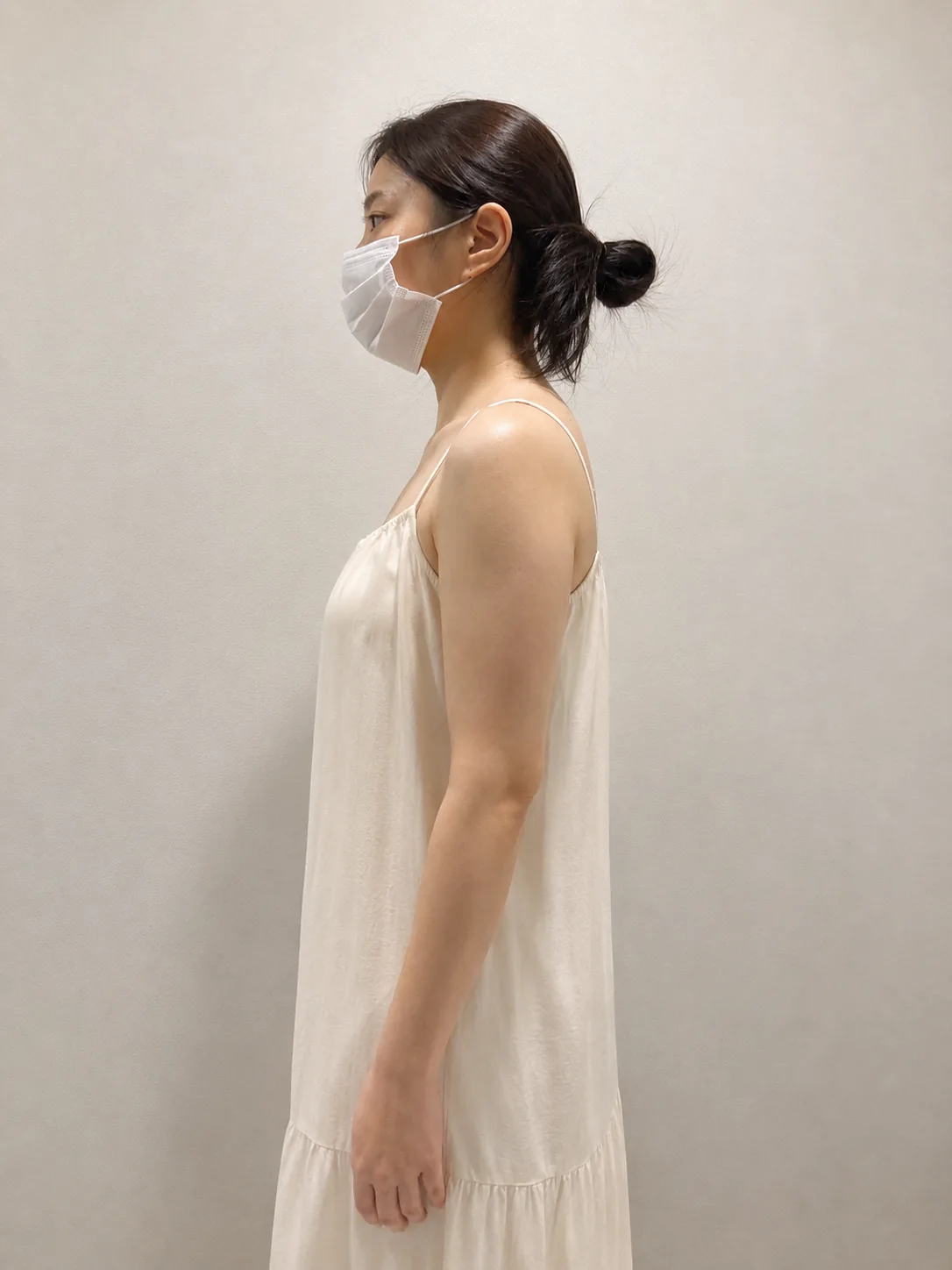
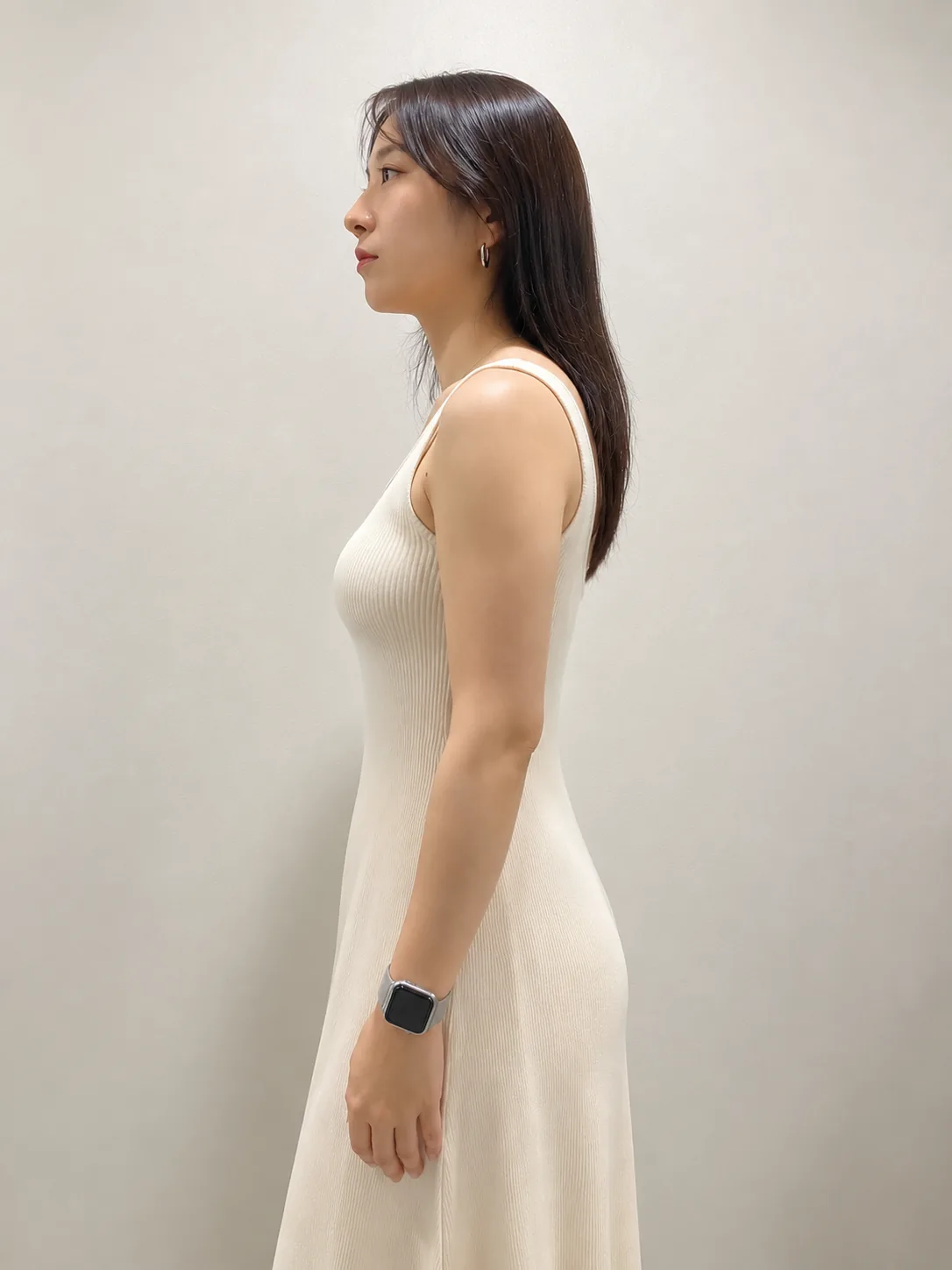
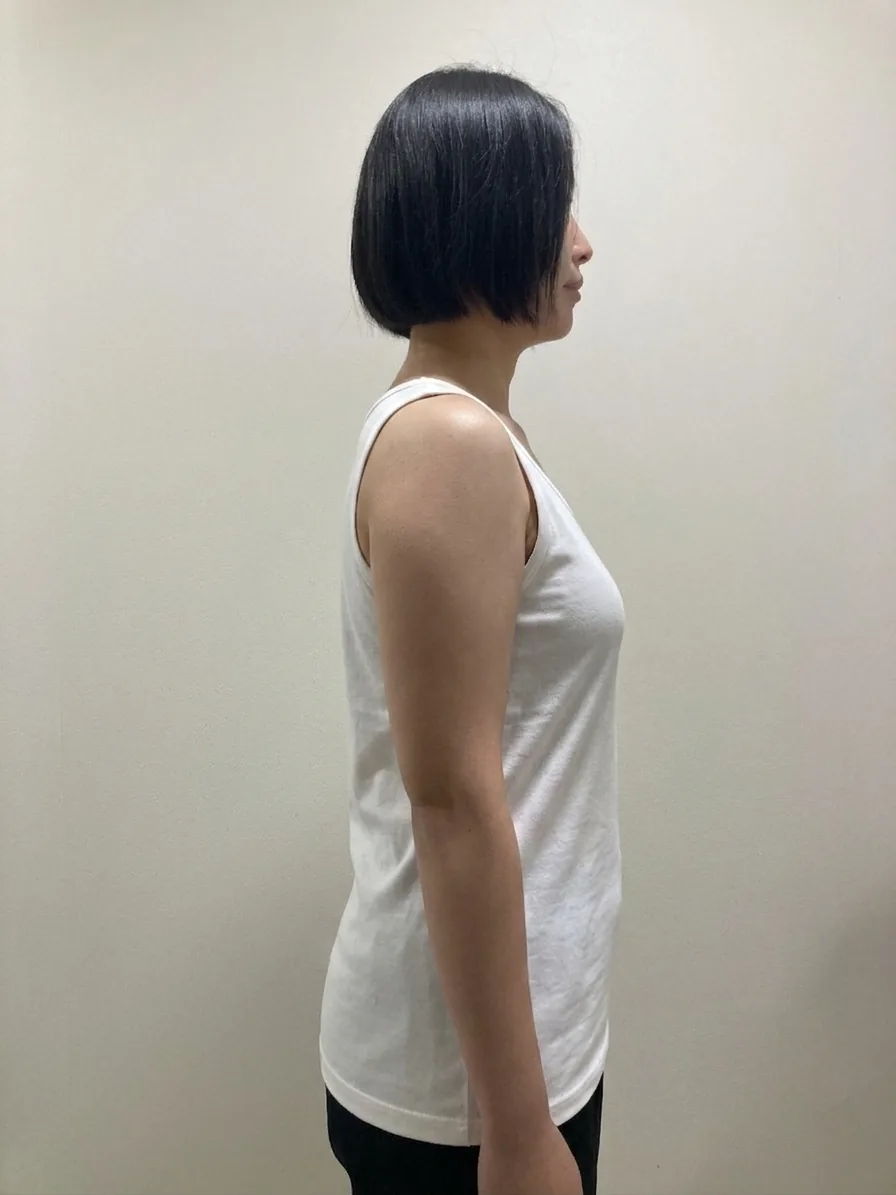
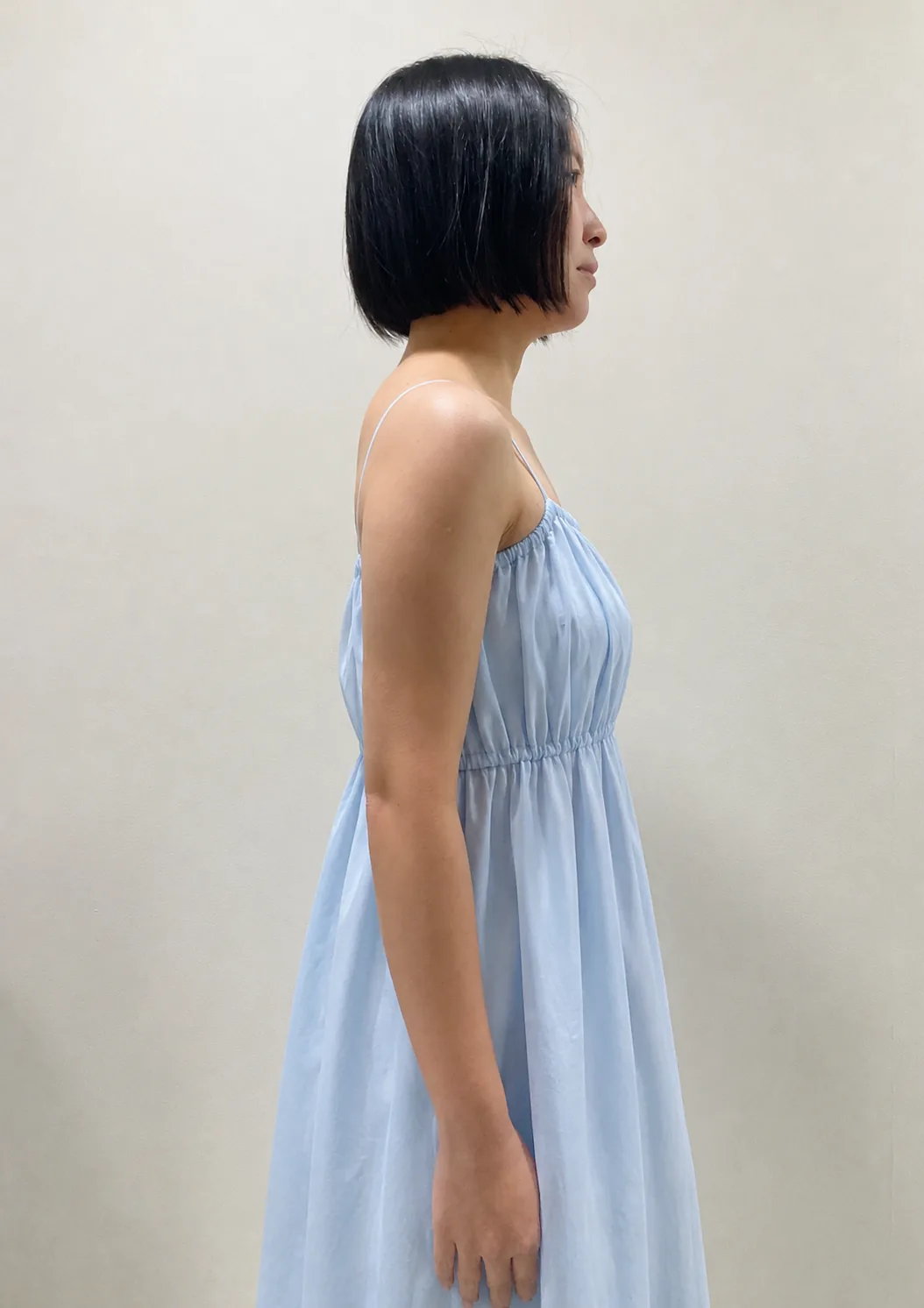
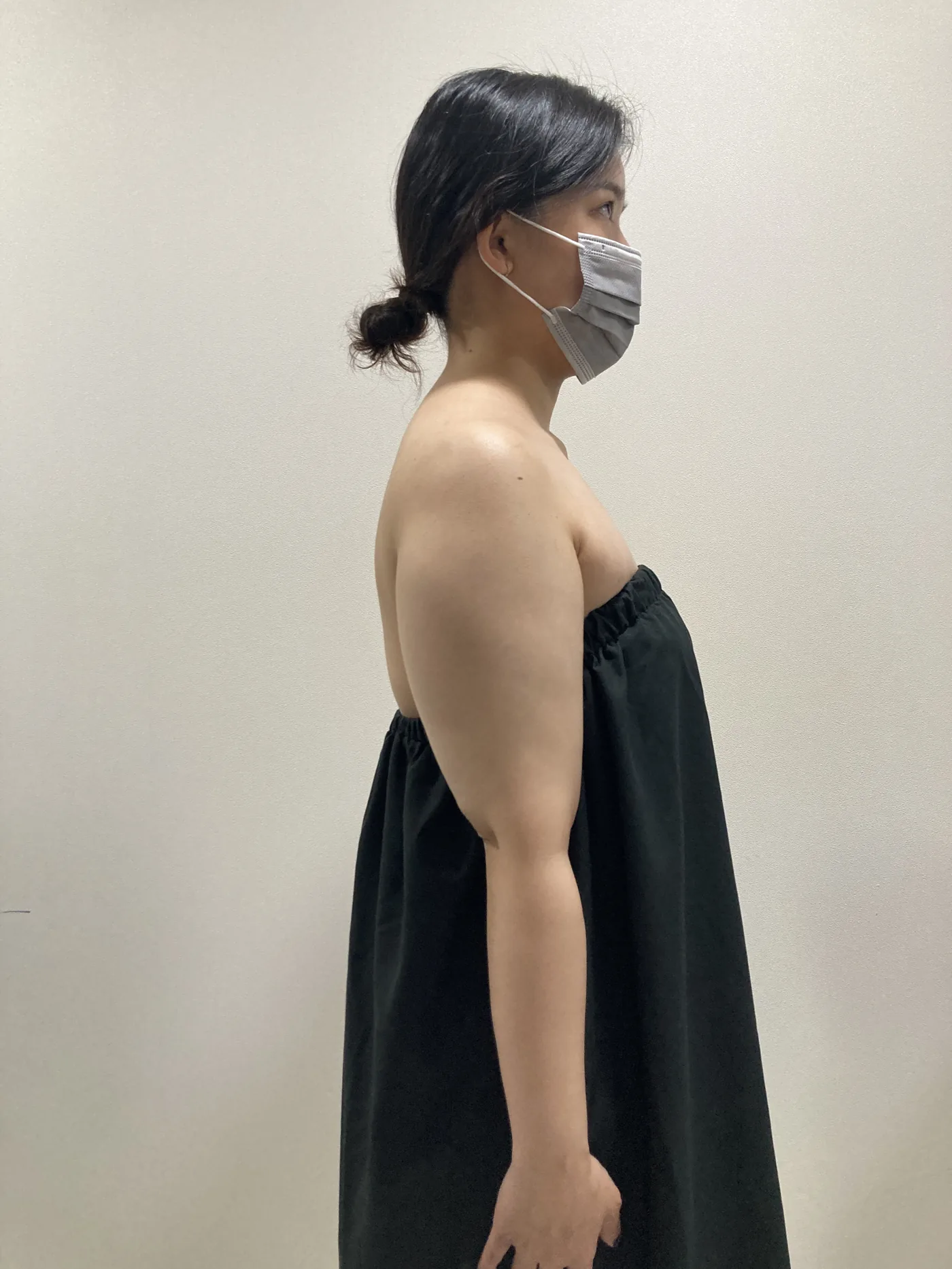
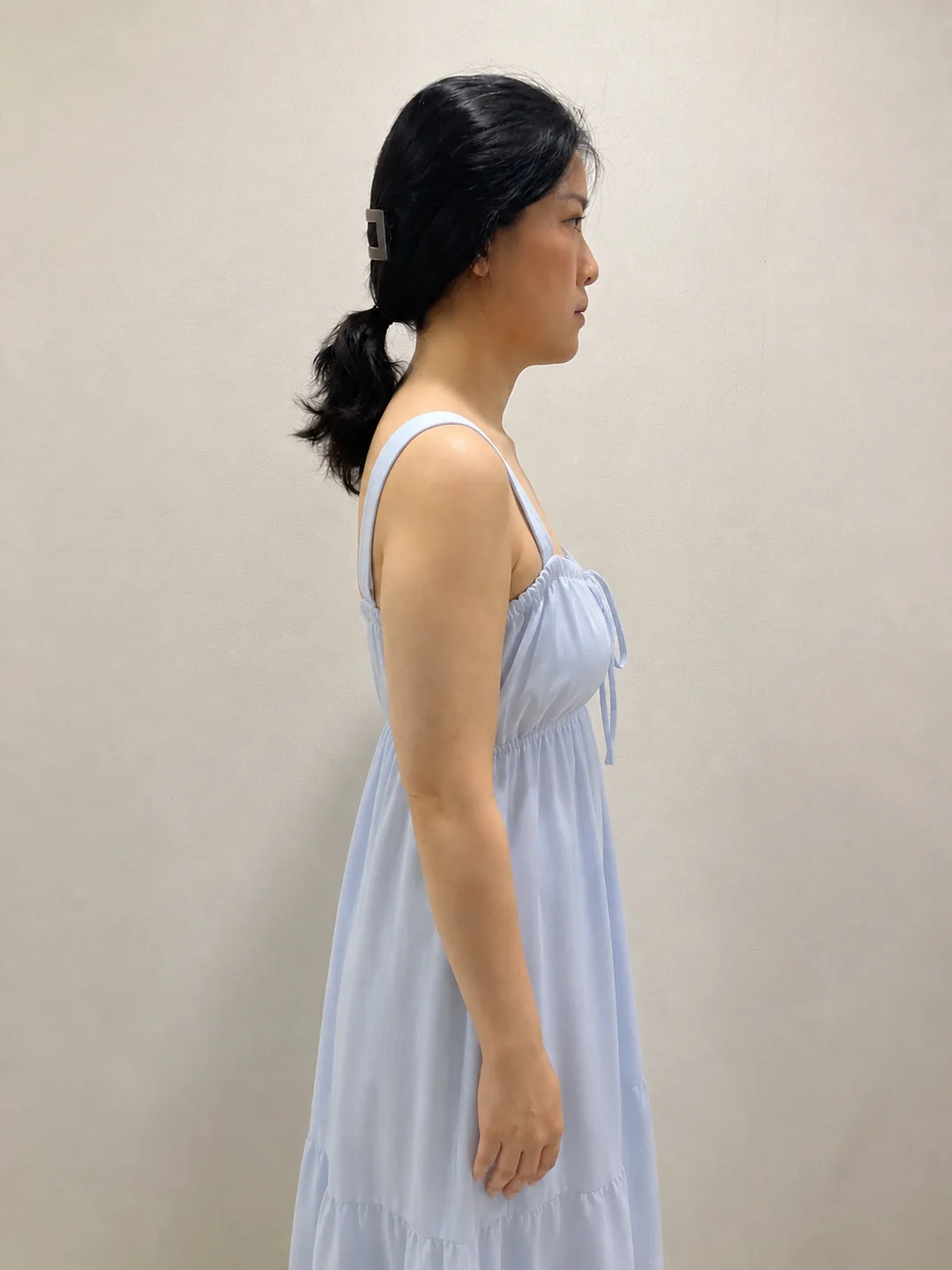
This is a minimally invasive procedure with real risks, and your director names them out loud before you consent to anything. Bruising, swelling, tenderness and patchy numbness across the treated zones are expected in the opening days. Less frequently, patients develop surface irregularity, firm nodules under the skin, a seroma, skin laxity, infection at a micro-entry point, or visible asymmetry between the two limbs.
The arm has particulars worth knowing. The inner upper arm carries superficial sensory nerves, so numb patches there are common and take longer to fade than elsewhere. The axillary region is a lymphatic crossroads, and any history of node surgery or swelling changes the plan for that reason alone. And because the two arms hang side by side in every photograph anybody takes of you, asymmetry that would pass unnoticed on a thigh is obvious on a limb.
Give the clinic your full medical history, all medications and supplements, any previous surgery near the armpit or breast, and any past reaction to anaesthetic. Afterwards, wear the sleeve as instructed, keep the entry points clean and dry, and contact the clinic quickly if pain, redness, discharge or swelling increases after the first few days. A resident medical director is on site through opening hours, so a doctor can always look at the arm.