★★★★★
Recommendations are made based on actual circumstances. The attitude is very good. Highly recommended.
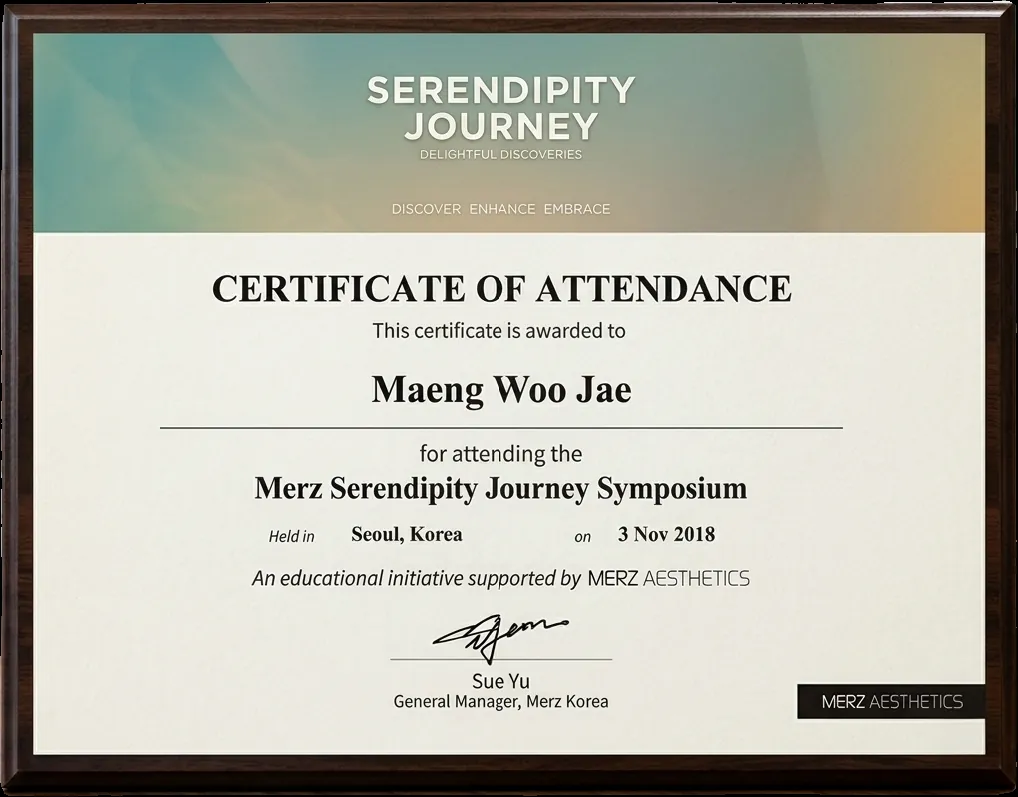
Injected by Dr. Hong Seung-hyuk, Dr. Maeng Woo-jae or Dr. Hong Young-ho, and never by a delegate: the three directors are board-certified Family Medicine specialists who practise aesthetic dermatology on site. Expression lines, a heavy chewing muscle along the jaw, and the fine intradermal Dermotoxin technique are quoted and planned as three separate services, and you stay awake in the chair throughout.
G Clinic runs botulinum toxin as three distinct services, each quoted on its own line: expression lines on the upper face, the jawline treatment aimed at an overdeveloped chewing muscle, and Dermotoxin, the very fine intradermal technique commonly called skin botox. What you pay follows from which of those you have and how many areas are agreed, so a figure only becomes real once a director has watched your face frown, smile and clench. The appointment itself is short, you sit awake with local anaesthesia and no sedation by default, and you walk out and carry on with your day. One of three medical directors does the injecting personally. Suitability, the plan and the quotation are settled face to face at a free consultation in Gangnam, Seoul.
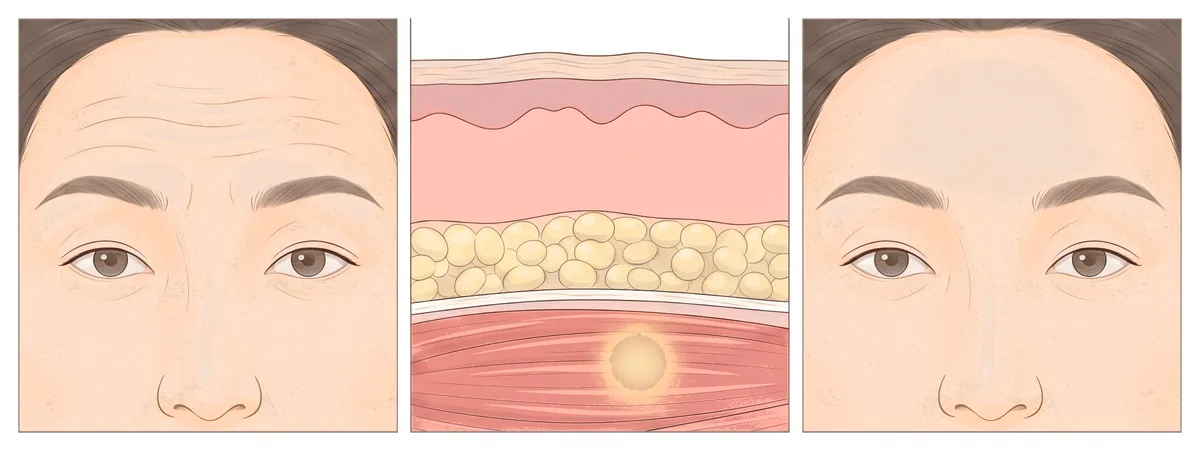
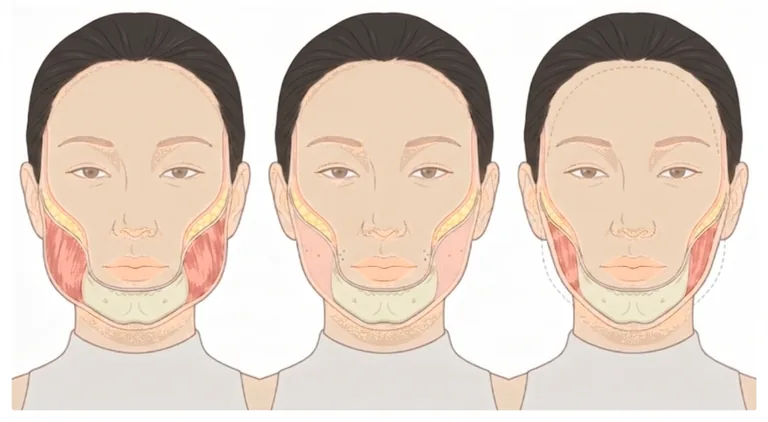 Jaw BotoxJaw & Masseterfrom ₩90,000
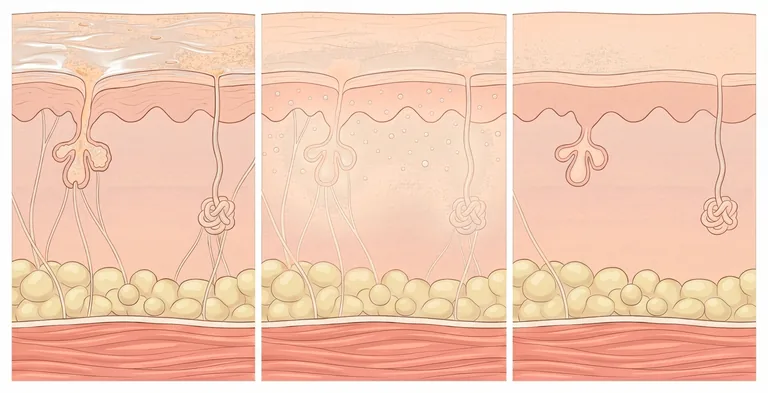 Skin BotoxDermotoxinfrom ₩300,000
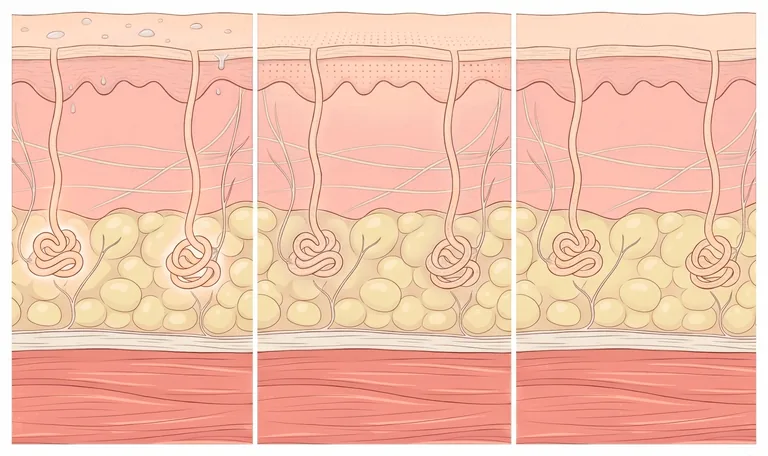 Sweat BotoxSweat & HyperhidrosisQuoted at consultation
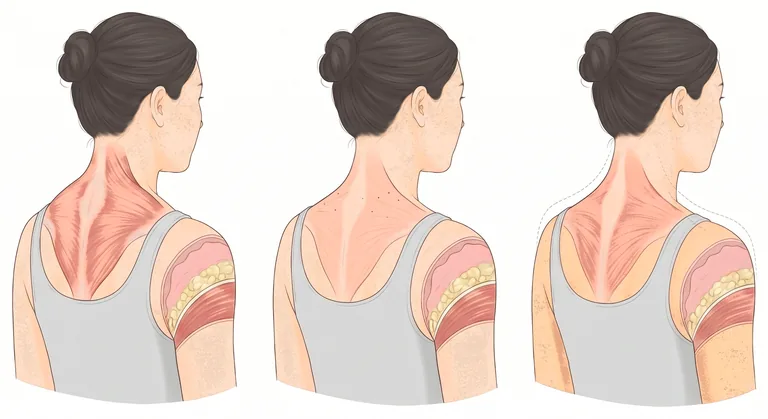 Trapezius BotoxTrapezius & Shoulder LineQuoted at consultation
 Fillerfrom ₩450,000
Lowest published rate on each treatment’s page, excluding 10% VAT. Tap a card for the full price table.
Four stages, from the moment a director asks you to pull a face to the point where you are back outside on Dosan-daero.
A director asks you to raise your brows, frown hard, squint and clench your teeth, then feels the jaw muscle while it bulges. Static creases that sit in the skin at rest behave differently from lines that only appear when a muscle pulls, and only the second kind answers to botulinum toxin. Your health history, medication list and previous injectable treatments are reviewed in the same sitting, and the consultation costs nothing.
Points are marked on your skin while you are sitting upright, because faces are asymmetric and a brow that already sits lower on one side needs a different plan from its twin. For a jawline case the director outlines the bulk of the chewing muscle where it stands out along the angle of the jaw. For Dermotoxin the marking covers a broader surface, since that technique is spread very superficially across an area.
Very fine needles deliver small amounts at each marked point. You stay awake, you can talk, and most people describe brief stinging that stops as soon as the needle leaves. Local anaesthesia is the clinic default and sedation is never required here, though it is available across G Clinic procedures at an additional cost. The whole sequence is over in minutes and no dressing is needed afterwards.
You are told to stay upright for the rest of the day, to leave the treated areas alone, and to skip saunas, heavy training and face-down massage for a short period. A director then arranges a review, because the point of a review is to look at your face once the effect has settled and decide whether any area needs a small adjustment.
Botulinum toxin type A is a purified protein that reduces the signal travelling from a nerve ending to the muscle fibre beside it. Where the signal is dialled down, the muscle contracts more weakly. On a forehead that means the skin above the muscle folds less sharply every time you lift your brows, and the crease that folding was carving gradually has less work done on it. Nothing is added under the skin and nothing fills anything in, which is the single most useful thing to understand before you sit down for a consultation.
That mechanism explains what the treatment can and cannot reach. Dynamic lines that deepen when you make an expression are its territory. A groove that is fully visible in a photograph taken with a completely relaxed face has usually become a structural crease in the skin, and softening the muscle underneath it does only part of the job. The volume side of that problem belongs to a different service, and our dermal filler page sets out how the two are often planned in the same session.
The jawline application works on a different principle again. There the target is the masseter, the thick chewing muscle at the back angle of the jaw, and reducing how forcefully it contracts allows the bulk of that muscle to reduce over the months that follow. The face narrows at its lower third because the muscle occupies less space, so the change is muscular in origin, and it says nothing about the bone underneath.
The wrinkle service covers the expression lines people arrive asking about by name: the horizontal bands across the forehead, the vertical furrow between the brows, and the fan of lines at the outer corner of each eye. Each of those is a separate anatomical area with its own muscle behaviour, so a plan is built area by area and the count of areas is what shapes your quotation.
Jawline treatment is a slimming request more than a wrinkle request. The people who ask for it usually have a lower face that reads as wide or square in photographs, often clench or grind at night, and can feel a firm bulge at the jaw angle when they bite down. Because the change depends on a muscle gradually reducing in bulk, this is the slowest of the three services to show itself and the one where patience matters most.
Dermotoxin, the intradermal form, is spread very superficially over a surface such as the cheeks or the nose. It is chosen for skin texture and for the way pores and fine surface creasing look, and its effect is subtler than the other two by design. Patients who came in wanting the whole lower face to look smaller sometimes end up on a combined plan, which is also true of people who add body work such as G-fat fat dissolving injection on the same trip to Seoul.
Good candidates are adults in reasonable health whose concern is genuinely muscular: lines that appear or deepen with expression, or a jaw angle where a bulky chewing muscle can be felt under the fingertips. If you can pull the expression on request and the crease sharpens as you do it, you are in the right room.
Some people are declined outright and told why. Pregnancy and breastfeeding rule the treatment out for the time being. A diagnosed neuromuscular disorder such as myasthenia gravis or a related condition affecting the junction between nerve and muscle is a firm exclusion, and so is an active infection at a proposed injection point. Certain antibiotics, the aminoglycoside group in particular, can amplify the effect on muscle, so a director will postpone the appointment until a current course has finished. Tell the clinic every prescription, supplement and previous injectable treatment you have had, including anything done elsewhere before you flew in.
There is also the softer refusal, which happens more often than people expect. A patient arrives asking to erase a forehead line that is fully etched at rest; weakening the muscle will soften it and no more. A patient wants a narrower jaw when what is wide is bone and not muscle, and there the director says plainly that this treatment is the wrong tool. A patient whose brows already sit low is warned that further relaxation of the forehead can make the lids feel heavier. In all three cases the answer at G Clinic is a description of the limit, and you are free to leave without booking anything.
Nothing has changed by the time you reach the lift. Botulinum toxin needs time to act on the nerve endings it reaches, so the softening arrives progressively over the days following your appointment and settles at its fullest a little after that. Patients who fly home two days later and see no difference in the mirror are seeing exactly what the clinic expects them to see at that point.
Once it has settled, an upper-face result reads as movement that is calmer, with the skin folding less severely when you make the expression. A jawline result runs on a much longer clock, because the muscle has to lose bulk before the outline of your lower face shifts, and that unfolds across weeks and months. Dermotoxin is the quietest of the three, and its effect on texture is something patients usually notice in photographs before they notice it in the mirror.
All of it is temporary. Nerve endings recover, muscle strength returns, and the expression you had before comes back, so a plan is written as a repeating appointment and never as a one-off. How long any individual holds the effect varies with the area treated, how strongly you use those muscles and your own physiology, so a director will give you a personal expectation at the review appointment. Results vary between patients, and any case photographs a director shows you in the consultation room are shared with the patient’s consent.
The three services are priced separately, and the published rate applies to every patient who walks through the door. Wrinkle work is counted by treated area, the jawline is its own line, and Dermotoxin is its own line again. Nothing about the plan is decided before a director has examined your face, so the number that matters to you comes out of the free consultation.
| Treatment | Option | Price (KRW) |
|---|---|---|
| Botox | Wrinkle areas | ₩150,000 |
| Botox | 1 area (forehead, frown lines, crow's feet, chin or nose bridge) | ₩60,000 |
| Botox | Temples (temporalis) | ₩100,000 |
| Botox | Mouth corners | ₩60,000 |
| Botox | Salivary glands (parotid or submandibular) | ₩70,000 |
| Botox | Jaw (masseter) | ₩90,000 |
| Skin Botox (Dermotoxin) | Full face | ₩300,000 |
All prices in KRW, excluding VAT (10% VAT is added at payment). Final cost depends on the treatment plan confirmed at consultation. Published rates as of 2026-11-03.
This is a medical procedure and it carries genuine risks, which your director goes through before you agree to anything. Small bruises at the puncture points are the commonest event, particularly around the eyes where the vessels are superficial. Pinpoint redness and slight swelling for an hour or two are usual. Headache in the first day or two is reported often enough that patients should expect the possibility.
The complications that matter more are those of spread and of dosing. Diffusion into a neighbouring muscle can produce a heavy or drooping upper eyelid, a drooping brow, or brows that sit at visibly different heights. Asymmetry can also come from the two sides of your face responding differently to identical injections. Around the mouth, an uneven smile or a weakened lip is possible. On the jawline, a chewing muscle that has been softened can leave the first weeks of eating tough or chewy food noticeably harder work, and some patients report a temporary hollow at the cheek as the muscle reduces. Very rarely the effect turns out weaker than expected, or fails to appear.
Most of these events are temporary and resolve as the effect wears off, but temporary is not the same as trivial, and a drooping lid can sit with you for weeks. Stay upright for several hours afterwards, keep pressure and massage off the treated areas, and postpone saunas, hot yoga and hard training for the period your director specifies. Contact the clinic if a lid or brow starts to drop, if a bruise keeps enlarging, or if pain or redness increases after the first day. A medical director is on site through opening hours.
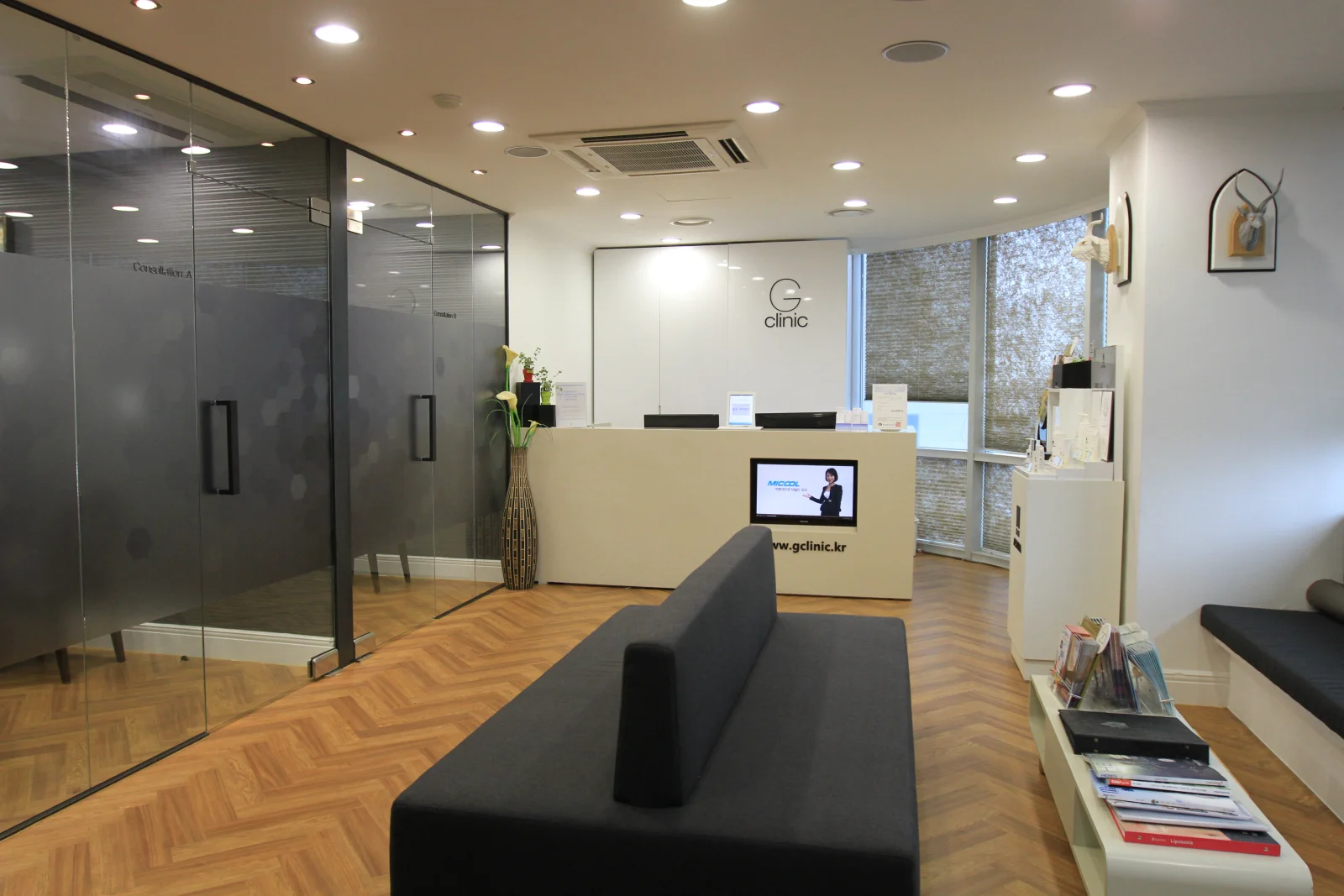
Recovery from a petit toxin appointment is measured in hours, not days. Almost everybody returns straight to work, a meeting or their sightseeing plan for the afternoon. The pinpoint marks fade quickly, and light make-up over them is generally acceptable once a director confirms it, so the appointment slots into a working trip without costing you a day.
Bruising is the one thing that can outlast the day, especially around the eyes, where a small mark may take up to a week to clear and is easy enough to cover. Patients who take blood-thinning medication or fish oil and those who had a glass of wine the night before tend to bruise more readily, so tell the clinic in advance and plan around anything photographic.
For international patients the timing question is really about the review. The effect is not settled the day you fly, so if your itinerary allows, keep a window in Seoul that lets a director look at your face after it has taken hold, or arrange the review through our coordinators for a later visit. Patients combining a facial appointment with body work generally book the toxin first, because it needs no recovery time and leaves the rest of the trip free.
Three services from one family of treatments, laid out so your consultation starts from the right question.
| At G Clinic | Wrinkle areas | Jawline slimming | Dermotoxin (skin botox) |
|---|---|---|---|
| Target tissue | Muscles of facial expression | The masseter chewing muscle | Very superficial skin layer |
| Usual concern | Forehead bands, frown furrow, eye corners | A wide or square lower face | Texture, pores, fine surface creasing |
| Injection depth | Into the muscle belly | Deep, into muscle bulk | Spread within the skin itself |
| When it shows | Over the days after treatment | Slowest of the three, over weeks and months | Subtle, noticed gradually |
| Quoted as | Per treated area | Its own line on the price list | Its own line on the price list |
| Downtime | None beyond pinpoint marks | None beyond pinpoint marks | None beyond pinpoint marks |
| Poorly suited to | Creases fully etched at rest | A wide jaw of bony origin | Deep folds needing volume |
This table is general information. Which of the three suits your face depends on your anatomy, your muscle pattern and your health, and a medical director works through it with you at the free consultation.
Botulinum toxin type A has been examined in the peer-reviewed literature for decades, and three papers give a sense of what that literature covers. A literature review has surveyed the clinical use and the pharmacological aspects of botulinum toxin A for reducing the appearance of facial wrinkles (Satriyasa, 2019). A separate paper documents the pharmaceutical, biological and clinical properties of botulinum neurotoxin type A products, which is the ground on which any comparison between formulations has to stand (Frevert, 2015). And a randomised, double-blind trial has investigated the equivalence of two such formulations in the treatment of glabellar frown lines (Kane, 2015). These papers describe the treatment category; they are not statements about outcomes at G Clinic, and they say nothing about what your own face will do. That conversation belongs with your director at the consultation.
By service and by area. Expression-line work is counted by the number of areas you and the director agree to treat, the jawline treatment carries its own published rate, and Dermotoxin carries another. Because the count is decided only after a director has watched your face move, the quotation comes at the end of the free consultation and applies as published to every patient. You can ask for it in writing through the consultation form before you travel.
That depends entirely on how much muscle activity is reduced and where, which is a planning decision your director makes with you before anything is injected. A conservative plan leaves clearly readable expression while softening how sharply the skin folds. Tell the director at the consultation how much movement you want to keep, particularly if your work is on camera, and the plan is built around that brief.
Not immediately. The effect builds progressively over the days after your appointment as the toxin acts on the nerve endings it has reached, and it reaches its fullest a little later than most people expect. The jawline treatment is slower again, because the chewing muscle has to lose bulk before your lower-face outline changes, and that plays out across weeks and months.
It can, when the width comes from an overdeveloped chewing muscle. Softening how forcefully that muscle contracts allows its bulk to reduce, and the lower third of the face follows. If the width of your jaw is bony in origin, this treatment will not change it, and a director will tell you so at the examination instead of booking you in for something that cannot deliver.
Skin botox is the everyday name for an intradermal technique, which G Clinic lists as Dermotoxin. Rather than being placed into a muscle belly, the product is spread very superficially across a surface such as the cheeks. The aim is skin texture and the appearance of pores and fine surface creasing, so the change is deliberately subtler than what wrinkle or jawline treatment produces.
Product names are not published on this website, in line with Korean advertising rules for prescription medicines. What a director can do is discuss the product in the consultation room, where that conversation is appropriate. Every product used is a botulinum toxin type A preparation approved for use in Korea, and it is handled and stored under the clinic protocol by the medical staff.
One of the three medical directors: Dr. Hong Seung-hyuk, Dr. Maeng Woo-jae or Dr. Hong Young-ho. All three are board-certified Family Medicine specialists practising in aesthetic dermatology, all three are on site during opening hours, and the same director who examines your face performs the treatment and sees you at the review. You can ask for a particular director when you book.
You stay awake and can talk throughout. The needles used are very fine and most patients describe brief stinging at each point that stops the moment the needle is withdrawn. Sedation is not needed for this treatment, though it is available across G Clinic procedures at an additional cost. No drug names are published here; anything to do with medication is discussed with your director directly.
Anyone pregnant or breastfeeding, for the time being. Anyone with a diagnosed neuromuscular disorder such as myasthenia gravis or a related condition affecting the nerve-to-muscle junction. Anyone with an active infection at a proposed injection site. Certain antibiotics, the aminoglycoside group especially, can amplify the effect on muscle, so a current course means the appointment is postponed until it has finished.
Bruising at the puncture points is the commonest event, along with pinpoint redness, brief swelling and headache in the first day or two. Less often, spread into a neighbouring muscle causes a heavy or drooping eyelid, a dropped brow, uneven brow heights, or an asymmetric smile. Jawline patients can find chewing tougher food harder work for a while. These events are temporary, though a drooping lid can persist for weeks.
The effect is temporary in every case, because nerve endings recover and muscle strength returns, so treatment is planned as a repeating appointment. How long you personally hold the result depends on the area treated, how strongly you use those muscles and your own physiology, and your director gives you a personal expectation at the review once your first round has settled.
Frequently, yes, because the two address different problems. Softening a muscle changes how sharply the skin folds, while volume work addresses a crease or a contour that has lost support. A director assesses both at the same examination and sequences them sensibly. The dermal filler page describes that side, and some patients add body treatment such as G-fat on the same trip.
Send your dates and what is bothering you through the consultation form and our coordinators reply in English on the messenger you prefer. The consultation is free, and it is worth asking in advance how long to keep in Seoul if you want a director to review the settled effect before you fly home. Nothing is booked until you have been examined.
Verified reviews from our Google Business Profile.
Recommendations are made based on actual circumstances. The attitude is very good. Highly recommended.
I cannot recommend G-clinic highly enough. From the moment I walked in, my experience was nothing short of exceptional. The clinic itself is modern, clean, and welcoming. The front desk staff were incredibly warm and efficient. Checking in was a breeze, and they were very helpful with my new patient paperwork. The waiting time was minimal…
Process was perfect! I got some liposuction done, the doctor and staff were very nice and very professional. 100% would recommend anyone to get there procedures done here! They took out A LOT of fat! The doctor speaks perfect English as well!
Dr. Hong has perfect English and is very kind. I was glad my friend recommended me to come here via allaboutmei, it really has lived up to my expectations. The method and equipment used is very modern and top range, I was expecting to be in a lot of pain but I feel great! Thank you again Dr. Hong and all the other people that work at Gcli…
Book a free consultation and one of the three medical directors will examine your face in person in Gangnam, Seoul, watch how your muscles move, and tell you which of the three services fits and which would be the wrong tool. The rates are published above, and the treatment plan is agreed face to face.
Book ConsultationEvery consultation and procedure at G Clinic is conducted on site by one of three medical directors — never handed to a substitute practitioner. All three are Family Medicine specialists who have cared for international patients for years.
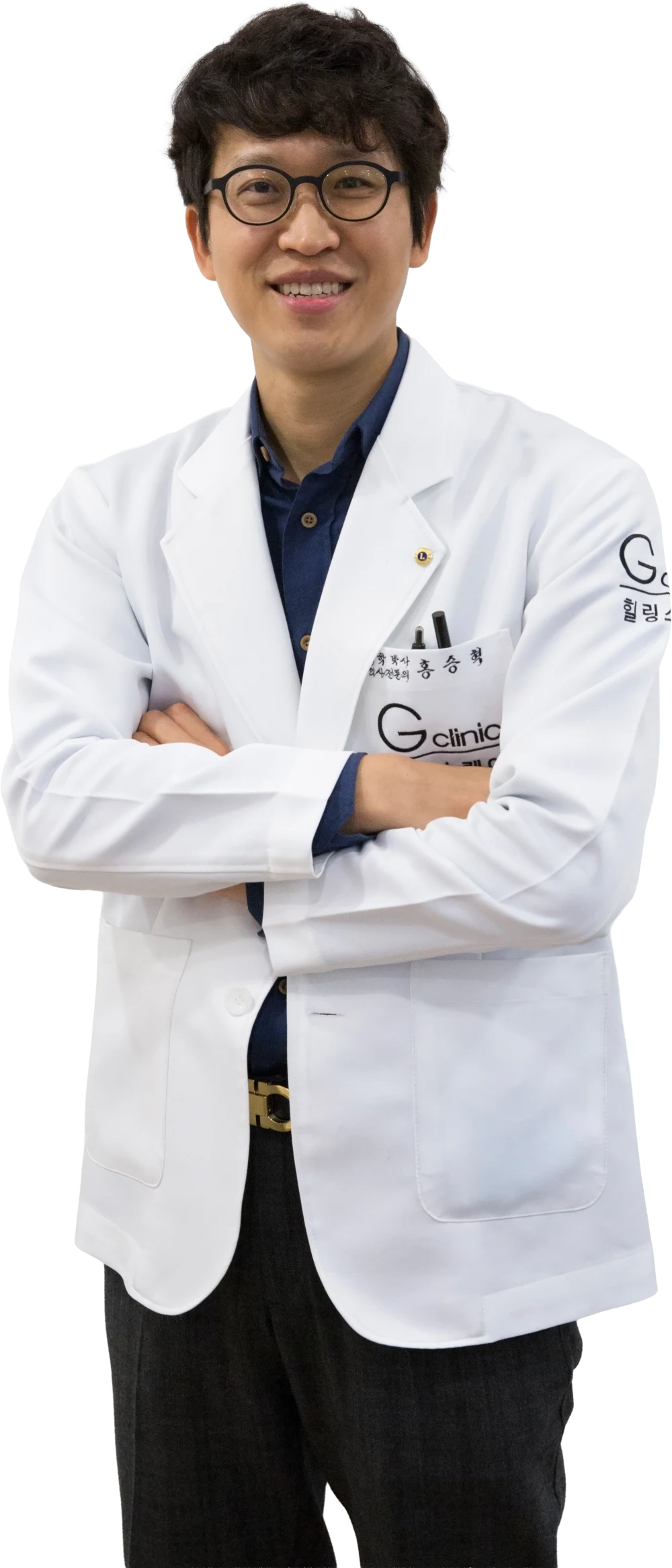

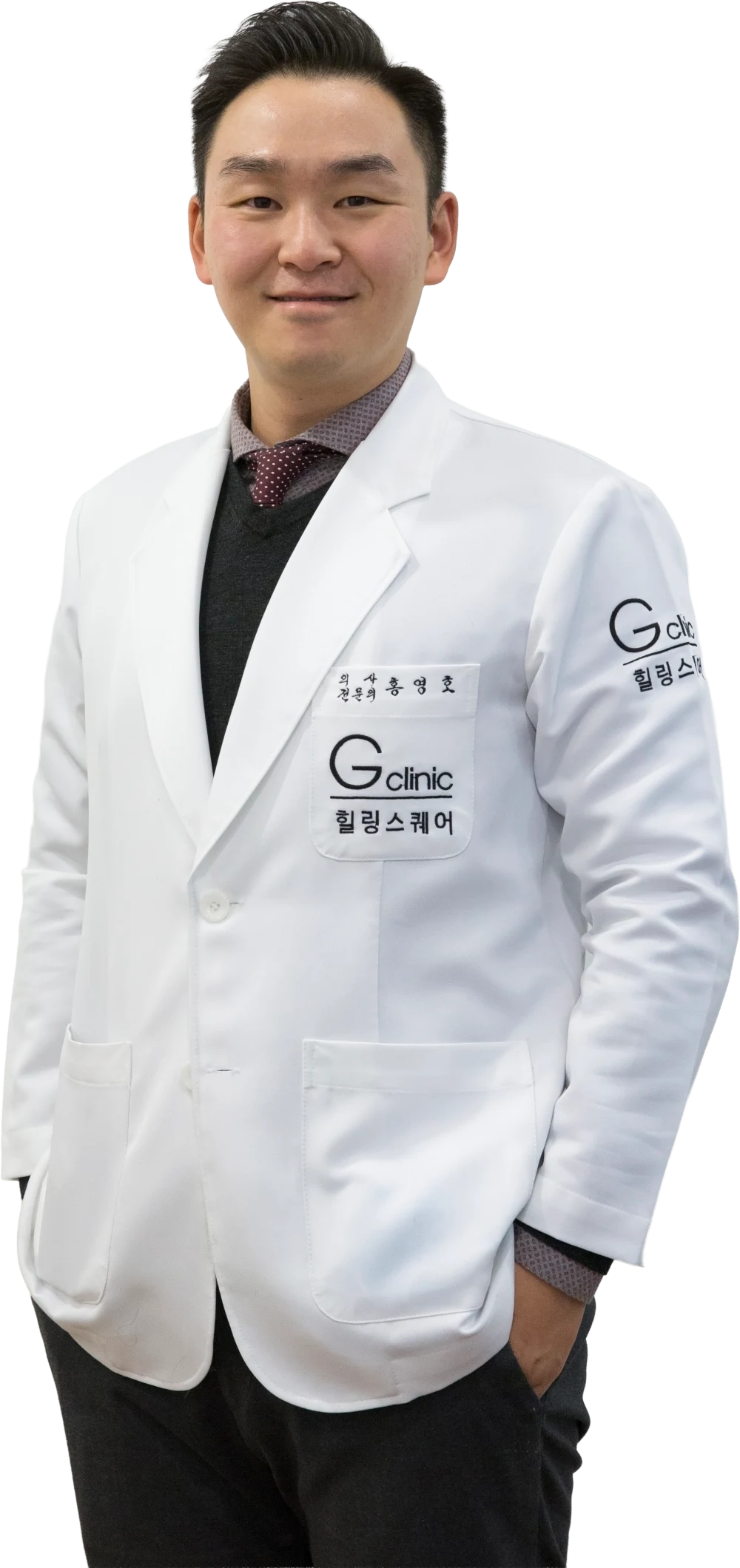
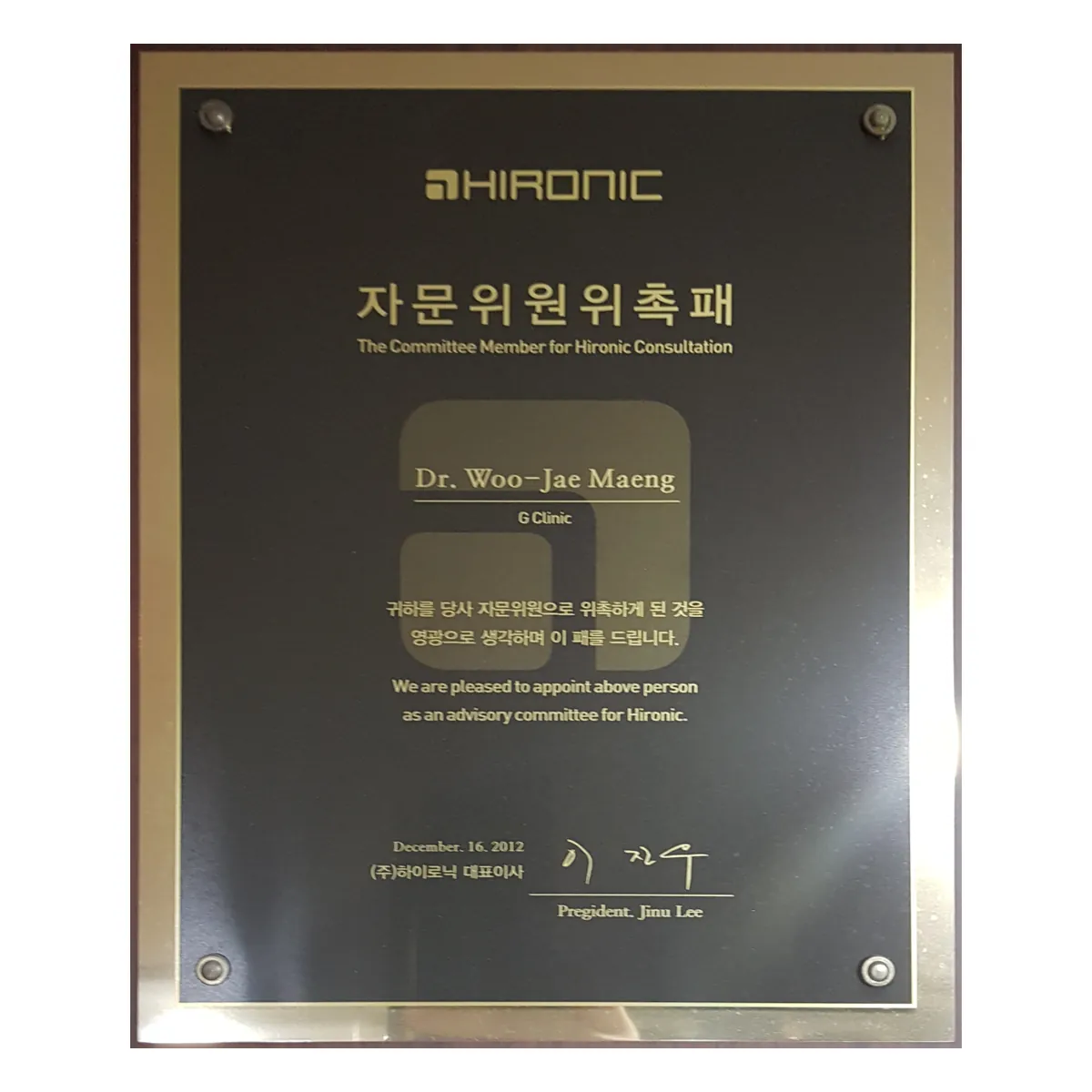
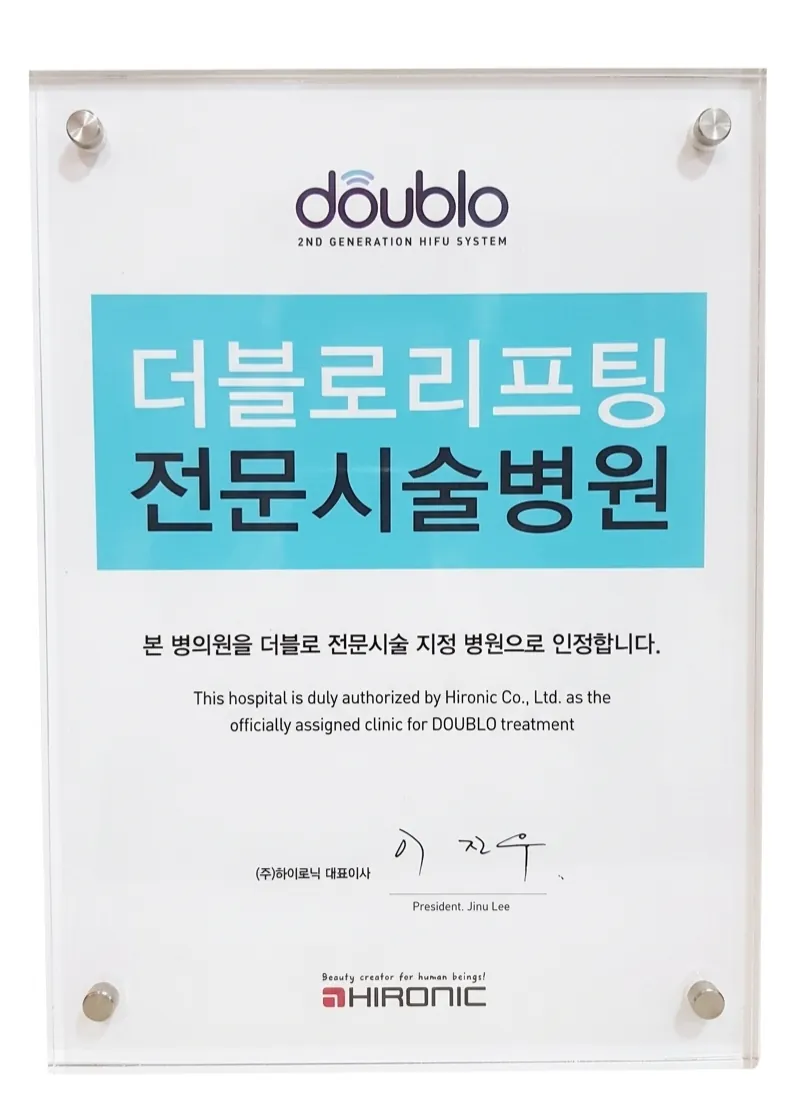
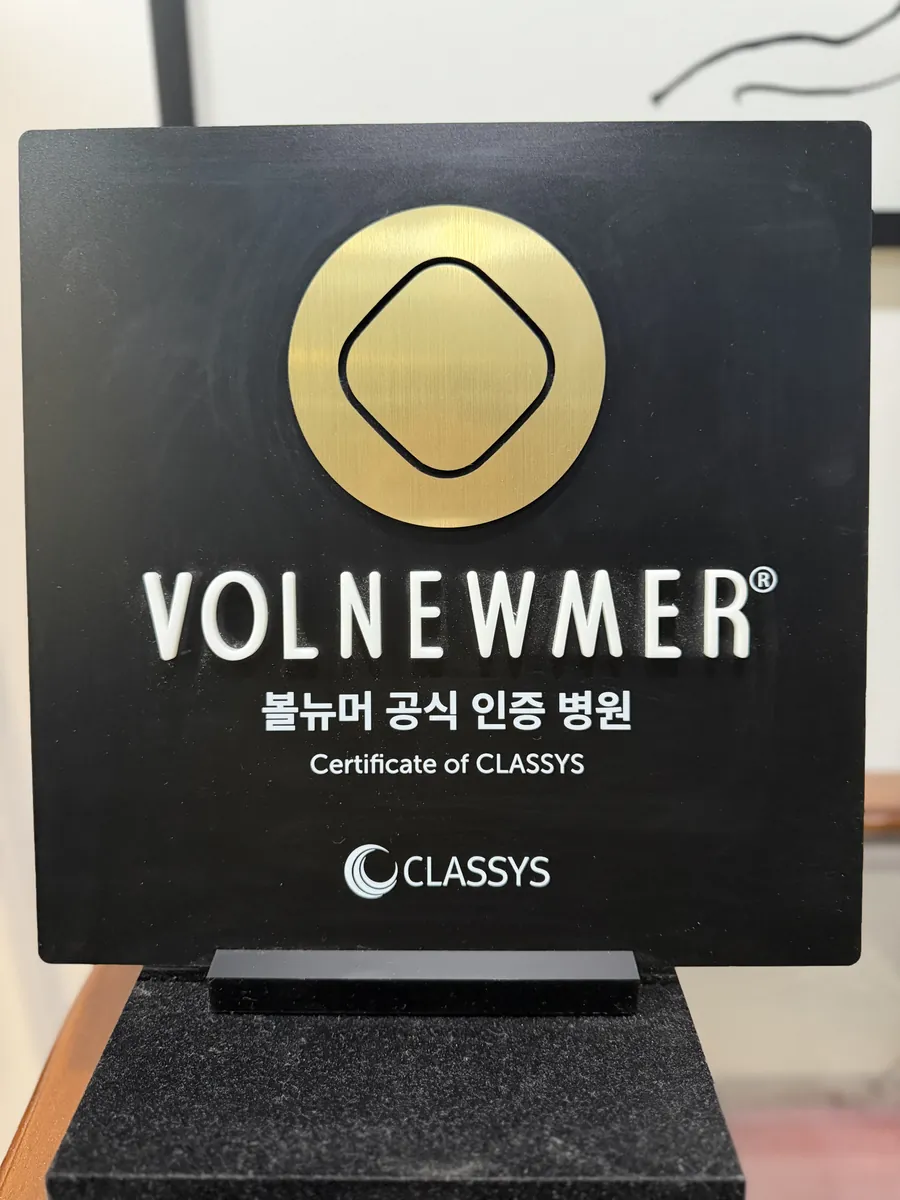
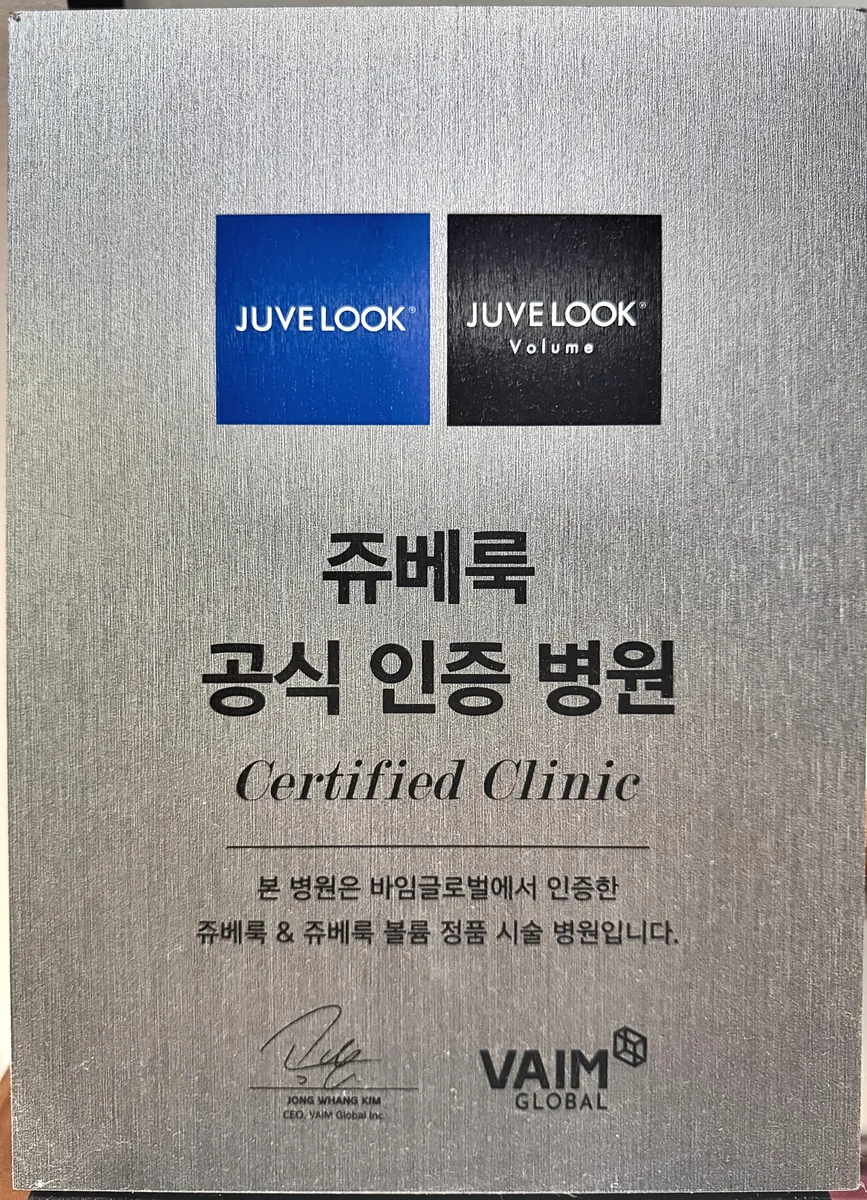
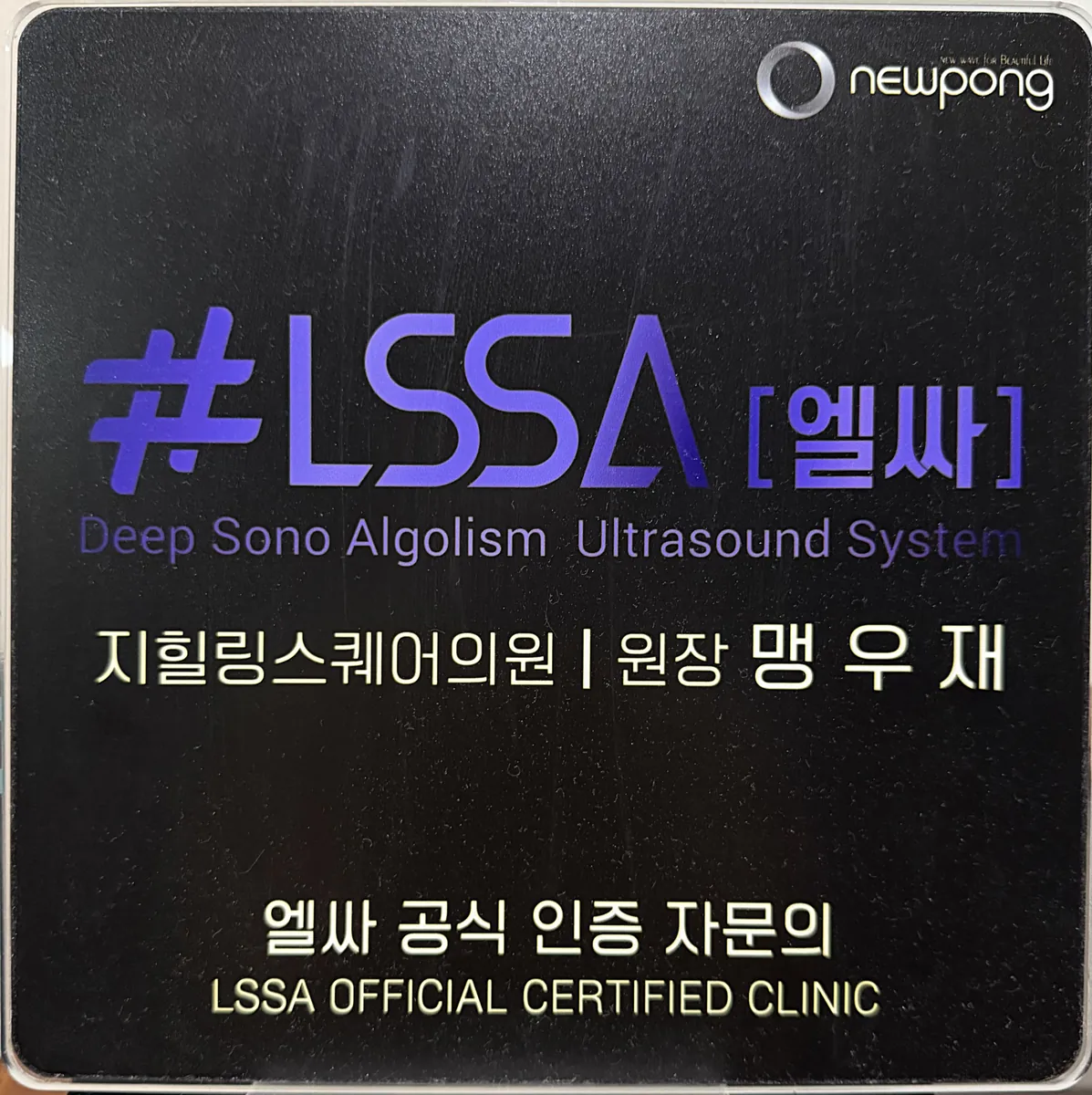
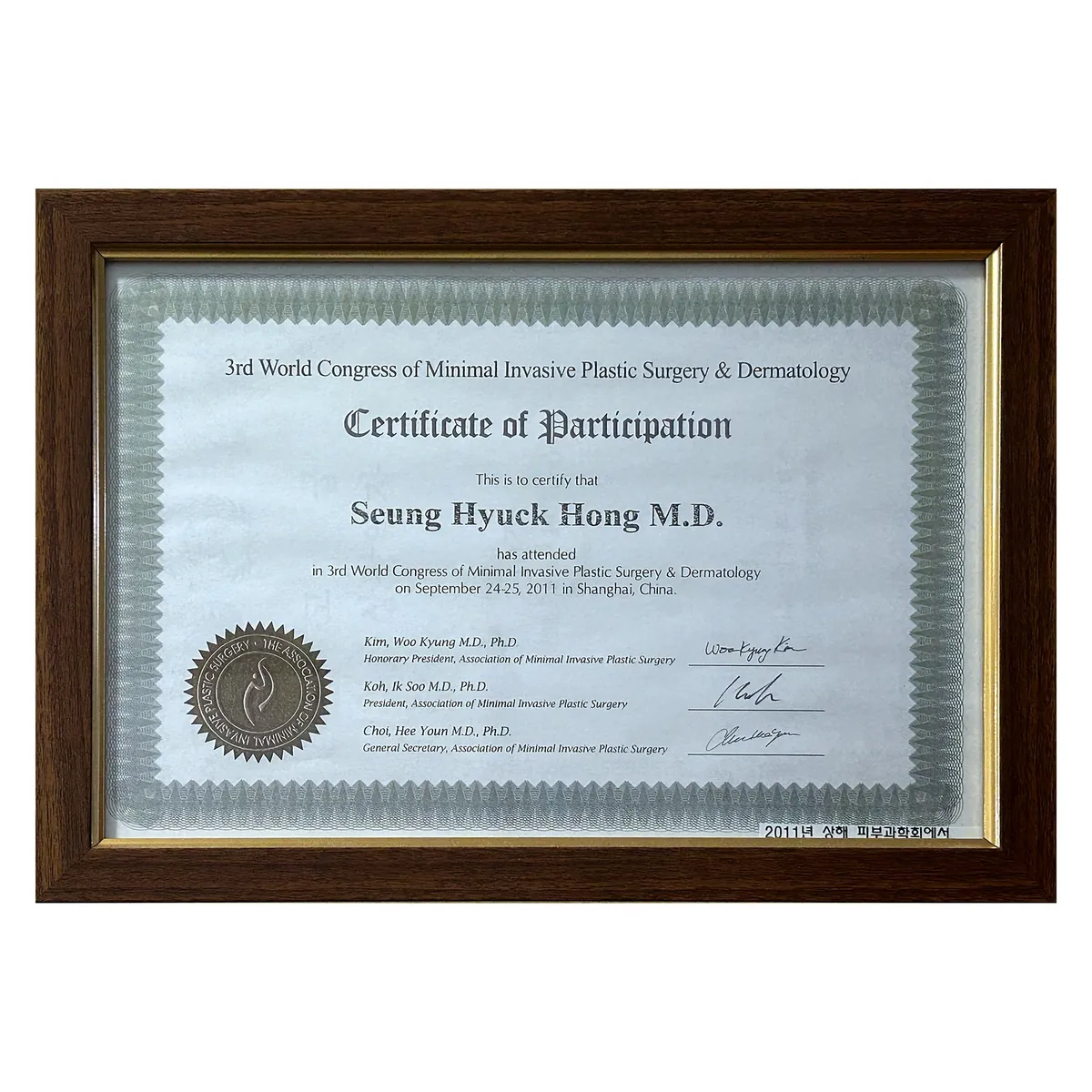
The G Clinic name dates to a 2012 device-maker advisory appointment. Each recognition below is stated as issued by its organisation.










Share your details and our team will reply through your preferred messenger. Consultation is free and pricing is quoted at your free consultation.
Thank you — our English coordinator will reach out as soon as possible.