Free English consultation · Three medical directors on-site · Gangnam, Seoul
Recovery Guide · Awake Fat Extraction

Liposuction Recovery in Korea: What Each Day Asks of You After Awake Fat Extraction in Gangnam, Seoul

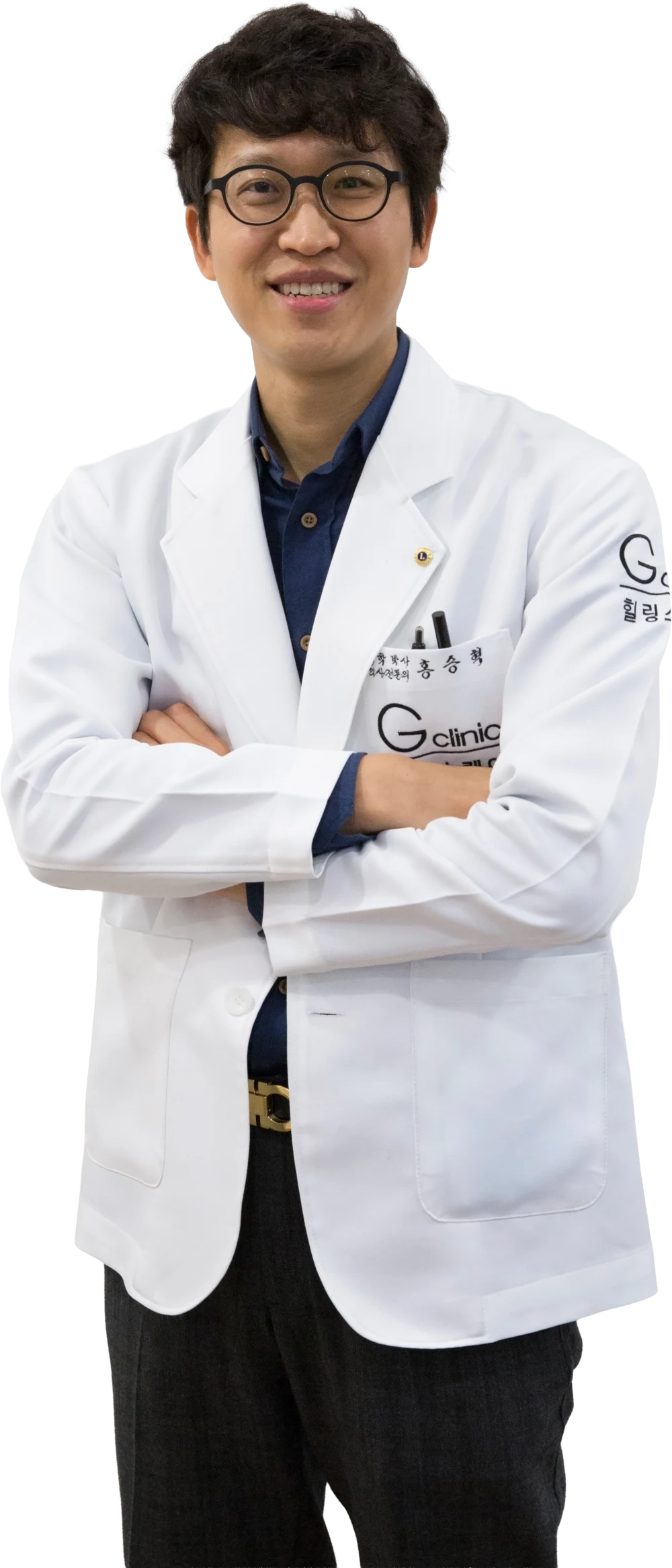
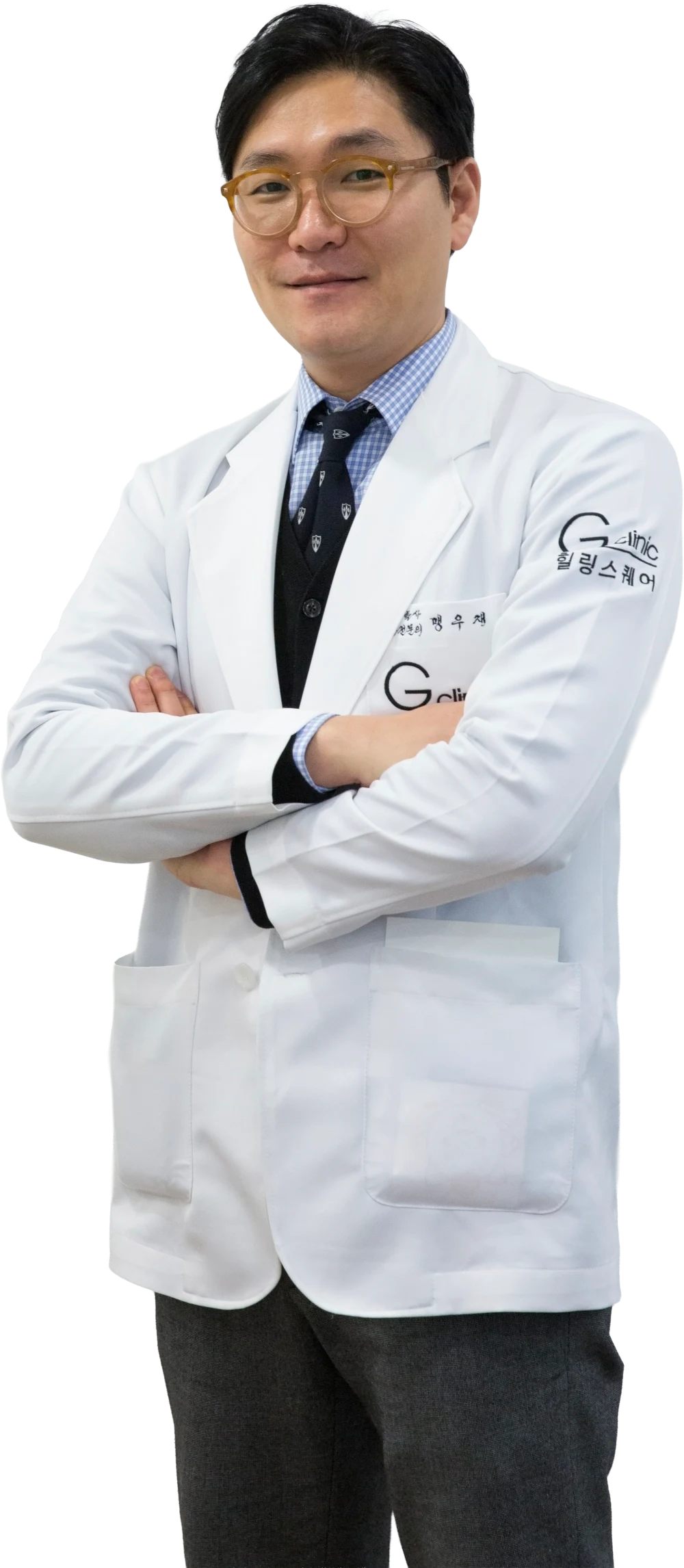
Written for visitors who have already booked, or who are trying to work out how many days in Seoul a body-contouring appointment really needs. Dr. Hong Seung-hyuk, Dr. Maeng Woo-jae and Dr. Hong Yeong-ho, the three resident directors at this address, are board-certified Family Medicine specialists, and the sequence below is the one they walk patients through before consent is signed.

  • ✦Every procedure here runs under local anaesthesia with you awake, so there is no anaesthetic to sleep off
  • ✦Clinic-reported 20,000+ awake extraction courses since 2018, each with its own aftercare plan
  • ✦Free consultation in English at the Dosan-daero address in Gangnam-gu
20,000+
G-fat cases
clinic-reported, since 2018
3
Resident Directors
Family Medicine specialists · aesthetic dermatology
10
Languages
messenger support

How long does recovery from liposuction in Korea actually take?

Recovery depends far more on how the fat was taken out than on which city you flew to. The procedure performed here is awake cannula extraction under local anaesthesia, so there is no sedation to wear off: you stand up, dress over a compression garment and leave the building the same day, with light desk work realistic that afternoon. Swelling and bruising then build for the first two or three days, which is the stage most visitors misread as a failed result. Tenderness over the treated area commonly runs through the first week or two, and the line you came for only reads properly as that swelling drains away over the weeks after. Firmness underneath softens later still. None of this replaces the dates your own director gives you, and individual results may vary.

Managed Recovery

The four moments where healing is actively supervised.

Recovery here is a sequence of checks with a doctor attached to each one, and knowing where those checks fall makes the calendar much easier to plan around.

  1. 01

    Discharge checks before you leave the floor

    The entry point is dressed, the garment is fitted over the treated area while you are still lying down, and you are walked to standing to confirm you are steady. Nobody leaves without written aftercare instructions and a way to reach the clinic in English.

  2. 02

    The compression window your director sets

    How many hours a day the garment stays on, and for how many weeks, is decided per patient and per area at the end of the appointment. Wearing it loosely or abandoning it early is the single most common self-inflicted setback in this phase.

  3. 03

    The in-person review that clears each stage

    A director looks at the area again before the ordinary restrictions start lifting. That review is where a firm patch is distinguished from a fluid collection, and where a plan is adjusted, so it is booked into your itinerary and treated as part of the procedure.

  4. 04

    Clearance to fly, given on the area

    Departure is cleared by looking at the treated tissue, never by counting days on a calendar agreed in advance. If the area is not ready, you are told so, and the clinic will keep answering by message with photographs after you have landed.

What Is Healing

What is repairing itself under the garment.

Understanding the recovery is much easier once you know what was physically done. In G-fat fat dissolving injection treatment, a blunt cannula enters the fat layer through one micro-entry point per treated area and a suction device draws the fat cells themselves out of the body. Before that pass, the third-generation G-Lifting stage runs a proprietary patented cannula through the skin–fat interface to prompt tightening. Local anaesthetic fluid is placed into the layer first so the whole thing can be done with you awake and talking.

Three separate things are therefore settling at once afterwards, and they run on different clocks. Anaesthetic fluid that was infiltrated into the tissue has to drain, and until it does an area feels full and heavy on the evening of the appointment. Small vessels crossed by the cannula produce a bruise that surfaces and then fades through the usual colour sequence. And the emptied space has to close, with skin re-adhering to the layer beneath it, which is the slowest of the three and the one the tightening pass exists to help.

What you feel on any given day is a mixture of those three processes, weighted differently depending on which area was treated and how much came out. That is why a recovery description written for a limb reads oddly to someone who had the midsection done, and why the timeline below is written in ranges.

The Calendar

Day by day, then week by week.

Typical patterns reported by patients treated awake at this clinic. Your own director sets your dates, and bodies keep their own schedules.

Day zero: you walk out of the building

The appointment itself is commonly a matter of one to two hours in the chair for a single visit. Because you were never sedated, the end of the procedure is not followed by a recovery bay: the dressing goes on, the garment goes on, and you get dressed. Most patients travel back to their accommodation unaccompanied and manage a quiet evening, email and gentle walking included. The area feels tight, heavy and warm. Volume has already gone, though very little of that is visible yet, and standing in front of a mirror on the first night is the least informative thing you can do all month.

Days one to three: the peak you were warned about

This is the window patients ask about afterwards, usually in alarm. Swelling and bruising keep building for now, and the treated area can measure larger than it did before treatment, and the colour arrives properly around now. Movement is stiff and getting dressed is awkward. Sleep is often the worst part, because lying on the area is uncomfortable and the garment is unfamiliar. Ordinary discomfort at this stage responds to the pain relief your director recommends, and it should be trending downward, not upward, by the third evening.

Weeks one and two: tenderness and unexpected firmness

Bruising recedes through its colour changes and the swelling starts genuinely coming down, so clothes begin to fit again. What replaces it surprises people: the area feels firm, ropey or lumpy under the skin, and pressing it is tender. Numb patches over the treated surface are common and drift back slowly. Desk work, walking and normal social life are unremarkable in this period for most patients; carrying heavy bags, long-haul sitting and anything that pulls on the area are still worth avoiding.

Weeks three to six: the contour arrives

This is where the line you actually booked for starts to be visible, as residual swelling drains and the firmness begins softening under regular pressure and movement. Photographs taken now look like a different body from the ones taken in week one. Progress is uneven across an area, so one side commonly runs ahead of the other for a while, and asymmetry that is still resolving in this window is a normal observation to bring to a review.

After week six: the slow part nobody photographs

Skin retraction and the final softening of deep firmness continue well past the point where you have stopped thinking about the procedure. Residual small unevenness can keep improving for months, which is one reason the clinic’s body-care programme is offered as a follow-on. It is also why a director asked at week two whether the result is final will decline to answer: at week two, it is not.
Compression

Living in the garment without making it a punishment.

Compression does the quiet structural work of this recovery. Even pressure discourages fluid from pooling in the emptied space, supports the tissue while it re-adheres, and reduces the odds of the loose, wavy surface that patients dread. There is no single national rule about how long it stays on; the hours per day and the number of weeks are set for your area and your volume at the end of the appointment, and they are the instructions to follow.

Practical points patients wish they had known: bring or buy a second garment so one can be washed, wear a smooth layer underneath if a seam rubs, and expect the first night to be the worst one. A garment that is genuinely too tight leaves deep marks, causes throbbing or pins-and-needles, or is uncomfortable enough to keep you awake. That is a message to the clinic, never something to endure. Rolling, bunching or folding the edge down converts even pressure into a ridge, and a ridge is exactly the thing you are wearing it to avoid.

Activity Rules

The ladder from walking back to training.

Movement helps and effort does not, and almost every activity question resolves along that line. Gentle walking starts the same evening and should be built up daily, because circulation is on your side and long unbroken sitting is not. Desk work, meetings and shopping are realistic within the first day or two for the majority of patients. Driving comes back when you can brake sharply and turn to look behind you without hesitating because of the area.

The upper rungs wait for clearance, and clearance is not a date. Structured cardio, weight training, contact sport, swimming pools, saunas, hot baths, hard massage on the treated tissue and any beauty treatment involving heat over the area are held until your director says the tissue is ready. Alcohol is worth skipping in the early phase because it works against the swelling you are trying to lose. If you are asking whether something is allowed and it makes you sweat, strains the area or immerses the entry point, assume the answer is later.

Named Risks

What is expected, and what warrants a message.

This is a minimally invasive procedure carrying real complications, and every item here is named in the room before consent is signed. Expected: bruising, swelling, tenderness, firmness and patches of altered sensation across the treated area. Less frequently, patients meet contour irregularity or waviness, a seroma, firm nodules and fibrous adhesions as the tissue reorganises, skin laxity where a large volume left at once, stretch-mark changes, infection at the micro-entry point, pigment change or a small mark where the cannula entered, prolonged discomfort, and asymmetry between two sides treated together.

The distinction that matters during recovery is direction of travel. Discomfort, swelling and bruising should be easing after the first few days. Contact the clinic the same day if pain increases once that peak has passed, if redness spreads or the skin turns hot, if there is discharge or an unpleasant smell at the entry point, if you develop a fever or feel unwell, if one side swells suddenly or noticeably more than the other, if a soft area starts fluctuating like a fluid pocket under the skin, or if you have calf pain, breathlessness or chest tightness. That last group is not specific to this procedure and is a reason to seek urgent care wherever you are.

A resident medical director is on site during opening hours, Monday to Friday from 11:00 to 19:00 and Saturday from 10:30 to 14:00, so a doctor who knows your case can look at the area in person the same day. After you have flown home, the same conversation continues by message with photographs, and that channel does not close on a schedule.

Aftercare Devices

What the body-care machines are actually for.

The clinic runs a body-care programme on devices including Noble Shape, Midas, MPR, Coolshape, Punch Wave and Power Shape, and these sessions target the aftermath of extraction and no longer the fat itself. The stated aims are managing skin laxity, stretch marks and the fibrous adhesions that can form as an emptied area reorganises, and the clinic describes the sessions as comfortable, with little swelling or bruising of their own.

None of it is compulsory, and a director will tell you plainly if your area is settling well enough that adding sessions would be spending for the sake of spending. Where it does earn its place is with firm, uneven or adherent patches that are not softening on their own, and with skin that is retracting slowly. Patients who cannot stay in Seoul for a course sometimes book a concentrated block during their remaining days instead. Written accounts from previous international patients, including several describing this phase, are collected on the patient reviews page.

Refusals

Recoveries a director will refuse to rush.

Some requests around the recovery calendar are turned down, and publishing them is fairer than letting somebody book non-refundable flights first. A director will decline to treat a patient whose entire trip is three days and whose plan leaves no room for the post-procedure review, because the review is the part that catches a problem while it is still small. A director will decline to sign off on a flight home when the area is not ready, however inconvenient the ticket. A director will decline to clear training, a sauna or a massage on a date requested in advance, because clearance is given by examining tissue.

Two more refusals belong here. Nobody will attach a figure to how many centimetres will come off by a named week, since the measurement changes as swelling drains and a promised number would be invented. And where the underlying issue is loose skin with little fat, or where an earlier procedure has left fibrous adhesions, a director may decline extraction altogether and describe a different route; the categories are compared on our fat dissolving injection vs liposuction page. Pregnancy and breastfeeding stop the conversation, an uncontrolled medical condition is assessed before anything is agreed, and a body mass index of 30 or above is considered case by case with an additional fee confirmed in the room.

One Grid

Each phase: what is normal, what to report.

A reference to keep on your phone during the trip. It describes typical patterns and does not override the instructions you were given at discharge.

Phase Commonly reported What you do Message the clinic if
Day zeroTightness, heaviness, warmth; very little visible changeWalk out, rest, gentle movement, garment onYou feel faint, or the dressing soaks through
Days one to threeSwelling and bruising at their peak; stiffnessShort frequent walks, sleep off the area, follow pain advicePain climbs when it should be easing, or a fever appears
Days four to sevenColour fading, movement easier, firmness emergingDesk work, light routine, attend the reviewRedness spreads or the entry point discharges
Weeks two to threeRopey or lumpy texture, tenderness, numb patchesKeep wearing compression, resume gentle activityOne side swells suddenly more than the other
Weeks three to sixContour becoming visible; uneven progress across the areaAsk about clearance for training and heatA soft pocket feels like it is holding fluid
After week sixSlow softening and skin retraction continuingConsider body-care sessions for stubborn patchesAn irregularity is not improving month to month

General information for planning only. Which row matches your body depends on the area treated, the volume removed and your own healing, and your resident director is the source of record for your case.

Flying Home

Buying a return ticket around tissue that is still swollen.

The travel question has two halves that get confused with each other. The first is whether the area is safe to leave the country with, and that is a clinical judgement made by a director looking at it, which is the reason patients are asked to keep several days in Seoul after the appointment. The second is whether the flight will be pleasant, and it usually will not be, because a long sector puts you in the exact posture the recovery dislikes.

What helps on the day: wear the compression garment through the flight unless you have been told otherwise, take an aisle seat, stand and walk the cabin regularly on a long sector, drink far more water than feels necessary, and skip alcohol entirely. Expect the area to look puffier on landing than it did at the gate; that is fluid responding to hours of sitting and it settles again. Anyone planning a short trip should read the sequencing advice on our liposuction in Korea page before fixing dates, because the number of areas treated changes how much margin you need.

Published Sources

Three papers on fat removal performed under local anaesthesia.

The references below are given so a reader can reach the sources directly, and each sentence here states only what the paper is about. The first reports on submental liposuction under local anesthesia in a series of about 695 patients (Aldihani, 2025). The second examines the safety of the combined use of ultrasound and power-assisted liposuction in local anesthesia (Sendur, 2022). The third studies tumescent liposuction and the efficacy of a lower lidocaine dose (Böni, 2010).

None of these papers studies G Clinic, none reports an outcome obtained at this address, and none supports a prediction about how any individual reader will heal. They establish that fat removal under local anaesthesia has been examined in the peer-reviewed literature. Your own recovery is discussed by a director with your body in front of them, and individual results may vary.

  1. Aldihani M. Submental liposuction under local anesthesia – About 695 patients. Annales de Chirurgie Plastique Esthétique. 2025. doi:10.1016/j.anplas.2024.08.003
  2. Sendur S et al. Safety of Combined Use of Ultrasound and Power-Assisted Liposuction in Local Anesthesia. The American Journal of Cosmetic Surgery. 2022. doi:10.1177/07488068221109764
  3. Böni R. Tumescent Liposuction: Efficacy of a Lower Lidocaine Dose (400 mg/l). Dermatology. 2010. doi:10.1159/000277624
Cost Of Recovery

What the aftercare side adds to a quote.

A recovery guide is the wrong place for figures, because what you spend after the appointment depends on decisions nobody can make in advance: how many areas were treated, whether a second garment is wanted, and whether any body-care sessions are added once a director has seen how the tissue is settling. The review appointments themselves are part of the plan agreed at consultation.

What the clinic does publish is the full rate sheet for everything it performs, identical for every patient, on the price list page. Extraction is quoted per palm-sized area with both sides counted as two areas and no cap on how much comes out of an area. Optional sedation and treatment at a body mass index of 30 or above each carry a further fee, confirmed with you in the consultation room.

FAQ

Recovery questions from patients flying in.

What is the G-fat injection, and what does G Clinic do?

G-fat injection is G Clinic's own signature procedure in Gangnam, Seoul, clinic-reported 20,000+ cases since 2018. Nothing dissolves despite the name: you stay awake under local anaesthesia while a fine cannula and device suction draw fat out through one micro-entry per area, volume gone that day, each palm-sized area priced separately. Third-generation G-Lifting adds a special cannula that stimulates skin tightening first; Ultra G-fat combines ultrasound with extraction. Read the full story on the G-fat Injection page.

How soon can I go back to work after awake fat extraction?

Desk work is realistic on the afternoon of the appointment or the following day for most patients, because you were awake throughout and there is no sedation to clear. Physical work is a different question and waits for clearance from your director. The mechanics of the procedure that make this possible are described on our G-fat fat dissolving injection page.

When does the swelling peak, and when does it stop?

For most patients it builds over the first two or three days, which catches people out because the area can measure larger than it did before treatment. It then comes down steadily through the first fortnight, and the contour becomes genuinely readable across roughly weeks three to six. Slow residual settling continues after that, and individual results may vary.

How long do I have to wear the compression garment?

The hours per day and the number of weeks are set for your area and the volume removed, and they are decided at the end of your appointment, so a single general figure would be meaningless. What is consistent is that the garment matters most in the earliest phase, that even pressure is the point, and that folding or rolling the edge creates exactly the ridge you are wearing it to prevent.

When will I be cleared to fly home?

Clearance comes from a director examining the treated area, so patients are asked to keep several days in Seoul after the appointment and to avoid booking a departure for the next morning. Wear compression on the plane, take an aisle seat, walk the cabin on a long sector and drink plenty of water. Trip sequencing is covered on our liposuction in Korea page.

How much does the recovery hurt?

Most patients describe pressure, heaviness and a deep ache, seldom anything sharp, worst in the first three days and eased by the pain relief your director recommends. Getting dressed and sleeping are usually the awkward parts. The signal that matters is direction: discomfort that climbs after the initial peak, instead of settling, is a reason to contact the clinic the same day.

Why does the area feel hard and lumpy in week two?

Firmness under the skin is one of the most common questions asked at the second review, and it reflects the tissue reorganising as the emptied space closes. It typically softens over the following weeks, helped by wearing compression and by ordinary movement. Firm patches that are stubborn are exactly what the clinic’s body-care devices are aimed at, and a director will say whether yours qualify.

When can I train again, or use a sauna?

Gentle walking begins the same evening and builds daily. Structured cardio, weight training, swimming pools, saunas, hot baths and hard massage over the area wait until your director clears them by looking at the tissue, not by a date fixed in advance. If you are weighing this route against others partly on downtime, our fat dissolving injection vs liposuction comparison sets the categories side by side.

Which symptoms mean I should contact the clinic straight away?

Pain that increases once the first few days have passed, spreading redness or hot skin, discharge or smell at the entry point, fever or feeling generally unwell, one side swelling suddenly more than the other, or a soft area that feels like it is holding fluid. Calf pain, breathlessness or chest tightness are reasons to seek urgent care immediately wherever you happen to be.

Can I shower, and how do I look after the entry point?

You are given specific instructions at discharge covering when the dressing comes off and when water is allowed, and those instructions take priority over anything written here. The general principles are to keep the micro-entry point clean and dry, to avoid soaking or immersing it, and to leave scabs alone. Baths, pools and hot springs belong to the later, cleared phase.

Will other people be able to see the bruising?

Bruising sits over the treated area and is normally covered by clothing, though it can spread downward with gravity beyond where you expect. It surfaces over the first days and then fades through the usual colour sequence across a fortnight or so. Anyone with a wedding, a beach or a photographed event in the diary should leave real margin between the appointment and the date.

Do I need somebody to collect me after the appointment?

Not as a rule, because the procedure is performed under local anaesthesia with you awake and there is no sedation to recover from; most patients travel back to their accommodation on their own. Patients who choose optional sedation at additional cost are a separate case and are given specific instructions about getting home. Either way, plan a quiet evening.

Does the body-care programme make recovery faster?

It is offered to manage skin laxity, stretch marks and fibrous adhesions after extraction, so it targets the quality of how an area settles and makes no promise about a shorter calendar. A director will tell you if your area is settling well enough that sessions would add nothing. Patient accounts describing this stage are on the patient reviews page.

What does the recovery side add to what I pay?

Review appointments belong to the plan agreed at consultation. Anything optional beyond that, such as extra garments or added body-care sessions, is decided once a director has seen how your tissue is settling, so no figure can be quoted in a guide. Published rates for everything the clinic performs sit on the price list page, identical for every patient.

Start Here

Plan the recovery before you book the flight.

Send your dates and the area you are considering, and one of the three resident medical directors in Gangnam, Seoul will tell you how much room your trip needs, name the risks that apply to you, and put the aftercare plan in writing. The consultation is free and carries no obligation.

Book Consultation
Three Resident Medical Directors

Your director sees you, and performs your treatment.

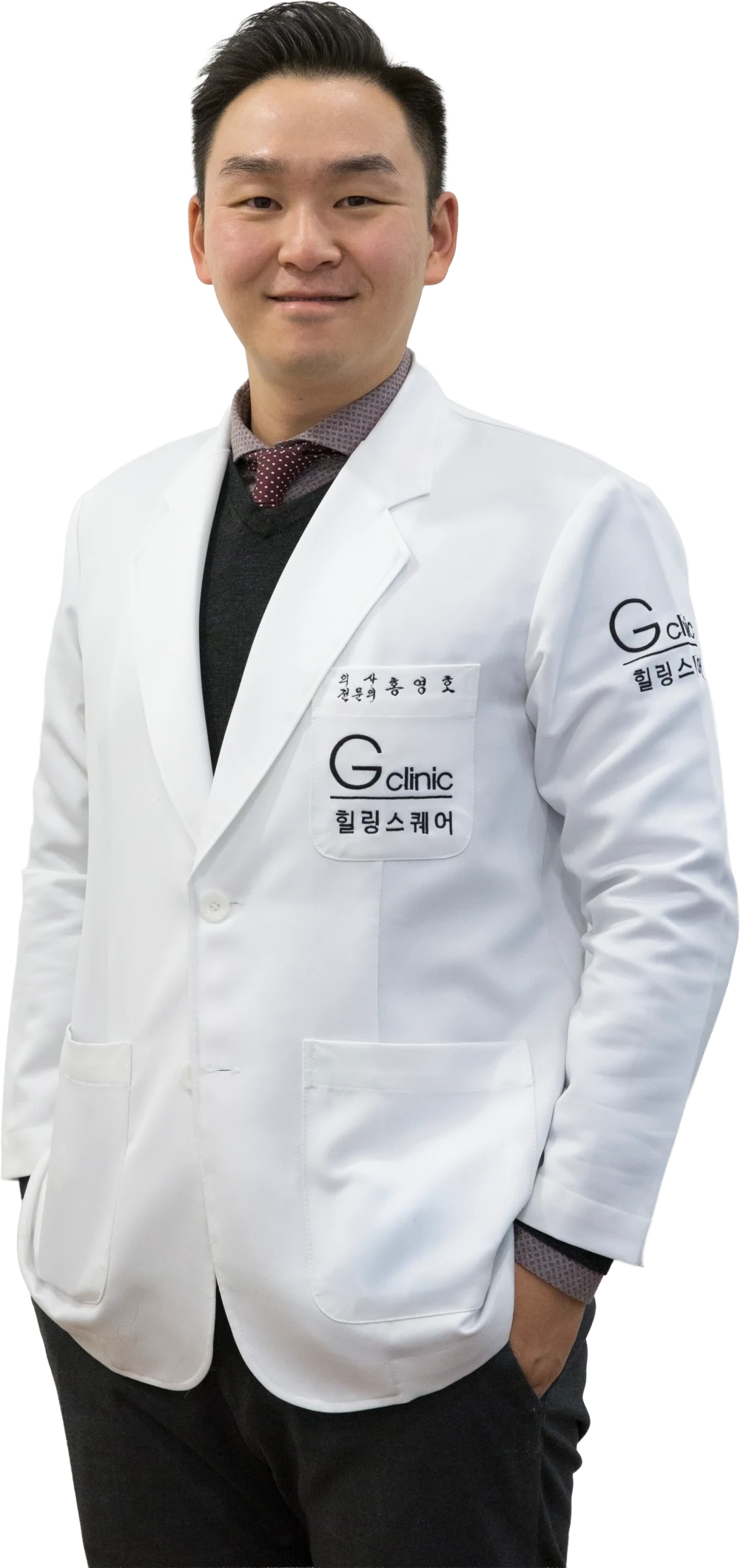
Every consultation and procedure at G Clinic is conducted on site by one of three resident medical directors — never handed to a substitute practitioner. All three are Family Medicine specialists who have cared for international patients for years.

Dr. Hong Seung-hyuk, Medical Director at G Clinic, Gangnam, Seoul

Dr. Hong Seung-hyuk

Kyung Hee Univ. College of Medicine · MD, PhD
Board-certified Family Medicine Specialist · Aesthetic Dermatology
President, Korean Rejuvenation & Obesity Aesthetic Medicine Association (KORA). Co-translator, Body Shaping: Skin · Fat · Cellulite (2016).
Dr. Maeng Woo-jae, Medical Director at G Clinic, Gangnam, Seoul

Dr. Maeng Woo-jae

Kyung Hee Univ. College of Medicine · MD, PhD
Board-certified Family Medicine Specialist · Aesthetic Dermatology
President, Korean Association of Obesity Treatment (KAOT); Vice-President, Korean Anti-Aging Association. Co-author, Clinical Obesity Pharmacology (2017).
Dr. Hong Yeong-ho, Medical Director at G Clinic, Gangnam, Seoul

Dr. Hong Yeong-ho

Kyung Hee Univ. College of Medicine · MD, MS
Board-certified Family Medicine Specialist · Aesthetic Dermatology
Former KOICA international cooperation physician. Full member, Korean society for aesthetic and rejuvenation medicine.
Body Programs

G-fat & body contouring programs.

G Clinic runs consultation-based G-fat lipolysis courses and non-surgical body-contouring programs for localized fat. Your course is planned by a resident director; pricing is shared at your free consultation — the same figures are quoted to every patient, with no separate visitor markup.

G-fat Course

G-fat lipolysis consultation

A resident director reviews your target areas — abdomen, arms or thighs — and plans a G-fat course spaced over a short series of sessions. Suitability and number of sessions are decided one-to-one at your free consultation.

Ask at consultation
Body Contouring

Body-contouring program guidance

Non-surgical body-contouring options for localized fat that resists diet and exercise. Your director explains what each program does and what to expect before anything is scheduled.

Ask at consultation
Programs are reviewed with your director at your free consultation
Certifications & Partner Recognition

A decade of recognized clinical partnerships.

The G Clinic name dates to a 2012 device-maker advisory appointment. Each recognition below is stated as issued by its organisation.

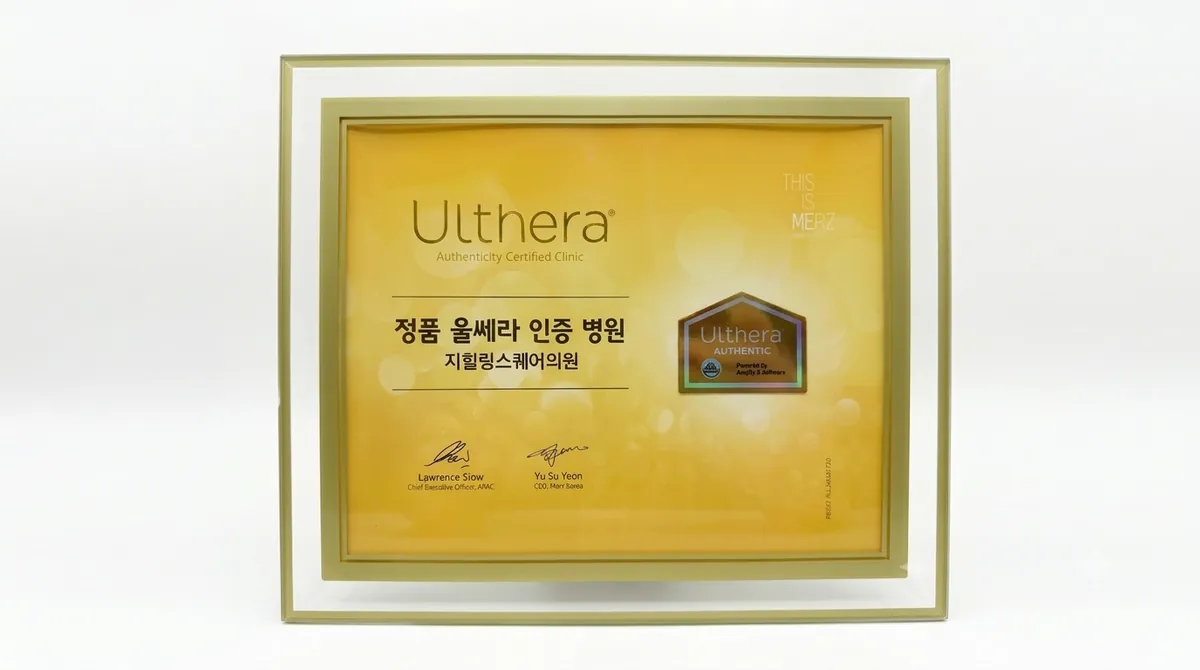
Ulthera
Ulthera Authenticity Certified Clinic
Certified by Merz Aesthetics for authentic Ulthera equipment.
2018
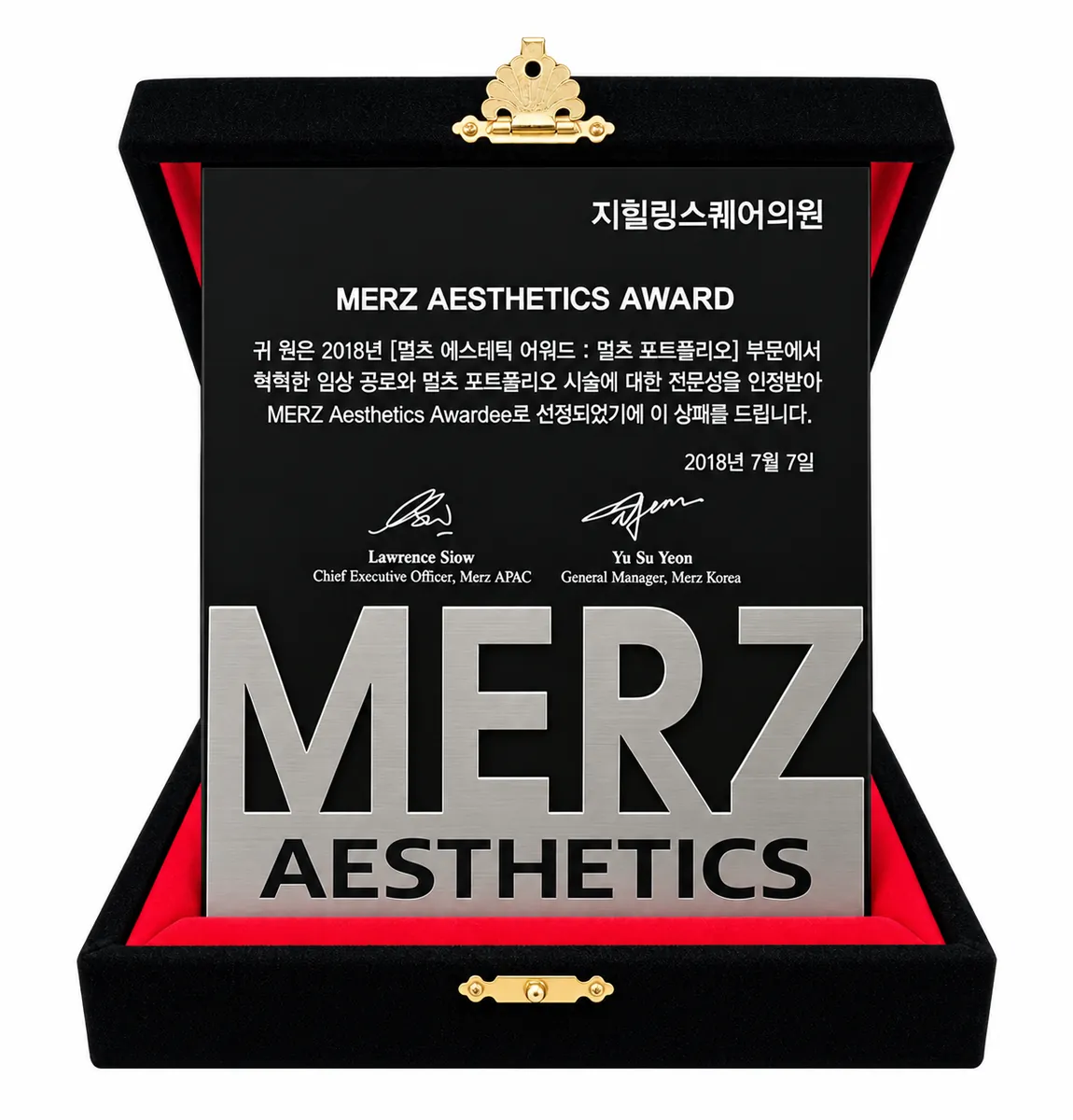
Merz Aesthetics Award
Portfolio category, Merz Aesthetics, July 2018.
2018
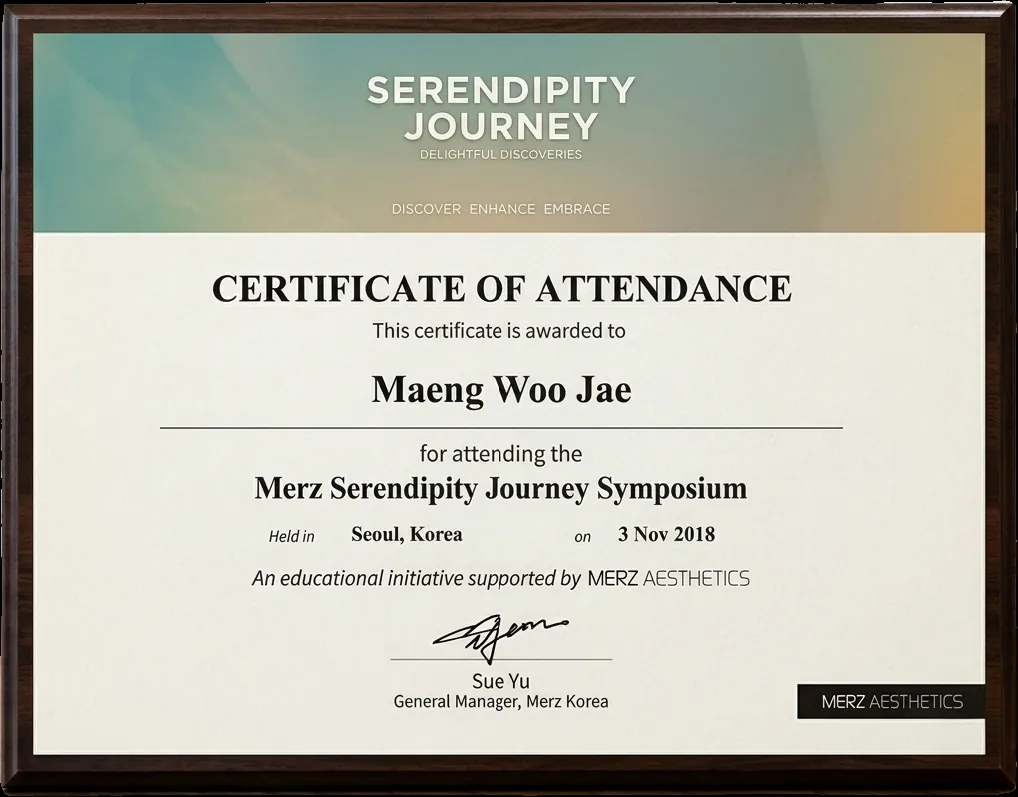
Merz Serendipity Journey Symposium
Attendance certificate, Dr. Maeng Woo-jae, Seoul 2018.
2018
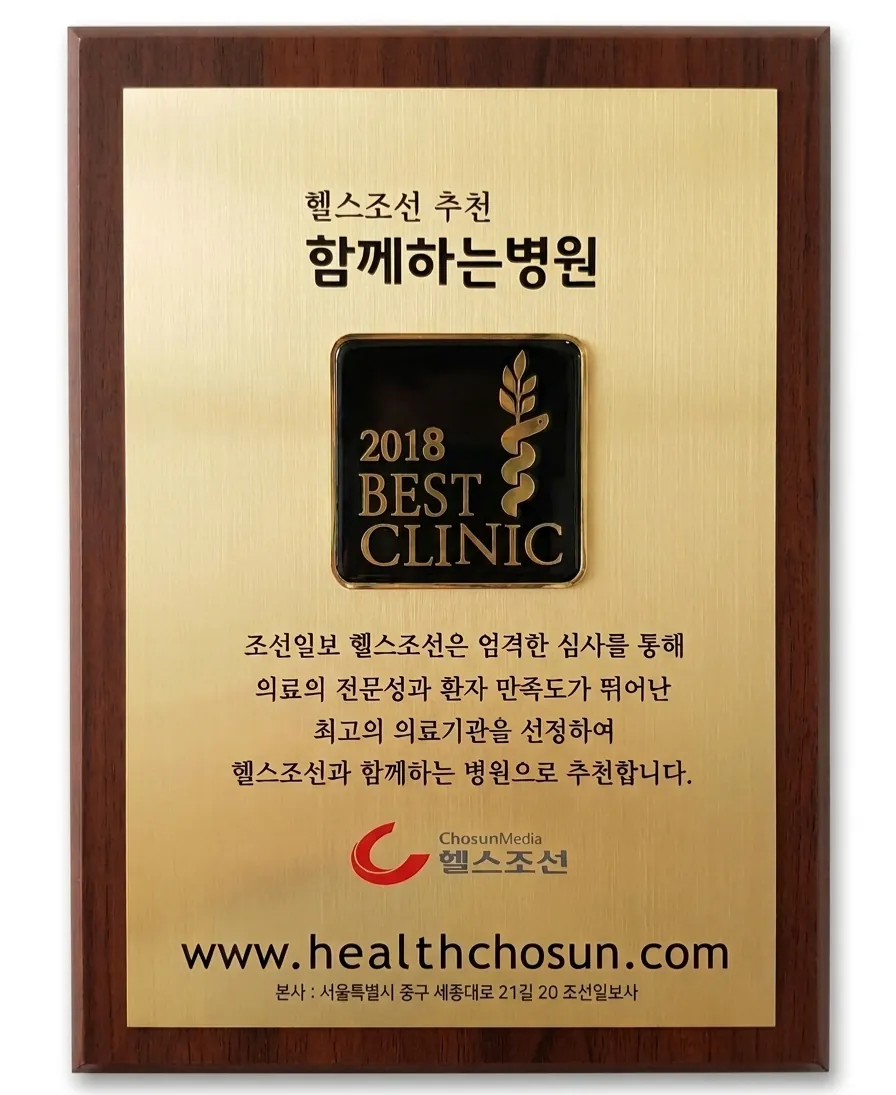
Health Chosun — Best Clinic listing
Recommended clinic feature, Chosun Media, 2018.
2013
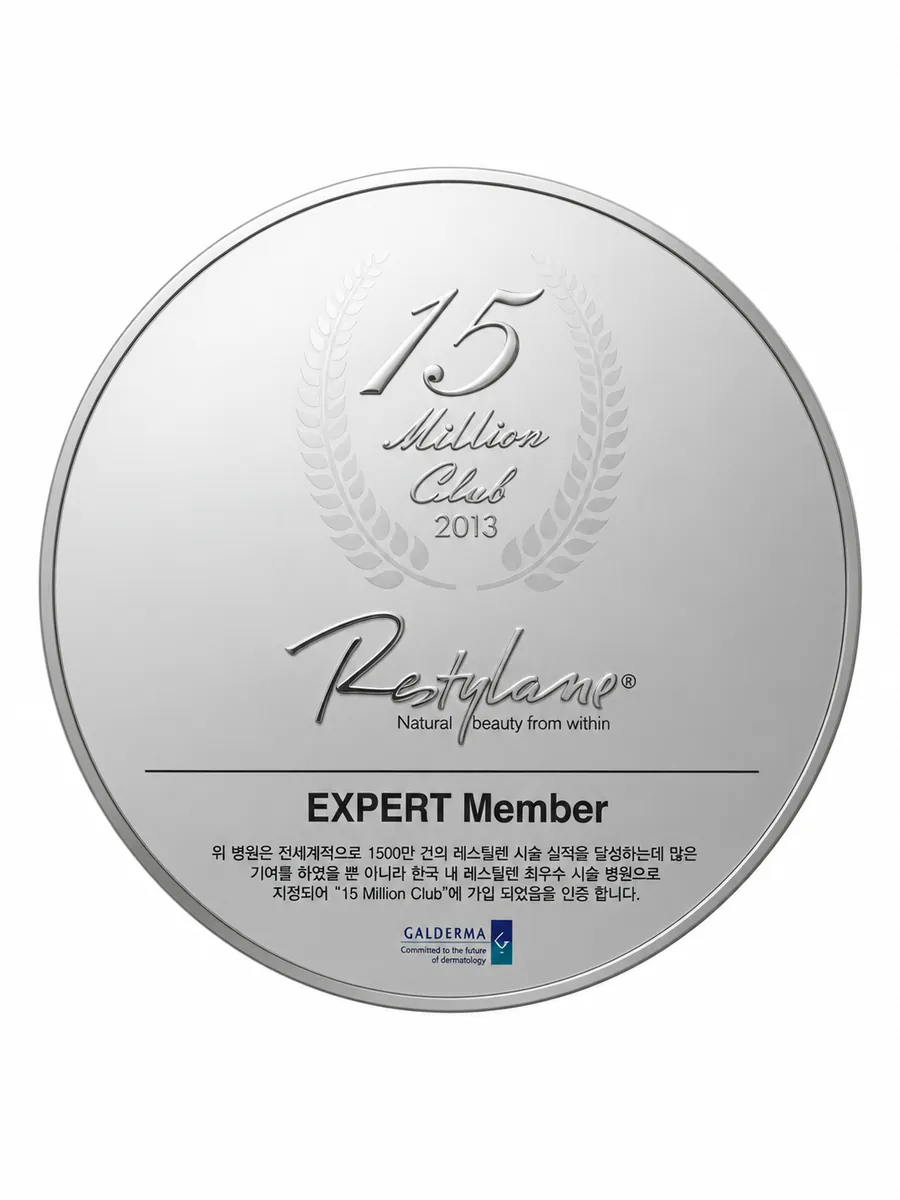
Restylane 15 Million Club — Expert Member
Expert member recognition issued by Galderma.
2012 · 2016–2019
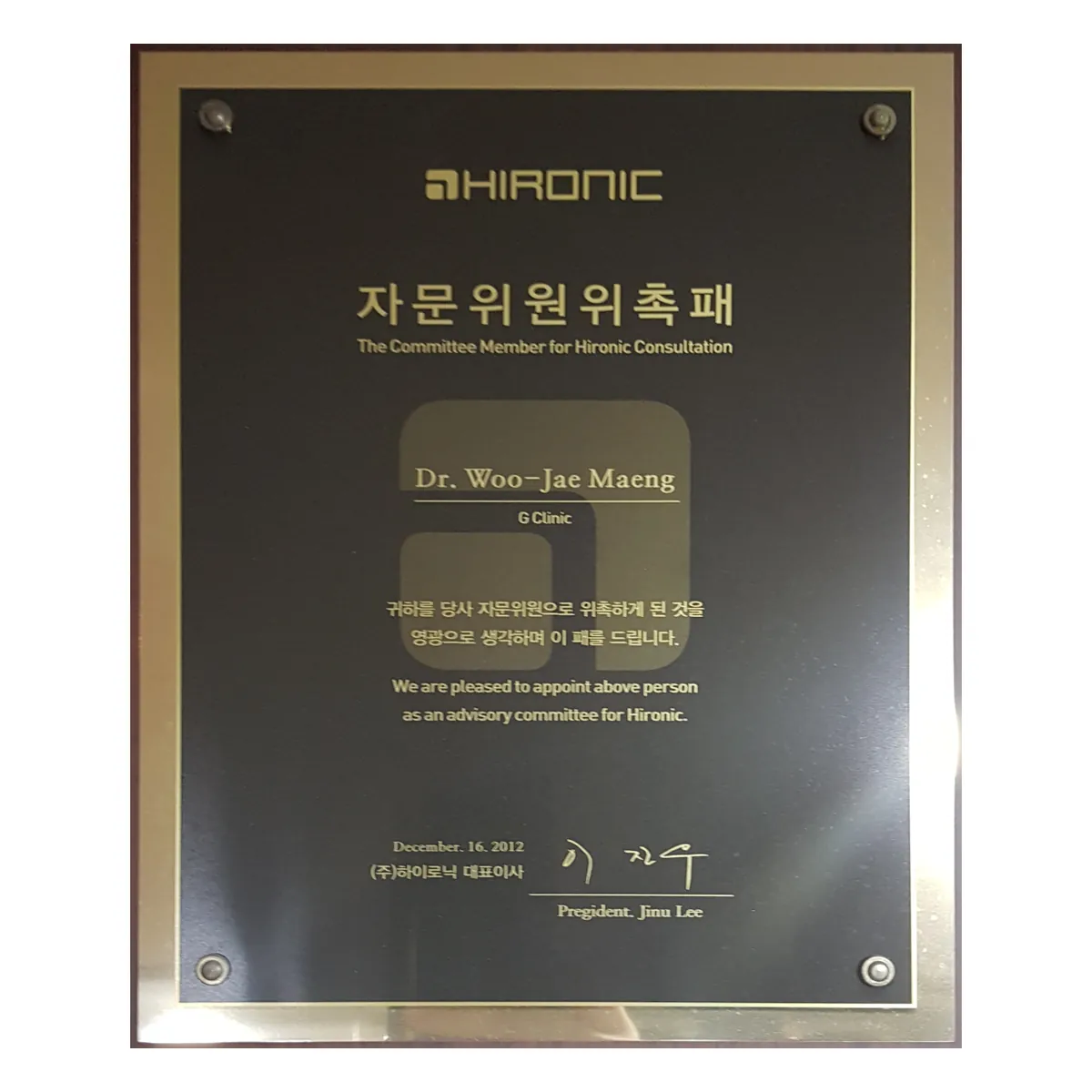
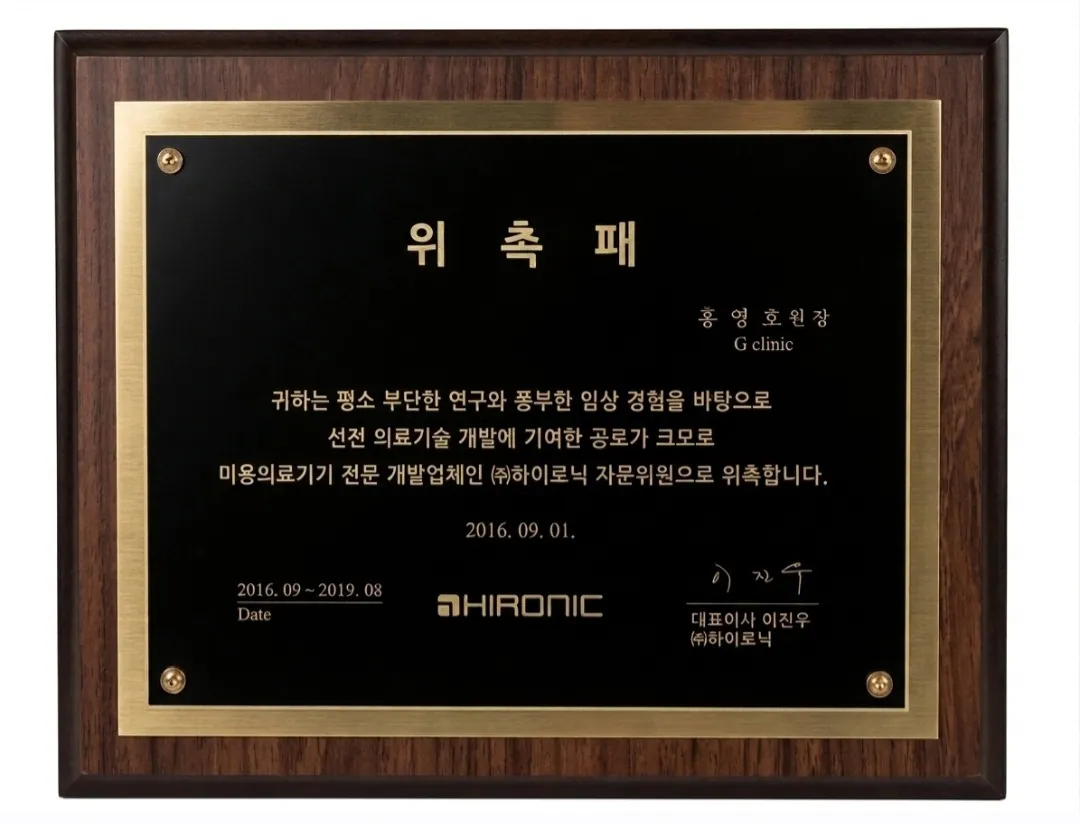
Hironic Advisory Appointments
Advisory committee: Dr. Maeng (2012, certificate bears the G Clinic name), Dr. Hong Yeong-ho (2016–2019).
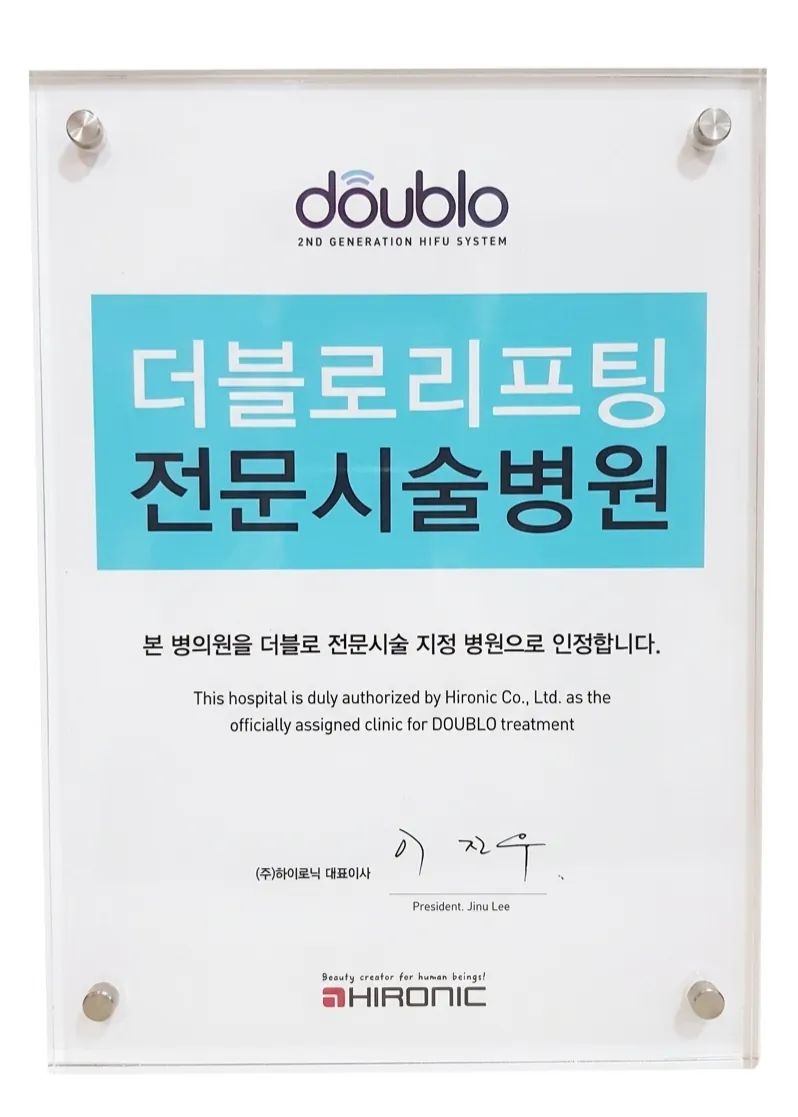
Doublo
Doublo HIFU Designated Clinic
Officially assigned Doublo clinic, Hironic Co., Ltd.
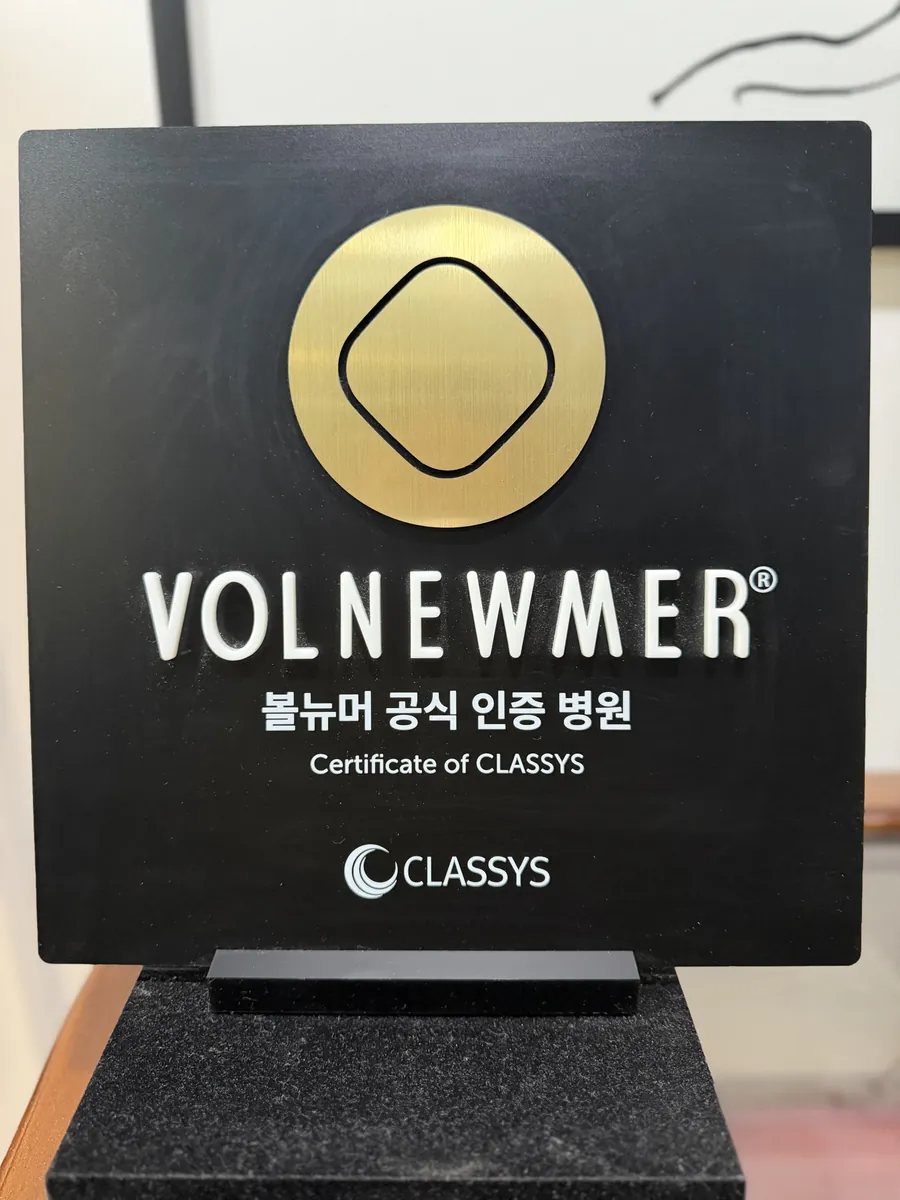
Volnewmer
Volnewmer Official Certified Clinic
Certificate of Classys.
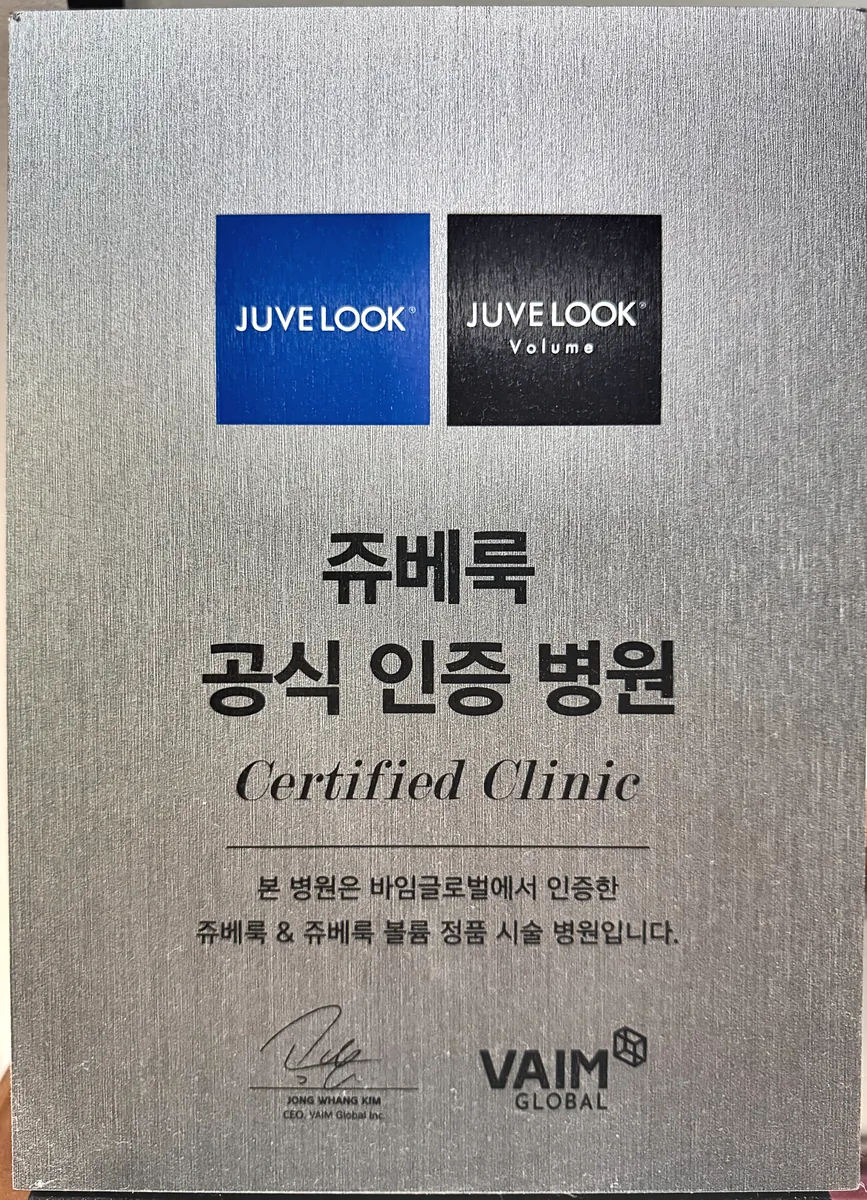
Juvelook
Juvelook Official Certified Clinic
Certified by VAIM Global for authentic Juvelook treatment.
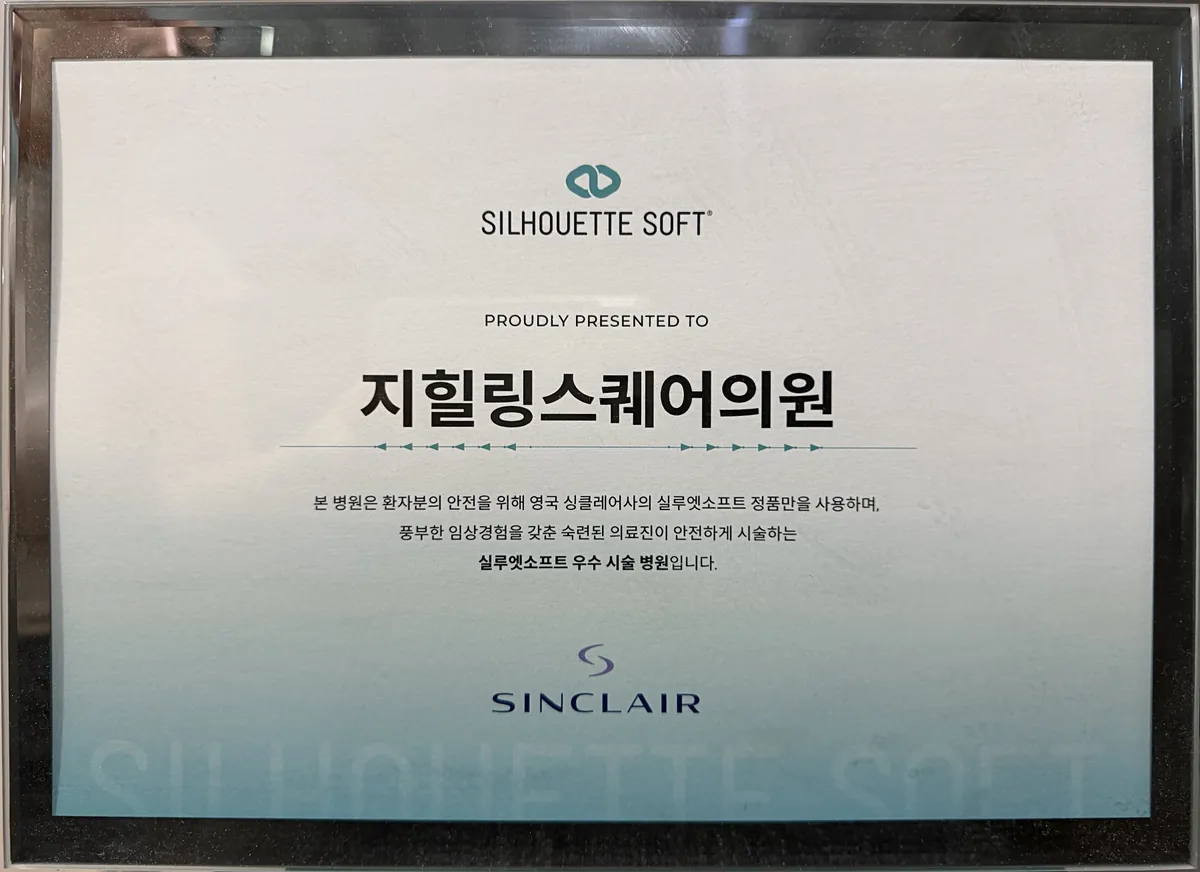
Silhouette Soft
Silhouette Soft Certified Clinic
Recognized by Sinclair for authentic Silhouette Soft thread lifting.
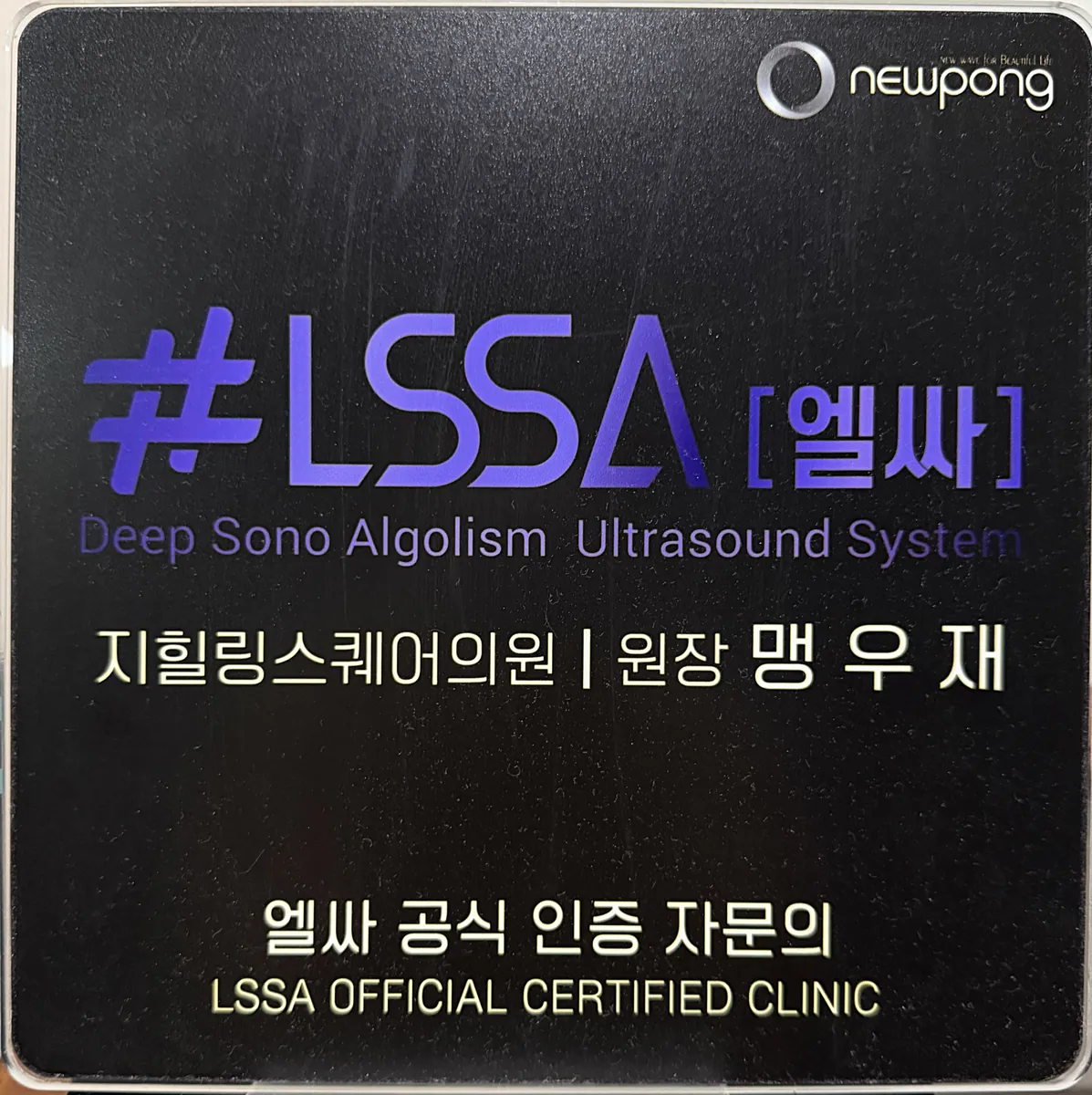
LSSA
LSSA Official Certified Clinic
Deep Sono Algolism Ultrasound System; certified advisory physician Dr. Maeng Woo-jae.
2010–2017
Academic & Society Roles
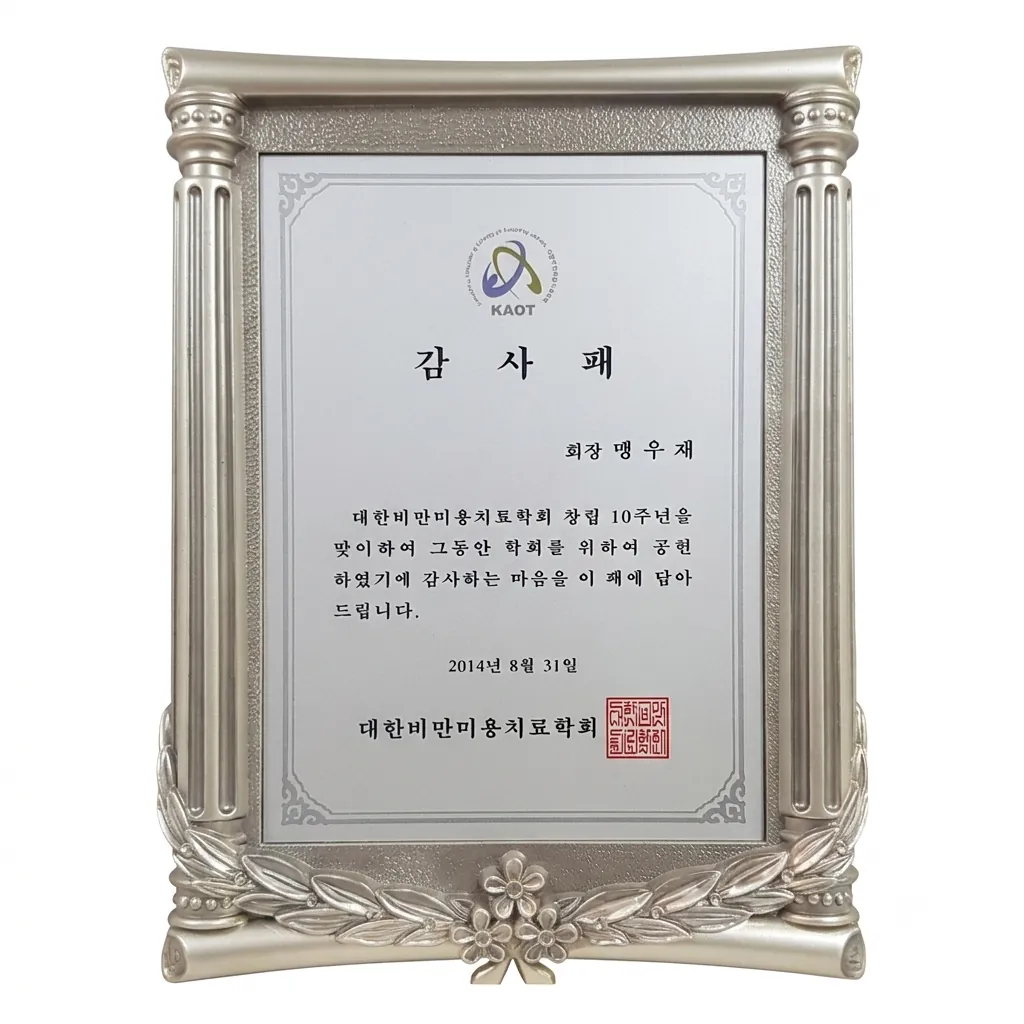
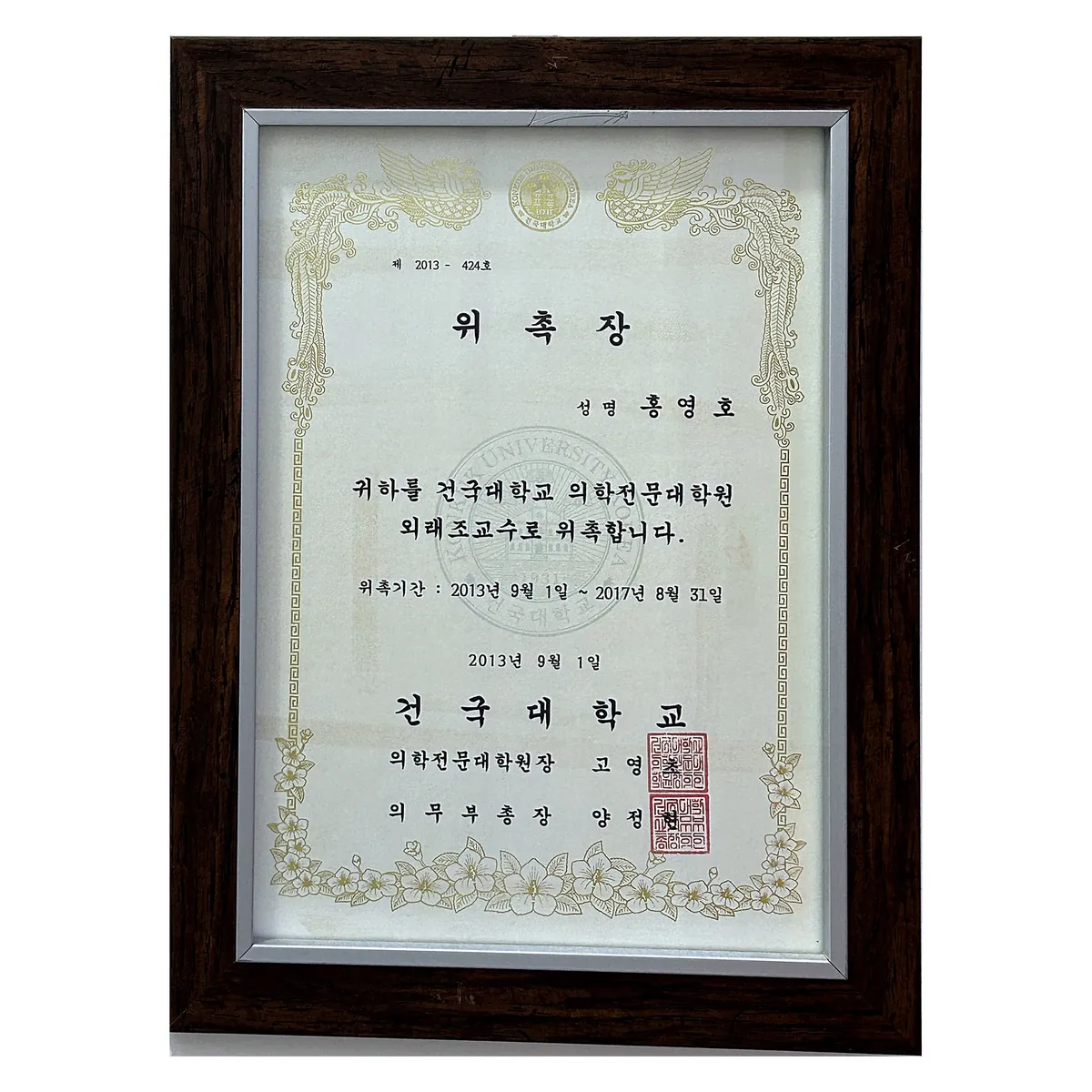
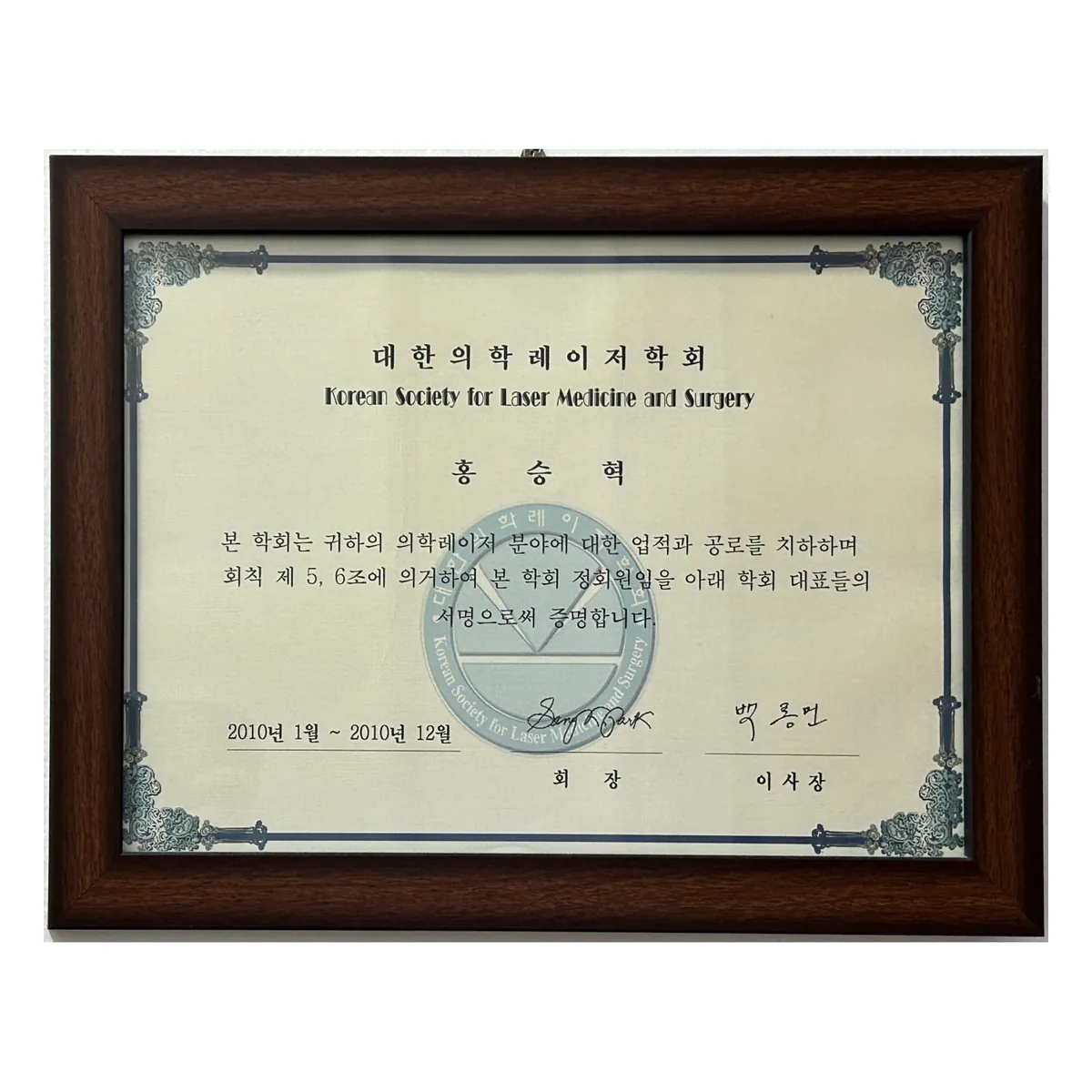
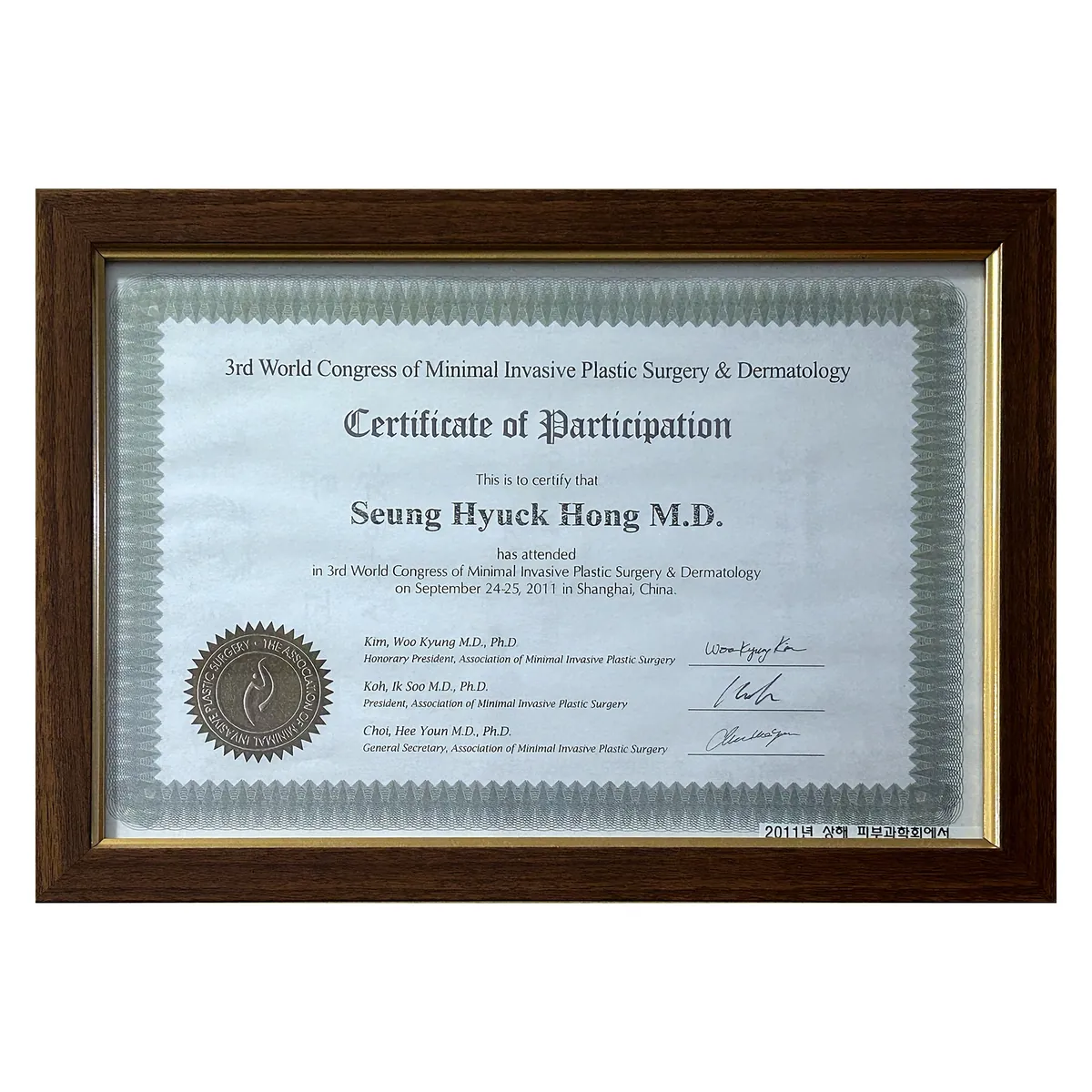
Dr. Maeng: KAOT chair, appreciation plaque 2014. Dr. Hong Yeong-ho: adjunct assistant professor, Konkuk Univ. (2013–2017). Dr. Hong Seung-hyuk: KSLMS member 2010; World Congress MIPS&D 2011.
Ulthera authenticity certified clinic certificate
Merz Aesthetics Award 2018 plaque
Merz Serendipity Journey Symposium 2018 attendance certificate, Dr. Maeng Woo-jae
Health Chosun 2018 Best Clinic plaque
Restylane 15 Million Club expert member plaque
Hironic advisory committee appointment plaque, Dr. Maeng Woo-jae, 2012
Hironic advisory appointment plaque, Dr. Hong Yeong-ho, 2016–2019
Doublo HIFU designated clinic certificate
Volnewmer official certified clinic plaque, Classys
Juvelook official certified clinic plaque
Silhouette Soft certified clinic certificate
LSSA official certified clinic plaque
KAOT appreciation plaque, Dr. Maeng Woo-jae, 2014
Konkuk University School of Medicine adjunct appointment, Dr. Hong Yeong-ho
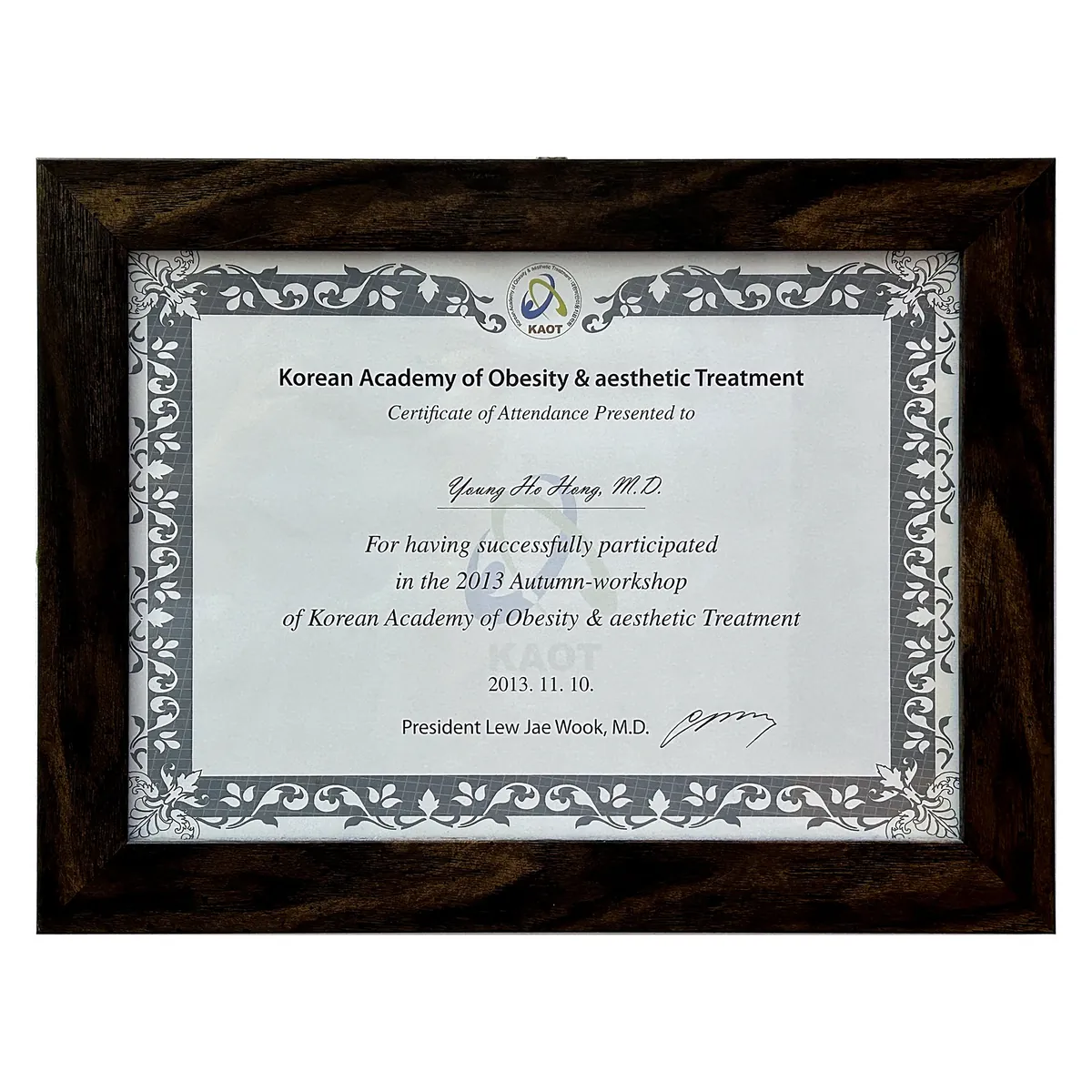
KAOT 2013 workshop attendance certificate, Dr. Hong Yeong-ho
Korean Society for Laser Medicine and Surgery membership certificate, Dr. Hong Seung-hyuk
3rd World Congress of Minimal Invasive Plastic Surgery and Dermatology participation certificate, Dr. Hong Seung-hyuk
Patient Reviews

What our patients say.

Verified reviews from our Google Business Profile.

★★★★★

Yesterday, I had a fat extraction procedure from Dr. Hong Young-ho. The staff, especially the doctor, were so kind that it was very comfortable. Right after the procedure, it was just a little uncomfortable yesterday because of swelling, but today there is almost no pain and I'm waiting for the swelling to go away to see the beautiful res…

Ka year ago
★★★★★

Recommendations are made based on actual circumstances. The attitude is very good. Highly recommended.

Ya year ago
★★★★★

I cannot recommend G-clinic highly enough. From the moment I walked in, my experience was nothing short of exceptional. The clinic itself is modern, clean, and welcoming. The front desk staff were incredibly warm and efficient. Checking in was a breeze, and they were very helpful with my new patient paperwork. The waiting time was minimal…

ma year ago
★★★★★

Process was perfect! I got some liposuction done, the doctor and staff were very nice and very professional. 100% would recommend anyone to get there procedures done here! They took out A LOT of fat! The doctor speaks perfect English as well!

K3 years ago
Free Consultation

Get your personalized quote.

Share your details and our team will reply through your preferred messenger. Consultation is free and pricing is quoted at your free consultation.

  • ✓Free consultation reviewed by one of three resident directors
  • ✓Personalized quote at your free consultation — same figures for every patient
  • ✓Care performed on site by your director in Gangnam, Seoul
  • ✓10-language support via messenger

Book a Free Consultation

⚠ Please select a country code for WhatsApp

Your details are protected under our privacy policy and are never shared with third parties.

Chat with us
Visit Gangnam · Dosan-daero

Emerald Tower, 5F–7F.

Address
5F–7F Emerald Tower122 Dosan-daero, Gangnam-gu, Seoul, South Korea
Hours
Mon–Fri · 11:00–19:00Sat · 10:30–14:00 · Sun & holidays closed
Languages
English consultation10-language messenger support
Reach
International patient deskContact us through the consultation form