Free English consultation · Three medical directors on-site · Gangnam, Seoul
Body Care · Post-Extraction Contouring

Body Contouring in Korea: Cellulite, Oedema and Skin Laxity Managed in Gangnam, Seoul

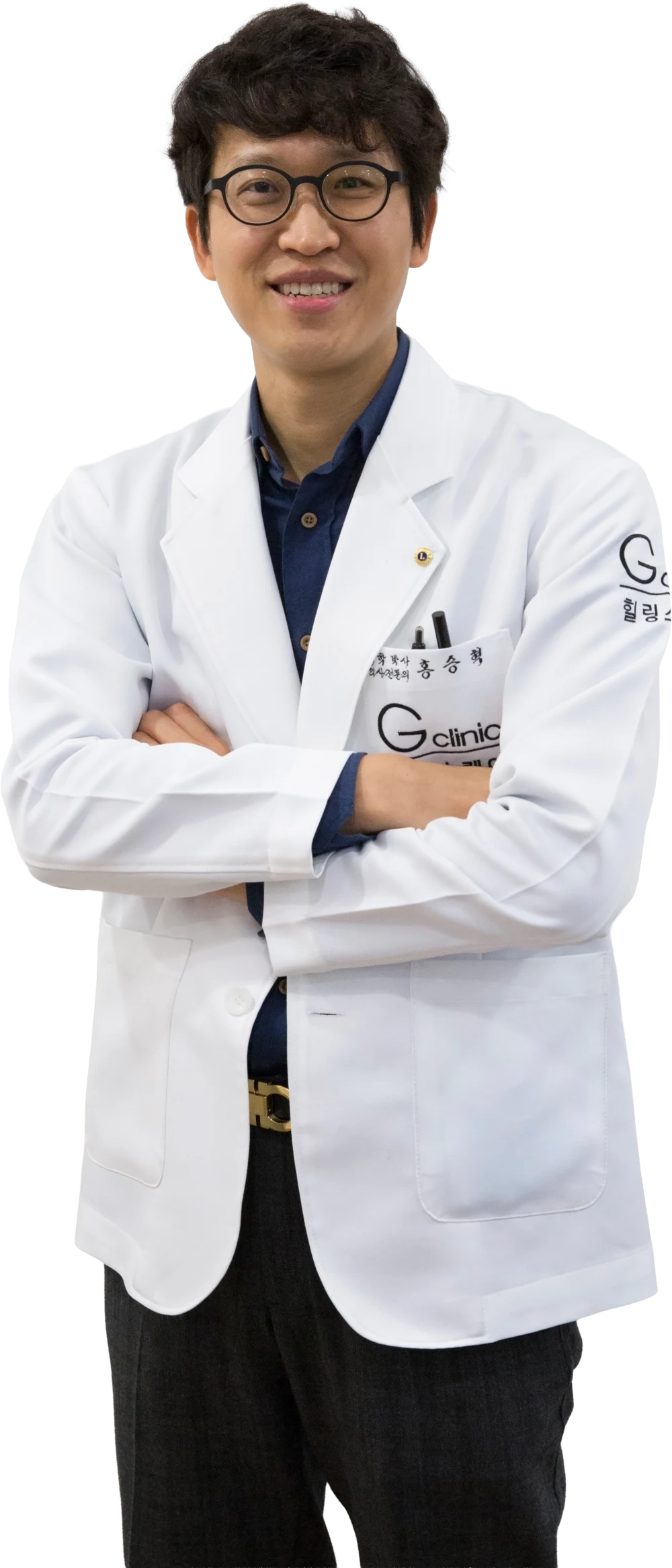
The body-care room at G Clinic runs six devices across four working principles, and it exists for the complaints that removing fat does not settle by itself: dimpling that shows the moment the skin is pinched, fluid that gathers in the legs by evening, and skin that needs help re-adhering once a G-fat course has emptied an area. Dr. Hong Seung-hyuk, Dr. Maeng Woo-jae and Dr. Hong Yeong-ho are board-certified Family Medicine specialists working in aesthetic dermatology, and one of the three sets your course and reviews it as it runs.

  • ✦Six devices in one room: Noble Shape, Midas, MPR, Coolshape, Punch Wave and Power Shape
  • ✦Published per-session rates for the cryolipolysis, radiofrequency, Ultline and HLLD items on this menu
  • ✦Course-based work on the arm, abdomen and thigh, with change that accumulates slowly
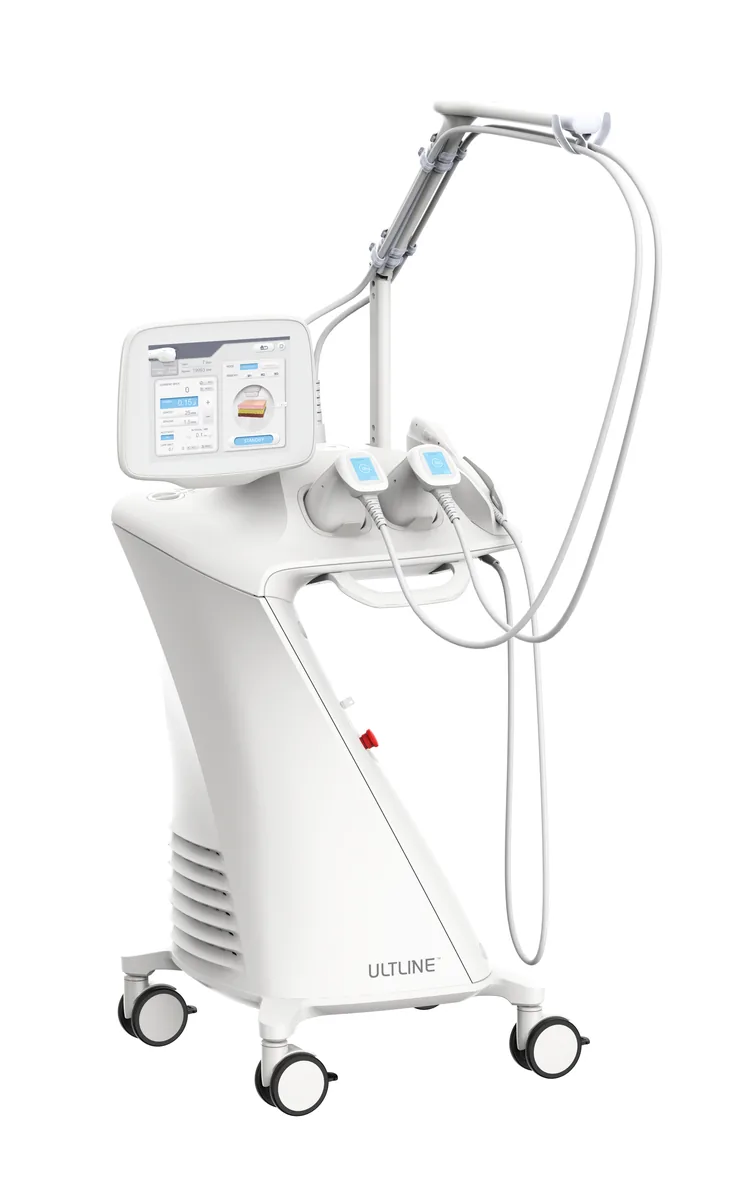
Ultline body HIFU system, G Clinic body-care programme
Ultline body HIFU · part of the post-G-fat body-care programme
20,000+
G-fat cases
clinic-reported, since 2018
3
Resident Directors
Family Medicine specialists · aesthetic dermatology
10
Languages
messenger support

Is body contouring in Korea a way to lose weight?

No. Body contouring, as the phrase is used inside a Gangnam clinic, means work on the shape and the surface of one named area while your body weight stays exactly where it is. The programme on this page covers four things a bathroom scale never registers: cellulite that dimples under a pinch, skin that has gone slack over an area emptied by extraction, calves and ankles that swell as the day goes on, and firm pockets that survive once an extraction course has settled. Six devices are used across the arm, abdomen and thigh, selected by working principle and never by brand appeal. Sessions run as a course and the change is cumulative and modest. Whether your complaint belongs in this room at all is decided face to face by one of three resident medical directors, at a free consultation that commits you to nothing.

Building the Course

How a body-care course is assembled and then closed.

Four stages. The last one matters as much as the first, because a course that has stopped producing change is a course a director should end.

  1. 01

    Naming the complaint precisely

    A director looks at the area standing and seated, pinches it, and separates what is actually there: dimpled surface, slack skin, retained fluid, or a genuine volume of fat. Those four behave differently under a device, so a course built on the wrong one will disappoint you no matter how many sessions it runs to.

  2. 02

    Choosing the working principle

    The device is picked from the mechanism that matches the finding, and the brand name on the handpiece is the last consideration. Heating, cooling, mechanical percussion and drainage each answer a different complaint, and most people leave the consultation with two principles combined in one visit, not a single machine repeated over and over.

  3. 03

    Running the sessions on a set rhythm

    Sessions are spaced, and your director fixes the interval at the start so you can plan travel around it. Each visit is done in ordinary clothes off, gown on, and you walk out and carry on with your day. Nothing is injected unless the plan explicitly includes an injection item you agreed to.

  4. 04

    Re-measuring, then stopping

    The area is photographed and measured the same way it was at the start, and the two are compared with you in the room. Where the numbers have stalled, the director says so and closes the course. Selling further sessions into a plateau is the failure mode this stage exists to prevent.

What It Covers

What the body-care programme is for.

Body care at G Clinic began as the aftercare arm of the clinic’s extraction work and grew into a menu people book on its own. Its brief is the surface and the tissue quality of an area, whereas the volume question is answered elsewhere: if what you want is a defined amount of fat gone from one place in a single visit, that is the G-fat Fat Dissolving Injection route, and a director will send you there.

Three regions are treated here: the arm, the abdomen and the thigh. Within them the recurring complaints are cellulite, skin that lost its snap after an area was emptied, stubborn fibrous pockets that stayed firm through a course of extraction, and swelling that builds through the day and reads as thickness at the ankle. The programme also carries the tissue-settling role after G-fat, where the object is to help the skin lie back down evenly over an area that has just lost volume.

Where a course does involve extraction, that extraction is performed under local anaesthesia with you awake and talking; sedation exists as an option at an additional cost, and the agent used is discussed only in the consultation room. The device work described on this page needs no anaesthesia at all.

The Room

Six devices, four working principles.

Noble Shape, Midas, MPR, Coolshape, Punch Wave and Power Shape are the named units in the body-care room. Grouped by what they physically do, they fall into four families.

Radiofrequency heating

Radiofrequency raises the temperature of the dermis and the layer beneath it in a controlled way, and it is the family used when the complaint is skin quality: a surface that has gone crepey, or an area that feels loose after volume came out of it. MPR is the radiofrequency handpiece the clinic also runs alongside its G-Face contouring injection. Sessions feel warm and are usually described as comfortable, and a mild flush over the treated skin afterwards is ordinary.

Controlled cooling applied through pads

Cooling pads are held against a pinched fold so the fat inside the fold is chilled while the skin over it is protected. The clinic’s cryolipolysis item is billed as Micool and quoted by the pad, so an area needing two pads is priced as two. This family suits a soft pocket that will lift away from the wall underneath, and it does nothing at all for skin laxity, so nobody here is sold cooling pads for a slack abdomen.

Mechanical percussion and shockwave

Punch Wave sits in the family that delivers repeated mechanical pulses into fibrous tissue. This is the one aimed at cellulite proper, where the dimpling comes from bands of connective tissue tethering the skin down between compartments of fat. Percussion work earns its place over a course of visits, and it is uncomfortable in a dull, deep way for the minutes it runs.

Mechanical lymphatic drainage

Compression sleeves and rollers move fluid along the limb toward the drainage points, and this is the family that answers swelling: heavy legs at the end of a working day, an ankle that has thickened, or an area holding fluid in the weeks after extraction. It is also the gentlest thing on the menu and the one most often paired with something else in the same visit.

The menu carries two further items your director may raise. Ultline is body-focused ultrasound applied per area, quoted for a flank or an upper or lower abdomen. HLLD is an injection item, given per area and sometimes combined with Ultline in one plan; because it is injected, it is consented separately and carries the risk profile of an injectable.
Suitability

Who this suits, and who a director turns away.

The programme fits people at a stable weight who have one area they keep re-checking in the mirror: the back of an arm that dimples when it is squeezed, a thigh whose surface is uneven under good light, an abdomen that reads soft where it used to read bulky, or legs that feel heavy by evening. It also fits people already booked for a G-fat course who want the tissue settled properly afterwards.

Directors here decline courses regularly, and it is worth knowing what gets declined. Anyone who describes a weight target is told plainly that this is the wrong service and that no device on the list moves a number on a scale. Where the finding is a large, firm volume of fat, a device course would waste months, and the consultation is redirected to extraction on the spot. Pregnancy and breastfeeding rule out the menu for the time being. Cooling is refused over an area with a hernia or a scar the pad cannot safely hold, radiofrequency is refused where an implanted electronic device makes it unsuitable, and any session is refused over broken or actively infected skin. Where the real problem is skin that has lost its recoil beyond what heating can recover, a director will say that a device course is unlikely to satisfy you and will let you leave without booking.

Realistic Change

What a course actually changes.

The change here is modest and cumulative, and the clinic states that openly because the alternative is a disappointed patient in week six. Surface dimpling softens and reads less harshly under overhead light; a treated area feels firmer to the hand; a limb that had been holding fluid measures smaller in the evening than it used to. None of that arrives after one visit, and the plain summary is that people who complete a course notice the difference in how clothes sit long before anyone else comments on it.

What the programme does not do is replace extraction. A pocket of fat that you can grab and lift is a volume problem, and volume is removed by taking it out. Results differ from person to person according to skin thickness, how much fluid you retain, how fibrous the tissue is, and whether your weight moves during the course. Individual results may vary, and nothing on this page is a promise about your particular area.

Named Risks

What a director names before the first session.

Every plan is explained and then signed before anything begins, and the consent form lists the risks by name. Across the device families those are: redness and warmth over the treated skin, bruising, tenderness that can last several days after percussion work, temporary numbness or altered sensation over an area that has been cooled, blistering or cold injury to skin where a pad has been placed, and swelling that briefly looks worse before it settles. Cooling can also produce an area that becomes firmer instead of softer, an uncommon outcome that a director will describe to you in full before you consent to a pad.

Injection items on this menu carry their own separate list, including bruising, swelling, nodules, tenderness at the injection points and, uncommonly, infection or damage to tissue around the site. Tell your director your full medical history, everything you take including supplements, and any reaction you have had to a previous aesthetic treatment. If pain, redness or swelling increases after the first days, contact the clinic and come back in: a resident medical director is on site during opening hours and can look at the area the same day.

Around the Sessions

Life between visits.

These are walk-in, walk-out appointments. You change, the session runs, you dress and leave, and there is no recovery period to schedule around. Patients report little swelling or bruising from the device work, and most people go straight back to an ordinary day, including work. Where percussion has been used on a fibrous thigh, expect that area to feel bruised to the touch for a few days and dress accordingly.

Between visits the ordinary advice does the heavy lifting: keep your weight steady so the course is not fighting you, drink enough water, walk, and wear the compression you were given if the plan included any. If you are flying in for a stay, tell the coordinator how many days you actually have before you book, because a course compressed into a short trip is a different plan from one run at the intended spacing, and your director would rather redesign it in advance than shorten every interval on the day.

Matching the Route

Dimpling, laxity, swelling or volume — which one is your complaint?

Most disappointment in body work comes from buying the wrong category. This grid is the shortest version of the conversation you will have at consultation.

What you are seeing What is usually behind it Where it is answered
Dimpled, orange-peel surfaceConnective bands tethering skin between fat compartmentsPercussion and shockwave work, run as a course
Crepey or slack skinReduced dermal quality, often over an area that lost volumeRadiofrequency heating; laxity beyond its reach is declined
Heavy legs, thickened ankleFluid retention through the dayMechanical drainage, gentlest item on the menu
Soft pocket you can pinch and liftA modest, superficial volume of fatCooling pads, quoted by the pad
Firm volume you cannot lift awayDeeper fat sitting against the wall beneathAwake cannula extraction, covered on the G-fat pages
Large volume across several regionsBeyond what one awake appointment can addressSurgical routes, discussed on the Liposuction in Korea page

General information only. Which row you belong in is settled by a director with a hand on the area, and people frequently belong in two rows at once.

Scientific Evidence

Published safety literature behind the injection items on this menu.

Because the price list on this page includes injection items, the reading below concerns the injectable side of fat reduction and its reported harms. A systematic review in Aesthetic Surgery Journal Open Forum sets out the management of serious adverse events following deoxycholic acid injection for submental and jowl fat reduction (Shridharani, 2024). A Dermatologic Therapy paper puts the question of injection lipolysis with phosphatidylcholine and sodium deoxycholate directly, asking whether it is worth the risk (Fratczak, 2022). An ASERF task force report in Aesthetic Surgery Journal documents mortality from gluteal fat grafting and issues recommendations for practitioners (Mofid, 2017). These papers describe categories of procedure and the harms reported in them; they are not statements about outcomes at G Clinic, which a director discusses with you case by case.

  1. Shridharani S. Management of Serious Adverse Events Following Deoxycholic Acid Injection for Submental and Jowl Fat Reduction: A Systematic Review and Management Recommendations. Aesthetic Surgery Journal Open Forum. 2024. doi:10.1093/asjof/ojae061
  2. Fratczak A et al. Injection lipolysis with phosphatidylcholine and sodium deoxycholate — Is it really worth the risk? Dermatologic Therapy. 2022. doi:10.1111/dth.15805
  3. Mofid M et al. Report on Mortality from Gluteal Fat Grafting: Recommendations from the ASERF Task Force. Aesthetic Surgery Journal. 2017. doi:10.1093/asj/sjx004
Cost

Body contouring price in Korea: the published body-care rates.

The rates below are the same ones quoted to every patient, with no visitor markup, and they cover the cryolipolysis pads, the radiofrequency work charged per area, the Ultline body item, and the HLLD injection items including the combined plan. Cooling is quoted by the pad and the rest by area, so a course total depends on how many areas your director maps at consultation.

TreatmentOptionPrice (KRW)
Cryolipolysis (Micool)2 pads₩110,000
RF body treatmentper area₩330,000
Ultline body HIFU1 area (flank / upper or lower abdomen)₩330,000
Ultline + HLLD injection1 area₩495,000
HLLD injection1 area₩275,000

All prices in KRW, VAT included. Quoted at consultation; final cost depends on treatment plan. Published rates as of 2026-09-08.

You are given the whole figure in writing before you consent to anything, and the assessment itself is free. A consultation that ends with a director telling you this menu is wrong for your complaint costs you nothing either.

Get Your Personalized Quote

FAQ

Body care and cellulite questions.

Will a body-care course help me lose weight?

It will not, and a director will tell you that in the first two minutes of the consultation. Every item on this menu works on the shape, surface and fluid content of one named area while your weight stays where it is. If a number on a scale is your goal, none of these devices moves it, and buying a course on that expectation is the single most common way people end up unhappy with body work.

Which devices are actually in the room?

Six named units: Noble Shape, Midas, MPR, Coolshape, Punch Wave and Power Shape. They group into four working principles, which is the level that matters clinically: radiofrequency heating for skin quality, controlled cooling through pads for a soft pinchable pocket, mechanical percussion for fibrous dimpling, and mechanical drainage for retained fluid. Your director selects the principle first and the handpiece second.

Does cellulite treatment in Korea get rid of cellulite for good?

It manages it. The dimpling comes from connective bands that tether the skin down between compartments of fat, and percussion work softens how those bands read on the surface over a course of sessions. The tissue architecture underneath is still yours, so improvement is something you maintain, and a director will say so before you book anything.

Can I book body care without ever having had an extraction here?

Yes. Plenty of people book the programme purely for cellulite, surface quality or swelling and never go near an extraction room. The two menus meet only when a director thinks a volume of fat is the real complaint, in which case you are pointed to the G-fat Fat Dissolving Injection hub and the conversation changes category entirely.

How is the cost worked out?

Cooling is quoted by the pad, so a fold needing two pads is charged as two. Radiofrequency and the Ultline body item are quoted per area, and the injection items are quoted per area as well, with the combined plan priced on its own line. Published rates sit in the pricing section above and apply to every patient, and your total depends only on how many areas and pads your plan contains.

How many sessions should I expect?

Body work is course-based by nature, and your director fixes the number and the spacing at the start after seeing the area, then reviews it against measurements as the course runs. Publishing a session count here would be guesswork, because a fibrous thigh and a mildly swollen calf are not the same job. What is fixed is that the course is closed when the measurements stop moving.

Do the sessions hurt?

They vary by family. Radiofrequency feels warm and most people describe it as comfortable. Drainage is the gentlest item on the list. Percussion work is the one people notice: a dull, deep sensation for the minutes it runs, and an area that can feel bruised for a few days afterwards. Cooling produces an intense pull and cold at the start that eases as the area goes numb. No anaesthesia is used for device work.

What risks would you name to me before I sign?

Redness and warmth over treated skin, bruising, tenderness for several days after percussion, temporary numbness or altered sensation over a cooled area, blistering or cold injury where a pad sat, and swelling that briefly looks worse before settling. Cooling can also leave an area firmer instead of softer, which is uncommon and is described to you in full beforehand. Injection items carry their own list, including nodules and infection.

My skin went loose after fat was removed. Can these devices tighten it?

Radiofrequency heating is the family aimed at exactly that, and helping skin re-adhere over an emptied area is one of the reasons the programme exists. There is a ceiling, though. Where the skin has lost its recoil past what heating recovers, a director will tell you a device course is unlikely to satisfy you and will let you leave without booking one.

My legs swell by the end of the day. Is that what the drainage work treats?

That is precisely its brief. Mechanical drainage moves retained fluid along the limb toward the drainage points, and heavy legs, a thickened ankle, or an area holding fluid in the weeks after extraction are the classic reasons a director adds it. It is also frequently paired with another principle in the same visit because it is so gentle.

Would a director ever refuse to sell me a course?

Regularly. Weight-loss expectations are refused outright. A large firm volume of fat is redirected to extraction so you do not waste months on the wrong menu. Pregnancy and breastfeeding rule the menu out for now. Cooling is refused over a hernia or an unsuitable scar, radiofrequency where an implanted electronic device makes it inappropriate, and any session over broken or infected skin.

How does this compare with surgical fat removal?

Different category altogether. Surgery removes substantial volume under sedation or general anaesthesia with a real recovery plan attached; device body care changes surface, tissue quality and fluid with no downtime and no anaesthesia. The middle ground, awake cannula extraction, is described on the Liposuction in Korea page, and a director will tell you plainly which of the three fits you.

What happens at the first appointment?

A director examines the area standing and seated, pinches it, and tells you which of the four complaints you actually have. The area is then photographed and measured so later visits have a baseline to argue with. You get the plan and the full cost in writing, and the consent form naming the risks is signed before any device touches you. The assessment is free and you can leave without booking.

Start Here

Bring the area you keep re-checking in the mirror.

Book a free consultation in Gangnam, Seoul and one of the three resident medical directors will tell you which of the four complaints you have and whether this menu answers it. Published rates apply per area or per pad, and your plan is confirmed in writing before you consent.

Book Consultation
Three Resident Medical Directors

Your director sees you, and performs your treatment.

Every consultation and procedure at G Clinic is conducted on site by one of three resident medical directors — never handed to a substitute practitioner. All three are Family Medicine specialists who have cared for international patients for years.

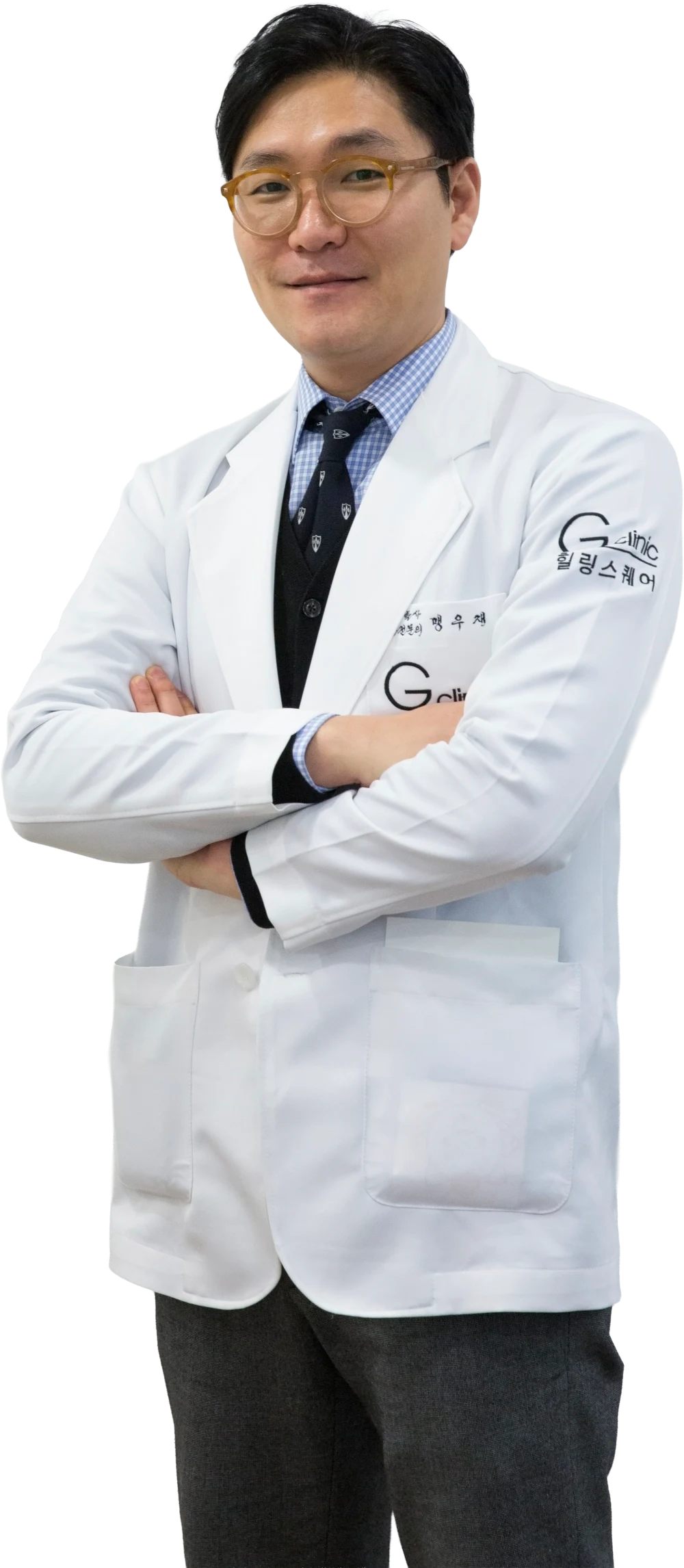
Dr. Hong Seung-hyuk, Medical Director at G Clinic, Gangnam, Seoul

Dr. Hong Seung-hyuk

Kyung Hee Univ. College of Medicine · MD, PhD
Board-certified Family Medicine Specialist · Aesthetic Dermatology
President, Korean Rejuvenation & Obesity Aesthetic Medicine Association (KORA). Co-translator, Body Shaping: Skin · Fat · Cellulite (2016).
Dr. Maeng Woo-jae, Medical Director at G Clinic, Gangnam, Seoul

Dr. Maeng Woo-jae

Kyung Hee Univ. College of Medicine · MD, PhD
Board-certified Family Medicine Specialist · Aesthetic Dermatology
President, Korean Association of Obesity Treatment (KAOT); Vice-President, Korean Anti-Aging Association. Co-author, Clinical Obesity Pharmacology (2017).
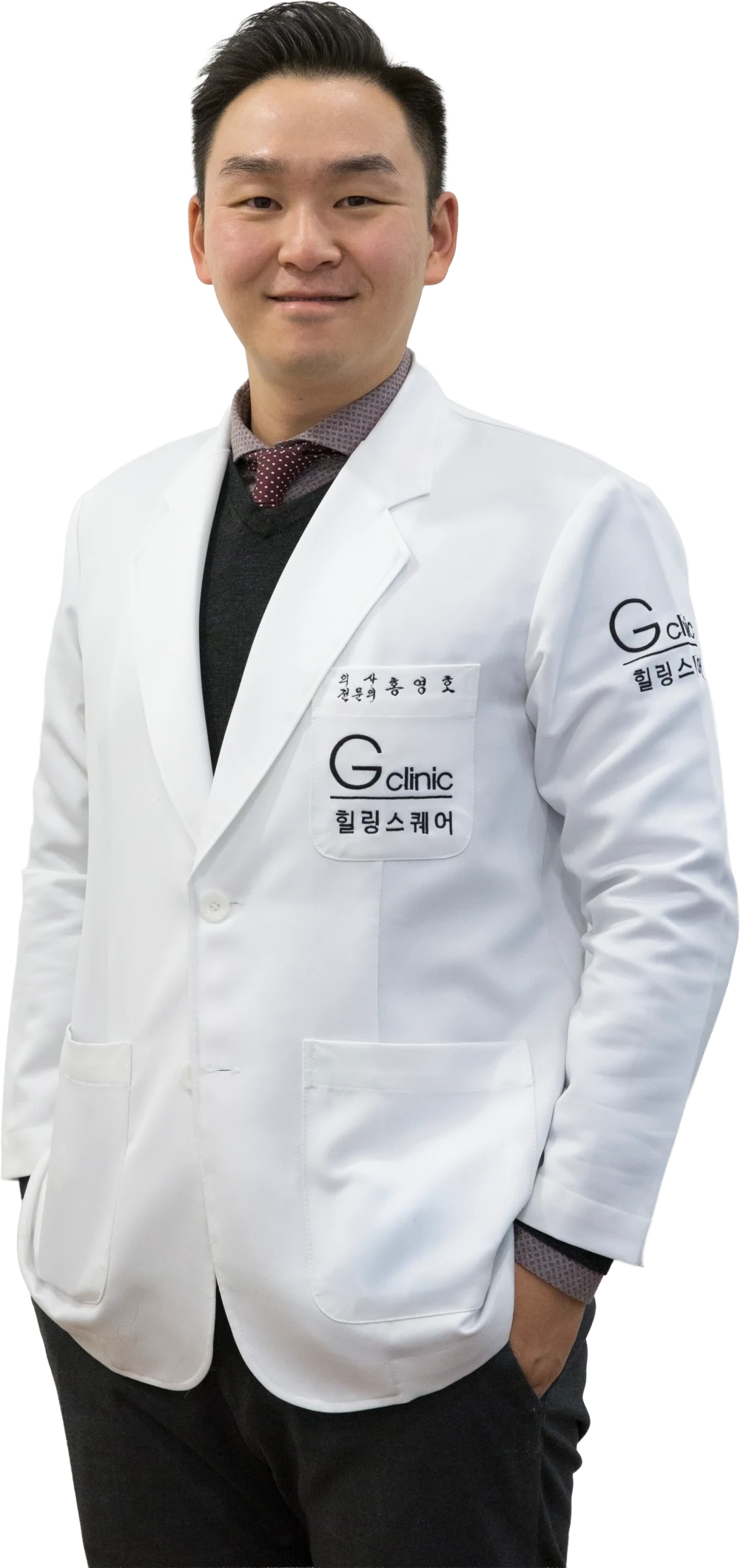
Dr. Hong Yeong-ho, Medical Director at G Clinic, Gangnam, Seoul

Dr. Hong Yeong-ho

Kyung Hee Univ. College of Medicine · MD, MS
Board-certified Family Medicine Specialist · Aesthetic Dermatology
Former KOICA international cooperation physician. Full member, Korean society for aesthetic and rejuvenation medicine.
Body Programs

G-fat & body contouring programs.

G Clinic runs consultation-based G-fat lipolysis courses and non-surgical body-contouring programs for localized fat. Your course is planned by a resident director; pricing is shared at your free consultation — the same figures are quoted to every patient, with no separate visitor markup.

G-fat Course

G-fat lipolysis consultation

A resident director reviews your target areas — abdomen, arms or thighs — and plans a G-fat course spaced over a short series of sessions. Suitability and number of sessions are decided one-to-one at your free consultation.

Ask at consultation
Body Contouring

Body-contouring program guidance

Non-surgical body-contouring options for localized fat that resists diet and exercise. Your director explains what each program does and what to expect before anything is scheduled.

Ask at consultation
Programs are reviewed with your director at your free consultation
Certifications & Partner Recognition

A decade of recognized clinical partnerships.

The G Clinic name dates to a 2012 device-maker advisory appointment. Each recognition below is stated as issued by its organisation.

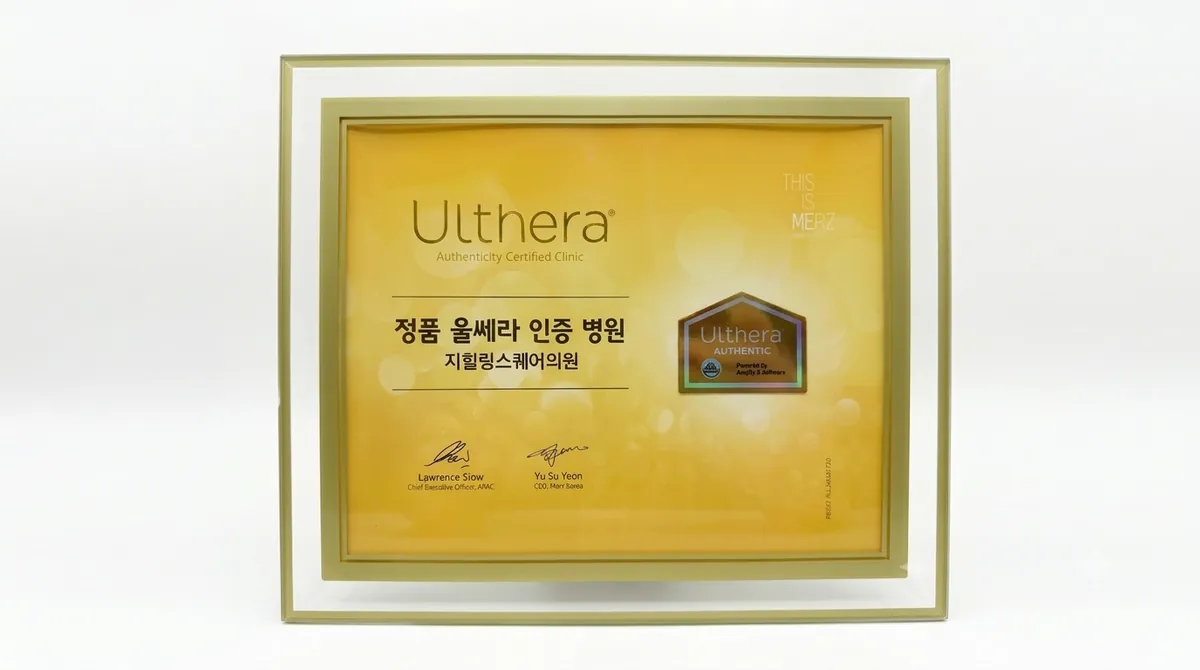
Ulthera
Ulthera Authenticity Certified Clinic
Certified by Merz Aesthetics for authentic Ulthera equipment.
2018
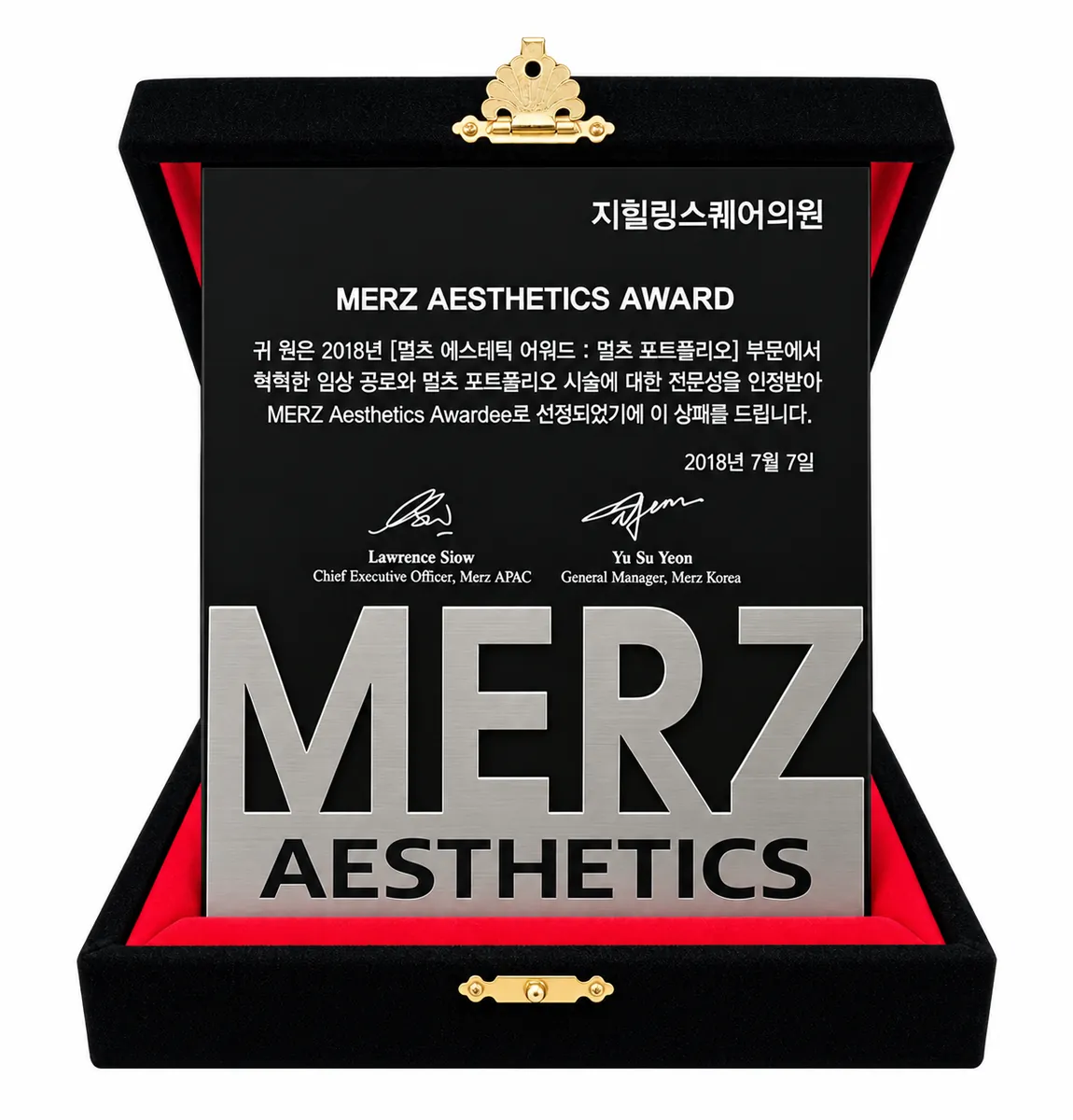
Merz Aesthetics Award
Portfolio category, Merz Aesthetics, July 2018.
2018
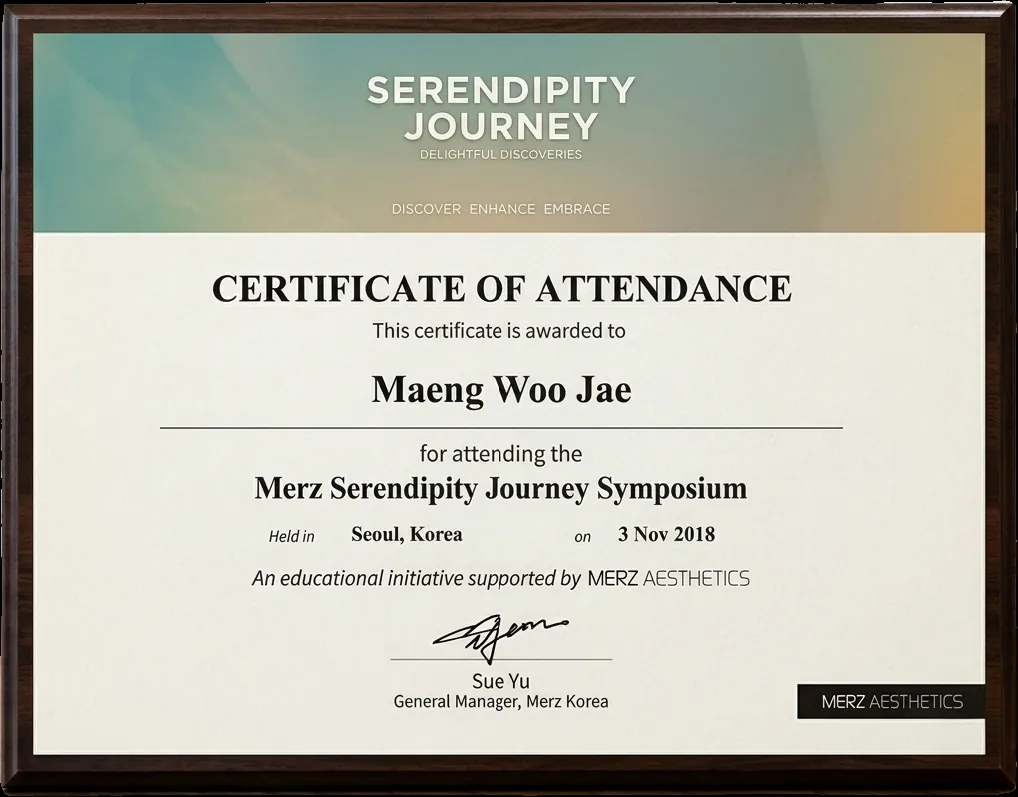
Merz Serendipity Journey Symposium
Attendance certificate, Dr. Maeng Woo-jae, Seoul 2018.
2018
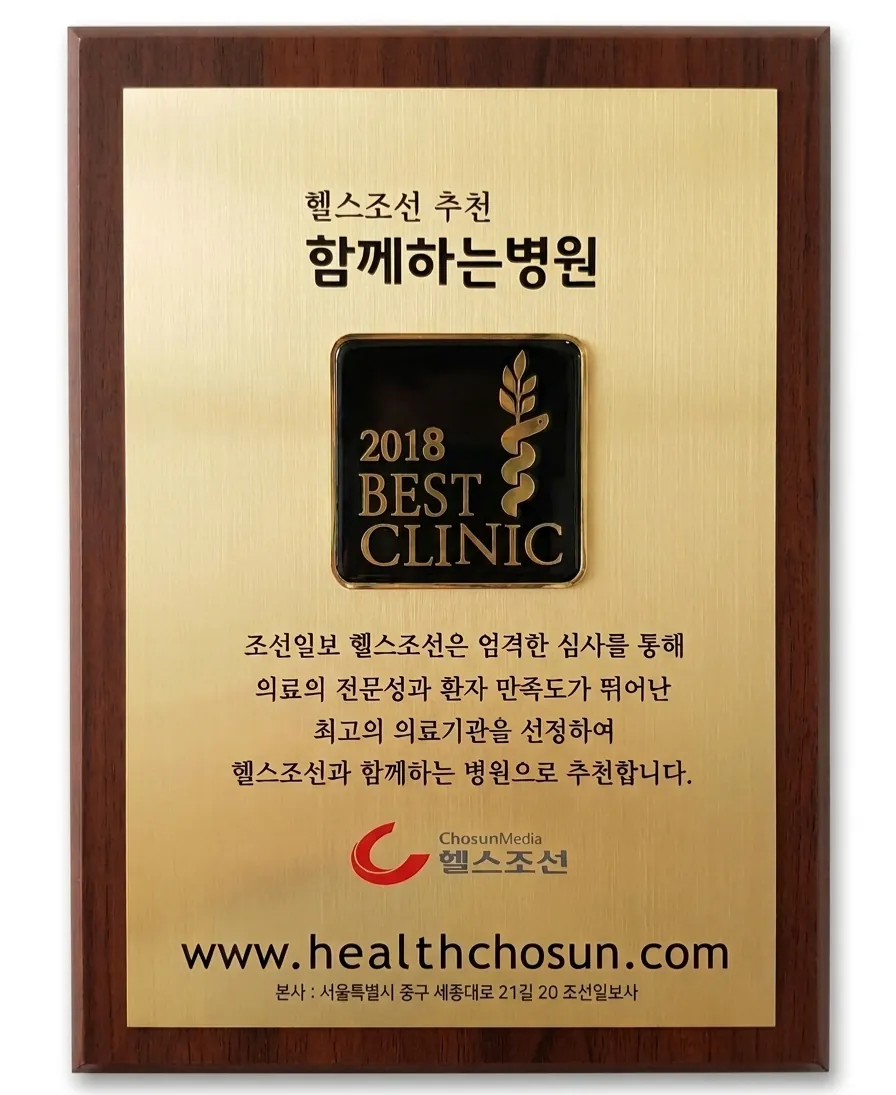
Health Chosun — Best Clinic listing
Recommended clinic feature, Chosun Media, 2018.
2013
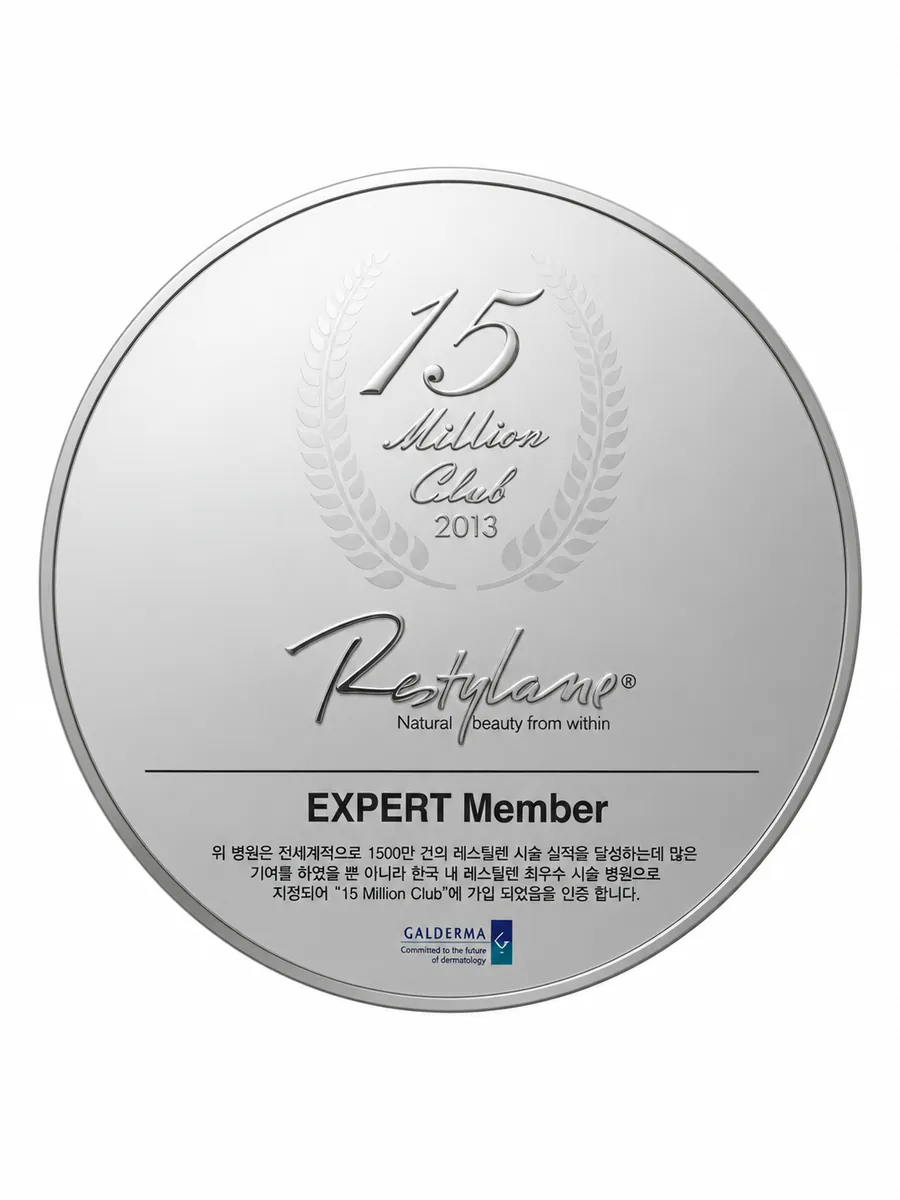
Restylane 15 Million Club — Expert Member
Expert member recognition issued by Galderma.
2012 · 2016–2019
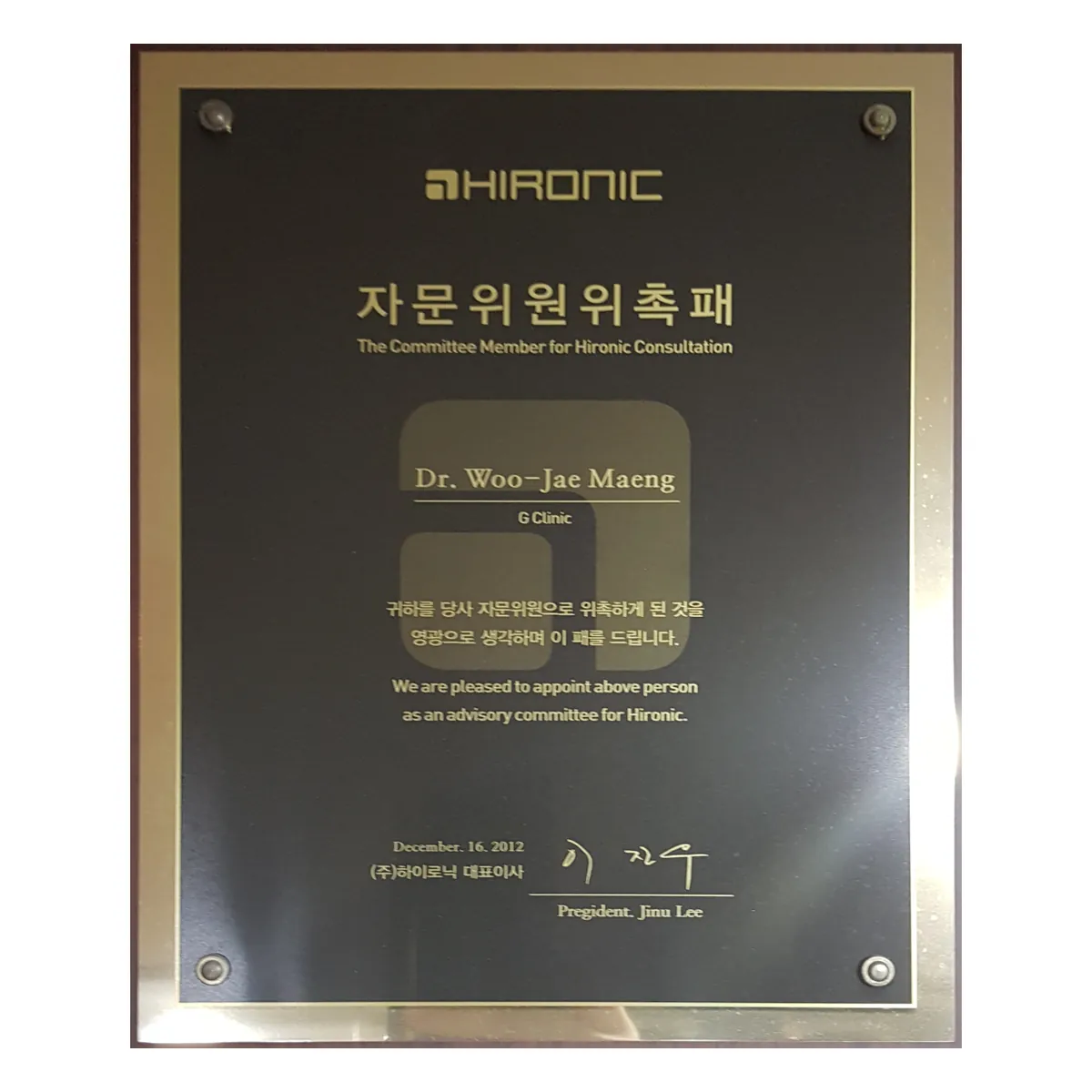
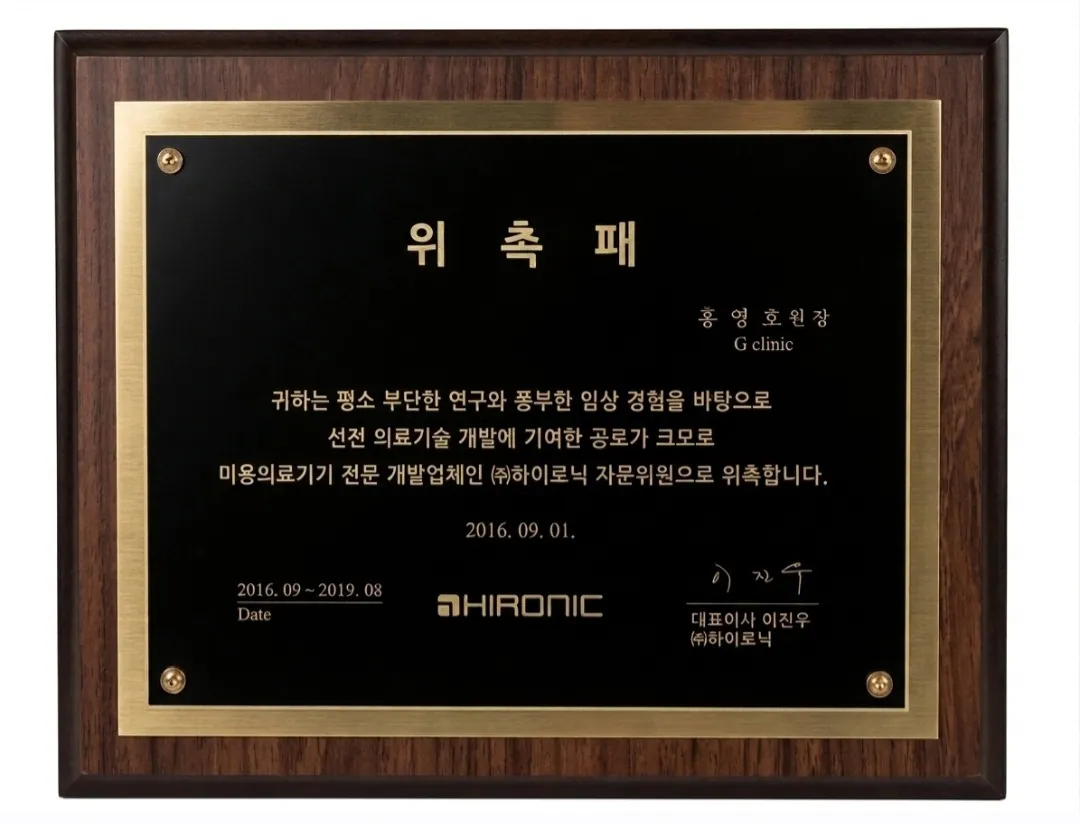
Hironic Advisory Appointments
Advisory committee: Dr. Maeng (2012, certificate bears the G Clinic name), Dr. Hong Yeong-ho (2016–2019).
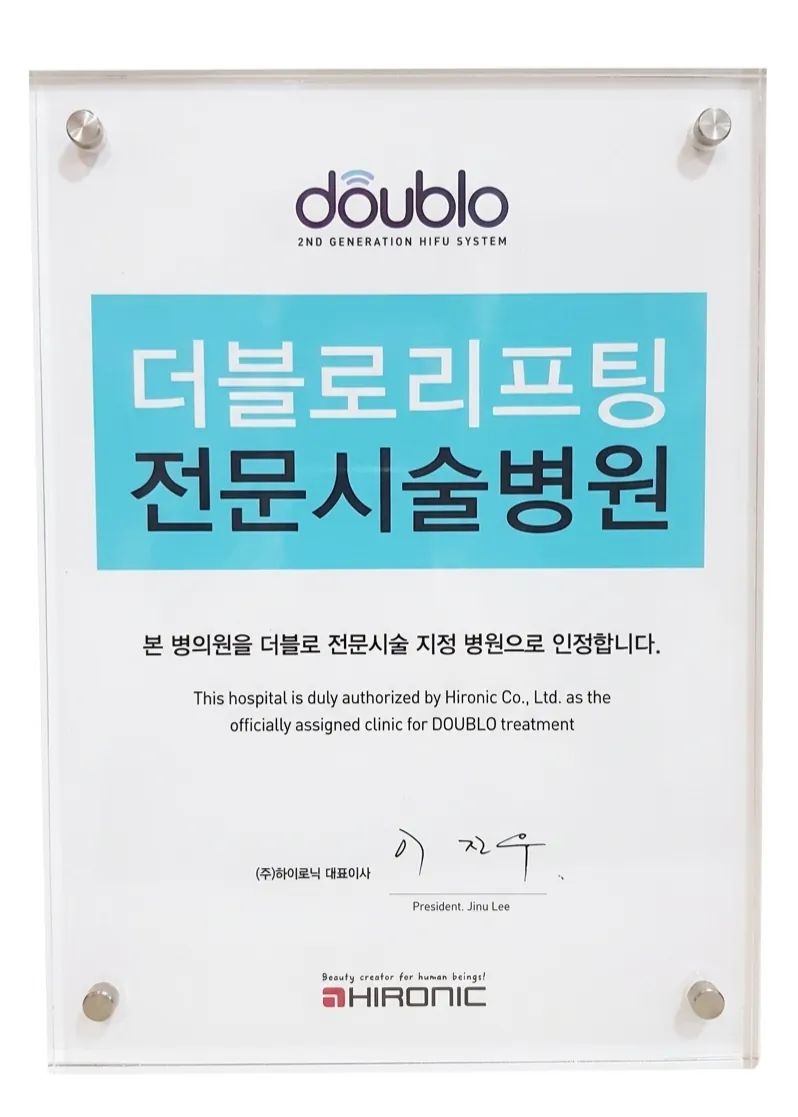
Doublo
Doublo HIFU Designated Clinic
Officially assigned Doublo clinic, Hironic Co., Ltd.
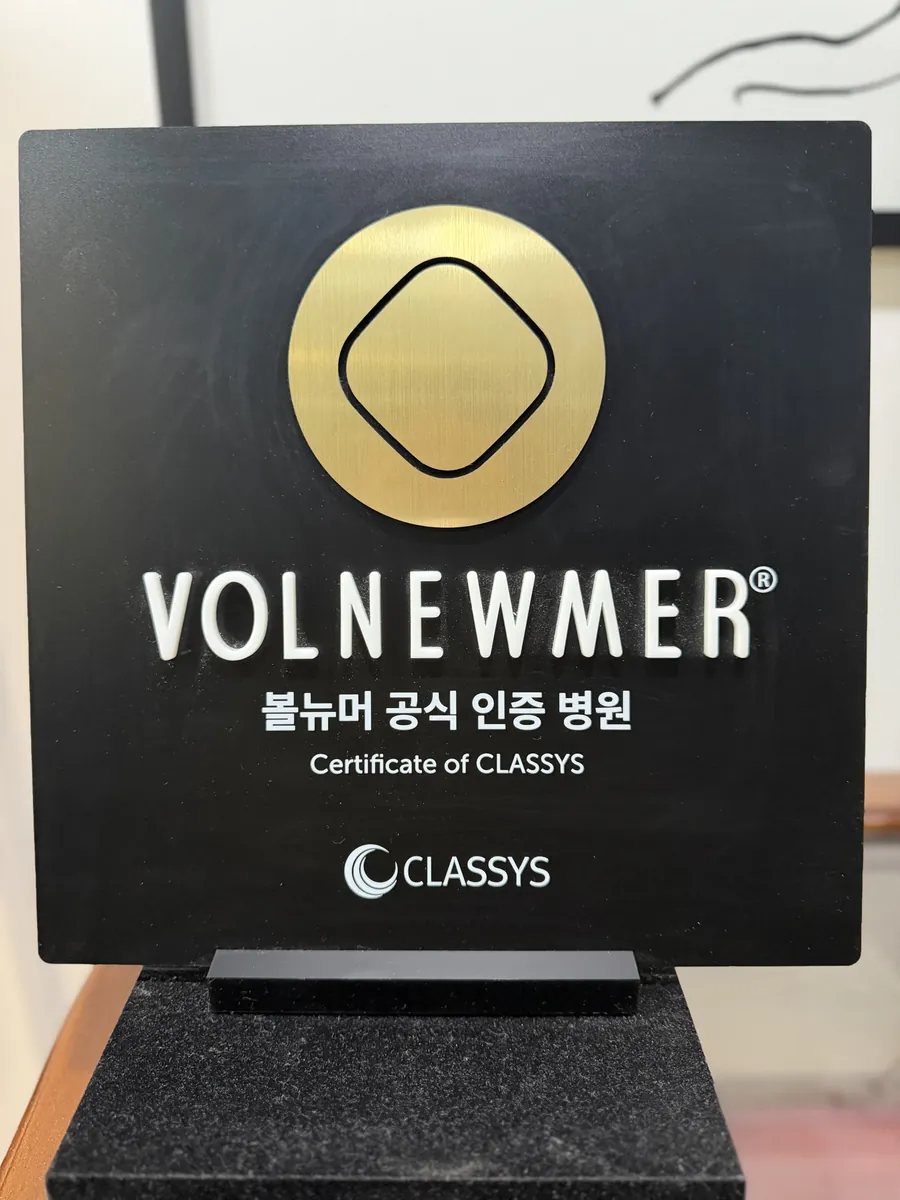
Volnewmer
Volnewmer Official Certified Clinic
Certificate of Classys.
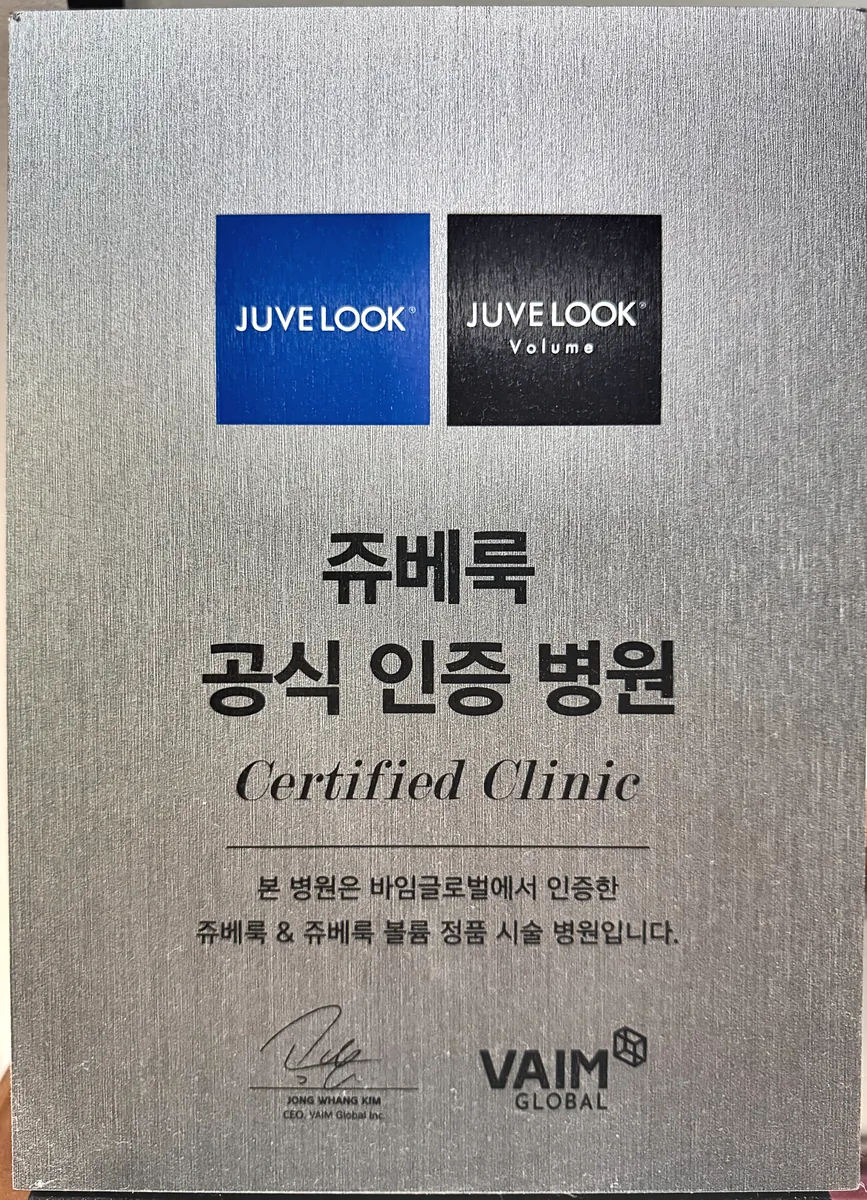
Juvelook
Juvelook Official Certified Clinic
Certified by VAIM Global for authentic Juvelook treatment.
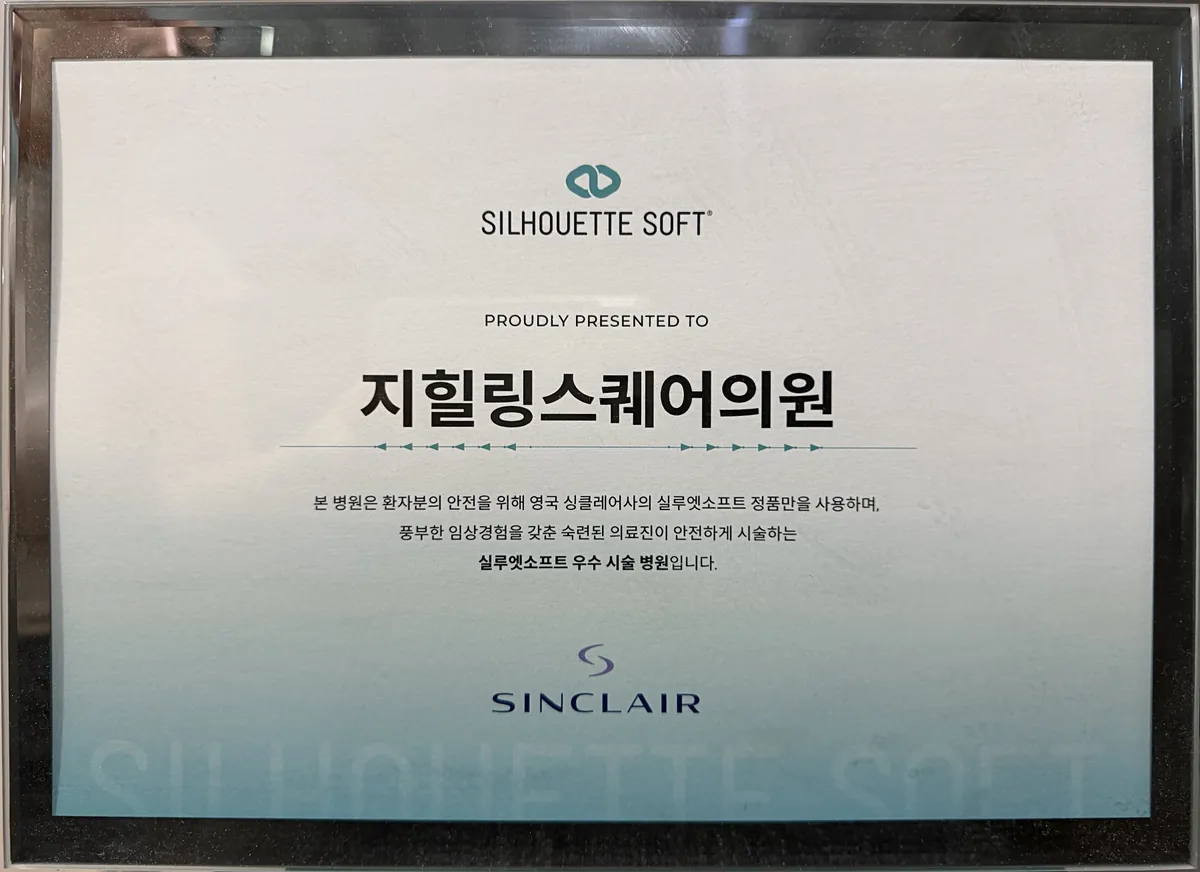
Silhouette Soft
Silhouette Soft Certified Clinic
Recognized by Sinclair for authentic Silhouette Soft thread lifting.
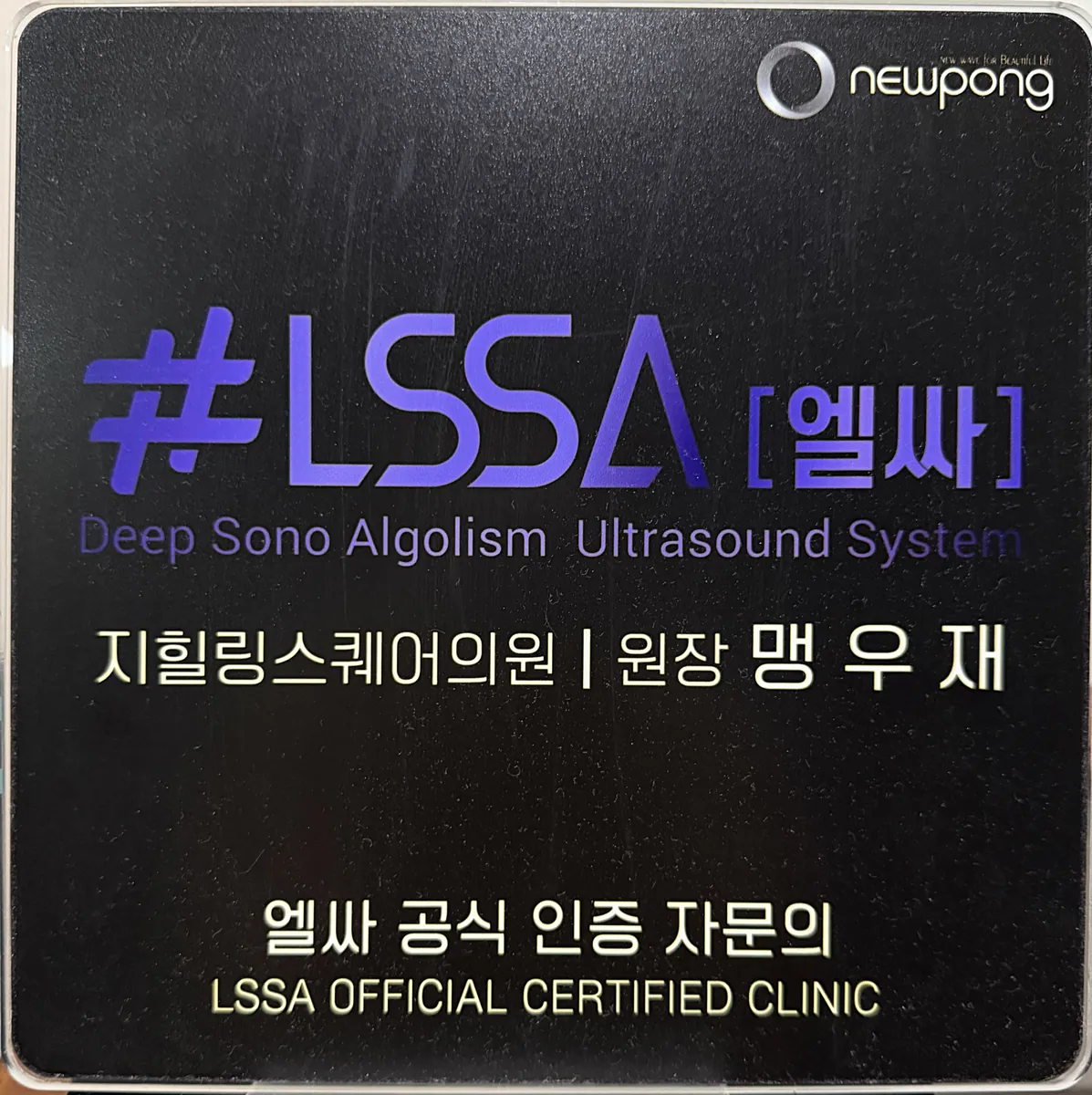
LSSA
LSSA Official Certified Clinic
Deep Sono Algolism Ultrasound System; certified advisory physician Dr. Maeng Woo-jae.
2010–2017
Academic & Society Roles
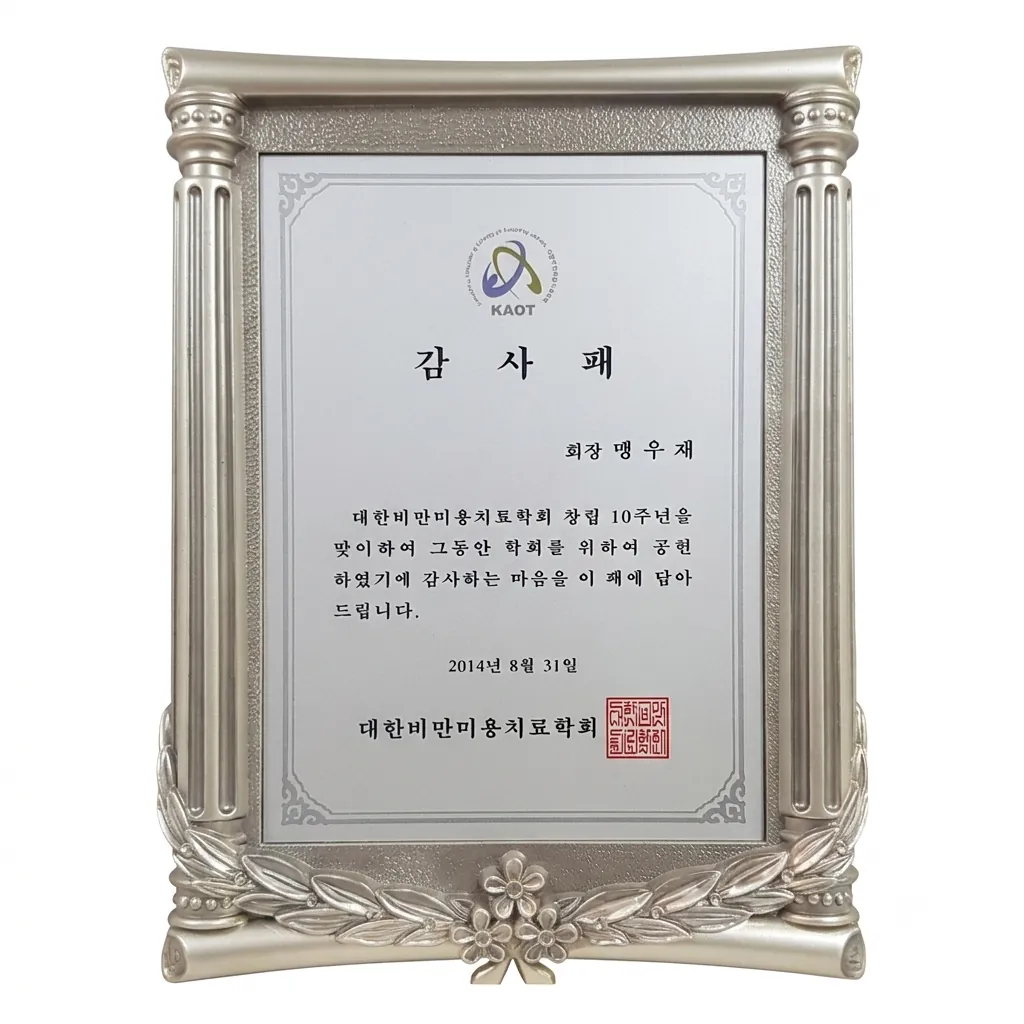
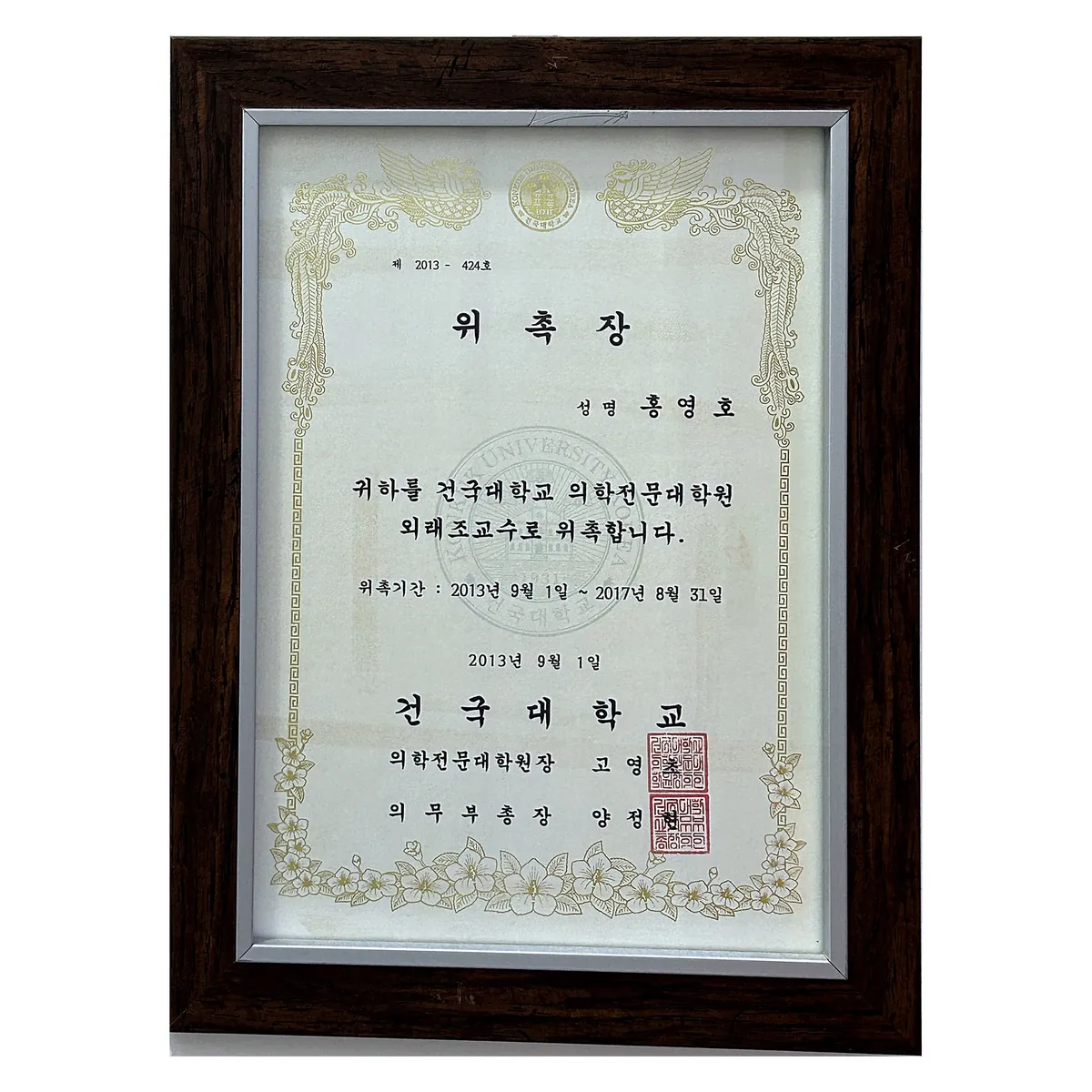
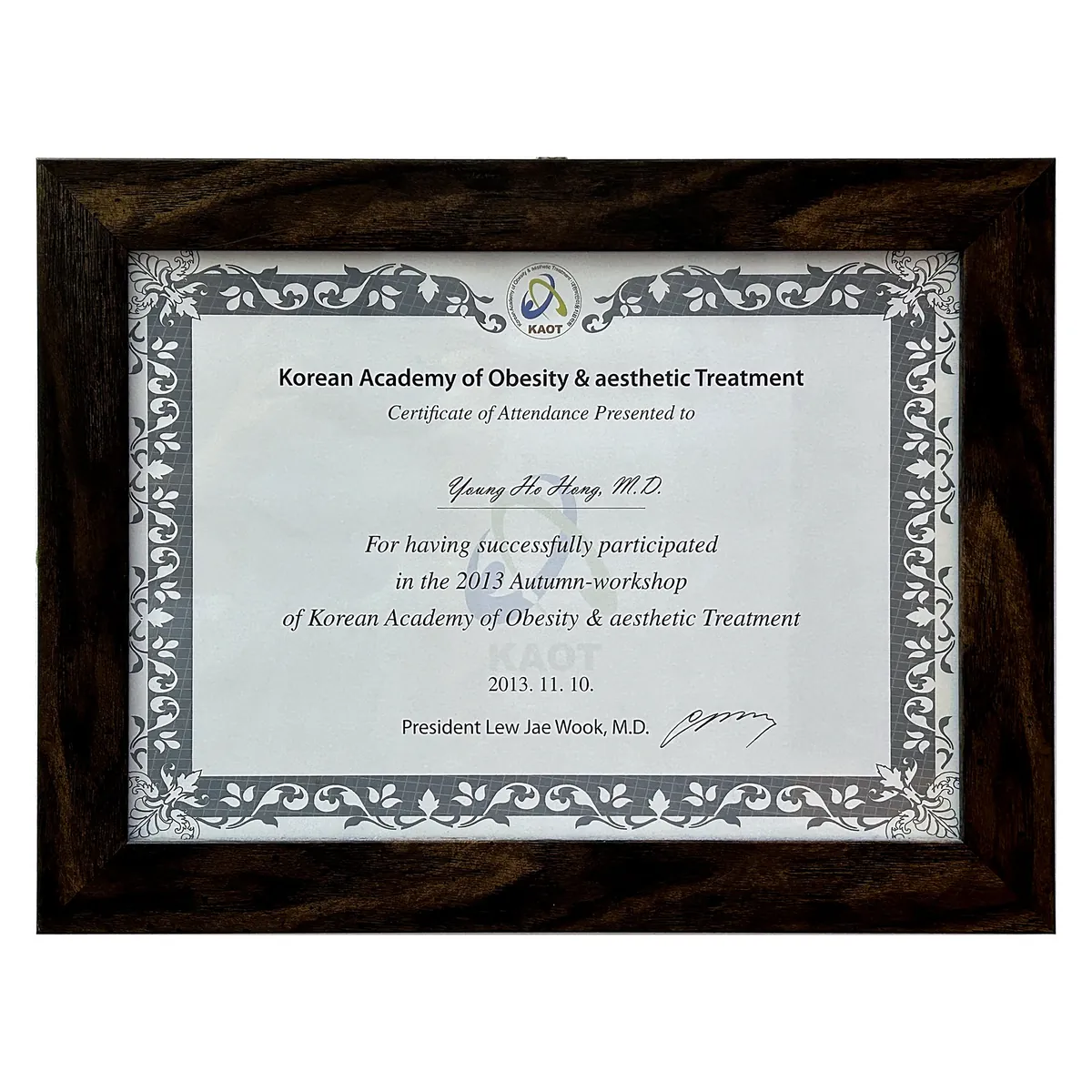
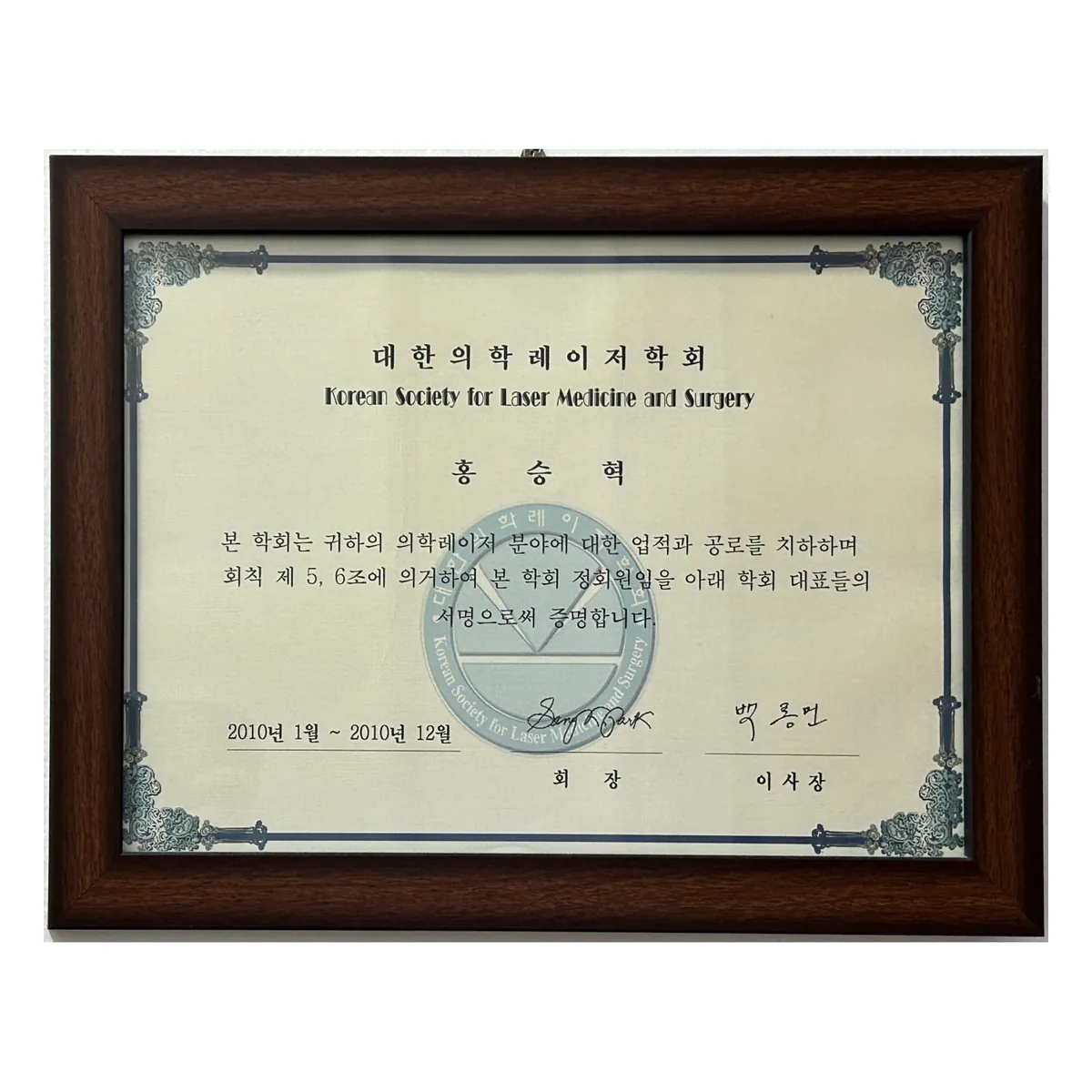
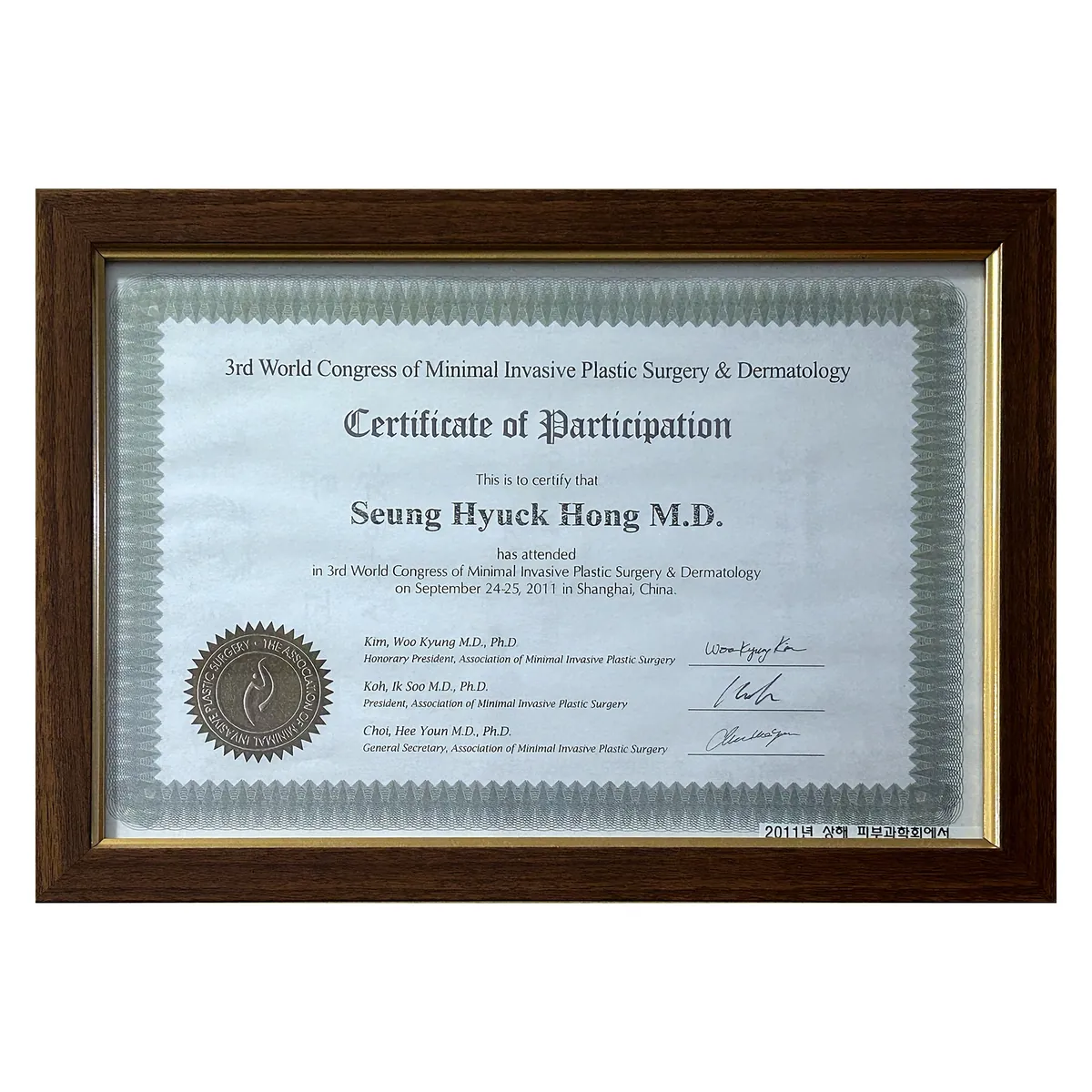
Dr. Maeng: KAOT chair, appreciation plaque 2014. Dr. Hong Yeong-ho: adjunct assistant professor, Konkuk Univ. (2013–2017). Dr. Hong Seung-hyuk: KSLMS member 2010; World Congress MIPS&D 2011.
Ulthera authenticity certified clinic certificate
Merz Aesthetics Award 2018 plaque
Merz Serendipity Journey Symposium 2018 attendance certificate, Dr. Maeng Woo-jae
Health Chosun 2018 Best Clinic plaque
Restylane 15 Million Club expert member plaque
Hironic advisory committee appointment plaque, Dr. Maeng Woo-jae, 2012
Hironic advisory appointment plaque, Dr. Hong Yeong-ho, 2016–2019
Doublo HIFU designated clinic certificate
Volnewmer official certified clinic plaque, Classys
Juvelook official certified clinic plaque
Silhouette Soft certified clinic certificate
LSSA official certified clinic plaque
KAOT appreciation plaque, Dr. Maeng Woo-jae, 2014
Konkuk University School of Medicine adjunct appointment, Dr. Hong Yeong-ho
KAOT 2013 workshop attendance certificate, Dr. Hong Yeong-ho
Korean Society for Laser Medicine and Surgery membership certificate, Dr. Hong Seung-hyuk
3rd World Congress of Minimal Invasive Plastic Surgery and Dermatology participation certificate, Dr. Hong Seung-hyuk
Patient Reviews

What our patients say.

Verified reviews from our Google Business Profile.

★★★★★

Yesterday, I had a fat extraction procedure from Dr. Hong Young-ho. The staff, especially the doctor, were so kind that it was very comfortable. Right after the procedure, it was just a little uncomfortable yesterday because of swelling, but today there is almost no pain and I'm waiting for the swelling to go away to see the beautiful res…

Ka year ago
★★★★★

Recommendations are made based on actual circumstances. The attitude is very good. Highly recommended.

Ya year ago
★★★★★

I cannot recommend G-clinic highly enough. From the moment I walked in, my experience was nothing short of exceptional. The clinic itself is modern, clean, and welcoming. The front desk staff were incredibly warm and efficient. Checking in was a breeze, and they were very helpful with my new patient paperwork. The waiting time was minimal…

ma year ago
★★★★★

Process was perfect! I got some liposuction done, the doctor and staff were very nice and very professional. 100% would recommend anyone to get there procedures done here! They took out A LOT of fat! The doctor speaks perfect English as well!

K3 years ago
Free Consultation

Get your personalized quote.

Share your details and our team will reply through your preferred messenger. Consultation is free and pricing is quoted at your free consultation.

  • ✓Free consultation reviewed by one of three resident directors
  • ✓Personalized quote at your free consultation — same figures for every patient
  • ✓Care performed on site by your director in Gangnam, Seoul
  • ✓10-language support via messenger

Book a Free Consultation

⚠ Please select a country code for WhatsApp

Your details are protected under our privacy policy and are never shared with third parties.

Chat with us
Visit Gangnam · Dosan-daero

Emerald Tower, 5F–7F.

Address
5F–7F Emerald Tower122 Dosan-daero, Gangnam-gu, Seoul, South Korea
Hours
Mon–Fri · 11:00–19:00Sat · 10:30–14:00 · Sun & holidays closed
Languages
English consultation10-language messenger support
Reach
International patient deskContact us through the consultation form