★★★★★
Recommendations are made based on actual circumstances. The attitude is very good. Highly recommended.
Ultra G-fat pairs an LSSA ultrasound system with the G-fat cannula: the device does the primary extraction, the cannula then refines the line it leaves. Your session is run by Dr. Hong Seung-hyuk, Dr. Maeng Woo-jae or Dr. Hong Young-ho, the three medical directors, who are board-certified Family Medicine specialists working in aesthetic dermatology. You stay awake under local anaesthesia, the skin is entered at one small point per area, and ordinary daily life resumes the same day.
Search engines use that phrase as an umbrella for several unrelated things, so start with mechanics. At G Clinic the procedure sitting behind it is Ultra G-fat: an LSSA ultrasound system carries out the primary extraction inside the fat layer, and a G-fat cannula then travels the same tiny opening to refine the contour the ultrasound stage has opened up. There is no operating theatre, no suture line and no admission; the skin is entered at one micro point per treated area while you remain awake under local anaesthesia. Volume that leaves during the appointment has left, and the fat cells taken from a treated area are removed from it, although cells elsewhere can still enlarge if your weight climbs. Most areas are finished in one visit. Whether your tissue genuinely suits the ultrasound route is settled face to face at a free consultation.
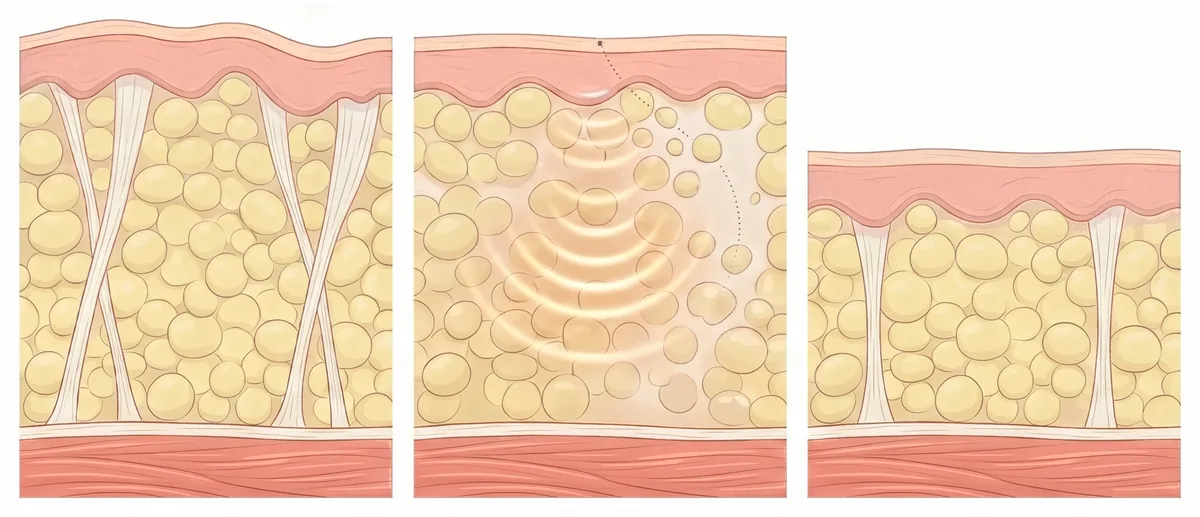
Two working stages sit inside a single visit, and one of the three medical directors carries out both of them personally.
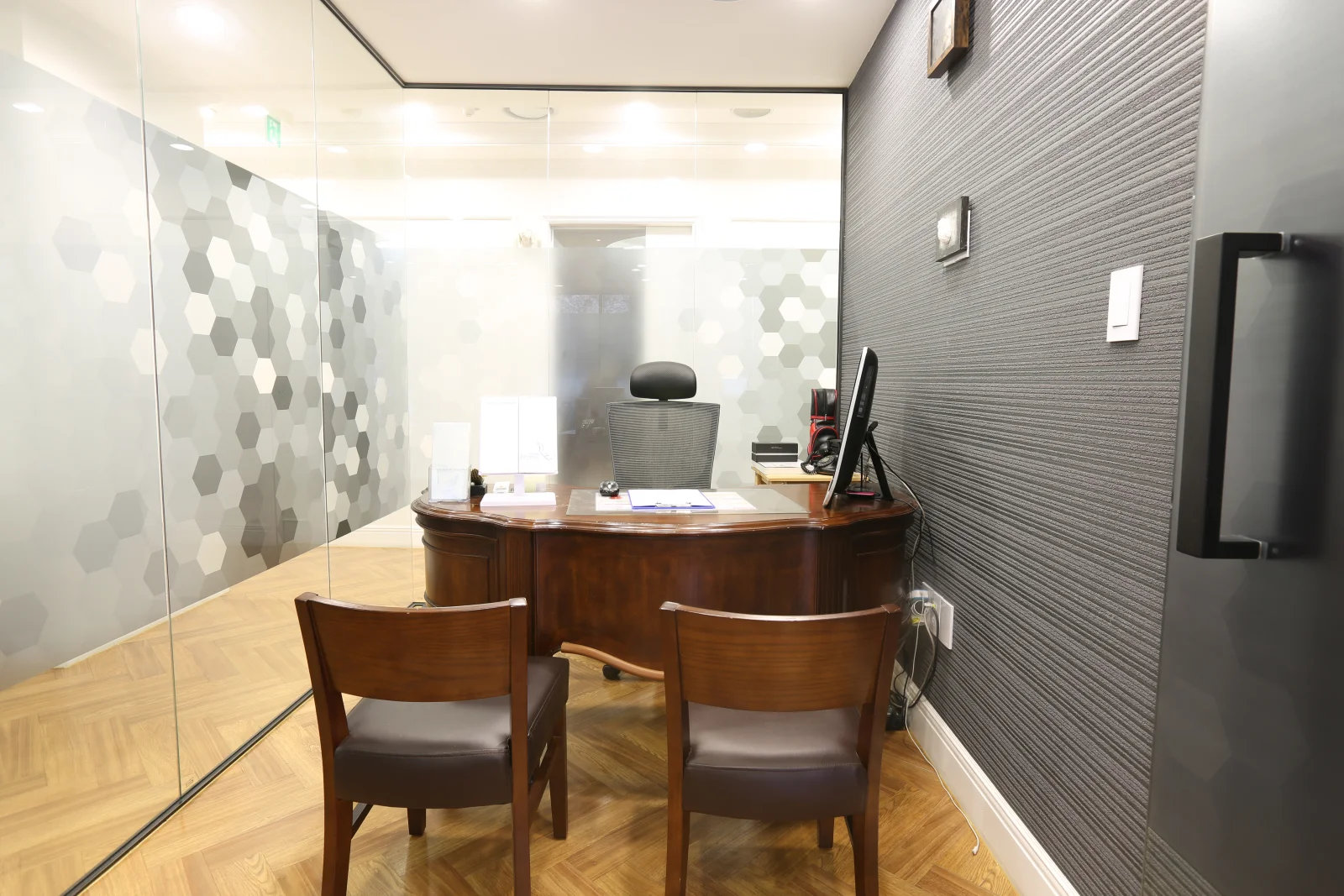
You stand up and the director marks the areas, and the assessment covers how the tissue feels as much as how much of it there is. Firm, fibrous upper-arm fat and a soft lower belly call for different amounts of ultrasound, and a limb treated somewhere else years ago carries scar bands that change the plan again. Goals and health history are reviewed in the same sitting, the consultation is free, and nobody asks you to commit that day.
Local anaesthetic goes into the marked areas and that is the standard anaesthesia for the whole session. You stay conscious, you can speak to the director throughout, and you can flag anything that feels sharp so the pace adapts while the work is happening. Sedation can be arranged as an add-on at extra cost for people who would find the appointment easier that way, and your director will say whether it makes sense for you.
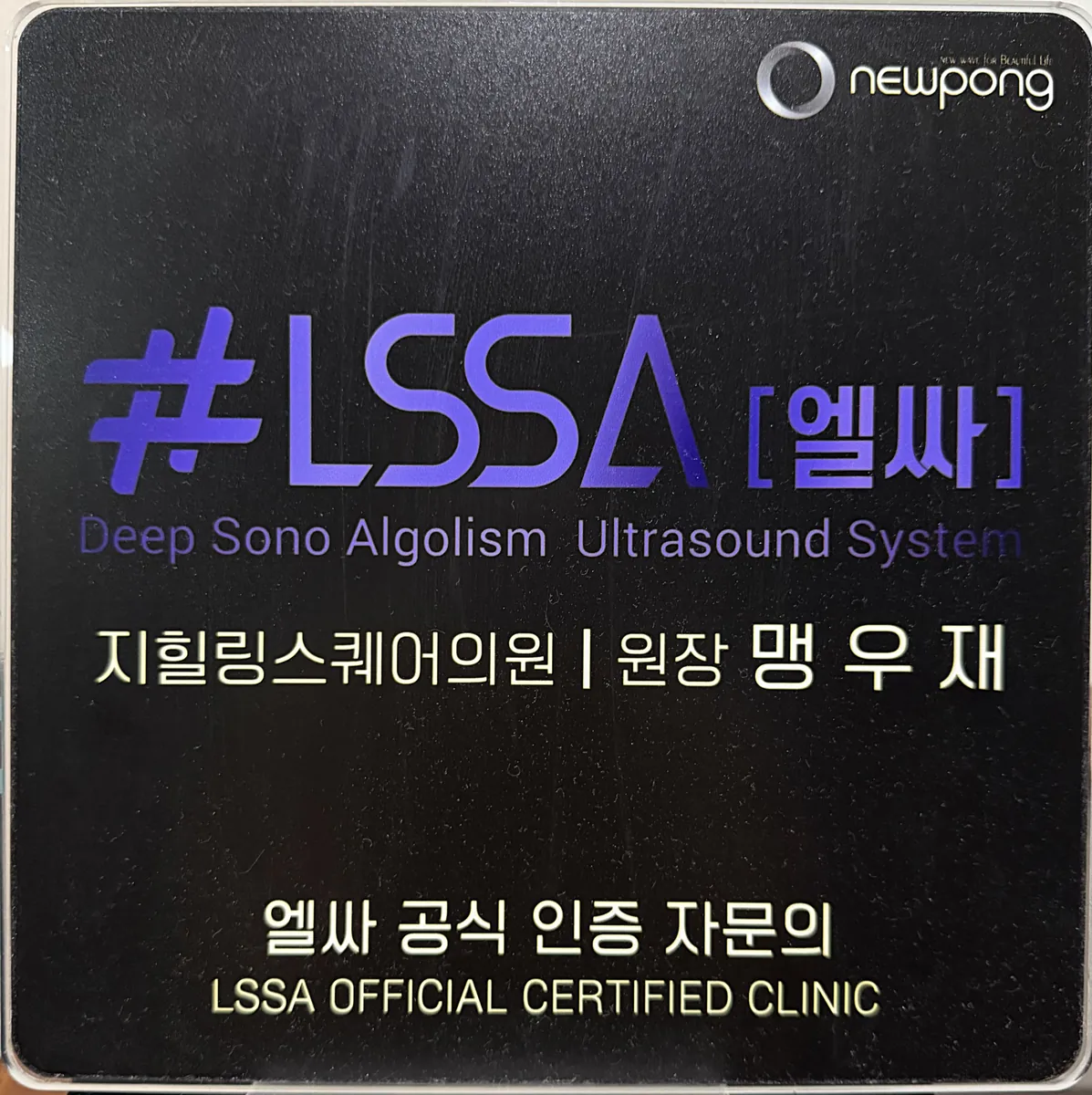
The LSSA probe enters through the micro point and works the fat layer with ultrasound energy, which is where the bulk of the extraction happens. Because the energy is delivered by a machine running set parameters, the pass repeats itself consistently across a long treatment area, and surrounding tissue takes less disturbance on the way through. G Clinic holds LSSA official certified-clinic status, with Dr. Maeng Woo-jae named as the certified physician.
The G-fat cannula then re-enters the same opening to even out what the ultrasound stage has left, because how much comes out and how the surface reads afterwards are two separate problems. A compression garment goes on while you are still on the table. Most patients walk out unaided and pick the day back up, and follow-up body-care sessions on the clinic devices are available if the surface wants help settling.
Laser lipo, ultrasonic cavitation, non-surgical liposuction: an English-language search box treats those as one shelf, and clinics in various countries attach the labels to machines that never break the skin at all. Sorting them out is worth ten minutes of your time if you are shopping across borders. Ultra G-fat is an internal procedure. An instrument enters the fat layer through a single small opening per area, and the fat physically leaves the body during the appointment. The energy source is ultrasound delivered by the LSSA system; no laser fibre features anywhere in the sequence, and the clinic does not describe it as one.
The non-surgical half of the phrase describes what is avoided: general anaesthesia, an operating theatre, a row of stitches to have taken out, and an overnight stay. It does not mean that nothing crosses the skin. Any offer that promises fat removal with no instrument entering the body at all is describing a different category of treatment altogether, and that is a distinction worth confirming wherever you are being quoted, in Seoul or at home.
The wider family this belongs to, including how the patented G-Lifting cannula pass works and how mechanical extraction differs from injectable lipolysis, is laid out on the G-fat Fat Dissolving Injection hub. If you are also weighing the operative route, read the Liposuction in Korea overview beside this page so the two options stay clearly separated in your head.
A purely manual extraction depends heavily on the operator's hand on the day, and long or dense treatment areas are exactly where that dependence shows. Running the ultrasound stage first hands the repetitive work to a device under fixed parameters, so removal across a whole arm or a whole flank stays even from one end to the other. What the device cannot judge is where a silhouette needs to be softened and where it needs to stay full, so the cannula stage exists to answer that question by hand.
Tissue quality decides how much of the benefit you actually see. Fat that has been squeezed into firm, fibrous pads resists a plain cannula, which is the classic complaint about upper arms that stay heavy no matter what the scale says. Ultrasound energy loosens that structure so the same visit gets further. Softer fat, by contrast, may not need the extra stage at all, and the director will say so at consultation and quote the standard route.
The areas patients ask about most on the ultrasound route are the ones where firmness is the obstacle: the upper arm and bra line, described on the Upper Arm Fat Dissolving page, the midsection covered under Belly Fat Removal, and heavy thighs discussed on the Thigh Fat Dissolving page. Each of those is planned as palm-sized areas, both sides counting separately, with no ceiling on how much comes out of any one of them.
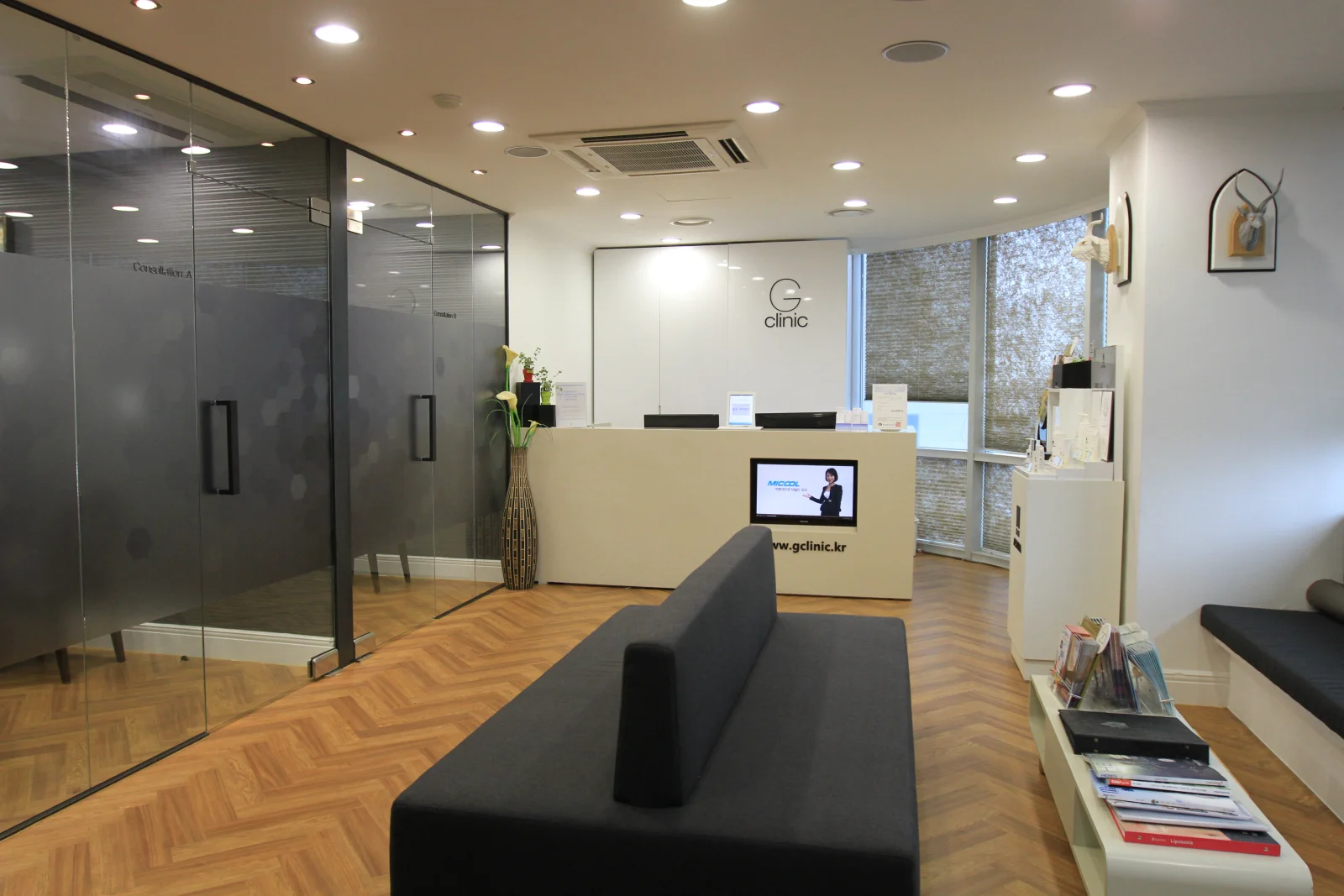
G-Tight is the ultrasound half on its own. Where G-fat pulls fat cells out mechanically, G-Tight uses ultrasound to break the fat down so the body drains it away over the following weeks. Put the two together in one appointment and the result is Ultra G-fat. Kept apart, G-Tight is the option the directors reach for when extraction is the wrong tool for the tissue in front of them.
The classic case is somebody who has had a fat procedure before. Old treatment areas heal with adhesions and fibrous bands, and a cannula dragged through that terrain fights the scar as much as the fat, which is how uneven results get compounded. Ultrasound works differently in scarred tissue and reaches pockets a blade-free cannula cannot open. Reduced skin elasticity is the second common reason: for older skin, or skin already thinned by earlier volume loss, taking a lot out quickly is what causes the sag people fear, and a slower ultrasound-led reduction protects the surface better.
G-Tight also covers areas where extraction was never really on the table. Patients who ran a course of facial fat-dissolving injections and saw nothing, a double chin that hangs because the skin has loosened, and a jawline that reads blunt rather than defined are all assessed for this route. None of that is decided from a photograph. Come in, be examined, and be told which of the two stages your case needs, or whether the answer today is neither.
Five groups come up again and again in the consultation room: people with firm upper-arm fat that has never responded to training, people who want an abdominal line refined once the weight work is done, people carrying thigh bulk that makes trousers fit badly, people whose schedule cannot absorb a long recovery, and people returning for a second look at an area treated previously somewhere else. Adhesions from that earlier work are precisely the situation G-Tight was added for.
The refusals are just as routine, and they are worth reading before you book a flight. Pregnancy and breastfeeding rule the procedure out for now. Medical conditions that are not currently under control get assessed first, and the answer is sometimes no until they are. A body mass index of 30 or above is considered case by case and carries a surcharge, because it changes the work involved. Anyone arriving to lose weight is told plainly that this removes localised fat and is not a weight-loss method.
The refusal patients least expect concerns loose skin. If an area is already lax and holds little fat, emptying it further usually makes the surface look worse, so the director declines the extraction and suggests G-Tight or a course of body care aimed at firmness instead. You are welcome to travel here, be examined, and be told that the answer is no; that outcome is a normal end to a free consultation, and nobody is charged for hearing it.
The volume removed on the extraction stage is gone as you leave, so something has changed immediately. Seeing it is another matter, because swelling arrives within hours and masks a good part of the difference through the first week. Compression holds the area while that drains. Most patients start recognising the new outline as the swelling recedes over the following weeks, and the surface continues to tidy itself for a while after that as the skin settles back against what is underneath.
The ultrasound stage is aimed at how smooth that final surface reads. Even removal across a long area is what stops a treated arm from looking wavy in raking light, and that is the specific gain the directors point to when they recommend the route. What no technique controls is your skin's own elasticity, which is set by age, genetics and how much volume the area held to begin with. That is assessed and discussed at consultation, and it is the honest limit on what any fat removal can deliver.
Durability comes down to the cells. Those extracted from a treated area have left it. The ones still living everywhere else can enlarge if your weight rises, so a stable weight is what protects the shape you walked out with. Nobody at the clinic will tell you a result is beyond the reach of future weight gain, and any clinic that does is overselling.
Ultra G-fat is quoted by area, on the same counting logic as the rest of the family: one palm-sized area counts as one, and anything treated on both sides of the body counts twice. Within an area there is no cap on the amount removed, so a fuller zone and a modest one are charged on the same terms. The published rate for the ultrasound-assisted route sits above the standard cannula route because the LSSA stage is added to the session. How many areas your plan actually needs is decided at the free consultation.
| Treatment | Option | Price (KRW) |
|---|---|---|
| Ultra G-fat (ultrasound + extraction) | per area (1 area ≈ one palm-sized zone; both sides = 2 areas) | ₩350,000 |
| G-fat extraction with G-Lifting | per area (1 area ≈ one palm-sized zone; both sides = 2 areas) | ₩300,000 |
Priced per treated area; sedation optional and BMI 30+ carry an additional fee confirmed at consultation.
All prices in KRW, excluding VAT (10% VAT is added at payment). Final cost depends on the treatment plan confirmed at consultation. Published rates as of 2026-11-03.
Bruising, swelling, tenderness and patchy numbness across the treated area are the ordinary aftermath, and they settle over days. Less frequently, patients meet contour irregularity, a seroma, firm nodules under the surface, skin laxity where a lot of volume left at once, infection at the micro-entry point, or asymmetry between the two sides of the body. Sensation in the area can stay altered for a period. None of that list is unusual enough to leave unsaid, and every item on it comes up in the consent conversation.
Two things reduce how often those problems bite: wearing the compression as instructed, and turning up to follow-up so anything forming is caught while it is still easy to manage. The clinic runs a body-care programme on devices including Noble Shape, MPR and Coolshape for exactly that phase, aimed at skin laxity, stretch marks and fibrous adhesions after a course. Declaring your medications, clotting history and any prior procedures in the same area belongs at the assessment, not afterwards.
Recovery-sensitive patients are one of the groups this procedure was built around. You are awake the whole time, so there is no waking-up period to sit through and no escort requirement written into the discharge. People go back to desk work, meetings and light walking the same afternoon, wearing the garment under their clothes. The treated area feels tight and heavy in the first days, and sitting still for hours makes that worse, so getting up regularly helps more than resting does.
What waits is the strenuous end of the scale: heavy lifting, hard training, saunas, hot baths and long-haul flights all stay on hold until your director clears them at follow-up. Visitors who fly in for this usually give Seoul a handful of days so the check-up happens here, and coordinators will map that against your dates when you enquire. Anyone combining a limb with the midsection should plan the sequence in advance, as the Inner Thigh Fat Dissolving and Arm Fat Removal pages describe for their own areas.
Three routes to less fat in one area, set out so your consultation starts from the right question.
| Point of difference | Ultra G-fat | Standard G-fat | Surgical liposuction |
|---|---|---|---|
| Primary working tool | LSSA ultrasound, then cannula refinement | Cannula with device suction | Aspiration in an operating setting |
| Skin openings | One micro point per area | One micro point per area | Several small incisions, usually sutured |
| Anaesthesia | Local, awake; sedation optional | Local, awake; sedation optional | Sedation or general anaesthesia |
| Suited to | Firm or fibrous tissue, re-treated areas | Soft, straightforward localised volume | Very large volumes across the trunk |
| Evenness over a long area | Device-controlled pass end to end | Operator-controlled throughout | Operator-controlled throughout |
| Back to ordinary activity | Same day | Same day | Days to weeks under compression |
| Appointments per area | Usually one | Usually one | A single operation |
This table is general information. Which column applies to you depends on your anatomy, your skin and your medical history, and a medical director works through it with you at the free consultation.
How skin behaves once fat is taken out has been looked at directly in the peer-reviewed record, including a report on skin retraction after liposuction in patients over the age of 40 (Bank, 1999). The anaesthetic basis for working on an awake patient carries its own literature: one paper concluded that tumescent anesthesia with a lidocaine dose of 55 mg/kg is safe for liposuction (Coleman, 1996). More recently, a series described submental liposuction under local anesthesia in about 695 patients (Aldihani, 2025). Those titles concern the general method category of fat removal performed under local anaesthesia. They are not reports on G Clinic's own results, they do not evaluate the LSSA system, and they say nothing about what your own outcome would be. That conversation belongs with your director.
The name suggests a dissolving shot, but G-fat injection physically removes fat. G Clinic developed it in Gangnam, Seoul, reporting 20,000+ cases since 2018. Local anaesthesia keeps you awake; one micro-entry per area lets a fine cannula with device suction take fat out the same day, priced by palm-sized area. Family members include third-generation G-Lifting, whose special cannula stimulates skin tightening before extraction, and Ultra G-fat, ultrasound plus extraction. Read the full story on the G-fat Injection page.
No laser is involved. The energy in Ultra G-fat comes from the LSSA ultrasound system, which works inside the fat layer through one micro point per area, and the G-fat cannula then refines the contour. Laser lipo is a marketing label attached to several different technologies around the world, some of which never enter the body at all, so ask any clinic which machine they mean before you compare quotes.
Yes, and that is the point of the procedure. Non-surgical here means no operating theatre, no general anaesthesia, no stitched incisions and no overnight admission. An instrument still passes into the fat layer through a single tiny opening per treated area, which is how the fat physically leaves during your appointment. A treatment that never breaks the skin cannot remove fat cells and belongs in a different category entirely.
Standard G-fat extracts with a cannula and device suction. Ultra G-fat puts an LSSA ultrasound stage in front of that, so the machine carries the primary extraction and the cannula is left to shape the line. The gain shows most in firm or fibrous tissue and across long treatment areas where evenness is hard to hold by hand. The full background sits on the G-fat Fat Dissolving Injection hub.
G-Tight is the ultrasound stage without the extraction stage: the energy breaks fat down and your body clears it over the following weeks. On its own it is chosen for re-treatment cases with adhesions, for reduced skin elasticity where rapid emptying would leave the surface loose, and for areas such as a double chin that has lost tone. Combine it with extraction in one appointment and you have Ultra G-fat.
That is one of the cases G-Tight exists for. Previously treated areas heal with fibrous bands and adhesions, and forcing a cannula through that terrain tends to compound the unevenness. Ultrasound behaves differently in scarred tissue, so the directors assess whether a G-Tight-led plan is safer for you. Bring any records you have from the earlier procedure to the consultation, as they change what is advisable.
You are awake as standard. The treated areas are numbed with local anaesthetic and you can talk with your director for the whole session, which lets you say what you are feeling while the work is under way. Sedation is available as an option at additional cost if you would rather be drowsy, and your director will discuss whether that suits your health history.
Most areas are completed in a single appointment, and that is what people plan their trip around. A second session is possible where somebody wants more taken from the same zone later, but it is not built into the plan by default. Because there is no volume ceiling within an area, the director keeps working until the contour is right in that sitting.
The fat cells taken out of a treated area have left it. Cells that remain elsewhere in your body can enlarge if you gain weight, so the shape you leave with is protected by keeping your weight stable rather than by anything the clinic does after the appointment. That is the whole of the durability picture, and any stronger promise about it should make you cautious.
By area. One palm-sized area counts as one, both sides of the body count as two, and the amount removed within an area does not change the figure for it. The ultrasound-assisted route is rated above the standard cannula route because the LSSA stage is added to the session. Your area count is agreed at the free consultation, and the published rate applies to everyone.
Upper arms lead by a distance, because firm arm fat is the kind that resists training hardest; the Upper Arm Fat Dissolving page covers that zone in detail. Abdomen and flanks come next, then outer thighs and the pad above them described under Saddlebag Fat Removal. Several areas can be combined in one visit if your director agrees the total is sensible.
Plan for the consultation, the procedure and a follow-up check before you fly. Ordinary daily activity resumes the same afternoon, so sightseeing and meetings are realistic from day one with the compression garment on. Long-haul flights, saunas and hard training wait for clearance at that follow-up. Send your travel window through the consultation form and coordinators will build the schedule around it.
Bruising, swelling, tenderness and patchy numbness are routine in the first days. Less commonly patients meet contour irregularity, a seroma, firm nodules, skin laxity, infection at the entry point, or asymmetry between the two sides. Altered sensation can persist for a period. All of it is covered in the consent conversation, and attending follow-up is what allows anything developing to be dealt with early.
Often yes, and many visitors do exactly that while they are in Gangnam, Seoul. Body work and facial appointments are usually sequenced across separate days so recovery does not overlap awkwardly. Patients commonly add Face Lifting or a course of Skin Boosters. Your director confirms at consultation what is reasonable to schedule together, and the surgical alternative is set out under Liposuction in Korea.
Verified reviews from our Google Business Profile.
Recommendations are made based on actual circumstances. The attitude is very good. Highly recommended.
I cannot recommend G-clinic highly enough. From the moment I walked in, my experience was nothing short of exceptional. The clinic itself is modern, clean, and welcoming. The front desk staff were incredibly warm and efficient. Checking in was a breeze, and they were very helpful with my new patient paperwork. The waiting time was minimal…
Process was perfect! I got some liposuction done, the doctor and staff were very nice and very professional. 100% would recommend anyone to get there procedures done here! They took out A LOT of fat! The doctor speaks perfect English as well!
Dr. Hong has perfect English and is very kind. I was glad my friend recommended me to come here via allaboutmei, it really has lived up to my expectations. The method and equipment used is very modern and top range, I was expecting to be in a lot of pain but I feel great! Thank you again Dr. Hong and all the other people that work at Gcli…
Book a free consultation and one of the three medical directors will examine the area in person, in Gangnam, Seoul, and tell you whether Ultra G-fat, G-Tight or the standard route fits the tissue you have. Each area is quoted at the published rate, and the plan is agreed face to face.
Book ConsultationEvery consultation and procedure at G Clinic is conducted on site by one of three medical directors — never handed to a substitute practitioner. All three are Family Medicine specialists who have cared for international patients for years.
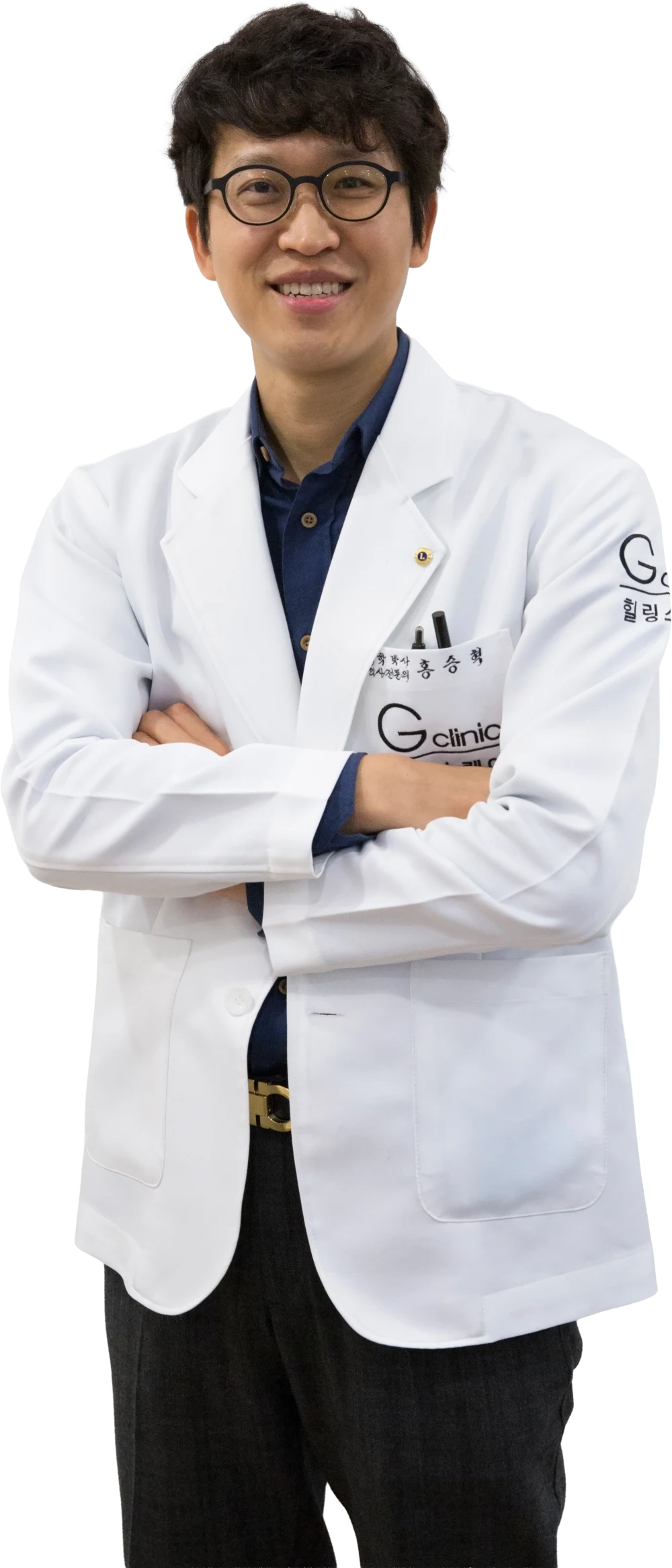
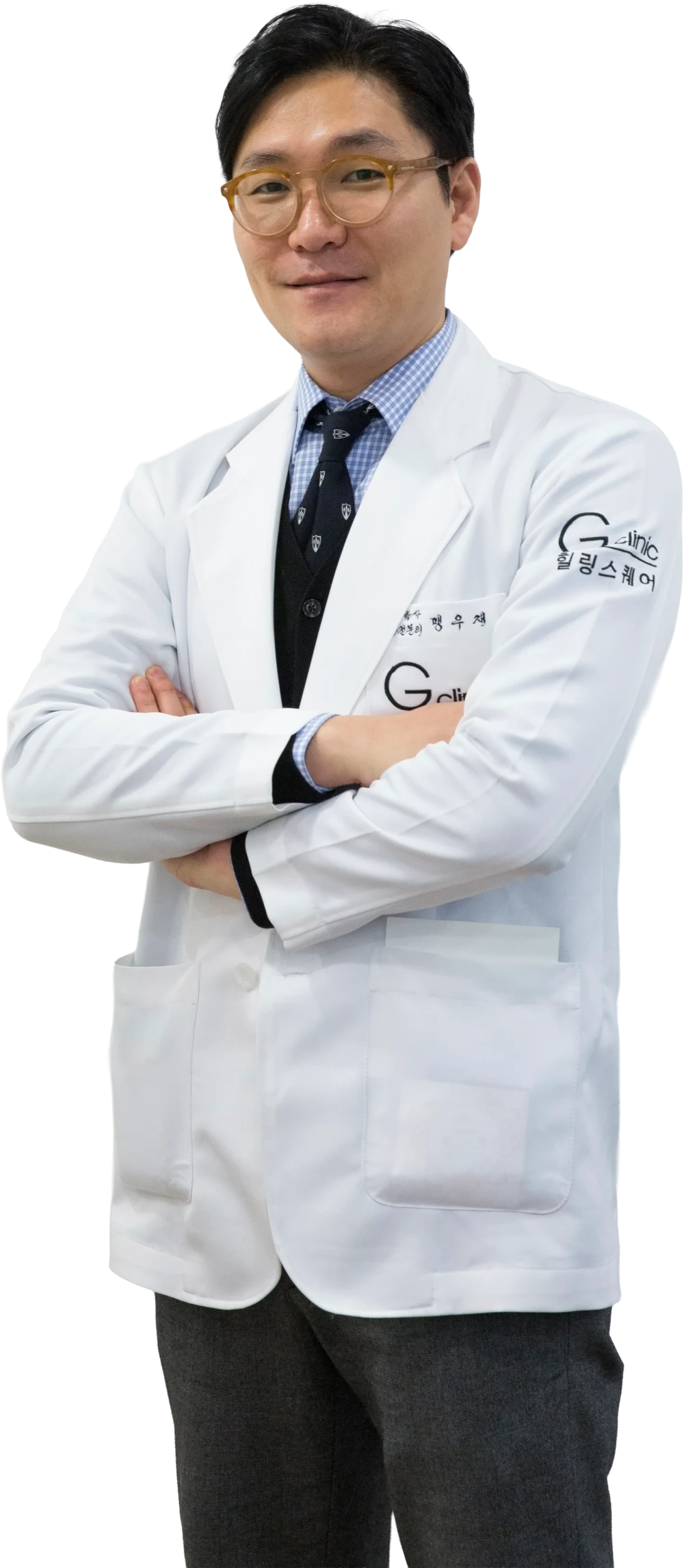
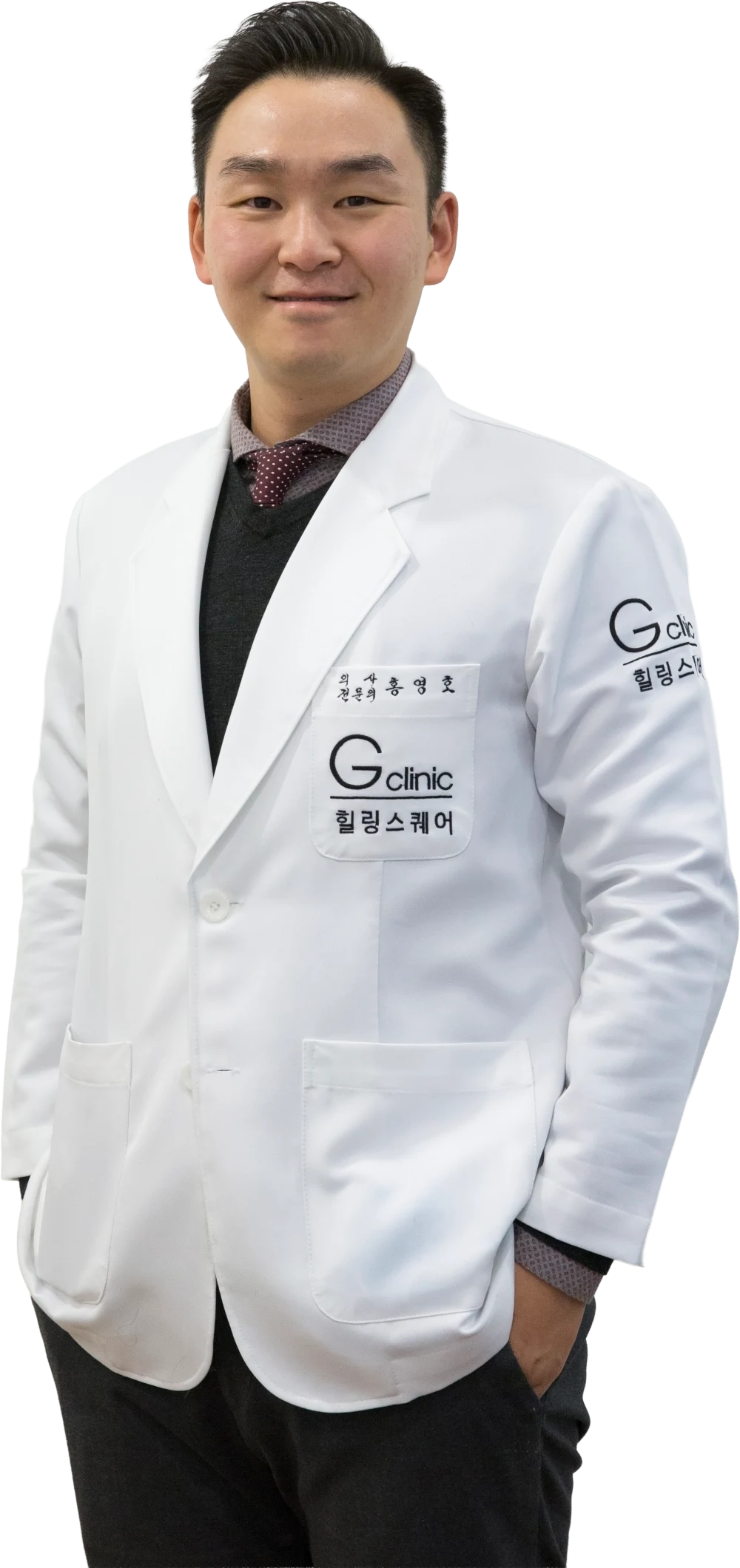
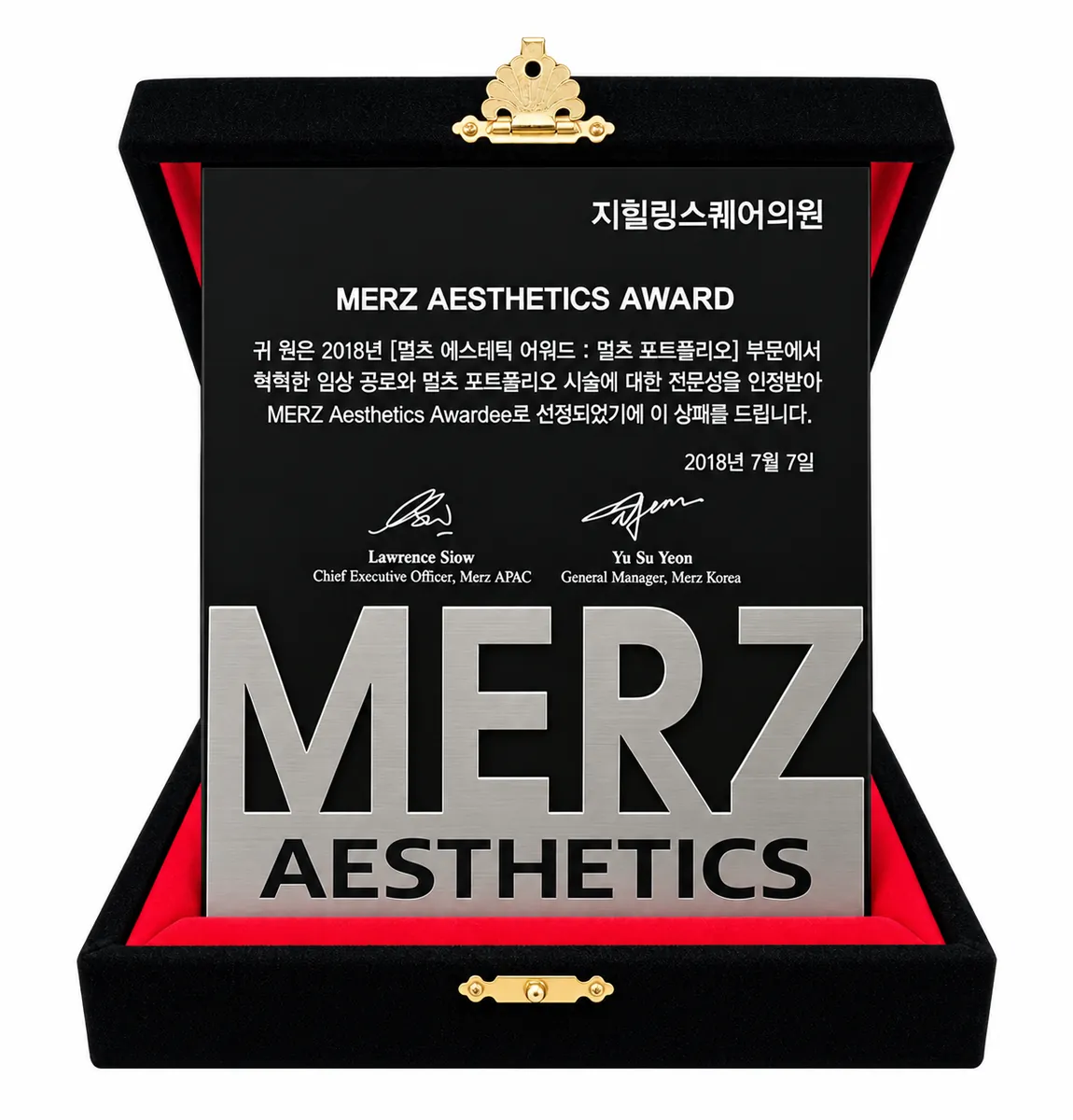
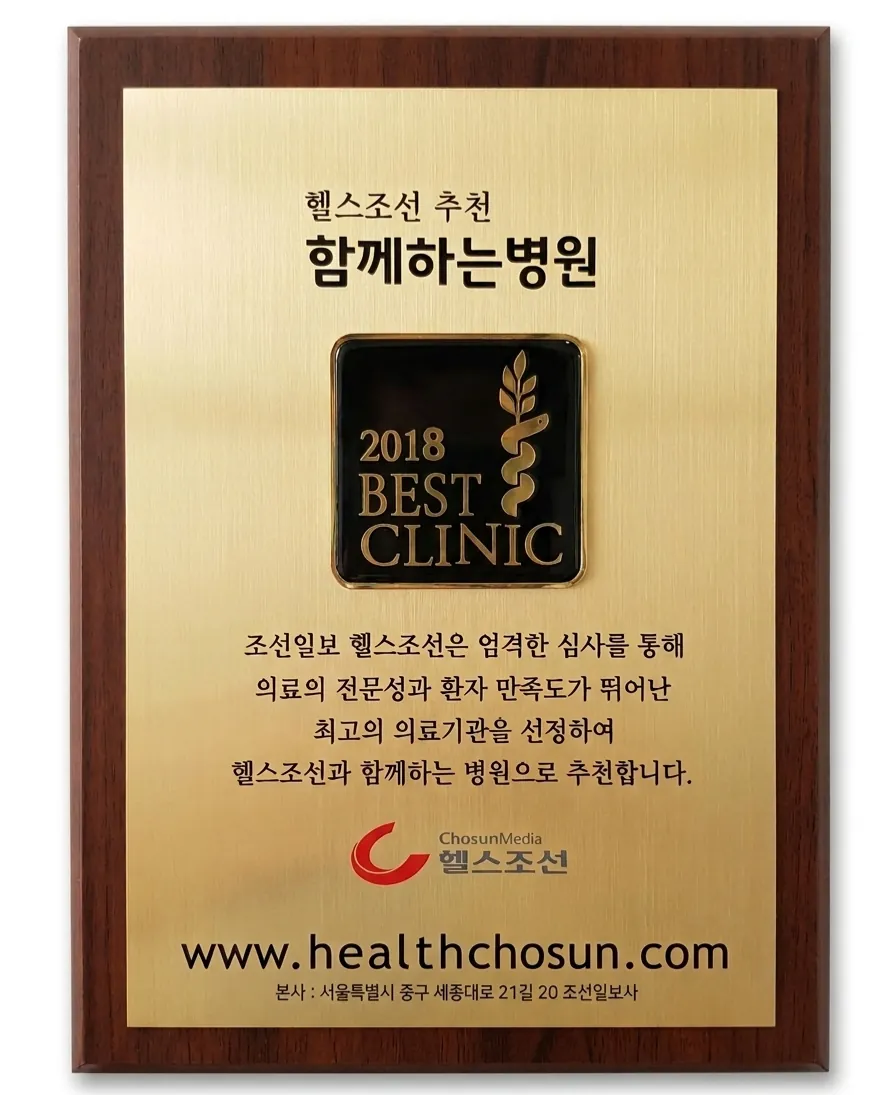
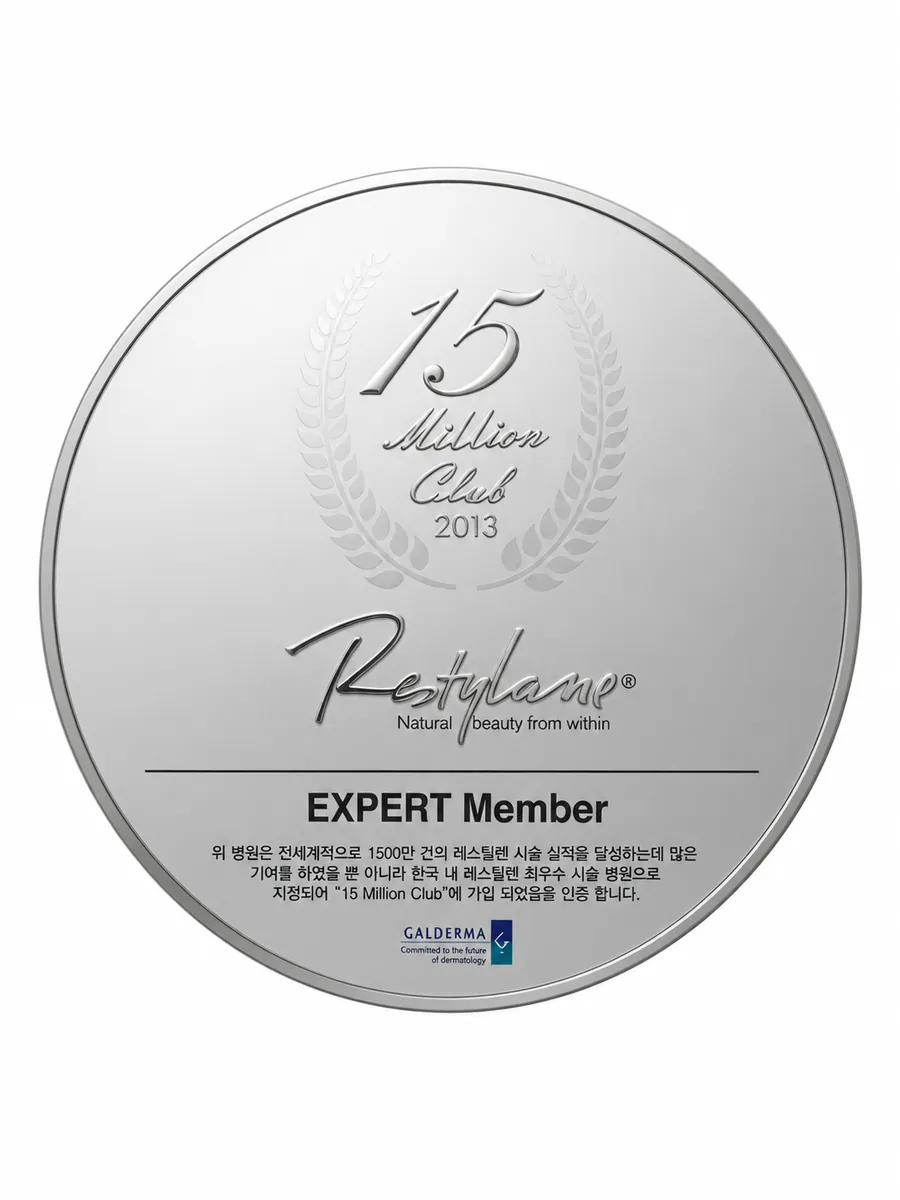
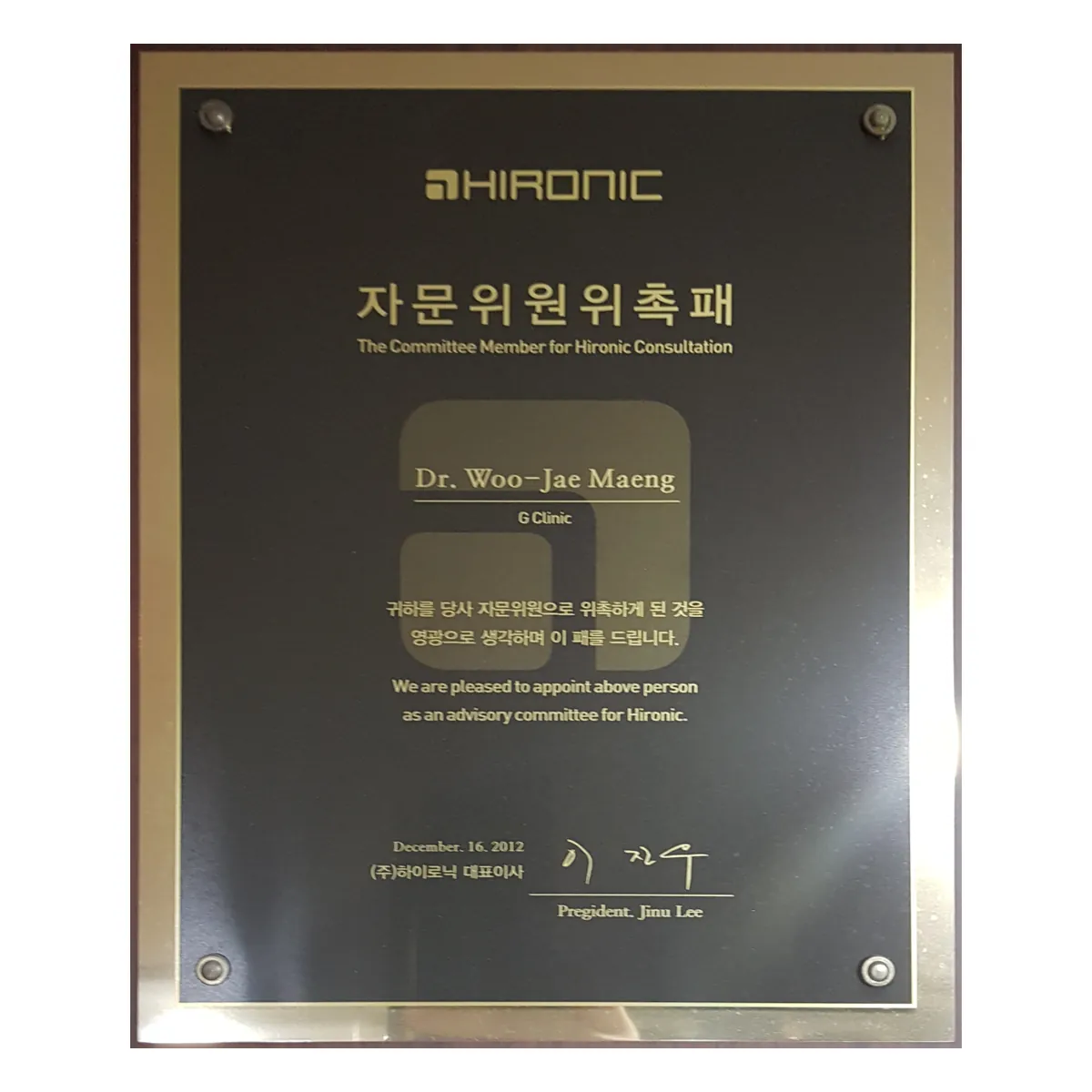
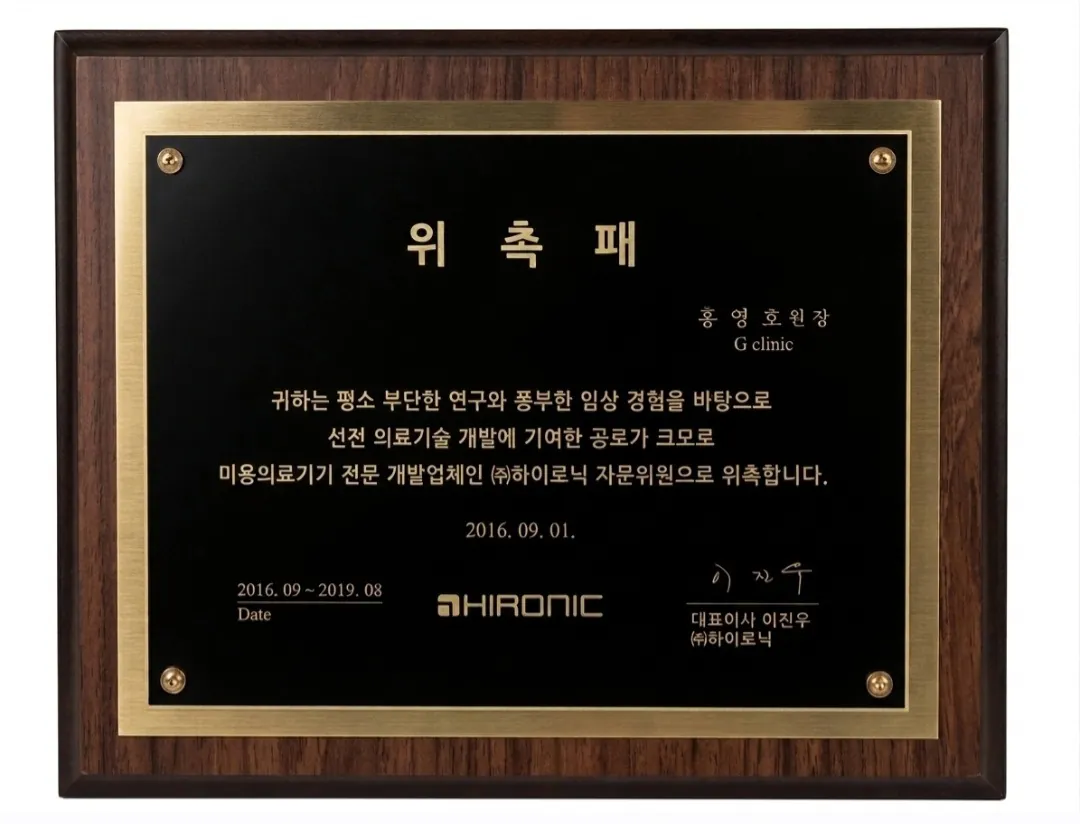
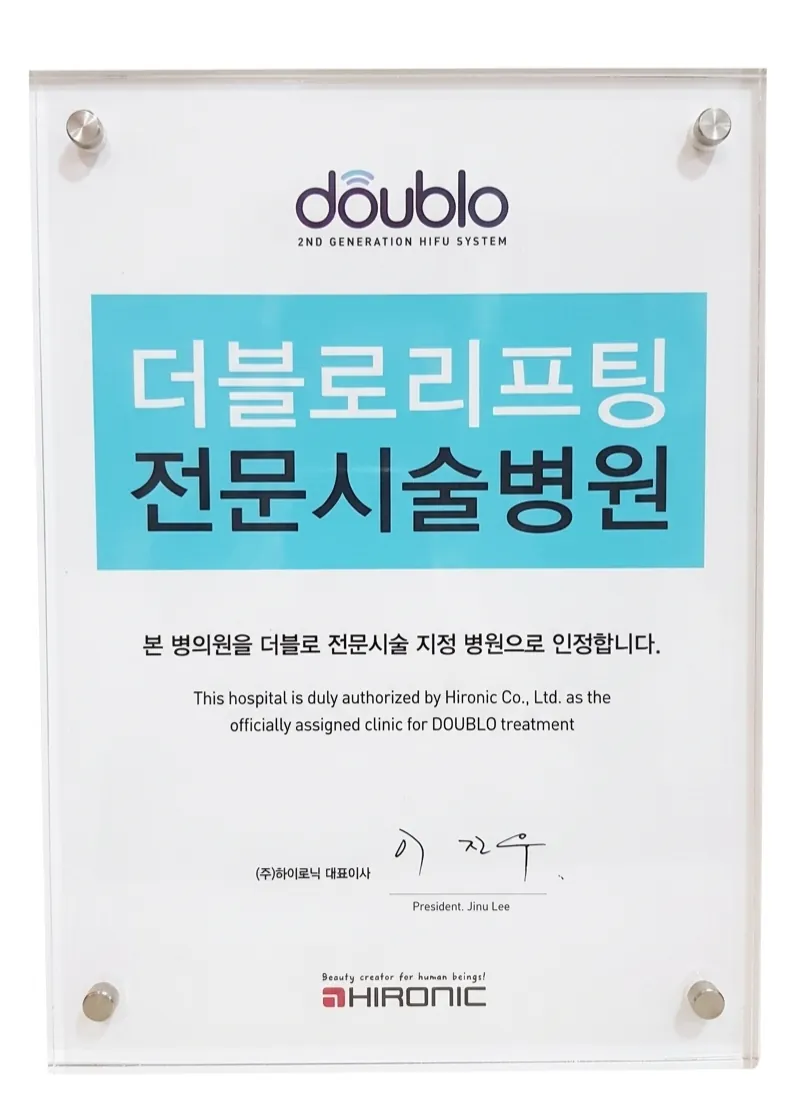
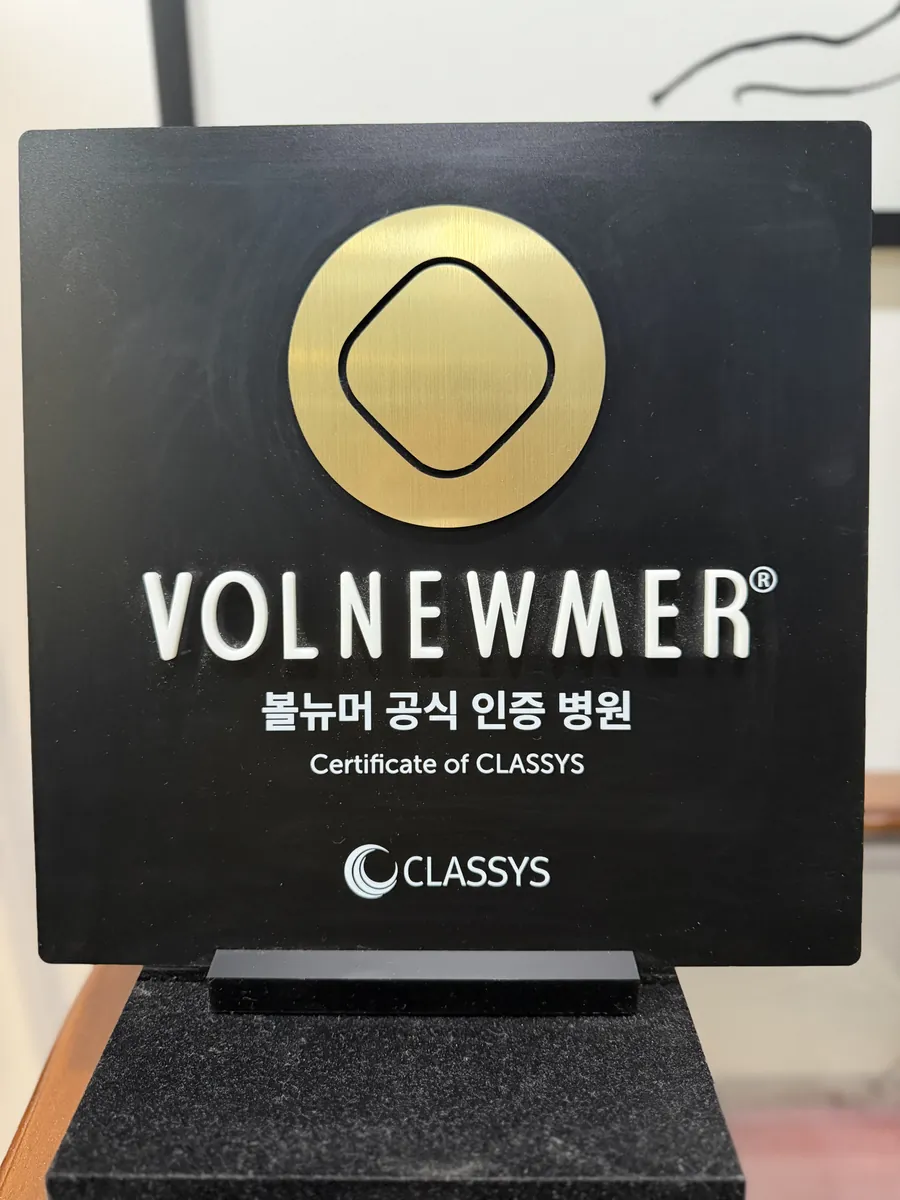
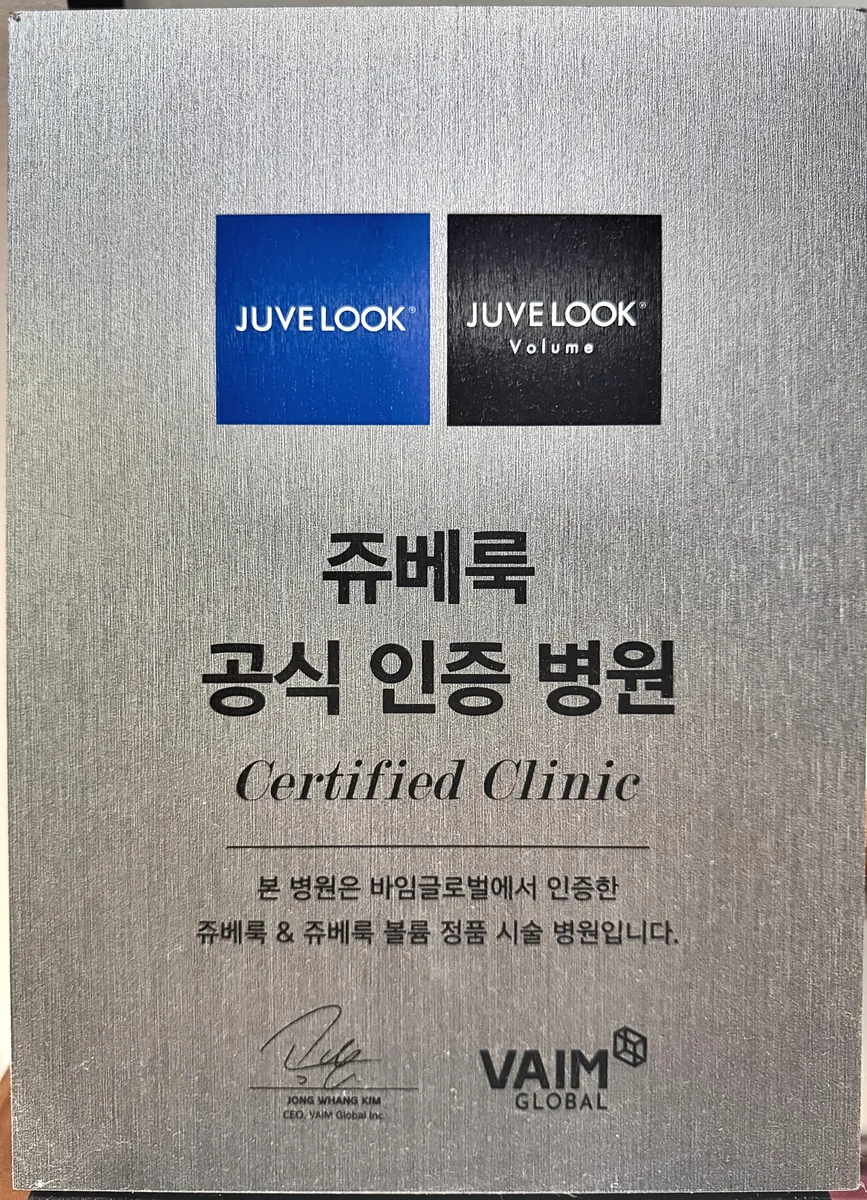
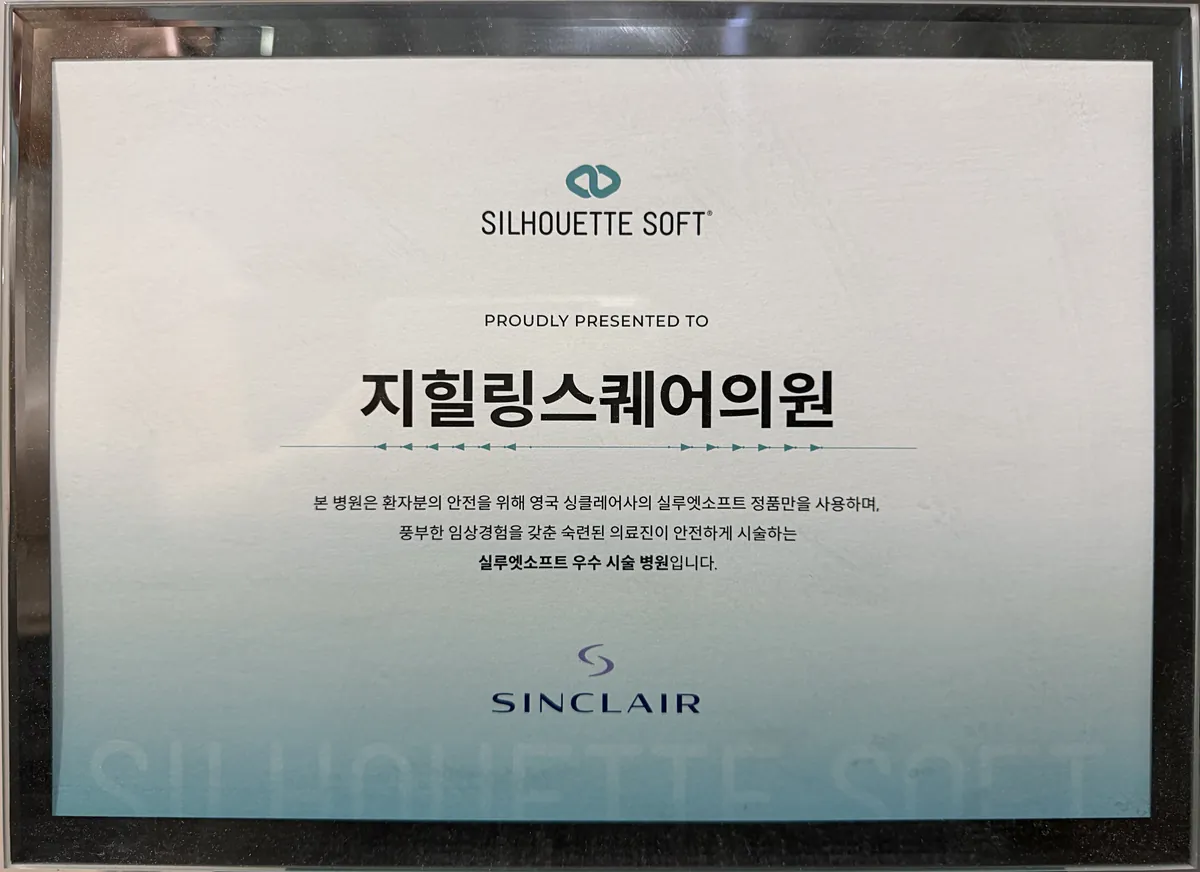
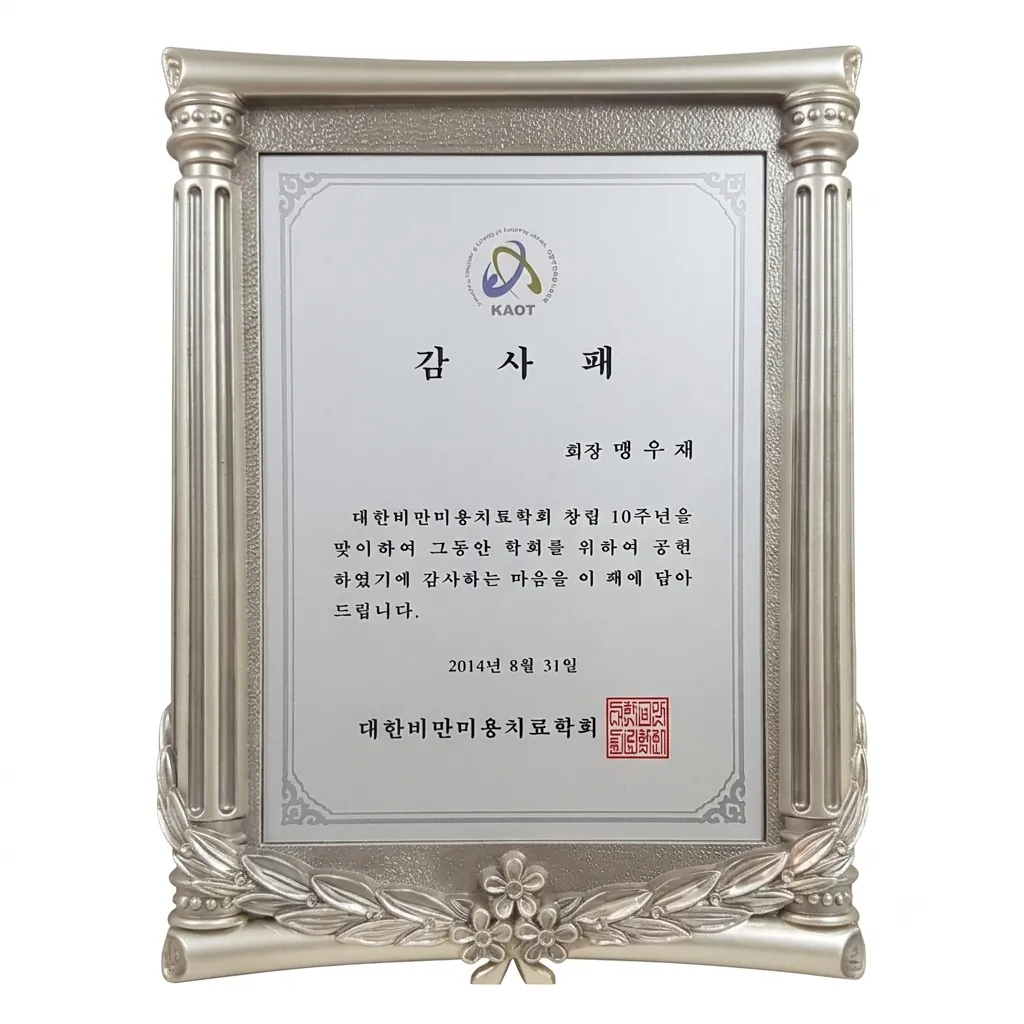
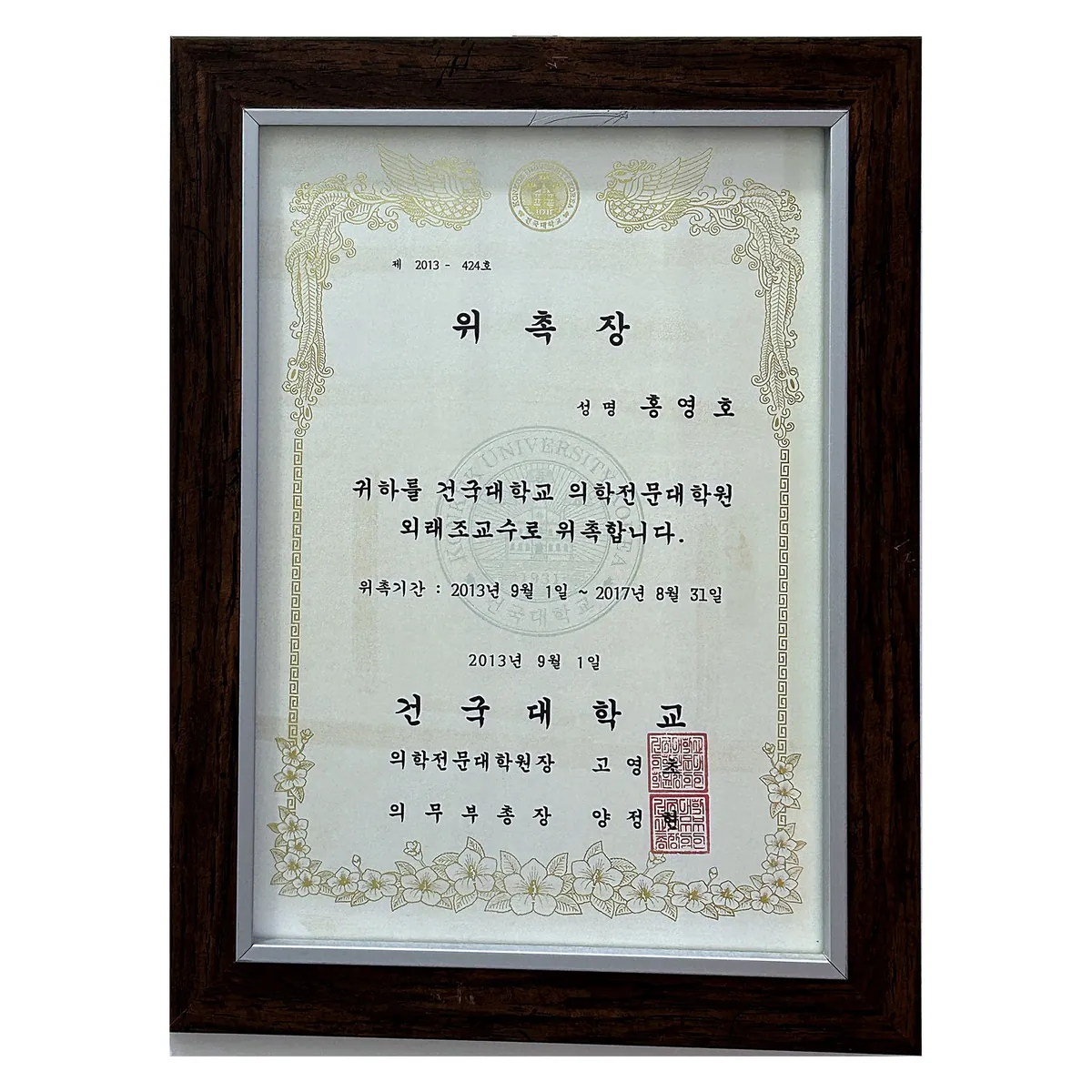
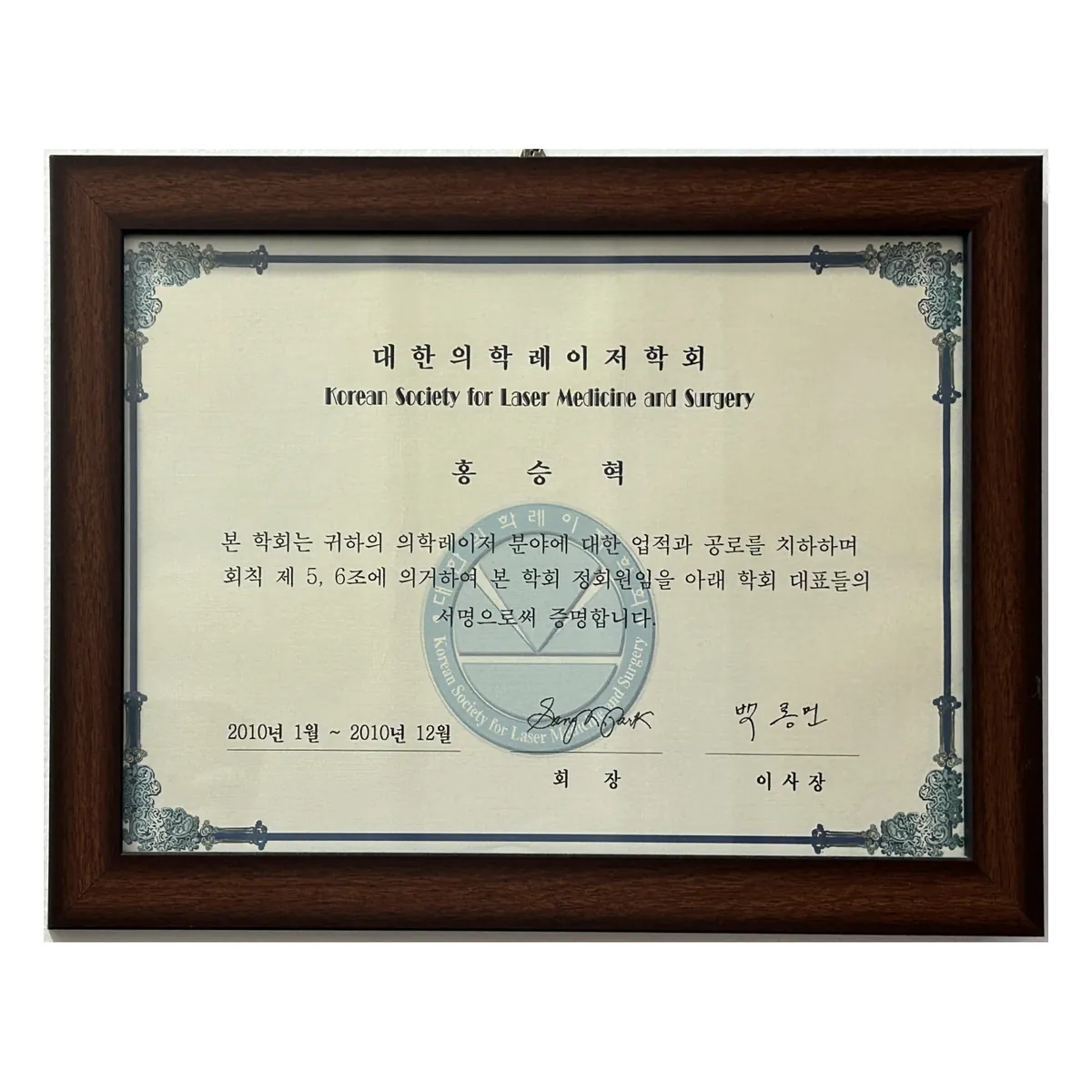
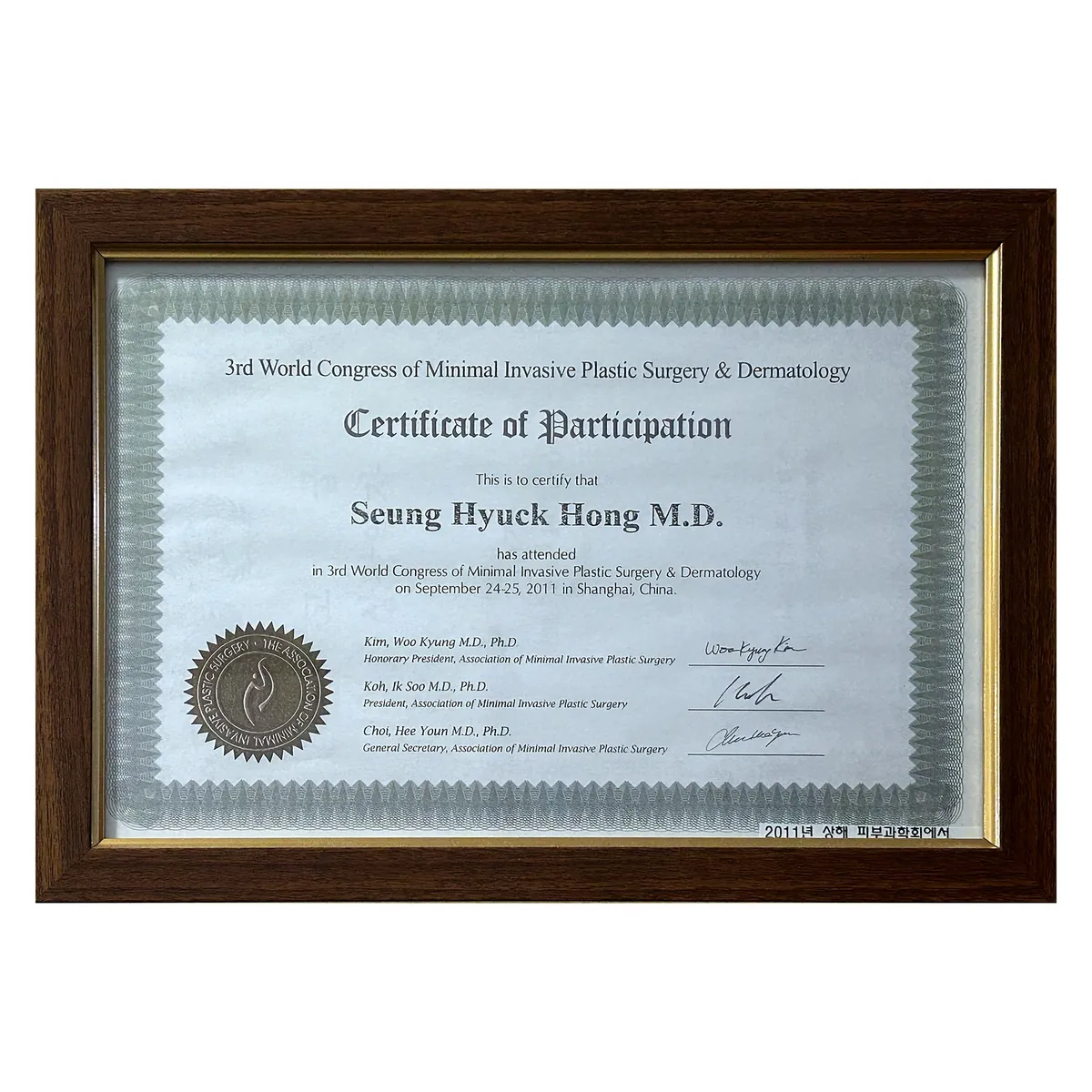
The G Clinic name dates to a 2012 device-maker advisory appointment. Each recognition below is stated as issued by its organisation.
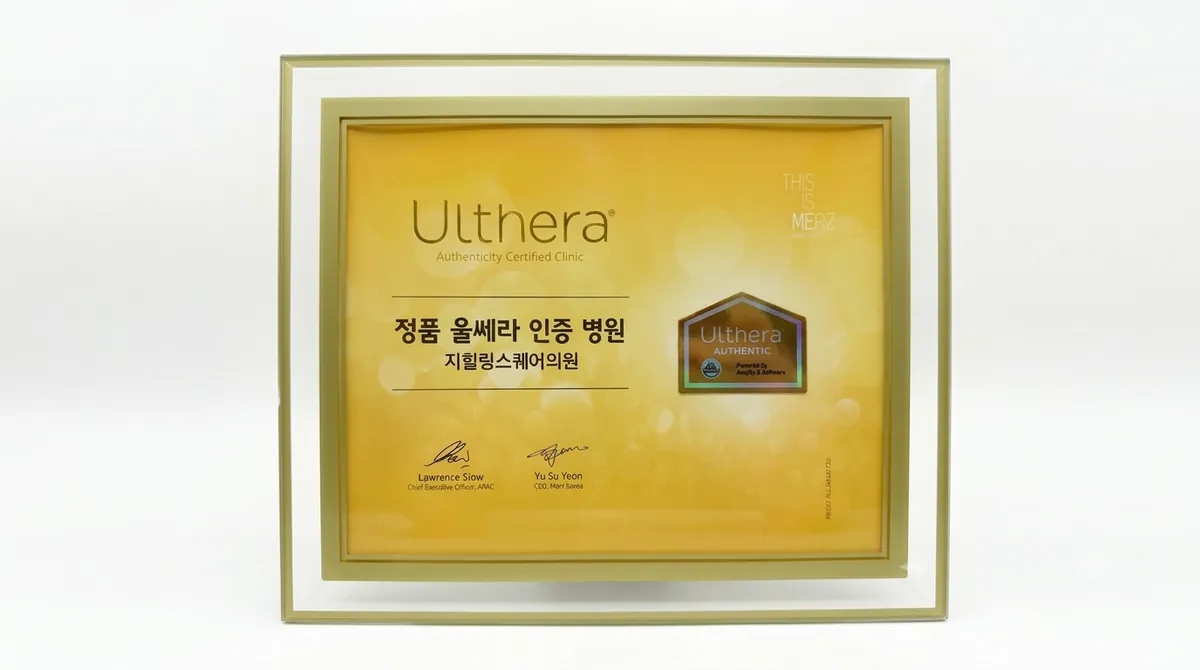


Share your details and our team will reply through your preferred messenger. Consultation is free and pricing is quoted at your free consultation.
Thank you — our English coordinator will reach out as soon as possible.