★★★★★
Recommendations are made based on actual circumstances. The attitude is very good. Highly recommended.
A lower leg is rarely thick for one reason. G-Skinny is the clinic’s non-surgical calf course, and it works through muscle, fat and retained fluid in rotation across six weeks, adding care for the skirt line above the knee. Dr. Hong Seung-hyuk, Dr. Maeng Woo-jae and Dr. Hong Young-ho are board-certified Family Medicine specialists in aesthetic dermatology, and each of them carries his own patients from assessment through to the final review.
The width of a lower leg is set by the bulk of the calf muscle and the fat layer sitting over it, with retained fluid adding to both. G-Skinny attacks all three across a six-week schedule at G Clinic, alternating the target from week to week: muscle first, then the fat layer, then the swelling, and around again. Seven programme steps carry that plan, among them a calf reduction injection for the muscle, an ankle injection and an oedema injection for fluid, cellulite work, and device rounds on Venus Freeze, Maestro and Power 2. Care extends above the joint to the skirt line, the pad on the inner and upper knee that spoils a leg in a skirt. Nothing here is surgical, so there is no recovery period to book. Whether your own calf suits the programme is settled at a free consultation with one of the three directors.
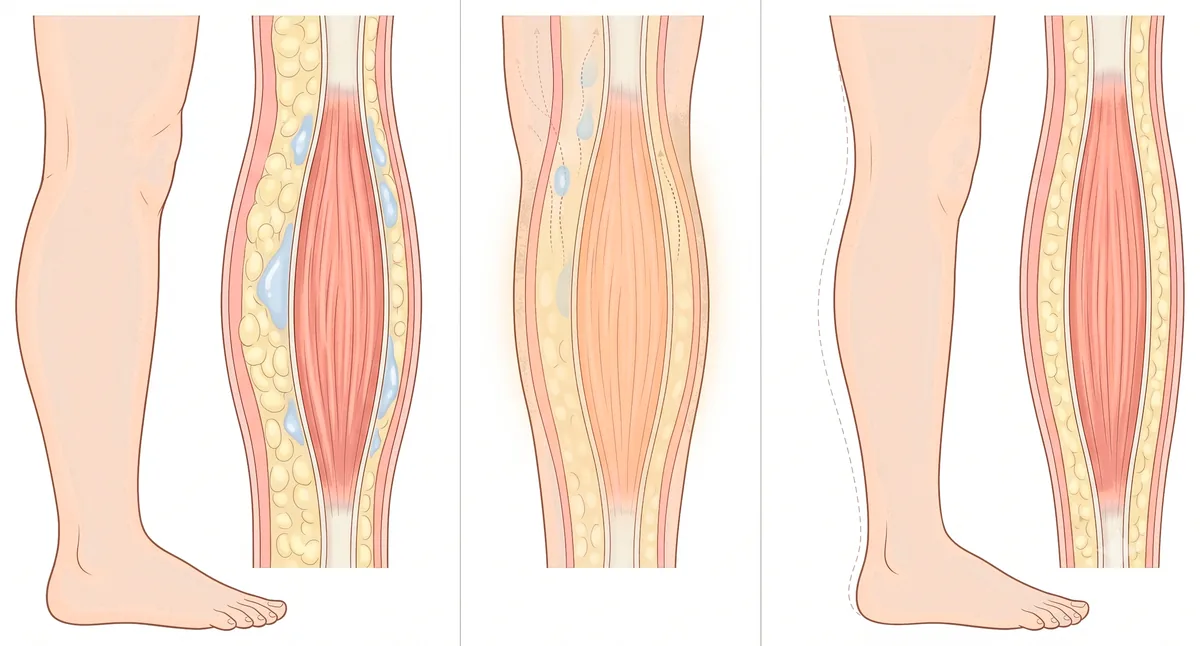
Four stages, spread over the six booked weeks. The director who assesses your legs at the start is the one who treats them at every attendance.
You stand, rise onto your toes, and the director watches what happens to the outline. A calf that hardens into a defined belly of muscle on tiptoe is a muscular leg; one that stays soft under the fingers is carrying fat; a leg that pits when pressed above the ankle is holding fluid. Most people turn out to be a mixture, and the proportions decide how your six weeks are weighted. The assessment is free and nothing is scheduled from it on the spot.
Weeks one and four are given to muscle. The calf reduction injection places botulinum toxin into the bulging heads of the gastrocnemius that the director has marked while you were on tiptoe, so the muscle stops recruiting as hard and gradually loses volume. You are awake and talking throughout; local anaesthesia is the clinic standard for injection work, and sedation exists only as an optional extra at additional cost. The agent used is discussed in the room and never advertised.
Weeks two and five address the fat layer, with cellulite work and Venus Freeze radiofrequency over the calf and the tissue around the knee. Weeks three and six take on the swelling that a heavy leg carries, using the oedema injection and the ankle injection together with Maestro and Power 2. Splitting the targets this way lets each round act while the next one is already under way.
The pad above and inside the knee is treated alongside the calf, because a smooth lower leg still reads as heavy if the knee stays full. At the end of the six weeks the director photographs and measures the legs again, compares them with your starting record, and tells you plainly whether a further round is worth your money or whether the leg has given what it is going to give.
G-Skinny is the name G Clinic gives to its non-surgical calf course. The reasoning behind it is simple enough to state in a sentence: calf size comes from muscle and from fat, with accumulated oedema piling on top, and shrinking only one of those leaves the other two holding the shape you wanted gone. A leg treated for muscle alone can still measure wide because the fat layer over it never moved. A leg treated for fat alone stays bulky the moment its owner walks upstairs.
So the programme runs seven steps against all three. Cellulite work and Venus Freeze handle the fat and the surface. The calf reduction injection deals with muscle bulk. The ankle injection and the oedema injection, supported by Maestro and Power 2, move the fluid that makes an evening leg feel tight in a boot. None of these steps involves an incision, general anaesthesia or a hospital bed, so the course sits in an outpatient calendar with no recovery time carved out of it.
It is worth being clear about what this is separate from. Mechanical extraction of fat cells through a cannula is a different service entirely, described on the G-fat fat extraction hub, and it answers a different question about a different kind of leg. G-Skinny is a scheduled course of injections and device rounds, and its results build over the weeks it runs.
The calendar is fixed and it is deliberately repetitive. Week one goes to the calf muscle. Week two goes to the fat layer. Week three goes to the oedema. Week four returns to muscle, week five to fat, week six to fluid, and the course closes. Two passes at each target, spaced far enough apart that the first pass has begun to act before the second lands on the same tissue.
That spacing is the whole point of the design. Toxin placed in a calf muscle does not slacken it the same afternoon; the change is progressive and it is still developing while the fat and fluid weeks are running. Radiofrequency and the drainage steps work on a different clock again. Stacking everything into a single marathon appointment would waste that overlap, so the clinic spreads it and lets the three processes run in parallel inside one six-week block.
Attendance matters more than anything you do at home. Each week is a booked appointment of ordinary length, you arrive in normal clothes, and you leave able to walk to the station and get on with your day. Patients travelling from abroad usually ask whether the block can be compressed; the director will tell you honestly what can and cannot be moved once he knows your dates, and some plans are better started on a first trip and completed on a second.

Ask most people where a leg looks heavy and they point at the calf. Photograph the same leg in a skirt and the eye goes somewhere else: the soft pad sitting on the inner knee and just above it, the zone the clinic calls the skirt line. It is the reason a woman who has slimmed her calves can still dislike the way her legs read in shorts, because the knee has stayed full and the line from thigh to ankle never becomes continuous.
G-Skinny therefore treats the region above the joint as part of the same course. Cellulite work and radiofrequency run over the inner knee and the tissue immediately above it, in the same weeks the calf below is being handled, so the leg is reshaped as one length instead of two disconnected halves. It is an unglamorous piece of the programme and it is often the piece patients notice most in a mirror.
What the skirt line will not do is change the frame beneath it. Knee width is partly bone and partly the shape of the joint itself, and no injection or device round moves either. If your dissatisfaction with your legs is really about bone structure, the director will say so at the assessment, and he will say it before you have paid for anything.

The programme suits people with a lower leg that is genuinely muscular, genuinely soft, or some combination of both, whose weight is reasonably stable and who can commit to attending six times. Patients who stand all day at work, who trained in sports that build the calf, or whose ankles swell by the evening tend to be well matched to a rotation that treats all three components.
Several people are declined. Anyone with a history of deep vein thrombosis is not started on this programme; a leg with that history belongs with a vascular service for assessment before any aesthetic course is contemplated, and the director will refer rather than treat. Pregnancy and breastfeeding rule the injections out until that period is over. Neuromuscular disorders, an active infection over the treatment area, and a known sensitivity to any component of the injections are all reasons to stop before starting.
The third refusal is the one patients argue about. Some legs are wide because of the tibia and fibula and the way the joint is set, with very little muscle and almost no fat to reduce. No amount of toxin, radiofrequency or drainage narrows a bone, and a director who tells you the ceiling is your skeleton is not managing your expectations downward for effect. Individual results vary in any case, and consent is taken in writing only after that conversation has happened, so nobody signs anything on the strength of a photograph they saw online.
The fluid component moves first. Legs that pit at the ankle in the evening often feel lighter within the opening fortnight, and patients describe boots and ankle straps fastening more easily before anything visible has happened to the calf outline. That early change is encouraging, and it is also the part most dependent on how you live between appointments, since a long-haul flight or a fortnight of heat undoes some of it.
Muscle volume follows a slower curve. Toxin acts on the treated heads of the calf muscle progressively, so the taper reads gradually across the weeks of the course and continues settling after the sixth appointment. The fat layer and the surface texture respond to the cellulite and radiofrequency rounds over a similar span. The closing review is therefore scheduled at the end of the block, and the director photographs and measures the legs against your starting record.
Nothing here is permanent by nature. A calf muscle that stops being treated will eventually recruit and rebuild, weight gain restores a fat layer, and a job spent standing keeps producing swelling. Patients who like their result generally return for maintenance on a schedule the director sets for them. Individual results vary from leg to leg, and this page describes a method without promising you a measurement.
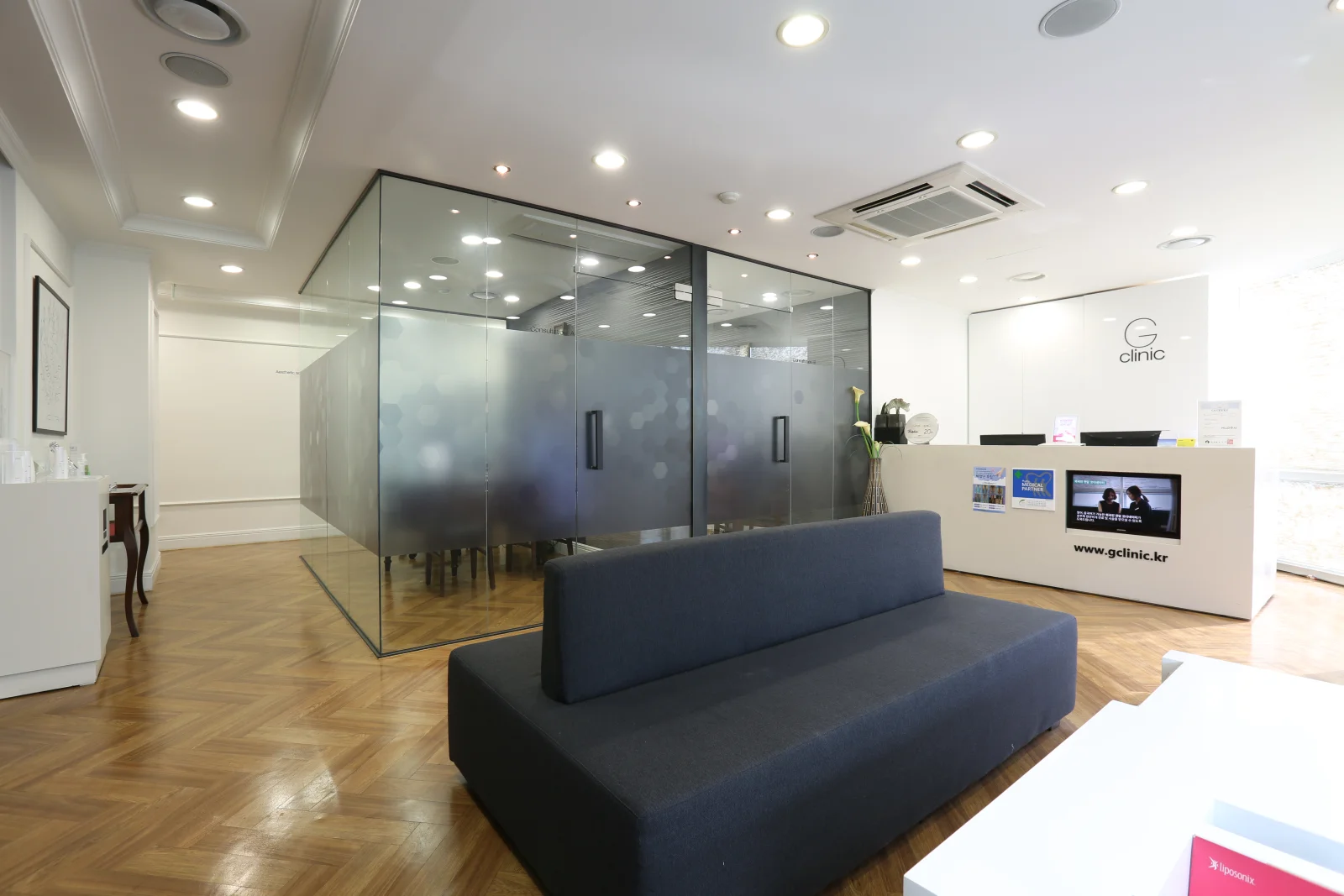
People searching for a calf botox price in Korea are usually trying to work out whether a trip is worth taking before they enquire. The straight answer from this clinic is that the calf reduction injection on its own carries a published rate, shown in the table on this page, while the full six-week G-Skinny programme has no single published figure. What you are quoted for the programme is worked out from what your legs actually need across the six weeks.
| Treatment | Option | Price (KRW) |
|---|---|---|
| Botox | Calves | ₩275,000 |
All prices in KRW, excluding VAT (10% VAT is added at payment). Final cost depends on the treatment plan confirmed at consultation. Published rates as of 2026-11-03.
Two things are fixed regardless. The assessment costs nothing, including the ones that end with a director telling you the programme is wrong for your legs. And the full cost of the plan, with the optional sedation fee shown separately if you ask for it, is put in front of you in writing before you consent to a single appointment.
Every step in this programme is a medical procedure and each carries risk. From the injections you may see bruising, swelling and tenderness at the puncture sites, small areas of redness, and occasional headache in the day or two afterwards. Botulinum toxin in a calf muscle can produce more weakness than intended, which is felt as heaviness on stairs, unsteadiness in high heels, cramping, or fatigue after long walking. Asymmetry between the two legs happens and is corrected at review. Allergic reaction is rare and is taken seriously.
The device rounds have their own list. Radiofrequency and the drainage devices can leave transient redness, warmth, surface tenderness or short-lived numbness over the treated skin, and in uncommon cases a burn or a blister. Any of this is more likely on skin that has been recently sunburnt or waxed, so the director asks before each round.
Tell the clinic your full medical history at the assessment: clotting problems and any past thrombosis, neuromuscular conditions, current medications and supplements, previous reactions to injectable treatments, and whether there is any chance you are pregnant. Between appointments, contact the clinic promptly if pain, swelling or redness in one leg increases when it should be settling, or if you notice calf pain with breathlessness, which needs urgent medical assessment and not a beauty appointment. A medical director is on site through opening hours.
There is no recovery period built into this course. You walk out of every appointment, you go back to work, and no compression garment or dressing follows you home. That is the practical consequence of a programme with no incision in it, and it is the reason patients slot appointments around office hours without telling anyone at work.
A few sensible limits still apply on treatment days. Hard calf training, saunas and hot baths wait until the following day, standing for hours is worth avoiding on the evening of an injection round, and alcohol is best left alone until the next morning. If a director has treated the muscle, give yourself a week before any activity that depends on explosive calf work, such as sprinting or a long descent on stairs, and speak to him first if you compete in anything.
For international patients the constraint is the calendar and not the healing. Six weekly attendances is a genuine commitment, and coordinators will work out with you whether the block fits a single long stay, splits across two trips, or should be planned around a return visit later in the year. Send your travel dates with your enquiry and you will get a realistic answer before you book flights.
Three broad routes to a narrower lower leg, described as categories of treatment so that your consultation starts from the right question.
| On the lower leg | G-Skinny programme | Calf liposuction | Muscle resection surgery |
|---|---|---|---|
| Surgical or not | Non-surgical course of injections and device rounds | Surgical procedure | Surgical procedure |
| Type of calf it addresses | Muscular, fatty or mixed legs | Fatty legs | Muscular legs |
| What is reduced | Muscle bulk, fat layer and retained fluid together | Part of the calf fat | Calf muscle |
| Area covered | Calf plus the skirt line at the knee | Calf fat compartments | Calf muscle group |
| Recovery | Ordinary daily life continues, with no booked downtime | Weeks of recovery | Weeks of recovery |
| Shape of the commitment | Six attendances across six weeks | One operation and a healing period | One operation and a healing period |
| Reversibility of the change | Fades without maintenance | Removed from the treated area; remaining cells can enlarge with weight gain | Structural and lasting |
This table describes categories of treatment and no clinic other than this one. Where a leg is carrying a large volume of fat and the patient wants it taken out at once, the relevant reading is the liposuction in Korea page, and the director will say when that is the better conversation.
The injectable used for the muscle component of this programme has a long publication record in aesthetic practice. A systematic review of clinical studies has examined the safety of botulinum toxin A in aesthetic treatments (Cavallini, 2014). A global, evidence-based consensus education initiative has addressed the convergence of medicine and neurotoxins, focusing on botulinum toxin type A and its application in aesthetic medicine (Carruthers, 2013). Separate work has reported on the safety and efficacy of intradermal injection of botulinum toxin for the treatment of oily skin (Rose, 2013). These papers describe the agent and its use as a category; they are not reports of this clinic’s own outcomes, and none of them tells you what your calf will measure. Individual results vary, and that conversation belongs with the director who examines your legs.
Both categories exist, and this page describes the non-surgical one. G-Skinny is a six-week course combining a calf reduction injection for the muscle, cellulite and radiofrequency rounds for the fat layer, and ankle and oedema injections with drainage devices for retained fluid. There is no incision, no theatre and no booked recovery. Surgical routes such as calf liposuction or muscle resection are separate categories with healing periods measured in weeks.
Because a wide calf is usually built from all three, and each responds to a different tool. Toxin reduces the bulk of a working muscle but does nothing to a fat layer. Radiofrequency and cellulite work address the fat and the surface but leave a muscular leg measuring the same. Drainage steps shift fluid that neither of the others touches. Treating one and ignoring the other two is how people end up disappointed with a calf that still looks heavy.
The calf reduction injection on its own has a published rate, shown in the table on this page. The full G-Skinny programme is not published as a single figure: your quote for it is built at the free consultation from the steps your legs need over the six weeks, and it is given to you in writing before you consent. Optional sedation, if you want it, is priced as a separate line.
Six, one per week, each a standard outpatient attendance. Week one targets muscle, week two the fat layer, week three the oedema, and weeks four to six repeat that rotation. The spacing is intentional, since each round is still acting while the next one is delivered, and compressing everything into one long visit throws away that overlap. Coordinators will discuss splitting the block if you are travelling.
The skirt line is the pad of soft tissue on the inner knee and just above it, and yes, it is treated in the same course. A calf can be narrowed successfully and the leg will still read as heavy in a skirt if the knee stays full, so the cellulite and radiofrequency rounds run over that zone in the same weeks. It changes soft tissue only, and it does not alter the width of the knee joint itself.
Yes, and you leave the clinic on your own feet. There is no dressing, no garment and no booked downtime. The sensible limits are for the same day only: skip hard calf training, saunas and hot baths, and avoid standing for hours on the evening of an injection round. After a muscle week, give it about a week before sprinting or anything that depends on explosive calf power.
The fluid element usually shifts first, and many patients feel their ankles and boots looser within the opening fortnight. Muscle volume changes on a slower curve, since toxin acts progressively over the weeks of the course and keeps settling after the last appointment. Fat and surface texture respond across a similar span. That is why the director measures and photographs at the closing review, with your starting record alongside.
Nothing in this programme is permanent by nature. A treated calf muscle recruits and rebuilds once treatment stops, weight gain restores a fat layer, and a job spent on your feet keeps producing swelling. Patients who are happy with the outcome usually come back for maintenance on a schedule their director sets. Anyone promising you a lower leg fixed for life is describing something this clinic does not offer.
No. A history of deep vein thrombosis takes you out of this course, and the director will refer you for vascular assessment before any aesthetic treatment of that leg is considered at all. The same firmness applies during pregnancy and breastfeeding, with a neuromuscular disorder, with an active infection over the area, or with a known sensitivity to a component of the injections.
Possibly very little, and you will be told that at the assessment. Where the width of a lower leg comes from the tibia and fibula and the set of the joint, with minimal muscle and almost no fat, injections and device rounds have nothing to reduce. Directors here would rather send you away with an explanation than sell you six weeks that cannot deliver what you came in wanting.
Injection sites can bruise, swell and feel tender, with redness and sometimes a headache afterwards. Toxin in a calf muscle can weaken it more than intended, felt as heaviness on stairs, unsteadiness in heels, cramping or fatigue on long walks, and asymmetry between the legs is corrected at review. Device rounds can leave transient redness, warmth, numbness or, uncommonly, a burn. Allergic reaction is rare and taken seriously.
They answer different questions. This course reduces muscle, fat and fluid gradually across six weekly attendances with no downtime. Cannula-based extraction takes fat cells out of the leg in a single sitting and is described on the G-fat fat extraction hub, while the surgical category is covered on the liposuction in Korea page. Which of the three suits your leg depends on what is actually making it wide.
Six weekly attendances is a real commitment and it does not compress into a long weekend. Some patients stay for the full block, others start the rotation on one trip and complete it on a second, and a few plan the muscle weeks around a return visit later in the year. Send your travel dates through the consultation form on this page and a coordinator will give you a realistic schedule in English before you book flights.
Verified reviews from our Google Business Profile.
Recommendations are made based on actual circumstances. The attitude is very good. Highly recommended.
I cannot recommend G-clinic highly enough. From the moment I walked in, my experience was nothing short of exceptional. The clinic itself is modern, clean, and welcoming. The front desk staff were incredibly warm and efficient. Checking in was a breeze, and they were very helpful with my new patient paperwork. The waiting time was minimal…
Process was perfect! I got some liposuction done, the doctor and staff were very nice and very professional. 100% would recommend anyone to get there procedures done here! They took out A LOT of fat! The doctor speaks perfect English as well!
Dr. Hong has perfect English and is very kind. I was glad my friend recommended me to come here via allaboutmei, it really has lived up to my expectations. The method and equipment used is very modern and top range, I was expecting to be in a lot of pain but I feel great! Thank you again Dr. Hong and all the other people that work at Gcli…
The assessment is free, it takes place in Gangnam, Seoul, and it ends with one of the three medical directors telling you which of muscle, fat and fluid is making your lower leg wide, and whether the six-week course is worth your time. If your legs are wide for a reason no programme can change, you will hear that too.
Book ConsultationEvery consultation and procedure at G Clinic is conducted on site by one of three medical directors — never handed to a substitute practitioner. All three are Family Medicine specialists who have cared for international patients for years.



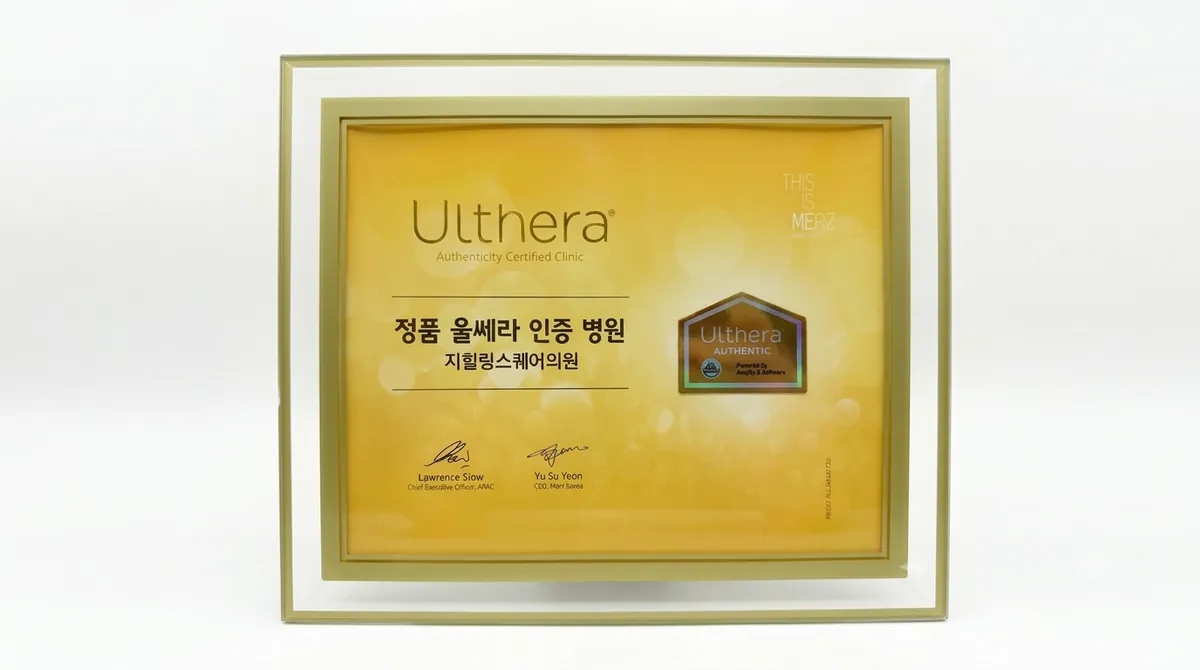
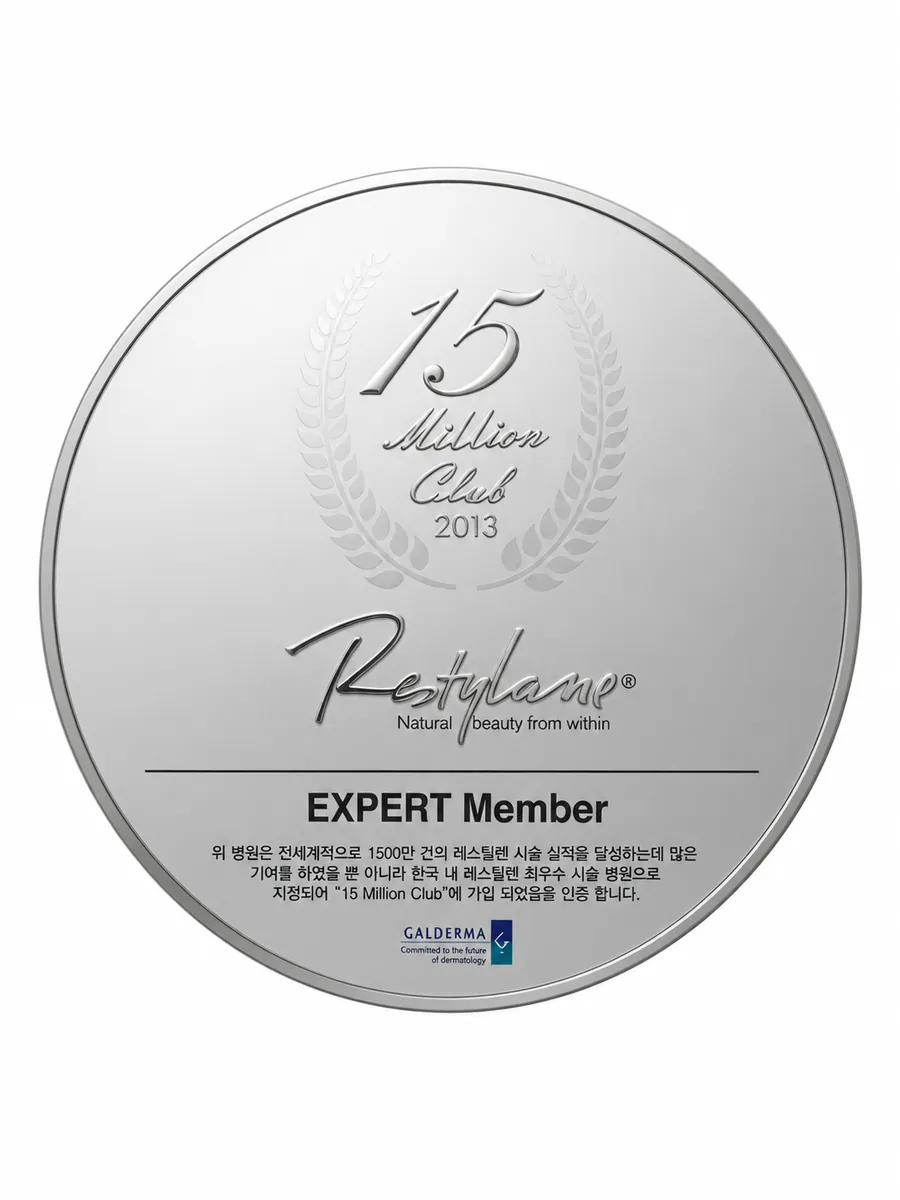
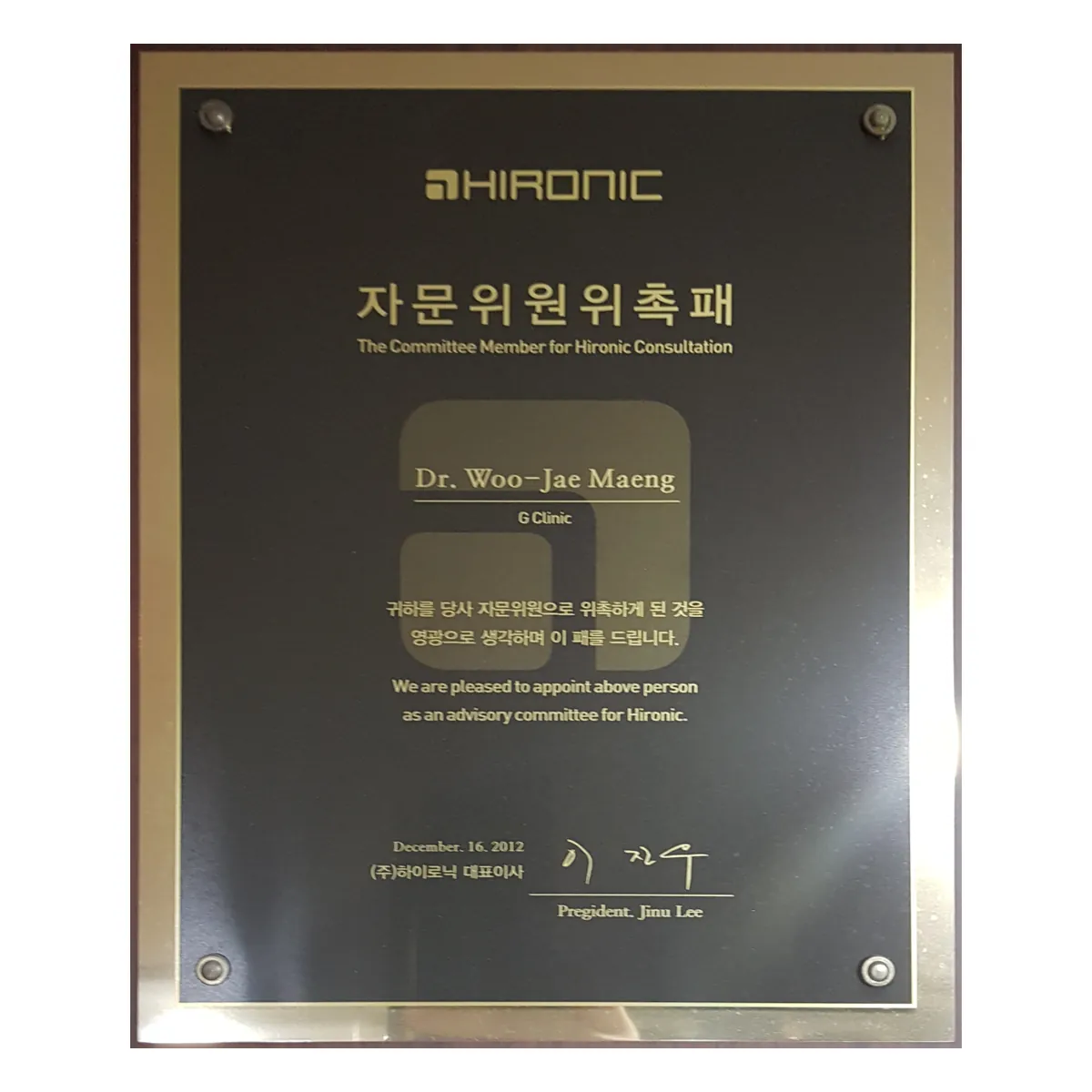
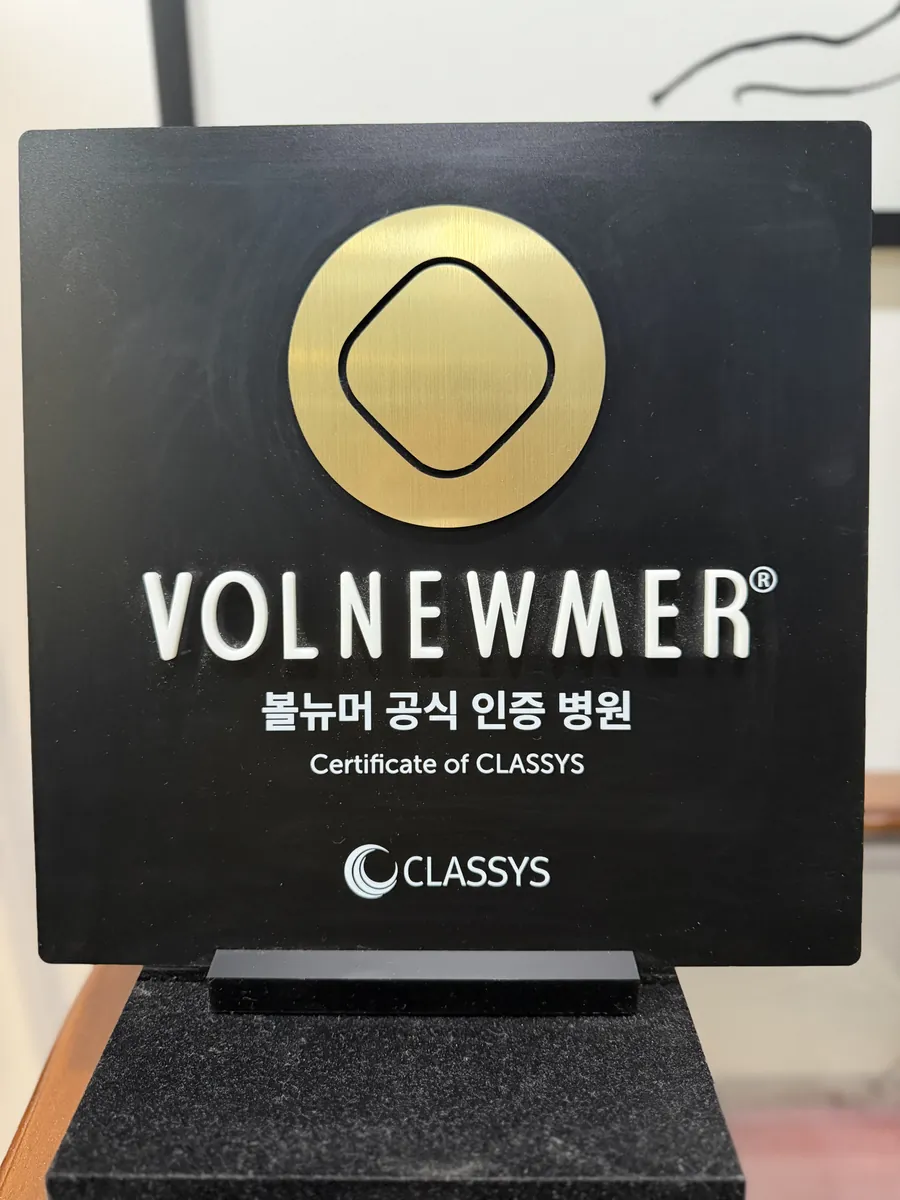
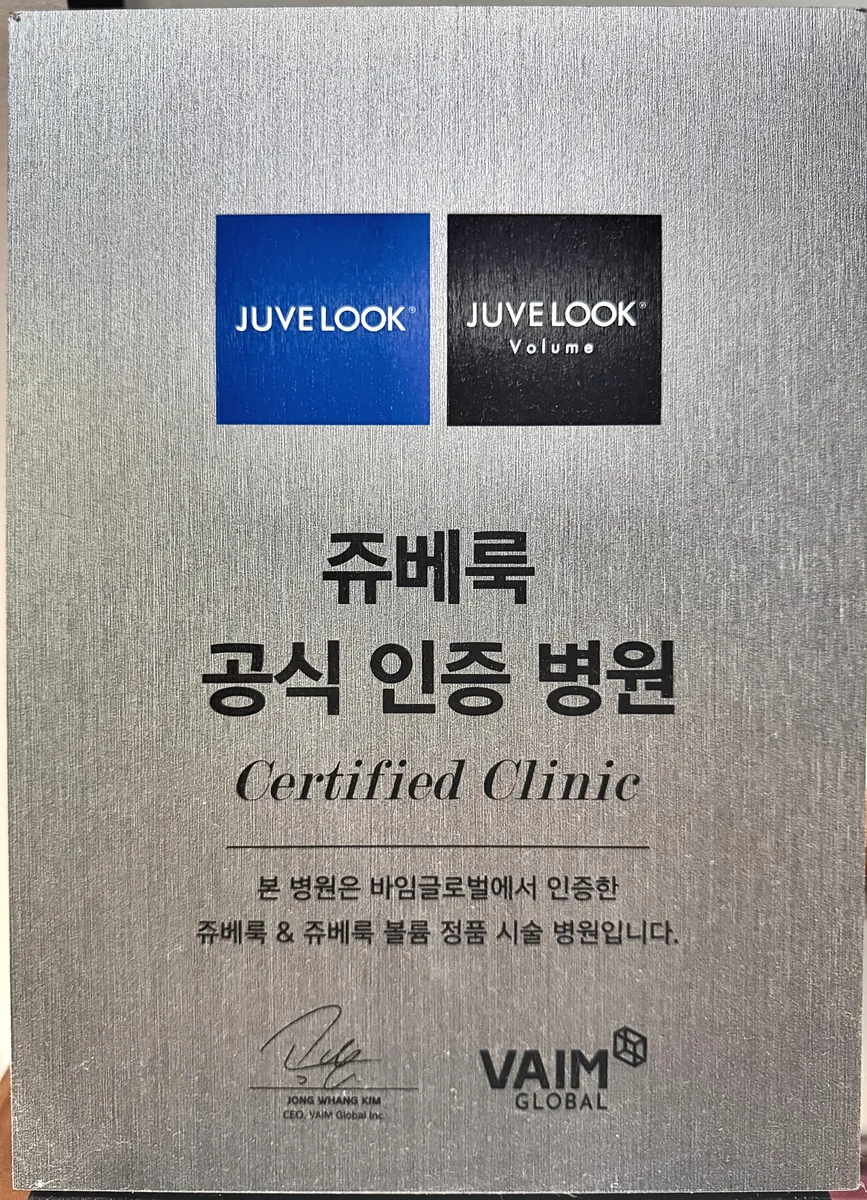
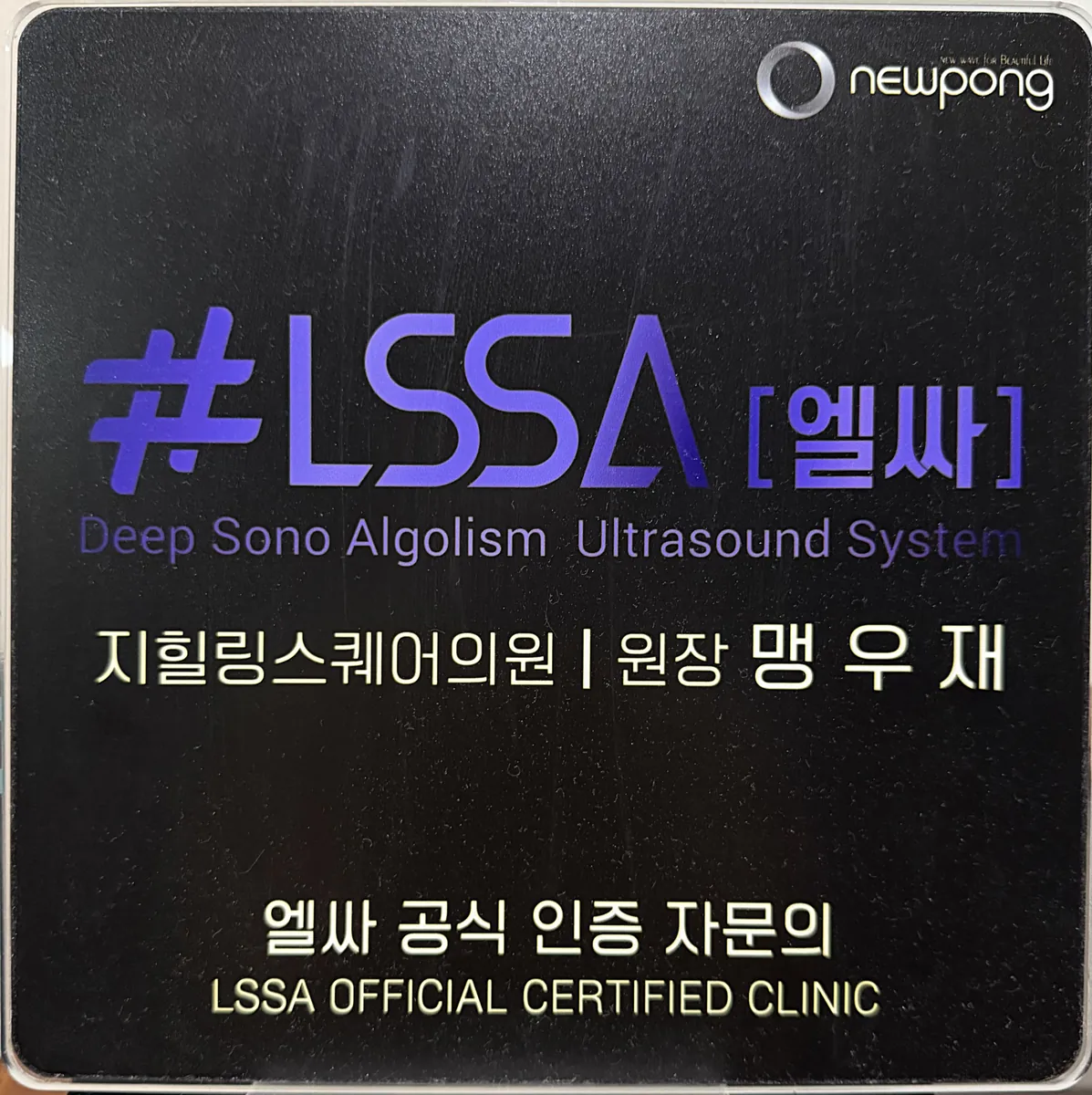
The G Clinic name dates to a 2012 device-maker advisory appointment. Each recognition below is stated as issued by its organisation.







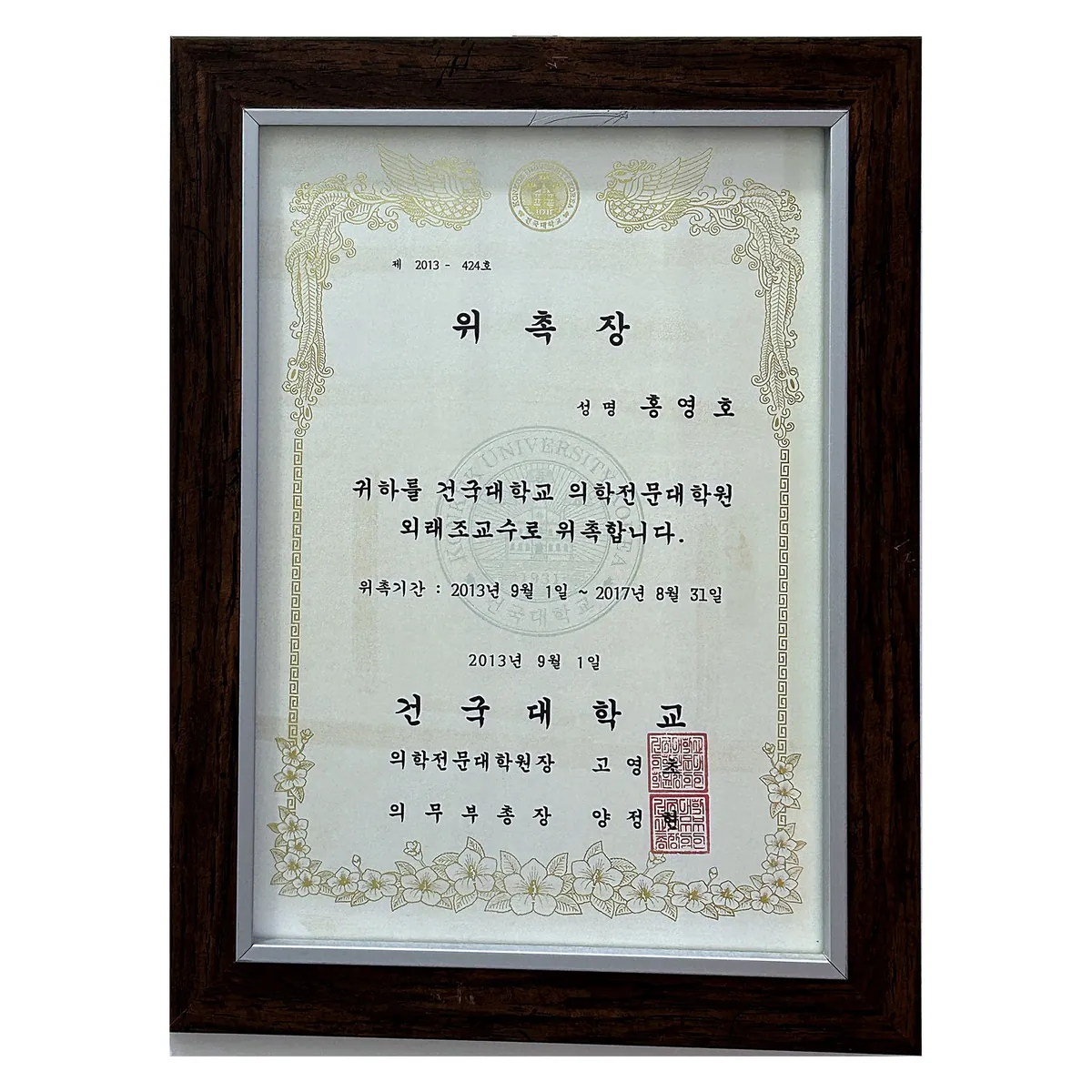

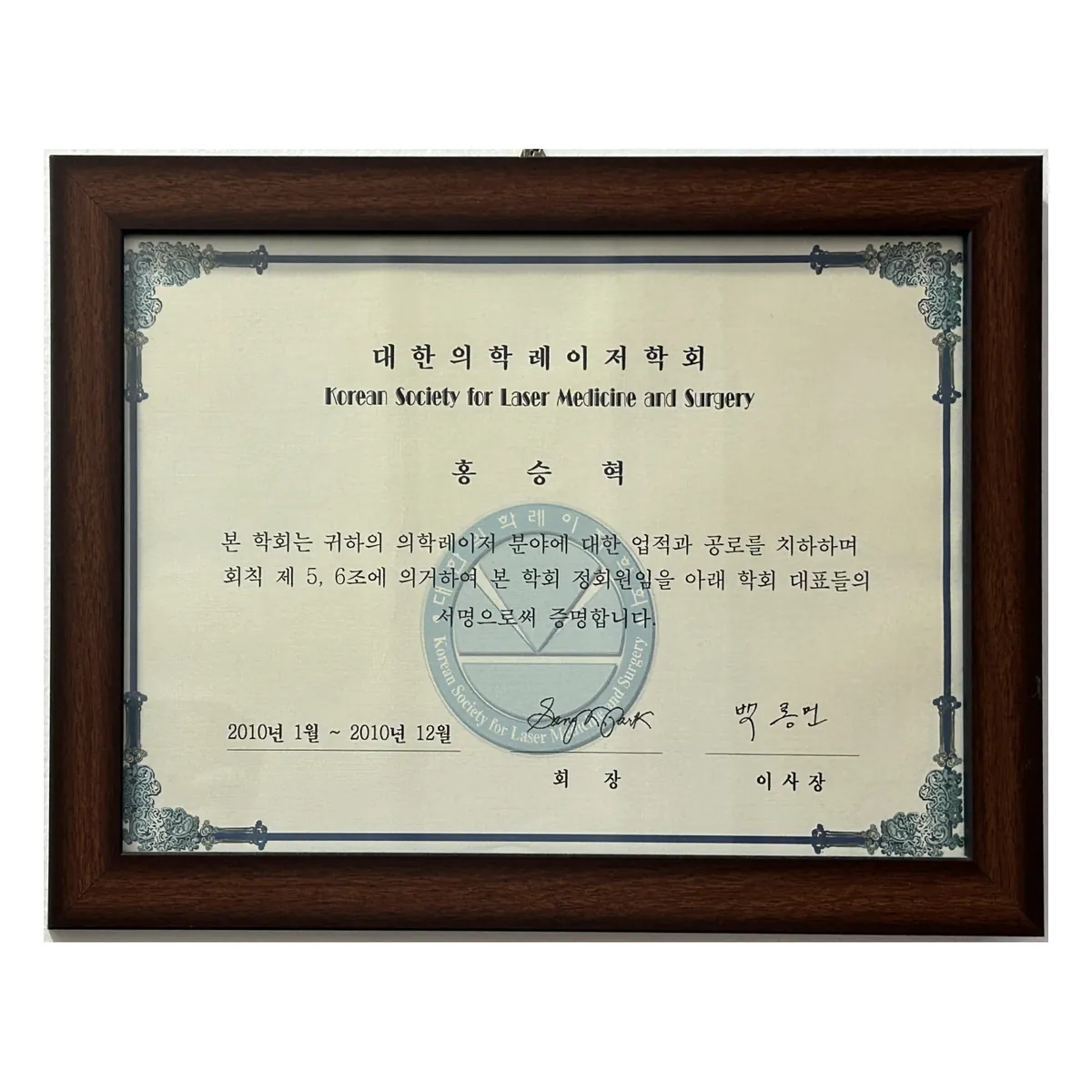
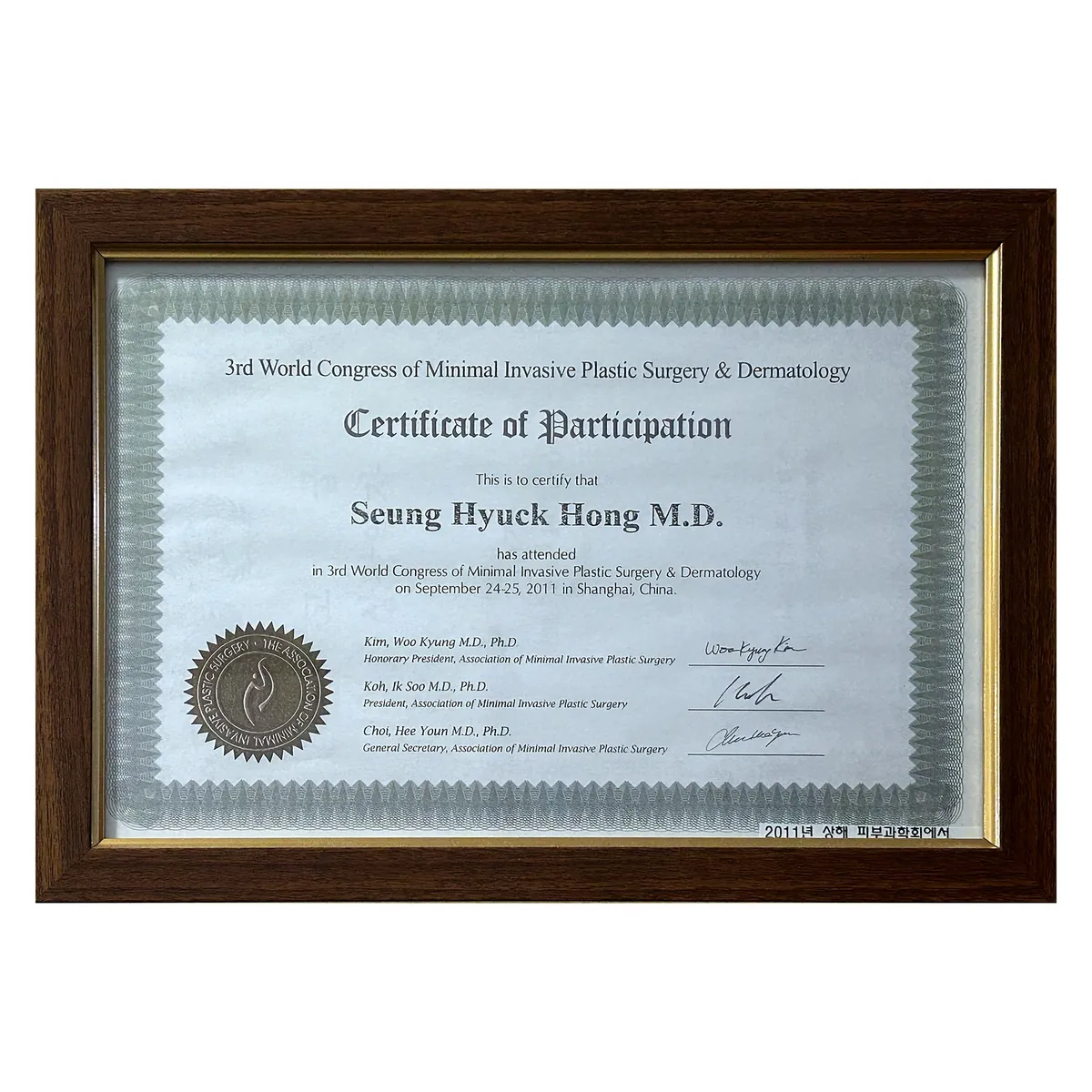
Share your details and our team will reply through your preferred messenger. Consultation is free and pricing is quoted at your free consultation.
Thank you — our English coordinator will reach out as soon as possible.