★★★★★
Recommendations are made based on actual circumstances. The attitude is very good. Highly recommended.
Shurink is the hand-mapped focused-ultrasound platform at G Clinic, quoted as one published block of shots and delivered by Dr. Hong Seung-hyuk, Dr. Maeng Woo-jae or Dr. Hong Young-ho. The three medical directors are board-certified Family Medicine specialists working in aesthetic dermatology, and the one who reads your face is the one who holds the handpiece.
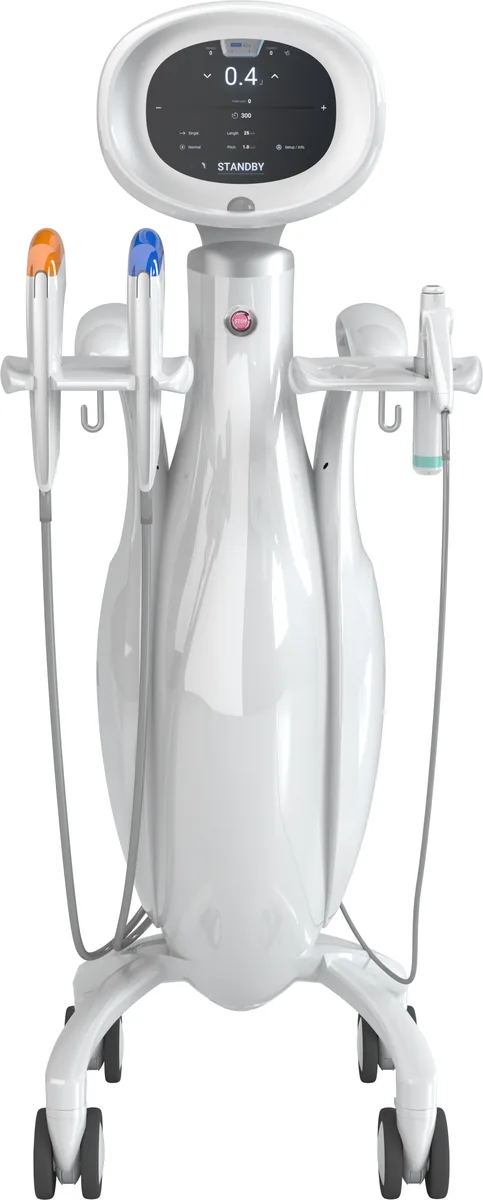
Shurink is the second focused-ultrasound platform in the room at G Clinic, and its quoting model answers the price question quickly: one published block of 300 shots at a single listed rate, applied to every patient who books it, visitors included. Inside that block a director distributes the shots across the zones your face actually needs — jaw line, cheek, the pad under the chin — and reaches for the Universe handpiece where the plan calls for broader surface coverage. You stay awake throughout, and sedation is available as an option at an additional cost. Shurink is planned by hand and by landmark, so it is quoted as one block; the imaging-led platform beside it is quoted in four separate shot tiers. Whether ultrasound is the right family for your face at all is settled at a free consultation in Gangnam, Seoul.
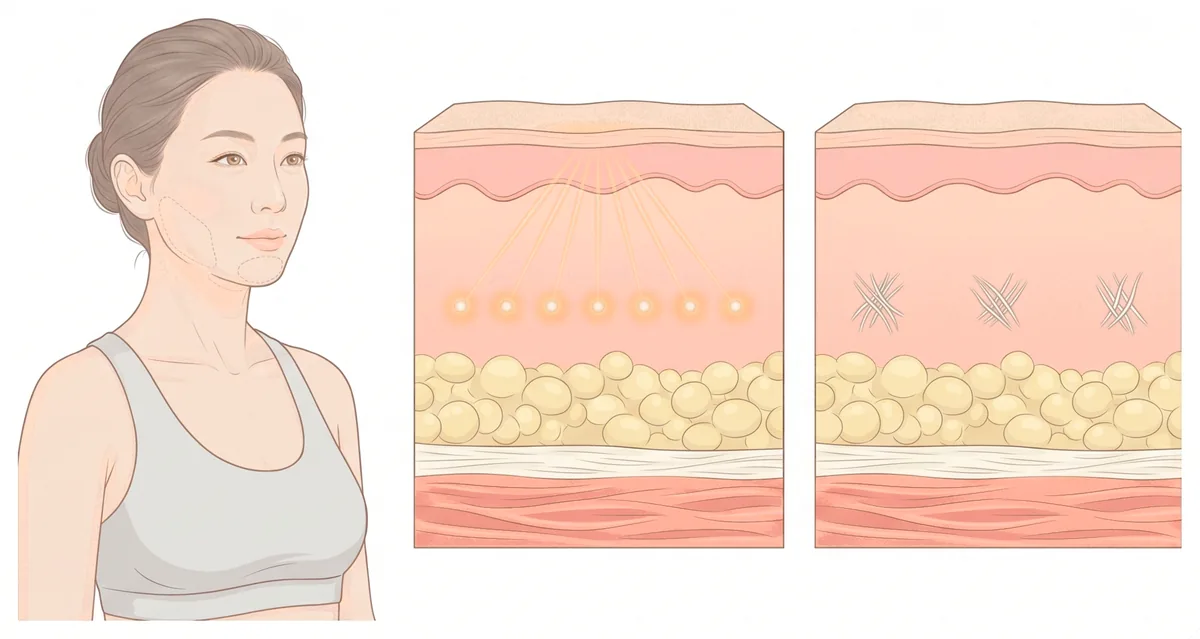
Four stages, each of them carried out by a medical director, with the block agreed before any energy is spent.
The first question a director answers is not which device but whether energy suits the complaint in front of him. He looks at the face upright, then in movement, and separates what has slackened from what is volume and what is skin quality. This examination costs nothing and carries no obligation, and a fair number of people leave it holding a recommendation for something other than a lifting block.
Shurink is planned without a screen, so the map comes from palpation, landmarks and the director's own reading of your anatomy. Zones are marked on the skin and the block is divided among them, with the Universe handpiece brought in where a plan needs to cover ground broadly. What that division looks like on your face is drawn in front of you and explained before you agree to it.
The numbing arrangement is set by your director and you remain awake for the session, which is the point: focused ultrasound registers as a quick deep heat that arrives and passes with each line, and what you report between passes tells him how you are handling the map. Sedation can be arranged where a patient genuinely needs it, at an additional cost stated in advance.
Nothing is stitched and nothing is dressed, so you walk out and resume the day. A warm flush and mild puffiness along the treated lines are ordinary and settle within days. The appointment that counts is the later one: a director looks at the face again once your own collagen response has had time to show itself, and decides from that whether another block is worth booking.
Shurink belongs to the high-intensity focused ultrasound family. Sound waves are concentrated to a point beneath the surface, and at that point the energy converts to heat in a very small pocket of tissue. Your body treats each pocket as something to repair, and the repair is the treatment: collagen is laid down through the treated depth over the weeks that follow. The skin surface is crossed but never opened, so there is no wound, no suture and no dressing to manage afterwards.
The Universe handpiece is the part patients usually ask about by name. It is used at G Clinic where a plan needs to cover a wider surface within the same block, which is one reason Shurink is often the entry point for someone trying an ultrasound lift for the first time. It does not turn the platform into an imaging device; the aiming still comes from the director's hands and from the landmarks he marks on your skin.
That is the structural difference between this page and Ultherapy Prime, the other ultrasound route here, which carries live visualisation of your layers on a monitor. Where both sit against radiofrequency and thread work is laid out on the Face Lifting hub, which covers the full line-up under one roof.
A shot is one delivery of focused energy at one point, and lines of shots laid across a zone are the unit of work on any HIFU platform. The difference between the two ultrasound routes at this clinic is how that unit is packaged for a quote. Shurink is published as a single block of 300 shots. The imaging platform is published across four separate tiers, so a small map and a large one land on different lines of the sheet.
Packaging changes what the number means for you. With a single block, the question at consultation stops being how many shots to buy and becomes where the 300 should go: the whole block onto a jaw line that has lost its edge, or spread thinner across cheek, jaw and the pad beneath the chin. Two people can walk out having received the same block with entirely different maps behind it, so the map is drawn on your face in the room and never estimated from a photograph sent ahead of a trip.
Patients weighing the two platforms against each other for cost usually want the comparison set out in full, and Ultherapy vs Shurink does exactly that. The short version: a block and a tier are two different ways of counting, and neither tells you anything useful until a director has seen the face the shots are going into.
Three groups tend to arrive asking for this platform by name. There are first-timers who want to find out how their skin answers energy before committing to a larger plan. There are patients already familiar with ultrasound lifting who come back for a maintenance block on a familiar face. And there are people whose complaint is spread broadly across the cheek and jaw surface, where a director judges that covering ground matters more than confirming depth on a screen for every line.
Refusals are part of the same conversation. Where laxity has descended past the point a collagen response can carry, the director says so and refers you for a surgical opinion, and no block is offered as a consolation prize. Pregnancy and breastfeeding postpone the treatment outright. So do active infection, inflamed or broken skin inside the mapped field, and any medical condition that is not currently stable. Metal implants, fixation plates and implanted electrical devices in or near the field take that zone out of the plan until it has been properly assessed, so declare them at the first appointment.
Then there is the case of the wrong diagnosis. When the heaviness under the jaw turns out to be fat volume, energy aimed at slack tissue is the wrong instrument and the consultation moves toward the body side of the clinic, or to Liposuction in Korea where a surgical route is what you are weighing. Where skin reads thin and crepey across a broad field, directors raise Volnewmer radiofrequency in its place.
Almost nothing shows on the day. Some patients report a faint tightness on the way home, and that sensation is not the result. The change worth measuring is built slowly by your own tissue through the treated depth, and it works on the concerns the clinic lists for its lifting programme: skin density, texture, pores, elasticity, a dropped line, general signs of ageing, lost volume and fine lines. Those do not all move at the same pace, and individual results vary from face to face.
On maintenance, this page will give you less than you may want, and deliberately. G Clinic publishes a hold figure for its imaging-led platform; it publishes no fixed interval for Shurink, so no interval appears here. Repeat timing is set at review, when a director looks at your face again and tells you whether the tissue answer has faded enough to justify another block. Anyone quoting you a calendar rule for this platform is filling a gap the clinic has not filled.
There is a ceiling to what energy achieves, and it is worth hearing before you book rather than after. Where a line has already dropped beyond what a collagen response will hold, the discussion turns to mechanical support, and Thread Lift covers that route. Any case photograph published elsewhere on this site belongs to a G Clinic patient who consented to it, and no image forecasts an outcome for a third face.
Shurink is listed at one published rate for a block of 300 shots, and that rate applies to every patient who books it, with no separate figure for international visitors. How the block is distributed across your zones is decided at the free consultation and confirmed before anything is reserved. Where a patient genuinely needs sedation, that is a separate line with its own charge, and the director names it before you decide.
| Treatment | Option | Price (KRW) |
|---|---|---|
| Shurink HIFU | 300 shots | ₩300,000 |
All prices in KRW, excluding VAT (10% VAT is added at payment). Final cost depends on the treatment plan confirmed at consultation. Published rates as of 2026-11-03.
Focused ultrasound puts real energy into living tissue, and the list below is read to you before you consent to a block. Common in the first days: redness, swelling, bruising and skin that is sore when touched. Less common: raised welts running along a treated line, patches of temporary numbness, tingling or a heavy sensation from nerve irritation, pigment change in the treated field, and visible asymmetry between the two sides of the face while everything settles. Rarely, the fat pad under a treated area loses a little volume, which is the specific risk a director weighs on a thin face.
Your history is what shortens that list. Tell the director about medication and supplements, any bleeding tendency, filler, threads or previous energy work in the same field, implanted electrical devices, metal in the treatment area, and any record of keloid scarring or pigment trouble. Because this platform aims by hand, the examination beforehand is doing more work than it would on an imaging device, and a rushed one is a poor trade.
Afterwards, contact the clinic promptly if pain climbs after the first days, if redness spreads outward, if a numb patch shows no sign of receding, or if one side of the face moves differently from the other. One of the three medical directors is on site through clinic hours, so a worried patient is examined in person and never reassured by message alone.
There is no recovery room and no dressing to hide. Most patients put makeup back on, keep whatever was in the diary, and find the flush and puffiness gone within days. Tenderness when you chew, press along the jaw or sleep on one side can linger a little past that, and it is not a signal that something has gone wrong. Heat is the thing to postpone: saunas, hot yoga and hard training wait for the window your director specifies.
Visitors ask about sequencing more than anything else. Booking the block early in your stay leaves room for a director to look at the face before you fly, and it means the puffiest window has passed by the time anyone photographs you at home. Coordinators arrange that in English once your dates arrive through the consultation form, including for patients fitting a lifting session around other treatment during the same trip.
The two ultrasound routes in this clinic, set against each other on the points patients actually raise at consultation.
| At consultation | Shurink (+Universe) | Ultherapy Prime |
|---|---|---|
| How the plan is packaged | One published block of 300 shots | Four published tiers by shot count |
| How the aim is set | By hand, by palpation and marked landmarks | By live ultrasound image of your own layers |
| Depth confirmation per line | Judged by the director before the pass | Read on the monitor before the pass |
| Handpiece talked about most | Universe, for broader surface coverage | Imaging transducer at the SMAS |
| Awake during the session | Yes, sedation optional at added cost | Yes, sedation optional at added cost |
| Hold published by the clinic | About 3 to 6 months, varying by person | Six months to a year or more |
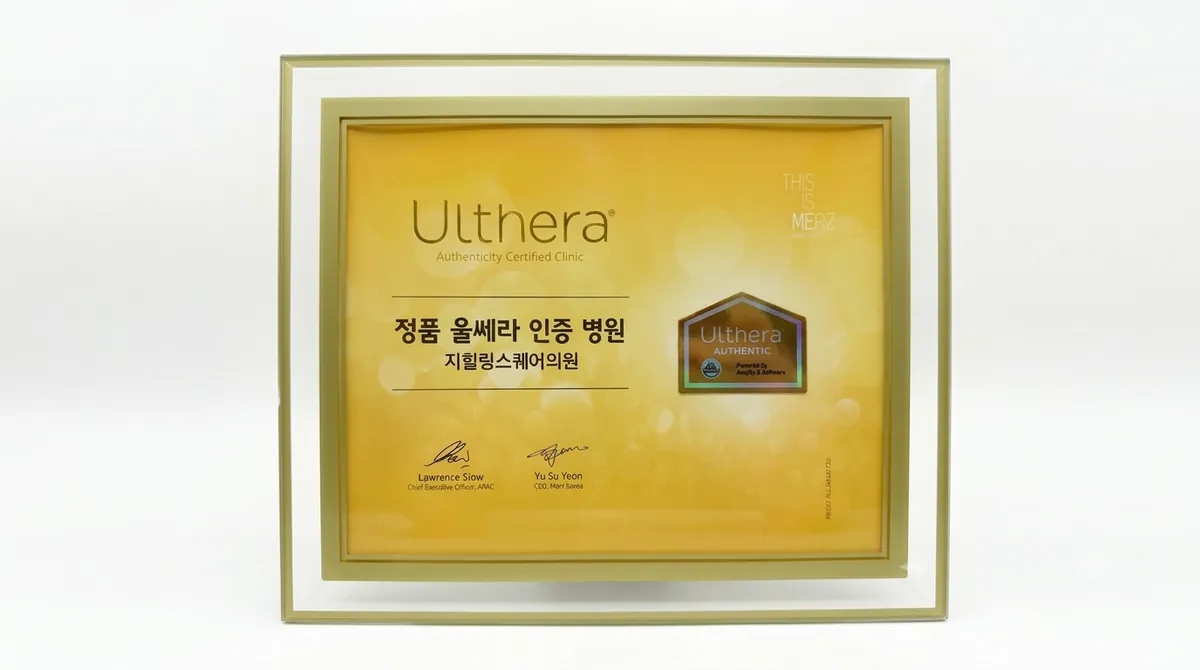
| Manufacturer certification on file | — | Ulthera Authenticity Certified Clinic |
| Often chosen by | First ultrasound lift, or a maintenance block | Faces where depth confirmation drives the plan |
This grid frames a conversation and settles nothing on its own. Which platform suits your face depends on anatomy, health history and the change you want, and a medical director works through it at the free consultation. The device page for the imaging route is Ultherapy Prime, and a director will tell you which of the two he would put your face on.
The technique family behind this page has its own peer-reviewed record, and the three papers below are cited strictly for the ground their titles cover. One review addresses noninvasive skin tightening with a focus on newer ultrasound techniques (Guillen Fabi, 2015). A comparative histometric analysis sets the effects of high-intensity focused ultrasound beside those of radiofrequency on skin (Suh, 2015). A third paper reports on microfocused ultrasound with visualization for skin tightening and lifting (Fabi, 2014). These titles describe categories of technique in the published literature. None of them reports outcomes at G Clinic, and none of them predicts what a block of shots will do for your face, which is a conversation for your director.
Because the clinic publishes this platform at a single block of 300 shots. That block is the product: one listed rate, the same for local and for international patients, with the distribution across your zones decided in the consultation room. The imaging-led platform in the same clinic is published across four shot tiers, so a comparison of the two numbers is really a comparison of two packaging models. A director will explain which packaging suits the map your face needs.
Visualisation. On the imaging platform your skin layers appear on a monitor and the director confirms depth before each line is delivered. Shurink is aimed by hand, using palpation and the landmarks marked on your skin, which places more weight on the examination beforehand. Both belong to the focused-ultrasound family, both are delivered awake, and both are quoted by shots. The full comparison sits at Ultherapy vs Shurink.
It is the handpiece directors reach for when a plan needs to cover a wider surface within the same block of shots, which suits complaints spread broadly across the cheek and jaw. It does not add imaging, and it does not change how the block is counted or quoted. Whether your map calls for it is a judgement your director makes while marking the zones, and he will tell you why he chose it.
You stay awake for the whole session. Most patients describe a quick deep heat that arrives and passes as each line goes in, firmer over bone such as the jaw and lighter across softer areas. Being able to speak lets you tell the director how each pass is landing, which is useful information on a hand-mapped platform. Sedation can be arranged where it is genuinely needed, at an additional cost stated before you agree to anything.
G Clinic indicates a hold of about 3 to 6 months for this platform, varying from person to person, so read it as a range rather than a calendar rule. Repeat timing is decided at review: a director looks at the face again once the collagen response has had time to show, and says whether the change has faded enough to justify another block.
Rarely on the day. A faint tightness immediately afterwards is common and is not the result. What matters is built by your own tissue through the treated depth over the following weeks, so the clinic sets a later review point and judges nothing at the door. Patients who photograph themselves under consistent lighting usually notice the shift earlier than those working from memory.
It is one of the common reasons people choose it. A single published block gives you a defined, countable amount of work and a clear look at how your own skin answers focused ultrasound, before you commit to a larger plan. That said, a director may still steer you elsewhere after examining the face, and being told that a lifting block is the wrong purchase is a legitimate outcome of a free consultation.
Redness, swelling, bruising and soreness belong to the first days. Less often, patients report welts raised along a treated line, patches of temporary numbness, tingling or heaviness from nerve irritation, pigment change in the treated field, or asymmetry between the two sides while things settle. Rarely, a treated fat pad loses a little volume. Your director reads the whole list before consent and asks you to report climbing pain or spreading redness early.
When laxity has passed the point energy can hold, you are told plainly and referred for a surgical opinion, with nothing sold to soften the answer. Treatment is also postponed through pregnancy and breastfeeding, where infection or inflamed skin sits inside the field, and where a medical condition is unstable. Some patients come for the assessment and leave with a recommendation against booking anything at all.
Not automatically, but declare all of it at the first appointment. Previous filler, threads or energy work in the same field changes how a director maps the lines and where he is willing to place them. Metal implants, fixation plates and implanted electrical devices in or near the mapped area take that zone out of the plan until it has been assessed, and depending on the assessment he may treat around it or decline that zone.
It depends entirely on what the chin is made of. Where the heaviness is slackened tissue, spreading part of the block across the jaw line and the pad beneath the chin is a reasonable plan. Where the heaviness is fat volume, focused ultrasound aimed at slack tissue is the wrong instrument and the consultation moves to the body side of the clinic, or to Liposuction in Korea where a surgical route is being weighed.
Many patients do, since no wound, dressing or recovery room is involved. The clinic still prefers you to keep a day or two in Seoul so a director can look at the face before departure, mainly because the flush and puffiness along the treated lines are most obvious in that window. Coordinators build the appointment around your itinerary once you send your dates.
Dr. Hong Seung-hyuk, Dr. Maeng Woo-jae and Dr. Hong Young-ho deliver every block themselves; all three are board-certified Family Medicine specialists and all three are on site during clinic hours. The clinic has treated international patients since 2006 and consults in English without an interpreter. Send your details through the consultation form, or read the Face Lifting hub first if you are still choosing between routes, and a coordinator replies on your preferred messenger. Patients weighing mechanical support instead can start at Thread Lift.
Verified reviews from our Google Business Profile.
Recommendations are made based on actual circumstances. The attitude is very good. Highly recommended.
I cannot recommend G-clinic highly enough. From the moment I walked in, my experience was nothing short of exceptional. The clinic itself is modern, clean, and welcoming. The front desk staff were incredibly warm and efficient. Checking in was a breeze, and they were very helpful with my new patient paperwork. The waiting time was minimal…
Process was perfect! I got some liposuction done, the doctor and staff were very nice and very professional. 100% would recommend anyone to get there procedures done here! They took out A LOT of fat! The doctor speaks perfect English as well!
Dr. Hong has perfect English and is very kind. I was glad my friend recommended me to come here via allaboutmei, it really has lived up to my expectations. The method and equipment used is very modern and top range, I was expecting to be in a lot of pain but I feel great! Thank you again Dr. Hong and all the other people that work at Gcli…
Book a free consultation in Gangnam, Seoul, and a medical director will read your face by hand, mark the zones and tell you where a block of shots should go — including the answer that ultrasound is the wrong family for your complaint. The published rate applies to every patient, and the map is agreed before anything is reserved.
Book ConsultationEvery consultation and procedure at G Clinic is conducted on site by one of three medical directors — never handed to a substitute practitioner. All three are Family Medicine specialists who have cared for international patients for years.
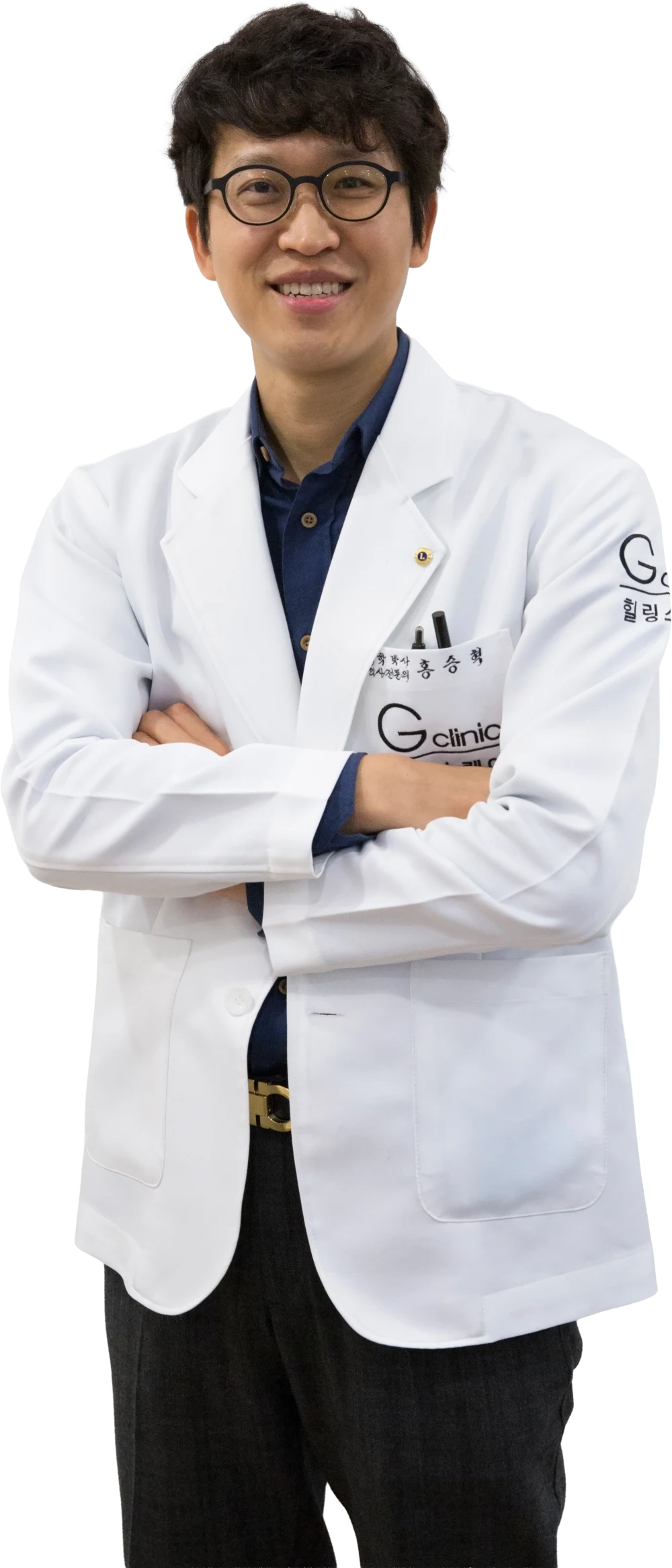
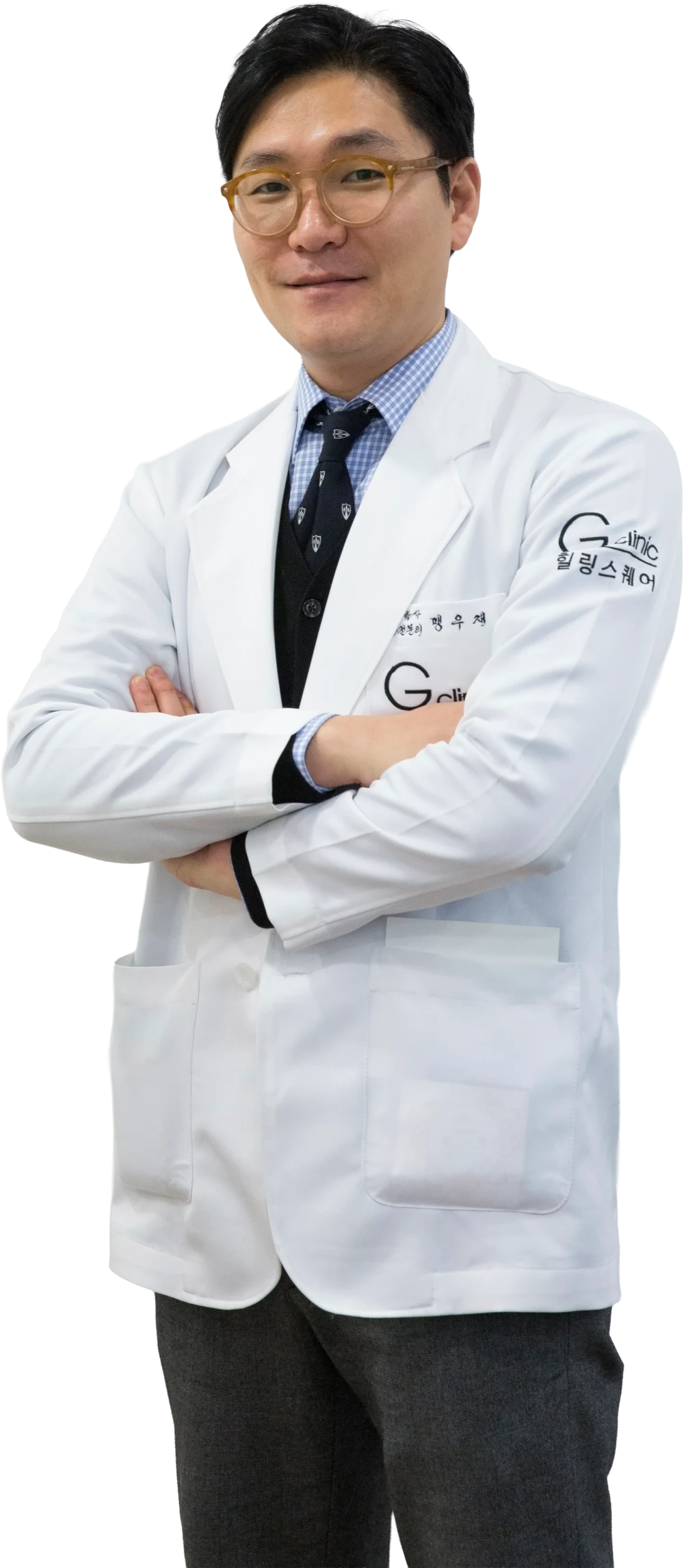
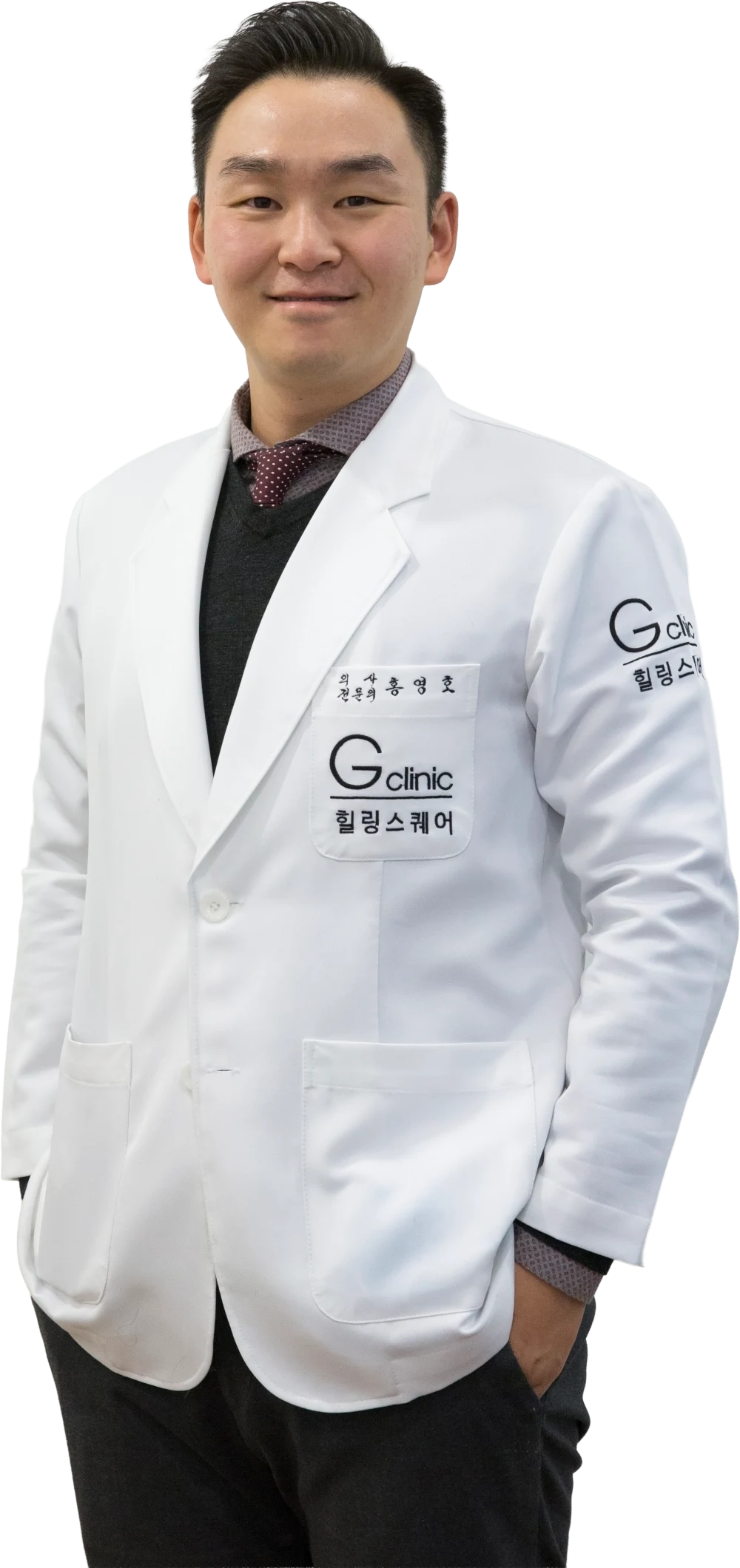
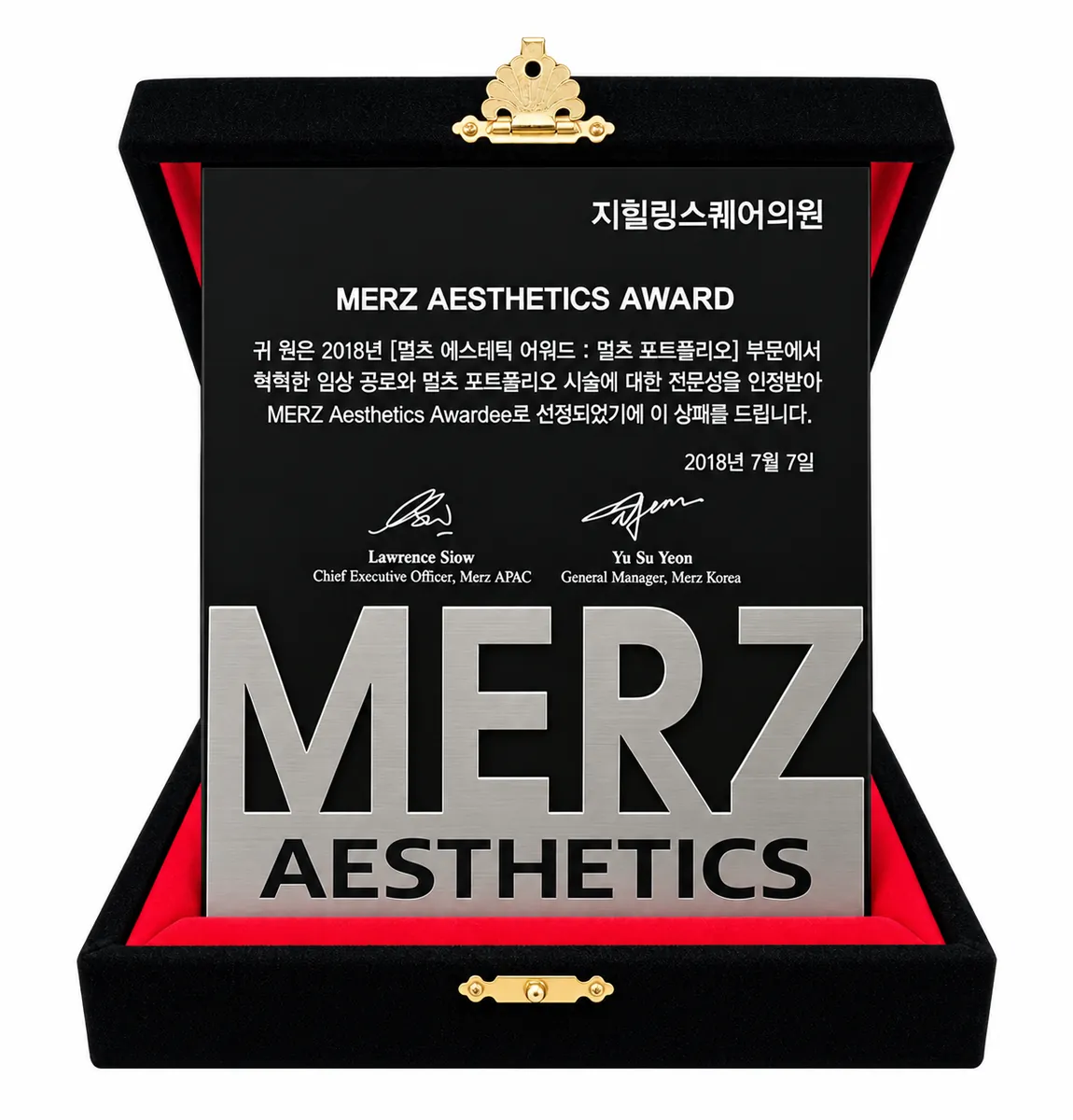
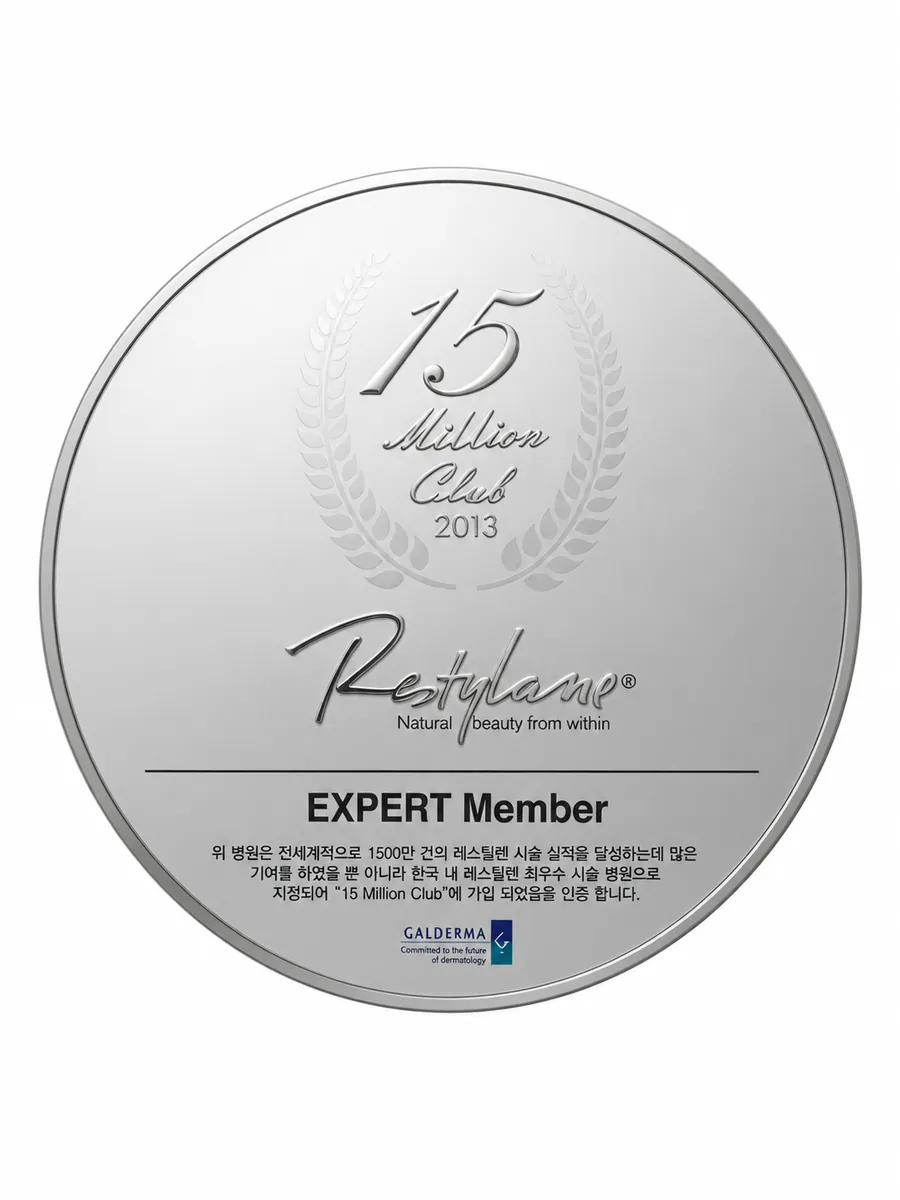
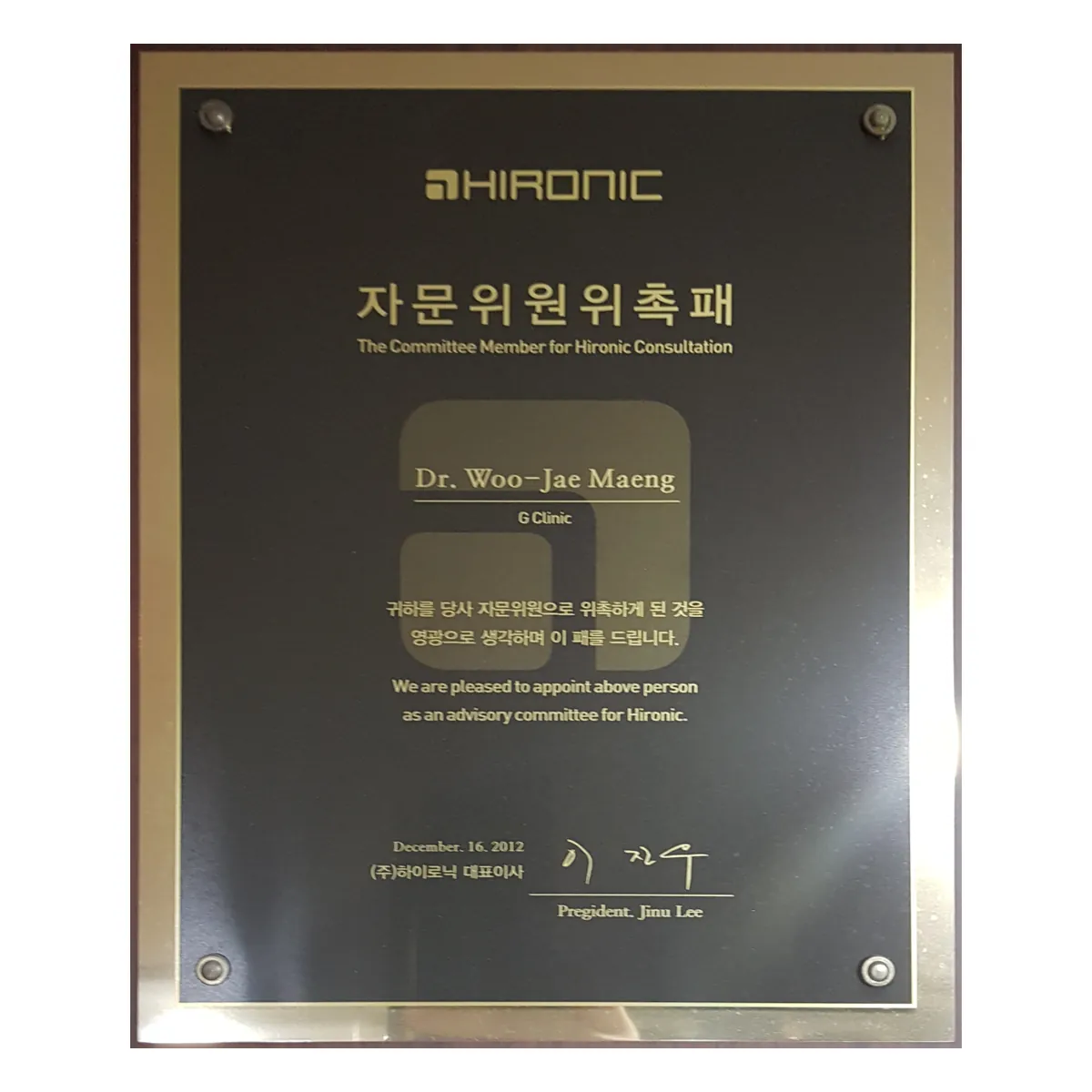
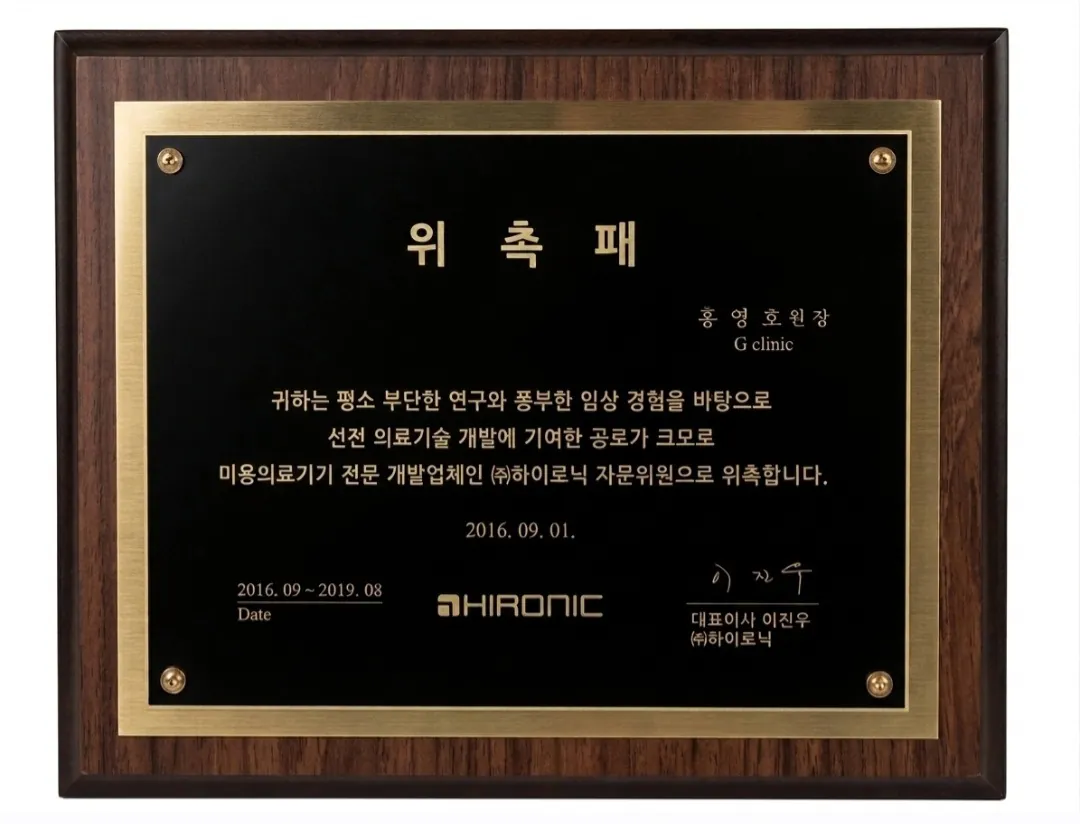
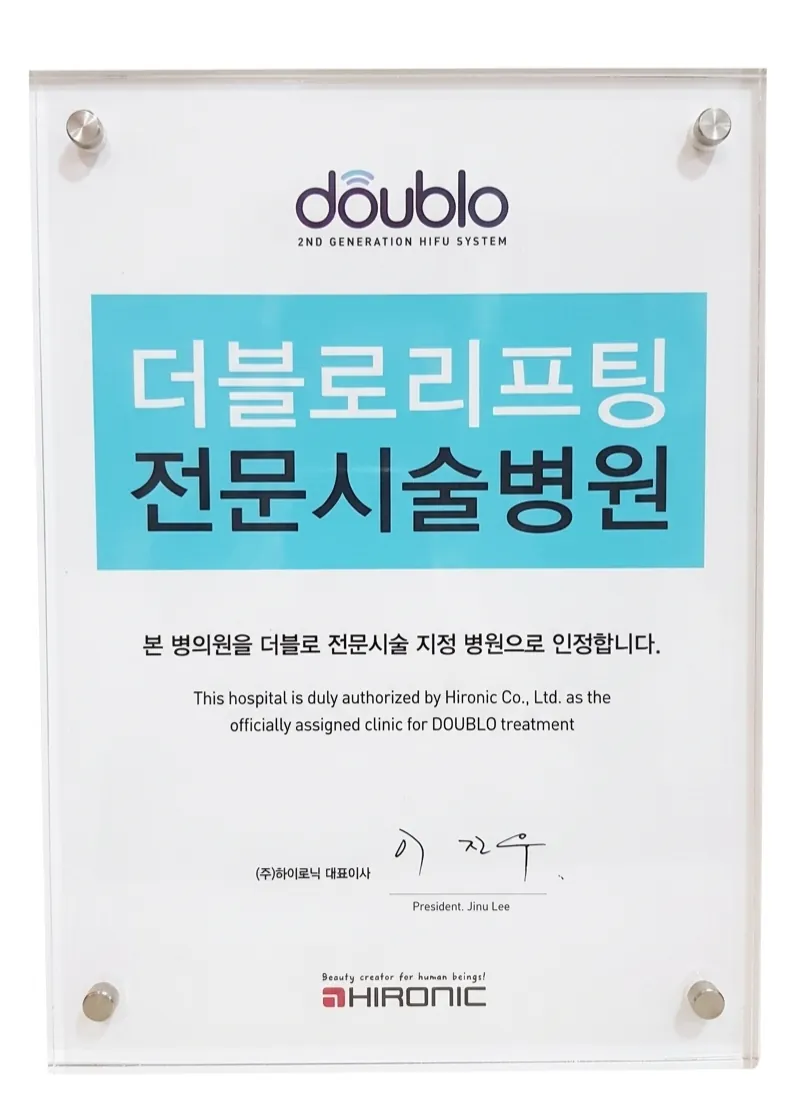
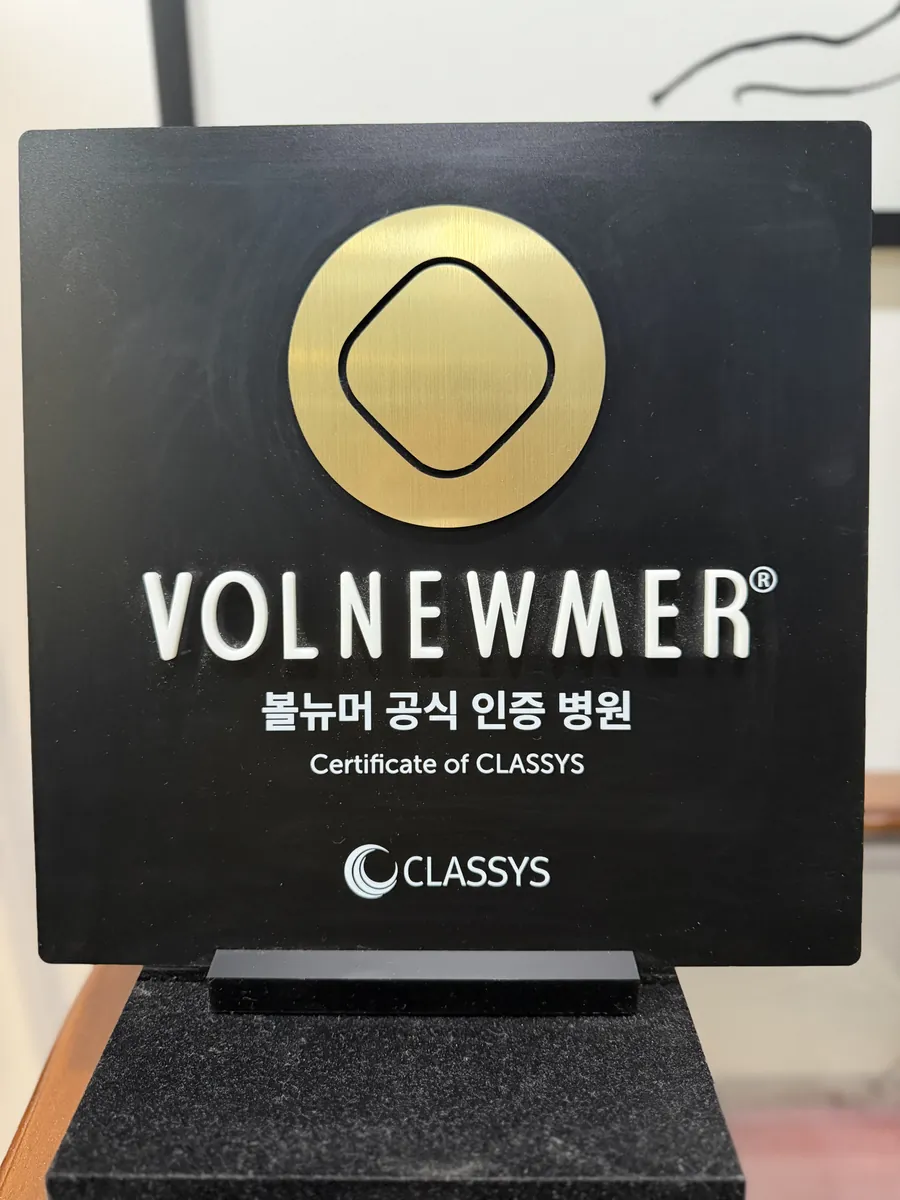
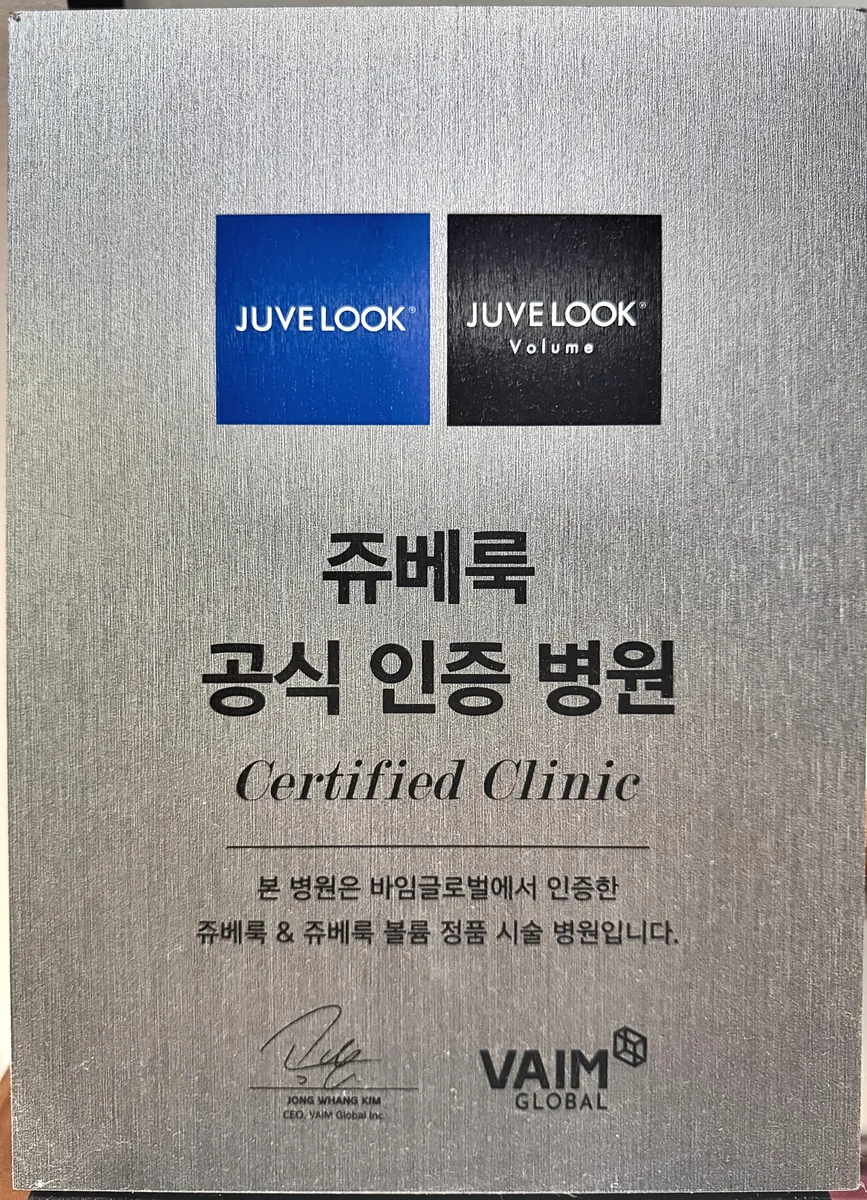
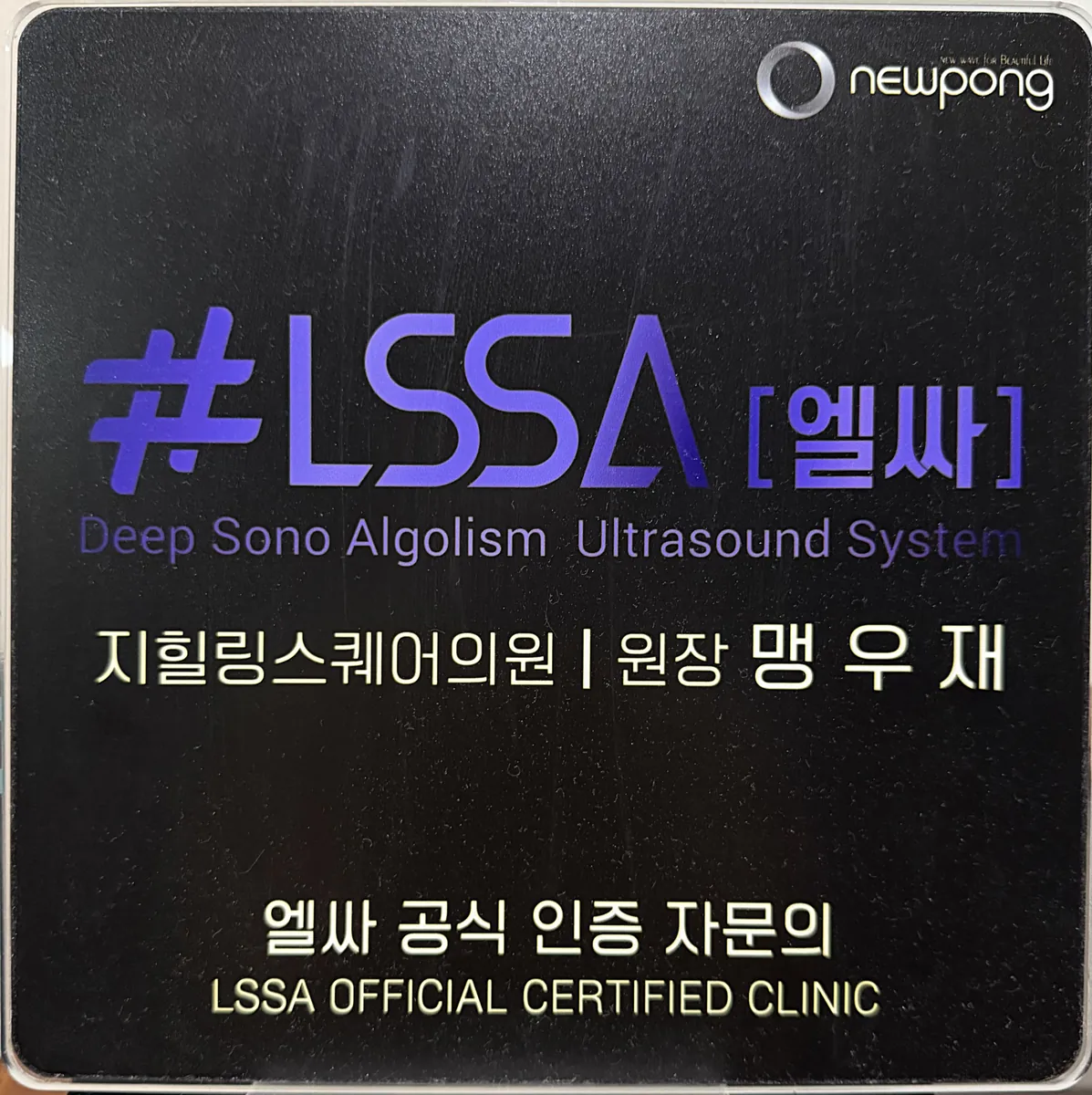
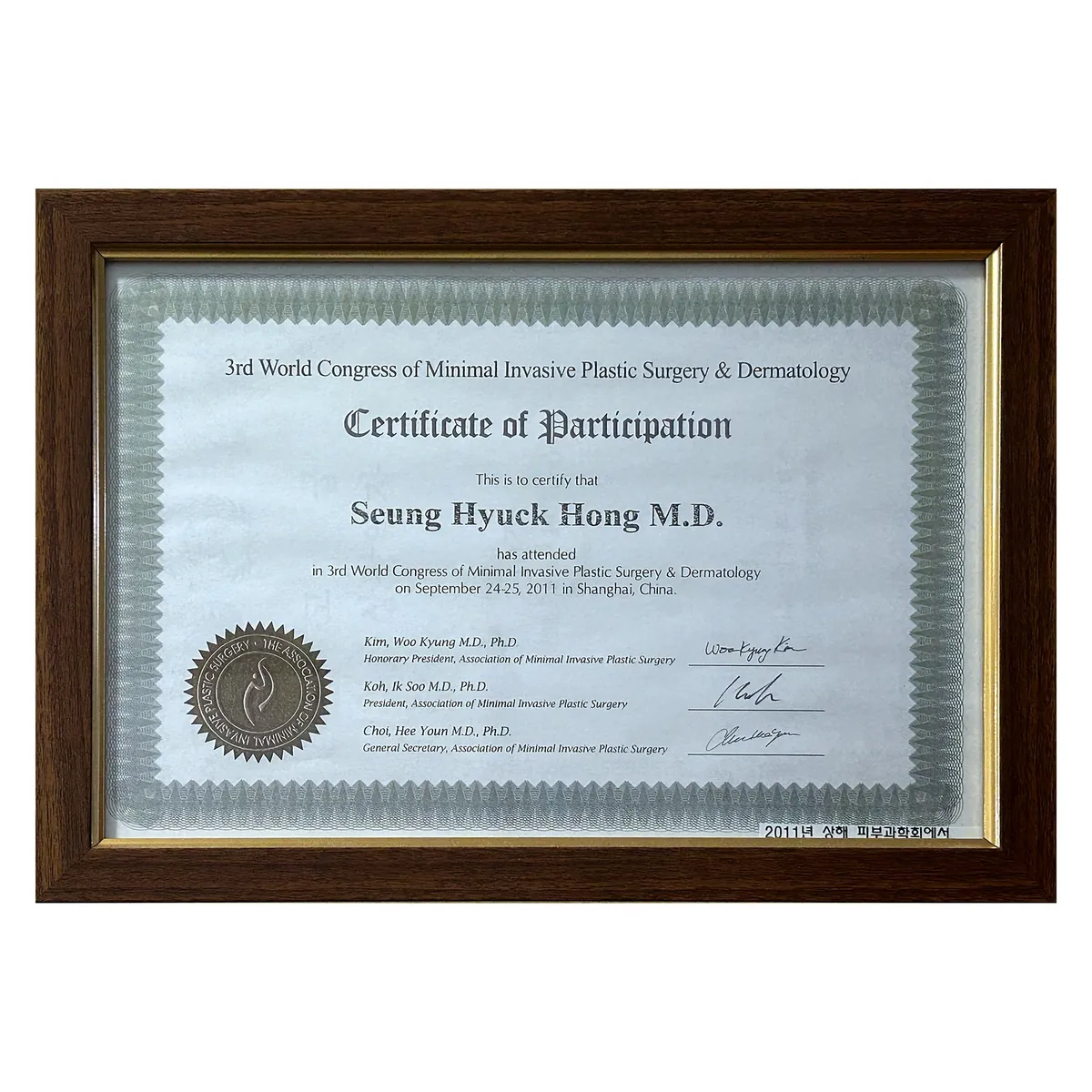
The G Clinic name dates to a 2012 device-maker advisory appointment. Each recognition below is stated as issued by its organisation.







Share your details and our team will reply through your preferred messenger. Consultation is free and pricing is quoted at your free consultation.
Thank you — our English coordinator will reach out as soon as possible.