★★★★★
Recommendations are made based on actual circumstances. The attitude is very good. Highly recommended.
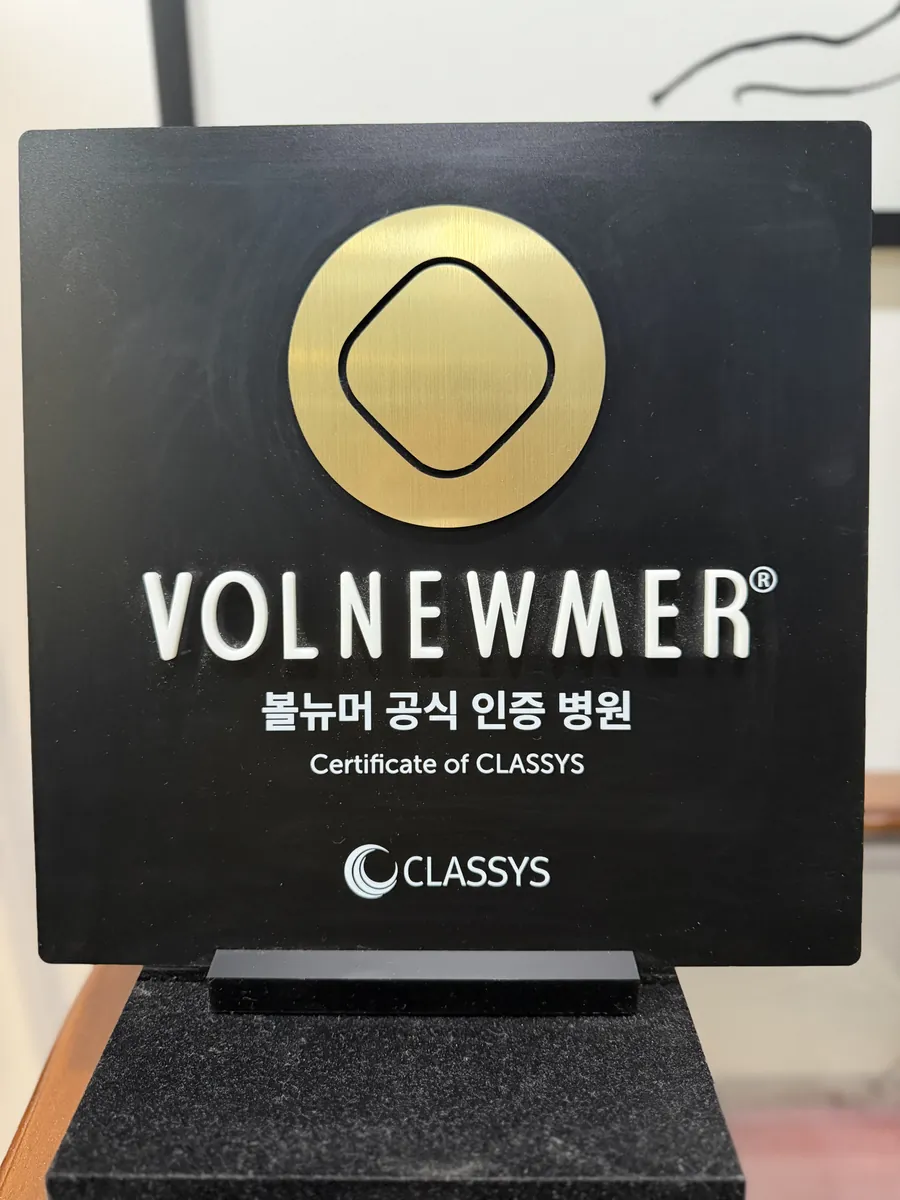
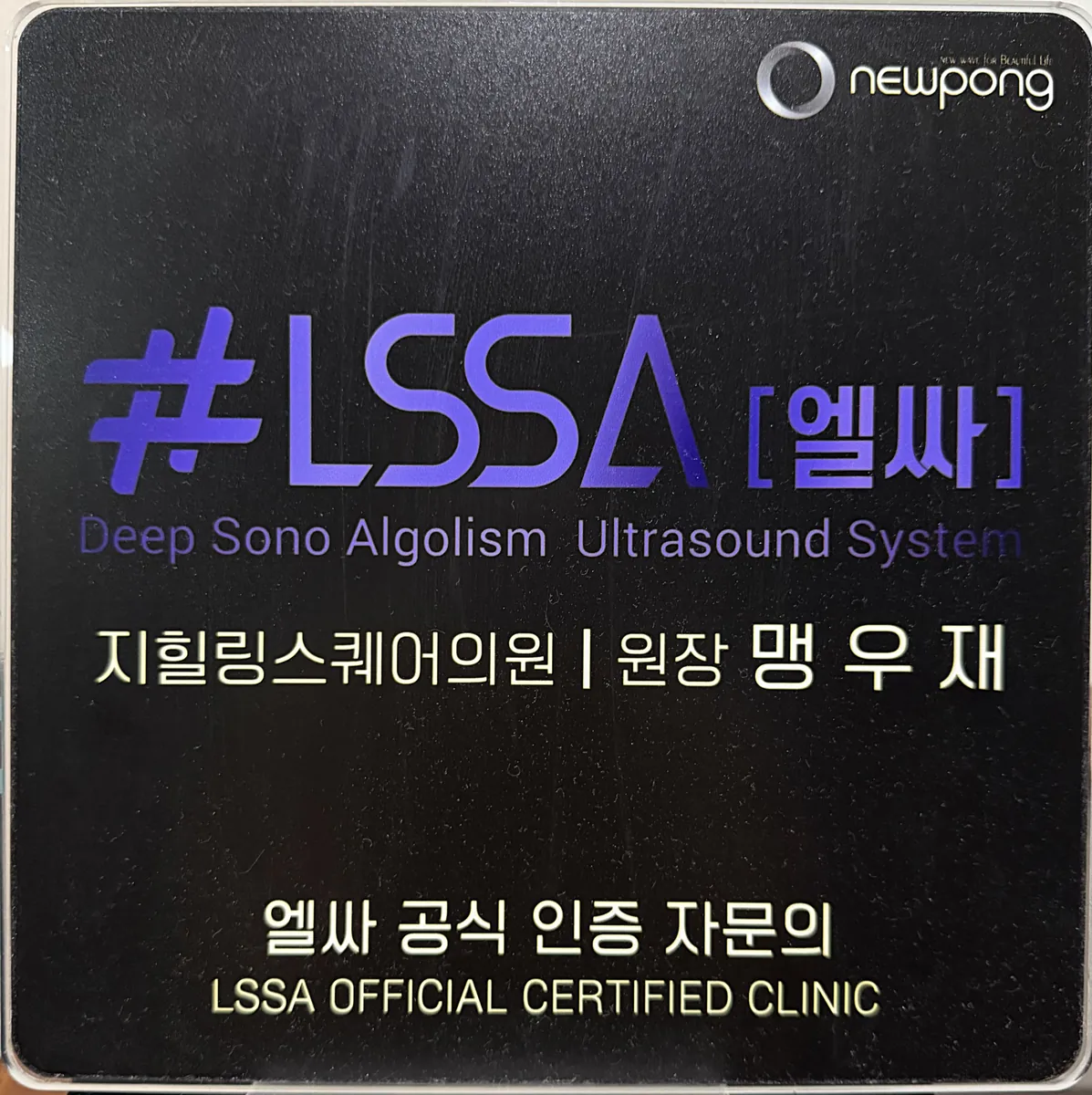
Volnewmer is the monopolar radiofrequency route at G Clinic, and the clinic holds Volnewmer Official Certified Clinic status from Classys. The handpiece is held by one of the three medical directors: Dr. Hong Seung-hyuk, Dr. Maeng Woo-jae and Dr. Hong Young-ho are board-certified Family Medicine specialists working in aesthetic dermatology, and one of them examines your skin, decides the field and runs every pass. A course of 300 shots carries a published rate, and where those shots are spent is settled at a free consultation.
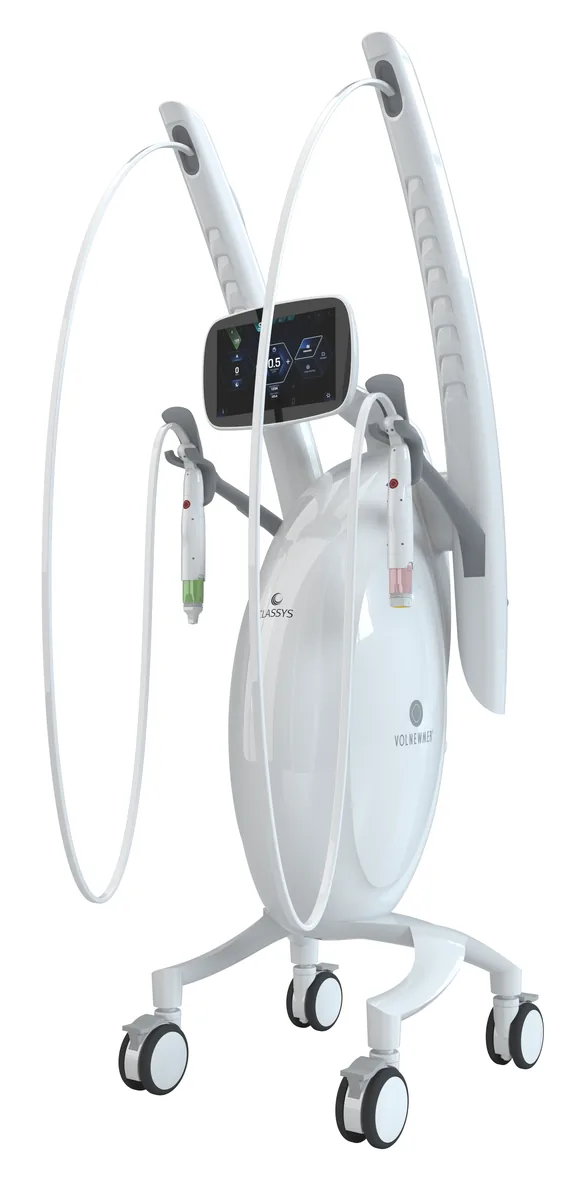
Volnewmer is quoted as a shot course here. A 300-shot course sits on the published price list at the same figure for every patient, foreign or local, and the plan is confirmed face to face at a free consultation before a booking is made. The device itself is monopolar radiofrequency: a high-frequency current travels through the tissue, meets resistance in the dermis and becomes heat there, collagen fibres contract under that controlled heating, and the repair response that follows lays down new collagen over the weeks after your session. What that returns is skin density, surface texture and early slackness across a treated field, so it suits a face whose skin has gone thin and crepey. A director examines you first and says whether radiofrequency is the right tool for the line you want moved.
Four stages, from the moment a director pinches the skin at your cheek to the moment you are told what to keep off your face tonight.
A director works across your face by hand, lifting and releasing skin at the cheek, in front of the ear and along the jaw, and watching how quickly it settles back. Thin, dry, finely lined skin behaves differently from heavy skin that has dropped as a block, and the two complaints call for different energy. Your medical history, medication list, any implanted device and every previous energy or injectable treatment are recorded in the same sitting, and the consultation costs nothing.
The face is divided into zones and the shot budget is distributed across them, because a course is a fixed number of pulses and every pulse spent in one place is a pulse unavailable somewhere else. A director decides how much of the course belongs to the cheek, how much to the jaw line and how much to the area under the chin. Bony prominences, thin skin over the orbital rim and any area carrying filler or a metal implant are marked as zones to be handled differently or avoided.
Local anaesthesia is the standard here and you stay awake and able to talk through the whole appointment; sedation is available across the clinic at an additional cost, and no drug is named on this page. A coupling medium goes on, and the handpiece is moved zone by zone while the current heats the dermis underneath. Most patients describe a repeating wave of deep warmth that peaks and fades with each pulse, and they are asked to report any pulse that turns sharp or genuinely hot.
Your director looks over the treated field before you stand up, checking for anything beyond the flush and mild puffiness that follow heating. You are told what to keep off the skin that evening, what to do about sun exposure, and which symptoms mean you should call the clinic rather than wait. A review is arranged once the collagen response has had time to declare itself, and international patients are given that timing in writing so it can be built into a later trip.
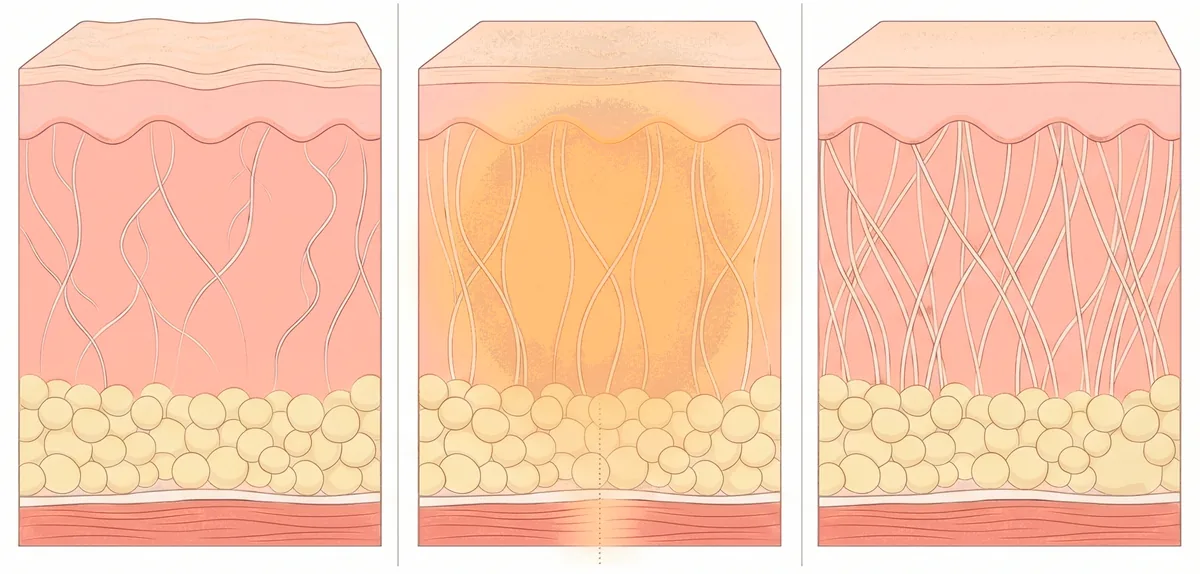
Radiofrequency is electrical energy, and skin resists it. When a high-frequency current is driven through tissue, that resistance converts the current into heat, and the heat builds in the dermis, the living layer that holds your collagen and elastin scaffolding. Monopolar delivery means the current runs from a single treatment electrode through the body to a return pad, which is what allows the heating to reach beyond the first few millimetres. The point of the whole exercise is temperature: enough heat in the right layer to make collagen fibres shorten and to signal the tissue that repair is required.
Two things then happen on two timescales. Collagen already present in the dermis contracts as it is heated, and that shrinkage is what some patients register as a mild firmness on the way home. Far more importantly, heated tissue starts a healing response, and fibroblasts spend the following weeks producing fresh collagen along the treated field. The visible change belongs to that second, slower process, and it arrives quietly.
Volnewmer is the monopolar system this clinic uses for that job, and G Clinic is registered by Classys as a Volnewmer Official Certified Clinic. The course is counted in shots, each shot being one pulse of energy into one placement of the handpiece, and pricing follows the same logic: the published rate covers a set number of pulses, and how they are distributed across your face is a clinical decision. The full lifting line-up, including the ultrasound and thread routes, sits on the Face Lifting hub.
A shot course is a budget, and budgeting is the part patients rarely anticipate. Three hundred pulses spread thinly over the entire face, neck included, put very little energy anywhere; the same three hundred concentrated on the lower cheek and jaw line deliver a change you can see in a photograph. So the first conversation is about priorities. A director asks which part of your face bothers you when you look at your own photographs, and the shot budget follows that answer.
Skin thickness moves the plan as well. Where the skin is thick and oily, energy is absorbed differently from thin skin over a bony cheek, and the settings and pass count are adjusted zone by zone. Areas that have had filler, threads or previous energy treatment are noted and treated with more caution, since heat interacts with what is already in the tissue. A metal implant, a fixed implant of any kind or an area of recent inflammation may be excluded from the field entirely.
Combination planning matters too, and this is where radiofrequency earns its place. Focused ultrasound at the clinic, whether the imaging-guided Ultherapy Prime route or the Shurink HIFU platform, deposits energy in narrow columns at depth, including at the SMAS layer. Radiofrequency heats a broader, shallower volume. The two address different complaints in the same face, and directors frequently sequence them across separate visits so that neither field is overloaded with heat at one sitting. The order, the spacing and whether both are worth doing at all are decided by the director who examines you.
The face this treatment fits is one where skin quality is the complaint. Thinning, roughened texture, enlarged-looking pores, fine lines across the cheek and an outline that has begun to soften at the jaw all belong to the dermis, and dermal heating is a reasonable answer to them. Patients in their thirties and forties who describe their skin as having lost its bounce tend to be the group who get the most out of a course. It also suits someone who wants a treatment that leaves no marks and costs nothing from a working week.
Several people are told no, and told why. Treatment is postponed in pregnancy and while breastfeeding. An implanted electronic device such as a cardiac pacemaker or a defibrillator is a firm exclusion, because current passing through the body is precisely the situation those devices are not designed for. Active infection, an inflamed rash or broken skin inside the field means the appointment waits. Uncontrolled illness is assessed on its own terms first, and a metal implant in the treatment area is either worked around or ruled out.
Then there is the refusal that disappoints people most. Where the face has dropped as a heavy block, where the fold from nose to mouth is deep and the jowl hangs, energy of any kind will not lift it back, and a director says so at the examination and declines to sell a course that cannot deliver. Some of those patients are advised to consider a surgical opinion; some are better served by mechanical support, which is what the Thread Lift page covers. When the heaviness under the chin turns out to be fat volume, the plan moves to the G-fat Fat Dissolving Injection side of the clinic or, for larger volumes, to the options described under Liposuction in Korea, and the lifting booking is cancelled.
Very little is visible on the day. A flush that fades within hours, sometimes a mild puffiness, occasionally a sense that the skin feels tighter on the drive home: that is the whole of the immediate effect, and it is a poor guide to what follows. The meaningful change belongs to the collagen laid down over the following weeks, and it appears as an accumulation. Patients typically notice it first in the way make-up sits, then in skin that feels denser under their own fingers, then in the jaw outline in a photograph taken from the side.
The clinic's own lifting pages describe the range of changes this family of treatments aims at: skin density, texture, pores, elasticity, a softened sagging line, volume and fine lines. Reading that list correctly matters. These are improvements of degree across a treated field, and a course of energy is not a substitute for surgery in a face that has passed what energy can hold.
How long any of it holds varies with age, skin quality, sun exposure and how much laxity was there at the start, and the clinic indicates a hold of about 6 months to a year for this device, as a guide rather than a promise. Your director gives you a personal expectation at the review, including the cases where the realistic expectation is a modest one. Individual results vary from patient to patient, and no specific outcome is implied for anyone. Case photographs are not published on this page; where a director shows you records in the consultation room, those are shared with the consent of the patient in them.
Volnewmer is listed as a shot course on the published price list, and the 300-shot course is the entry on that list. The published rate applies to every patient equally, so there is no separate figure for visitors from abroad and nothing to negotiate at the counter. What the rate covers is the number of pulses, and how they are spent across your cheeks, jaw line and chin is a clinical decision made at the examination. Where a director suggests pairing radiofrequency with an ultrasound route across separate visits, each service is quoted on its own line and the total is confirmed before anything is booked.
| Treatment | Option | Price (KRW) |
|---|---|---|
| Volnewmer | 300 shots | ₩500,000 |
All prices in KRW, excluding VAT (10% VAT is added at payment). Final cost depends on the treatment plan confirmed at consultation. Published rates as of 2026-11-03.
This is heat delivered into living tissue, and it carries real risks that your director goes through by name before you consent. Redness, warmth, mild swelling and tenderness across the treated field are expected and usually settle within a day or two. Small raised welts along a treated line occur in some patients and subside on their own.
The complications that matter are worth stating plainly. A thermal burn is the first: too much energy in one placement, or a pulse delivered where coupling is poor, can injure the skin, and a burn can leave a mark that takes a long time to fade or does not fade at all. Blistering belongs to the same mechanism and shows up as fluid-filled skin in the hours after a session. Uneven texture is the third, where the surface heals with visible irregularity across a field that was heated inconsistently. The fourth is the one patients hear about least: subcutaneous fat loss. Fat under the skin is heat-sensitive, and excessive or misdirected energy can thin the fat pad beneath a treated area, leaving a hollow or a depression in the contour that is difficult to correct. Temporary numbness, altered sensation and nerve irritation are also described, and a proportion of patients simply see little response for the energy they received.
The controls against these are unglamorous and they are the reason a director runs the handpiece personally: appropriate settings for your skin, continuous movement, adequate coupling, and a patient who is encouraged to speak the moment a pulse feels sharp instead of warm. Do not let anyone talk you through pain during an energy treatment. After a session, keep heat off the face, skip the sauna and hard training for the period your director specifies, use sun protection, and contact the clinic if a blister forms, if pain increases after the first day, or if an area of skin changes colour. One of the three medical directors is present in the building during all opening hours.
There is no recovery period in the conventional sense. You walk out with a flush that most patients cover with light make-up once a director confirms the skin is intact, and an ordinary evening in Gangnam is entirely possible. No dressing goes on, nothing is cut, and there are no puncture marks to hide.
The week that follows asks for small adjustments. Keep the treated skin out of strong sun and use protection on it, because heated skin is more reactive than usual. Saunas, hot yoga and long steaming baths are worth postponing for the period your director specifies, as is aggressive exfoliation or a strong acid at home. Skin can feel drier or slightly sensitive for several days, so a plain moisturiser serves you better than a full routine of actives.
For patients flying in, this is one of the easier appointments to fit into a trip, since nothing about the treatment requires you to stay in the country afterwards. What does not fit into a short trip is the outcome: the collagen response takes weeks, so a review inside the same visit shows you almost nothing. Our coordinators either schedule that review into a later trip or handle it remotely in English. If you are weighing the energy routes against each other before you fly, the side-by-side written for that decision is on the Ultherapy vs Shurink page.
Four options this clinic actually offers, set out so your consultation starts from the right question. Where the clinic publishes a figure it appears; where it does not, your director sets it one to one.
| Consideration | Volnewmer | Ultherapy Prime | Shurink (+Universe) | Thread lift |
|---|---|---|---|---|
| Energy or mechanism | Monopolar radiofrequency | Micro-focused ultrasound with real-time imaging | Ultrasound lifting platform | Absorbable cog or Silhouette Soft threads |
| Where the work happens | Broad heating through the dermis and the layer below it | Energy placed at the SMAS under screen guidance | Depth plan agreed device-side at consultation | Mechanical support along a mapped path |
| Aimed at | Skin density, texture and early slackness | A softening jaw line with skin that still has body | Laxity assessed by hand mapping | A line that has dropped past what energy holds |
| How it is counted | By shots, with a published 300-shot course | By shot tier, published from 100 to 400 shots | By shots, with a published 300-shot course | By the thread |
| Anaesthesia | Local, awake; sedation optional at extra cost | Numbing cream; sedation possible if needed, at extra cost | Set by your director | Set by your director |
| Marks on the skin | None; a flush that fades | None; swelling and redness settle within days | Reviewed at your consultation | Entry points that need aftercare |
| Poorly suited to | Heavy sagging that has passed what heat can hold | Thin, crepey skin over a wide field | Confirmed one to one | Anyone unwilling to have threads placed |
This table is general information about the routes available at this clinic. Which one suits your face depends on your skin thickness, how much laxity is present and your medical history, and a medical director works through it with you at the free consultation.
Radiofrequency for skin laxity has been examined in the peer-reviewed literature for two decades, and three papers indicate the shape of that discussion. A randomized, split-face, evaluator-blind clinical trial compared monopolar radiofrequency against microfocused ultrasound with visualization for lifting and tightening of the face and upper neck (Alhaddad, 2019). A review in the Brazilian dermatological literature asked directly whether radiofrequency for the treatment of skin laxity is myth or truth (Araújo, 2015). A prospective multicenter clinical trial reported on a minimally invasive temperature-controlled bipolar fractional radiofrequency system for rhytid and laxity treatment (Alexiades-Armenakas, 2013). These are studies of devices and methods in the published literature, and they are cited here for context only: none of them reports outcomes at G Clinic, none of them was conducted on this device, and none of them predicts what your own skin will do. That conversation belongs in the consultation room.
The 300-shot course carries its own line on the clinic's published price list, and that rate covers the pulses themselves, delivered by a medical director. It is the same figure for international and local patients, with no separate visitor rate. Which zones of your face receive those pulses is a clinical decision taken at the free examination, and your director confirms the quotation before anything is booked. You can request it in advance through the consultation form.
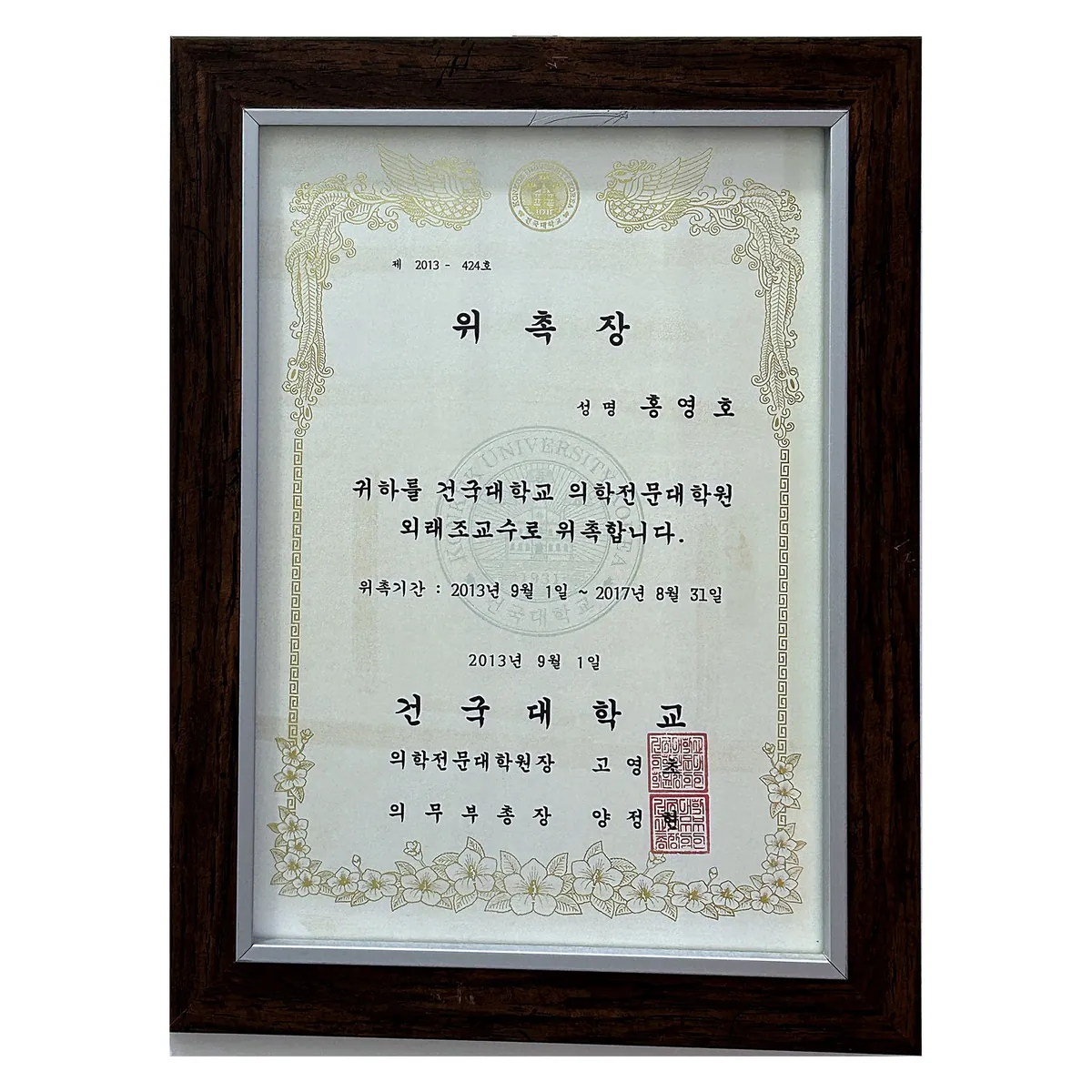
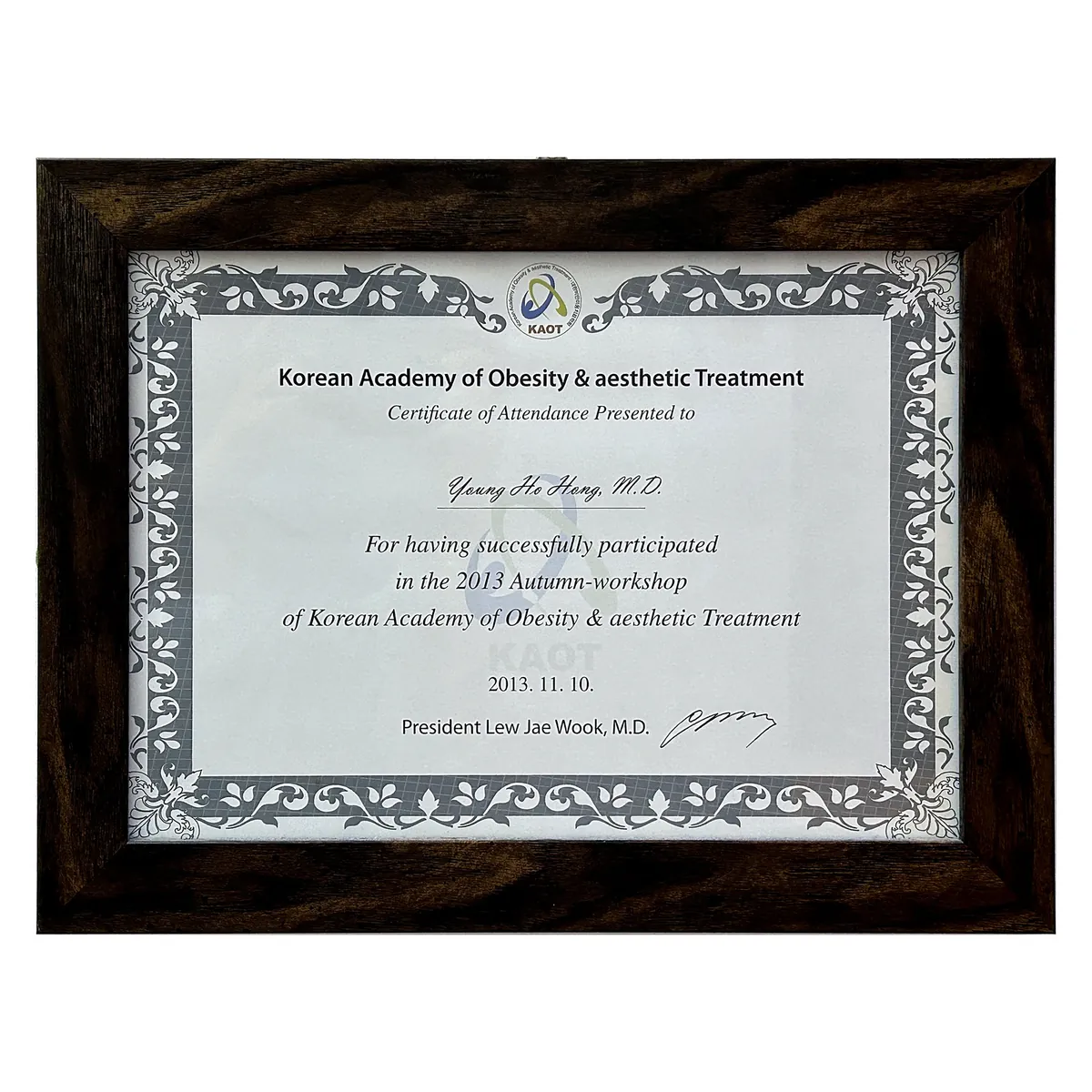
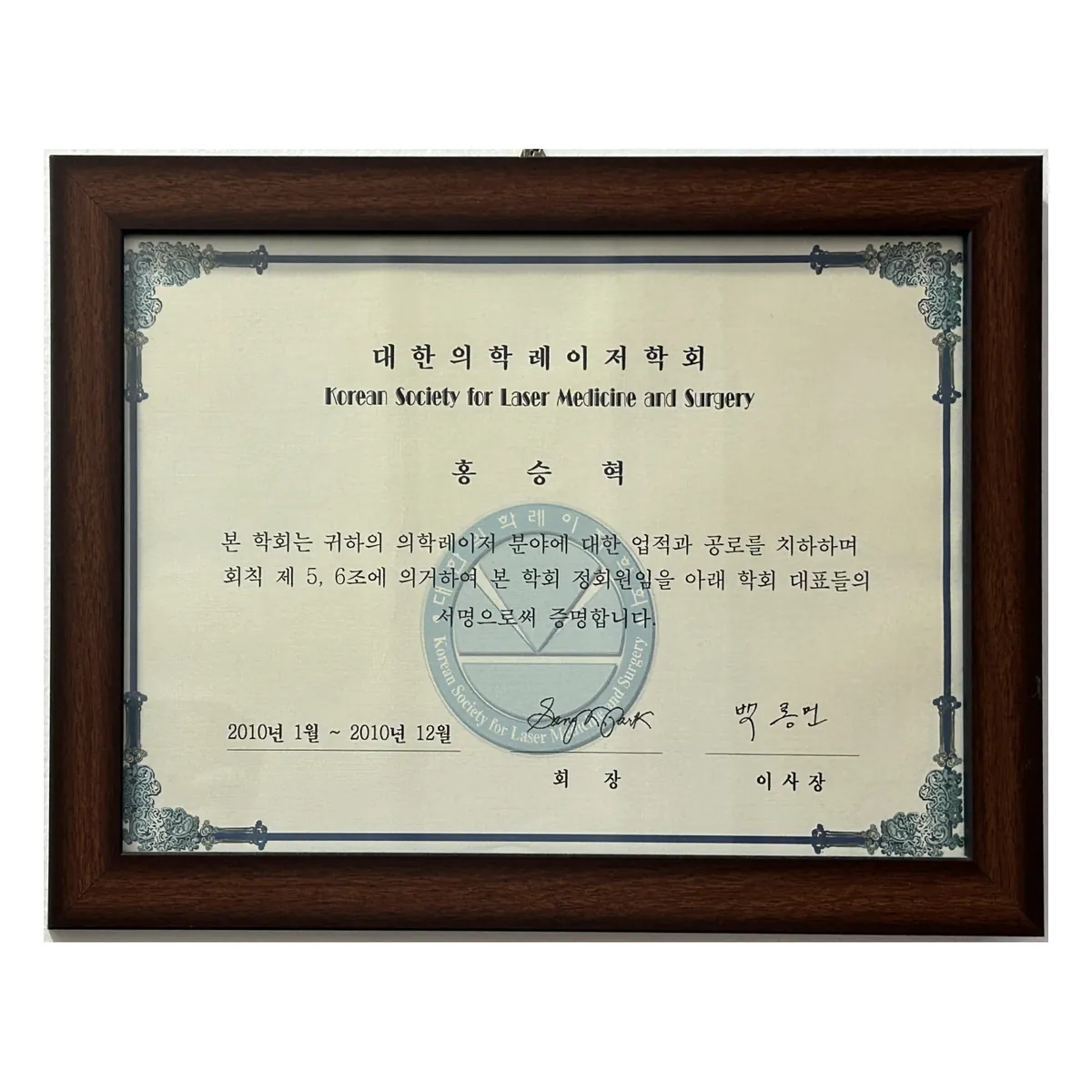
G Clinic is registered by Classys as a Volnewmer Official Certified Clinic, and that certification sits alongside the clinic's other manufacturer registrations. The handpiece is operated by one of the three medical directors, Dr. Hong Seung-hyuk, Dr. Maeng Woo-jae or Dr. Hong Young-ho, each a board-certified Family Medicine specialist working in aesthetic dermatology. The same director who examined your skin plans the shot distribution and performs every pass.
They put energy in different places. Focused ultrasound concentrates it in narrow columns at a chosen depth, which is how the imaging-guided route reaches the SMAS layer. Radiofrequency heats a broader and shallower volume of dermis. That is why one is discussed for a jaw line that has begun to soften and the other for skin that reads thin and textured, and it is also why a director may recommend both across separate visits. The Face Lifting hub sets out the whole line-up.
Frequently, yes, and the usual approach is to sequence them across separate appointments so one field is not loaded with heat twice at a single sitting. Directors decide the order according to which complaint dominates: skin quality first in some faces, depth first in others. The spacing between them is set individually, and the Shurink HIFU page describes the ultrasound side of that combination in detail.
Most patients describe a wave of deep warmth that rises with each pulse and fades as the handpiece moves on, repeated across the treated field. It is a heat sensation and not a puncture, so there is no needle involved anywhere in the session. Comfort varies with skin thickness and with the zone being treated, and bony areas along the jaw generally register more strongly. If a pulse ever feels sharp instead of warm, say so immediately.
Local anaesthesia is the clinic standard and you remain awake and able to talk throughout, which matters here because your feedback on heat is part of the safety loop. Sedation is available across G Clinic procedures at an additional cost if a director agrees it is appropriate for you. No anaesthetic product is named on this website, in line with Korean advertising rules on prescription medicines; your director discusses it in the consultation room.
Not on the day. Some patients feel a mild tightness immediately, which comes from existing collagen contracting under heat, but the change worth having is built by fibroblasts over the following weeks as new collagen is laid down. People usually register it first in how make-up sits and in how the skin feels under their own fingertips, and only later in a photograph. Anyone checking the mirror two days afterwards is looking far too early.
Yes, and it is the risk that deserves the most attention. A thermal burn can occur where too much energy lands in one placement or where contact between the handpiece and the skin is poor, and blistering arises from the same mechanism within hours of a session. A burn can leave a mark that fades slowly or persists. Appropriate settings, continuous movement and a patient who reports sharp sensations immediately are the controls, and any blister should be reported to the clinic straight away.
It is a genuine and documented risk of heat-based treatments. Subcutaneous fat is heat-sensitive, so excessive or misdirected energy can reduce the fat pad under a treated area and leave a hollow or a shallow depression in the contour, which is difficult to correct afterwards. Faces that are already lean carry more of this risk, and a director takes facial fullness into account when setting the field and the energy, or declines the treatment.
No. Monopolar radiofrequency sends current through the body toward a return pad, and an implanted cardiac pacemaker, a defibrillator or a comparable electronic implant is a firm exclusion at this clinic. Tell the coordinator when you book so nobody wastes a trip. Metal implants inside or near the treatment field are assessed separately and may mean an area is worked around or left out of the plan entirely.
The clinic publishes a rate for a shot course and does not publish a session count for this device, so no number appears on this page. What is reasonable for you depends on your skin thickness, your age, how much laxity was present at the start and how the first course responds. Your director gives you an individual plan at the review, once the collagen response has had time to show itself, and repeats are agreed then.
When the sagging is heavy and structural, energy will not put it back, and you are told so at the examination and no course is sold to you. Pregnancy and breastfeeding postpone treatment, as do active infection and inflamed skin in the field. An implanted electronic device rules it out. Where the concern is fullness under the chin, the plan moves toward G-fat Fat Dissolving Injection, and where support is what the face needs, toward the Thread Lift discussion.
Usually, once your director has checked the skin and confirmed it is intact. There are no marks or entry points to cover, only a flush that fades over a few hours. Keep the face out of strong sun, postpone saunas and hot yoga for the period your director specifies, and hold off on strong acids and scrubs at home for several days. If you want to compare the energy routes before you fly, the Ultherapy Prime page covers the imaging-led alternative.
Verified reviews from our Google Business Profile.
Recommendations are made based on actual circumstances. The attitude is very good. Highly recommended.
I cannot recommend G-clinic highly enough. From the moment I walked in, my experience was nothing short of exceptional. The clinic itself is modern, clean, and welcoming. The front desk staff were incredibly warm and efficient. Checking in was a breeze, and they were very helpful with my new patient paperwork. The waiting time was minimal…
Process was perfect! I got some liposuction done, the doctor and staff were very nice and very professional. 100% would recommend anyone to get there procedures done here! They took out A LOT of fat! The doctor speaks perfect English as well!
Dr. Hong has perfect English and is very kind. I was glad my friend recommended me to come here via allaboutmei, it really has lived up to my expectations. The method and equipment used is very modern and top range, I was expecting to be in a lot of pain but I feel great! Thank you again Dr. Hong and all the other people that work at Gcli…
Book a free consultation and one of the three medical directors examines your skin in person in Gangnam, Seoul, tells you whether dermal heating answers what is bothering you, and says plainly when another route or none at all would serve you better. The shot course rate is published above, and the plan is agreed face to face before anything is booked.
Book ConsultationEvery consultation and procedure at G Clinic is conducted on site by one of three medical directors — never handed to a substitute practitioner. All three are Family Medicine specialists who have cared for international patients for years.
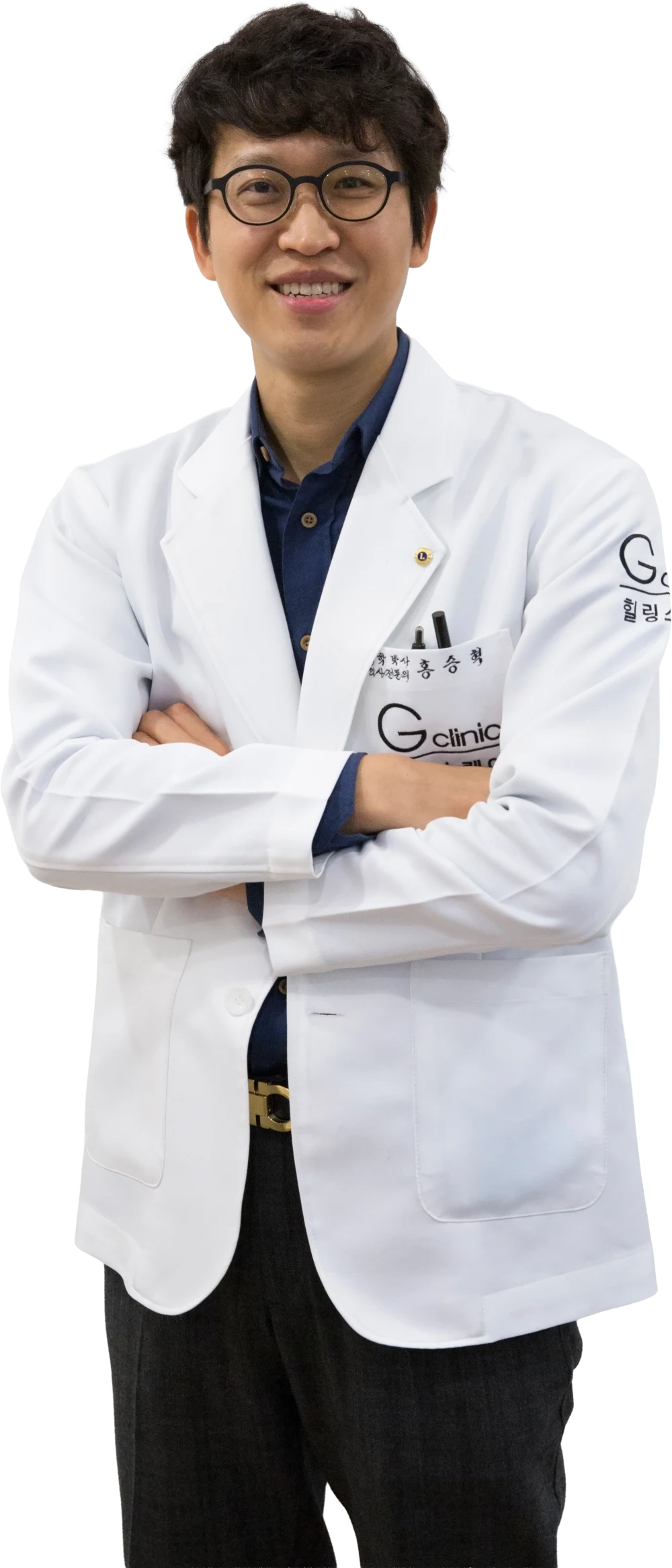

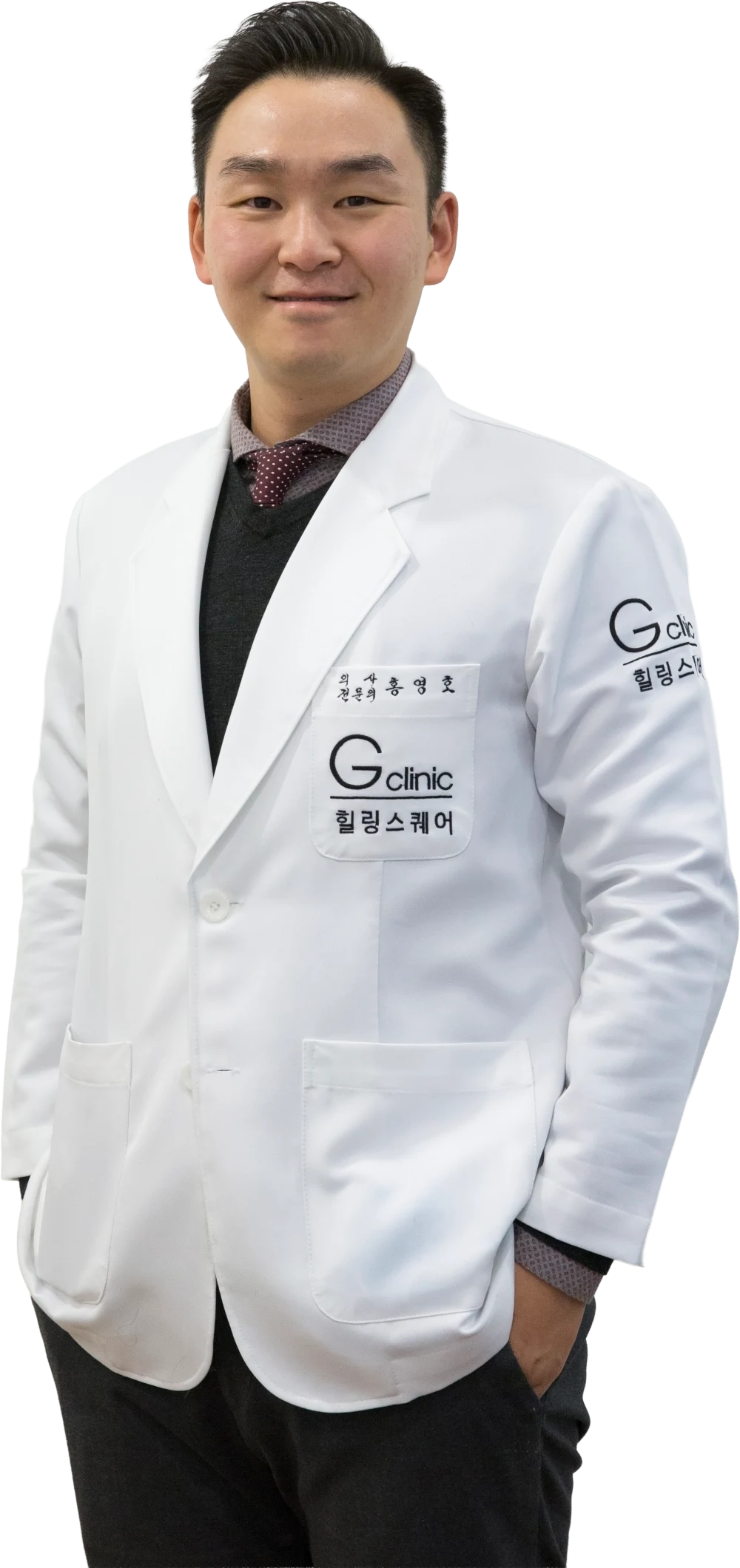
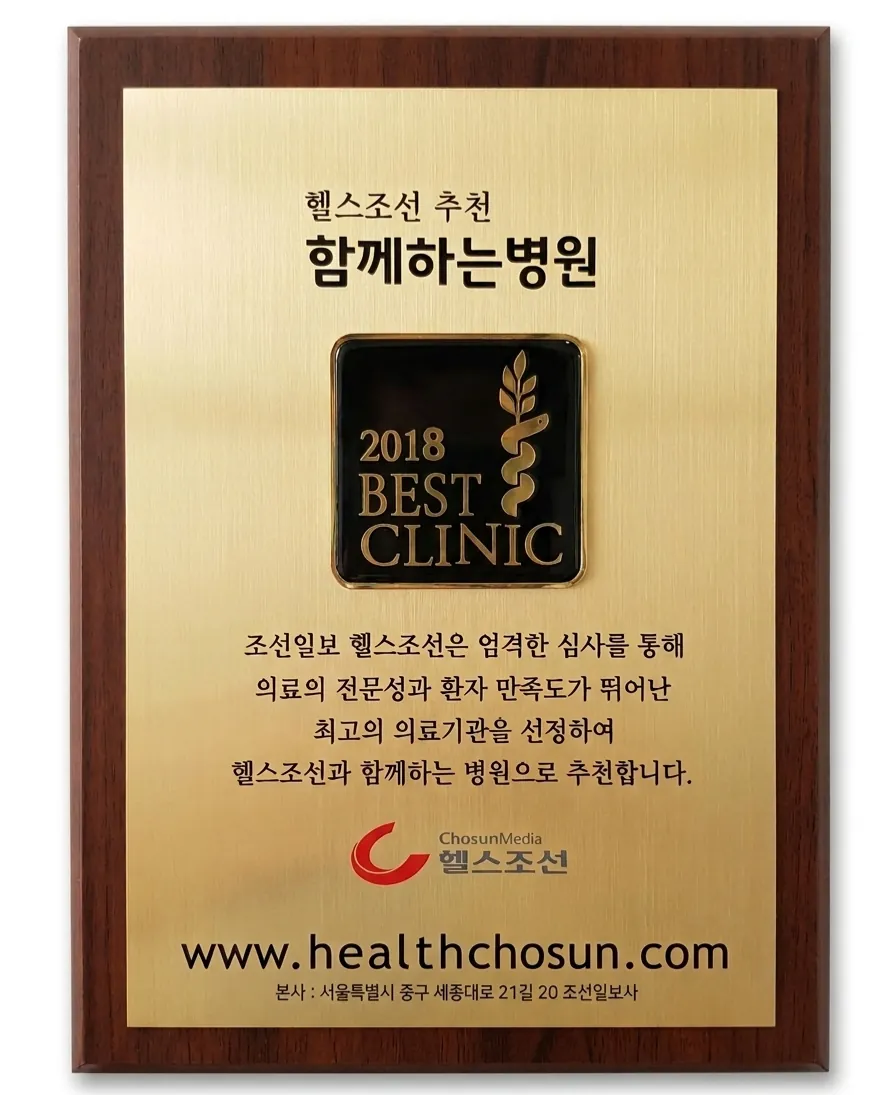
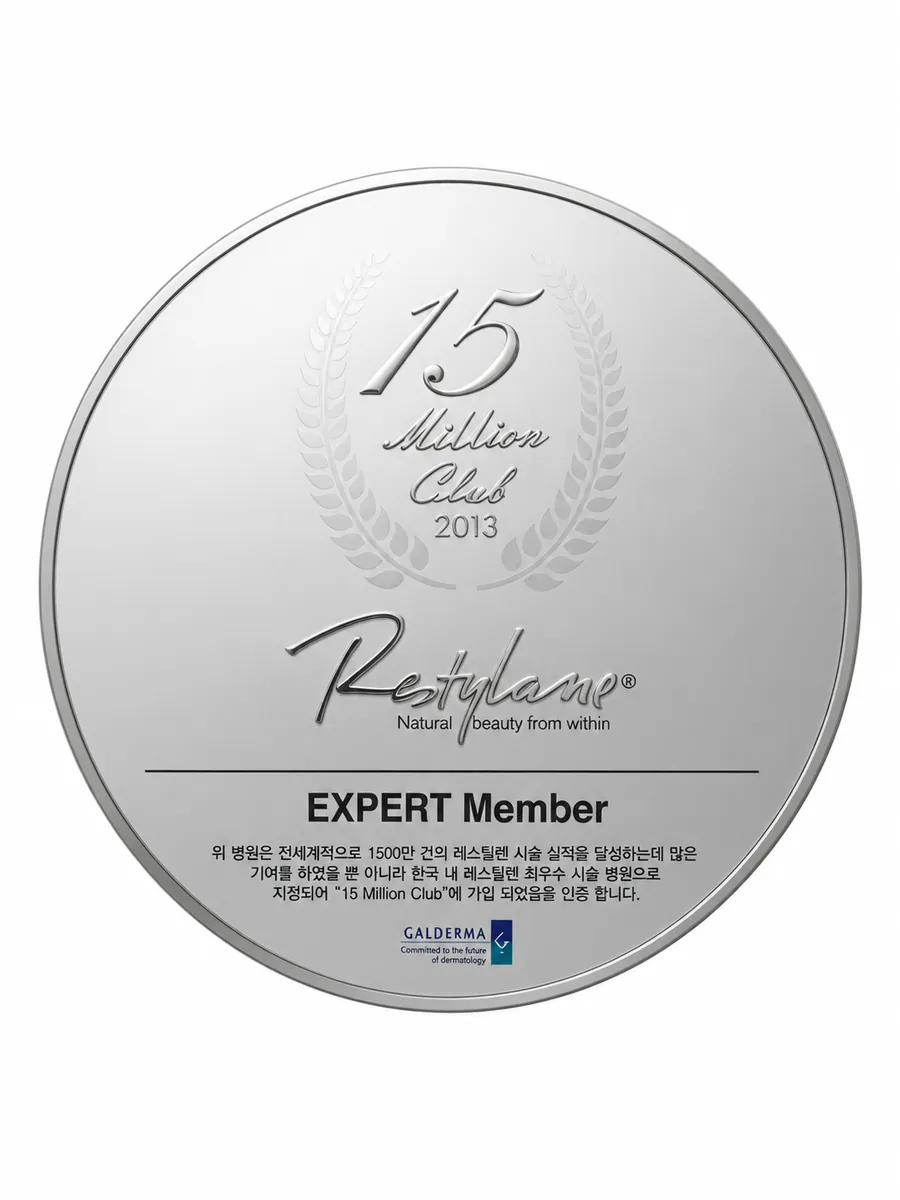
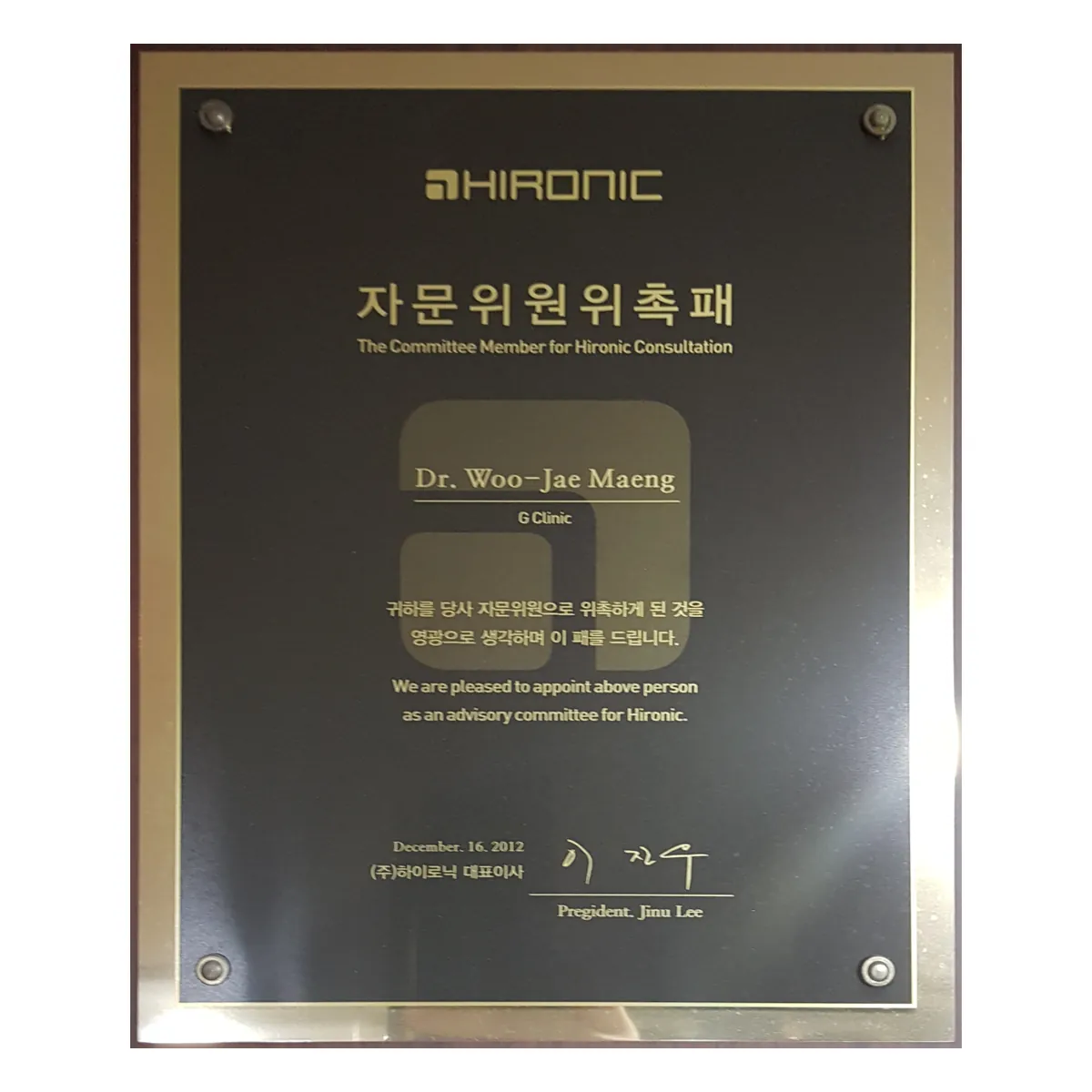
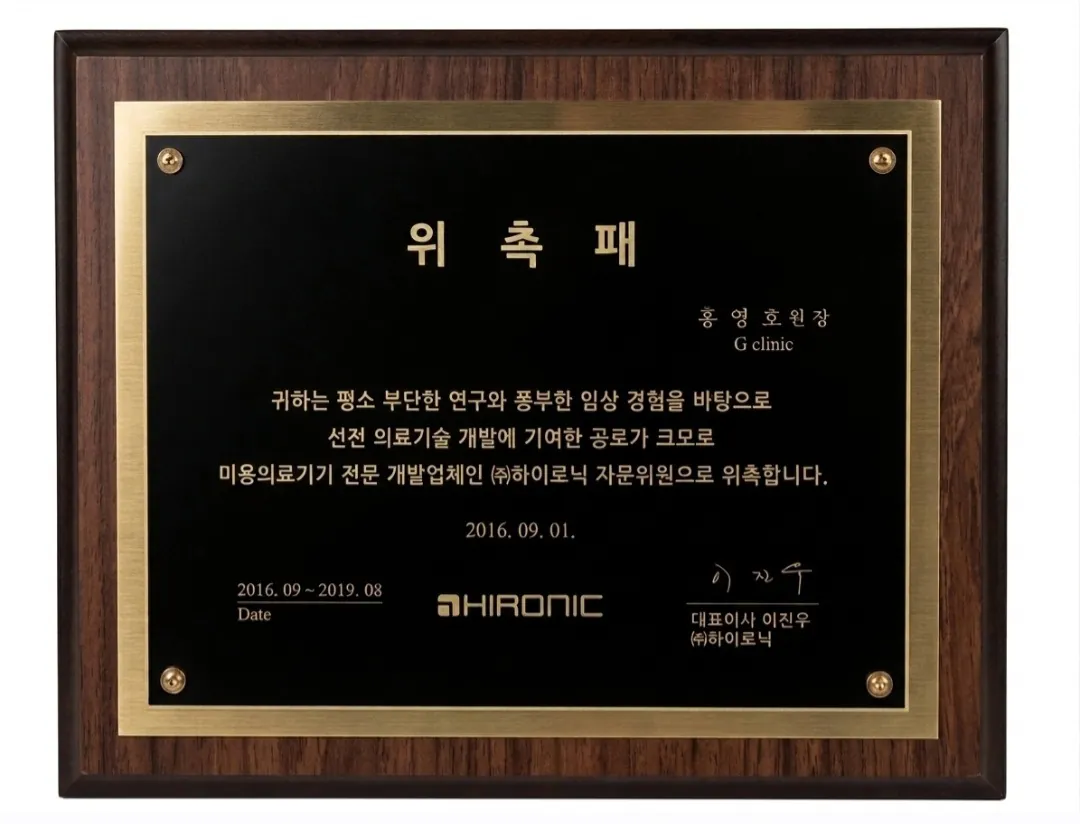
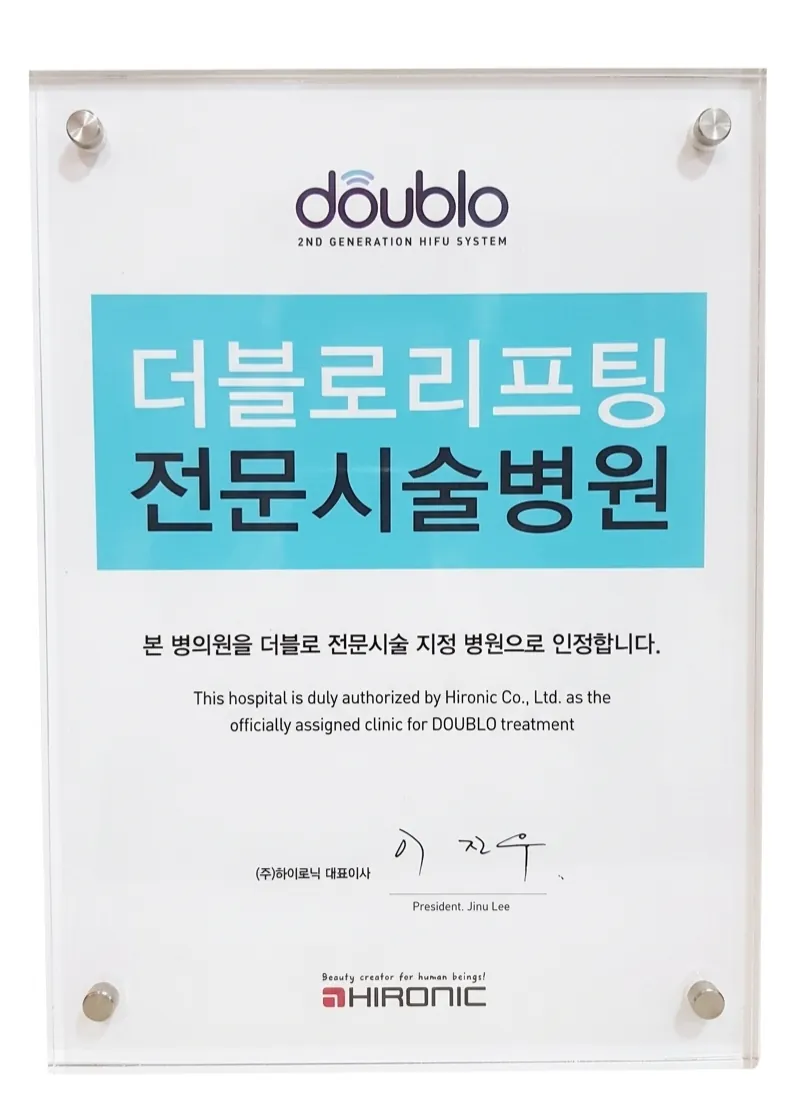
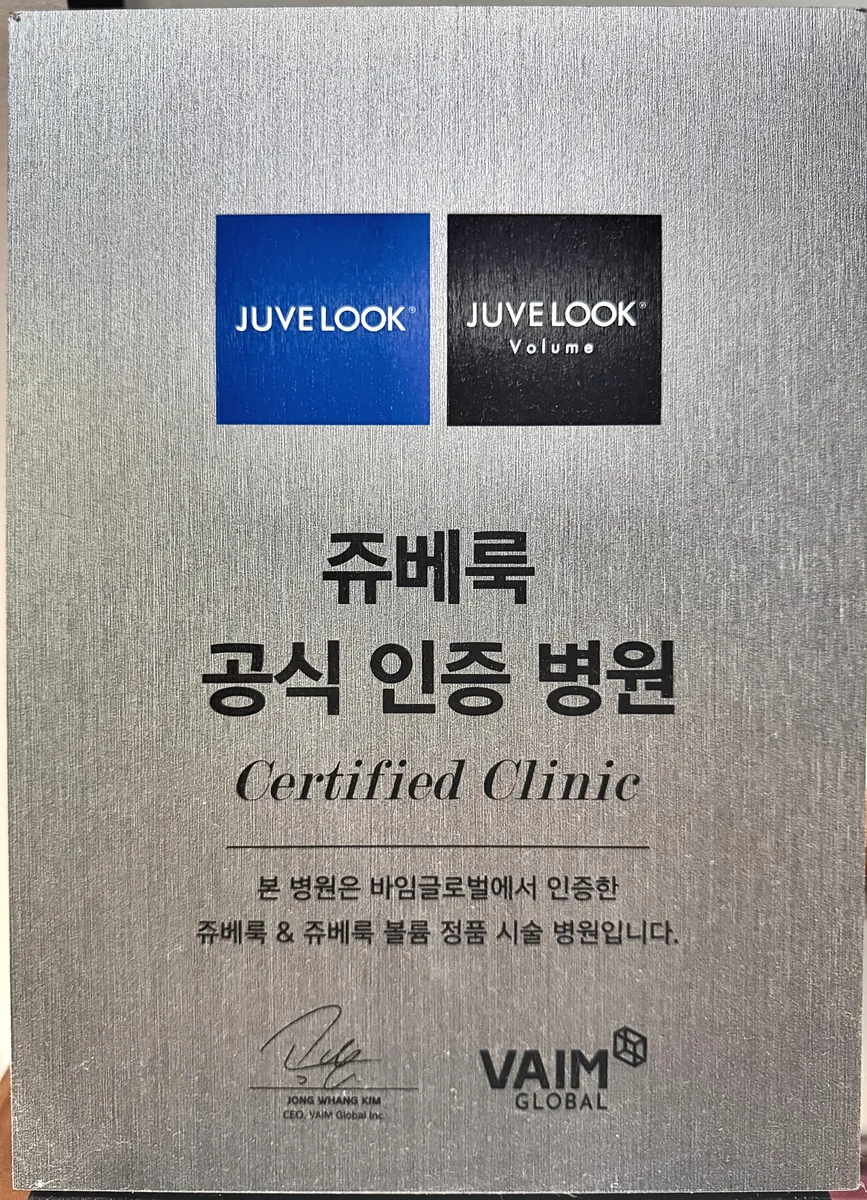
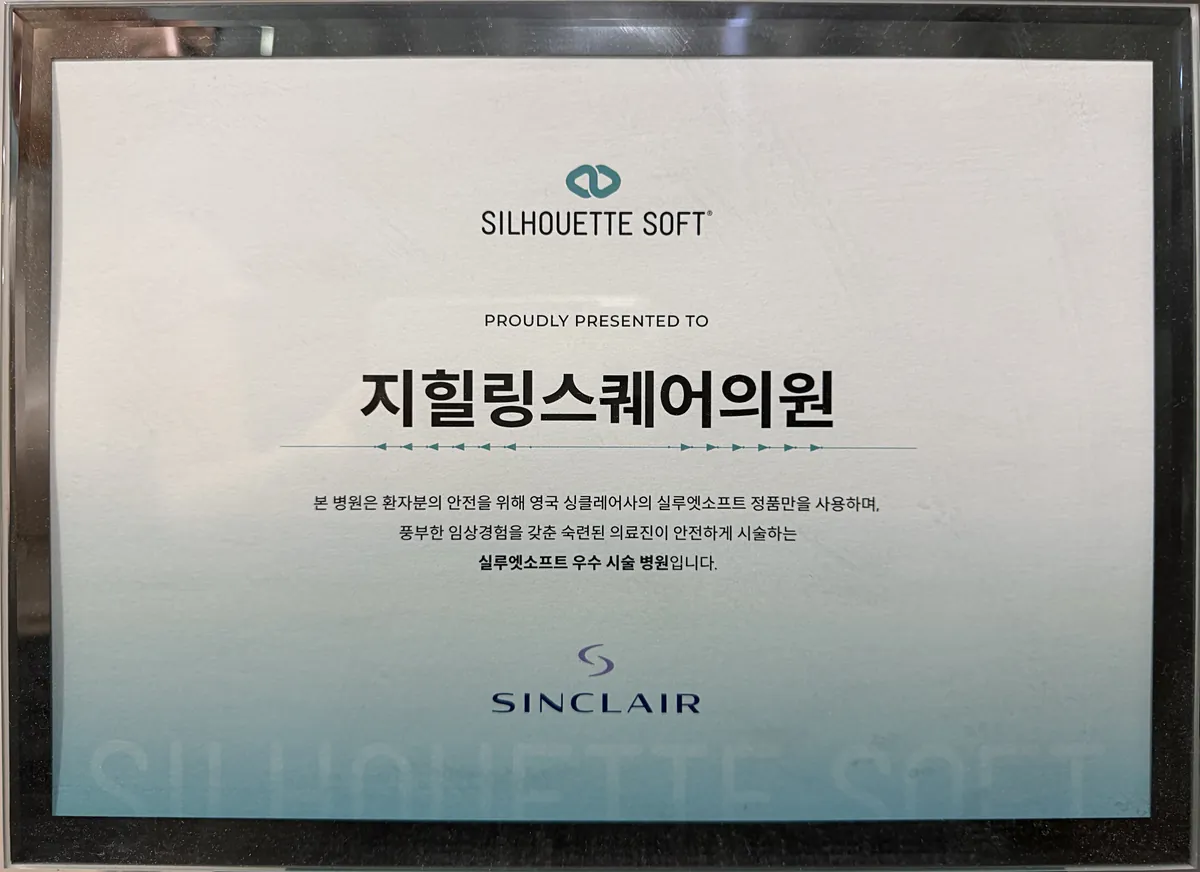
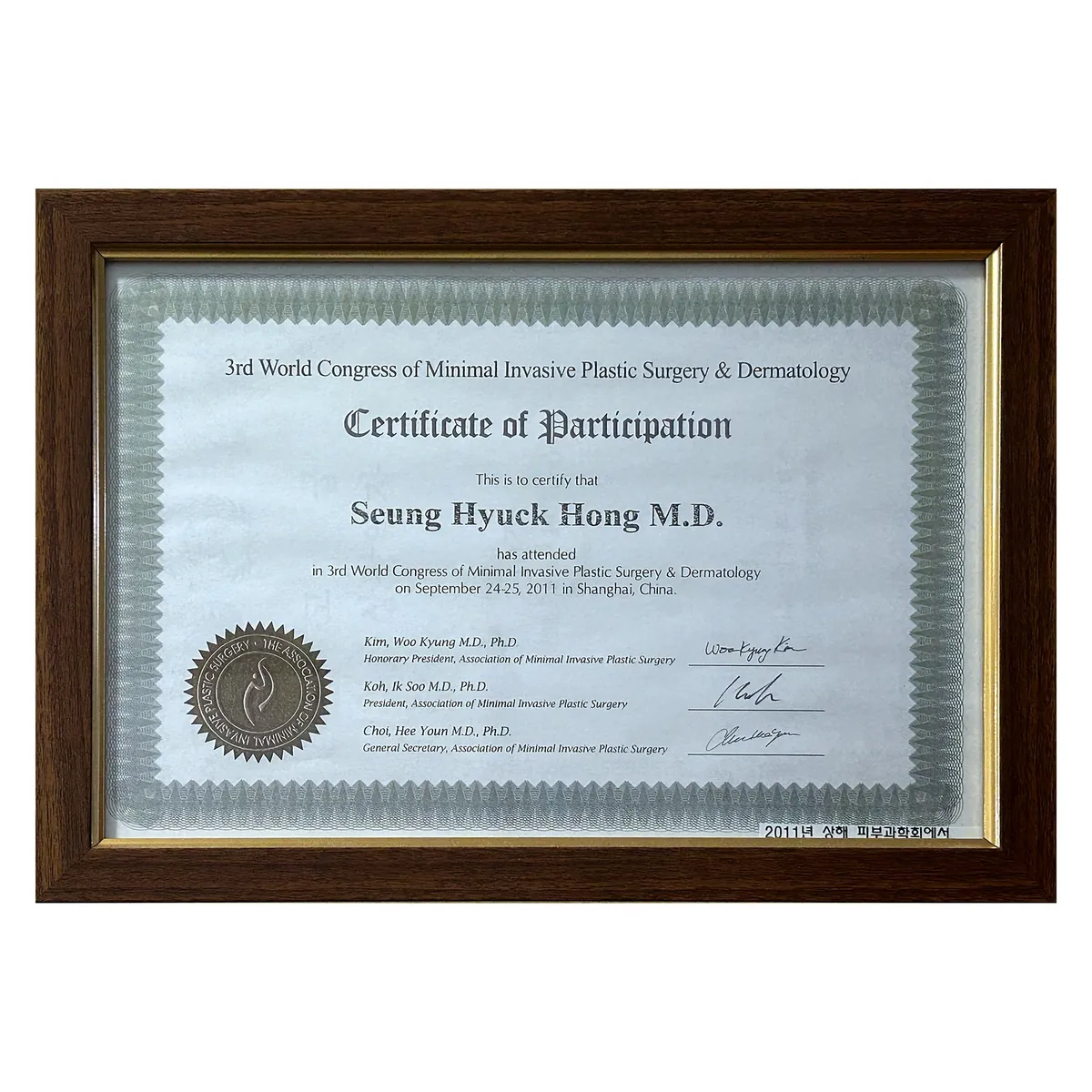
The G Clinic name dates to a 2012 device-maker advisory appointment. Each recognition below is stated as issued by its organisation.
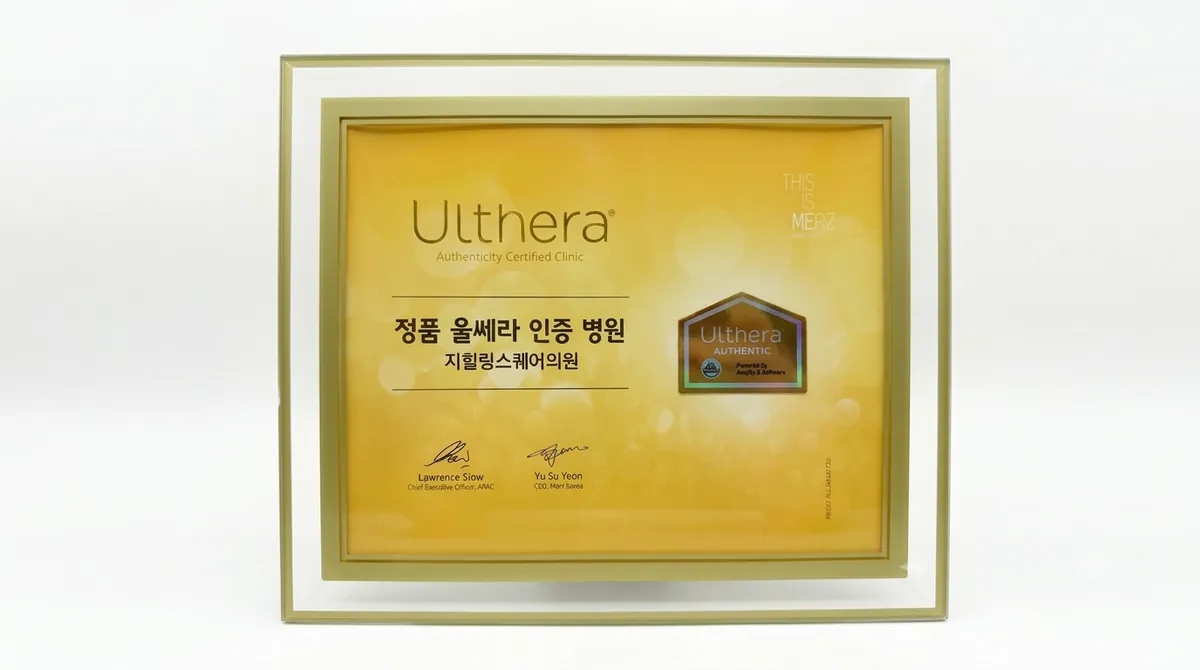
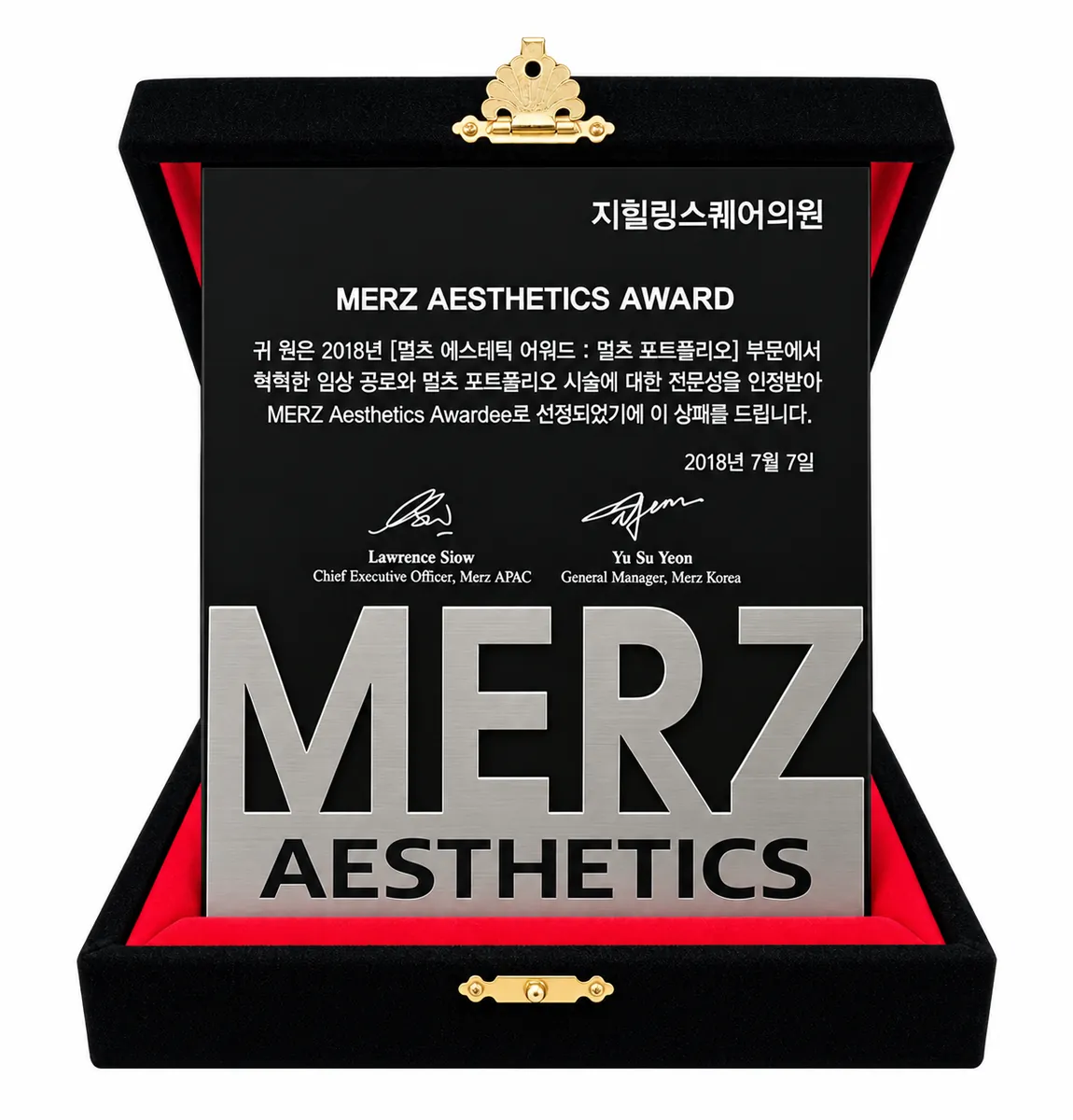


Share your details and our team will reply through your preferred messenger. Consultation is free and pricing is quoted at your free consultation.
Thank you — our English coordinator will reach out as soon as possible.