★★★★★
Recommendations are made based on actual circumstances. The attitude is very good. Highly recommended.
Every syringe is placed by Dr. Hong Seung-hyuk, Dr. Maeng Woo-jae or Dr. Hong Young-ho, the three medical directors, who are board-certified Family Medicine specialists working in aesthetic dermatology. The face treatment and the thin skin under the eye are quoted as separate lines on the published sheet, and you sit awake under a numbing cream for both.
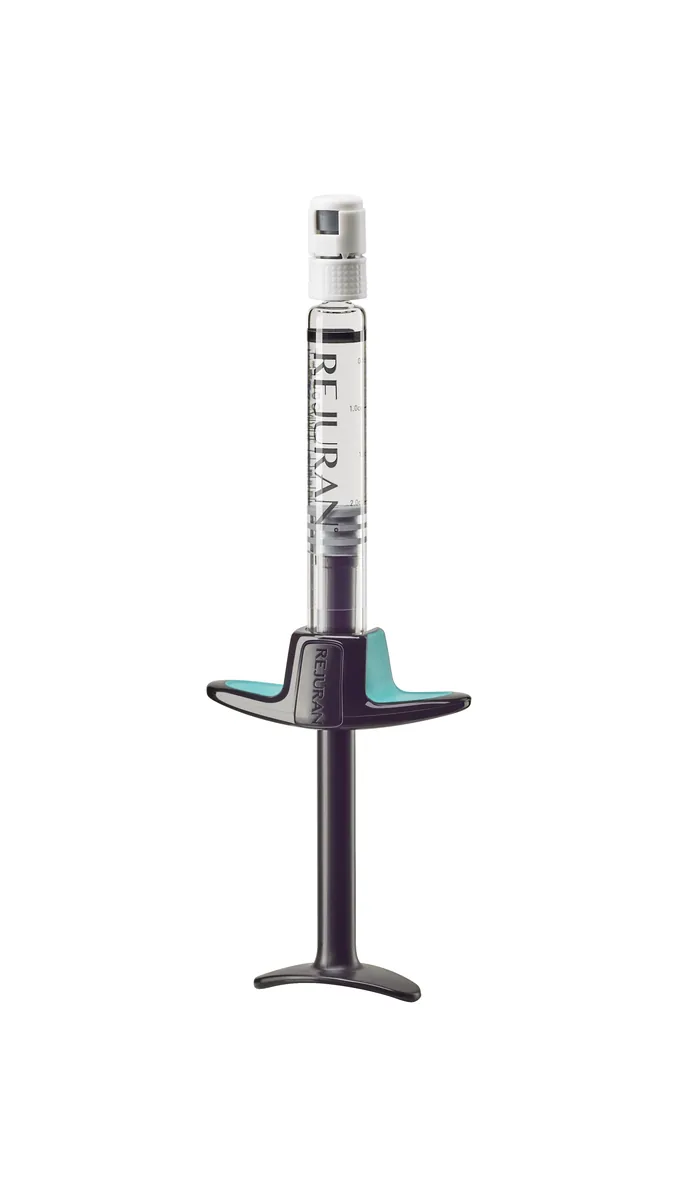
Two things decide it here: which line you are having, and how much material that line uses. G Clinic publishes the face treatment, Rejuran Healer, in a smaller and a larger volume option, and it publishes under-eye Rejuran as its own single-volume line, because the orbital area is treated as a zone of its own and needs its own plan. Nothing is bundled, and the rate on the sheet is the rate any patient pays. The material itself is a salmon-derived polynucleotide, or PN, injected into the dermis; a session takes about fifteen to thirty minutes after numbing cream, ordinary daily life continues that same day, and the small raised bumps left behind ease within one to three days. Which line suits your skin, and how many visits it warrants, is agreed face to face at a free consultation in Gangnam, Seoul.
Four stages, from the first look at your skin under clinic light to the moment you walk back out onto Dosan-daero with a cold pack.
A director looks at texture, oil pattern, pore appearance and how readily your skin flushes, and separately at the orbital rim where the skin is thinnest on the whole face. That examination is what decides whether you are booked for the face line, the under-eye line, or both on staggered visits. Your health history, any allergy to fish or seafood proteins, current medication and every injectable you have had before are recorded in the same sitting. The consultation carries no fee.
Make-up comes off, the zone is cleansed, and a numbing cream is spread over it and left to take hold. This waiting period is the reason a fifteen-to-thirty-minute treatment occupies closer to an hour of your afternoon, and shortening it is a poor trade. For the under-eye zone the cream is kept clear of the lash line and lid margin, so expect the team to be deliberate about how it is applied and wiped away.
The director works across the mapped zone with a fine needle, depositing small amounts of PN into the dermal layer at measured intervals. You stay awake, you can speak throughout, and you can ask for a pause at any point. Under the eye the passes are shallower and fewer, because there is very little tissue between skin surface and orbital bone. Sedation is no part of this appointment; it exists as an optional extra at additional cost elsewhere on the clinic menu, and no medication is named on this website.
Cooling settles the immediate heat and puffiness, and you are told to leave the zone alone, skip saunas and hard training for a short window, and keep sun off the treated skin. The bumps you can feel on the way out are expected. The director then sketches the rhythm of your course against the duration the clinic publishes for the material, and books your review; no package is sold to you in advance.
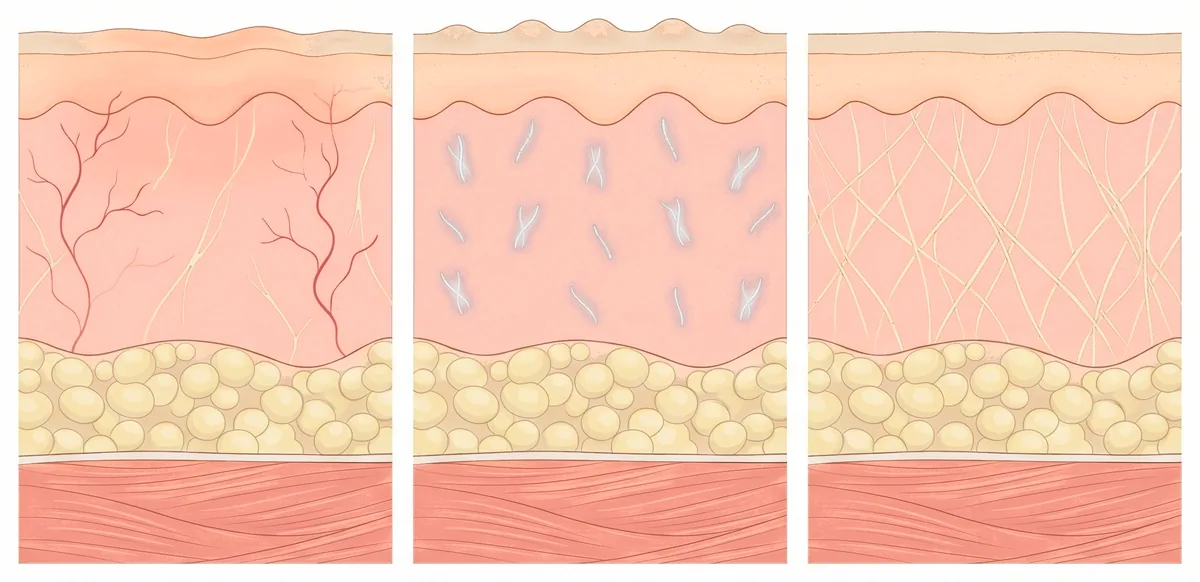
Polynucleotide is a chain of nucleotides harvested and purified from salmon. It is not a filler and it holds no volume of its own worth speaking of; the entire point of the injection is where it goes. Placed into the dermal layer, it is asked to act on the environment of that layer, which is the tissue holding your collagen scaffold, the structures that retain moisture and the fine vessels feeding both. A cream sitting on the surface never reaches that address.
The clinic describes three things it looks for from a Rejuran Healer course, and they are worth reading as a set. The first is a rebalanced oil-and-water relationship, which shows itself as less excess sebum and a tidier pore appearance. The second is support for the skin’s own protective barrier where skin has turned sensitive and reddens easily. The third is the restoration of a dermal environment that has thinned and lost spring through ageing or repeated irritation. Those three are the realistic ceiling of this treatment, and a director will describe them in that register.
Under the eye the same material is used for the same purpose, with the difference sitting entirely in the terrain. Orbital skin is the thinnest on the face, it creases in a fine crepey pattern that make-up settles into, and it sits directly over bone with almost nothing between. That is why the clinic keeps under-eye Rejuran as its own line with its own volume and its own quotation, and why a director plans it as a separate conversation from the cheeks and jaw. If your concern under the eye turns out to be a hollow or a shadow cast by lost support, this material is the wrong answer, and you will be told so at the examination.
Rejuran Healer is the face line and the one most international patients arrive already searching for by name. On the published sheet it appears in two volume options, a smaller and a larger, and which one you need follows from how much surface is being covered: a targeted zone across the cheeks reads differently from full-face work taken out to the jaw and temples. Nobody is upsold into the larger option to round a plan out. The volume is chosen because the map drawn on your skin requires it.
Under-eye Rejuran carries a single published volume, which reflects how small the orbital zone is and how little material it sensibly takes. Patients frequently book it alone, having no complaint at all about their cheeks, and that is a perfectly ordinary plan. Others have both in one appointment, in which case the two lines are quoted side by side and neither absorbs the other.
Where the material itself turns out to be the wrong fit, the conversation moves along the menu without being forced. Our Skin Boosters hub sets out the full category and how a director chooses between materials. Juvelook and Belotero Revive occupy neighbouring positions on the same sheet, each with its own indication. And when what a patient actually wants addressed turns out to be localised body fat, the discussion belongs with G-fat Fat Dissolving Injection and is handled there.
The people this treatment fits well tend to describe the same things. Skin that has gone thin, dull and reactive after years of acids, lasers or simple weather. Skin that flushes at the smallest provocation and never quite calms. An oil-and-water balance that has drifted, so the surface is greasy by afternoon and tight by evening. Under the eye, a fine crepey texture that shows up in photographs and catches concealer in the creases. Those are skin-quality complaints, and skin quality is the register this material works in.
Some patients are declined outright, and told the reason in the room. A known allergy to fish or to salmon-derived proteins takes this material off the table entirely, and no test dose is offered as a way around it, so declare it at the consultation and expect a firm answer. Active infection in the zone, inflamed acne lesions, an open cold sore or eczema across the intended area postpones treatment until the skin has settled. It is ruled out through pregnancy and while you are breastfeeding. Bleeding disorders, anticoagulant medication and uncontrolled medical conditions are assessed one by one, and a director will decline where treating you would be unwise.
Then there is the softer refusal, which happens far more often. A patient asks for under-eye Rejuran to erase a dark circle that turns out to be pigment, or a shadow thrown by a hollow, and PN addresses neither of those. A patient wants a deep static fold softened and is told that dermal conditioning will not close it. A patient books hoping the lower face will look lifted, and lifting is not what any booster does. In each case the director at G Clinic describes the limit plainly and you are free to leave without booking a thing.
Nothing looks finished on the day. You leave with bumps you can feel through your fingertips and a little pinkness, and for the first evening your skin looks like skin that has just been injected many times over. That appearance is the treatment working through its opening hours and tells you nothing about the outcome.
What patients report afterwards is a gradual change in how the skin behaves. Make-up sitting more evenly. Fewer days where the face feels tight and flaky. Redness that calms faster after a hot shower or a glass of wine. Under the eye, the fine crepey lines catching less light, so concealer stops gathering in them by mid-afternoon. These are quiet changes, and most people notice them in photographs before they notice them in a mirror.
The clinic puts the duration of the effect at roughly three to six months, and that figure is what makes a course the sensible unit of planning instead of a single visit. It also sets the maintenance rhythm your director will describe once your first round has settled. How long you personally hold the effect depends on your skin condition at the start, your age, sun exposure and how well you look after the barrier in between. Results vary between patients, and any case images a director shows you in the consultation room are shared with patient consent.
Each line stands alone on the published sheet, and the published rate applies to every patient who walks through the door. The face treatment is quoted by the volume of material your map calls for, the under-eye line is quoted on its own, and having both in one appointment simply means two lines on one quotation. How many visits your skin warrants across a course is settled at the free consultation, after a director has looked at you and never before.
| Treatment | Option | Price (KRW) |
|---|---|---|
| Rejuran Healer | Skin 2cc | ₩300,000 |
| Rejuran Healer | Skin 4cc | ₩550,000 |
| Rejuran Eye | 1cc | ₩250,000 |
All prices in KRW, excluding VAT (10% VAT is added at payment). Final cost depends on the treatment plan confirmed at consultation. Published rates as of 2026-11-03.
This is a medical injection and it carries genuine risk, which your director goes through before you agree to anything. Bruising is the commonest event and the one that matters most for planning, because the under-eye area bruises readily and a mark there can take the better part of a week to clear. Embossing, the pattern of raised bumps left where material was placed, is expected in every case and eases within one to three days. Swelling, tenderness and pinkness across the zone belong to the first day or two.
Less frequently, patients develop firm nodules where material has been deposited, which can be palpable for longer than anyone would like and occasionally visible in raking light. Infection at an entry point is uncommon and treatable, and it is the reason the zone is cleansed properly and the reason you are told to keep your hands off it. Pigment change at an injection site can follow inflammation, particularly in skin that pigments easily and particularly if the area is exposed to strong sun while it settles. An allergic reaction to the injected material is possible in anyone, and considerably more likely in someone with a fish allergy who did not mention it.
Most of these events are self-limiting, though self-limiting and trivial are different things, and a bruise under the eye before a wedding is a real cost. Leave the zone alone, use cold compresses as instructed, skip saunas and hard training for the window your director gives you, and keep sun off the treated skin. Contact the clinic if a nodule persists, if redness or pain increases after the second day, or if anything spreads outward from an injection point. One of the three directors is in the building throughout opening hours.
Ordinary daily life continues from the same day, which is the clinic’s own description and matches what patients report. You can eat, walk, work and get on a train. What you cannot do is look untouched for the first evening, and anyone planning to be photographed within a day of treatment should reschedule rather than gamble on it.
The bumps flatten within one to three days, and most patients are comfortable in make-up from the day after treatment once the puncture points have closed. Bruising is the variable that ignores this timetable. Patients on blood thinners or fish oil, and anyone who drank the night before, tend to bruise more readily, so mention all of it at the consultation and plan the week accordingly.
For a visitor arriving with a fixed itinerary, sequencing is the whole game. Book the injection early in the stay so the embossing days fall while you are sightseeing and not while you are at a dinner. Where a booster is being combined with a body procedure such as Liposuction in Korea, the director decides the order after examining you, and will space the two apart where doing both at once would be poor practice. If your trip allows a second slot in Seoul, a review visit before you fly lets a director look at the zone once it has settled.
One material, two published lines, two different zones of skin. Reading them side by side is the quickest way to arrive at your consultation asking the right question.
| At G Clinic | Rejuran Healer (face) | Rejuran Eye (under-eye) | Neighbouring booster lines |
|---|---|---|---|
| Injected material | Salmon-derived polynucleotide | Salmon-derived polynucleotide | Juvelook, Belotero Revive, Re2O |
| Zone treated | Cheeks, full face out to jaw and temples | Orbital area only, kept clear of the lid margin | Chosen zone by zone at consultation |
| Quoted as | Two volume options on the published sheet | A single volume line of its own | Their own separate lines |
| Anaesthesia | Numbing cream, awake throughout | Numbing cream applied clear of the lash line | Numbing cream, awake throughout |
| Session length | About fifteen to thirty minutes of injecting | Shorter, the zone being much smaller | Discussed line by line with your director |
| Bumps afterwards | Ease within one to three days | Ease within one to three days, more visible on thin skin | Vary by material |
| Published duration | About three to six months | Not separately published; ask your director | Not published on this site until confirmed |
| Poorly suited to | Volume loss, sagging, deep static folds | Pigmented dark circles, hollows casting a shadow | Anything outside skin quality |
This table is general information about two published lines of one treatment. Which line fits you, in what order and over how long, is decided one to one with a medical director at your free consultation. The Skin Boosters hub carries the wider category view.
Polynucleotide and the closely related polydeoxyribonucleotide, abbreviated PDRN, are the DNA-fragment materials this treatment belongs to, and both carry a published record. A 2017 paper in Frontiers in Pharmacology sets out the pharmacological activity and clinical use of PDRN (Squadrito, 2017). A 2015 report in Dermatologic Therapy describes a long-chain polynucleotide filler used for skin rejuvenation, covering its efficacy and its complications across five patients (Park, 2015). A 2025 review in the Journal of Biotechnology and Bioindustry addresses the established efficacy of PDRN alongside emerging directions in research and development (Kim, 2025). Those three papers speak to the material family as it has been studied; none of them reports on treatment at G Clinic, and none forecasts what your own skin or under-eye area will do. That conversation belongs with your director in the consultation room.
By line and by volume. The face treatment appears on the published sheet in two volume options and the under-eye treatment appears as its own single-volume line, so your quotation is simply the lines you are actually having. The published rate is the same for international patients as for anyone else, and the volume is chosen from the map a director draws on your skin. You can ask for the figures in writing through the consultation form before you book flights.
The material is the same salmon-derived polynucleotide. What differs is the zone, the amount used and the technique, because orbital skin is the thinnest on your face and sits almost directly over bone. G Clinic therefore keeps it as its own published line with its own volume, plans it as a separate conversation, and quotes it separately even when you have both areas treated during a single appointment.
It is placed into the dermis to work on the environment of that layer. The clinic looks for three things from a course: a rebalanced oil-and-water relationship that shows as less excess sebum and tidier pores, support for the protective barrier in skin that has turned sensitive and reddens easily, and restoration of a dermal layer that has thinned through ageing or repeated irritation. It adds no volume and it lifts nothing.
The injecting itself runs about fifteen to thirty minutes. Allow roughly an hour in the building, because the numbing cream has to be applied to cleansed skin and given time to take hold before anything starts, and cooling follows at the end. A first visit takes longer again, since your consultation with a director comes first and it is not conducted at speed.
Embossing is the pattern of small raised bumps sitting where material was deposited in the dermis. It is the expected appearance of a session, and the clinic states that it eases naturally within one to three days. Under the eye it is more visible simply because the skin covering it is thinner. Cold compresses and leaving the area alone help it settle on schedule.
Neither. You sit awake under a numbing cream and can talk with the team throughout, including asking for a pause. Sedation forms no part of a Rejuran appointment. It exists as an optional extra at additional cost in connection with other procedures on the clinic menu, and any question about medication is answered by your director in person, since no drug is named on this website.
Numbing cream is applied and given time to work, so most patients describe the injections as manageable without calling them comfortable. The orbital area and the bony areas of the face register more sharply than the cheeks do. You stay awake and in control of the pace, and telling the director when something is sharp is expected of you, and the pace adjusts to it.
This treatment is planned as a course, because it works on the dermal environment over time. The clinic puts the duration of the effect at about three to six months, which sets the practical maintenance rhythm. The number of visits your skin warrants depends on its condition when you start and is agreed with your director at the free consultation. Nothing is sold as a fixed package before you have been examined.
Anyone with a known allergy to fish or salmon-derived proteins, and there is no workaround offered for that. Anyone who is pregnant or breastfeeding, until that period is over. Anyone with active infection, inflamed acne, an open cold sore or eczema across the intended zone waits until the skin has settled. Bleeding disorders, anticoagulant medication and uncontrolled medical conditions are assessed case by case, and a director will decline where treatment would be unwise.
Bruising is the commonest event and the under-eye area bruises readily, with a mark there sometimes taking most of a week to clear. Embossing is expected in every case. Swelling, tenderness and pinkness belong to the first day or two. Less often, firm nodules form where material was deposited, an entry point becomes infected, pigment changes after inflammation, or the injected material provokes an allergic reaction.
It depends entirely on what is casting them, and that is an examination question. Where the darkness comes from thin, crepey skin that catches light badly, conditioning the dermis there can help. Where it comes from pigment in the skin, or from a hollow throwing a shadow, this material addresses neither, and a director will say so at the consultation and will decline to book you for something that cannot deliver it.
Frequently, with sensible sequencing decided after you have been examined. Patients often pair skin work with body contouring such as G-fat Fat Dissolving Injection, taking the body procedure at one end of the stay and the injection at the other so the settling days fall where they matter least. Where combining two things in one visit would be poor practice, your director will space them out and tell you why.
Send your travel dates and what is bothering you through the consultation form, and our coordinators reply in English on whichever messenger you prefer and hold a slot around your itinerary. Consultation at the Gangnam clinic carries no fee, and you can ask about the material, the number of visits and the published rates before you commit to anything at all.
Verified reviews from our Google Business Profile.
Recommendations are made based on actual circumstances. The attitude is very good. Highly recommended.
I cannot recommend G-clinic highly enough. From the moment I walked in, my experience was nothing short of exceptional. The clinic itself is modern, clean, and welcoming. The front desk staff were incredibly warm and efficient. Checking in was a breeze, and they were very helpful with my new patient paperwork. The waiting time was minimal…
Process was perfect! I got some liposuction done, the doctor and staff were very nice and very professional. 100% would recommend anyone to get there procedures done here! They took out A LOT of fat! The doctor speaks perfect English as well!
Dr. Hong has perfect English and is very kind. I was glad my friend recommended me to come here via allaboutmei, it really has lived up to my expectations. The method and equipment used is very modern and top range, I was expecting to be in a lot of pain but I feel great! Thank you again Dr. Hong and all the other people that work at Gcli…
Book a free consultation and one of the three medical directors will examine your face and your under-eye area in person in Gangnam, Seoul, tell you which published line fits, and tell you just as directly when the answer is nothing at all. The rates are published above and the plan is agreed face to face.
Book ConsultationEvery consultation and procedure at G Clinic is conducted on site by one of three medical directors — never handed to a substitute practitioner. All three are Family Medicine specialists who have cared for international patients for years.


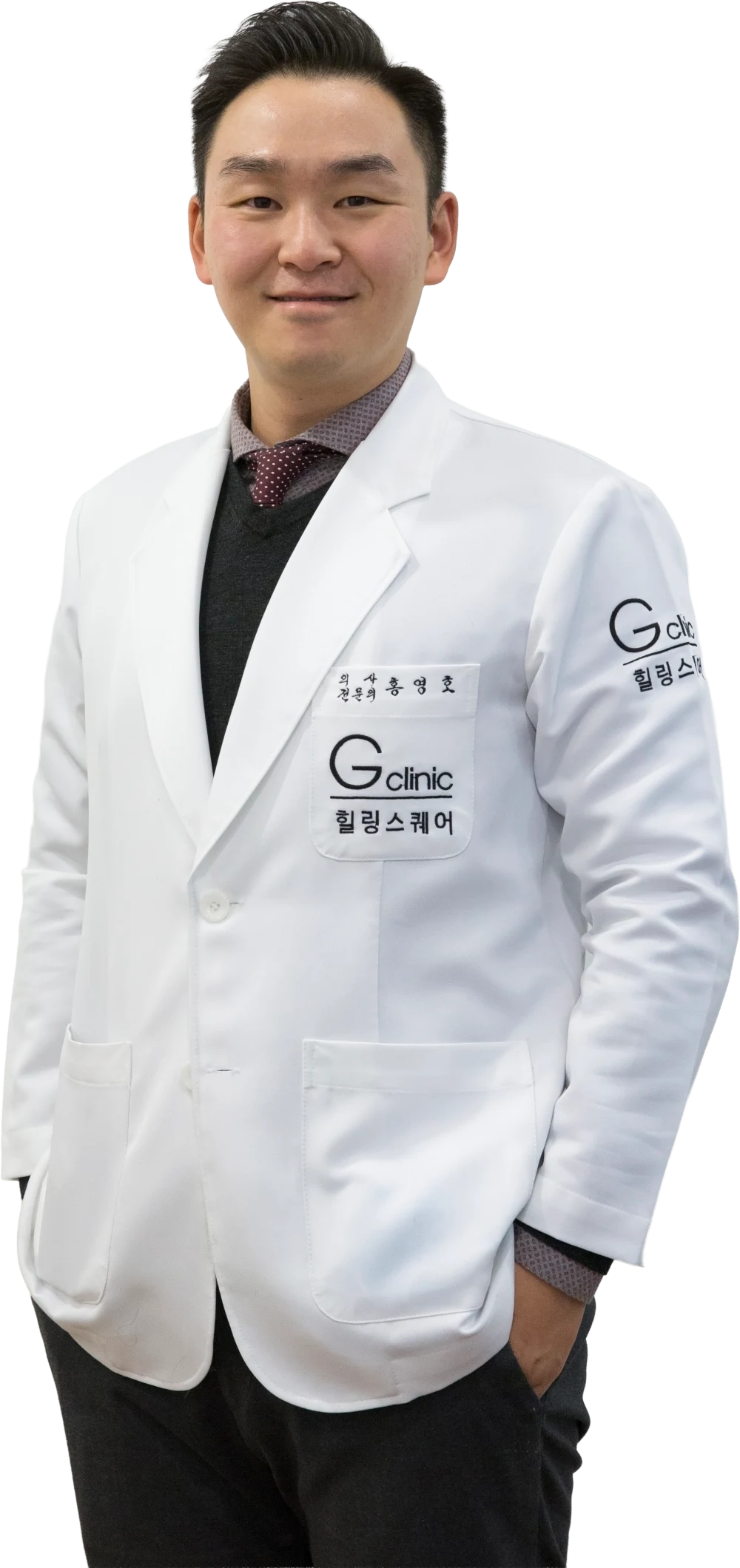
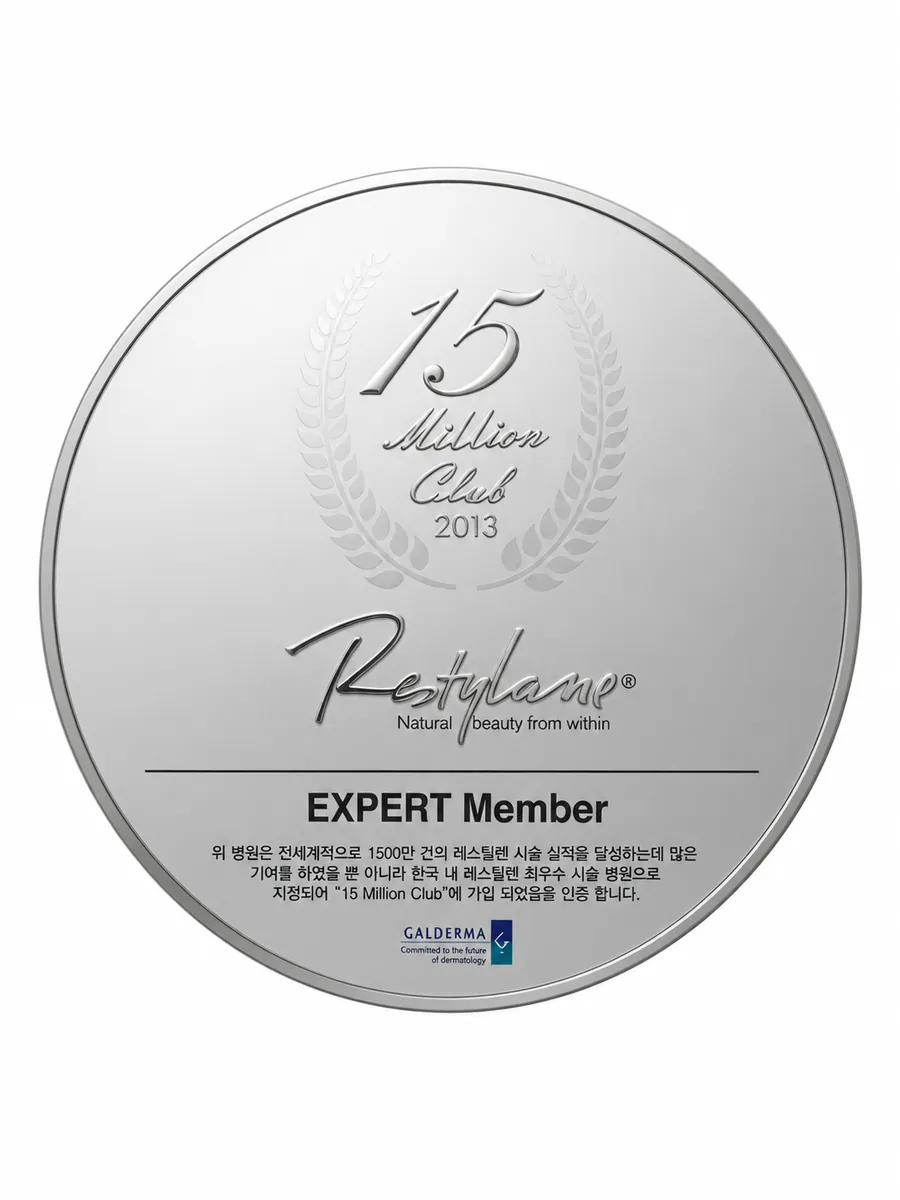
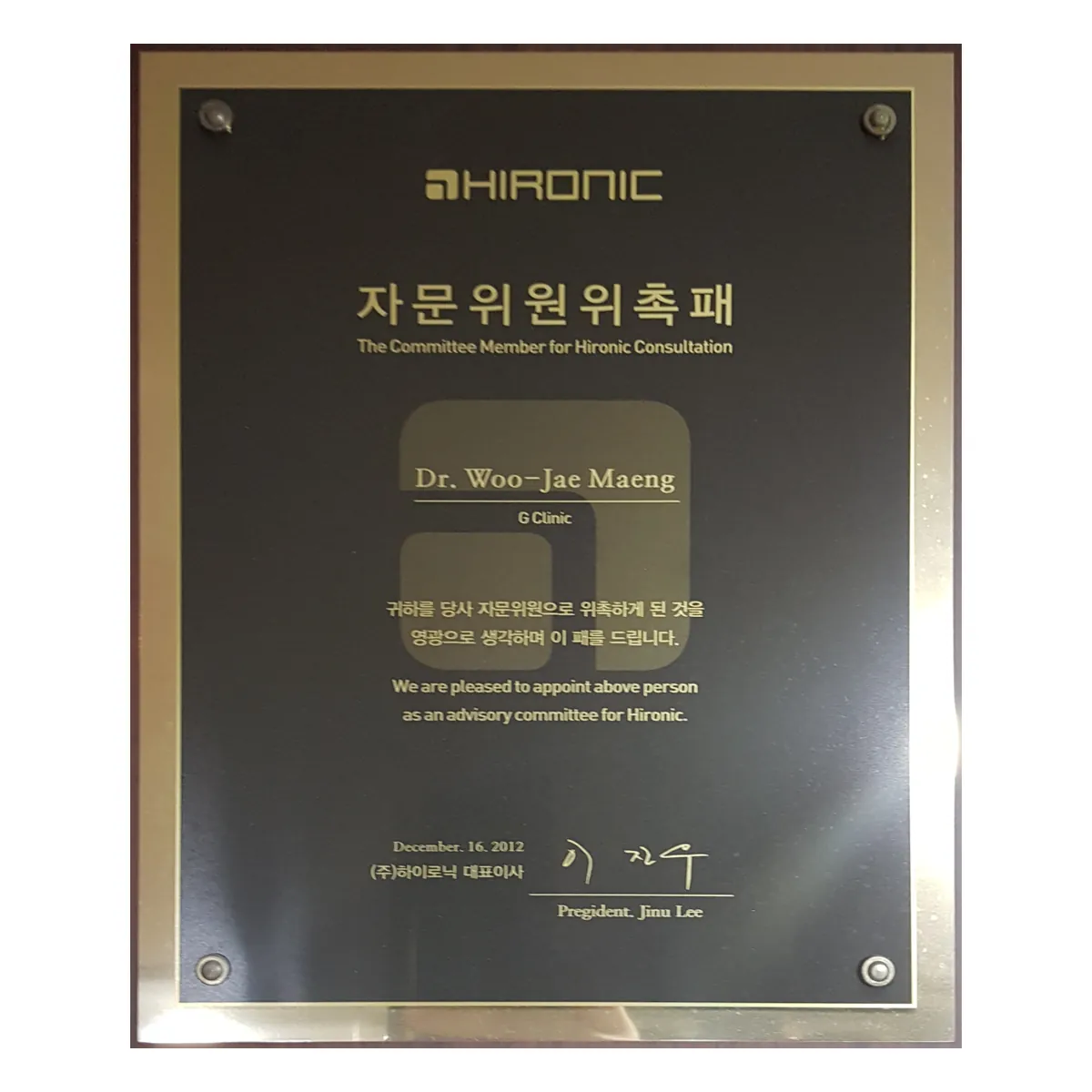
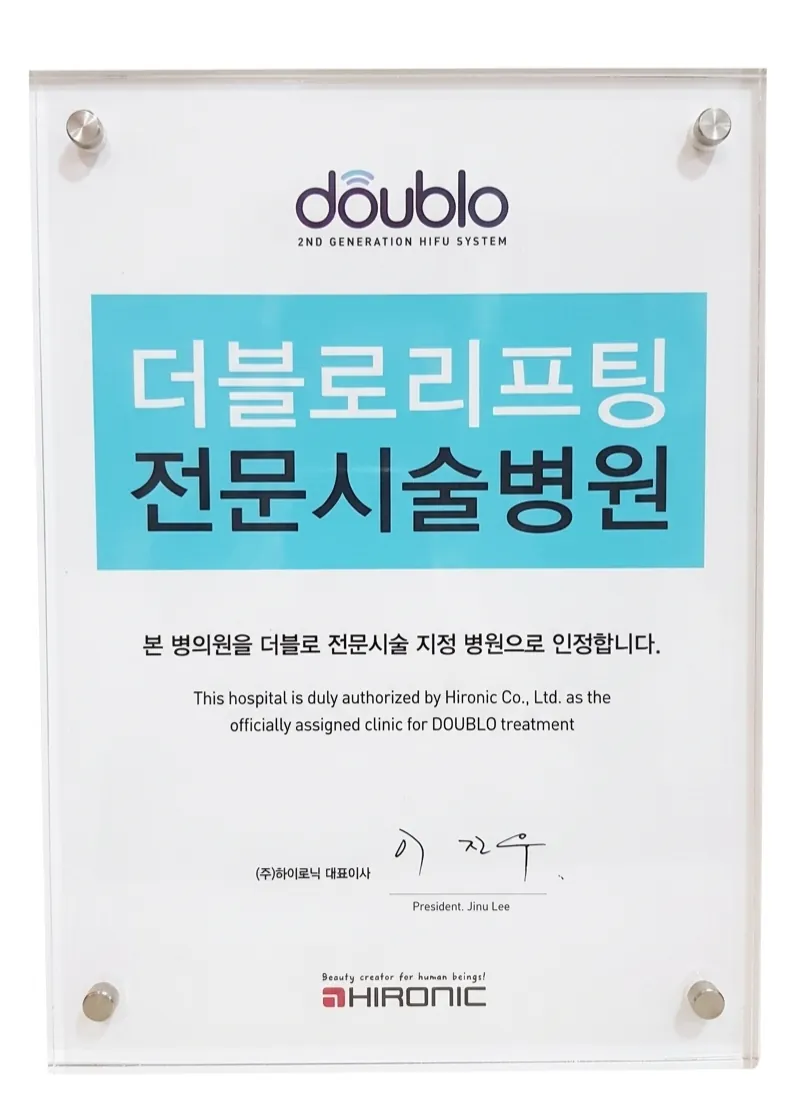
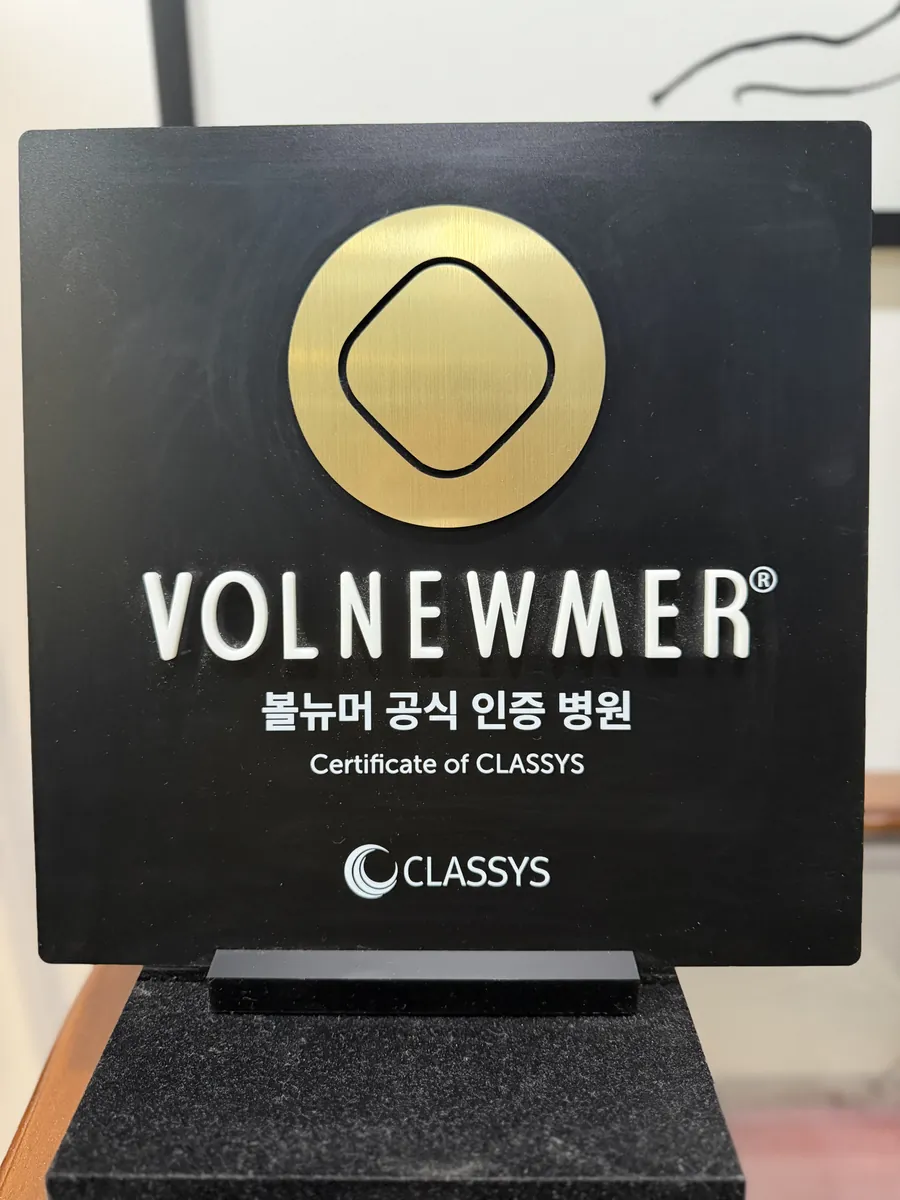
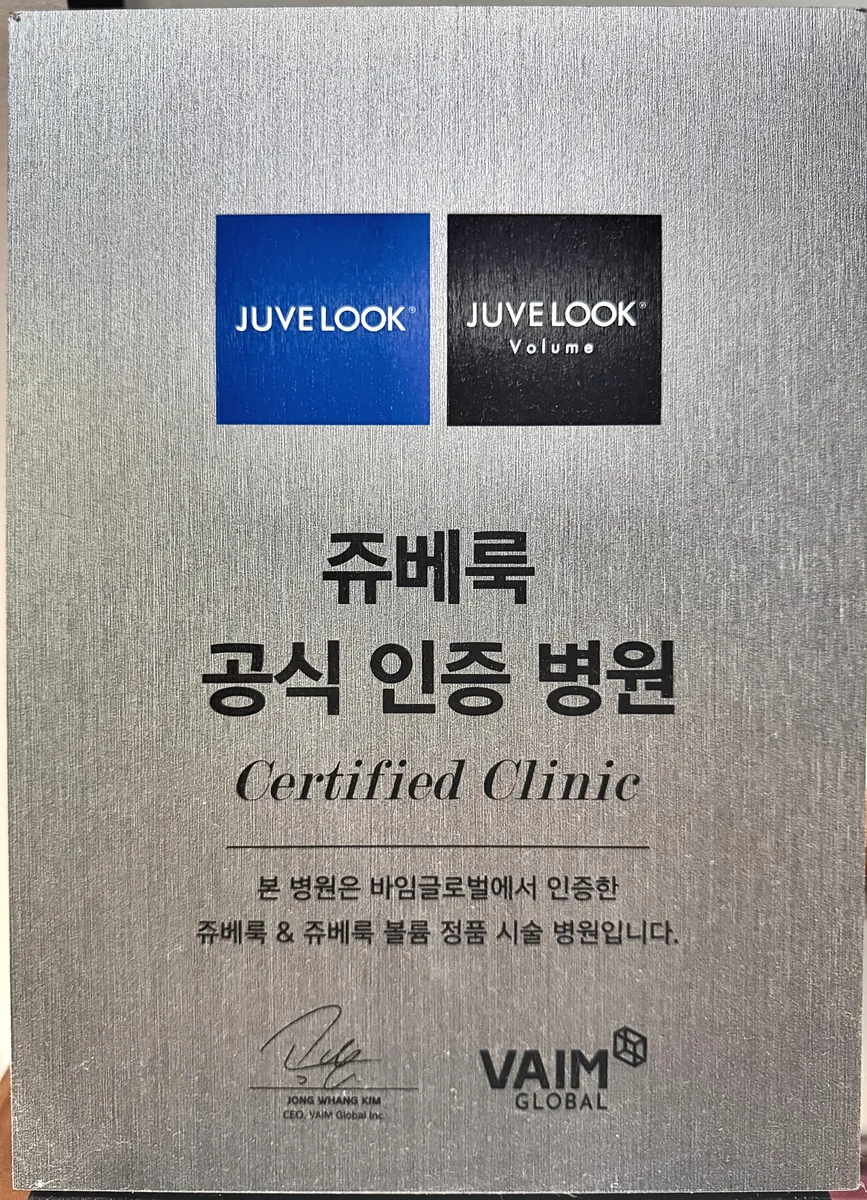
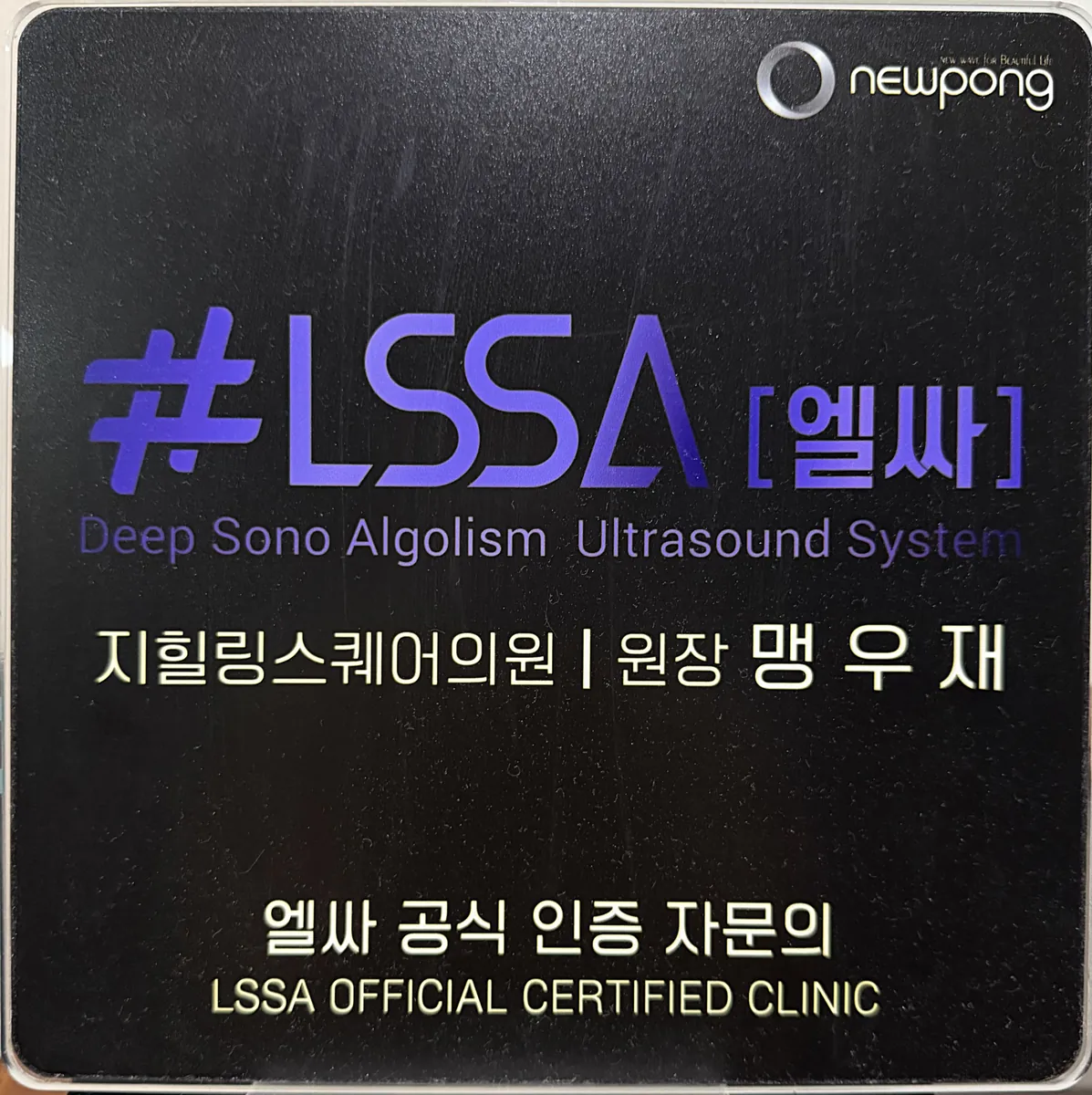
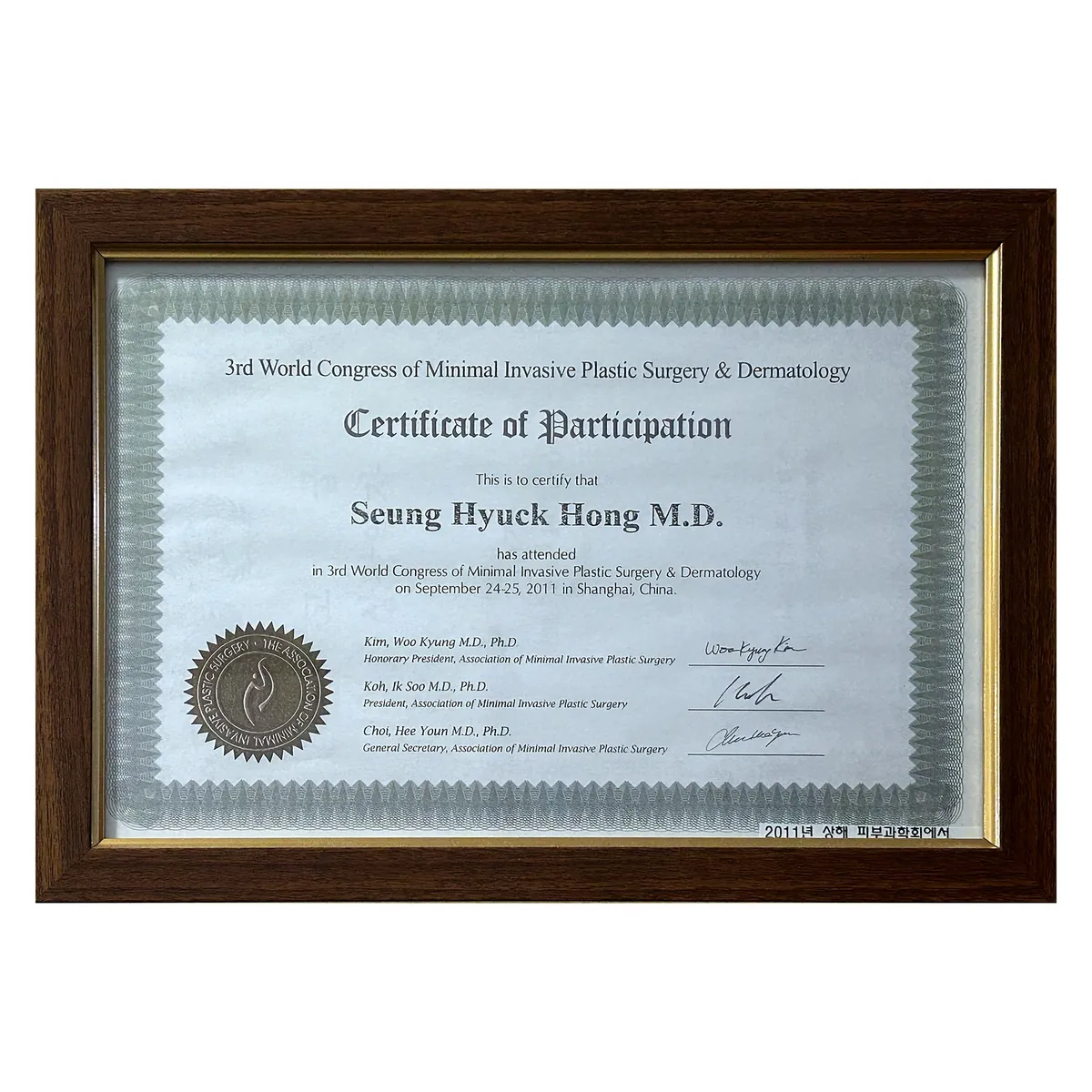
The G Clinic name dates to a 2012 device-maker advisory appointment. Each recognition below is stated as issued by its organisation.










Share your details and our team will reply through your preferred messenger. Consultation is free and pricing is quoted at your free consultation.
Thank you — our English coordinator will reach out as soon as possible.