★★★★★
Recommendations are made based on actual circumstances. The attitude is very good. Highly recommended.
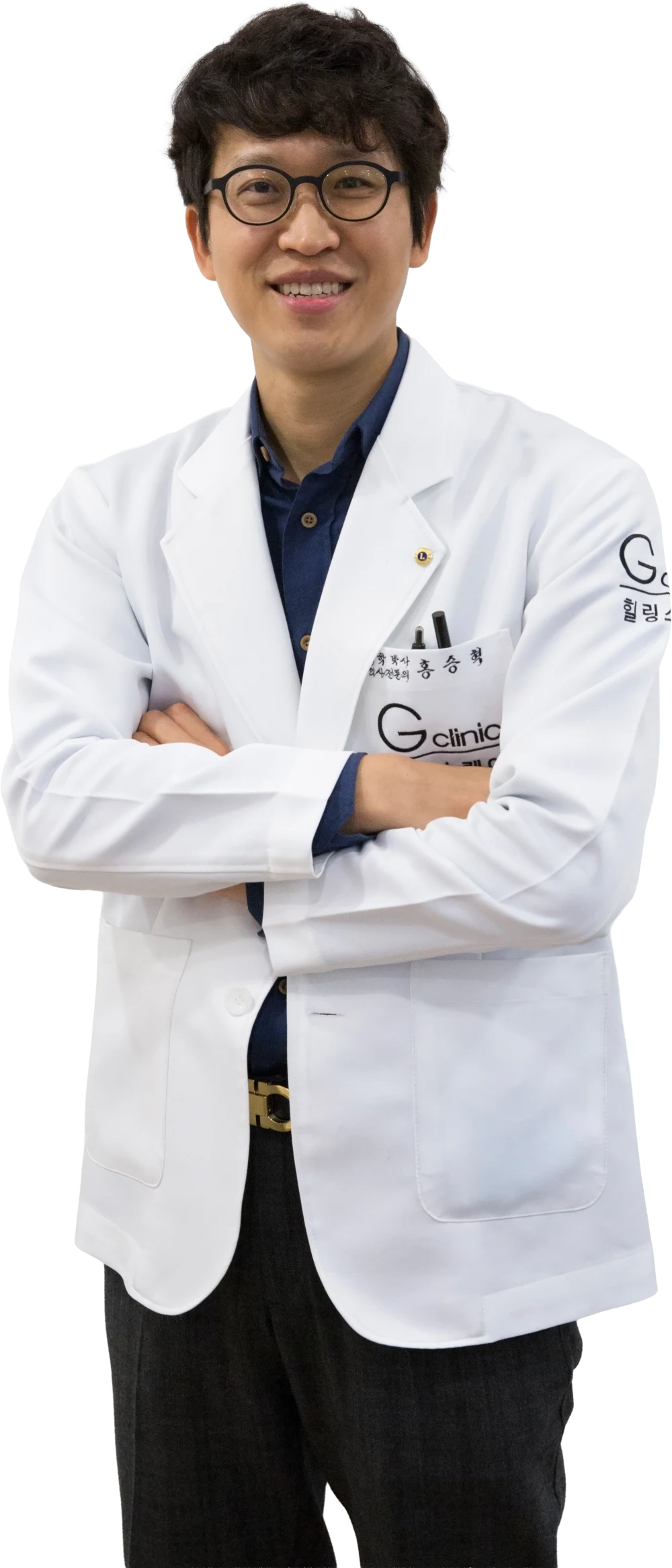
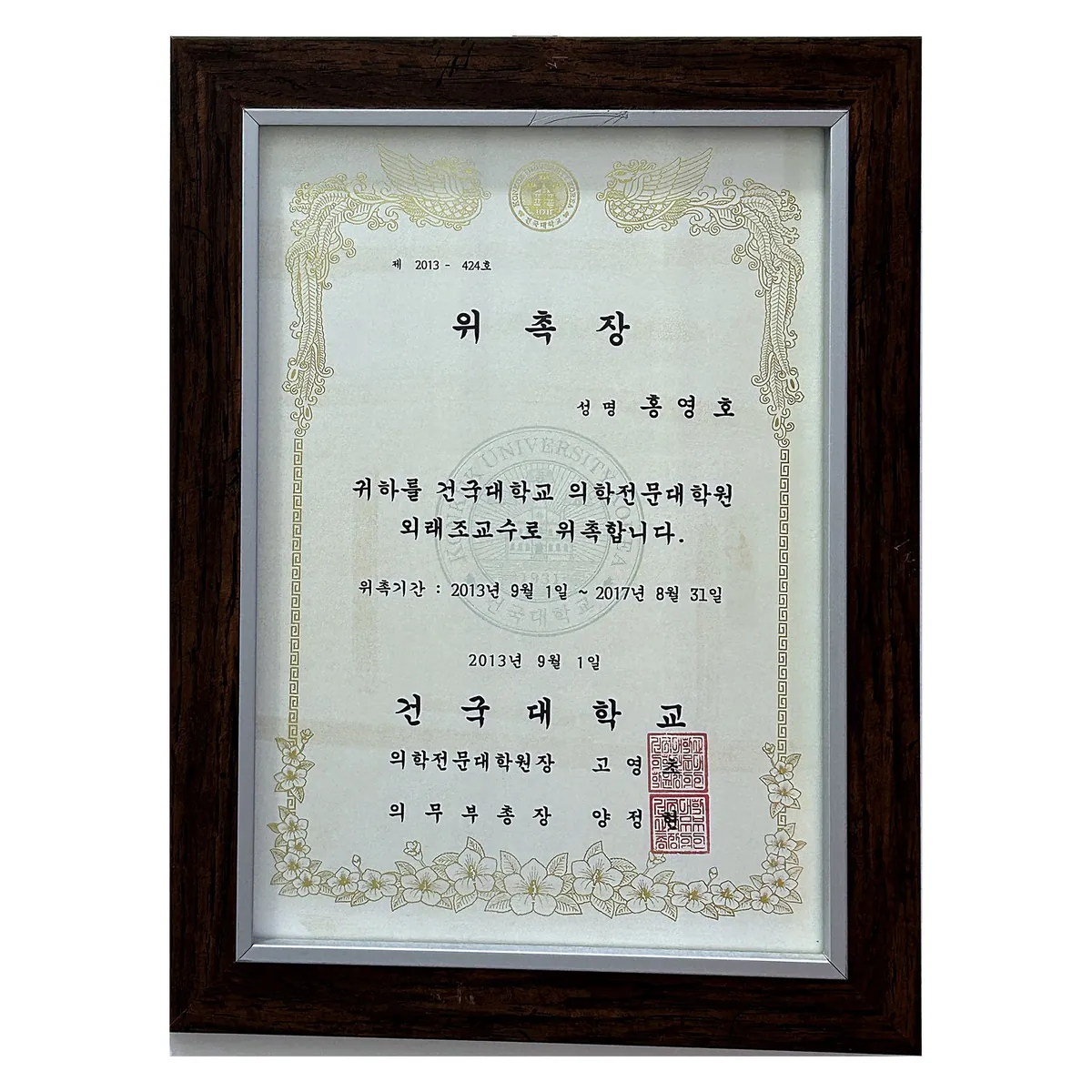
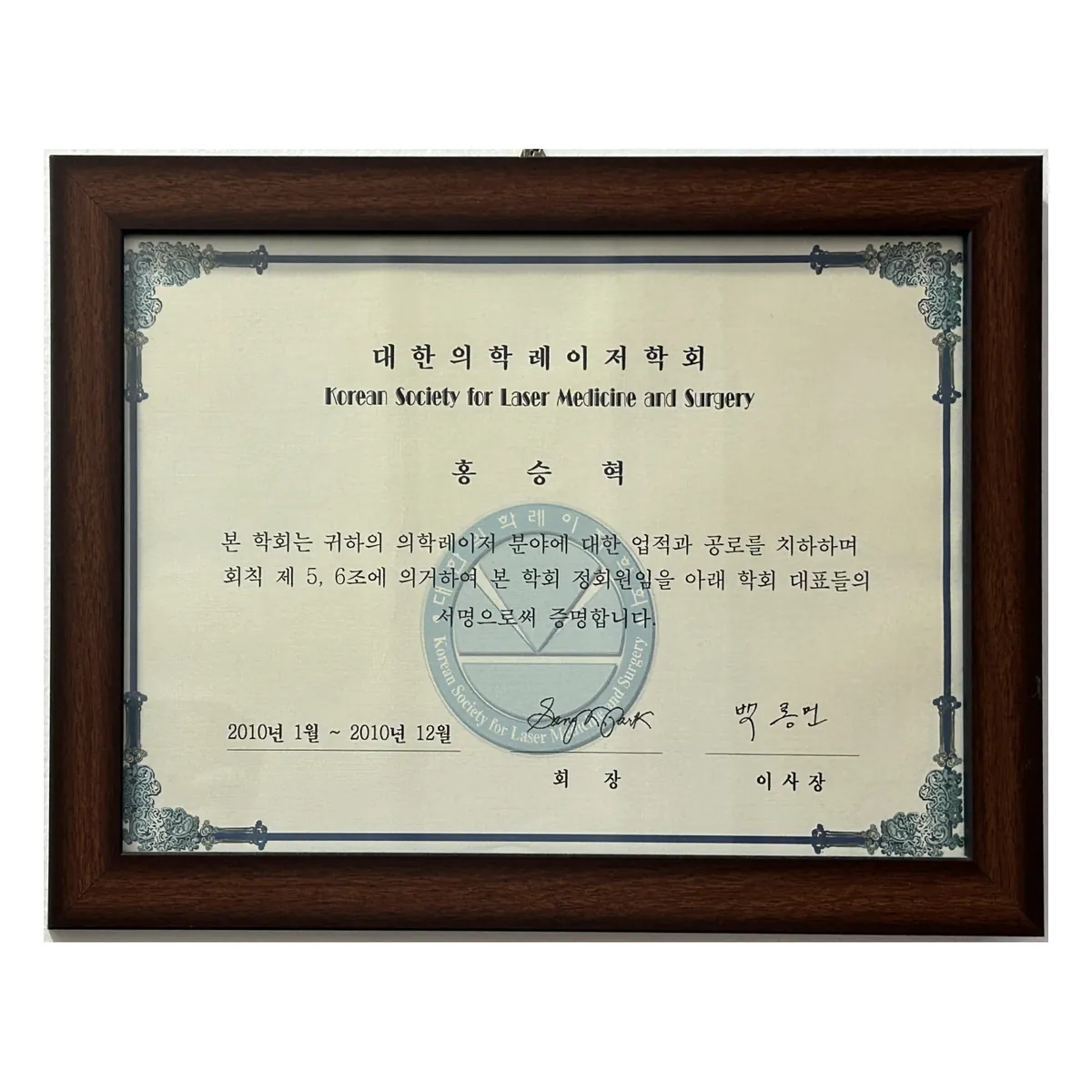
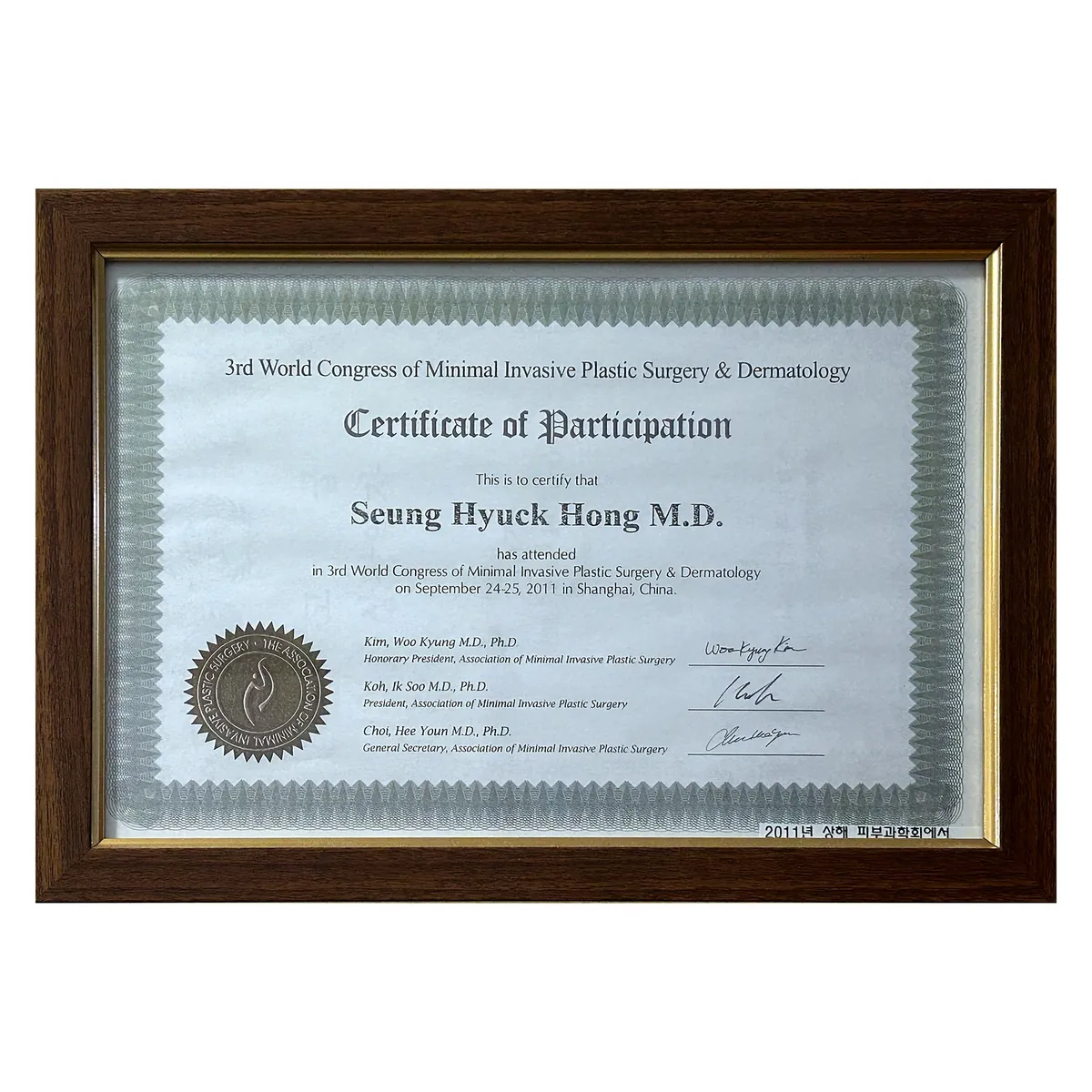
The sweat test, the grid and every injection are handled by the same person: Dr. Hong Seung-hyuk, Dr. Maeng Woo-jae and Dr. Hong Young-ho are board-certified Family Medicine specialists working in aesthetic dermatology on site, and one of them takes your armpits or palms from examination through review. You stay awake under local anaesthesia, walk out the same hour, and hear what the treatment cannot do before you agree to it.
It suppresses sweating across the field that gets treated, for as long as the effect holds. Sweat glands in armpit skin release nothing until a nerve ending tells them to, and botulinum toxin type A placed just beneath the surface blocks the chemical messenger carrying that instruction. No gland is removed and no tissue is cut; the gland simply stops receiving the order, and the skin above it stays dry until nerve signalling recovers on its own. Palms answer to the same principle with a different set of trade-offs, since the muscles that grip sit close by. Sweating driven by an underlying medical condition is a separate question and gets investigated before any needle appears. Sweat treatment has a published rate at G Clinic, with underarms and palms each on their own line in the table on this page, and your plan is confirmed face to face at the free consultation in Gangnam, Seoul.
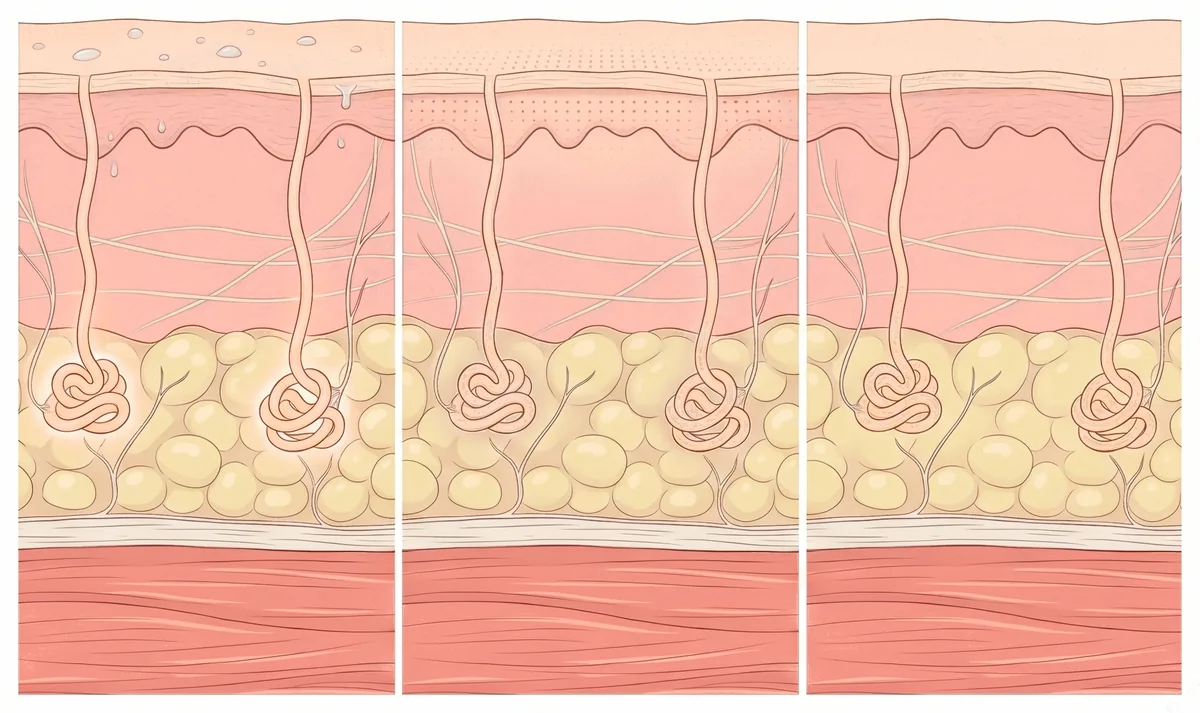
Four stages, from the moment a director asks how your shirts behave in August to the moment you are told when you may shower.
A director paints the dry armpit with iodine solution, dusts starch powder over it, and watches. Wherever sweat surfaces, the powder turns a deep violet-black, and the stain draws the true working area for you both to see. That patch is often wider than the hairy zone patients assume it to be, and on one side it is frequently larger than on the other. Your history is taken in the same sitting: when the sweating started, whether it wakes you at night, what medication you take and whether anyone else in the family has it. The consultation itself costs nothing.
The stained field is wiped clean and marked out as an even grid of points, because a treatment that clusters in one corner leaves wet patches around its edges. Skin here is thin and richly supplied with nerves, so topical anaesthetic cream, chilled packs or both go on beforehand and are given time to work. Palms get more numbing attention than armpits do, since the skin of the hand reports every puncture loudly. Local anaesthesia keeps you awake and conversational throughout; sedation is available across other G Clinic services at an additional cost and has no place in an appointment this short.
A fine needle deposits a small quantity at each marked point, staying deliberately shallow. Sweat glands sit in the skin itself, so depth is the enemy here: go deeper and the product reaches muscle that has nothing to do with sweating. The director moves point by point across the grid, and most patients describe a series of quick stings that stop the moment the needle lifts. Nothing is stitched and no dressing goes on. You sit up, the marks are cleaned off, and the treated skin looks slightly pink for a short while.
You are asked to leave the area alone: no rubbing, no deodorant over fresh punctures, no sauna, no jjimjilbang, no heavy training until your director clears it, and no shaving of the armpit for the period specified. Because dryness arrives gradually and not on the table, the review carries real weight. A director looks at the field once the effect has settled, repeats the starch test where it helps, and treats any patch that stayed stubbornly active. International patients who fly out quickly do that review by message with photographs.
Eccrine sweat glands are coiled tubes buried in the skin, and they are not self-starting. Each one waits for a nerve ending alongside it to release acetylcholine, the chemical messenger that tells the gland to push fluid to the surface. Heat, exercise, a stressful meeting or a first date all reach the gland through that same relay. In hyperhidrosis the relay is simply overactive: the glands are normal, the wiring is normal, and the volume is turned up far past what body temperature requires.
Botulinum toxin type A interrupts that release. Placed into the skin where the nerve endings meet the glands, it prevents acetylcholine from being handed over, and a gland that never receives its instruction produces nothing. The gland stays intact and undamaged, waiting. Over time the nerve endings regenerate their machinery, the messenger flows again, and sweating returns to the level it had before, which is exactly why this is a repeating appointment and never a one-off.
The same molecule is used across the wider toxin family for a completely different purpose, where the target is a muscle and the goal is a weaker contraction. Those uses, including expression lines and the shoulder line, are set out on the botox in Gangnam hub. This page stays with sweat glands, and the difference matters: depth, dose spacing and the map on your skin are all decided by the fact that glands, and not muscles, are the target here.
Excessive sweating splits into two families, and the examination exists to separate them. Primary focal hyperhidrosis is the common one: it settles on specific sites such as the armpits, palms, soles or scalp, it usually starts in adolescence, it is often symmetrical, it frequently runs in families, and it switches off while you sleep. That pattern is what responds well to injections into the skin.
Secondary hyperhidrosis behaves differently and points somewhere else. Sweating that came on suddenly in adult life, soaks the whole body at once, drenches the sheets at night, or arrives with weight loss, fever or palpitations may be driven by a thyroid problem, a hormonal shift, an infection or a medication you are already taking. A director asks about all of that on purpose. Where the picture looks secondary, you are told to have the cause investigated first, and treating the surface while the real driver sits untouched is not something this clinic agrees to do.
Two neighbouring complaints get raised at the same appointment and are worth naming. Odour and wetness are not the same thing, and while a drier armpit usually smells less, bacteria and clothing fibres play their own part. Fullness at the front of the armpit is a third question again: soft tissue that bulges over a bra strap is volume, not moisture, and localised fat is handled through G-fat fat dissolving injection or, where the volume is larger, through liposuction in Korea. A director will say plainly which of the three you actually have.
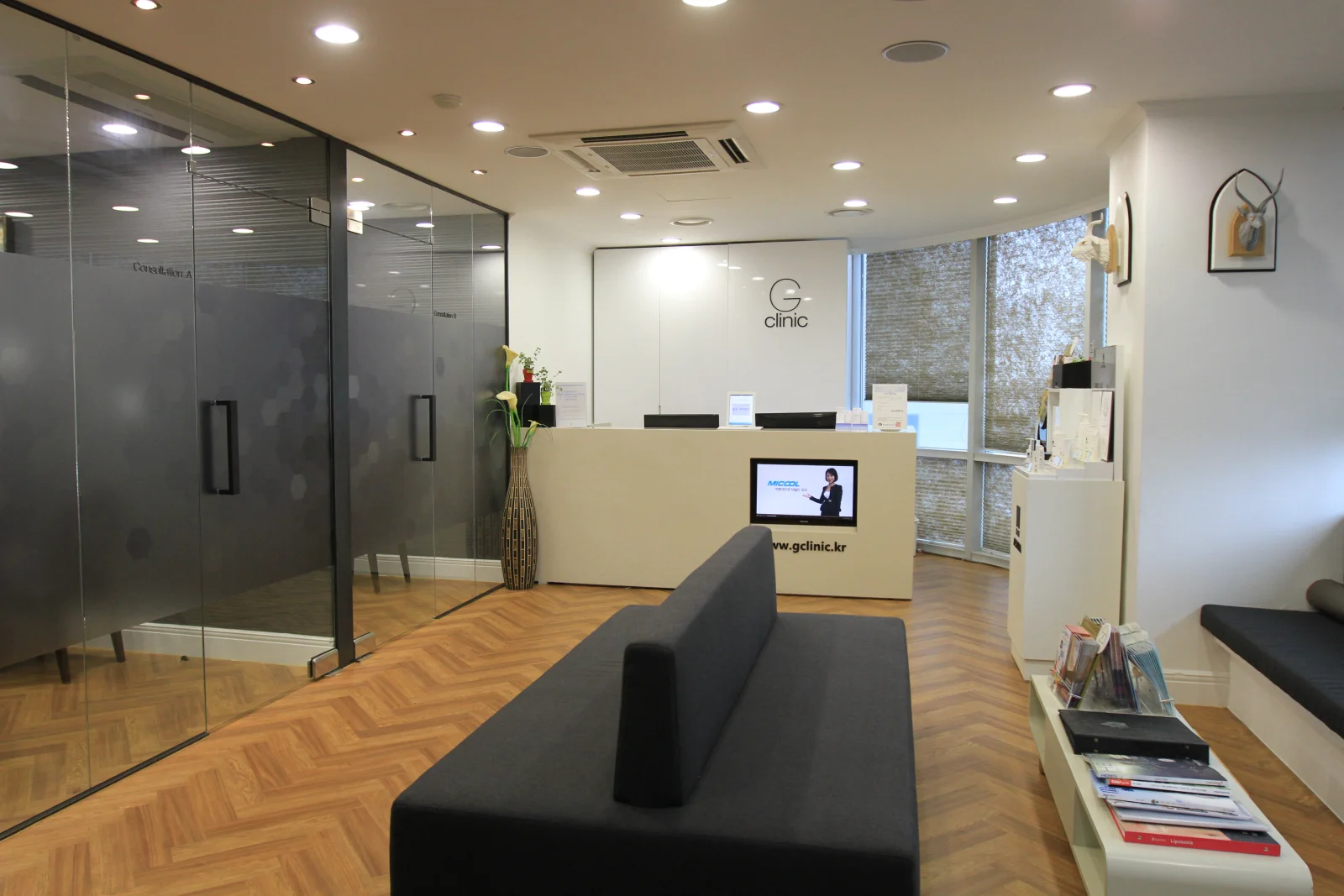
The patient this suits is an adult in reasonable health whose sweating is focal, long-standing and disruptive: shirts ruined by mid-morning, a hand too wet to shake, paper that buckles under the palm, a jacket kept on through every meeting. Antiperspirants having failed is a common history and a reasonable reason to be sitting there. Wanting a dry summer, a comfortable wedding or a presentable handshake at work are all goals a director will take seriously.
Several people are declined on the spot and told the reason. Anyone pregnant or breastfeeding waits. A diagnosed neuromuscular disease such as myasthenia gravis, or another disorder of the junction between nerve and muscle, is a firm exclusion. An active skin infection, an inflamed follicle or a break in the skin over the field postpones the appointment until it has healed. A current course of aminoglycoside antibiotics postpones it too, because that group can amplify the effect on nerve and muscle. Anyone who has reacted badly to a botulinum toxin preparation before is not treated again with one.
Then come the refusals that patients find harder to accept. Where the story sounds secondary, the answer is investigation first and injections later or never. Palms bring their own caution: a musician, a surgeon, a climber or anyone whose living depends on fine grip strength is warned in detail that a temporary drop in pinch strength is a recognised outcome of hand treatment, and some are advised to leave the palms alone entirely. A patient who wants odour dealt with is told what this does and does not touch. Nobody is asked to sign on the day, and you may walk out with a no. Where the real complaint turns out to be pores, oiliness and texture on the face, the intradermal approach on the skin botox page is the relevant conversation.
You leave the clinic still sweating, and that is the expected course. The block takes hold as the nerve endings across the treated field stop releasing their messenger, so patients tend to notice the change first in ordinary moments: a shirt that stays dry through a commute, an armpit that no longer prickles when a meeting turns tense, a palm that leaves no print on a glass. The shift is usually described as sudden once it comes, since dry skin in a place that was reliably wet is hard to miss.
What the treatment delivers is a marked reduction across the field that was mapped, and patients who expect an absolute switch are corrected before they consent. Sweating at the borders of the treated zone can persist, which is precisely what the starch test at the review is for. Body-wide thermoregulation carries on as normal, because only a small area has been quietened and the rest of your skin is untouched.
The effect is temporary in every patient. Nerve endings regenerate, the messenger flows again, and sweating returns to the level you started from, so this is planned as a repeating appointment timed around your own calendar. Many patients book ahead of the humid Seoul summer or before a wedding season and then repeat when the wetness announces itself. How long your own result holds depends on the area treated, how much of it was covered and your individual physiology, and a director gives you a personal expectation at the review. Results vary between patients.

Sweat treatment has a published rate, with underarms and palms each on their own line in the table on this page. Which sites you want treated and how large the active field turns out to be under the starch test are known only after a director has examined you, and your plan is confirmed at the free consultation, before anything is agreed, and you are free to leave with it and think about it. Underarms and palms are quoted as separate sites.
| Treatment | Option | Price (KRW) |
|---|---|---|
| Sweat botox (hyperhidrosis) | Underarms | ₩220,000 |
| Sweat botox (hyperhidrosis) | Palms | ₩220,000 |
All prices in KRW, excluding VAT (10% VAT is added at payment). Final cost depends on the treatment plan confirmed at consultation. Published rates as of 2026-11-03.
This is a medical procedure with genuine risks, and a director goes through them before you consent. The common events are local and short-lived: pinpoint bruising at the puncture sites, redness, mild swelling, tenderness for a day, occasionally a headache or a flu-like feeling in the first day or two. Armpit skin bruises readily, and anyone on blood thinners or fish oil, or who drank the night before, bruises more.
Compensatory sweating is the complaint worth understanding in advance. When one region is quietened, some patients report that sweating seems more noticeable somewhere untreated, such as the back, chest or forehead. Reports of this after injection into the skin are generally mild and far less troublesome than the version described after surgical nerve division, and it is still a real possibility and it is stated before you agree to anything. A second area is not simply injected in response; the director reassesses first.
Palms carry a specific and named risk: temporary weakness of the small muscles of the hand. Because those muscles lie close under the skin being treated, some spread is possible, and the result is a period of reduced pinch or grip strength, a weaker key turn or a clumsier jar lid. It resolves as the effect wears off, and a temporary problem is still a real one while it lasts. Beyond that, the treated area can respond unevenly and leave a damp patch that needs a top-up, occasional itching or a small firm lump at a puncture point can appear, and a small number of patients respond poorly to a given course. Compensatory sweating, hand weakness, bruising and uneven response are the four your director will name to you out loud. Stay upright for the rest of the day, keep heat and pressure off the field, and contact the clinic if redness or pain increases after the first day, if a bruise keeps spreading, or if hand weakness interferes with your work. One of the three directors is in the building whenever the clinic is open. Patients treating the shoulder line on the same trip should read the separate cautions on the trapezius botox page, because the areas behave differently.
There is no recovery period in the ordinary sense. You leave with faint pinpoint marks that settle within the day, and almost everyone goes back to the office, to dinner or to an afternoon around Gangnam. Loose sleeves are more comfortable than a tight shirt for the rest of the day, and a dark top spares you thinking about it at all. Deodorant waits until the punctures have closed and your director says so.
A few habits pause briefly. Saunas, hot baths, a jjimjilbang visit and hard training all raise the temperature of skin that has just been injected, so they wait for the window your director specifies. Shaving the armpit waits as well, since a razor over fresh punctures invites irritation. Palm patients are told to skip the gym grip work and to be careful with heavy jars and door keys until they know how their hand feels.
Flight timing is straightforward and worth planning anyway. The appointment itself costs you no days, so it slots into a trip easily, and many patients pair it with something equally undemanding on the same visit, such as the chewing-muscle treatment described on the jaw botox page. What a short trip cannot always cover is the review, since dryness needs time to declare itself. Our coordinators either fit the review into a longer stay or run it remotely with photographs and, where you can manage it at home, a repeat of the starch test.
Three approaches to the same complaint, laid out so your consultation starts from the right question.
| For heavy focal sweating | Sweat botox | Topical antiperspirant | Surgical nerve division |
|---|---|---|---|
| What it targets | The nerve signal reaching the sweat glands | The gland openings at the skin surface | The sympathetic nerve chain inside the chest |
| How it is delivered | Shallow injections across a mapped grid | Applied by the patient at home | An operation under general anaesthesia |
| Anaesthesia | Local, awake; sedation optional at extra cost | None | General anaesthesia |
| When it acts | Over the days after the appointment | Only while it is being applied | Immediately after surgery |
| How long it lasts | Temporary; planned as a repeating visit | Ends when application stops | Lasting, and not reversible |
| Repeat visits | Timed around your own season | Daily or near-daily routine | A single operation |
| Main drawback | The effect fades and has to be repeated | Irritation, and limited help in severe cases | Compensatory sweating that can persist long afterwards |
This table is general information about the approaches themselves, and it names no product and no clinic. Which route suits you depends on your pattern of sweating, your health and what you have already tried, and a medical director works through it with you at the free consultation.
Botulinum toxin type A has a long peer-reviewed record, and three papers show the range of questions asked of it. The one closest to this page is a randomised, parallel group, double blind, placebo controlled trial of botulinum toxin type A in the treatment of bilateral primary axillary hyperhidrosis, published in the BMJ (Naumann, 2001). A second paper reports the use of botulinum toxin type A in aesthetic mandibular contouring, where the target is a chewing muscle and the aim is a narrower lower face (Kim, 2005). A third sets out consensus recommendations on the use of botulinum toxin type A in facial aesthetics, drawn up by a panel reviewing practice across the face (Carruthers, 2004). These are published studies about the molecule and its applications. None of them reports outcomes at G Clinic, none of them describes what your own armpits or palms will do, and no specific outcome is promised here on their basis.
Sweat treatment has a published rate, and underarms and palms each appear as their own line in the table on this page. Which sites you want covered is confirmed by a director in person after the starch test at the free consultation. Underarms and palms are counted as separate sites. You can ask for the quotation to be prepared in advance through the consultation form.
Your sweat glands do nothing until a nerve ending beside them releases acetylcholine, the chemical messenger that orders them to work. Botulinum toxin type A placed into the skin blocks that release, so the gland waits for an instruction that never arrives and produces nothing. The gland itself is left intact and undamaged. When the nerve endings rebuild their machinery over time, the messenger flows again and your sweating comes back.
It is a simple map, not a procedure. A director paints iodine on dry skin, dusts starch powder over the top and waits; wherever sweat reaches the surface, the powder turns violet-black and outlines the working area. Nothing pierces the skin and there is no discomfort beyond a cold, slightly sticky feeling. The stain is wiped off before the injections begin, and the marked grid follows the shape it revealed.
Some patients report that sweating feels more noticeable somewhere untreated, most often the back, chest or forehead, and that possibility is explained before you consent. After injections into the skin it is generally described as mild, and much less troublesome than the compensatory sweating reported after surgical division of the nerve chain. Your director will not simply inject a second region in response; the pattern is reassessed at the review first.
Palms can be treated, and a temporary drop in grip and pinch strength is a recognised risk that gets stated in full beforehand. The small muscles of the hand sit close beneath the skin being injected, so some spread is possible, and the result can be a weaker key turn or a clumsier jar lid until the effect wears off. Musicians, surgeons, climbers and anyone whose work needs fine grip are counselled carefully, and some are advised against it.
Most patients describe a run of quick stings that stop as the needle lifts. Armpit skin is thin and well supplied with nerves, so topical anaesthetic cream, chilled packs or both are used and given time to take effect before anything begins. Palms report punctures far more loudly than armpits and get more numbing attention as a result. You stay awake and can talk throughout, and no dressing is needed afterwards.
Not while you are still in the building. The block takes hold as the treated nerve endings stop releasing their messenger, and patients usually notice it in an ordinary moment: a commute that leaves the shirt clean, or a tense meeting that passes without the familiar prickle. Because dry skin in a reliably wet place is hard to miss, the change is often described as arriving suddenly once it comes.
The effect is temporary for everyone. Nerve endings regenerate, the messenger is released again and sweating returns to the level you began with, so nothing worsens beyond your own baseline. That is why the treatment is planned as a repeating appointment, often timed around a humid summer, a wedding or a season of presentations. How long your own result holds varies with the area treated and your physiology, and a director gives you a personal estimate at the review.
Odour and wetness are related but separate problems. A drier armpit tends to smell less, because bacteria on the skin have less moisture to work with, and many patients say that is the change they appreciate most. Odour also depends on bacteria, clothing fibres and washing habits, though, so the treatment is offered for sweating and any effect on smell is described as a likely side benefit and never promised.
Anyone pregnant or breastfeeding, for the time being. Anyone with a diagnosed neuromuscular disease such as myasthenia gravis or another disorder of the nerve-to-muscle junction. Anyone with an active skin infection, inflamed follicle or broken skin over the field, until it heals. Anyone on a current course of aminoglycoside antibiotics, since that group can amplify the effect. Anyone whose history points to sweating driven by an underlying condition is sent for investigation before injections are discussed.
Probably not, and a director will say so. Sweating that begins in adult life, covers the whole body, drenches the bed at night or arrives alongside weight loss, fever or palpitations suggests a cause underneath, such as a thyroid or hormonal problem, an infection, or a medication you already take. The right step is to have that investigated. Treating the skin while the real driver goes unexamined is not something this clinic agrees to.
Product names are not published on this website, in line with the Korean advertising rules that cover prescription medicines. Everything used is a botulinum toxin type A preparation approved for use in Korea, stored and handled by the medical staff under clinic protocol. Your director is free to discuss the preparation with you in the consultation room, which is where that conversation properly belongs, and you may ask any question about it there.
Usually yes, because none of it demands recovery time. Directors regularly plan sweat treatment alongside expression-line areas from the botox range, alongside the shoulder line covered under trapezius botox, or alongside volume work described on the dermal filler page. One examination decides what is sensible to do in a single sitting and what is better left for another visit, and your director tells you which is which.
Verified reviews from our Google Business Profile.
Recommendations are made based on actual circumstances. The attitude is very good. Highly recommended.
I cannot recommend G-clinic highly enough. From the moment I walked in, my experience was nothing short of exceptional. The clinic itself is modern, clean, and welcoming. The front desk staff were incredibly warm and efficient. Checking in was a breeze, and they were very helpful with my new patient paperwork. The waiting time was minimal…
Process was perfect! I got some liposuction done, the doctor and staff were very nice and very professional. 100% would recommend anyone to get there procedures done here! They took out A LOT of fat! The doctor speaks perfect English as well!
Dr. Hong has perfect English and is very kind. I was glad my friend recommended me to come here via allaboutmei, it really has lived up to my expectations. The method and equipment used is very modern and top range, I was expecting to be in a lot of pain but I feel great! Thank you again Dr. Hong and all the other people that work at Gcli…
Book a free consultation and one of the three medical directors will run the starch test on your armpits or palms in person in Gangnam, Seoul, show you the field it reveals, name the risks that apply to you, and tell you whether this treatment is worth your time. Your quotation is given face to face at that visit, and you are welcome to leave and think about it.
Book ConsultationEvery consultation and procedure at G Clinic is conducted on site by one of three medical directors — never handed to a substitute practitioner. All three are Family Medicine specialists who have cared for international patients for years.


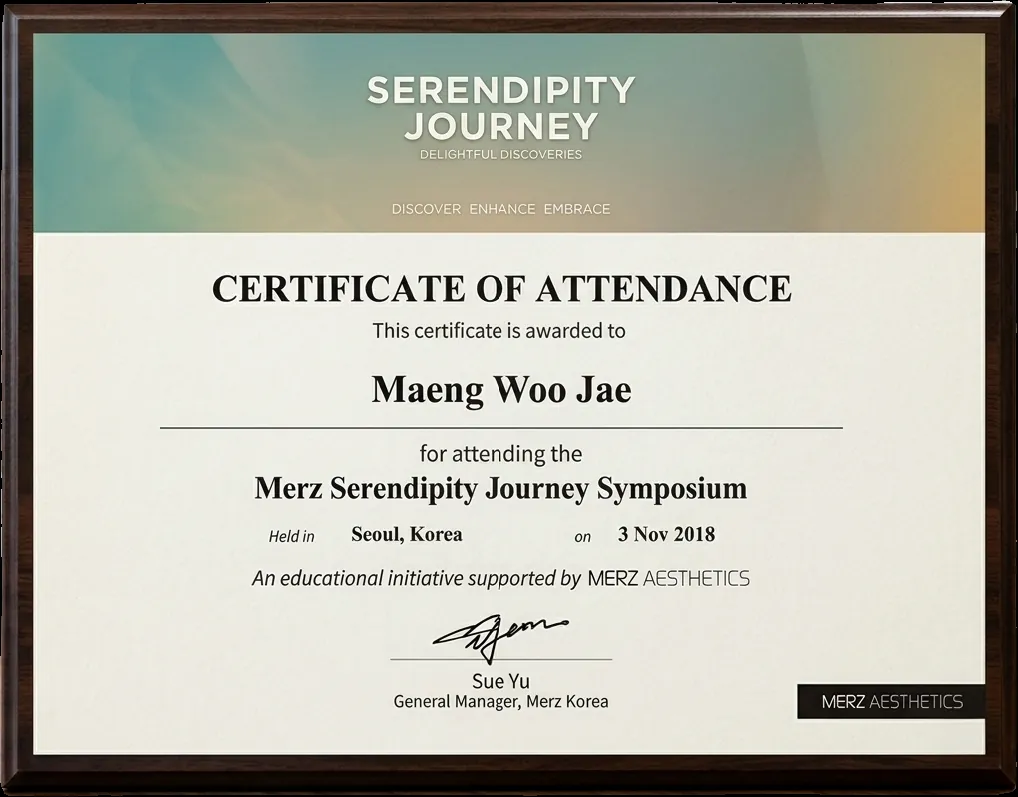
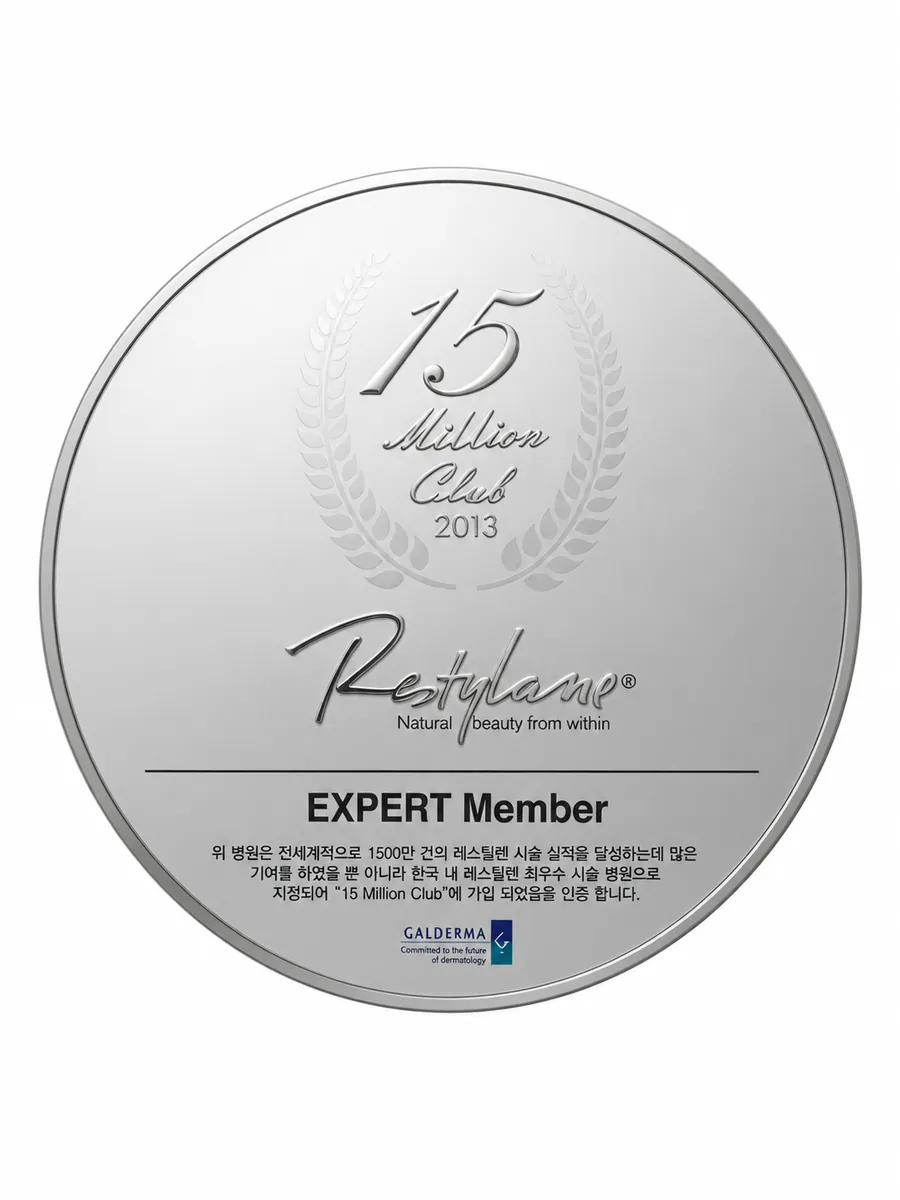
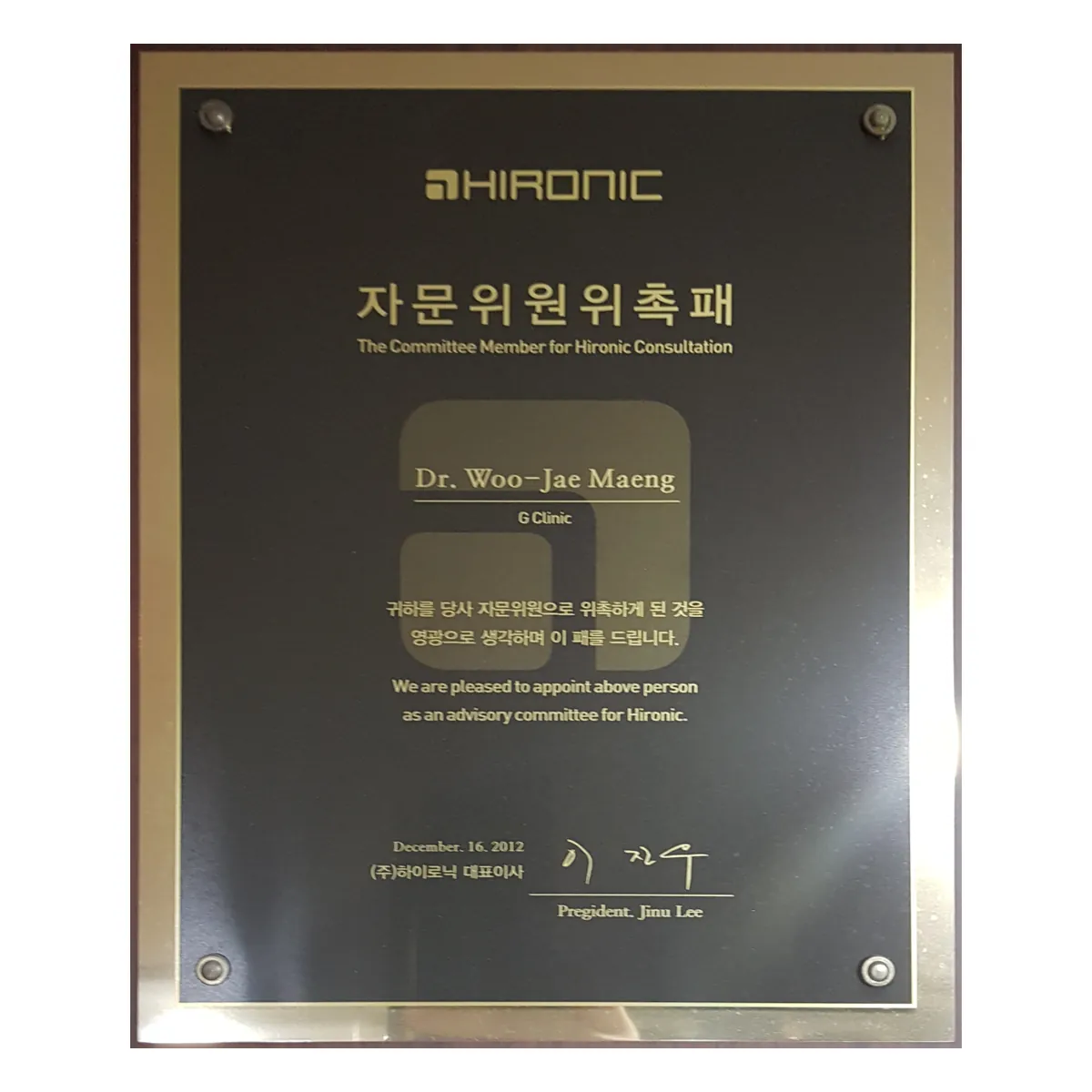
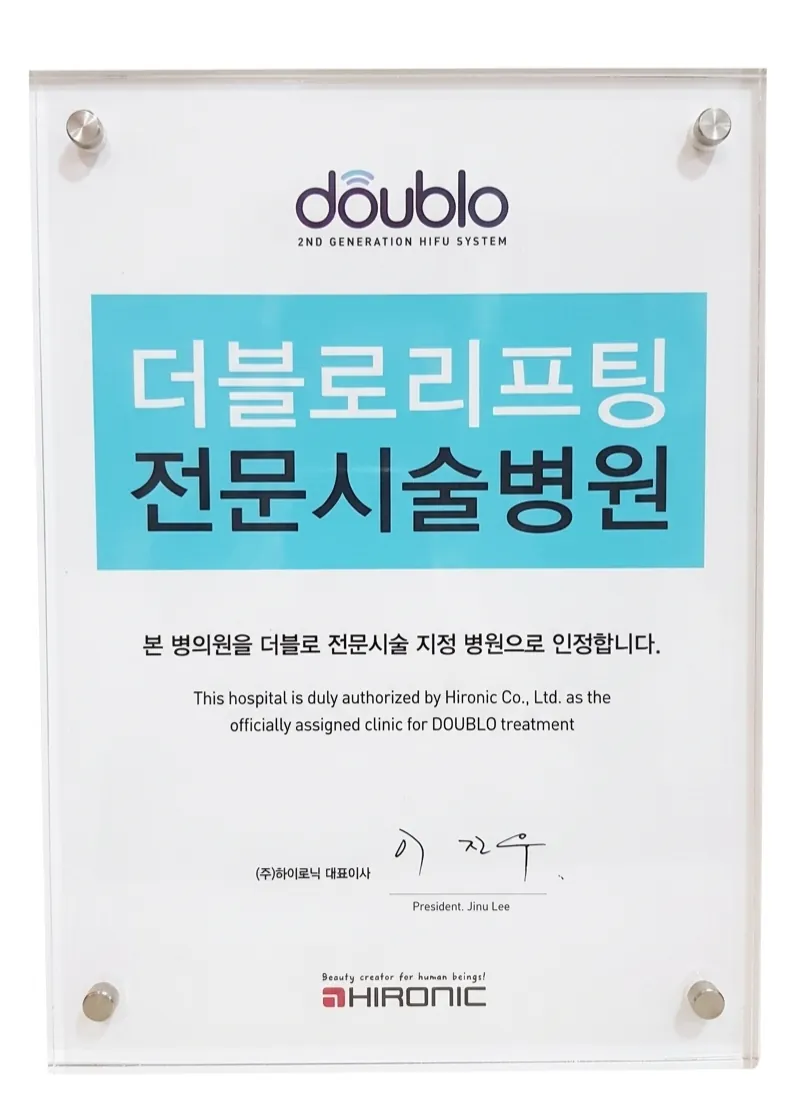
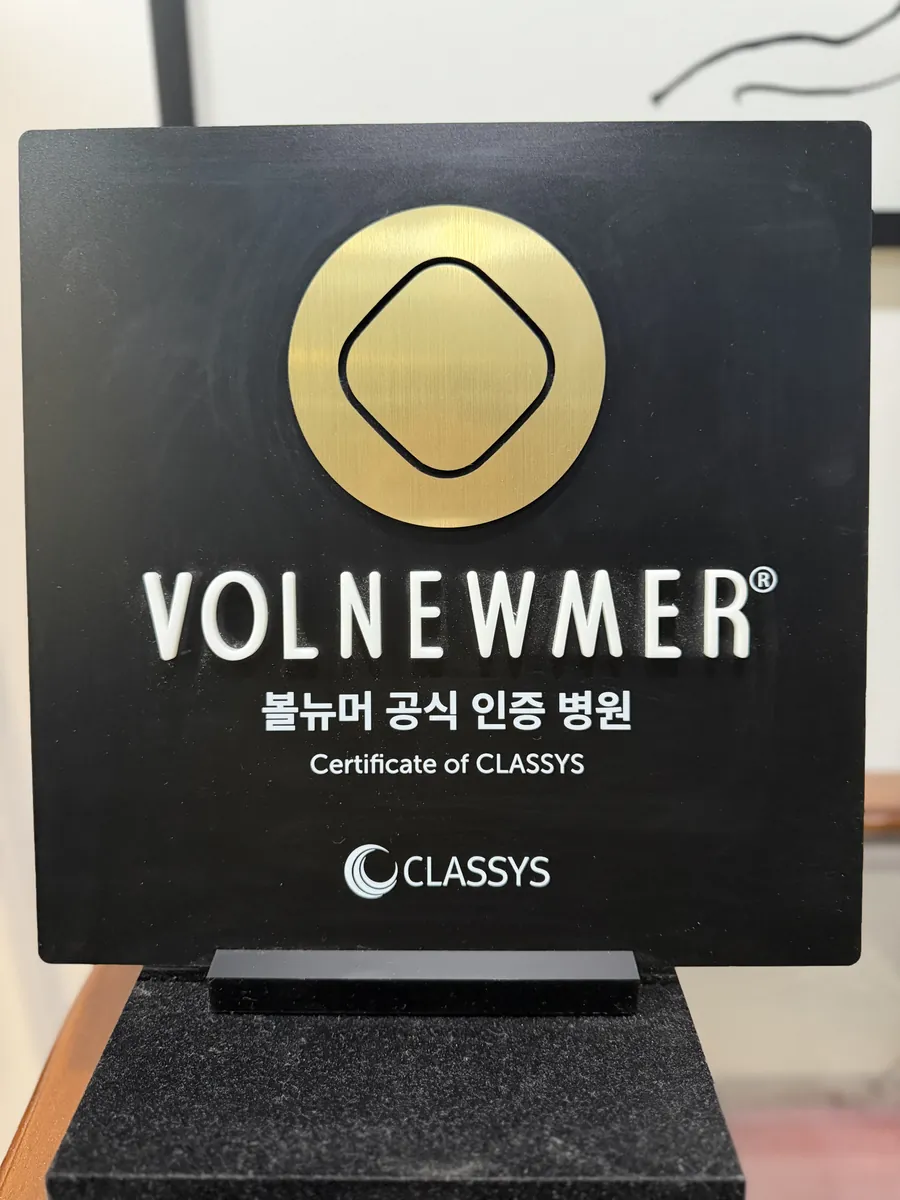
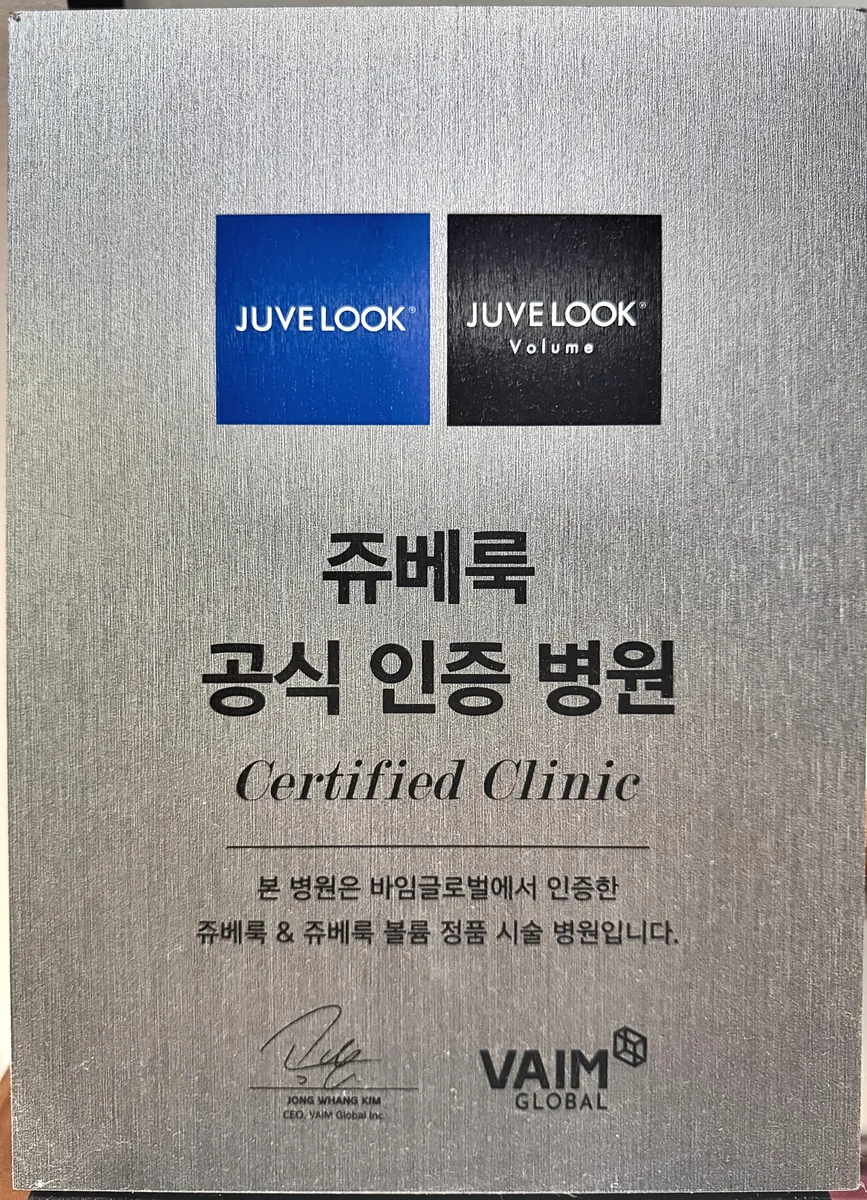
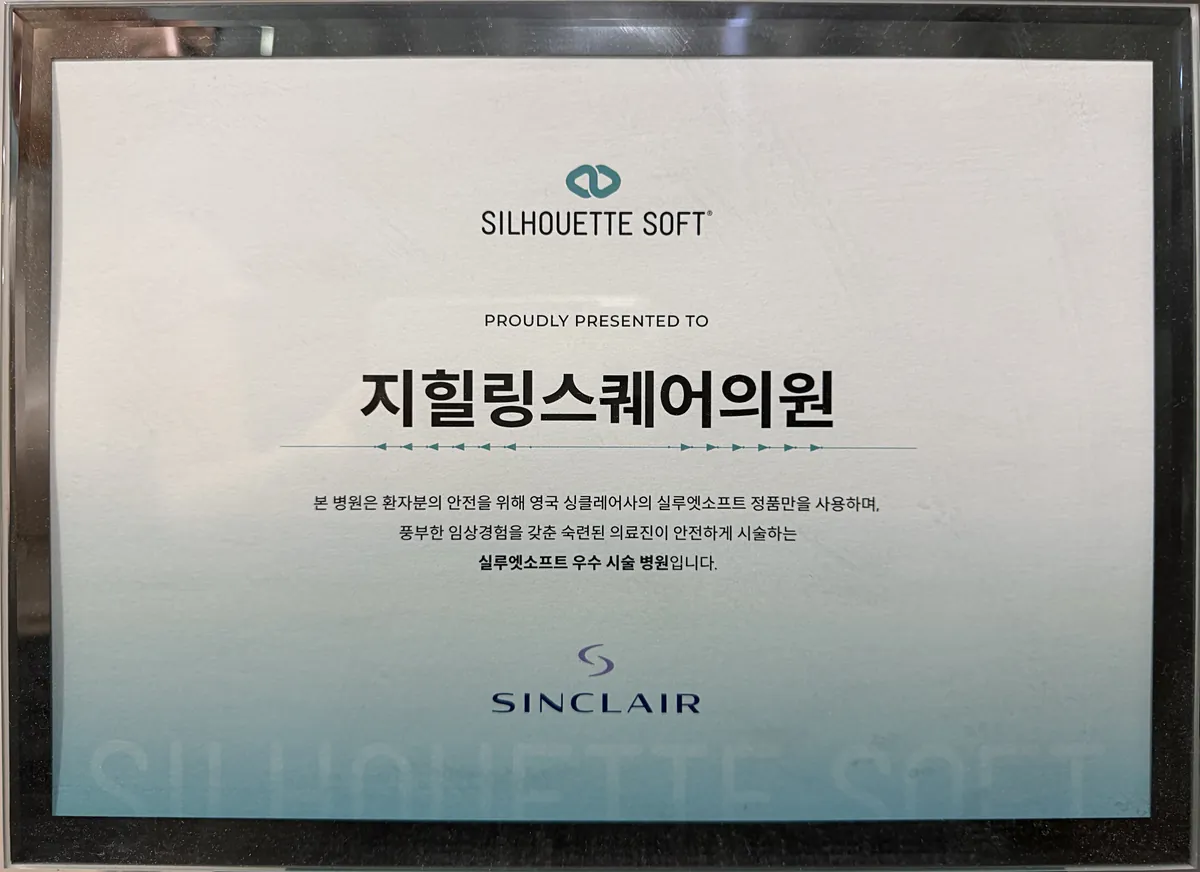
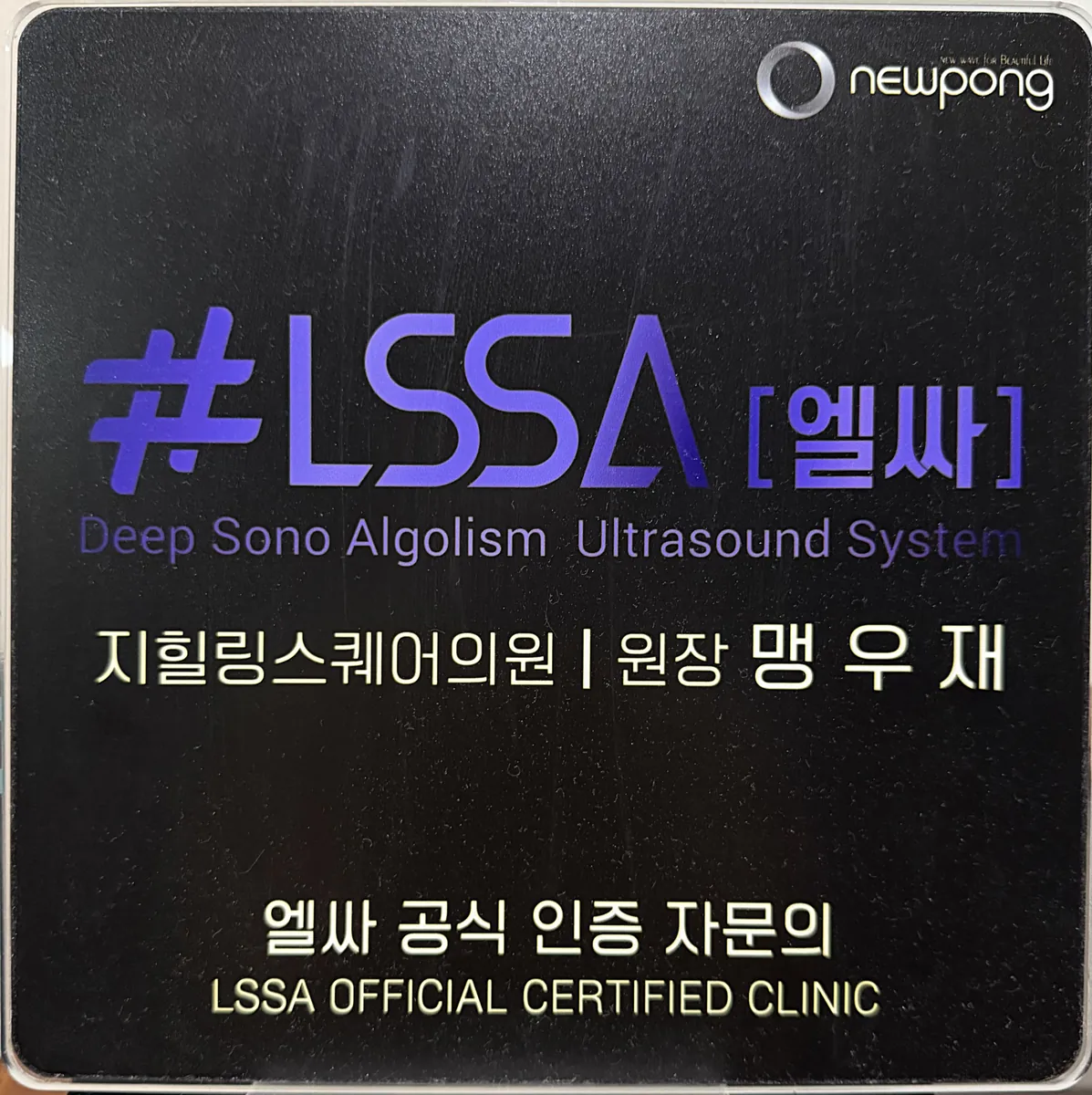
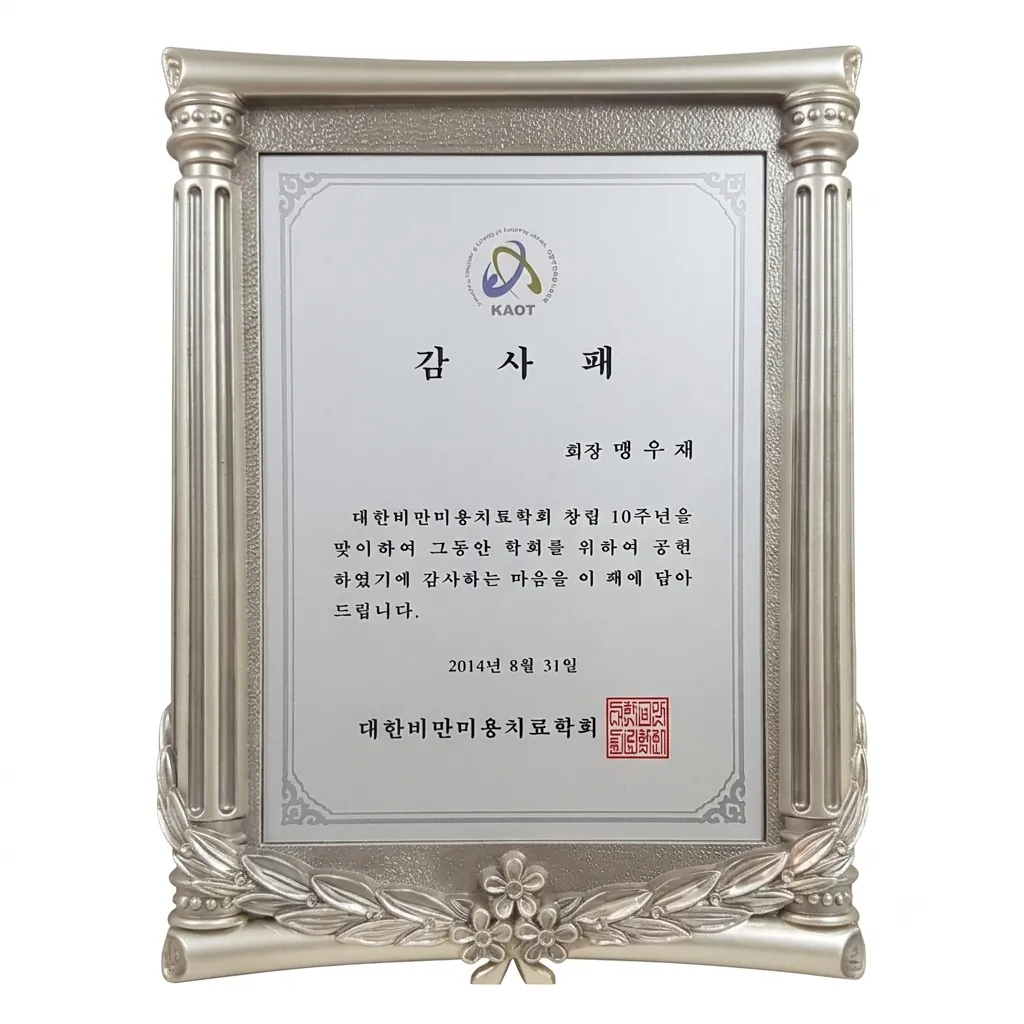
The G Clinic name dates to a 2012 device-maker advisory appointment. Each recognition below is stated as issued by its organisation.





Share your details and our team will reply through your preferred messenger. Consultation is free and pricing is quoted at your free consultation.
Thank you — our English coordinator will reach out as soon as possible.